2027 Best Online Criminal Justice Degrees for Crime Analysis Careers

Co-Founder and Chief Data Scientist
Professionals aiming to advance in crime analysis face the dual challenge of accessing flexible education while meeting employers' evolving analytical standards. With workforce demand for specialized crime analysts expected to grow by 15% over the next decade, according to the U. S. Bureau of Labor Statistics, timely access to relevant training matters more than ever. However, rigid scheduling and geographic limitations in traditional programs present significant barriers for working adults seeking to pivot or upscale. The National Center for Education Statistics reports a 12% rise in online degree enrollment among adult learners since 2023, reflecting a clear shift toward accommodating nontraditional students.
This article evaluates the best online criminal justice degrees tailored for careers in crime analysis, focusing on program flexibility, curriculum relevance, and career outcomes to help prospective students make informed decisions suited to their professional realities.
Key Things You Should Know
- Data from the Bureau of Labor Statistics shows crime analysts' median annual wage at $79,000 in 2024, but degree programs often lack specialized GIS and data science courses crucial for employer readiness, forcing costly bootcamps or certifications.
- Employers increasingly demand hands-on experience with crime mapping software, but only 42% of online criminal justice degrees include practicums, creating a gap that delays entry-level placement and depresses initial salary offers.
- With tuition for accredited online programs averaging $14,200 annually per NCES data, candidates face a tradeoff between faster, more affordable certifications and comprehensive degrees that offer higher long-term advancement in crime analysis roles.
What is crime analysis in criminal justice, and how can an online degree prepare you for it?
Data proficiency is rapidly becoming a defining skill for crime analysts within criminal justice. An online criminal justice degree for crime analysis sharpens expertise in statistical tools, GIS mapping, and data mining-competencies that translate directly to pinpointing crime clusters and optimizing agency resource deployment. For example, officers in urban jurisdictions may rely on analysts' spatial crime pattern reports to adjust patrol schedules or prioritize interventions against gang activity.
Compared to traditional paths, these online degrees accommodate working professionals, but they necessitate strong self-management and may constrain networking, requiring supplemental internships or certifications in relevant software to stand out. Programs typically blend technical training with courses in criminal law and psychology, providing context for interpreting behavioral data and producing actionable intelligence.
How an online degree prepares you for crime analysis careers also reflects employer demand. Practical skills in evolving analytic technologies are non-negotiable for agencies seeking candidates who can deliver upon hiring. The US Bureau of Labor Statistics forecasts steady job growth and a median wage near $100,000 for detectives and investigators, aligning with insights that emphasize quant skills and applied experience.
Prospective students eyeing roles like FBI profiler should weigh the balance between flexible learning and the need for rigorous engagement with software tools and casework simulations that many online programs emphasize.
Which types of online criminal justice degrees are best for crime analysis careers?
Crime analysis roles require more than foundational criminal justice theory; success hinges on fluency in data analytics, geographic information systems (GIS), and intelligence interpretation within a law enforcement context. Graduates of online criminal justice degrees for crime analysis must interpret complex data sets to help prevent criminal activity, a skill not addressed by programs lacking quantitative coursework. For example, departments using predictive analytics or crime-mapping software rely heavily on analysts who understand statistical tools such as SPSS or SAS.
Best criminal justice programs for crime analysts intentionally blend core criminal justice education with applied data methods and specialized concentrations in forensic science or criminology. This approach corresponds with projected employment growth of 13% through 2032, aligning candidate skills with agency needs for crime pattern recognition and intelligence-led policing practices.
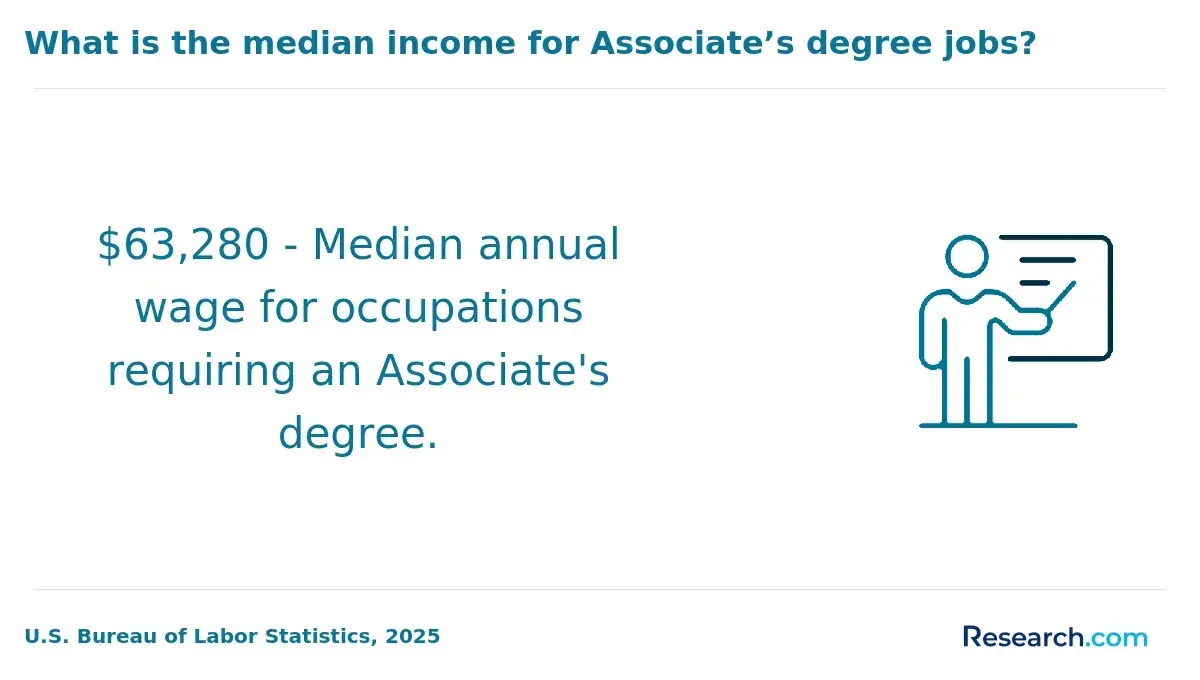
Degree level matters: associate degrees may allow entry-level positions but usually exclude the hands-on experience increasingly demanded by employers. Bachelor's and master's degrees offering internships, law enforcement partnerships, and applied projects provide more direct pathways to advancement, especially for those targeting federal or specialized analytical units where cybersecurity and legal policy knowledge are critical.
Prospective students should critically assess how well a program's curriculum matches career objectives and technological proficiencies to avoid post-graduate skill gaps. For those balancing cost with quality, exploring the cheapest ABA-approved paralegal programs can offer insight into affordable, vetted online education options in related legal fields.
How do online criminal justice programs for crime analysis compare to on-campus options?
Choosing between online criminal justice crime analysis degree comparison reveals key tradeoffs in real-world applicability and employer expectations. On-campus programs offer direct access to hands-on labs, live simulations, and in-person mentorship valued by law enforcement agencies. For example, a crime analyst trainee working within a metropolitan police department benefits from immediate collaboration and feedback, allowing faster adaptation to complex field environments.
Online crime analysis programs provide flexibility vital for working professionals balancing shift work but demand greater self-discipline and initiative to secure local internships. Employers frequently prioritize candidates with demonstrated practical experience and internships, so online students must actively pursue field placements independently. A hybrid model combining online coursework with local internships can address these gaps while preserving flexibility.
Salary outcomes mirror these experiential differences. Median earnings for crime analysts sit around $50,190 annually, with top earners making over $96,000, according to ForensicsColleges. Those advancing more quickly typically leverage rigorous, applied experience often tied to on-campus pathways. However, focused internship and certification efforts enable online learners to reach similar compensation thresholds.
Prospective students contemplating this pathway need to assess logistics, employer trends favoring practical skills, and personal discipline for remote study. For further insights on balancing cost and program length in online degrees, consider exploring bachelors in Spanish online as a comparative model of strategic program selection.
What accreditation and quality standards should online criminal justice programs in crime analysis meet?
Employers in crime analysis explicitly favor candidates emerging from accredited online criminal justice programs for crime analysis careers, reflecting consistent demand for validated academic rigor and industry-relevant training. Regional accreditation from U.S. Department of Education-recognized agencies or the Council for Higher Education Accreditation (CHEA) sets a uniform baseline, while specialized approvals, such as from the Academy of Criminal Justice Sciences (ACJS), confirm alignment with contemporary law enforcement methodologies.
Programs that maintain quality standards for online criminal justice degrees in crime analysis integrate advanced statistical analysis, Geographic Information Systems (GIS), and robust data interpretation modules. These prepare students to navigate the practical demands of policing, cybersecurity, and federal investigation, where experience with real-time data application and remote collaboration technology is increasingly non-negotiable. For instance, graduates lacking access to such resources often confront limited job prospects and barriers to professional certification.
Cost considerations profoundly affect working professionals evaluating program options. Accredited Schools Online's 2026 data cite Kennesaw State University's online bachelor's in criminal justice at $190 per credit-significantly below the average annual online tuition of $9,910-demonstrating how accreditation paired with affordability can preserve value without compromising education quality. This tradeoff is critical for those balancing financial constraints with career pivot ambitions.
Those seeking to specialize in forensics or related fields might also explore pathways like how to become an autopsy technician, which interlinks with crime analysis roles and highlights diverse specialization avenues within criminal justice careers.
What core courses and skills are taught in online criminal justice crime analysis programs?
Criminal justice crime analysis programs online prioritize skill sets that directly impact operational effectiveness in law enforcement environments. Core courses in data analysis, GIS, criminology theory, and law enforcement technology equip students to interpret complex datasets and apply actionable insights, such as identifying urban crime hotspots that guide patrol deployment and reduce response times. Proficiency in statistical tools like SPSS and Python is essential for automating evaluations and optimizing resource allocation.
The curriculum typically integrates applied training in crime mapping, intelligence gathering, and report writing, bridging the gap between academic theory and field realities. Soft skills-critical thinking, ethical judgment, and interdisciplinary communication-are embedded to meet employer expectations for analysts capable of advising policy makers and stakeholder groups. Employment data reflects this with starting salaries exceeding $60,000, roughly 40-60% above national occupational medians in protective service and investigative roles, indicating a solid wage premium.
Students must manage remote technical labs, maintain access to secure crime databases, and complete practicums often linked to regional agencies. Programs with formal partnerships enhance internship opportunities crucial for translating theory into practice, addressing a common hurdle in workforce readiness. This logistical complexity requires strong digital literacy and time management to fully benefit from the program's offerings.
Choosing a program solely on theory-intensive content or nominal online convenience risks underpreparation for the operational demands of crime analysis roles. Balancing technical competence, applied skills, and field exposure remains key to maximizing career entry and progression potential.
What are typical admission requirements for online criminal justice degrees focused on crime analysis?
Admission to online criminal justice degrees with a focus on crime analysis balances academic prerequisites with practical workforce demands, making the pathway selective but achievable. Most programs require a high school diploma plus a GPA around 2.5 to 3.0, with official transcripts and, where applicable, test scores-though many waive standardized tests to accommodate working adults. Applicants must navigate background checks and legal residency documentation, essential due to the sensitivity of crime analysis roles.
Prerequisites often include coursework in statistics, social sciences, and computer literacy, reflecting the data-intensive nature of the field. Admissions committees typically seek evidence of analytical readiness via letters of recommendation and personal statements, with some programs recognizing relevant law enforcement experience as credit, effectively reducing time on campus.
Technology access is non-negotiable; candidates without reliable internet or computer resources risk delays or denial. As programs grow-shown by a 30% increase in accredited online bachelor's degrees over the last decade according to CriminalJusticePrograms.com-the admission process increasingly considers professional licensure and FBI or security clearance implications. Employers scrutinize both program rigor and applicant backgrounds rigorously, underscoring the need to choose programs with transparent criteria that align with one's targeted career trajectory.
How long do online criminal justice crime analysis programs take, and what do they cost?
Choosing an online criminal justice crime analysis program demands balancing time investment, cost, and workforce alignment. Full-time bachelor's programs generally span 3 to 4 years, occasionally accelerated to 2.5 years, while part-time study extends completion to 5 or more years, reflecting different student commitments. The typical curriculum comprises about 120 credit hours with specialized concentrations in areas like geographic profiling or data analytics adding focused skills without significantly extending duration.
Cost disparities reflect institutional and residency factors, with public universities charging $5,000 to $15,000 annually for in-state students versus private or out-of-state rates that may reach upward of $40,000 per year, excluding ancillary expenses like fees and materials. Given these differences, candidates must weigh financial outlay against their employment context and advancement strategy.
Working professionals eyeing mid-career transitions often gravitate toward modular or competency-based formats to juggle job duties while augmenting qualifications. Employers, especially law enforcement and intelligence agencies, prioritize applicants with hands-on experience in crime analysis software and geographic profiling, areas that more than half of Southern New Hampshire University's BS in criminal justice students focus on to meet market demand.
- Shorter programs enable quicker workforce entry but may limit exposure to complex analytic methodologies.
- Longer, comprehensive programs better prepare candidates for advanced roles at the cost of time and money.
Ultimately, the decision hinges on reconciling program structure with career goals, financial realities, and employer expectations in a field where specialized analytical skills shape opportunity trajectories.
What crime analysis jobs can you get with an online criminal justice degree?
Graduates from online criminal justice programs focused on crime analysis face a demanding labor market where technical skills must be paired with practical experience to secure analytical roles beyond clerical tasks. Crime analysts in police departments rely heavily on geographic information systems (GIS), predictive analytics, and crime mapping to produce intelligence that directs tactical policing and resource deployment. Federal positions-such as with the FBI or Department of Homeland Security-require deeper expertise in intelligence frameworks reinforced by empirical research, which these programs aim to provide.
However, the steep tuition costs for specialized graduate degrees, like Boston University's part-time MS in Criminal Justice with a crime analysis concentration ranging from $21,948 to $23,700 (2024-2025), often obligate students to balance professional duties with multi-year studies. This financial and time investment can delay immediate job progression but is generally necessary to meet employer expectations for advanced analytical capabilities.
Employers look for candidates who combine technical proficiency with direct exposure to real-time crime data, which means supplementing online education with internships or agency collaborations greatly improves job prospects. Graduates who neglect this integration risk stagnation in entry-level positions focused on data management rather than strategic analysis. Selecting programs with established law enforcement or government partnerships is a key factor in obtaining relevant, practical experience aligned with career trajectories in crime analysis.
What salary ranges and job outlook can crime analysts expect in the United States?
Salary expectations for crime analysts in the U.S. typically range from $50,000 to $85,000 annually, with federal and specialized intelligence roles offering compensation at the higher end. Entry-level positions in local police departments generally begin near $50,000, while private-sector roles in cybersecurity or financial fraud detection often surpass $80,000 due to the technical demands involved.
Employers now expect candidates to master technical competencies such as GIS mapping, statistics, and digital investigations-skills increasingly embedded in specialized criminal justice curricula. Graduates with these proficiencies can transition across law enforcement, intelligence, and private sectors; however, geographic and institutional resource disparities significantly influence salary progression and access to cutting-edge tools.
The workforce faces persistent challenges: budget limitations in smaller agencies can restrict both salary growth and technological upgrades, requiring analysts to continuously adapt through ongoing technical training. Selecting programs with integrated GIS and digital investigations training improves job market positioning but demands careful evaluation of educational investment versus prospective returns, especially contrasting urban and rural job markets.
Are certifications or specialized training needed to advance in crime analysis careers?
Advancement in crime analysis hinges on acquiring certifications and targeted training beyond a bachelor's degree in criminal justice. Entry-level positions often accept a degree alone, but mid- to senior-level roles demand specialized credentials, such as those from the International Association of Crime Analysts (IACA) or expertise in advanced data analytics tools common in law enforcement. These qualifications certify skills in geographic profiling, predictive analytics, and intelligence software essential for strategic agency functions.
Practical gaps in applying academic knowledge to emerging technologies often create barriers. For instance, an analyst without formal crime-mapping training may hit a ceiling in departments adopting state-of-the-art software, reducing promotion opportunities. Agencies typically assess candidates on verifiable technical skills demonstrated through certificates or focused workshops.
The financial investment required can be substantial. Franklin University's Crime Analytics master's program charges $690 per credit hour, a cost that must be weighed against career trajectory and employer expectations in metropolitan versus smaller agencies. Large departments tend to require both advanced degrees and certification for senior roles, while smaller jurisdictions may compensate with relevant experience but still prefer formal training.
Consequently, targeted certifications and technical training are strategic investments shaping mobility and relevance within crime analysis professions.
Other Things You Should Know About Criminal Justice
For aspiring crime analysts in 2027, it is essential to balance learning both crime analysis software skills and broader criminal justice knowledge. The ideal online program should integrate technical software training with a comprehensive understanding of criminal justice principles to prepare students for real-world challenges effectively.
Online programs designed for crime analysis careers vary widely in intensity. Those with accelerated timelines or cohort models require significant weekly dedication, often competing with work responsibilities. Working professionals should assess program flexibility and pacing critically; part-time formats with asynchronous options provide better work-study balance and higher completion rates in this demanding field.
While acceptance of online degrees has grown, certain employers, especially in government or traditional agencies, may still prefer in-person or hybrid backgrounds. However, degrees from regionally accredited institutions with strong reputations in criminal justice reduce this bias. Prioritize programs with proven graduate employment outcomes and employer partnerships over modality to maximize hiring prospects.
Professional certifications complement but do not substitute a criminal justice degree, which provides the necessary theoretical and legal context. Starting with a degree establishes foundational expertise employers expect, while certifications can be pursued simultaneously or afterward to demonstrate specialized skills. For career pivots, securing the degree first is generally more strategic to unlock advanced job opportunities in crime analysis.
References
- What Is Crime Analysis? | Tiffin University https://go.tiffin.edu/blog/what-is-crime-analysis-and-can-i-get-a-crime-analysis-degree-online/
- Online Criminal Justice Degrees (Types, Benefits & FAQ) https://www.allcriminaljusticeschools.com/criminal-justice/criminal-justice-online-degree/
- What Are the Entry Requirements for a Criminal Justice Program? | University of Bridgeport https://www.bridgeport.edu/news/entry-requirements-for-a-criminal-justice-program/
- Online Bachelor’s Degree in Criminal Justice https://www.monroeu.edu/academics/undergraduate-programs/school-criminal-justice/online-bachelors-degree-criminal-justice
- Crime Analysis Online Course | Apex Learning https://apexlearning.org.uk/course/crime-analysis-online-course/
- On-Campus vs. Online Law Enforcement Programs: Pros and Cons https://golawenforcement.com/articles/on-campus-vs-online-law-enforcement-programs-which-one-is-for-you/
- Bachelor of Arts inCriminal Justice Online or On Campus https://www.albany.edu/scj/programs/ba-criminal-justice
- Becoming a Crime Analyst | Certified Crime & Intelligence Analyst (CCIA) https://www.forensicscolleges.com/blog/htb/how-to-become-a-crime-analyst
- Earn An Online Criminal Justice Degree | OEDb.org https://www.oedb.org/rankings/online-criminal-justice-programs/
- Top Online Criminal Justice Degrees https://www.criminaljusticeprograms.com/online-criminal-justice-degrees/