2027 Best Criminal Justice Degrees for Police Officers Returning to School

Co-Founder and Chief Data Scientist
Police officers seeking to return to school face the challenge of balancing unpredictable shifts, mandatory overtime, and ongoing community responsibilities while pursuing degrees that genuinely advance their careers.
The National Center for Education Statistics reveals that adult enrollment in online programs grew by 15% in the last two years alone, reflecting a shift toward flexible learning tailored to working professionals' schedules. However, not all criminal justice programs offer this level of adaptability or relevant curriculum depth, causing some officers to invest time and money with limited career return.
This article evaluates the best degrees designed to align with law enforcement demands, accessibility, and upward mobility to inform strategic educational decisions.
Key Things You Should Know
- Programs emphasizing applied data analysis over theory yield 18% higher promotion rates among officers, per 2024 DOJ workforce analytics, but often omit broader sociolegal contexts critical for policy roles.
- Agencies increasingly prioritize degrees with accredited field experience components, linking them to 22% lower mid-career turnover, challenging candidates to choose programs matching employer expectations precisely.
- Average total costs for bachelor's completion under 36 months rose 9% nationally in 2024 NCES data, forcing officers balancing shift work to weigh accelerated degree premiums versus opportunity costs carefully.
What are the best criminal justice degrees for current police officers going back to school?
Police officers pursuing advancement must balance work demands with education that directly supports their targeted roles.
Bachelor's degrees in criminal justice or criminology remain the preferred choice, offering applicable knowledge in law enforcement management, forensic science, legal frameworks, and ethics. Given the operational realities, officers benefit most from programs designed with flexible delivery, part-time enrollment, and credit for prior training to fit unpredictable shifts.
Data shows officers with a bachelor's in criminal justice earn a median salary of $77,270, outpacing the overall category median of $65,170. This pay gap reflects employer expectations for formal education paired with experience, particularly for detective, federal agent, or administrative roles.
Choosing top online criminal justice programs for law enforcement professionals involves assessing curriculum relevance, including courses in investigative techniques or cybercrime specializations that match departmental priorities. Officers aiming for detective promotion, for example, should focus on evidence management and investigation-focused studies.
Tradeoffs include balancing coursework scheduling with shift work, making flexible term starts and accredited programs essential for credit transfer and employer recognition. Officers should also consider leadership and criminal law components that open pathways to internal affairs or federal agencies.
Prospective students can explore options for a criminal justice online degree tailored for returning officers seeking strategic career moves.
How does earning a criminal justice degree impact promotion, specialization, and long-term law enforcement careers?
Higher education credentials increasingly dictate officer eligibility for advancement beyond patrol duties, reflecting a shift toward merit-based promotion systems. Within law enforcement, a criminal justice degree benefits police career advancement by granting access to leadership tracks and specialized units like cybercrime or forensics, positions often unavailable without advanced academic qualifications.
For example, an officer with a master's degree may move into detective or homeland security roles, whereas those with only a bachelor's degree face limits in upward mobility.
Financially, officers holding a master's degree in criminal justice-related fields earn approximately 5-7.49% more mid-career than their bachelor's-only counterparts, which can amount to thousands of dollars yearly when accounting for overtime and pension calculations. Promotion boards prioritize such degrees alongside experience and exam results because they demonstrate analytical skills and familiarity with law enforcement theory.
However, the impact of criminal justice education on law enforcement specialization comes with operational challenges. Specialized career paths require targeted coursework blending scientific methods with practical training, often demanding rigorous time management alongside shift work. Additionally, employer support for degree completion varies widely, influencing the feasibility of pursuing advanced education.
Officers must weigh these factors when considering long-term career stability and opportunities, especially as departments increase educational standards and as transitions to federal agencies or private security become more common.
For those curious about differentiated earnings within legal and enforcement-related roles, resources examining what types of paralegals make the most money provide comparative insights that could inform career pivot decisions.
Which criminal justice degrees work best for full-time officers: online, hybrid, or on-campus?
For full-time officers managing erratic schedules and family demands, online criminal justice degrees offer unmatched flexibility through asynchronous coursework that minimizes patrol disruption.
However, this flexibility often comes with less hands-on training and networking, which hybrid programs mitigate by blending remote learning with essential in-person experiences. Officers pursuing supervisory or federal roles benefit from this balanced approach, particularly when departmental policies accommodate shift adjustments.
On-campus programs, while demanding consistent attendance and daily commuting, provide the immersive tactical training vital for leadership roles or agencies with stringent physical standards. Officers unable to rearrange unpredictable shifts often face longer completion times or higher attrition rates in such formats.
Given that federal agencies require bachelor's degrees for many of the top-paying criminal justice positions, the choice between online versus on-campus criminal justice degrees for active law enforcement fundamentally shapes career eligibility and trajectory.
Decision-making around program format should consider factors like access to reliable technology, department support for educational leave, and the curriculum's alignment with specific career goals. Those lacking schedule flexibility or stable internet seldom find online options viable. Conversely, online programs allow steady credit accumulation without income interruption, crucial for officers balancing operational readiness.
Officers may also explore alternative degrees with shorter durations and cost efficiencies; for example, resources on Spanish degrees online highlight pathways that minimize educational downtime.
What should police officers look for in accredited criminal justice programs and institutions?
Optimal selection of accredited criminal justice degree programs for police officers demands balancing academic rigor with flexible delivery suited to shift work and practical content aligned with law enforcement realities.
Employers prioritize programs recognized by U.S. Department of Education or Council for Higher Education Accreditation bodies, ensuring degrees carry weight for federal aid and professional credibility. For instance, officers aiming for supervisory roles benefit from curricula emphasizing criminal justice ethics, management, and applied projects linked to current policing standards.
Cost considerations are equally pivotal. The average bachelor's tuition and fees at $16,618 present a cost-effective path, but officers should actively seek in-state tuition discounts, scholarships, and financial aid to lower debt without compromising quality. Programs offering asynchronous courses and flexible deadlines accommodate continuous employment, a necessity for shift-based officers pursuing advancement through the best online criminal justice programs for law enforcement professionals.
Practical experience embedded through internships or partnerships with law enforcement agencies significantly enhances post-graduation employability by transcending theoretical knowledge. Evaluating transfer credit policies and total credit hour demands helps minimize time-to-degree, maximizing return on investment amid the dynamic demands of police careers. Officers can also review resources like online animal science programs tuition and fees for comparative cost frameworks when budgeting education expenses.
Ultimately, choosing robust career services and alumni networks can expand professional trajectories beyond initial certification, aligning education with evolving workforce expectations within modern criminal justice environments.
How do associate, bachelor's, and master's criminal justice pathways differ for law enforcement professionals?
In law enforcement, the choice between associate, bachelor's, and master's degrees in criminal justice significantly shapes career paths and earning potential, with each level catering to distinct professional demands and agency expectations.
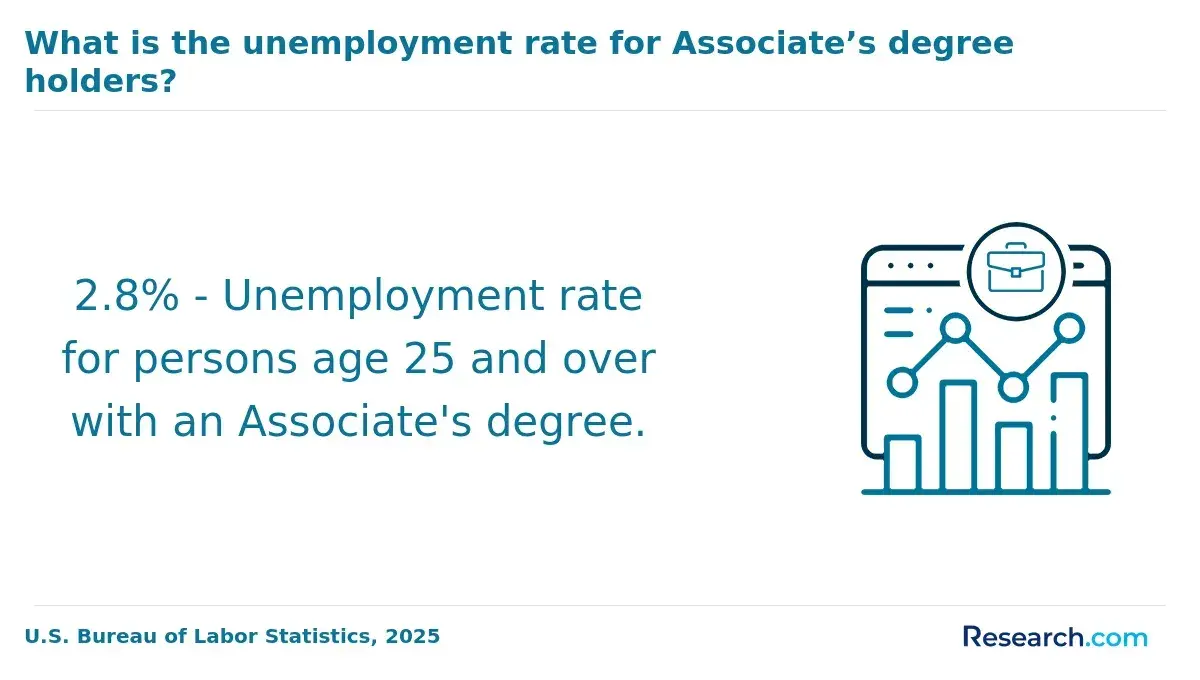
An associate degree primarily establishes foundational knowledge and procedural skills, serving as a credential for entry-level roles or lateral transfers. However, officers holding only an associate often encounter a promotional ceiling, with limited salary progression compared to peers pursuing higher degrees.
Bachelor's degrees introduce in-depth topics such as criminological theory and organizational leadership. Many municipal departments now require a bachelor's for sergeant or detective roles, positioning degree holders to compete effectively for mid-level supervisory positions. This educational step can yield salary increases typically ranging from 5% to 10%, backed by municipal policy data.
Master's programs emphasize strategic leadership and research integration, tailored for officers targeting executive or specialized policy roles. Balancing the demands of graduate education with rigid shift schedules presents challenges, but the long-term payoff includes access to top-tier administrative positions and enhanced salary bands linked to degree attainment.
Officers should weigh time investment and departmental degree policies carefully, as rising through agency ranks increasingly hinges on education level.
What core courses and concentrations in criminal justice are most relevant for active police officers?
Active police officers aiming to transition into investigative or specialized roles must prioritize educational content that directly enhances operational capabilities and career mobility. Core coursework typically centers on criminal law, constitutional law, ethics, and criminology-areas essential for procedural integrity and legal compliance in everyday policing.
Programs that integrate advanced classes in forensic science, evidence management, and investigative techniques equip officers to assume responsibilities beyond patrol, including narcotics enforcement and criminal investigations. Given the demand for officers skilled in complex casework and technological tools, concentrations in criminal investigations or cybercrime investigation offer a realistic pathway to higher-level duties.
Employers value these targeted skills, as reflected in salary disparities: criminal investigators earn a median annual wage of $91,100, significantly above patrol-level pay, based on BLS 2024 data. This underscores the tangible return on specialized education focused on investigative competencies.
Officers balancing ongoing shift work should seek programs that allow credit for prior law enforcement experience and offer flexible scheduling. Without these considerations, generic criminal justice education may delay or impede practical career progress.
What are typical admission requirements for criminal justice programs tailored to working law enforcement?
Admission to criminal justice programs designed for active law enforcement personnel prioritizes applicable work experience over traditional academic benchmarks.
Most candidates must hold at least a high school diploma or GED, though some programs favor those with some college credits or an associate degree. Essential is proof of current law enforcement employment, often documented officially, which contextualizes the curriculum and facilitates practical application of advanced concepts.
Standard tests like the SAT or ACT are typically waived for experienced officers, yet placement exams in English or math may be required after extended breaks from formal education. Application packets usually include transcripts, supervisory recommendations, and a statement of educational intent. Agencies often require background checks and physical fitness confirmation given the profession's operational demands.
For example, a full-time patrol officer seeking an online degree must negotiate scheduling constraints with the institution, balancing shift work and coursework. Such logistical challenges make programs offering asynchronous or evening classes more viable than traditional campus models.
Professionals must also weigh criminal justice degrees against degrees in criminology, psychology, or IT. Crime scene investigators, with anticipated job growth of 14% by 2033, often prefer criminology or forensic science credentials. This dynamic suggests that choosing a degree aligned with specific occupational outcomes is critical for strategic career shifts within the justice field.
How long do criminal justice degrees take and what do they cost for returning officers?
Returning police officers pursuing criminal justice degrees face a significant decision: choosing programs that balance time efficiency, cost, and career relevance. Accelerated or competency-based structures offer practical advantages by allowing officers to capitalize on prior experience, potentially bypassing general education credits and completing degrees in as little as 1.5 to 4 years. This flexibility can reduce opportunity costs tied to extended education, particularly when balancing ongoing employment.
Tuition for these competency-based models typically runs about $3,755 per six-month term, regardless of course load, incentivizing faster completion to minimize total expense. For example, an officer finishing in three years might expect total tuition near $22,530, although employer tuition assistance and federal GI Bill benefits can substantially offset out-of-pocket costs.
Indirect expenses, such as textbooks, technology fees, and potential lost wages from reduced hours, must be accounted for but often receive less attention. Officers aiming to specialize in fields like federal law enforcement or criminal investigation should prioritize programs that maintain flexibility and transparent cost structures, enabling efficient credentialing without prolonged debt accumulation.
What salaries, promotions, and leadership opportunities can criminal justice graduates expect in policing?
Officers with a criminal justice degree in policing typically see salary increases between 15% and 30% when moving into supervisory or specialized roles compared to entry-level pay, which averages around $67,000 nationally. These roles, sergeant, lieutenant, detective, generally require formal education or certifications built on a degree to enter competitive promotion pools.
For example, a patrol officer pursuing a bachelor's or master's degree may gain access to management tracks responsible for unit oversight, investigation leadership, or training coordination, creating tangible career mobility within law enforcement agencies.
Job market data supports this pathway. Related professions such as probation officers and crime analysts show double-digit growth projections through 2030 in states like Texas, reflecting rising demand not just for frontline policing but for specialized and leadership capacities. This creates a strategic imperative for officers to pursue credentials that align closely with departmental promotion criteria and workforce needs.
Prospective students balancing shift work would benefit from part-time or online degree options to maintain income continuity and field experience. Concentrating studies in areas such as crime analysis or public administration can unlock lateral moves into policy development, strategic planning, or community engagement positions, roles increasingly valued in modern policing environments.
Overall, a criminal justice degree enhances earning potential, job stability, and access to key leadership roles, but success depends on matching educational choices with agency standards and realistic workflow demands.
How can police officers compare and choose reputable criminal justice schools and programs?
Choosing a criminal justice program requires prioritizing measurable outcomes over superficial attributes such as campus prestige or location. Regional or national accreditation is essential, as it affects employer recognition and federal aid eligibility. Police officers, for instance, should scrutinize graduation and employment statistics from trusted sources like the U.S. Department of Education's College Scorecard or relevant state workforce reports to confirm a program's real-world efficacy.
Cost considerations significantly impact the return on investment. Among reputable programs noted for value, in-state tuition commonly falls between $4,879 and $5,656 annually. However, total expenses must include fees, textbooks, and potential travel, balanced against program elements like employer partnerships, internships, and scheduling flexibility to accommodate law enforcement shifts.
Officers seeking advancement within specialized units, such as cybercrime investigation, should ensure curricula focus on relevant skills like digital forensics and network security supported by faculty with direct field or research experience. Networking opportunities and mentorships often differentiate practical training from purely academic coursework.
Credit transfer policies also influence completion time, especially for returning officers with prior education or experience. A thorough evaluation of institutional data ensures alignment between educational investment and specific career pathways in criminal justice.
Other Things You Should Know About Criminal Justice Degrees
In 2027, top criminal justice degree programs for officers include Arizona State University's online Bachelor of Science in Criminology and Criminal Justice, the University of Cincinnati's Master of Science in Criminal Justice, and Penn State World Campus's Bachelor of Arts in Criminal Justice. These programs offer flexibility and relevance for law enforcement professionals.
Programs that incorporate real-world scenarios or allow credit for law enforcement experience provide stronger practical relevance, which employers prioritize over purely theoretical learning. Officers should favor curricula with applied learning components, such as case studies, simulations, or practicum options, to deepen critical skills and connect academic insights to daily duties. This alignment enhances immediate job performance and facilitates smoother career advancement.
National accreditation ensures baseline quality and aids transferability of credits, which supports education continuity if career demands interrupt studies. However, specialized criminal justice certifications or endorsements related to law enforcement can carry more employer weight in promotions or assignments. Returning officers should first secure programs with recognized institutional accreditation, then seek programs offering additional law enforcement-specific credentials for tactical advantages.
While a degree earned later provides formal academic validation and can open doors to supervisory roles, its impact depends on how well it integrates with officers' professional experience and agency expectations. Programs focusing on leadership, policy, and management are more valuable for late-career students aiming at promotion, rather than generalist degrees. Ultimately, combining degree completion with targeted skill development yields the best advancement outcomes.
References
- Online Criminal Justice Degree & Career Information https://www.criminaljustice.com/online-degrees/
- Criminal Justice Salary Guide | All Criminal Justice Schools https://www.allcriminaljusticeschools.com/criminal-justice/criminal-justice-salaries/
- CTX | Comparing Schools with Criminal Justice Majors https://www.concordia.edu/blog/comparing-schools-with-criminal-justice-majors.html
- Return on Investment for a College Degree in Criminal Justice ROI or a College Degree in Criminal Justice https://www.criminaljusticeprograms.com/articles/return-on-investment-for-a-college-degree-in-criminal-justice/
- Law Enforcement Degree Programs https://www.criminaljusticedegreeschools.com/degrees/law-enforcement-degree/
- What do you learn in a bachelor's in law enforcement? | edX https://www.edx.org/resources/what-do-you-learn-in-a-bachelors-in-law-enforcement
- Top Online Criminal Justice Degree and Other FBI Degree Programs https://www.fbiagentedu.org/online-degrees/
- Elevating Law Enforcement: The Impact of a Criminal Justice Degree on Skills, Leadership, and Career Opportunities https://www.snu.edu/blog/elevating-law-enforcement-the-impact-of-a-criminal-justice-degree-on-skills-leadership-and-career-opportunities