2027 Best Online Bachelor's in Criminal Justice for First-Time Justice Professionals

Co-Founder and Chief Data Scientist
Securing a foothold in criminal justice often hinges on balancing rigorous academic demands with unpredictable work schedules, especially for first-time professionals juggling shift work or family obligations. Nearly 60% of adult learners cited flexible scheduling as their primary enrollment factor in 2024, according to the National Center for Education Statistics, signaling a clear need for programs accommodating nontraditional timelines and delivery modes.
This trend reflects growing pressure on aspiring criminal justice professionals to integrate education seamlessly with career entry or advancement without sacrificing income or experience. This article identifies the best online bachelor's programs designed to address these practical challenges while optimizing employability and career mobility for newcomers.
Key Things You Should Know
- Emerging analyses reveal a 12% wage disparity for bachelor's holders in criminal justice versus related fields like criminology; this tradeoff pressures candidates to prioritize specialized skill acquisition over broad degree appeal.
- Federal law enforcement agencies increasingly favor candidates with accredited bachelor's degrees plus two years of field experience, reshaping hiring norms that now demand practical readiness alongside academic credentials.
- With average online bachelor's programs costing upward of $30,000 and median completion times nearing 5 years per NCES 2024 data, candidates face high opportunity costs, mandating thorough vetting of accelerated or competency-based formats.
What is an online bachelor's in criminal justice and who is it best suited for?
An online bachelor's degree in criminal justice for beginners offers a flexible route into a field that demands practical skills and situational awareness alongside theoretical knowledge. Many first-time professionals pursuing the best online criminal justice programs for first-time professionals need programs accommodating ongoing employment or military duties, which asynchronous instruction often provides. However, students must weigh how fully online curricula align with employer expectations-especially where in-person training or field internships remain non-negotiable for hiring standards.
For example, a military veteran moving toward civilian law enforcement benefits from courses that integrate digital scenarios but also requires access to hybrid or local experiential learning to meet certification. The median wage for protective service occupations is currently higher than the general U.S. median, which reflects continuing demand for specialized education but does not guarantee readiness without complementary field exposure.
Practical decision points for prospective candidates include verifying state-specific licensing requirements and whether programs include ride-alongs, court observations, or similar experiential components. Purely theoretical online degrees may fall short for agencies demanding hands-on proficiency. Candidates should consult reliable resources to identify programs fitting these practical criteria; notably, a criminology degree online listings can help evaluate affordability alongside program features.
How does an online criminal justice bachelor's compare to a campus-based degree?
Online criminal justice bachelor's degree programs offer flexibility that suits working adults but introduce challenges linked to employer perceptions and practical readiness. Unlike campus programs, which incorporate structured physical training and in-person mentorship vital for first responders, online formats often emphasize theoretical knowledge delivered through digital case studies. This can restrict hands-on operational experience, a noted preference among law enforcement employers.
Key advantages of online criminal justice bachelor's degree benefits include the ability to navigate scheduling and geographic constraints, allowing students to progress amid personal or professional commitments. However, weaker immediate peer and instructor interaction demands greater self-discipline and may necessitate supplemental practical experience post-graduation. Students should verify whether programs provide live internships or partnerships with agencies, as direct fieldwork remains essential for employer recognition and effective onboarding.
Graduates with online degrees can tailor their studies toward areas like cybercrime or analysis, responding more rapidly to shifting workforce needs. This adaptability matters given the projected 72,900 new protective service jobs and 429,000 openings over the next decade. Still, assessing local labor market acceptance and real-world competencies is critical.
For those evaluating outcomes and earning potential, understanding related metrics linked to degrees such as forensic science is valuable; for insights, see forensic science degree salary.
Which accredited schools offer the best online bachelor's in criminal justice?
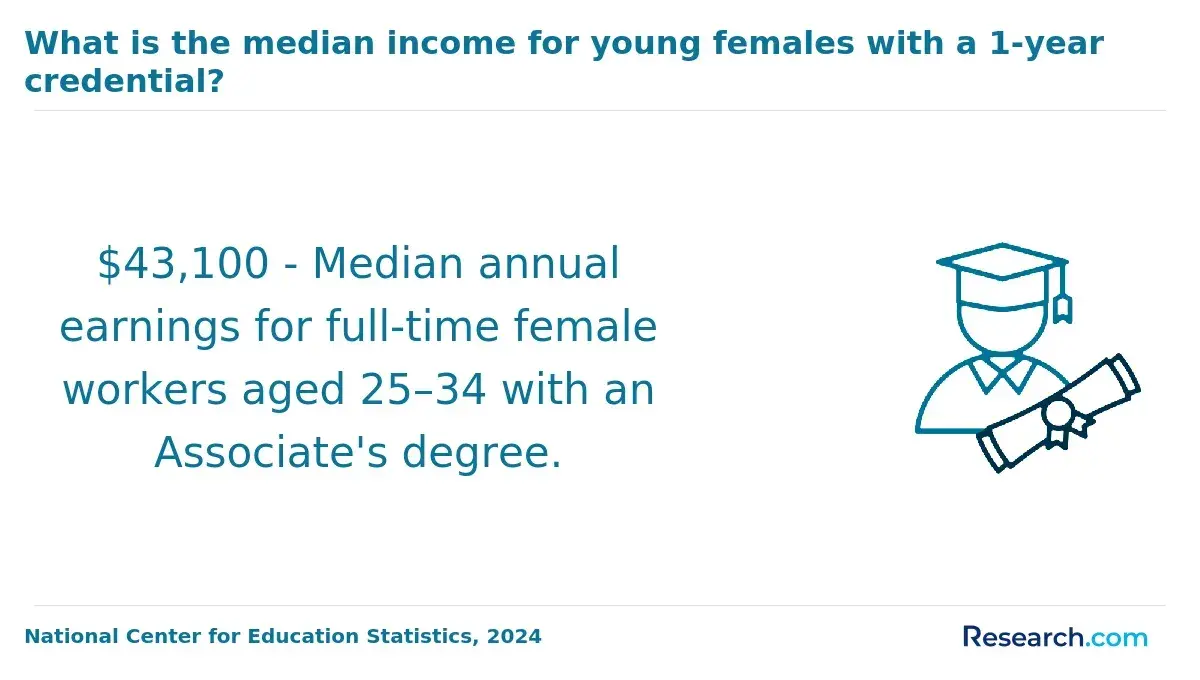
Selecting the best accredited online criminal justice degree programs requires balancing academic rigor with practical career pathways that align with local and federal employer expectations. Graduates entering law enforcement or corrections face different skill demands: federal agents need strong grounding in investigative procedures, while those pursuing rehabilitation roles benefit from training in community resources. This specialization narrows program suitability depending on career goals and affects employability in specific sectors.
Regional accreditation, recognized by the Council for Higher Education Accreditation (CHEA), remains a non-negotiable factor-employers prioritize degrees from genuinely accredited institutions to avoid credential verification issues during hiring processes. Top online bachelor's in criminal justice schools like the University of Cincinnati, Florida State University, and Arizona State University offer curricula incorporating contemporary challenges, including cybersecurity and forensic psychology, directly addressing workforce demands.
The U.S. Bureau of Labor Statistics forecasts just 3% growth for police and sheriff's patrol officers through 2034, translating to around 35,000 annual openings. This modest growth points to the importance of complementary certifications or specialized skills to compete beyond entry-level roles. Program selection should also consider internship availability and employer reputation, which influence job placement success.
Students weighing accelerated versus traditional degree paths must recognize tradeoffs between speed and comprehensive academic depth. For a broader foundation, slower-paced programs may better support upward mobility in policy or analysis careers. For those seeking efficient entry at scale, expedited degrees provide faster workforce access but might lack nuance in complex criminal justice topics.
Prospective students evaluating pathways alongside options like Spanish degrees online can leverage cross-disciplinary skills to expand career versatility.
What accreditation should an online criminal justice program have to be respected?
Online criminal justice program accreditation standards directly affect employability and career mobility. Without regional accreditation recognized by the U.S. Department of Education, degrees often lack credibility with employers and licensing bodies, limiting access to federal aid, graduate studies, and credit transfers. National accreditation alone rarely suffices for law enforcement careers where rigorous academic standards are mandatory.
Employers increasingly prioritize candidates from regionally recognized criminal justice degrees that hold specialized accreditation from bodies like the Academy of Criminal Justice Sciences (ACJS) or approval from the Commission on Accreditation for Law Enforcement Agencies (CALEA). These programs emphasize applied skills, ethics, and research methodologies critical for roles such as detectives and criminal investigators, who earn a median yearly wage of $93,230. For students and professionals, selecting programs lacking these credentials can block eligibility for essential state certifications and training waivers, creating barriers to advancement and salary growth.
Applicants should verify accreditation status via the Council for Higher Education Accreditation database and confirm alignment with current industry challenges, including cybercrime and forensic analysis. Ensuring curricular relevance in these areas can significantly affect job market positioning and long-term returns on education investment.
What courses and specializations are typically included in these online programs?
Online bachelor's programs in criminal justice prepare students for complex roles demanding legal precision and operational competence in varied public safety contexts. Core subjects like law enforcement, corrections, criminal law, and criminology provide foundational knowledge, while specialized tracks in cybersecurity, forensics, or juvenile justice address employer-specific skill gaps-such as digital evidence handling or youth intervention strategies. This diversity reflects the sector's evolving workforce needs, from local police departments to federal agencies and advocacy organizations.
The value of practical training is substantial: internships and practicum courses function as critical vetting stages where employers gauge applied skills in environments like district attorney offices or probation services. Graduates equipped only with theory may face hurdles in demonstrating operational readiness, especially in evidence-based settings requiring strict adherence to legal frameworks and procedural standards.
Electives targeting leadership and management reflect a common career inflection point. Advancement often depends less on textbook knowledge than on effective personnel and resource supervision, underscoring the necessity of managerial competencies for upward mobility.
Financially, some accredited online programs offer tuition below $7,000 annually, significantly undercutting the national public bachelor's average of $12,815 (OnlineU; BestColleges). This affordability can reduce debt burdens while maintaining academic rigor certified by bodies like the Council on Criminal Justice Higher Education.
What are the usual admission requirements for first-time criminal justice majors?
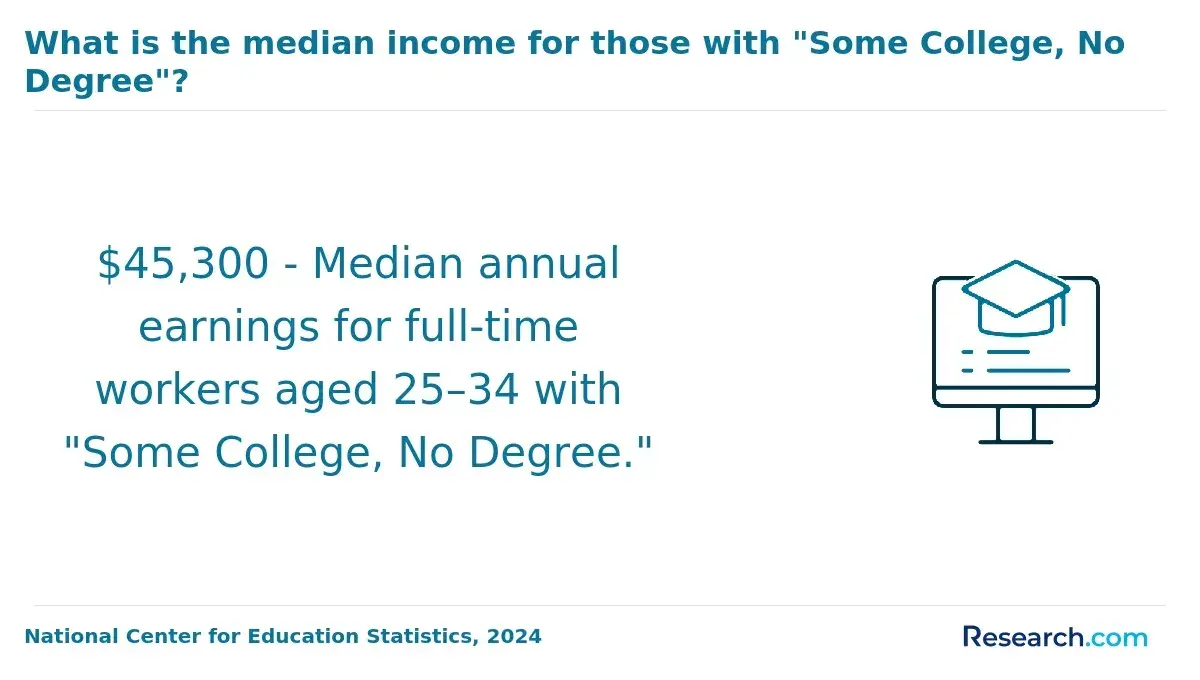
Entry to bachelor's-level criminal justice programs increasingly mirrors employer expectations where academic readiness and personal integrity shape candidate viability. Universities commonly require a high school diploma or equivalent with a minimum GPA around 2.5 to 3.0, alongside official transcripts to verify academic performance. Although SAT or ACT scores are often optional, they can remain decisive for competitive admits or funding opportunities.
Applicants who are non-native English speakers must provide proof of proficiency, such as TOEFL or IELTS scores, ensuring they can handle the demanding reading and writing workload central to criminal justice curricula. Beyond academics, background checks are standard, reflecting the field's necessity for trustworthiness; prior criminal records can substantially restrict access to law enforcement or corrections careers despite degree completion.
Professionals pivoting from unrelated sectors may face additional hurdles, like prerequisite courses or experience validation, especially when transferring credits. This contrasts with typical high school graduates moving directly into online programs, which tend to follow more transparent admission pathways.
The 2024 CSU Global study predicting nearly 100,000 annual job openings and 4.6% growth over five years confirms strong labor demand for qualified graduates. Applicants aligning early with these admission criteria avoid delays and position themselves to enter an expanding labor market where credential verification and personal background weigh heavily in hiring decisions.
How long does an online criminal justice bachelor's take and what does it cost?
Choosing an online bachelor's in criminal justice demands careful assessment of time versus financial investment, particularly for professionals balancing work and study. A standard full-time path spans about four years, yet accelerated programs can cut this to two or three years if students transfer credits or take intensive course loads. Part-time enrollment extends duration beyond six years, impacting both direct costs and opportunity costs like delayed workforce entry or income loss.
Tuition ranges broadly from $40,000 to $90,000, heavily influenced by institution type and residency status. Public universities with in-state tuition offer better affordability compared to private colleges, which often have higher fees without clear guarantees of improved employment outcomes. Budget planning must also consider technology fees, textbooks, and certification preparation expenses, which frequently go overlooked.
Students targeting roles such as forensic specialists, who earn median salaries around $106,040 annually per ASU Online data, should prioritize programs embedding specialized technical skills. Employers value candidates demonstrating both foundational knowledge and applied expertise, crucial for promotion and job security.
The decision between accelerated tracks and extended part-time study hinges on individual urgency and risk tolerance:
- Accelerated paths reduce time to labor market but increase academic pressure and stress.
- Part-time tracks allow flexibility but extend financial commitments and delay practical experience accumulation.
Aligning program offerings with employer expectations and market demands ensures that time and money invested yield verifiable career traction rather than simply credential accumulation.
What entry-level careers can graduates pursue in law enforcement and justice fields?
Graduates holding an online bachelor's in criminal justice often face a clear tradeoff between immediate frontline employment and longer-term specialization that demands additional training. Entry roles such as police officers, correctional officers, or probation officers remain the primary gateway into law enforcement but require meeting variable state certification standards and rigorous physical and background screening. For instance, a new graduate aiming for a police officer position must navigate these specific hurdles beyond the academic credential.
Federal agencies like the FBI or DEA increasingly prefer candidates with bachelor's degrees, yet new hires in analyst or special agent assistant roles typically need specialized instruction not covered in a general bachelor's curriculum. This trend reflects a labor market where complexity in crime prevention and data analysis elevates baseline degree requirements but does not replace practical experience or advanced training.
State and local government listings now prominently list online degrees as qualifying credentials, widening access to those entering from undergraduate programs. However, candidates must anticipate:
- Physical fitness demands and continuous ethical vetting as ongoing employment filters
- Geographic variability in hiring criteria that affect where graduates may apply effectively
- Alternative career paths including victim advocacy or forensic support, which often require engagement with nonprofit or public health systems and carry different stress and credentialing profiles
Such realities emphasize the importance of aligning educational choices with personal capabilities and the operational requirements of target employers rather than viewing the bachelor's degree as a standalone qualification.
What starting salaries and long-term earning potential do criminal justice graduates have?
Entry-level salaries for those holding a bachelor's in criminal justice typically start between $45,000 and $55,000 annually, a range that aligns with roles like probation officers and police patrol officers per 2024 Bureau of Labor Statistics data. These figures vary significantly by region, employing agency, and area of specialization. Notably, positions in federal agencies, supervisory roles, or specialized fields such as forensic analysis or cybersecurity can surpass $90,000 annually, especially with additional certifications or advanced education.
Choosing an online degree program often involves balancing immediate income needs against program flexibility. Over 70% of students enrolled in online criminal justice bachelor's degrees juggle full-time work alongside coursework, which tends to slow initial salary progression but enhances cumulative on-the-job experience-a key factor many employers prioritize beyond academic credentials alone.
Sector-specific differences matter:
- Community corrections roles generally offer lower starting pay but provide stable long-term salary growth based on tenure.
- Federal and investigative careers often require competitive exams and additional credentials but offer higher starting salaries.
- Internships and parallel certifications yield faster salary advancement for those entering specialized tracks.
Prospective students must evaluate how workload, program format, and targeted career paths intersect with employer expectations and compensation trajectories, recognizing that workforce continuity gained through working while studying frequently outweighs short-term earnings sacrifices.
Are there licensing or certification steps after earning a criminal justice bachelor's?
Licensing and certification demands after earning a criminal justice bachelor's degree diverge sharply by role and state, directly affecting career entry timelines and costs. Law enforcement roles typically require state-specific certification beyond the degree, such as California's POST (Peace Officer Standards and Training) certification, which is mandatory despite academic credentials. Federal jobs like FBI or DEA positions bypass state licenses but impose rigorous specialized training and background vetting.
Positions in probation, parole, or corrections often require certification from professional bodies like the American Correctional Association, mandating supervised experience and passing exams. For example, probation officers in Texas face a formal certification process that impacts job credibility and advancement prospects.
Graduate studies or targeted certifications in areas such as forensic science, cybersecurity, or criminal psychology can enhance eligibility for niche roles but are not universally obligatory. Choosing programs with integrated licensing preparation or state partnerships has significant practical value since tuition variability exceeds 300% at some institutions, affecting total education and certification expenses.
Prospective students should proactively verify post-degree licensing requirements specific to their planned jurisdiction while comparing the best online associate degree programs in criminal justice. Planning for certification timelines and costs avoids extended unemployment or underemployment, common when degree programs don't align with industry credentialing.
Other Things You Should Know About Criminal Justice
Most online criminal justice programs in 2027 provide virtual simulations, partnerships with local law enforcement for internships, and integrated fieldwork opportunities. Institutions often assist students in finding placements to ensure that they receive hands-on experience necessary for professional development.
Online programs vary widely in how they integrate experiential learning. Some require students to complete internships locally or arrange ride-alongs and fieldwork independently, which can create logistical challenges. Prioritize programs that offer structured support for real-world experience, as this component significantly impacts job readiness and employability in criminal justice careers.
Choosing between specialization and a general curriculum depends on your career goals. A broad curriculum offers flexibility and foundational knowledge valuable for entry-level roles or uncertain professional paths. Specializations-such as cybercrime, forensic science, or corrections-can provide targeted expertise that employers seek for specialized roles, but they may limit adaptability if career plans change. Evaluate your intended job market and long-term goals before deciding.
Online criminal justice programs often require disciplined time management because coursework can be rigorous, especially with research papers, case studies, and simulations. Expect periods of heavy workload near midterms and finals, alongside deadlines for applied projects. Prioritize programs with flexible scheduling and asynchronous classes if you need to maintain full-time employment while studying.
References
- Should I Get My Bachelor’s Degree in Criminal Justice Online? | CSU Global https://csuglobal.edu/blog/should-i-get-my-bachelors-degree-criminal-justice-online
- 30+ New Coursera Specializations Will Give Your Skills a Massive Boost — Class Central https://www.classcentral.com/report/coursera-new-specializations/
- Online Criminal Justice Degree & Career Information https://www.criminaljustice.com/online-degrees/
- Criminal Justice Salary Guide | All Criminal Justice Schools https://www.allcriminaljusticeschools.com/criminal-justice/criminal-justice-salaries/
- Criminal Justice Degree Requirements | University of Bridgeport https://www.bridgeport.edu/news/criminal-justice-degree-requirements/
- Most Affordable Online Criminal Justice Degrees https://www.affordablecollegesonline.org/degrees/criminal-justice-programs/
- Master's Degree in Criminal Justice: Salary & Career Options https://www.gograd.org/resources/criminal-justice-masters-careers/
- Explore Criminal Justice Certificate Programs https://www.criminaljusticedegreeschools.com/degrees/certificate/
- Find Top Online Bachelor's In Criminal Justice Programs https://www.accreditedschoolsonline.org/criminal-justice/bachelors/
- Criminal Justice Certificate Program - Atlanta's John Marshall Law School https://www.johnmarshall.edu/futurestudent/j-d-honors-program-in-criminal-justice/