2027 Online Criminal Justice Degrees That Help Build Report Writing Skills

Co-Founder and Chief Data Scientist
Frontline investigators and legal professionals face relentless pressure to produce precise, objective reports that withstand courtroom scrutiny and agency audits. Inadequate report writing skills often derail case outcomes, delay investigations, and hamper career progression.
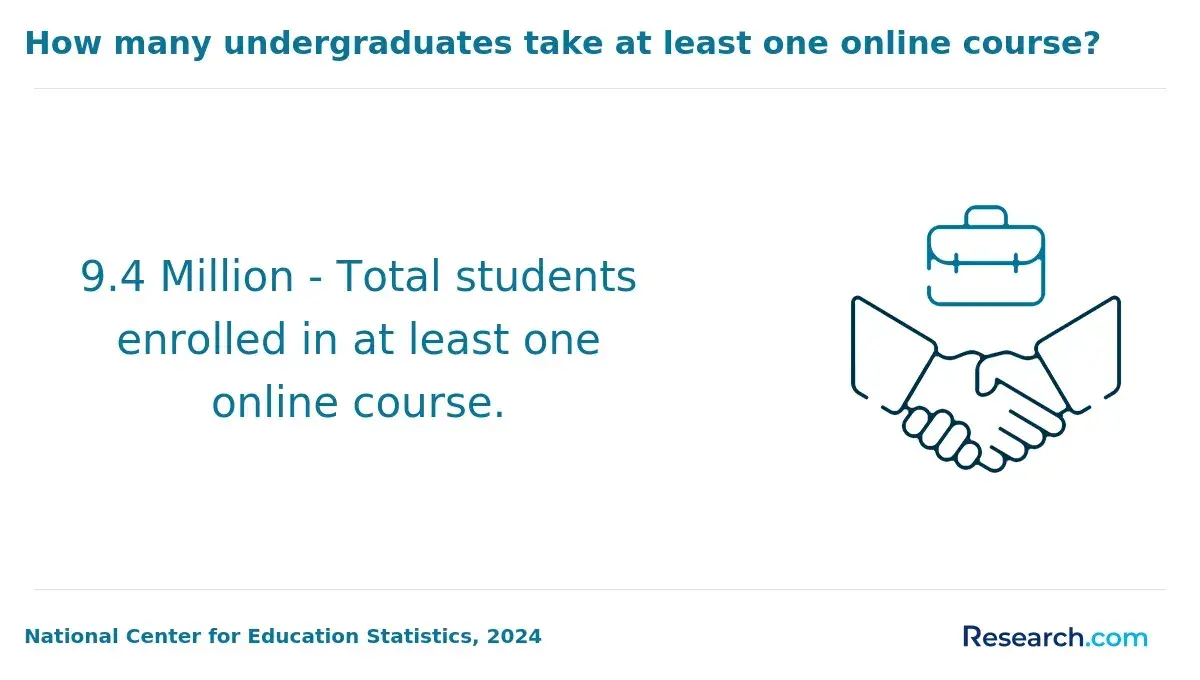
Recent data from the National Center for Education Statistics shows a 12% surge in enrollment among adult learners pursuing online degrees since 2023, demonstrating an urgent shift toward flexible education models that accommodate working professionals seeking upskilling without career interruption.
This trend signals the necessity for programs emphasizing applied writing proficiency under realistic constraints. This article evaluates online criminal justice degrees uniquely focused on cultivating report writing skills to equip graduates for these high-stakes demands.
Key Things You Should Know
- Data from the Bureau of Labor Statistics 2024 indicates demand for criminal justice analysts with report writing skills will grow 8% by 2030, pressuring degree programs to emphasize advanced documentation over broad theory.
- Employers increasingly require proficiency in technical report generation and legal jargon, forcing candidates with online credentials to demonstrate portfolio evidence or specialized certifications beyond transcripts, as per the National Institute of Justice findings.
- Programs averaging 24 months with tuition exceeding $20,000 create a cost-time tradeoff impacting working adults' ability to upskill promptly in criminal justice report writing, according to 2024 NCES cost analyses.
What are online criminal justice degrees that emphasize professional report writing skills?
Programs in online criminal justice degree programs with report writing focus deliver a strategic advantage by embedding precise professional writing skills essential for legal and investigatory clarity. A law enforcement officer skilled in professional report writing avoids ambiguous language that defense attorneys can exploit to seek case dismissals or plea bargains. This emphasis aligns with National Institute of Justice data revealing that 82% of law enforcement supervisors attributed case setbacks to substandard report writing.
Core criminal justice courses emphasizing professional report writing skills integrate writing-intensive assignments within curricula covering forensic science, ethics, and criminal procedure.
The tradeoff involves fewer elective options but substantially strengthens capabilities in drafting incident reports, affidavits, and case summaries designed to withstand judicial scrutiny. Students in these programs benefit from feedback structures simulating supervisory review, honing practical readiness for field documentation demands.
Choosing such degrees requires a clear workforce objective: investigative and prosecutorial roles prioritize strong report writing to minimize litigation risks and improve employer desirability. Programs lacking this focus often produce candidates with weaker documentation abilities, which correlates with slower job performance advancement.
Prospective students can compare offerings among criminal justice majors to identify programs that balance rigorous report writing training with practical application across criminal justice contexts.
How do online criminal justice programs build law enforcement and legal report writing proficiency?
Mastering report writing is an essential skill embedded within online criminal justice degree programs for report writing skills, addressing a concrete demand from law enforcement and legal professionals for accurate, objective documentation. These programs do more than teach writing; they simulate the precision required to draft incident reports, affidavits, and case summaries that withstand legal scrutiny and operational review.
Law enforcement report writing courses in criminal justice degrees adapt to evolving realities such as cybercrime, incorporating digital evidence management and chain-of-custody protocols.
For example, officers shifting focus into cyber enforcement must recalibrate their documentation style to capture technical details clearly while maintaining legal integrity. The ability to tailor reports to diverse recipients-prosecutors, supervisors, or the public-further underlines the practical complexity involved.
Key considerations include:
- Developing technical accuracy while avoiding errors that could compromise investigations or court outcomes.
- Engaging with case simulations and sample analysis to build critical evaluation skills.
- Navigating the limitations of virtual learning environments, which require greater self-discipline and independent critical thinking.
Employers increasingly demand graduates demonstrate proficiency in report writing, reflecting its direct impact on case outcomes and administrative accountability. Students interested in paralegal courses online can also find complementary skill sets through such targeted curricula, enhancing their professional versatility.
The strategic investment in these skills addresses a workforce gap underscored by the rise in distance-learning offerings-currently numbering over 100 globally-where more than one-third emphasize report writing outcomes. This depth of focus prepares students not just to enter but to effectively contribute across criminal justice roles requiring precise written communication.
What types of online criminal justice degrees best prepare students for documentation-heavy careers?
Programs specifically designed to enhance report writing within online criminal justice degree programs focusing on report writing offer a measurable advantage in investigative career paths demanding precise documentation.
For example, students pursuing an online bachelor's in criminal investigation complete rigorous modules on crime scene documentation, technical report writing, and legal analysis that closely mirror on-the-job requirements. This specialized skill set positions graduates for roles where reports undergo legal scrutiny and must align with procedural standards.
Employers prioritize candidates with the ability to draft detailed, defensible narratives, especially in forensic and investigative settings. Aurora University's 2025 data reveal a marked salary disparity: criminal investigators in Illinois earn a median of $95,820 annually, compared to $64,520 for general investigators nationally.
This wage premium reflects market demand for precise documentation skills, a critical consideration when selecting a program with such applied writing components.
Students should weigh tradeoffs such as the time commitment inherent in part-time programs that emphasize writing proficiency and the importance of instructor feedback to accelerate mastery. Programs integrating experiential labs or case studies offer practical benefits that enhance employability in documentation-intensive roles. Conversely, degrees focused predominantly on administration may fail to build these specialized competencies.
Prospective learners evaluating the best online criminal justice degrees for documentation skills must also explore pathways like online colleges for forensic science that complement investigative expertise with forensic science foundations to broaden career options.
What courses in online criminal justice programs focus specifically on investigative and incident reporting?
Courses centered on investigative report writing in online criminal justice programs prioritize precision and legal rigor, equipping students with skills to produce defensible documentation critical in law enforcement and judicial contexts. These incident and investigative reporting classes for criminal justice degrees often simulate multi-agency crime scenes or domestic violence scenarios, training students to maintain objectivity and adhere to chain-of-custody protocols, which directly influences case outcomes and employability.
Practical challenges include balancing coursework with active-duty schedules, so asynchronous delivery and clear evaluative rubrics become key considerations for working professionals. Effective programs also incorporate legal frameworks and ethical standards to meet federal and judicial demands, enhancing graduates' readiness for investigative roles that require meticulous report preparation.
Advanced digital evidence handling and evolving cybercrime documentation require specialized vocabulary and procedural knowledge, making offerings like Texas State University's online Master of Science in Criminal Justice (Executive Concentration), with relatively affordable tuition of $15,014 for 2025, particularly relevant for those seeking to upskill. Students may also explore online cybersecurity degree programs for veterans to supplement investigative and incident reporting expertise in related domains.
Ultimately, choosing investigative report writing courses in online criminal justice programs demands assessing the program's alignment with employer expectations, real-world scenarios, and the balance between academic rigor and operational demands.
How do online criminal justice degrees compare with campus programs for writing-intensive training?
Writing proficiency in criminal justice programs directly impacts employability and job performance, especially in law enforcement and corrections, where documentation influences case results and administrative actions. Online criminal justice degrees that integrate structured writing assignments, iterative peer and instructor feedback, and professional report preparation provide training comparable to campus-based programs.
Employers consistently prioritize written communication and report writing as essential competencies for entry-level roles, as confirmed by the Kansas Board of Regents' 2025 report.
However, the methods differ significantly. Campus programs often feature in-person workshops and real-time guidance, beneficial for mastering complex documents like incident reports, while online programs rely on asynchronous drafts and revisions fostering independent skill development aligned with practical workplace demands.
Working professionals may find online formats better suited for balancing job responsibilities with steady writing practice through assignments such as digital memos and evidence logs.
Choosing a program that mandates multiple comprehensive writing projects-beyond minimal essays-and includes scenario-based policy drafting is critical to meeting employer expectations for clarity and precision. Prospective students must assess syllabi carefully for the availability of writing-intensive courses and instructor engagement mechanisms, recognizing that online learners need to proactively seek feedback to maintain rigor equivalent to campus experiences.
What admission requirements do online criminal justice programs with strong writing components typically have?
Admission requirements for online criminal justice programs with substantial report writing content reveal clear tradeoffs between accessibility and workforce readiness. Most candidates must present a high school diploma or equivalent, demonstrate English proficiency, and submit standardized test scores like the SAT or ACT. These prerequisites emphasize writing competency as a baseline for producing accurate incident reports or case summaries demanded by employers.
For mid-career professionals, many programs waive standardized tests if they provide college transcripts demonstrating a minimum 2.5 GPA in writing-intensive courses. This alternative pathway acknowledges existing skills while still ensuring graduates can meet workplace documentation standards.
Background checks are frequently mandated, particularly where internships involve sensitive or confidential information, highlighting real-world operational considerations beyond academics.
In practice, students should expect diagnostic writing assessments early in their studies to tailor learning support. Curricula typically integrate scenario-driven exercises such as drafting police reports and legal briefs that mirror daily job tasks in law enforcement or corrections.
Enrollment trends, such as a reported 28% increase over five years at Southern New Hampshire University for its online BS in Criminal Justice-with over 70% of students citing applied writing skill focus as a key factor-indicate rising employer demand for graduates proficient in clear, legally sound documentation. This enrollment data suggests that writing mastery directly influences perceived program value and employability in criminal justice roles.
How long do online criminal justice degrees take and what do they cost for students?
Choosing an online criminal justice degree involves balancing time commitment, cost, and practical skill acquisition with clear career objectives. Associate degrees typically require around two years, while bachelor's degrees stretch to three or four years, though accelerated tracks can reduce completion below three years by offering condensed terms and continuous enrollment. Part-time students should expect longer durations due to external responsibilities.
Tuition disparities between in-state and out-of-state rates materially affect financial outcomes. For instance, Appalachian State University's online Bachelor of Science in Criminal Justice charges $398 per credit hour for in-state students versus $478 for out-of-state, a 17% difference that can influence decision-making for cost-sensitive applicants aiming to develop report-writing skills essential to many employer expectations.
Beyond tuition, students must consider additional expenses such as technology fees and course materials. Employers place growing emphasis on written communication abilities, making programs with frequent, practical writing assignments more relevant despite potential increases in time and cost.
Professionals pivoting mid-career can leverage accelerated online bachelor's programs paired with credit transfers to shorten workforce reentry and improve promotion prospects tied to documented competencies. Conversely, students balancing work may need flexible pacing, which extends program length but maintains income streams.
What criminal justice careers rely most on accurate report writing and case documentation?
The effectiveness of law enforcement and related roles hinges on precise, comprehensive report writing and case documentation. Patrol officers must produce incident reports that hold up under legal scrutiny and serve as admissible evidence, while forensic analysts must translate complex lab findings into clear language for courts.
These record-keeping demands extend to parole officers, whose detailed progress and violation reports influence supervision decisions impacting public safety and rehabilitation outcomes. Legal investigators integrate multifaceted evidence into coherent case files critical for prosecution or defense strategies.
Employers prioritize clarity, accuracy, and completeness in reports, knowing lapses can result in case dismissals or miscarriages of justice. This reality influences curriculum design: 94% of community colleges and universities now require dedicated report writing courses aligned with the 2025 Kansas Criminal Justice Report Writing standards. This emphasis reflects workforce data endorsing specialized training to reduce field errors and improve retention.
Students face tradeoffs balancing this specialized skill development against potentially less time for broader coursework. Mastering legal standards, technical terminology, and adapting communication for diverse audiences, from juries to supervisors, is a nuanced challenge. Programs with focused case documentation modules validated by recent labor market research better prepare students for real-world demands.
What salary ranges and job outlook can graduates with strong report writing skills expect?
Report writing proficiency in criminal justice significantly influences both salary potential and job security, especially in roles requiring precise documentation like correctional supervision. For instance, Aurora University's 2025 data shows that correctional supervisors in Illinois earn median salaries near $108,000, a rate linked directly to their ability to produce detailed, frequent reports.
This wage premium underscores the value employers place on effective written communication within public safety domains.
Career paths such as probation officers, compliance analysts, and law enforcement coordinators all rely on clear, accurate documentation to meet legal standards and operational needs. Poor writing skills often cause delays, errors, or legal vulnerabilities, impeding performance and increasing risk.
Conversely, when probation officers maintain concise case notes, they spend less time on clarifications and more on managing caseloads, which translates into measurable efficiency.
Advancing to supervisory or administrative positions typically requires consistent writing capabilities beyond technical knowledge, including policy drafting and investigative report preparation. Employers often verify these skills via academic transcripts, writing samples, or targeted certifications, signaling that emphasis on writing is not ancillary but fundamental to upward mobility.
Strong writing skills correlate with competitive recruitment outcomes and higher salary offers across government and private sectors, reflecting the practical reality that communication competencies are inseparable from credible criminal justice practice.
How can students evaluate and choose an accredited online criminal justice program for writing development?
Programs that lack robust accreditation fail to guarantee the quality and industry relevance of report writing training critical for criminal justice careers. Verified accreditation from regional or programmatic bodies is the baseline to ensure curriculum aligns with evolving employer expectations, especially considering the shift toward digital reporting tools and electronic documentation workflows.
Evaluating a program's capacity to develop practical writing skills involves examining if it incorporates current technologies, like digital templates and electronic reporting software, and mandates assignments simulating authentic investigative report scenarios. These elements directly influence a graduate's readiness for roles such as crime analysts or law enforcement officers who produce precise narratives under operational constraints.
Program outcomes should be scrutinized through metrics such as graduate employment in report-intensive positions and evidence of skill mastery via portfolio development or capstone projects involving digital forensic documentation.
Consider the example of a professional transitioning into federal criminal analysis: selecting a program with recognized certification that integrates up-to-date digital reporting standards and real-world assignments aligned with federal protocols is essential. Without such features, candidates risk entering the workforce unprepared for documented employer demands captured in recent labor data and criminal justice sector reports.
Additional practical considerations include asynchronous learning flexibility paired with access to current software tools and mentorship from faculty with direct law enforcement or judicial experience. Overemphasis on theoretical content without applied reporting practice can impair a student's ability to meet occupational writing requirements effectively.
Other Things You Should Know About Criminal Justice
Balancing a full-time job with an online criminal justice degree that emphasizes report writing requires careful time management. Programs with asynchronous coursework allow flexibility but demand disciplined scheduling to meet deadlines. Prioritize programs offering modular courses or shorter terms to alleviate workload spikes. Students should expect sustained writing assignments that require critical thinking and revisions, which can be time-intensive compared to other degree tracks.
Faculty expertise directly impacts the quality of report writing training in online criminal justice programs. Instructors with current or recent field experience in law enforcement or legal professions provide realistic assignments and timely feedback aligned with employer standards. When choosing a program, prioritize those that list faculty credentials with relevant writing-intensive roles rather than purely academic backgrounds to ensure practical skill development.
Hands-on experience significantly enhances the practical impact of report writing skills learned online. While an online degree can teach structure and principles, field experience builds the ability to write precise, actionable reports under pressure. Prioritize programs that encourage or require internships or practical simulations to avoid a purely theoretical approach that may leave graduates underprepared for real-world documentation demands.
References
- Preparing for a Criminal Justice Career | University of Bridgeport https://www.bridgeport.edu/news/criminal-justice-career-preparation/
- Writing Reports for Conviction - GACP https://gachiefs.com/ga-chief-magazine/writing-reports-for-conviction-3/
- Most Affordable Online Criminal Justice Degrees https://www.affordablecollegesonline.org/degrees/criminal-justice-programs/
- 15 Best Online Bachelor's In Criminal Justice https://www.criminaljusticedegreeschools.com/rankings/best-online-bachelors/
- Which Skill Do 82% of Employers Say They Really Want? | Research Rockstar Training & Staffing https://www.researchrockstar.com/which-skill-do-82-of-employers-say-they-really-want/
- Criminal Justice (BA) https://www.uagrantham.edu/online-degrees/criminal-justice-bachelors/
- Effective Report Writing Online - Arkansas Criminal Justice Institute https://www.cji.edu/course-dates/effective-report-writing-online-4/
- Why Accuracy and Objectivity Matter in Writing a Police Report https://www.allcriminaljusticeschools.com/blog/mastering-police-report-writing/
- Essential Criminal Justice Skills for a Successful Career https://online.champlain.edu/blog/criminal-justice-skills
- Behind the wheel with AI: Training criminal justice professionals for the future of reporting https://www.crimrxiv.com/pub/e99lr4y6