2027 Best Online Bachelor's in Criminal Justice at Accredited U.S. Universities

Co-Founder and Chief Data Scientist
Facing urgent workforce shortages while balancing full-time jobs, many prospective students in criminal justice struggle to find programs that accommodate unpredictable schedules and regional licensure demands. National Center for Education Statistics reports a 19% increase in online bachelor's enrollment since 2023, confirming a rising preference for flexible learning among working adults.
This shift reflects a need for programs that offer both accreditation and practical relevance without sacrificing career momentum. Choosing the right online bachelor's program requires navigating complex tradeoffs between accessibility, employer recognition, and curriculum rigor. This article evaluates top accredited U. S. options designed to resolve these challenges and support informed decision-making.
Key Things You Should Know
- Graduates with an online bachelor's in criminal justice face a 12% wage penalty on average versus traditional formats, signaling employer skepticism over remote credentials affecting salary trajectories, per 2024 BLS earnings data.
- FBI recruitment data reveals 65% of field agents possess in-person degrees, indicating a structural preference that online degrees may struggle to overcome for federal law enforcement entry roles.
- Median total degree costs for accredited online programs average $38,000, 20% lower than campus-based options, yet extended completion times-averaging 5.2 years-inflate opportunity costs critical for midcareer pivots.
What is an online bachelor's in criminal justice and how does it work?
An online bachelor's degree in criminal justice from accredited U.S. universities offers flexibility but demands strong self-management, especially since these programs use a mix of asynchronous and synchronous digital platforms. They typically cover 120 credits over four years with core courses in criminology, criminal law, forensic science, and ethics, plus electives for specialization in areas like cybercrime or juvenile justice.
However, direct fieldwork is rarely embedded; students must secure local internships or practicums, which can pose logistical challenges. Working professionals often leverage these programs to shift into supervisory roles or federal law enforcement positions without interrupting their employment. For instance, a corrections officer balancing shift work might complete coursework during off-hours, but the absence of structured hands-on training requires additional local effort.
Employer tuition reimbursement and sector salary variations influence the return on investment, making cost a strategic factor. The average annual tuition for similar social sciences online degrees is $13,676 at public institutions, guiding candidates toward programs balancing affordability and accreditation.
Understanding how an online criminal justice program works in the United States reveals the importance of evaluating program relevance to hiring standards, including background checks and professional competencies. Prospective students seeking practical and affordable pathways should consult rankings and outcomes represented in the best online criminal justice degree programs to inform their choices effectively.
Are online criminal justice bachelor's degrees as credible as on-campus programs?
Online bachelor's degrees in criminal justice with regional accreditation in the U.S. hold comparable validity to traditional on-campus programs, but the tangible value lies in direct workforce applicability. Employers, especially in law enforcement and investigative roles, increasingly prioritize demonstrated competencies and practical experience over whether coursework was completed online or in person.
For example, candidates who combine their degree with internships or fieldwork, such as ride-alongs with local agencies, tend to find more immediate employment opportunities. However, certain specialized pathways, like criminal investigation, may require on-site training or supervised practicums that fully online programs often cannot provide. These requirements can create barriers to entry for some roles without additional hands-on learning beyond the online curriculum.
Online formats appeal to working professionals seeking schedule flexibility. Successful students must exercise strong self-discipline to balance employment with study and proactively secure relevant experiential learning. Decision-makers should scrutinize program accreditation, faculty expertise, and access to internships or law enforcement networks rather than the delivery method alone to identify programs that enhance career prospects.
Detectives and criminal investigators have a median annual wage of $76,250 as reported by the U.S. Bureau of Labor Statistics for May 2025, emphasizing the outcome-oriented nature of these degrees. Graduates still need to meet certification, physical fitness, and jurisdiction-specific standards beyond the degree to qualify. For those weighing educational options, investigating a paralegal associate degree alongside criminal justice pathways can provide insight into alternative or complementary roles within the justice system.
How can I verify that an online criminal justice program is properly accredited?
Employers in law enforcement and related sectors prioritize graduates from online criminal justice programs accredited at both institutional and programmatic levels, making verification essential for realistic career outcomes. Confirming accreditation through regional agencies recognized by the U.S. Department of Education or CHEA ensures the institution meets nationwide standards, while program-specific accreditation-such as from the Academy of Criminal Justice Sciences (ACJS)-validates curriculum relevance to professional demands.
These distinctions matter: graduates from non-accredited or nationally unrecognized programs often face hurdles in federal employment, credit transfers, and licensure eligibility, undermining both career prospects and financial investment. Students navigating licensure or certification should verify state-specific program approvals, as these determine eligibility for certification exams and professional roles.
For example, a working professional transitioning into cybercrime investigation must select a program with accreditation standards aligned to evolving cybersecurity methodologies required by government agencies. Without this alignment, the time and cost invested may not translate into expected job market advantages. Resources like the U.S. Department of Education's Database of Accredited Postsecondary Institutions and Programs (DAPIP) are practical tools for cross-checking claims.
Considering the typical annual tuition of $9,910 for online criminal justice bachelor's degrees, avoiding non-accredited programs mitigates risks of financial loss without career advancement. Part-time students balancing work and study should also weigh how confirmed accreditation facilitates credit transferability.
Those evaluating pathways to degrees should approach with the same rigor as they would for a master's degree in marketing, where tuition, duration, and job outcomes are equally critical. Ensuring accreditation and practical fit is fundamental to effective decision-making regarding how to confirm accreditation of online criminal justice programs in the U.S. and the steps to verify accredited online bachelor's in criminal justice degrees at U.S. universities.
What admission requirements do online bachelor's in criminal justice programs typically have?
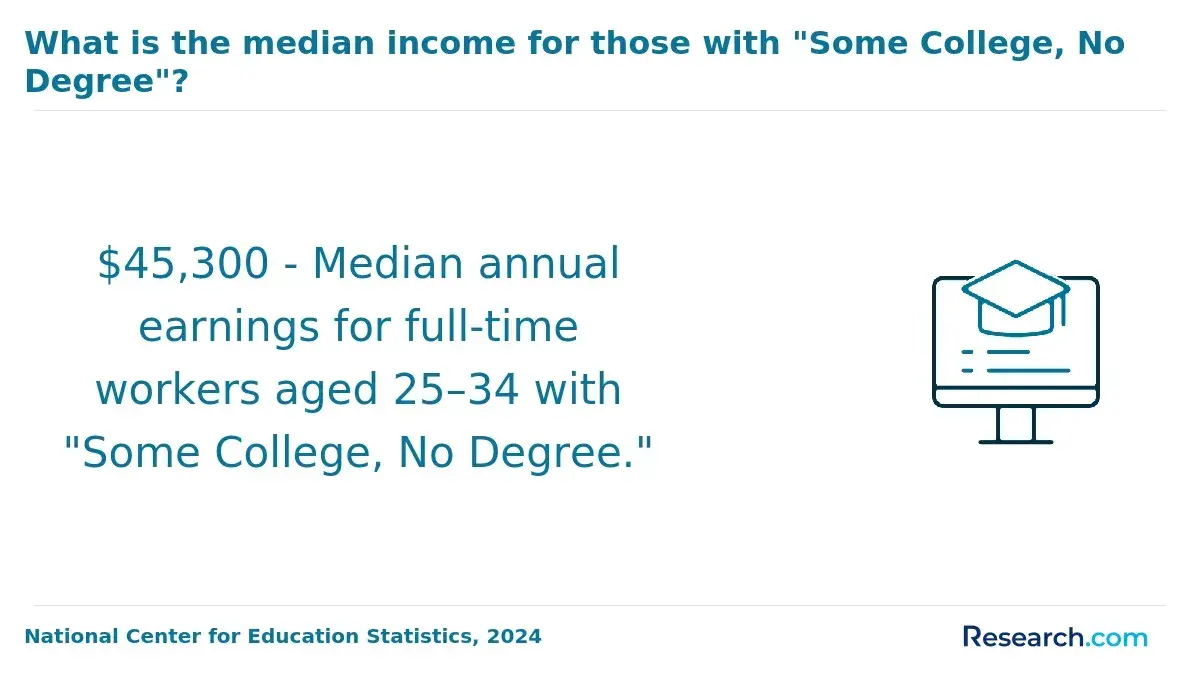
Online bachelor's in criminal justice admission criteria at accredited US universities emphasize a baseline of academic readiness while balancing practical hurdles. Most programs require a high school diploma or GED, with selective programs enforcing a minimum GPA of 2.5 to 3.0. Official transcripts documenting general education prerequisites such as English, math, and social sciences are standard.
Some programs require SAT or ACT scores but often waive these for adult learners or students with prior college credits, making transfer applicants a strategic choice to reduce degree time and expense. Admission processes include personal statements assessing motivation and communication skills essential in fields like law enforcement and legal services.
Letters of recommendation appear chiefly in competitive or cohort-based setups tied to public safety agencies. Programs targeting working professionals often adopt rolling admissions and eliminate test requirements but offset this flexibility with higher tuition-annual in-state costs can vary greatly, from as low as $6,368 to significantly more at private institutions. These price differentials should inform decisions, given the relatively fixed wage scales in public sector criminal justice careers.
Applicants must also navigate residency verification for in-state tuition and background checks linked to internships requiring security clearance. Such logistical considerations impact enrollment timing and cost-effectiveness. For those evaluating career pivots into forensic or investigative roles, exploring specialized paths-for example, becoming an autopsy tech can offer alternative entry points aligned with criminal justice education.
Typical admission requirements for online bachelor's in criminal justice programs in the United States reflect this blend of academic standardization and workforce relevance, demanding careful assessment of program rigor, flexibility, and tangible career ROI.
How long does an online criminal justice bachelor's take and what does it cost?
A criminal justice bachelor's degree standardized at 120 credits typically requires four years of full-time study, but this timeline often extends for working professionals juggling employment and personal commitments, sometimes taking six years or more. This credit threshold ensures graduates possess the core competencies employers expect across policing, courts, and corrections sectors.
Programs strictly adhering to this structure provide clarity on foundational knowledge, a key hiring criterion in government and law enforcement roles. Cost variability between public and private institutions is significant, with tuition ranging from $30,000 to $60,000 for the full program. Ancillary expenses like fees, textbooks, and technology add an estimated 10-20% to total costs.
From an ROI perspective, accreditation and credit completion carry more weight with employers than program prestige. Students should therefore prioritize affordable, accredited programs that align with their career stage and scheduling needs. Deciding factors often include transfer credit policies and specialization availability, which influence how efficiently a student can adapt formal education to specific career goals.
For example, a federal law enforcement agent pursuing a promotion may value time-to-degree and credit transferability over a traditional campus experience. Conversely, recent graduates might weigh in-person residencies and a steady four-year structure if balancing cost and duration.
Key tradeoffs:
- Faster, rigid programs can lower tuition but risk work-life imbalance.
- Extended timelines may increase overall expenses but offer scheduling flexibility critical for employed students.
What core courses and specializations are offered in online criminal justice degrees?
Online criminal justice degrees equip students with legal frameworks, analytical skills, and policy comprehension essential for roles in law enforcement, probation, or federal agencies. Core courses typically include criminal procedure, constitutional law, criminology, corrections systems, and ethics, laying a foundation for informed decision-making required in operational and strategic positions.
Specializations shape career outcomes significantly, with sectors like forensic science, cybercrime, juvenile justice, and homeland security demanding distinct competencies. For instance, a forensic science focus suits those targeting crime labs, while cybercrime investigation aligns with the growing need for digital security expertise in federal agencies. Employers increasingly prioritize specialized knowledge, particularly in cybersecurity and counterterrorism, over generalized curricula for positions beyond local law enforcement.
Accelerated online programs offer the practical benefit of reducing degree completion time by nearly half, often to 2-3 years, facilitating quicker workforce entry. Yet this condensed format can constrain course electives and depth in specialty areas, requiring rigorous time management and potentially limiting advanced expertise development.
Prospective students must assess the tradeoffs between broad versus targeted expertise and standard versus accelerated pacing, aligning educational investments with realistic employment expectations and long-term professional goals.
How do online and campus-based criminal justice programs differ in learning experience?
Choosing between campus-based and online criminal justice programs hinges on how each format aligns with practical skill development and career trajectory in law enforcement and related fields. Campus programs provide hands-on training through face-to-face instruction, live simulations, and access to specialized labs, an advantage for occupations like police officers and detectives whose median salary reached $76,250 in May 2025 according to U.S. Bureau of Labor Statistics data summarized by Affordable Colleges Online.
This tactile experience often influences employer preferences, particularly for entry-level roles requiring direct operational skills. Conversely, online programs emphasize flexible scheduling and accelerated pacing, suited for working professionals juggling employment. However, they demand proactive engagement in securing internships and practical exposure locally to compensate for the absence of physical labs and in-person networking.
This self-directed approach may narrow some pathways to law enforcement roles but remains increasingly acceptable for investigative, analytical, and administrative positions within criminal justice agencies. Key tradeoffs include:
- Campus programs offer structured cohort learning environments promoting immediate feedback and collaborative ethical reasoning.
- Online students must independently cultivate local partnerships to achieve comparable experiential learning.
- Employers are selective, tending to prefer in-person training for frontline law enforcement while recognizing online degrees in support roles.
- Students must reconcile the short-term convenience of online formats against the long-term networking and mentorship advantages of campus programs.
What criminal justice careers can I pursue with an online bachelor's degree?
Choosing an online bachelor's degree in criminal justice requires understanding its practical limits and strategic applications within law enforcement and related fields. While it opens access to roles such as police officer, probation officer, forensic analyst, or crime scene investigator, many federal positions like FBI or DEA roles demand additional agency-specific training or security clearances beyond the degree.
The degree's value hinges heavily on combining accredited coursework with hands-on internships or volunteer experiences, which employers consistently prioritize. Without these applied experiences, candidates may struggle to compete, as practical familiarity with law enforcement operations is crucial.
Cost is a meaningful factor: in-state tuition for accredited programs typically ranges from $6,368 to $12,417 annually, balancing investment with accessibility for both recent high school graduates and career changers. However, graduates must carefully select a career track-enforcement, investigative, or administrative-since roles like forensic scientists require specialized certifications and labs skills, while corrections administrators need management credentials and compliance with local regulations.
Effective preparation involves:
- Securing co-op or part-time internships during study to build real-world skills.
- Focusing on the specific competencies and credentials tied to desired positions.
- Understanding that theoretical knowledge alone rarely suffices for entry, especially in competitive federal or technical roles.
Prospective students should weigh these operational realities when considering an online criminal justice degree to ensure their investment aligns with their professional ambitions and labor market demands.
What salary ranges and job outlook can criminal justice graduates expect?
Starting salaries for graduates with an online bachelor's in criminal justice generally range from $40,000 to $60,000, heavily influenced by location, specialization, and sector. Entry-level roles such as correctional officers or probation officers tend to fall within this band, while mid-career professionals with certifications in forensic science or cybersecurity may earn $65,000 to $90,000, particularly in federal or metropolitan agencies. However, competition for federal positions remains high due to stringent hiring standards despite their higher pay.
Prospective students should carefully weigh tuition costs against realistic salary trajectories and career advancement opportunities. For example, Southern New Hampshire University accepts up to 45 transfer credits at $354 per credit, reducing remaining tuition to $31,860 for its online program. This cost reduction can materially improve net income over time by shrinking debt burdens.
Success in the criminal justice workforce often requires combining academic credentials with practical experience through internships or volunteer work, as agencies favor applicants familiar with real-world challenges. Entry-level wages typically increase incrementally based on certification, specialization, or advanced education rather than immediate high earnings.
How do I choose a reputable online criminal justice program that fits my goals?
Choosing a criminal justice program requires scrutinizing its practical alignment with career goals and employer expectations rather than relying on institutional rhetoric. Accreditation from a reputable regional or national agency is non-negotiable, as it validates degree legitimacy and recognition by licensing bodies. Focus instead on programs offering curricula directly relevant to your intended role-be it law enforcement, corrections, forensics, or cybersecurity-ensuring skillsets match real workforce demands.
Compare costs to job market returns. For example, detectives and criminal investigators earn a median annual salary of $76,250, according to Affordable Colleges Online, which can justify programs averaging $13,676 per year for an online social sciences bachelor's degree. However, beware of hidden fees that may erode your financial footing; transparency and available financial aid tailored to working adults are practical gatekeepers.
Program flexibility and support services strongly impact feasibility for working students balancing life commitments. A mid-career correctional officer aiming at federal law enforcement, for instance, needs asynchronous coursework, specialized classes, and timely degree completion aligned with competitive hiring cycles. Lastly, verify institutional graduation rates and employer partnerships through third-party data. Programs lacking transparent outcomes compromise your employment prospects and diminish credibility during career pivots.
Other Things You Should Know About Criminal Justice
Most accredited online bachelor’s in criminal justice programs require 120 semester credits. Many schools allow up to 90 transfer credits from regionally accredited colleges, leaving about 30 credits to complete in the major and upper-division core. Some programs also require a capstone in the final term.
Online programs often require more self-discipline as they rely on independent study and time management. The workload tends to be comparable to on-campus programs in credit hours but may demand additional reading and writing due to the asynchronous format. Students should expect consistent weekly deadlines and active participation in discussion forums, which can add to time commitments beyond standard classroom hours.
Acceptance varies by employer, with law enforcement agencies and federal jobs typically scrutinizing the institution's accreditation and reputation more than delivery mode. Graduates from regionally accredited programs that emphasize applied skills and internships have better chances in competitive markets. To improve employability, candidates should highlight relevant practicum experience and certifications alongside their online degree.
Prerequisites typically include a high school diploma or GED and satisfactory SAT or ACT scores. Some programs may require prerequisite courses in mathematics or social sciences before admission. Ensure applications are complete by the final deadline, often set months before the start of 2027 classes.
References
- Criminal Justice Salary - How Much Can I Make With a Criminal Justice Degree? - Grace Christian University https://gracechristian.edu/blog/criminal-justice-salary/
- Online Criminal Justice Degrees (Types, Benefits & FAQ) https://www.allcriminaljusticeschools.com/criminal-justice/criminal-justice-online-degree/
- Top Online Criminal Justice Degrees https://www.criminaljusticeprograms.com/online-criminal-justice-degrees/
- What Are the Entry Requirements for a Criminal Justice Program? | University of Bridgeport https://www.bridgeport.edu/news/entry-requirements-for-a-criminal-justice-program/
- Most Affordable Online Criminal Justice Degrees https://www.affordablecollegesonline.org/degrees/criminal-justice-programs/
- BS in Criminal Justice | Online Bachelor's Degree | NMU https://online.nmu.edu/bachelors-criminal-justice/
- Find Top Online Bachelor's In Criminal Justice Programs https://www.accreditedschoolsonline.org/criminal-justice/bachelors/
- Accreditation for Criminal Justice Colleges and Universities https://criminaljusticeonlineblog.com/10/accreditation-for-criminal-justice-colleges-and-universities/
- Are Online Degrees Accredited? How to Identify Quality Distance Learning Programs https://www.umassglobal.edu/blog-news/online-degrees-accredited-identify-quality-distance-learning-programs
- Online Criminal Justice Degrees: Find the Right Program https://www.degreesforgood.org/online-degrees/criminal-justice-programs/