2027 Criminal Justice Career Paths With the Strongest Salary Growth

Co-Founder and Chief Data Scientist
Under intense pressure to secure roles that guarantee both upward mobility and salary growth, many criminal justice professionals encounter a complex challenge: identifying career paths where investment in education directly translates into financial return. With workforce demand shifting rapidly, traditional degrees no longer assure advancement, especially as the Bureau of Labor Statistics projects a 9% increase in protective service occupations by 2032, suggesting varying growth across specialties.
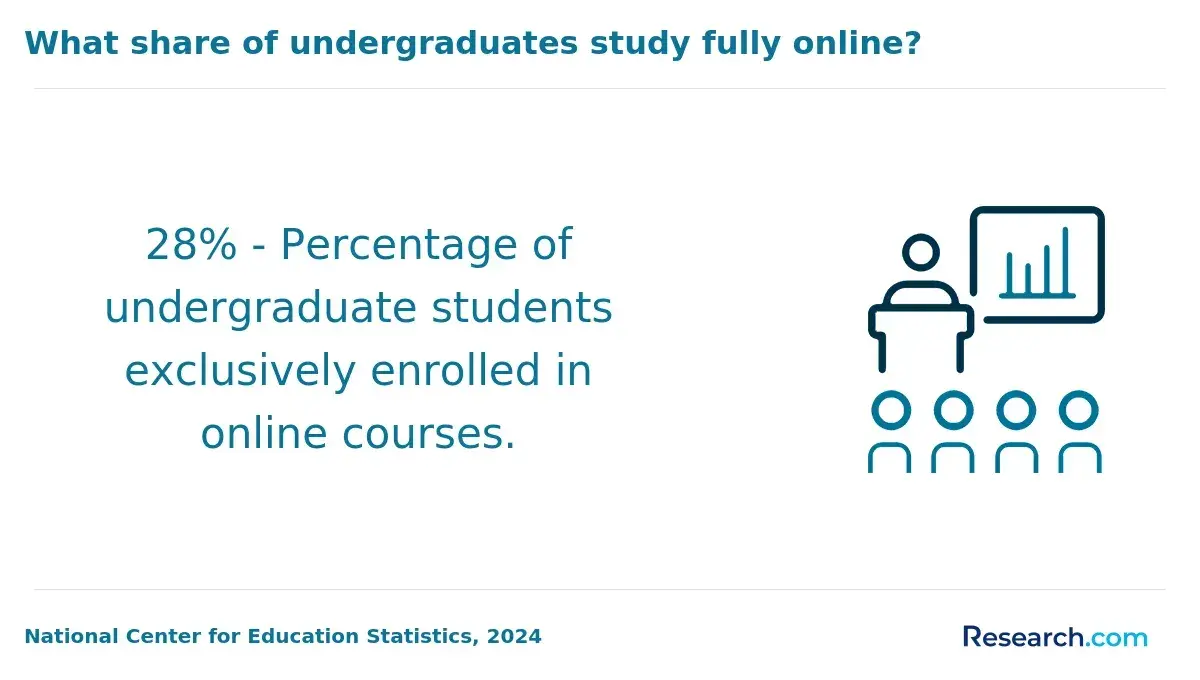
The rise of flexible, hybrid, or fully online programs-now enrolling over 40% of adult learners according to the National Center for Education Statistics-offers new routes but also complicates choices about timing, credential relevance, and employer preference.
This article dissects the criminal justice career paths with the strongest salary growth, enabling strategic decisions grounded in labor market realities and educational accessibility.
Key Things You Should Know
- Occupational projections from the Bureau of Labor Statistics show cybersecurity roles within criminal justice rising 15% by 2030, outpacing law enforcement growth but requiring costly certifications that delay wage gains.
- Employers prioritize candidates with specialized data analytics skills over generalist degrees, shifting recruitment toward tech-literate graduates; this realigns workforce training budgets and entry-level job criteria.
- Accelerated bachelor's programs reduce educational time by 25%, cutting debt burdens yet limiting internship opportunities critical for field credibility, impacting longer-term advancement prospects.
What criminal justice careers have the strongest salary growth?
Roles combining technical specialization with broader jurisdictional responsibilities show the highest salary growth in criminal justice career paths with highest salary growth. Traditional positions, such as patrol officers, average median pay of $70,030 annually but face limited wage progression without additional credentials. In contrast, forensic analysts, cybersecurity experts within law enforcement, and federal agents integrate investigative depth and technical skills that command a premium.
Advancement frequently requires targeted educational investments-in areas like digital forensics, criminal psychology, or intelligence analysis-since employers seek candidates demonstrating technical competence, analytical capabilities, and adaptability amid evolving crime trends.
For example, a patrol officer who obtains a bachelor's degree in cybersecurity can transition into investigative units tackling financial crimes, often receiving an immediate salary increase of $10,000 or more. However, these pathways involve navigating competitive hiring and accruing certifications that may require substantial time and financial resources.
Positions in subfields such as fraud detection or cybercrime often offer 20% to 30% higher median wages within five years, reflecting their demand and relative scarcity of qualified professionals. Prospective candidates weighing fastest growing criminal justice jobs with top pay should also consider practical tradeoffs like hiring complexities in federal roles and the cost-benefit dynamics of advanced qualifications.
For those evaluating educational options to pursue such growth strategically, programs like a best online criminal justice degree offer flexible pathways, though the decision to invest in higher education must align with clear career objectives and market demands.
What salaries can criminal justice graduates expect?
Starting salaries for criminal justice graduates in the United States range broadly from about $40,000 to $55,000, influenced by factors such as job title, location, and credentialing.
Entry-level positions like police or correctional officers typically begin near $45,000, based on U.S. Bureau of Labor Statistics data, but specialized roles such as forensic analysts or probation officers can command starting wages closer to $55,000. This variance illustrates how average earnings for criminal justice degree holders by job title are far from uniform and depend on practical qualifications beyond the degree itself.
Growth projections for protective service roles align with the national average at 4% through 2033, suggesting steady but not accelerated demand. Employers value candidates who combine formal education with certifications or law enforcement academy experience, which can significantly improve initial pay and promotion prospects.
Graduates aiming for supervisory or investigative positions should anticipate salaries in the $70,000 to $90,000 range, reflecting the complexity and competition involved.
Location plays a crucial role: urban areas and federal agencies often pay 10-20% higher than rural or local governments, which impacts realistic salary expectations. Additionally, ongoing costs like training, licensing, and overtime demands affect both net income and work-life balance, a practical consideration often overlooked.
For prospective students organizing a strategic career pivot, exploring degrees for felons can open alternative pathways while acknowledging these financial and operational tradeoffs.
What degree is needed for top-paying criminal justice jobs?
Top-paying criminal justice careers generally require a bachelor's degree in criminal justice or a related discipline such as criminology, forensic science, or law enforcement. This threshold reflects employer expectations for a strong theoretical foundation combined with practical experience, often gained through internships embedded in undergraduate programs.
For instance, federal law enforcement roles typically demand a degree recognized by the Office of Personnel Management along with skills in investigative techniques or cybersecurity.
Associate degrees may allow entry into positions like corrections officers or dispatchers, but these roles usually see limited salary advancement without further credentials.
Graduate degrees or specialized certifications expand prospects into leadership, policy development, or forensic specialties, though they entail notable time and cost investments that should be weighed against actual labor market demand.
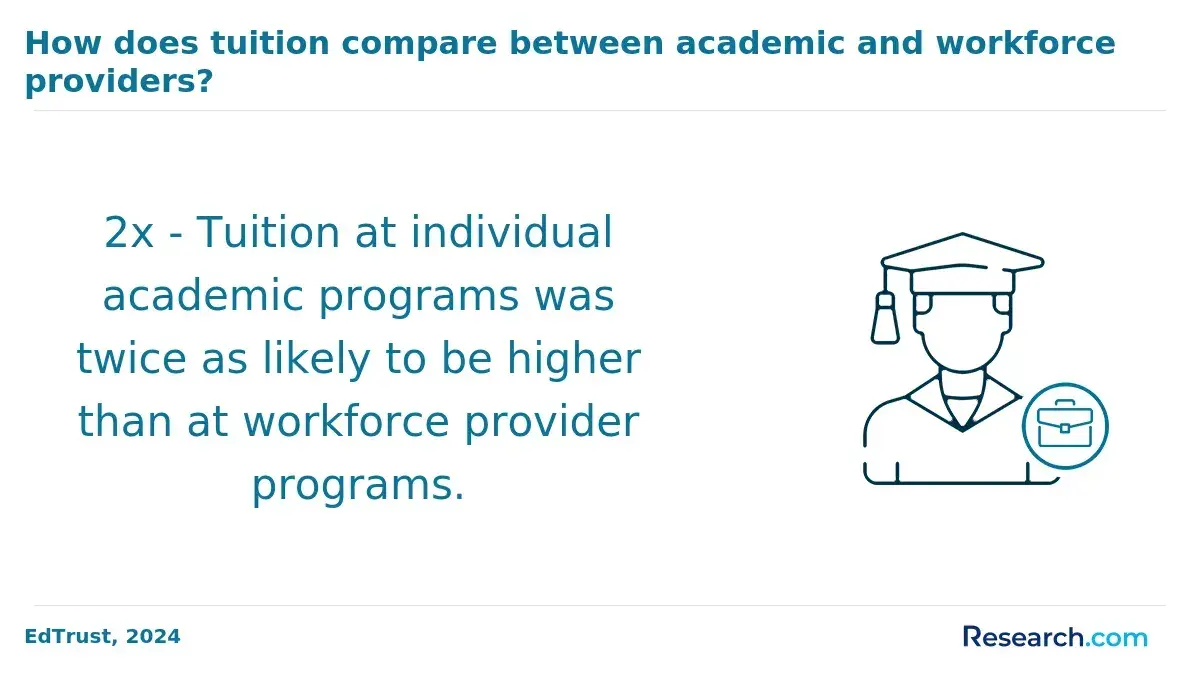
Evaluating degree requirements for top-paying criminal justice careers involves scrutinizing accreditation, curriculum relevance, and employment outcomes to avoid misalignment with job market realities. Prioritizing programs with employer partnerships can provide a more direct path to well-compensated roles, where median wages have risen significantly, for example from $56,000 to $76,000 across selected roles.
Students interested in focused advancement might consider an online forensic psychology masters as a strategic option. Overall, educational qualifications needed for high-salary criminal justice jobs require balancing practical upskilling against realistic career timelines and opportunity costs.
Which criminal justice programs are properly accredited?
Regional accreditation and recognition by specialized agencies such as the Academy of Criminal Justice Sciences (ACJS) significantly shape employability and academic credibility in criminal justice programs accredited in the United States.
Employers in law enforcement and corrections often prioritize candidates with degrees from regionally accredited criminal justice degree programs or ACJS-accredited programs due to their assurance of curriculum rigor and adherence to ethical training standards.
For professionals targeting federal roles, such as with the FBI, completion of accredited programs is often a non-negotiable requirement. These credentials reflect not only foundational knowledge but also compliance with legal prerequisites for specialized training necessary in these roles.
Tradeoffs become apparent when considering fast-track or online options lacking regional or ACJS accreditation. While these formats may offer flexibility and potential cost savings, graduates frequently encounter elongated job searches, restricted eligibility for federal positions, and hurdles in advancing academically or professionally.
Given that criminal justice careers are projected to grow 7.6% between 2016 and 2026, based on National University's data, program accreditation directly influences access to this expanding labor market. Prospective students should evaluate these accreditation distinctions carefully to balance educational investment against real-world career mobility.
Those exploring alternative but related pathways can examine resources on how to become an autopsy technician for insight into specialized career routes within public safety and forensics.
Is an online criminal justice degree respected by employers?
Employers in law enforcement frequently weigh verified field experience, internships, and in-person training more heavily than the delivery mode of a criminal justice degree. Graduates with online degrees lacking practical components often face diminished competitiveness, especially for roles requiring strict certification and hands-on proficiency.
For example, a candidate holding an online criminal justice degree from an accredited university who completes an internship at a local police department is typically preferred over a traditional graduate without equivalent real-world exposure.
Data from the National Center for Education Statistics shows that over one-third of bachelor's criminal justice degrees are earned online, illustrating wider acceptance but significant variability depending on the employer's sector and hiring standards.
Federal and state agencies maintain a strong preference for in-person training, while private sector opportunities in corporate security and compliance demonstrate greater flexibility toward online credentials if program content aligns with industry expectations.
Cost considerations are critical. Online criminal justice degrees average around $50,400, requiring prospective students-often working professionals-to evaluate programs based on hands-on training availability, live simulations, and local partnerships that facilitate employability. Without documented practical experience, graduates may encounter delays or obstacles securing positions in law enforcement or corrections.
What courses are included in a criminal justice degree?
Criminal justice degree programs must balance theoretical knowledge with skills directly transferrable to fieldwork, where legal precision and ethical rigor intersect with dynamic operational environments.
Core coursework in criminal law and procedure is foundational, but students face challenges when roles like police officers or detectives demand immediate application of constitutional constraints amid volatile situations. For example, officers must navigate evidence collection while adhering to strict legal protocols under public scrutiny.
Beyond legal frameworks, curriculum often includes corrections and penology, reflecting workforce trends emphasizing rehabilitation and reducing recidivism rather than purely punitive approaches.
Criminology's focus on sociological crime theories equips graduates to interpret patterns crucial for community policing or policy advising roles. However, the tradeoff lies in specialization: elective topics such as cybercrime or forensic science might limit broader operational readiness but provide targeted expertise where market demand is growing.
Employers increasingly prioritize candidates with practical experience integrated into academic programs-internships, ride-alongs, and real-world simulations enhance readiness and offset academic abstraction. Ethics and professional responsibility courses respond to the intense public accountability criminal justice professionals face, creating a baseline for trust essential in career sustainability.
Quantitative skills in research design and crime data analysis also prepare students for evidence-based decision-making roles, important as criminal justice evolves toward data-driven strategies. Graduates must weigh program content against employment outcomes and understand that embedding themselves in realistic environments during training influences job placement and long-term career trajectory.
How long does a criminal justice degree usually take?
Choosing between a two-year associate degree and a four-year bachelor's degree in criminal justice fundamentally shapes career trajectories in law enforcement and related fields. Entry-level roles such as correctional officers or police support positions typically accept an associate degree, but advancement beyond these often requires a bachelor's degree because employers place a premium on investigative skills and leadership potential.
For example, correctional officers earn a median salary near $51,000, but senior roles at state or federal levels, which generally require a bachelor's, offer $80,000 to $90,000.
Working professionals frequently extend degree completion timelines by opting for part-time or online bachelor's programs, balancing work with study over four to six years. This tradeoff preserves income but delays eligibility for supervisory roles or specialized assignments commonly reserved for bachelor's holders.
Graduate degrees add two years and open doors to specialized careers, such as forensic analysis or policy development, which align with both higher salaries and leadership roles. Prospective students must weigh program length against career stage, financial capacity, and targeted positions.
These distinctions underscore the long-term impact of educational choices on employability, earnings, and role eligibility in criminal justice fields.
What certifications improve criminal justice salary potential?
Certification decisions in criminal justice often hinge on the tangible salary gains aligned with specific employer demands rather than broad credential accumulation. Federal law enforcement mandates a bachelor's degree for entry and rewards advanced certifications in cyber forensics, digital evidence, and profiling with higher pay grades, reflecting the specialized nature of these roles.
For example, practitioners holding Certified Fraud Examiner (CFE) credentials can expect salaries 10%-20% above counterparts lacking such certification, a differential supported by Bureau of Labor Statistics salary data.
State and local agencies place greater monetary value on operational certifications such as Tactical Medical Emergency Response or advanced SWAT qualifications due to their frontline application and inherent risk. Conversely, certifications in crime scene management, while beneficial for career progression, demonstrate comparatively modest salary impact.
Employing a strategic lens reveals critical tradeoffs: time and cost investments in certification must be justified by measurable salary improvements or promotion potential.
For instance, a police officer targeting federal roles benefits most from pairing a bachelor's degree with federal-specific training, while private security personnel might leverage leadership and risk management certifications to access supervisory positions that pay $5,000 to $12,000 more annually, depending on organizational size and region.
What job outlook do criminal justice careers offer?
The criminal justice field presents a diverse range of roles, but opportunities and career trajectories vary significantly depending on specialization and educational credentials. For instance, candidates with associate degrees and certifications typically qualify for entry-level positions, while bachelor's degrees often serve as a minimum for federal law enforcement, probation, or legal aide roles with higher pay and more structured advancement.
Specialized skills increasingly influence hiring, particularly in areas such as cybercrime investigation and data analysis. Agencies and private firms prioritize candidates versed in technical competencies like digital forensics, as these roles align with rising cybersecurity demands. By contrast, traditional patrol or corrections positions depend more heavily on local budgets and policies, creating regional variability and different stability considerations.
Workforce challenges include nonstandard shift schedules, stringent physical requirements, and shifting regulatory landscapes that affect retention and long-term viability. Candidates should realistically assess these factors alongside compensation trends, which fluctuate by jurisdiction and position type.
Practical considerations for those pivoting into criminal justice involve continuous credentialing and experience-building, especially for leadership or investigative tracks. Aligning education with current industry demands is critical to avoid investing in credentials that have limited applicability or recognition.
How do you choose a reputable criminal justice school?
Evaluating a criminal justice program requires balancing accreditation, curriculum alignment, and tangible graduate outcomes rather than relying on institutional reputation alone. Employers and licensing bodies mandate degrees from accredited programs, so verifying regional or national accreditation is essential.
Curricula must reflect evolving field demands, including cybercrime, forensic technology, and regulatory procedures, to ensure graduates are prepared with applicable skills.
Consider graduate employment and salary data: for instance, postsecondary criminal justice teachers earned a median annual salary of $68,510 as of May 2023, illustrating the financial potential linked to specialized knowledge and institutional networks. Schools collaborating with local agencies to offer internships or with alumni working in federal or state law enforcement can increase job placement success.
Program delivery flexibility-such as evening, hybrid, or online options-should match your personal schedule, especially if changing careers. Faculty qualifications impact curriculum relevancy; review their backgrounds and scholarship to avoid outdated teaching.
Financial cost must be judged relative to return on investment. A lower tuition program without career support services may slow workforce entry, whereas a more expensive program offering internships and certification prep can accelerate salary progression and professional integration.
Other Things You Should Know About Criminal Justice
Internship experience is often a critical factor that differentiates candidates in criminal justice hiring. It provides practical exposure to law enforcement agencies, court systems, or correctional institutions, which reinforces classroom learning and demonstrates workplace readiness. For many employers, internship history signals familiarity with real-world challenges and professional environments, making it a priority over academic grades alone. Applicants without field experience will likely face tougher competition and slower entry into specialized or higher-paying roles.
In 2027, roles like cybersecurity analysts, forensic accountants, and federal law enforcement agents show the strongest salary growth in criminal justice. These paths are in high demand due to technological advancements and increased emphasis on financial crime deterrence.
Specialized programs focusing on areas like cybercrime, forensic science, or homeland security offer practical advantages by aligning skills with high-demand sectors. Graduates from these programs often enter with targeted expertise, reducing the need for extensive on-the-job training and increasing initial salary offers. However, specialization limits flexibility; students should weigh potential job market volatility and department needs before choosing. For broader career mobility, a general criminal justice degree with electives might provide a safer long-term investment.
Public sector positions often provide stronger job security, pension benefits, and union representation but may have lower starting salaries and slower raises. The workload may include bureaucratic constraints, affecting decision-making latitude. Private sector criminal justice roles, such as corporate security or private investigation, generally pay more upfront and offer more autonomy but with less stability and fewer benefits. Candidates must prioritize between financial incentives and long-term stability based on their personal risk tolerance and career goals.
References
- What Salary Can You Earn with a Criminal Justice Degree in California https://www.allcriminaljusticeschools.com/criminal-justice/criminal-justice-salaries/california/
- Criminal Justice Salary - How Much Can I Make With a Criminal Justice Degree? - Grace Christian University https://gracechristian.edu/blog/criminal-justice-salary/
- How Long is a Master's in Criminal Justice (MSCJ) Program? https://www.forensicscolleges.com/blog/resources/how-long-to-earn-masters-in-cj
- What Are the Entry Requirements for a Criminal Justice Program? | University of Bridgeport https://www.bridgeport.edu/news/entry-requirements-for-a-criminal-justice-program/
- Find Top Online Bachelor's In Criminal Justice Programs https://www.accreditedschoolsonline.org/criminal-justice/bachelors/
- The Benefits of Earning a Criminal Justice Certificate - Lakewood University https://lakewood.edu/the-benefits-of-earning-a-criminal-justice-certificate/
- 25 Jobs You Can Get With A Criminal Justice Degree https://www.criminaljusticedegreeschools.com/careers/best-criminal-justice-jobs/
- How Quickly Can You Get a Degree in Law Enforcement? https://golawenforcement.com/articles/how-long-does-it-take-to-get-a-degree-in-law-enforcement/
- What Can You Do With a Degree in Criminal Justice? | UMass Global https://www.umassglobal.edu/blog-news/what-can-you-do-with-a-criminal-justice-degree