2027 Online Criminal Justice Degrees That Help Build Criminal Intelligence Skills

Co-Founder and Chief Data Scientist
Law enforcement analysts face increasing pressure to interpret complex data streams rapidly while navigating evolving cyber threats and organized crime tactics. This demand clashes with persistent constraints on personnel time and geographic mobility, limiting access to advanced training.
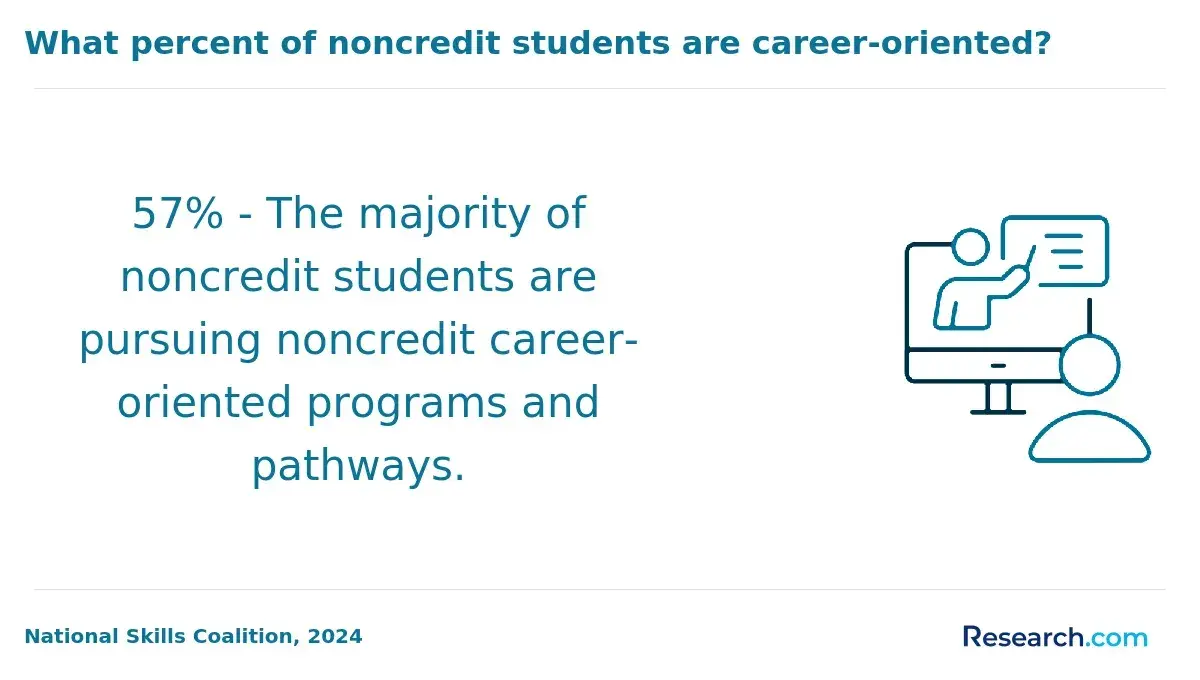
A 2024 National Center for Education Statistics report reveals a 25% rise in adult enrollment in online degree programs within just two years, a trend signaling growing reliance on flexible education models suited for working professionals. This shift affects how prospective students prioritize program accessibility and career relevance under time-sensitive conditions.
This article reviews online criminal justice degrees designed to advance criminal intelligence skills, guiding readers in selecting programs optimized for practical career outcomes and strategic workforce integration.
Key Things You Should Know
- Online criminal justice degrees that emphasize data analytics and cybercrime specialization see 22% higher employment in intelligence roles, but graduates face a steep learning curve integrating fieldwork experience crucial for FBI and DEA positions.
- Employers increasingly value hybrid credential models combining online education with law enforcement internships, with 48% of agencies citing practical case analysis as a decisive hiring factor in 2025 workforce surveys.
- Though online programs reduce geographic barriers, tuition premiums averaging 18% for accelerated tracks limit access for lower-income candidates, delaying workforce entry by 6-12 months on average compared to traditional routes.
What is an online criminal justice degree focused on criminal intelligence, and who is it for?
Online criminal justice degree programs in the United States with a focus on criminal intelligence prioritize practical data skills over traditional enforcement training. The core value lies in converting raw crime data into actionable insights that directly influence policing strategies. For instance, analysts trained in predictive analytics and geographic information systems can recommend patrol routes that reduce violent crime rates, a tangible impact on public safety outcomes.
The rising demand for these skills is reflected in the fact that 73% of U.S. police departments now use crime analysis tools, a significant jump from 55% in 2019. However, the degree's technical emphasis creates a distinct challenge: candidates must be comfortable with quantitative methods and the continuous adoption of evolving analytic technologies, which may be a sharp departure from more traditional criminal justice roles.
This program suits professionals-such as law enforcement officers or public safety administrators-who can immediately apply intelligence-driven strategies in their work. Yet, prospective students should weigh the learning curve and workplace applicability carefully. The focus on software proficiency and statistical analysis demands readiness to integrate complex tools into real-world operations.
For those comparing educational paths, understanding the criminal justice degree cost relative to expected operational capabilities is critical to making an informed choice.
How do online and campus-based criminal justice programs compare for building intelligence skills?
The choice between campus-based and online criminal justice programs for intelligence skills development hinges on the nature of hands-on experience and networking required by employers. Campus programs provide immediate access to specialized labs and real-time simulations, fostering situational learning that mirrors the pressures of intelligence analysis units.
For instance, students engaged in campus internships with law enforcement agencies receive direct mentorship and rapid feedback, sharpening analytic reasoning in ways difficult to replicate online.
Online criminal justice education offers flexibility suited for working professionals but demands greater initiative to secure fieldwork or externships necessary for applied skill-building. Employers expect demonstrated practical intelligence abilities alongside academic credentials, pressuring online learners to supplement their education rigorously with virtual projects and local partnerships.
Students comparing online and campus-based criminal justice programs for intelligence skills development should weigh these operational differences carefully.
Market realities show a median annual wage of $104,460 for intelligence analysts, with about 8,500 job openings projected over the next decade. This growth intensifies competition, making soft skills and experiential learning-more readily cultivated on campus-valuable assets. Still, online routes remain viable when paired with disciplined networking and proactive field engagement.
Students must assess factors such as current employment, access to professional networks, and capacity for self-directed learning. Those seeking immersive, structured environments tend to benefit more from traditional education, while others may find online programs effective if they proactively bridge gaps in applied experience. For a detailed perspective on related careers, explore forensic career paths and salary.
Are online criminal justice intelligence programs accredited and recognized by employers and agencies?
Employer recognition of online criminal justice intelligence programs hinges on more than accreditation alone. While accreditation by bodies like the Council on Social Work Education (CSWE) or regional agencies such as the Higher Learning Commission is necessary for access to federal aid and credential validation, it doesn't ensure alignment with current workforce demands.
For example, the FBI's Internet Crime Complaint Center noted a 35% surge in cybercrime complaints from 2020 to 2024, with associated losses surpassing $10 billion in 2023, signaling a pressing need for graduates skilled in cyber intelligence and digital forensics.
Students pursuing an online criminal justice intelligence degree accreditation should critically assess whether programs offer practical exposure to intelligence analysis, applied data analytics, and cybercrime trends.
Employers, particularly federal and law enforcement agencies, expect graduates to have hands-on experience-through internships or projects-that demonstrate operational competence and facilitate security clearances.
Key considerations include:
- Faculty expertise in active intelligence or cybercrime investigation roles.
- Programs maintaining up-to-date tools and curricula reflective of evolving threats.
- Institutional partnerships enabling background checks and networking with agencies.
Without these elements, graduates risk theoretical knowledge that lacks direct applicability, complicating career pivots or advancement in intelligence fields. Prospective students should also explore flexible, cost-efficient options; for example, those interested in the broader language and cultural skills relevant to some criminal justice roles may consider a cheapest online Spanish degree as a strategic complement.
What criminal intelligence and analytical skills can you gain from these online degrees?
Online criminal justice degrees develop analytical skills tailored to operational demands amid widespread investigator shortages. For instance, federal analysts rely on these skills to connect disparate cases by identifying behavioral patterns and communication channels-capabilities rooted in competencies like data collection, GIS, and open-source intelligence gathering.
Such criminal intelligence skills gained from online criminal justice degrees directly respond to a workforce gap highlighted by the 2024 International Association of Chiefs of Police survey, which found 45% of agencies lack candidates trained in advanced analytics.
Students acquiring analytical skills for criminal justice careers through online programs also study legal and ethical boundaries essential for navigating privacy laws and civil rights in intelligence work.
However, purely theoretical online education risks leaving graduates unprepared for the dynamic collaboration and rapid decision-making required in field operations. Programs incorporating live simulations or internships deliver better alignment with employer expectations but are often limited or unavailable in fully online formats.
Prospective students must weigh these tradeoffs consciously, especially if they aim for municipal or federal roles where practical adaptability matters as much as technical knowledge.
For those considering broader educational options, related pathways such as a 2-year architecture degree illustrate how program duration and hands-on experience impact career readiness, a relevant comparison when evaluating online criminal justice curricula.
What courses and specialization tracks typically focus on criminal intelligence in these programs?
Online criminal justice degrees with a focus on criminal intelligence prioritize skill sets that respond directly to evolving law enforcement demands and complex fraud investigations. Graduates must navigate practical challenges such as interpreting intricate data patterns, managing intelligence in resource-limited environments, and coordinating multi-agency efforts under pressure.
Unlike broader policing programs emphasizing leadership and community engagement, criminal intelligence tracks demand proficiency in predictive analytics, cyber intelligence, and digital forensics, reflecting the specialized nature of intelligence-led policing.
Notably, fraud investigation specializations stress financial crime detection, forensic accounting, and compliance, areas tied to a notable 3.1% job growth and a median annual salary of $81,100 in that niche. Police sergeants and detectives typically pursue curricula centered on tactical operations and leadership strategies aligned with their 2.9% growth and higher median earnings ($106,040), highlighting important tradeoffs between specialization and general command roles.
Students consistently engage with key tools such as law enforcement databases and intelligence software, which require mastery of data validation and confidentiality regulations. Ethical and legal challenges surrounding surveillance practices further sharpen analytical judgment. Practical readiness in these competencies addresses employer priorities for professionals who can balance operational precision with adaptive decision-making in sensitive contexts.
What are the admission requirements and prior experience needed for online criminal intelligence degrees?
Admission to online criminal intelligence degree programs typically demands a high school diploma or equivalent, yet practical requirements stretch beyond this baseline. Many bachelor's programs require official transcripts, relevant test scores, and a personal essay aligning with career objectives in criminal intelligence.
Prerequisite coursework-often in criminal justice, statistics, or social sciences-serves as a filter to ensure candidates possess foundational analytical competencies essential for handling complex criminal data.
Transfer applicants face selective GPA thresholds, usually between 2.0 and 2.5, reflecting program rigor. While prior experience in law enforcement or protective services isn't always mandatory, documented internships or active certifications like Certified Protection Professional (CPP) confer admissions advantages.
For master's candidates, most programs insist on a relevant bachelor's degree coupled with one to three years of occupational experience with an analytical or intelligence focus.
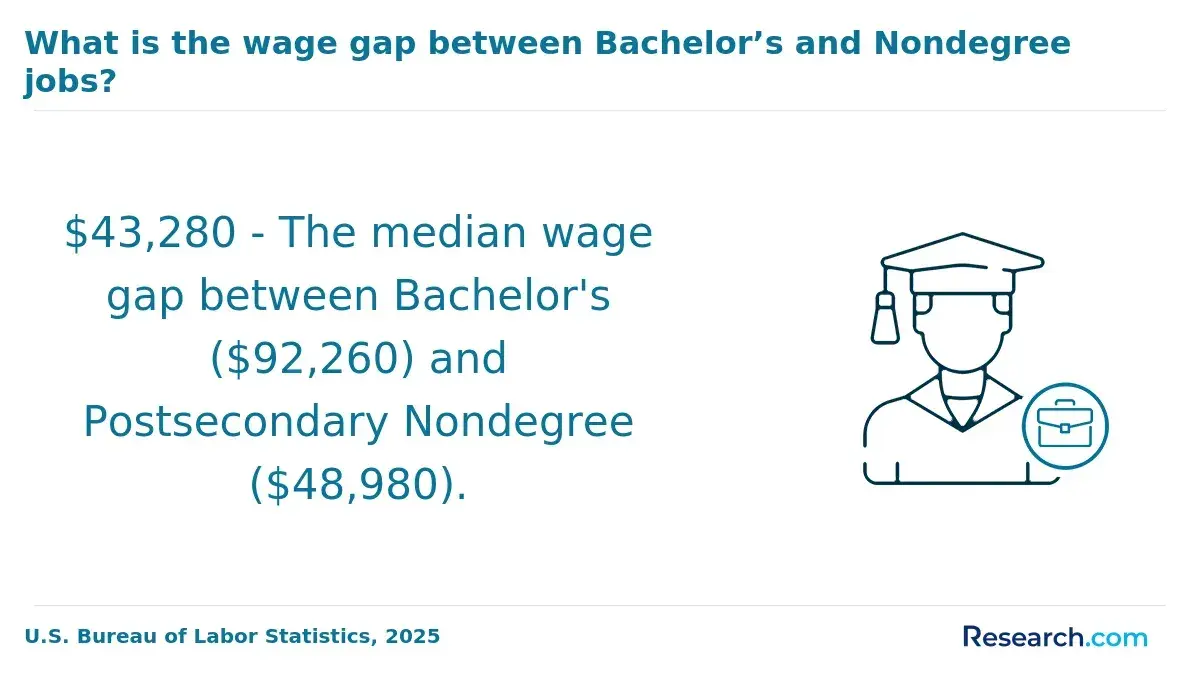
Employers prefer individuals combining academic credentials with practical expertise. For example, U.S. Bureau of Labor Statistics data reveals that workers holding a bachelor's degree in criminal justice earn approximately 25-30% more than their counterparts with only a high school diploma in protective service roles. This wage differential translates into tangible workforce value in roles demanding both knowledge and applied skill.
Applicants must verify each program's documentation, experience, and clearance prerequisites precisely. Missing prerequisites can delay progress or result in conditional admission, especially since key coursework underpins legal knowledge and analytical skills necessary to manage sensitive information effectively.
How long do online criminal justice intelligence programs take, and what do they cost?
Completing an online criminal justice intelligence degree often involves balancing the tradeoff between time investment and program depth, particularly for working professionals. Associate degrees typically require around two years, while bachelor's degrees, more aligned with intelligence roles, demand approximately four years of full-time study. Accelerated options exist but come with heavier course loads that can increase stress and limit work flexibility.
Cost is a variable factor influenced by residency and institution type. For example, public state universities generally charge $200 to $400 per credit for in-state students, equating to $24,000 to $48,000 total tuition for a 120-credit bachelor's program. Private or out-of-state tuition may double these figures, excluding additional fees like technology or certification preparation that are critical to intelligence roles.
Employers increasingly expect candidates to hold a bachelor's degree paired with practical intelligence skills, which often means longer, accredited programs offer better career returns than shorter, less comprehensive ones. Prospective students must weigh:
- Program flexibility versus time-to-completion constraints, especially when employed in law enforcement or security sectors.
- Direct costs against the indirect expenses related to career services and credentialing.
- The impact of program reputation and curriculum rigor on employability within federal, state, or private intelligence agencies.
Distance education enrollment in criminal justice and criminology bachelor's degrees has increased by around 40% since 2019, showing growing demand among adult learners navigating work-education tradeoffs.
What criminal intelligence and investigative careers can these degrees help you pursue?
Graduates of online criminal justice degrees in 2026 enter roles demanding strong analytical and investigative skills, from intelligence analysts decoding crime patterns to federal agents conducting covert operations. An intelligence analyst at a federal agency, for example, must synthesize complex datasets to anticipate threats-a capability developed through focused coursework in investigative methodologies and intelligence operations.
The U.S. protective service sector employed over 3.7 million workers in 2024 and projects 2% job growth over the decade, creating roughly 72,000 new positions. This growth spans local law enforcement, federal offices, private security, and corporate investigations, but success depends on blending academic credentials with hands-on experience such as internships or cooperative education. Employers expect proficiency in critical thinking, investigative technology use, and report writing.
For those targeting cybersecurity or intelligence roles, additional technical certifications increase the time and cost investment. Programs prioritizing simulations, legal training on surveillance constraints, and partnerships with law enforcement agencies better align with realities of cross-jurisdictional investigations and contribute to employability in competitive labor markets.
Key considerations for candidates include:
- Practical field experience is essential to meet employer standards beyond theoretical knowledge.
- Technical credentials may be requisite for specialized intelligence or cybersecurity roles.
- Program selection should emphasize real-world challenges and agency collaboration to reduce risk of underemployment.
What salary ranges and job outlook can graduates in criminal intelligence expect?
Starting salaries for graduates focused on criminal intelligence typically range from $50,000 to $70,000 in roles such as crime analysts or intelligence coordinators within government agencies. Positions involving advanced geospatial crime mapping and predictive analysis command higher pay, from $75,000 up to $100,000 with experience. Senior analysts or supervisory roles often exceed $110,000, depending on agency size and geography.
This salary trajectory aligns with widespread adoption of data-driven crime prevention tools, as more than 80% of medium and large law enforcement entities currently utilize geospatial crime mapping and predictive technologies, a notable shift since 2016.
Job competition intensifies for openings requiring expertise in geographic information systems (GIS) and algorithmic skillsets. Candidates without hands-on experience in these areas face limited advancement, even if they possess solid foundational degrees. Relocating to metropolitan centers with larger agencies can significantly impact hiring prospects and salary ceilings.
Practical tradeoffs include the pace at which agencies adopt new analytic tools; reliance on outdated methods may slow career growth. Graduates aligning their skills with emerging technology not only enhance employability but also position themselves for stable, higher-paying roles as intelligence divisions expand across federal, state, and municipal levels.
Understanding market demand and technical proficiency requirements is essential for those targeting sustained success in criminal intelligence careers.
How can you choose a reputable online criminal justice program that supports intelligence careers?
Choosing an online criminal justice program with a targeted focus on intelligence roles demands more than accreditation; it requires alignment with employer-driven competencies. Programs accredited by bodies like ACBSP or regional agencies ensure baseline academic rigor, but specialization in areas such as cyber forensics, threat assessment, and data analysis is essential to meet the explicit needs of intelligence agencies and private security firms.
Practical training opportunities distinctly separate viable programs. For instance, a student aiming to join a state fusion center benefits significantly from programs offering exposure to real-world intelligence workflows, including inter-agency communication protocols and data management systems. These experiences reduce onboarding time and improve operational effectiveness post-graduation.
When evaluating program quality indirectly, student loan default rates provide useful insight. The three-year default rate under 5% for criminal justice degrees suggests relatively stable employment outcomes, though prospective students must balance this against program costs and local job market saturation in intelligence-related roles.
Faculty expertise rooted in active intelligence or cybercrime practice ensures curricular relevance and up-to-date instruction. Additionally, technology platforms that simulate intelligence scenarios enable more effective skill acquisition than traditional lecture formats, meeting the demands of increasingly complex intelligence tasks.
Key factors to assess include:
- Accreditation and specialization focused on intelligence competencies.
- Internships and partnerships with intelligence or law enforcement agencies.
- Demonstrated student outcomes measured by reasonable loan default rates.
- Faculty with real-world intelligence experience and use of interactive tech platforms.
Other Things You Should Know About Criminal Justice
Pursuing an online criminal justice degree while working full-time is feasible but demands disciplined time management. Programs emphasizing criminal intelligence often require rigorous analysis, research assignments, and use of specialized software, which can add to student workload beyond typical coursework. Prioritize programs offering asynchronous classes if your schedule varies, as real-time attendance can strain working professionals. Employers expect graduates to demonstrate both technical competence and analytical rigor, so simply completing coursework without deep engagement risks limiting the practical benefits of the degree.
Specializing in criminal intelligence sharpens skills highly valued in federal and local law enforcement, cybersecurity, and intelligence agencies but narrows the range of roles you qualify for compared to broader criminal justice degrees. If your aim is a focused career in intelligence analysis or threat assessment, prioritizing a specialized program boosts your competitive edge. For those uncertain about niche roles, a broader degree with elective intelligence courses offers more flexibility but may require additional certification or experience to enter specialized fields.
Online programs can provide theory, data analysis techniques, and case study simulations but generally lack direct access to hands-on environments like secure databases, live intelligence tools, or internships embedded in operational agencies. This limitation impacts your readiness for employer expectations around real-world problem-solving and classified information handling. To mitigate this, seek programs with strong externship options or partnerships that offer field experience post-graduation essential for intelligence careers.
References
- Becoming a Criminal Intelligence Analyst | Free Online Course | Alison https://alison.com/course/becoming-a-criminal-intelligence-analyst
- Criminal Intelligence Analyst - Salary, How to Become, Job Description & Best Schools https://www.onlinedegree.com/careers/law-criminal-justice/criminal-intelligence-analyst/
- Becoming a Criminal Intelligence Analyst, Nightcourses Course (ID: #188675) https://www.nightcourses.com/course/becoming-a-criminal-intelligence-analyst-188675/
- Online Criminal Justice Degrees: Find the Right Program https://www.degreesforgood.org/online-degrees/criminal-justice-programs/
- Becoming a Crime Analyst | Certified Crime & Intelligence Analyst (CCIA) https://www.forensicscolleges.com/blog/htb/how-to-become-a-crime-analyst
- Crime and intelligence analysis programs now offered online - BCIT https://www.bcit.ca/news/stories/online-crime-intelligence-analysis-programs/
- Top Online Criminal Justice Degree and Other FBI Degree Programs https://www.fbiagentedu.org/online-degrees/
- Online Bachelor's Degree Criminal Justice https://www.umgc.edu/online-degrees/bachelors/criminal-justice
- Bachelor Degree in Criminal Justice Online - Aurora University https://online.aurora.edu/online-degrees/criminal-justice-bachelors/