2027 Best Online Bachelor's in Criminal Justice for Law Enforcement Careers

Co-Founder and Chief Data Scientist
Law enforcement professionals seeking advancement face a pressing dilemma: balancing demanding schedules with educational requirements that increasingly emphasize specialized knowledge and credentials. The Bureau of Labor Statistics projects a 6% growth in criminal justice-related roles over the next decade, intensifying competition among applicants.
Simultaneously, nearly 60% of adult learners in higher education prefer online formats due to flexibility, according to the National Center for Education Statistics' latest data. This intersection underscores the necessity for programs that accommodate working students without compromising rigor.
This article evaluates the best online bachelor's degrees in criminal justice designed explicitly for those targeting law enforcement careers, enabling informed decisions around accessibility, curriculum relevance, and career impact.
Key Things You Should Know
- Graduates from online criminal justice programs often face a 15% wage penalty compared to in-person degrees due to employer skepticism over practical law enforcement training quality, limiting early-career mobility in federal roles.
- State licensing variability creates friction, as 32% of agencies prefer candidates with region-specific in-person cohort experience, shaping strategic enrollment decisions for those targeting regional law enforcement jobs.
- Median program costs surged 12% since 2022, with average completion stretching 3.8 years, delaying workforce entry and increasing opportunity costs relative to community college pathways, impacting return on investment calculations.
What is an online bachelor's in criminal justice for law enforcement careers?
Success in law enforcement hinges on combining academic preparation with practical judgment under pressure. An online bachelor's degree in criminal justice for law enforcement careers targets this balance by focusing on policing tactics, legal frameworks, ethics, and community engagement necessary for modern agencies.
Such programs, while offering flexibility for working adults, require candidates to secure local internships or fieldwork that align with state certification and agency prerequisites-tasks often complicated by the virtual format and geographic constraints.
Prospective students must weigh the challenge of self-directed learning against the advantage of studying amid work or family duties. These criminal justice bachelor's programs for law enforcement careers typically prepare graduates for roles ranging from patrol officer to detective or federal positions, reflecting clearly defined promotion pathways based on experience and additional credentials.
Employers expect applicants to not only demonstrate academic theory but also have situational awareness and procedural discipline. In 2025, the median annual salary for police officers with such qualifications was $76,250, underscoring the tangible financial benefit of completing the degree. Students should prioritize programs with faculty experienced in law enforcement, established agency ties, and curriculum aligned with local certification standards, while preparing for background checks and physical demands.
For specialized roles like an FBI profiler, additional training and credentials are critical components layered on a foundational degree, highlighting the necessity of a strategic, long-term approach to workforce integration.
Is the program regionally accredited and career-focused?
Regional accreditation gauges whether online bachelor's programs in criminal justice meet specific academic standards critical for law enforcement careers. Employers and licensing bodies increasingly scrutinize whether curricula emphasize applied skills like investigative techniques and forensic analysis over general social science theory.
This emphasis is crucial given the median police officer salary of $76,250 contrasted with an annual average online bachelor's tuition of $13,676, underscoring the importance of career-focused criminal justice degrees in online programs for law enforcement professionals.
Programs with embedded hands-on internships or simulation exercises smooth transitions into law enforcement agencies requiring verifiable practical experience. Conversely, degrees lacking regional accreditation or practical training often prompt employer hesitancy and delay hiring or promotion. Beyond hiring, accreditation influences eligibility for federal grants, credit transferability, and advanced certifications, which directly shape career growth trajectories.
Opting for non-regionally accredited degrees or programs without targeted law enforcement relevance typically increases risk of diminished employer recognition and financial aid ineligibility. Prospective students should rigorously verify accreditation status and curriculum alignment with their intended law enforcement role, whether patrol, investigation, or administration, to optimize return on investment and expedite workforce entry.
For individuals navigating complex hiring barriers, including those seeking rehabilitation pathways, exploring online degrees for felons can offer additional strategic options within regionally accredited online bachelor's in criminal justice programs for law enforcement careers.
Which law enforcement jobs can this degree lead to?
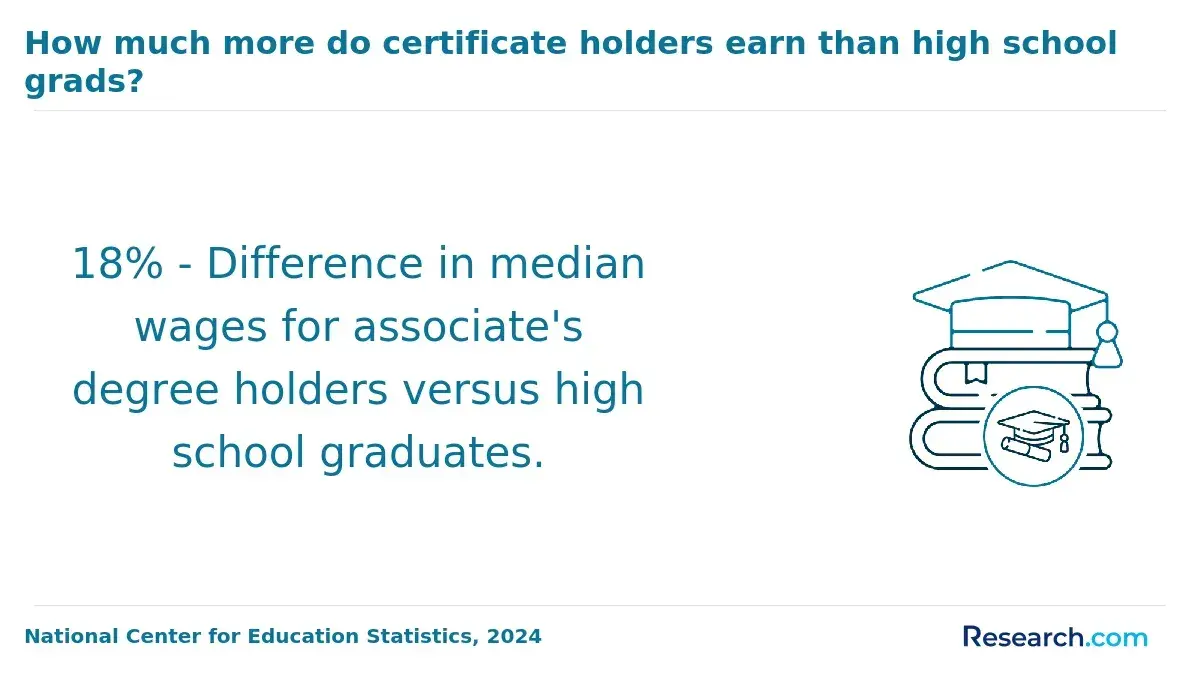
Employers in law enforcement increasingly require a bachelor's degree for roles beyond entry-level, shaping the practical value of pursuing law enforcement careers with an online bachelor's in criminal justice.
A bachelor's provides competitive advantage for supervisory or specialist positions, such as detective roles where a deeper grasp of criminal behavior and investigative procedure is critical. For instance, police departments may prioritize candidates with these degrees for detective assignments due to their expertise in legal frameworks and evidence analysis.
Federal agency positions, including FBI or DEA agents, demand specialized knowledge in forensic analysis, cybercrime, and procedural law, which this degree program emphasizes. Graduates aiming for such roles should select curricula tuned to investigative techniques and data analysis to align better with job expectations.
Correctional supervision and probation services also represent viable career paths where understanding rehabilitation and legal rights are central. However, some roles require certifications or academy training beyond the degree, making this a foundational credential rather than a complete qualification.
Cost considerations are substantial: online criminal justice degree tuition ranges from $190 to $559 per credit, equating to roughly $22,800 to $67,080 for 120 credits. Weighing this against employer tuition reimbursement or salary premiums is key, especially since many law enforcement agencies reward completed degrees with financial incentives.
For deeper insights into managing educational costs while maximizing career earnings, prospective students may refer to marketing masters degree resources, which offer parallel financial perspectives relevant across professional degrees.
Those pursuing criminal justice degree career paths in law enforcement should tailor their studies to the desired employment sector, as programs offering community policing and procedural training better serve local police work, whereas federal roles benefit from analytical skill development. This strategic selection directly influences employability and trajectory.
How does online study compare with campus-based criminal justice programs?
The choice between online vs campus criminal justice programs hinges on practical access to training and field experience that law enforcement employers value. Campus-based programs provide integrated hands-on opportunities like internships and ride-alongs, essential for building operational skills and local agency networks. These experiences often weigh heavily in hiring and promotions within law enforcement, where tangible field exposure is critical.
Online criminal justice degrees offer unmatched scheduling flexibility, especially for working professionals or those limited by location. However, they tend to place the burden of securing field experience on students, which can delay qualifying for some roles. Programs with practicum requirements or agency partnerships help, but such options are unevenly distributed.
Despite this, online degrees still lay a solid foundation of knowledge, which aligns with labor market data showing median entry-level earnings such as the $58,940 projected for correctional officers.
Mid-level advancement, with salaries around $77,970, often depends on leadership skills nurtured through in-person mentorship and collaboration typically found in campus environments. For professionals aiming to pivot or upskill without interrupting their income streams, online offerings present viable pathways.
Students evaluating benefits of online criminal justice degrees for law enforcement should weigh immediate job demands against the critical need for immersive training. These tradeoffs impact long-term employability, making field access a deciding factor.
For concrete salary insights across related fields, consider the sports analyst salary data, which reflects how specialized knowledge translates to market outcomes.
What courses are included in the criminal justice curriculum?
The alignment of an online bachelor's criminal justice curriculum with practical law enforcement demands varies significantly by program, influencing employability and skill application.
Core courses like criminology and criminal law provide necessary frameworks for understanding offenses and legal boundaries, but their direct impact depends on how well procedural courses translate to field conditions. For example, students who are current officers can benefit by applying tactical knowledge learned in criminal procedure classes immediately, potentially accelerating promotions without leaving their posts.
Specialized subjects such as forensic science and corrections emphasize investigatory and offender management skills vital to specific career tracks but require supplemental hands-on experiences, typically absent from online-only studies. Ethics and constitutional law prepare students to handle the complex legal and moral challenges officers face daily, a critical consideration for those aiming at supervisory roles.
Statistics and research methods included in some curricula enable data-driven decision-making, which increasingly shapes policing strategies and administrative policies. Online degrees may include leadership training, yet the absence of integrated internships or fieldwork means students must independently secure practical exposure to meet employer expectations fully.
Given that the average annual cost for online social sciences degrees was $13,676 in 2025, these programs offer a cost-conscious route compared to on-campus education but come with tradeoffs in experiential learning. Prospective students should weigh immediate applicability versus gaps in practical training when selecting a program.
What are the admission requirements for this degree?
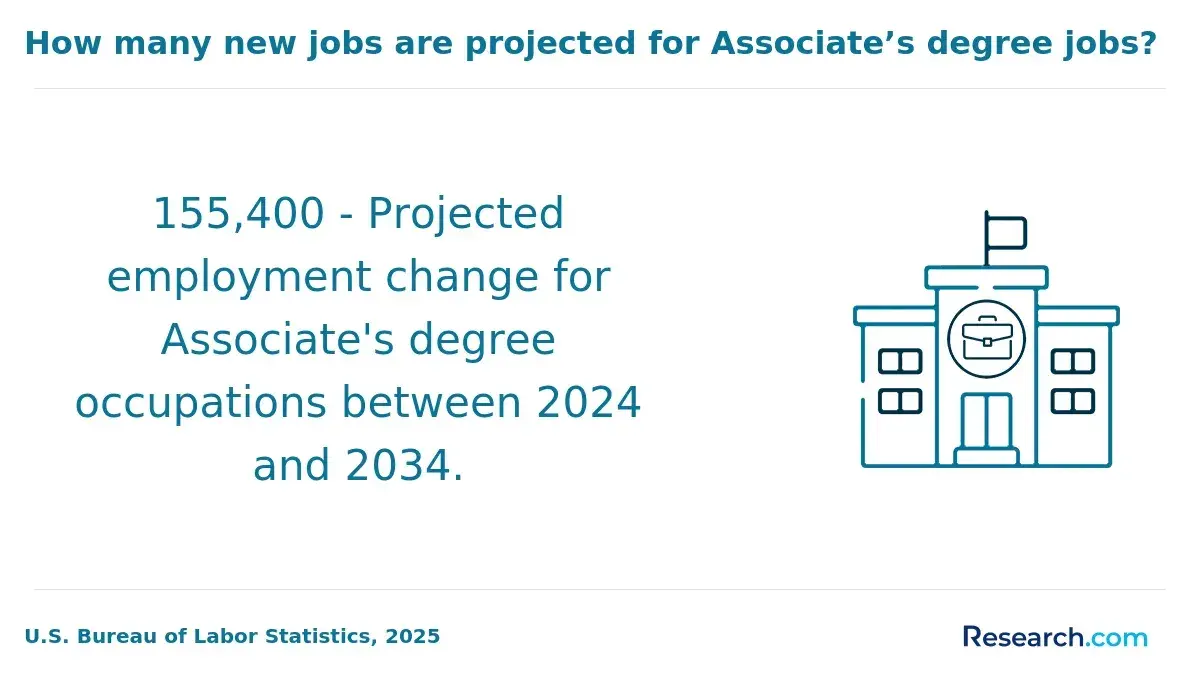
Admission into an online bachelor's in criminal justice depends heavily on meeting specific academic and professional benchmarks that often mirror real-world law enforcement expectations. Applicants typically must present a high school diploma or equivalent, official transcripts, and proof of residency. Minimum GPA requirements usually center around 2.5 on a 4.0 scale.
However, roles demanding competitive entry, such as federal or specialized law enforcement, favor candidates closer to a 3.0 GPA. The absence of prior college credits necessitates demonstration of collegiate readiness through tests or prerequisite courses.
For working professionals aiming to shift into law enforcement, background scrutiny intensifies. Many programs mandate clean criminal records reflecting state or agency-specific standards, affecting eligibility and timelines. Early preparation of documentation avoids delays with enrollment and consequent disruptions to career momentum.
Programs like Purdue Global's ExcelTrack illustrate how competency-based tuition, fixed at $2,500 per term, supports accelerated degree completion. This approach, however, requires substantial upfront administrative effort. Missteps in admissions or course overload can extend time to degree and increase costs.
Practical exposure through internships or prior service remains a significant asset in admissions and subsequent employability. Transfer credit for military or law enforcement training is a critical factor for cost and time efficiency, underscoring the need to assess these credits during the application process to better align with workforce demands.
How long does the degree take, and what does it cost?
Opting for an online bachelor's degree in criminal justice requires factoring in both time and cost impact on career trajectories, especially for current law enforcement professionals. While full-time programs typically span 3 to 4 years, many students extend their studies to 5 or 6 years through part-time enrollment to maintain employment, which inflates total tuition due to prolonged payment periods.
Tuition costs vary widely; for instance, Walden University's program lists total tuition at around $68,120. Yet, targeted scholarships, such as the Believe & Achieve award, can reduce this by nearly 30%, lowering the expected expense to approximately $47,810. Such reductions are critical when employers offer tuition reimbursement or when students leverage financial aid, trimming the real cost considerably.
Students should also anticipate additional expenses like technology fees and course materials, which can be nontrivial in a fully online format.
Choosing accelerated pathways can compress study time, enabling earlier eligibility for supervisory roles that require a degree but often carry higher per-semester costs. Candidates must weigh this against their current work demands and financial flexibility.
What salary can law enforcement graduates expect?
Starting salaries for law enforcement graduates with a bachelor's in criminal justice typically range from $45,000 to $60,000, varying by agency size and location. Specialized roles such as corrections officers with leadership duties can surpass $76,000 annually, aligned with a 3.1% projected employment growth that emphasizes demand for professionals adept at facility management and regulatory compliance.
Federal and state positions require navigating lengthy hiring cycles and intense competition where a degree alone is insufficient. Tactical training and advanced certifications increasingly differentiate candidates, directly influencing initial salary offers. Graduates targeting local departments face noteworthy geographic disparities; metropolitan areas offer higher wages but come with elevated living costs.
Career planning demands weighing early salary gains against promotion potential. Entry-level patrol officers may earn less initially but benefit from clear advancement pathways, while specialized fields like cybercrime analysis offer higher starting salaries paired with mandatory ongoing technical training.
Employers consistently prefer candidates combining academic credentials with practical field experience. Internships, networking within agencies, and volunteer opportunities often shift salary negotiations and hiring outcomes. Variable shifts and overtime frequently impact total compensation, necessitating candidate flexibility.
What is the job outlook for law enforcement careers?
Law enforcement employment growth varies significantly by agency and specialization, with federal and cybersecurity-focused roles expanding faster than traditional patrol positions. A 5% national growth rate through 2032 masks this uneven demand, making specialized skills and advanced education a decisive factor for candidates. Employers increasingly prioritize analytical capabilities alongside physical fitness and background screening, creating a dual challenge for applicants.
For mid-career professionals transitioning from related fields like corrections or private security, earning an online bachelor's in criminal justice with credit for prior learning, such as offered through University of Louisville's 30 tuition-free credits, can reduce time-to-degree and lower costs by nearly $17,000. This approach accelerates reentry into the workforce and helps navigate the stringent requirements of licensure and internships that are often prerequisites.
Practical realities include:
- Balancing hybrid or part-time study with required field experience to meet employer expectations.
- Managing diverse state licensing standards that influence job eligibility.
- Keeping pace with evolving crime trends through programs integrating data analysis and technology.
Choosing a program that recognizes prior learning or transferable credits can materially shorten educational barriers, positioning candidates for competitive advantage amid shifting law enforcement demands.
Which certifications or licensing steps may be required?
Licensing and certification are decisive barriers for criminal justice graduates aiming for law enforcement careers, often outweighing academic credentials. Completing an accredited police academy aligned with the candidate's state is mandatory; skipping this step disqualifies applicants regardless of degree completion. Many states require passing the Peace Officer Standards and Training (POST) exam, while federal roles add layers of background checks and fitness evaluations unrelated to education but essential for employment.
Certification types such as Certified Law Enforcement Officer or specialized credentials in cybercrime or forensics enhance qualification but rarely replace baseline licensure. Graduates from online Criminal Justice programs must carefully time their degree completion to coincide with academy entry and certification processes, as agencies expect active certification pursuit or completion.
Cross-state employment introduces complications due to non-transferable state certifications. Officers moving from states like Kentucky or Ohio may face retraining, delaying full employment. Although financial incentives, like Ball State University's reported $6,500 annual tuition savings for eligible online students, improve affordability, these do not alleviate licensing demands.
Employers prioritize candidates who pair academic credentials with state certification. Without certification, graduates face restricted access to frontline law enforcement and may need to consider roles in private security or administrative positions within criminal justice systems. Online criminal justice degree pathways demand pragmatism regarding certification timelines and state-specific requirements.
Other Things You Should Know About Criminal Justice Degrees
Online criminal justice programs rarely include the physical training, stress management, or situational exercises essential to law enforcement. While they build theoretical knowledge and analytical skills, applicants should supplement their degree with in-person academy training or field experience to meet employer expectations. Prioritize programs that offer hybrid options or clearly support transitions into physical training academies to avoid gaps in readiness.
Employers in law enforcement typically prefer candidates with a focused education in areas like policing, investigation, or corrections, as these reflect clearer career intent and relevant skills. Broad degrees provide flexibility but may dilute practical expertise. Candidates aiming for efficient entry or promotion should prioritize specialized tracks or electives aligned with law enforcement roles to demonstrate targeted competence.
Accelerated programs can reduce time to completion but often sacrifice depth in complex topics or professional development components. Conversely, longer programs typically offer more comprehensive coverage, including ethics, law, and advanced analysis, which employers value for leadership roles. Students must weigh immediate career goals against long-term advancement potential when selecting program duration and rigor.
References
- Regionally Accredited Online Colleges: What You Need to Know | Tiffin University https://go.tiffin.edu/blog/regionally-accredited-online-colleges-what-you-need-to-know/
- Online Bachelor’s Degree in Criminal Justice | Warner Pacific https://www.warnerpacific.edu/programs/criminal-justice/
- Police and Detectives: Salary, career path, job outlook, education and more - RaiseMe https://www.raise.me/careers/protective-service/police-and-detectives/
- How Long Does it Take to Get a Bachelor’s Degree? https://www.pointloma.edu/resources/accelerated-undergraduate/how-long-does-it-take-get-bachelors-degree
- Criminal Justice Curriculum https://wvstateu.edu/college-of-professional-studies/departments/criminal-justice/criminal-justice-curriculum/
- Police Officer or Detective https://www.truity.com/career-profile/police-officer-or-detective
- Earning a Criminal Justice Degree Online | University of Bridgeport https://www.bridgeport.edu/news/earning-a-criminal-justice-degree-online/
- 15 Best Online Bachelor's In Criminal Justice https://www.criminaljusticedegreeschools.com/rankings/best-online-bachelors/