2027 Online Criminal Justice Degrees for Students Who Want Compliance Investigator Roles

Co-Founder and Chief Data Scientist
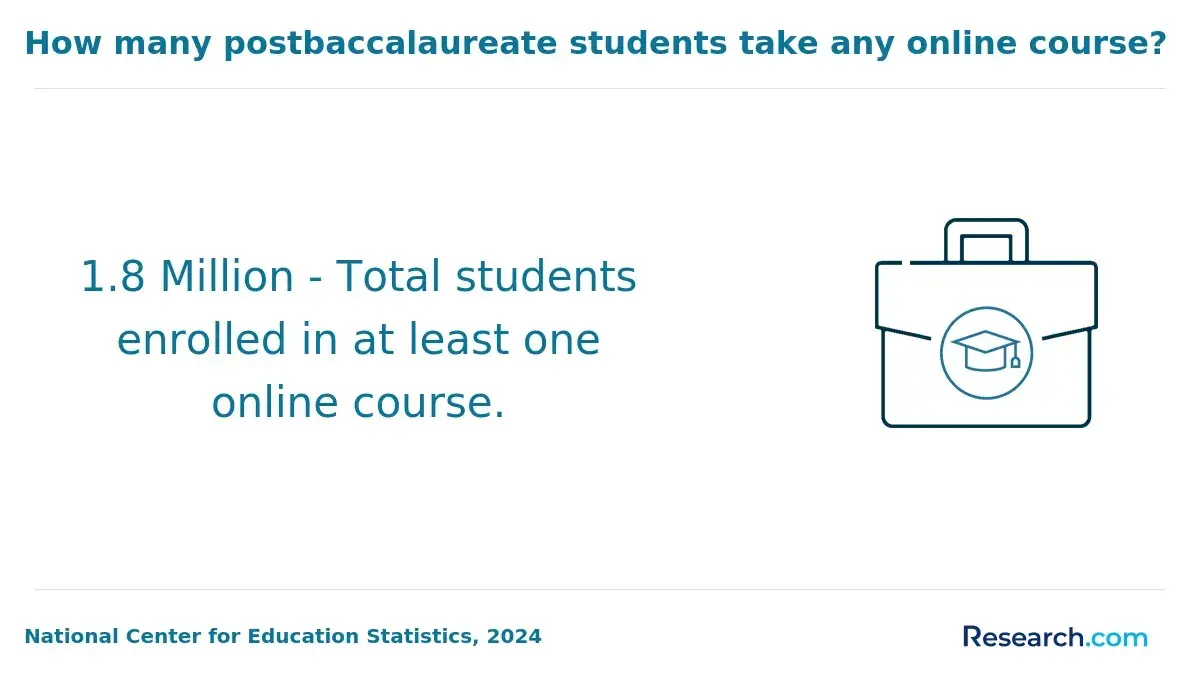
Compliance investigators entering the criminal justice field face mounting pressure to balance stringent regulatory knowledge with adaptive investigative techniques amid evolving digital offenses. Employers increasingly demand candidates who can navigate complex policies while demonstrating practical skills in data analysis and risk assessment. The National Center for Education Statistics reports that over 40% of criminal justice students now pursue online degrees, reflecting a shift toward flexible, career-compatible education paths driven by working adults seeking immediate workforce relevance. This trend signals a departure from traditional campus-bound programs toward accessible curricula tailored for professionals aiming for targeted compliance roles. This article examines top online criminal justice degrees designed specifically for those preparing to meet the nuanced demands of compliance investigator careers, providing actionable guidance to optimize educational and career outcomes.
Key Things You Should Know
- Compliance investigator roles prioritize candidates with degrees integrating advanced regulatory frameworks; 62% of employers cite specialized law and policy coursework as critical, constraining broader criminal justice curricula's direct applicability.
- Government labor data shows a 14% projected growth in compliance-related roles by 2030, pressuring programs to incorporate practical fraud detection skills, or risk graduates facing significant underemployment.
- Online degrees averaging 24 months can reduce costs by 30% compared to on-campus options but often limit real-world internship access, creating recruitment challenges among agencies demanding hands-on investigation experience.
What is an online criminal justice degree and how does it prepare compliance investigators?
The practical value of an online criminal justice degree for compliance investigators hinges on its alignment with employer demands and sector-specific challenges. The degree's targeted curriculum-covering criminology, risk assessment, regulatory policies, and data analysis-equips graduates to identify compliance violations and conduct investigations either remotely or onsite across industries like finance, healthcare, and manufacturing. For example, in financial services, graduates apply legal frameworks and investigative tools to detect fraud schemes before regulatory penalties escalate.
Online criminal justice degree programs for compliance investigators must balance flexible scheduling with limited in-person networking opportunities. Working professionals often leverage virtual internships and industry associations to compensate for fewer face-to-face connections, vital for gaining referrals in regulatory careers. Programs emphasize practical skills, including report writing and interviewing, reflecting employer expectations for oversight competency.
The compliance officer workforce is projected to grow at 6% from 2022 to 2032, creating approximately 22,800 new positions-a rate that exceeds average occupational growth. However, ongoing professional development remains critical to navigate evolving regulations beyond initial degree attainment. Aligning education with certifications tailored to compliance or sector-specific rules boosts job competitiveness and operational readiness.
Prospective students should also investigate the criminal justice degree cost to assess financial and opportunity costs realistically when evaluating how an online criminal justice degree prepares compliance investigation careers.
Which types of criminal justice degrees best support a compliance investigator career path?
Degrees in criminal justice that emphasize compliance, regulatory frameworks, and corporate investigations align most closely with employer demands for compliance investigator roles. Programs centered heavily on forensic science or corrections may hinder immediate workforce integration due to narrower applicability. For instance, a student pursuing healthcare compliance must seek curricula that cover healthcare law and federal policies like HIPAA, as this specificity enables faster adaptation to industry expectations and regulatory complexities. This practical alignment significantly impacts employability in sectors such as finance, healthcare, and government where compliance roles are expanding.
Master's degrees bring valuable strategic leadership and analytical skills but are generally better suited for professionals with prior experience or those transitioning from adjacent fields. Entry-level students often benefit more from undergraduate programs offering hands-on investigations and internship opportunities, which facilitate smoother entry into compliance careers. Online formats incorporating live case studies and simulations tend to yield better job placement, increasing graduate readiness for real-world challenges.
Compliance investigator salaries vary, with median wages near $76,980 and top-tier earners exceeding $130,000, reflecting the relevance of degrees and certifications like Certified Compliance and Ethics Professional (CCEP). Prospective students should focus on programs that integrate certification preparation to reduce credentialing delays.
Evaluating best criminal justice programs for compliance careers includes assessing employer connections, proximity to internships, alumni networks, and training in compliance technologies. Those seeking flexibility might explore paralegal online programs as complementary pathways for compliance roles.
How do online criminal justice programs compare to campus-based options for compliance-focused study?
Online criminal justice degree programs for compliance investigators deliver core legal and ethical training comparable to campus-based studies but diverge sharply in experiential learning and networking access. Campus programs often incorporate direct internships with law enforcement and university-affiliated agencies, providing hands-on insight crucial for compliance roles. Online students must proactively secure remote or local placements, a necessary tradeoff for those balancing employment and education.
The 2024 Franklin University career guide reveals that 41% of mid-tier compliance or investigation roles mandate degrees in criminal justice or related fields, making accredited coursework with compliance-focused electives essential for employability. Employers assess candidates based on both academic rigor and demonstrated real-world regulatory experience, areas where campus pathways generally hold an advantage due to embedded field opportunities and peer networks.
For working professionals pursuing career pivots, online formats offer indispensable flexibility but require deliberate industry engagement beyond the classroom. A healthcare compliance career, for example, benefits greatly from campus-driven connections to hospital legal teams, while online learners must independently build these industry ties. Evaluating programs on remote internship support and alumni outcomes in compliance sectors is critical.
Prospective students seeking affordable options should consider resources like the cheapest online forensic science degree listings, which provide cost-effective pathways that still meet regulatory curriculum demands.
What accreditation and institutional quality standards should online criminal justice programs meet?
Regional accreditation from agencies recognized by the U.S. Department of Education or the Council for Higher Education Accreditation (CHEA) remains the primary benchmark ensuring compliance investigator programs meet rigorous academic standards. Employers consistently seek candidates with bachelor's degrees from accredited institutions, making this non-negotiable for practical credentialing. Yet, accreditation alone does not guarantee readiness. The quality assurance criteria for online criminal justice degrees demand integration of applied learning-such as case studies on regulatory frameworks or digital forensics-to match the investigative complexity of public-sector roles.
Students navigating comparable accredited programs must weigh retention and graduation statistics carefully, as these metrics correlate strongly with workforce preparedness. For instance, city-level compliance investigator postings in Eugene reveal salary ranges from $87,443 to $113,651 annually, implying that stronger program outcomes facilitate smoother job market transitions. Programs offering experiential components supported by industry-recognized certifications or partnerships can accelerate this alignment.
Beyond foundational coursework, thorough instruction on federal and state compliance laws, data analysis tools, and investigative reporting protocols is essential. Without these competencies, graduates risk falling short of increasingly stringent government and private contract standards. Those evaluating educational shifts might also explore how accelerated pathways compare, such as the options described in can you become an architect online, to understand duration tradeoffs across professional fields.
What core courses and concentrations should a criminal justice curriculum include for compliance work?
A curriculum tailored for compliance investigators must prioritize courses that develop both legal fluency and investigative acumen, bridging regulatory knowledge with practical enforcement skills. Core subjects such as corporate compliance law, fraud examination, and risk management provide a necessary framework to interpret industry-specific regulations across finance, healthcare, and manufacturing sectors. Elective tracks in financial crimes or cybersecurity offer tactical expertise essential for detecting illicit patterns in complex datasets and digital records.
Practical challenges arise as compliance investigators frequently handle sensitive data and must collaborate with auditors and legal teams, requiring proficiency in data privacy regulations and audit protocols. For instance, navigating HIPAA guidelines within healthcare investigations presents distinct complexity compared to environmental compliance audits in manufacturing, necessitating deliberate specialization choices.
Proficiencies extend beyond knowledge acquisition to include rigorous report writing and evidence collection, skills directly impacting a compliance investigator's ability to produce findings admissible in legal contexts. Real-world case studies add crucial dimension by cultivating analytical rigor and decision-making under regulatory pressures.
Employers demand graduates who merge compliance standards with investigative methodologies because regulatory breaches involve significant financial and legal exposure. Notably, online criminal justice programs yield comparable graduate placement rates-over 89% within twelve months-indicating flexibility in delivery mode does not compromise workforce readiness.
- Core focus on regulatory frameworks, investigative techniques, and ethical decision-making
- Specialization impacts ability to manage sector-specific compliance challenges
- Essential skills include report writing and legally sound evidence handling
- Collaborative work with auditors and legal teams shapes investigative practice
- Comparable graduate outcomes from online and campus criminal justice pathways
What admission requirements and prior experience do online criminal justice programs typically expect?
Admission into online criminal justice programs for compliance investigator roles commonly hinges on a high school diploma or GED, but success often depends on nuanced factors beyond basic entry criteria. While GPA thresholds of 2.5 to 3.0 are standard, the real differentiator is a candidate's ability to demonstrate familiarity with legal or investigative concepts, either through prior coursework or relevant work history.
Applicants without postsecondary credits usually need to submit standardized test scores, yet substantial professional experience in law enforcement, auditing, finance, or compliance environments can offset this requirement and strengthen application portfolios. Prospective students lacking this background face a tradeoff: foundational courses may extend degree timelines and defer engagement with core compliance competencies.
For example, a candidate shifting from a business role into regulatory compliance must secure program options that recognize experiential learning or credit-for-experience pathways to avoid redundant general education requirements. Admissions committees commonly evaluate written statements and recommendation letters to gauge transferable skills such as critical thinking, ethics, and attention to detail.
Over 70% of criminal justice bachelor's programs incorporate targeted courses in ethics, regulatory compliance, and white-collar crime, underscoring an expectation that graduates either possess or rapidly acquire investigative acumen aligned with employer demands. However, students without auditing or law enforcement experience must carefully consider programs offering accelerated credit options to streamline their career pivot.
- Minimum admission: High school diploma or GED, often with GPA 2.5-3.0
- Standardized tests required mainly if no postsecondary credits
- Prior relevant work or study improves admission strength and reduces redundant coursework
- Written evaluations focus on ethical reasoning, critical thinking, and attention to detail
- Curricula emphasize ethics, regulatory frameworks, and white-collar crime to meet compliance roles
How long do online criminal justice degrees take, and what tuition and fees should students expect?
Completion time for online criminal justice degrees tailored to compliance investigator roles varies significantly-typically two to four years across associate, bachelor's, and master's levels. Accelerated master's options can shorten this to about 18 months, but only for full-time students with transferable credits. This timeframe directly affects how quickly candidates enter the job market or switch careers, particularly for professionals balancing ongoing employment demands.
Tuition costs fluctuate by program type and residency status. Public bachelor's programs charge roughly $300-$500 per credit hour in-state, with out-of-state fees reaching $600 or more. Master's-level courses usually range from $400 to $900 per credit hour. Overall, a bachelor's degree totals approximately $20,000-$40,000 before non-tuition expenses like technology fees or textbooks. These figures are crucial for candidates weighing the return on investment, since many employers in regulatory compliance prioritize hands-on experience and certification alongside formal education.
Practical experience profoundly influences employability. Data aggregated by leading online criminal justice providers shows over one-third of students engage in virtual or local internships with law enforcement, regulatory agencies, or compliance departments. These placements often serve as essential pipelines to initial employment.
For example, a candidate targeting a compliance investigator role in financial services gains a competitive advantage through internships within regulatory compliance units, adding credibility and practical expertise beyond academic credits alone.
What specific compliance investigator roles can graduates pursue in public and private sectors?
The role of compliance investigators with online criminal justice degrees requires nuanced expertise that goes beyond legal knowledge. In government settings, such as state revenue departments, these professionals frequently audit financial records and partner with law enforcement to address issues like tax evasion-illustrated by investigators analyzing suspicious transactions within state tax agencies. Private-sector investigators focus on enforcing internal policies to meet regulatory standards across industries including finance and healthcare, tracing money laundering or auditing Medicare billing fraud.
Practical hiring trends reveal that candidates holding dual competencies in criminal justice and accounting or auditing have a distinct advantage. A survey by the Mississippi Department of Revenue found these candidates were 1.5 times more likely to be considered for leadership roles in investigative teams, reflecting employer preferences for those who can interpret complex financial data within legal frameworks.
Deciding whether to pursue additional credentials in accounting or regulatory standards depends on the desired sector. Public agencies emphasize knowledge of government compliance frameworks, while private firms prioritize risk management and internal controls.
- Criminal justice graduates should expect varied technical skill demands based on sector.
- Multi-disciplinary training can mitigate competitive job market pressures.
- Specialized experience influences advancement potential more than degree alone.
What salary ranges, advancement opportunities, and job outlook exist for compliance investigators?
Compliance investigators in 2026 typically enter the workforce with salaries between $55,000 and $80,000, though senior positions in industries like finance, healthcare, and energy can surpass $120,000. This wage variation hinges on specialization, geography, and proficiency with regulatory standards such as HIPAA or SOX. For example, healthcare compliance analysts moving into senior investigator roles often see salary growth above 25% within five years.
Achieving higher compensation frequently requires more than experience; an advanced degree-particularly an online Master of Science in Criminal Justice-accelerates career progression and access to leadership roles. However, such degrees demand substantial financial commitment, often exceeding $24,000 based on standard tuition rates of $675 per graduate credit for 36 credits. Employers typically justify this investment by promoting graduates to compliance director or senior investigator levels, where managerial and legal interpretation skills become essential.
Career advancement follows a defined path: junior investigator, compliance officer, senior investigator, and eventually compliance manager or director. Demand in this field is set to grow by approximately 8% through 2030, propelled by increasing regulatory complexity nationwide. Job security is strongest in sectors with rigorous oversight, such as government contracting and financial services, where compliance failures carry steep penalties.
Practical decisions about pursuing additional education must weigh certification requirements and hands-on experience against tuition costs and industry-specific demands. Effective career strategies integrate academic credentials with real-world expertise to navigate these tradeoffs within evolving regulatory landscapes.
Are certifications or licenses needed for compliance investigator positions, and how do degrees help?
Certification is not a strict requirement for compliance investigator roles, but credentials like Certified Compliance & Ethics Professional (CCEP) or Certified Fraud Examiner (CFE) often distinguish candidates in competitive job markets. A bachelor's degree in criminal justice remains a foundational baseline, providing critical technical knowledge in legal frameworks and investigative processes. Employers hiring for entry-level investigator positions, such as at state revenue agencies, typically expect this educational background to ensure competency in handling regulatory reviews and investigative documentation.
The practical value of a criminal justice degree lies in cultivating analytical abilities to interpret complex regulations relevant to sectors like healthcare, finance, and government. Certifications complement this by signaling applied expertise, often necessary for supervisory or lead investigator roles where the depth of compliance knowledge and regulatory adherence are closely scrutinized.
Tradeoffs include balancing demanding coursework with preparation for certification exams, which can extend time to full qualification. Specialized degree tracks or credentials aligned with industry-specific compliance-such as HIPAA for healthcare or fraud examination for financial services-enhance targeted employability. Early internships in regulated environments also provide essential hands-on experience that can mitigate the absence of formal licensing or certifications.
- Employers generally require a bachelor's degree in criminal justice or related fields for entry-level regulatory roles.
- Advanced certifications become critical for leadership and specialized compliance positions.
- Practical challenges include aligning education and certification timelines and tailoring credentials to specific sectors.
Other Things You Should Know About Criminal Justice
Online criminal justice programs intended for compliance investigator roles often require consistent weekly study and engagement with case-based assignments. Working students must prioritize programs with flexible asynchronous coursework but also consider that meaningful interaction-with instructors or peers-can demand synchronous participation that conflicts with standard business hours. Selecting a program with clear expectations around workload and scheduling flexibility is critical, especially for those managing professional obligations.
Employers in compliance investigation prioritize candidates with demonstrable investigative skills and regulatory knowledge, not just academic credentials. While an online criminal justice degree signals foundational expertise, candidates without internships, practicums, or relevant work experience may be at a disadvantage. Prospective students should weigh programs offering practical experience opportunities or consider complementing formal education with targeted internships, as real-world exposure strongly influences employability and career advancement.
Not all programs emphasize regulatory frameworks, risk assessment, or ethics to the degree needed for compliance investigator roles. When choosing, students should scrutinize curricula for specialized courses in corporate compliance, legal standards, and investigative techniques rather than general criminal justice theory. Prioritizing programs with faculty expertise and resources directed toward compliance disciplines improves alignment with employer expectations and ensures relevant skills acquisition.
In 2027, online criminal justice degree programs offer tailored coursework in regulatory standards and compliance, providing critical skills for future investigators. Interactive modules and case studies in these programs enhance practical understanding, making graduates well-prepared for compliance roles.
References
- Jobs with a degree in Criminal Justice | Monroe University https://www.monroeu.edu/academics/undergraduate-programs/school-criminal-justice/what-can-you-do-criminal
- Can you be a compliance officer without a degree? - compleye.io https://compleye.io/can-you-be-a-compliance-officer-without-a-degree-3/
- Compliance Officer Salary https://onlinemasteroflegalstudies.com/career-guides/how-to-become-a-compliance-officer/salary/
- How Long is a Master's in Criminal Justice (MSCJ) Program? https://www.forensicscolleges.com/blog/resources/how-long-to-earn-masters-in-cj
- CTX | Comparing Schools with Criminal Justice Majors https://www.concordia.edu/blog/comparing-schools-with-criminal-justice-majors.html
- How to Find Work in Compliance: A Practical Guide to Starting a Career in Compliance https://amlincubator.com/blog/how-to-find-work-in-compliance-a-practical-guide-to-starting-a-career-in-compliance
- Should I Get My Bachelor’s Degree in Criminal Justice Online? | CSU Global https://csuglobal.edu/blog/should-i-get-my-bachelors-degree-criminal-justice-online
- Criminal Justice (B.A.) - SPS https://discover.trinitydc.edu/catalog-24-25/criminal-justice-sps/
- Online Criminal Justice Degrees (Types, Benefits & FAQ) https://www.allcriminaljusticeschools.com/criminal-justice/criminal-justice-online-degree/
- compliance officer https://www.randstad.com.au/job-profiles/compliance-officer/