2027 Which Business Administration Degree Careers Offer the Best Long-Term Salary Growth?

Co-Founder and Chief Data Scientist
Choosing a business administration career is not just about the first job after graduation. The larger question is which path can keep increasing your earning power as you gain experience, manage larger teams, influence revenue, or take ownership of financial and operational decisions.
This matters for students, career switchers, and working professionals who want a degree path with long-term return rather than only a respectable starting salary. Business administration can lead to roles in finance, marketing, operations, human resources, consulting, sales, healthcare administration, and executive leadership, but the salary ceiling varies widely by function, industry, skill set, and advancement path.
Employment projections indicate a 10% growth rate in managerial roles over the next decade, which points to continued demand for professionals who can lead teams, improve performance, and make business decisions. This guide explains which business administration degree careers tend to offer the strongest long-term salary growth, what drives that growth, and how to choose a path that fits your strengths and earning goals.
Key Benefits of Business Administration Degree Careers That Offer Long-Term Salary Growth
- Careers in business administration often show steady salary increases, with experienced professionals earning up to 40% more over 10 years than entry-level counterparts.
- Continuous skill development and practical experience directly correlate with higher compensation, as employers value evolving leadership and management capabilities.
- Long-term growth in business administration careers fosters financial stability by opening paths to executive roles, enhancing both income and job security over time.
Which Business Administration Careers Have the Highest Long-Term Salary Growth?
The business administration careers with the strongest long-term salary growth are usually those tied directly to revenue, capital allocation, operational performance, or enterprise-wide leadership. These roles may not always have the easiest entry points, but they tend to reward professionals who can make measurable business decisions and take on broader responsibility over time.
The U.S. Bureau of Labor Statistics projects an 8% growth in median annual wages for business and financial operations occupations from 2022 to 2032, highlighting strong earning potential in these fields. For degree seekers, the key is to look beyond broad job titles and evaluate how each career path scales with experience.
| Career path | Why salary growth can be strong | Best fit for |
| Financial Manager | Compensation can rise substantially as professionals move from analysis and reporting into budgeting authority, investment strategy, risk oversight, and executive financial planning. | Students who are comfortable with financial data, forecasting, compliance, and high-stakes decision-making. |
| Marketing Manager | Salary growth is often tied to the ability to drive revenue, improve brand position, manage campaigns, and connect customer behavior to measurable business results. | Professionals who combine creativity with analytics, market research, and performance measurement. |
| Human Resources Manager | Pay can increase as HR professionals take on workforce planning, compensation strategy, labor relations, compliance, and organizational development, especially in larger companies. | People who are strong in communication, policy, negotiation, employee relations, and leadership development. |
| Operations Manager | Long-term salary growth can come from managing budgets, improving efficiency, reducing costs, and overseeing complex systems or teams. | Professionals who enjoy process improvement, logistics, analytics, and cross-functional problem-solving. |
| Management Consultant | Experienced consultants can earn more as they build specialized expertise, manage client relationships, and advise organizations on strategy, operations, or transformation. | Graduates who want project-based work, travel flexibility, industry variety, and fast skill development. |
Prospective students interested in the highest earning business administration degree jobs over time should also compare tuition, aid eligibility, and delivery format. Affordable educational pathways such as the cheapest online colleges that accept FAFSA in USA can help reduce debt while still preparing students for roles with long-term salary upside. Students focused specifically on business programs may also want to compare the cheapest online business management degree options before committing to a program.
How Does Salary Growth Progress Over Time in Business Administration Careers?
Salary growth in business administration careers usually happens in stages. Early increases often come from building technical competence and reliability. Larger jumps tend to occur when professionals move into roles with budget authority, staff supervision, revenue responsibility, or strategic influence.
According to the U.S. Bureau of Labor Statistics, wages for management occupations, which encompass many business administration roles, are expected to grow by about 8 percent over the next decade. This points to steady long-term earning potential, but individual outcomes depend heavily on specialization, industry, company size, and promotion timing.
Typical salary-growth pattern
- Early career: Growth is usually driven by skill development, strong performance reviews, and movement from assistant or analyst roles into specialist positions.
- Mid-career: Salary increases often become more meaningful as professionals manage projects, lead teams, supervise budgets, or own business outcomes.
- Senior career: Compensation can grow faster for those who enter director, executive, consulting, or high-level management roles where decisions affect revenue, costs, risk, or growth strategy.
The biggest mistake is assuming that salary growth is automatic. A business administration degree can open doors, but long-term compensation usually depends on how clearly a professional can show impact. Employers tend to reward business professionals who can prove they improved margins, reduced costs, increased sales, strengthened retention, or helped the organization scale.
In practical terms, salary progression is strongest when each role builds toward a larger scope of responsibility. A marketing assistant who learns analytics, campaign strategy, and budget management may move toward marketing leadership. A financial analyst who develops forecasting, risk assessment, and presentation skills may move toward finance management. A generalist who does not build a clear specialty may have more flexibility but a less predictable salary ceiling.
Which Entry-Level Business Administration Jobs Lead to High-Paying Careers?
The best entry-level business administration jobs are not always the ones with the highest starting salaries. Strong long-term paths usually give new graduates exposure to data, budgets, customers, operations, or decision-makers. These experiences create the foundation for management and leadership roles later.
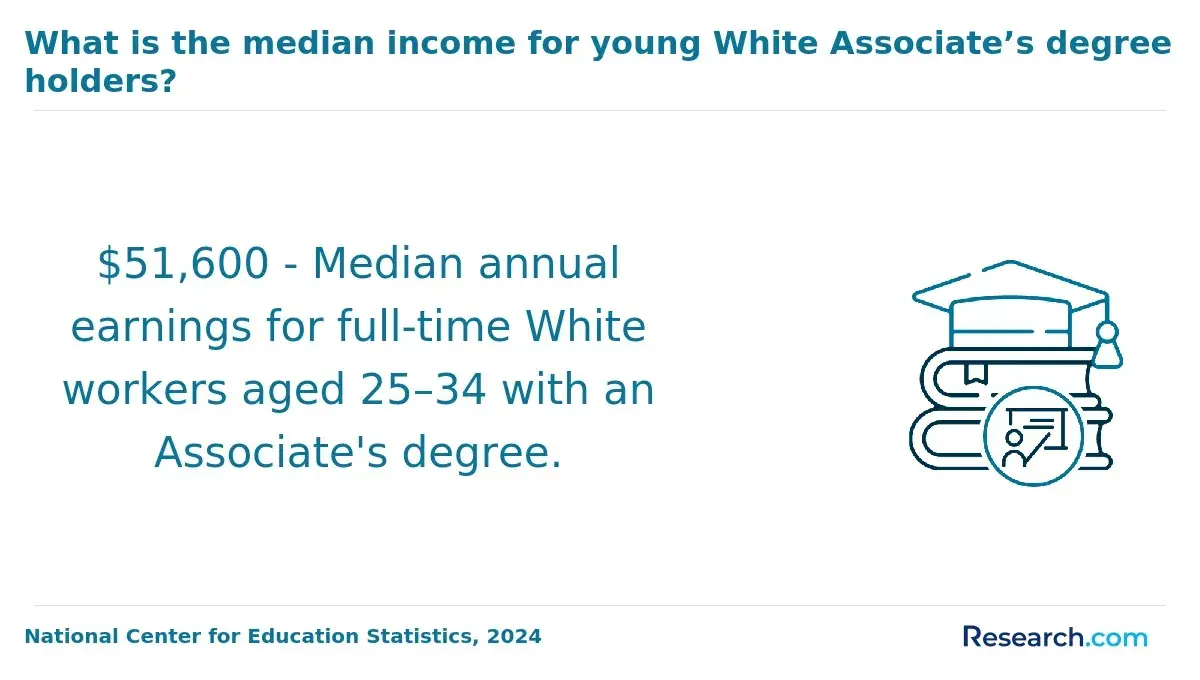
While starting salaries typically range from $45,000 to $60,000 annually, these positions often lead to greater financial rewards as professionals gain experience and take on more responsibility. Graduates should evaluate entry-level roles by asking whether the job builds transferable skills, offers promotion potential, and connects to a high-value business function.
| Entry-level role | Skills built | Potential long-term path |
| Financial Analyst | Financial modeling, budgeting, forecasting, reporting, investment analysis, and business performance review. | Senior analyst, finance manager, finance director, CFO track, investment management, or corporate strategy. |
| Marketing Coordinator | Campaign support, market research, customer segmentation, content planning, digital analytics, and vendor coordination. | Marketing manager, brand manager, growth marketing leader, product marketing manager, or marketing director. |
| Operations Analyst | Process improvement, workflow analysis, cost control, reporting, supply chain support, and productivity measurement. | Operations manager, supply chain manager, process improvement leader, consultant, or general manager. |
| Sales Representative | Client communication, negotiation, prospecting, revenue generation, pipeline management, and account strategy. | Account executive, sales manager, business development director, revenue leader, or general management role. |
New graduates should also consider the learning environment. A role with mentorship, clear performance metrics, and access to cross-functional projects may be more valuable than a slightly higher-paying job with limited advancement. Early career choices matter because they shape the skills and evidence of impact that future employers will use to evaluate salary potential.
When asked about choosing an entry-level business administration job with strong upward earnings potential, one new graduate described the process as "exciting but overwhelming." He noted that many roles seemed promising, but the better question was whether each position would help him develop skills that employers consistently pay for: analysis, communication, leadership, and measurable business results.
Industry choice can affect salary growth as much as job title. Business administration graduates often see stronger earning potential in sectors where business decisions have a direct connection to profit, scale, compliance risk, operational complexity, or customer growth.
For instance, the finance and insurance sector expects median wage increases of about 7% annually over the next decade, highlighting stronger pay progression compared to average industries. However, graduates should consider total compensation, promotion velocity, job stability, and work-life expectations rather than focusing on salary alone.
| Industry | Why salary growth can be strong | What to watch |
| Financial Services | Compensation may include bonuses and performance incentives, especially as professionals move into analysis, risk, portfolio, management, or executive roles. | Competition can be high, and advancement may depend on technical finance skills and regulatory knowledge. |
| Technology | Rapid innovation and market expansion can create demand for business professionals who understand products, customers, operations, and growth strategy. | Roles may change quickly, so professionals need adaptability and comfort with data-driven decision-making. |
| Healthcare Administration | Management complexity, compliance needs, and the scale of healthcare operations can support steady advancement for skilled administrators. | Success often requires understanding healthcare systems, regulations, patient operations, and finance. |
| Manufacturing and Logistics | Global supply chains and operational efficiency needs can reward professionals who reduce costs, improve output, and manage complex workflows. | Some roles may require comfort with analytics, vendor management, process improvement, and facility operations. |
Prospective students seeking strong salary growth in business administration careers may also explore options through the best affordable online colleges that align with these industries' evolving requirements. The goal is not only to find a low-cost program, but also to choose coursework, internships, and electives that support a realistic career path in a high-opportunity sector.
Long-term salary growth in business administration is shaped by more than job title. Two people with the same degree can have very different earnings depending on the responsibilities they take on, the outcomes they deliver, and the industries they enter.
The strongest salary growth usually comes when a professional becomes harder to replace. That can happen through leadership ability, specialized expertise, business relationships, revenue impact, operational knowledge, or a proven record of solving problems that affect the organization’s bottom line.
- Leadership Responsibilities: Managing people, budgets, projects, or business units usually increases compensation because the role carries more accountability. Salary growth often follows expanded decision-making authority.
- Performance Outcomes: Employers are more likely to reward professionals who can point to measurable results, such as revenue gains, cost reductions, process improvements, stronger retention, or better customer outcomes.
- Accumulated Experience: Years of experience matter most when they produce judgment, industry knowledge, and a track record of handling larger or more complex responsibilities.
- Market and Economic Trends: Salary growth can accelerate when demand for specific business skills exceeds supply. Economic slowdowns may reduce raises, bonuses, hiring, or promotion speed.
- Organizational Success: Growing companies often have more room to promote and reward employees, while struggling organizations may limit compensation even for strong performers.
- Negotiation and Career Timing: Professionals who document achievements, understand market value, and negotiate at promotion points may improve long-term earnings more effectively than those who wait for automatic raises.
- Specialization: Skills in finance, analytics, operations, strategy, compliance, or revenue growth can create clearer advancement paths than a broad but unfocused business background.
When I spoke with a professional holding a business administration degree, she described salary growth as a process of learning how to make her value visible. Early in her career, she found it difficult to connect day-to-day work to business outcomes, which made salary conversations uncertain.
Over time, she learned to track results, communicate impact, and ask for responsibilities that mattered to leadership. "It wasn't just about doing my job," she said, "it was about demonstrating how my efforts helped the company move forward." Her experience reflects a common pattern: salary growth improves when professionals can show not only effort, but measurable contribution.
Skills and specializations can strongly influence how far a business administration career progresses. General business knowledge is useful, but higher-paying roles usually require a sharper value proposition: the ability to manage money, improve systems, lead teams, interpret data, grow revenue, or guide strategy.
Professionals who cultivate high-impact competencies often see income growth that outpaces their peers, with research showing specialized individuals can earn 15% to 20% more over a decade. The premium is not for specialization alone; it comes from applying specialized skills to problems employers are willing to pay to solve.
| Skill or specialization | How it supports salary growth | Examples of roles where it helps |
| Strategic Analysis | Helps professionals evaluate markets, competitors, risks, and growth opportunities, making them more valuable in planning and leadership roles. | Strategy analyst, consultant, business development manager, general manager. |
| Data and Technology Proficiency | Supports better forecasting, reporting, automation, and decision-making as organizations rely more heavily on business intelligence. | Operations analyst, marketing analyst, product operations manager, business analyst. |
| Financial Acumen | Improves the ability to manage budgets, analyze performance, control costs, and communicate financial trade-offs to leadership. | Financial analyst, finance manager, controller-track roles, executive leadership. |
| Operational Expertise | Creates value by improving efficiency, reducing waste, strengthening supply chains, and improving service delivery. | Operations manager, supply chain manager, logistics manager, process improvement lead. |
| Leadership and Communication | Becomes increasingly important as professionals move from individual contributor roles to team, department, or enterprise-level leadership. | Department manager, HR manager, director-level roles, executive leadership. |
The strongest candidates usually combine technical and interpersonal strengths. For example, a finance professional who can explain complex analysis to executives may advance faster than someone who only prepares reports. A marketing professional who understands both customer behavior and revenue metrics may have stronger earning potential than someone focused only on creative execution.
Students should use electives, internships, projects, and early jobs to test specializations before committing fully. The right specialization should match both market demand and personal strengths; choosing a high-paying field that does not fit your abilities can limit performance and advancement.
Advanced degrees and certifications can increase long-term earnings in business administration, but they are not automatic guarantees. Their value depends on the field, employer expectations, program quality, cost, timing, and whether the credential helps the professional move into a higher-responsibility role.
Advanced degrees and professional certifications often lead to significant wage premiums and expanded responsibilities in business administration careers. For example, data from the U.S. Bureau of Labor Statistics shows that earning a master's degree in business-related fields, such as an MBA, can result in approximately 20% to 30% higher annual income compared to holding only an undergraduate degree.
When an advanced degree may help
- You need access to senior roles: In finance, consulting, corporate strategy, and some executive tracks, graduate education may strengthen promotion prospects or employer credibility.
- You are changing fields: An MBA or related graduate degree can help career switchers build business knowledge, networks, and recruiting access.
- Your current ceiling is clear: If advancement is limited without a graduate credential, the degree may support a move into higher-paying management or specialist roles.
When a certification may be more practical
- You need a targeted skill: Certifications in project management, financial analysis, or supply chain management can demonstrate specific capabilities tied to job performance.
- You want lower cost and faster application: A focused certification may help build credibility without the time and expense of a full graduate degree.
- Your industry rewards specialization: Certifications can be valuable when they align directly with the responsibilities of the role you want next.
The return on an advanced degree or certification should be evaluated against tuition, lost work time, employer tuition support, accreditation, career services, and the salary level of target roles. In operational or entrepreneurial paths, practical results and experience may matter as much as formal credentials. In finance and consulting, advanced credentials may carry more weight for senior-level advancement.
Job stability can support long-term salary growth by allowing professionals to build trust, institutional knowledge, internal networks, and promotion history. Employers are often more willing to give larger responsibilities to people who have proven they can perform consistently over time.
According to data from the U.S. Bureau of Labor Statistics, workers who stay with the same employer for five or more years typically experience an annual wage growth rate above the national average. This steady employment continuity highlights the impact of job stability and salary growth in business administration careers.
Stability is not the same as staying in one role indefinitely. The strongest salary growth usually comes from stable progression: taking on larger assignments, earning promotions, expanding scope, or moving strategically when advancement stalls. A long tenure without new responsibilities may limit earning potential, while frequent job changes without a clear career story can raise concerns for employers.
| Career pattern | Potential salary impact | Risk |
| Staying and advancing internally | Can lead to steady raises, promotions, stronger reputation, and access to leadership opportunities. | Pay may lag the external market if the organization has limited salary bands or slow promotion cycles. |
| Strategic job changes | Can increase compensation when moves are tied to higher responsibility, stronger industries, or better growth potential. | Too many moves without clear progression can weaken credibility. |
| Staying without growth | May provide security and predictable income. | Can reduce long-term salary growth if skills, responsibilities, and market value stop increasing. |
For business administration professionals, the best approach is to review career progress regularly. If a role is building leadership, measurable results, and marketable expertise, stability can be valuable. If the role has no path to higher responsibility, a carefully planned move may be necessary.
For those exploring education options that support leadership, organizational behavior, or people-focused management paths, programs such as the cheapest PsyD programs online may be relevant in specialized cases, although they serve different professional goals than a standard business administration degree.
After 10 or more years, the highest-paying business administration paths are generally senior roles with broad accountability. At this stage, employers pay for judgment, leadership, industry knowledge, revenue impact, and the ability to make decisions that affect the entire organization.
According to the U.S. Bureau of Labor Statistics, top executives in business sectors earn median annual wages exceeding $185,000 after a decade in managerial roles. These figures highlight how income often stabilizes at high levels once professionals achieve seniority and specialized expertise.
- Senior Executive Leadership: Roles such as CEOs, CFOs, and COOs carry major responsibility for strategy, financial performance, operations, and organizational direction. Compensation reflects the scale and risk of those decisions.
- Finance Directors: These professionals oversee financial planning, analysis, reporting, capital strategy, and resource allocation. Earnings tend to rise with company size, complexity, and leadership scope.
- Marketing and HR Directors: Experienced directors can command high salaries when they shape market growth, brand strategy, workforce planning, compensation systems, culture, and talent development.
- Management Consultancy: Senior consultants use deep industry expertise to advise clients on strategy, efficiency, transformation, and growth. Income often depends on specialization, client relationships, and project leadership.
- Investment Management: Portfolio directors and investment managers apply advanced financial judgment to asset allocation, risk management, and client or institutional investment goals.
The path to these roles usually begins much earlier. Professionals who want senior-level compensation should build evidence of leadership before they reach the executive stage: managing budgets, leading teams, presenting to senior stakeholders, improving business outcomes, and developing expertise that can be recognized across organizations.
For those interested in expanding into people-centered leadership, counseling-adjacent administration, or related organizational roles, specialized credentials such as an MFT degree may complement business administration skills in specific career contexts.
To choose a business administration career path with strong salary growth, start with the kind of business problem you want to solve. Salary potential is highest when your work is connected to valuable outcomes: increasing revenue, improving profitability, reducing risk, managing talent, leading teams, or scaling operations.
According to the U.S. Bureau of Labor Statistics, median salaries for managerial positions in this field range widely, from about $65,000 to over $130,000 annually. This variation highlights why students should evaluate long-term earning potential, not just the first role after graduation.
Decision checklist
- Match the role to your strengths: Finance may fit analytical thinkers; marketing may suit people who combine creativity and metrics; operations may fit process-oriented problem-solvers; HR may fit strong communicators and policy-minded leaders.
- Study industry demand trends: Sectors with growth, complexity, or competition for talent often provide better salary momentum.
- Look for clear progression patterns: Strong career paths usually show visible movement from coordinator or analyst roles into manager, director, and executive positions.
- Compare long-term earning potential: Some roles start modestly but grow substantially as responsibility increases. Others offer stable early pay but a lower ceiling.
- Evaluate geographic location: Regional business concentration, employer size, and cost of living can affect both salary and advancement opportunities.
- Consider education cost and flexibility: A lower-cost accredited program may improve overall return on investment, especially if it allows you to work while studying.
- Build proof of impact early: Track projects, results, metrics, leadership experience, and measurable contributions so you can compete for promotions and negotiate effectively.
For those exploring how to select a business administration degree for maximum long-term earnings, starting with 2 year degrees can also be a strategic option. This route may help students enter the workforce, test business specializations, and later transfer into a bachelor's program if it aligns with their career goals.
The best path is not always the one with the highest advertised salary. It is the one where your skills, interests, industry demand, and advancement opportunities intersect. A realistic plan should include the target role, required skills, likely entry point, education needed, and milestones for moving into higher-responsibility work.
What Graduates Say About Business Administration Degree Careers That Offer Long-Term Salary Growth
- : "Choosing a business administration degree was one of the best decisions I've made for my career. The curriculum balances theoretical knowledge with practical skills, providing a strong foundation that quickly translates into workplace success. I've seen a steady salary increase as I moved into managerial roles, affirming that this degree offers excellent long-term financial rewards. — Harry"
- : "Reflecting on my journey, I realize that the ROI of a business administration degree extends beyond just salary. It's equipped me with critical thinking and leadership abilities that opened doors in multiple industries. The investment in my education has paid off through both career growth and personal development, making it a highly valuable choice. — Elise"
- : "As a professional, the impact of my business administration degree is undeniable. It has not only enhanced my strategic decision-making but has also positioned me for roles with significant salary growth potential. In today's competitive market, this degree acts as a versatile credential that keeps career options open and financially rewarding over time. — Chase"
Other Things You Should Know About Business Administration Degrees
In 2027, roles such as financial managers, investment bankers, and management consultants are expected to offer the best long-term salary growth for business administration graduates, driven by demand for financial oversight, strategic business guidance, and economic growth.
A Master's degree, such as an MBA, is typically necessary for the highest salary growth in business administration. By 2027, MBA graduates in management consulting and finance are expected to experience substantial salary growth, with some moving into six-figure earning potential relatively quickly.
Yes. Supply-chain and operations managers are common business administration careers with strong pay growth. Many employers require a bachelor’s degree and 3–5 years of experience, and the U.S. Bureau of Labor Statistics groups these jobs with management occupations that had a median annual wage above $125,000 in 2024.
Sectors like technology management and healthcare administration are projected to see significant salary growth by 2027. Due to advancements in technology and an aging population, these sectors are expanding, thereby increasing demand for skilled business administration professionals.
- Job Outlook for Business Adminstration https://www.nobledesktop.com/careers/business-administrator/job-outlook
- Career Outlook for Business Administration| University of Bridgeport https://www.bridgeport.edu/news/career-outlook-for-business-administration/
- Is an MBA Worth It? Learn the ROI, Pros and Cons https://www.imd.org/blog/degree/is-an-mba-worth-it/
- How Does an MBA Degree Impact Your Earning Potential? https://ncfacanada.org/how-does-an-mba-degree-impact-your-earning-potential/
- Factors Influencing MBA Salaries https://bschool.pepperdine.edu/mba-programs/article/factors-influencing-mba-salaries.htm
- 8 Ways to Maximize Your MBA Starting Salary | Howard Online MBA https://onlinemba.howard.edu/blog/maximize-your-mba-starting-salary/
- Top 15 Highest Paying Business Degree Jobs in 2025 UK & Global Guide https://apexlearning.org.uk/highest-paying-business-degree-jobs-2025-2026/