2027 Which Employers Hire Business Administration Degree Graduates? Industries, Roles, and Hiring Patterns

Co-Founder and Chief Data Scientist
Business administration graduates face a broad job market, but “broad” can make career planning harder. The degree can lead to finance, operations, healthcare administration, consulting, retail management, technology, government, and nonprofit work, yet each employer type looks for a different mix of skills, credentials, experience, and industry knowledge.
The key decision is not simply whether a business administration degree is useful. It is where that degree is most likely to translate into interviews, stable employment, competitive pay, and long-term advancement. Recent labor statistics reveal that approximately 42% of business administration graduates find employment within the finance and insurance sectors, but hiring also extends across healthcare, professional services, technology, manufacturing, education, and the public sector.
This guide explains which employers hire business administration degree graduates, what entry-level and mid-career roles they commonly fill, how pay differs by employer type, and how geography, internships, and organizational size influence hiring outcomes.
Key Things to Know About the Employers That Hire Business Administration Degree Graduates
- Business administration graduates are primarily hired across industries such as finance, healthcare, technology, and retail-sectors that demand versatile management and analytical skills.
- Common roles include financial analyst, operations manager, marketing coordinator, and human resources specialist-entry-level positions often lead to mid-career leadership opportunities.
- Hiring patterns show geographic concentration in urban financial hubs and growing demand for graduates with digital proficiency and cross-functional expertise.
Which Industries Hire the Most Business Administration Degree Graduates?
The industries that hire the most business administration graduates are those with constant needs in finance, operations, compliance, people management, customer strategy, and data-informed decision-making. Data from the Bureau of Labor Statistics (BLS), National Center for Education Statistics (NCES), and LinkedIn Workforce Insights consistently point to several major employer groups.
- Finance and Insurance: This is one of the strongest hiring sectors for business administration graduates because banks, insurers, investment firms, and credit organizations need employees who understand financial statements, risk, compliance, customer accounts, and operational controls. Common starting points include financial analyst, loan officer, insurance underwriter, client service associate, and operations analyst roles.
- Professional, Scientific, and Technical Services: Consulting firms, accounting firms, legal service organizations, engineering firms, and business advisory companies hire graduates for client support, project coordination, research, operations, and strategy support. These employers often value communication, presentation skills, spreadsheet ability, and the capacity to translate business problems into practical recommendations.
- Health Care and Social Assistance: Healthcare organizations need business-trained employees to support scheduling, billing, procurement, compliance, patient access, budgeting, and service-line operations. Graduates may work in hospitals, clinics, insurance-related healthcare roles, social service organizations, or health administration teams.
- Retail Trade: Retail employers hire business administration graduates for store leadership pipelines, merchandising, inventory planning, supply chain coordination, customer experience, and sales operations. These roles can be fast-paced and metrics-driven, making them a good fit for graduates who like visible performance targets and hands-on management.
- Manufacturing: Manufacturers use business administration talent in production planning, purchasing, logistics, quality coordination, vendor management, and operations analysis. Graduates who understand process improvement and supply chains can be especially competitive.
- Information Technology and Services: Technology employers do not only hire engineers. They also need project coordinators, business analysts, customer success specialists, sales operations staff, vendor managers, and product operations employees who can connect technical teams with business goals.
- Educational Services: Schools, colleges, training providers, and education companies hire business administration graduates for budgeting, admissions operations, procurement, HR, student services administration, and program management.
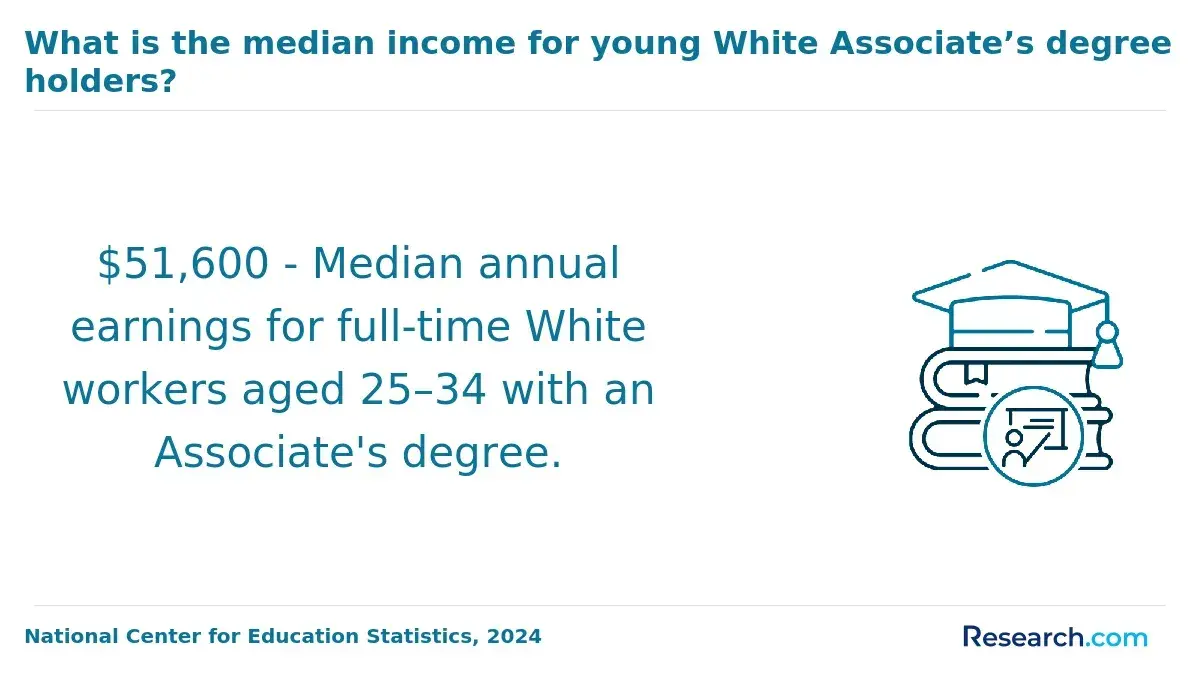
Degree level matters. Associate degree graduates may enter administrative, sales support, bookkeeping, or coordinator roles. Bachelor’s degree graduates are more competitive for analyst, manager-in-training, operations, HR, and finance-related positions. Graduate-level business administration credentials can support advancement into senior management, consulting, strategy, or specialized leadership roles.
Specialization also affects the employer pool. Finance concentrations tend to align with banking, insurance, corporate finance, and investment-related roles. Marketing concentrations fit retail, technology, consumer products, and professional services. Human resources concentrations are relevant across nearly every sector. Operations and supply chain concentrations are especially useful in retail, manufacturing, logistics, healthcare, and technology services.
For professionals considering advanced study in behavior analysis or adjacent service fields, exploring online BCBA masters programs may help clarify how graduate education can support career movement in specialized employer sectors.
What Entry-Level Roles Do Business Administration Degree Graduates Typically Fill?
Business administration graduates commonly enter the workforce through coordinator, analyst, associate, trainee, and support-specialist roles. These positions usually require strong organization, basic financial understanding, communication skills, spreadsheet proficiency, and the ability to work across departments.
Common entry-level role categories
- Coordinator Roles: Coordinators keep work moving. They may track project timelines, prepare meeting notes, communicate with vendors, update reports, support events, manage schedules, or help departments stay aligned. Common titles include project coordinator, operations coordinator, HR coordinator, marketing coordinator, program coordinator, and administrative coordinator. These roles are common in healthcare, education, nonprofits, retail, professional services, and corporate departments.
- Analyst Roles: Analysts collect, organize, and interpret information for decision-makers. They may build spreadsheets, prepare dashboards, compare costs, identify trends, or review business performance. Common titles include business analyst, financial analyst, operations analyst, marketing analyst, supply chain analyst, and sales analyst. These roles are often more competitive and usually favor graduates with strong quantitative skills, internship experience, and comfort with data tools.
- Associate Consultant Roles: Associate consultants support research, client presentations, process mapping, market analysis, and implementation work. These jobs are common in consulting firms, accounting firms, advisory practices, and internal strategy teams. Employers look for problem-solving ability, polished communication, professionalism, and evidence that the candidate can learn quickly.
- Management Trainee Roles: Some corporations, retailers, logistics companies, financial institutions, and hospitality employers hire graduates into structured trainee programs. These programs rotate employees through departments and prepare them for supervisory or branch-level management roles.
- Customer Success, Sales, and Account Support Roles: Business graduates often start in client-facing positions where they learn products, accounts, revenue operations, and customer needs. These roles can lead to account management, business development, sales operations, or product-related career paths.
How to choose a realistic first role
The best entry-level target depends on the graduate’s strongest evidence. A student with finance coursework, Excel projects, and a banking internship may be more competitive for analyst roles. A student with campus leadership, event planning, and nonprofit volunteering may be a stronger fit for coordinator or program roles. A graduate with sales experience and strong communication skills may enter through business development or customer success.
Students comparing degree options should check whether programs include internships, applied business projects, accounting and analytics coursework, and career services. Cost-conscious students can also compare online business degree programs accredited to find flexible options aligned with employer expectations.
What Are the Highest-Paying Employer Types for Business Administration Degree Graduates?
The highest-paying employer types for business administration graduates are usually organizations with strong revenue, scalable business models, performance-based compensation, or high-value client work. Base salary is only part of the comparison. Bonuses, equity, commissions, retirement contributions, health benefits, promotion speed, workload, and layoff risk can change the true value of an offer.
| Employer Type | Why Pay Can Be Higher | Important Trade-Offs |
| Investment-Backed Technology Firms | Fast-growing startups and established technology companies may offer competitive salaries, bonuses, and equity because they compete for talent in high-growth markets. | Equity value is uncertain, workloads can be intense, and priorities may shift quickly. |
| Financial Services Organizations | Banks, insurance companies, investment firms, and related employers often use structured bonus or profit-sharing systems tied to financial performance. | Roles may involve strict compliance expectations, performance pressure, and cyclical hiring patterns. |
| Professional Services Consultancies | Consulting and accounting firms often pay well for analytical, client-facing, and project-based work, especially when employees contribute to revenue-generating engagements. | Travel, long hours, and demanding client timelines can affect work-life balance. |
| Privately Held High-Revenue Companies | Profitable private companies can offer strong pay, profit-sharing, and benefits, especially in operations, finance, sales, and management roles. | Career paths may be less transparent, and equity is often less common than in public or technology firms. |
| Government Agencies and Nonprofits | These employers may offer stable benefits, retirement plans, predictable schedules, and job security. | Base compensation and bonus potential are usually lower than in high-growth private-sector roles. |
Graduates should evaluate total compensation rather than chasing the highest starting salary alone. A high base salary with limited mentorship and unstable funding may be less valuable than a slightly lower offer with training, promotion pathways, strong benefits, and marketable experience.
One business administration professional described learning this lesson early: “I initially chased the highest base pay at a tech startup, but the unpredictable hours and culture drained me quickly. Moving to a consulting firm meant a slightly lower starting salary but clearer growth paths and skill building. That shift gave me confidence and long-term financial stability—even if it wasn’t the biggest paycheck day one.”
Both large corporations and smaller employers hire business administration graduates, but they hire for different reasons. Large companies often hire more graduates at once because they have formal recruiting calendars, internship pipelines, rotational programs, HR systems, and standardized entry-level roles. Small and mid-sized businesses may hire fewer graduates per employer, but they represent a wide range of opportunities because they need versatile employees who can handle multiple functions.
Large corporations
Large corporations are often the best fit for graduates who want structure. They may offer formal onboarding, management trainee tracks, tuition assistance, mentorship, recognizable brand names, and clearer promotion ladders. Roles are usually more specialized, so a finance associate may focus mainly on finance, while a supply chain analyst may work within a defined operations unit.
The trade-off is competition. Applicants may face automated screening systems, multiple interview rounds, strict GPA or internship preferences, and less flexibility in role design. Advancement can also depend on formal review cycles.
Small and mid-sized businesses
Small businesses and mid-market employers often need business graduates who can operate across sales, operations, accounting support, customer service, HR, vendor relations, and reporting. These environments can accelerate learning because employees see how decisions affect the whole organization.
The trade-off is variability. Training may be informal, benefits may be less extensive, and job responsibilities can shift quickly. Graduates who need highly structured mentorship may find small employers challenging, while self-directed graduates may thrive.
Startups and nonprofits
Startups and nonprofits can be strong fits for graduates who value mission, innovation, flexibility, or broader responsibility. Job titles may be less standardized, and employees may take on work outside their original job descriptions. This can build valuable experience, but it can also blur boundaries and create workload uncertainty.
- Choose a large corporation if: you want structured training, a recognizable employer name, defined departments, and clearer promotion systems.
- Choose a smaller employer if: you want broader responsibility, faster exposure to decision-making, and a chance to build skills across functions.
- Choose a startup or nonprofit if: you are comfortable with ambiguity and want work connected to growth, innovation, or mission.
Employer size should be considered alongside industry, location, culture, manager quality, and advancement potential. A large corporation is not automatically better, and a small employer is not automatically riskier. The right fit depends on how much structure, specialization, autonomy, and pace the graduate wants.
For readers comparing long-term academic and career pathways beyond business administration, resources on anchors part-time Ph.D. in economics can provide additional context on flexible graduate study.
Government and public sector agencies hire business administration graduates for administrative management, budget analysis, procurement, HR, program evaluation, finance, contract support, and operations roles. The hiring process is usually more formal than private-sector recruiting and often takes longer.
At the federal level, many roles are tied to the General Schedule (GS) classification system, which uses education and experience to determine pay grades and promotion eligibility. For many entry-level government jobs, a bachelor's in business administration is the baseline, while some roles prefer coursework or experience in finance, management, accounting, procurement, or analytics. Higher GS levels often require advanced degrees or substantial professional experience.
- Key Agencies: Departments such as Treasury, Commerce, and Health and Human Services regularly recruit business administration graduates for analyst, budget, administrative, and management-related positions.
- Core Functions: Common work areas include financial management, acquisition, program evaluation, human resources, grants administration, and operations support.
- Credential Expectations: A bachelor’s degree is often sufficient for entry-level eligibility, while advanced degrees and certifications such as CPA or PMP may support promotion or specialized roles.
- Entry Pathways: Federal internships, Presidential Management Fellows (PMF), and state trainee programs can provide structured entry points for graduates.
- Hiring Systems: Competitive service roles use open and merit-based selection processes, while excepted service roles may follow different appointment rules.
- Security Clearances: Some federal jobs require background investigations or security clearances, especially when employees handle sensitive information.
- Compensation Model: GS pay scales make compensation more transparent, but salary growth may be slower and more rule-based than in the private sector.
- Stability and Benefits: Public sector roles often appeal to graduates who value job stability, health coverage, retirement benefits, and predictable procedures.
Applicants should prepare for detailed applications. Government résumés often need more specificity than private-sector résumés, including duties, dates, hours worked, systems used, and evidence that the applicant meets each qualification requirement. Generic one-page résumés may underperform in this process.
One graduate recalled that the lengthy federal application process required patience: “The competitive service exams and security clearance protocols were daunting at first, but they ensured a merit-based and transparent selection.” A federal internship helped her understand public administration operations and later made full-time applications more realistic.
Nonprofit and mission-driven organizations hire business administration graduates because they need disciplined management, budgeting, fundraising, reporting, marketing, and operations support. These employers may focus on health, education, human services, environmental work, arts and culture, public policy, community development, or social enterprise.
- Program Management: Graduates may coordinate services, track outcomes, manage timelines, support reporting, and help ensure programs meet community or grant requirements.
- Fundraising and Development: Development roles involve donor research, campaign support, grant writing, event planning, stewardship, and database management. Strong writing and relationship skills are valuable.
- Financial Management: Nonprofits need employees who can support budgets, expense tracking, audits, restricted funds, reporting, and compliance. Even small organizations must manage funds carefully.
- Volunteer and Staff Coordination: Graduates may recruit, train, schedule, and support volunteers or part-time staff, especially in community-facing organizations.
- Operations and Administration: Many nonprofit roles blend HR support, procurement, office management, vendor coordination, technology systems, and executive support.
- Communications and Marketing: Mission-driven employers need clear messaging for donors, clients, volunteers, policymakers, and the public.
Nonprofit job titles often differ from private-sector titles. A “program coordinator” may perform work similar to project management. A “development associate” may combine sales, relationship management, writing, and data tracking. A “grants manager” may blend finance, compliance, and communications.
The main trade-off is compensation. Nonprofit roles often pay less than comparable private-sector business roles, but they may offer faster cross-functional learning, meaningful work, and stronger exposure to leadership in smaller organizations. Programs like Public Service Loan Forgiveness (PSLF) can also matter for qualifying nonprofit employees, depending on loan type, employer eligibility, repayment plan, and program rules.
Mission-driven for-profit organizations, including benefit corporations, social enterprises, certified B Corporations, and impact startups, can offer another path. These employers combine business models with social or environmental goals and may provide roles in operations, finance, growth, partnerships, and impact measurement.
The healthcare sector employs business administration graduates in hospitals, physician groups, outpatient clinics, insurance carriers, pharmaceutical companies, public health agencies, health technology firms, and long-term care organizations. These employers need business skills because healthcare is operationally complex, heavily regulated, data-intensive, and cost-sensitive.
- Hospital and Health System Operations: Graduates may support scheduling, staffing analysis, patient access, revenue cycle operations, procurement, quality improvement, service-line administration, or department coordination.
- Insurance and Payer Organizations: Business administration graduates can work in claims operations, provider relations, member services, policy analysis, risk support, compliance, and business analytics.
- Pharmaceutical and Medical Product Companies: Roles may involve supply chain coordination, sales operations, marketing support, vendor management, compliance documentation, or product launch support.
- Public Health Agencies: Graduates may support budgeting, communications, grants administration, program tracking, emergency preparedness logistics, or community health initiatives.
- Health Tech Startups: These employers may hire business graduates for project management, customer success, implementation, operations, partnerships, and growth roles.
Healthcare employers often value candidates who understand both business fundamentals and the realities of patient care environments. Knowledge of HIPAA, OSHA, reimbursement systems, quality metrics, and healthcare terminology can help applicants stand out. Some positions may prefer or require additional credentials, such as Certified Healthcare Financial Professional (CHFP) or Project Management Professional (PMP), depending on the role.
Healthcare can be attractive for graduates who want stability and mission relevance, but it is not a simple business environment. Decisions may involve patient safety, privacy, clinical workflows, insurance rules, and regulatory compliance. Graduates who are detail-oriented, comfortable with cross-functional communication, and willing to learn healthcare-specific systems are better positioned for success.
Technology companies hire business administration graduates for roles that help products, customers, teams, and revenue systems function effectively. Not every technology job requires a computer science background. Many employers need people who can manage operations, analyze markets, coordinate projects, support customers, price products, improve workflows, and connect technical teams with business priorities.
Business administration graduates can enter technology in two main ways: by working directly for a technology company or by joining a technology function inside a non-tech organization. A graduate might work in product operations at a software company, vendor management at a bank, digital transformation at a manufacturer, or customer success at a health tech firm.
- Software and SaaS Companies: Common roles include customer success associate, sales operations analyst, business operations associate, implementation coordinator, product operations specialist, and revenue operations support.
- Fintech: Employers need business graduates who understand financial products, compliance, customer onboarding, risk operations, and data-supported decision-making.
- Health Tech: Roles may involve implementation, provider relations, customer training, operations, compliance support, or project coordination.
- Edtech: Business graduates may work in partnerships, customer success, school district sales support, content operations, or program implementation.
- Climate Tech: Employers may need support in operations, grant tracking, partnerships, market research, supply chain coordination, and policy-related business functions.
- AI-Adjacent Functions: Business graduates may contribute to product strategy, operations, compliance, customer education, market analysis, and workflow redesign around AI-enabled tools.
Data from LinkedIn Talent Insights and labor market analytics show that technology companies hiring business administration graduates in the United States increasingly value demonstrated competencies, not only formal STEM degrees. Useful evidence can include internships, data analytics projects, CRM experience, agile coursework, dashboards, business cases, market research samples, or product launch projects.
Graduates considering technology roles should build a portfolio that proves they can work with data, customers, products, and cross-functional teams. Those comparing academic pathways can review best online business degree options to evaluate flexible preparation routes.
Business administration graduates often move from execution-focused entry-level roles into mid-career positions that involve team leadership, budget ownership, process improvement, client responsibility, or strategic decision-making. This transition often occurs within the five-to-ten year range, though timing depends on employer size, industry, performance, credentials, and mobility.
- Project Manager: Oversees timelines, budgets, stakeholders, deliverables, and cross-functional teams. PMP or similar project management preparation can strengthen advancement prospects.
- Operations Manager: Improves workflows, staffing, productivity, vendor performance, inventory, service delivery, or process efficiency. This path is common in retail, healthcare, manufacturing, logistics, and technology services.
- Financial Analyst or Senior Financial Analyst: Supports budgeting, forecasting, variance analysis, reporting, and financial planning. Advancement may depend on technical finance skills and industry knowledge.
- Marketing Manager: Leads campaigns, market research, brand initiatives, digital marketing, customer segmentation, or product messaging. Employers often look for measurable campaign results.
- Human Resources Manager: Oversees recruiting, employee relations, benefits, training, workforce planning, or compliance. HR certifications may help in some markets.
- Business Development or Account Manager: Manages client relationships, revenue growth, partnerships, contracts, and sales strategy.
- Supply Chain or Procurement Manager: Coordinates sourcing, vendors, logistics, inventory, contracts, and cost controls.
Mid-career advancement usually requires more than time in a role. Employers look for evidence that a graduate can improve results, manage people or projects, communicate with leadership, and make decisions with incomplete information. Certifications such as PMP or CPA may help for specific paths, while an MBA or specialized graduate credential can support transitions into senior management, consulting, strategy, or executive-track roles.
Career paths differ by employer type. Large corporations may offer formal ladders from analyst to senior analyst to manager to director. Startups and small businesses may offer faster responsibility but less predictable titles. Government roles may use more structured promotion systems. Nonprofits may provide broad leadership experience earlier, but with more limited compensation growth.
Professionals evaluating affordable education options across fields may also compare resources such as cheapest mechanical engineering degree online programs as part of broader research into flexible degree pathways.
Drawing on NACE alumni outcome reports and labor market data, graduates can expect career trajectories to vary by employer size, geographic location, and industry sector. The strongest strategy is to build career capital deliberately through internships, measurable projects, strong manager relationships, credentials aligned with target roles, and a record of solving business problems.
Hiring patterns for business administration graduates vary by regional industry mix, employer density, cost of living, and remote-work availability. Large metropolitan areas usually offer more openings and more specialized roles, while smaller markets may offer broader generalist positions and stronger local relationship-based hiring.
Major U.S. metropolitan areas such as New York City, San Francisco, Los Angeles, and Chicago lead in hiring volume and salary competitiveness because they have dense concentrations of financial firms, technology employers, corporate headquarters, consulting practices, research institutions, and large healthcare systems. These markets can provide strong internship pipelines and brand-name employers, but competition and living costs can be high.
Mid-sized cities like Austin, Denver, and Atlanta offer growing markets where business administration graduates may find opportunities in healthcare, professional services, technology, logistics, finance, and regional corporate operations. These cities can offer a balance of employer access, growth, and relatively lower living costs compared with the largest metros.
Rural and smaller markets typically have fewer openings and more modest salaries, but they can offer stable opportunities in local government, healthcare administration, education, banking, insurance offices, manufacturing, utilities, nonprofits, and small businesses. Candidates with local ties, relevant internships, and practical skills may have an advantage.
Remote and hybrid work growth since 2020 has changed the market. Graduates in lower-cost areas can now compete for roles once concentrated in large metros, but they also face broader national competition. Between 2021 and 2023, remote job postings for business administration roles increased by 12%, highlighting remote work's rising significance.
- Large metros: Best for high hiring volume, specialized roles, internships, and salary competitiveness, especially in finance and technology.
- Mid-sized growth markets: Strong for balanced opportunity, regional employers, and expanding sectors such as healthcare and professional services.
- Smaller and rural markets: Better for local stability, generalist roles, and candidates with regional networks.
- Remote roles: Expand geographic access but require stronger differentiation through skills, experience, and communication.
- Best strategy: Match location to target industry, cost of living, internship access, and willingness to relocate or work remotely.
Internship experience plays a major role in how employers evaluate business administration graduates. It gives hiring managers evidence that a candidate can work in a professional environment, communicate with teams, use business tools, meet deadlines, and apply classroom knowledge to real problems.
NACE data shows those with internship experience are far more likely to receive job offers shortly after graduation. Recent research indicates roughly 65% of business administration graduates with internships secure employment within three months, compared to less than 40% of those without. This makes internships one of the most important employability signals for early-career business graduates.
- Internship Quality: A relevant internship in the student’s target industry usually carries more weight than unrelated experience. A finance internship helps with finance roles, while a healthcare operations internship helps with healthcare administration roles.
- Employer Prestige: Internships with well-known employers can improve résumé recognition and expand networks, but smaller organizations can also provide stronger hands-on responsibility.
- Skill Evidence: Employers value internships that produce measurable work, such as dashboards, reports, process improvements, campaign results, client deliverables, or cost analyses.
- Conversion Potential: Many employers use internships as extended interviews. Strong interns may receive return offers or referrals.
- Access Disparities: Students from lower-income households, less-resourced colleges, and regions with fewer internship options may face barriers, especially when roles are unpaid or require relocation.
- Alternative Pathways: Virtual internships, cooperative education programs, part-time professional roles, campus jobs with business responsibilities, and diversity-focused recruiting initiatives can help students build experience.
Students should start early, typically by sophomore year, and use campus career centers, alumni networks, faculty contacts, job boards, employer information sessions, and professional associations. The goal is not only to “have an internship,” but to leave with supervisors who can provide references, work samples that demonstrate skill, and a clearer understanding of which employer type fits best.
What Graduates Say About the Employers That Hire Business Administration Degree Graduates
- : "Graduating with a degree in business administration opened my eyes to the variety of industries that value this expertise—from finance and healthcare to technology startups. I discovered that both large multinational corporations and small nonprofits actively seek professionals who can adapt quickly and lead effectively. What surprised me most was how hiring patterns often favor candidates with a broad skill set, especially in metropolitan hubs like New York and Chicago. — Harry"
- : "Reflecting on my experience, employers of business administration graduates often span across sectors—retail giants, government agencies, and consulting firms all have a shared need for strategic thinkers. The roles offered tend to evolve rapidly, requiring adaptability and continuous learning. Geographically, I noticed strong demand in emerging markets in the South and West, which has encouraged me to consider opportunities beyond my initial urban outlook. — Melinda"
- : "From a professional standpoint, the employers that hire business administration graduates range from well-established corporations to agile startups—each valuing leadership and analytical skills in unique ways. I found that roles in project management and operations are particularly prominent, with a hiring trend that increasingly emphasizes remote and hybrid work models. It’s clear that geographic markets from the East Coast to international hubs are constantly seeking talent with versatile business knowledge. — Nathan"
Other Things You Should Know About Business Administration Degrees
Finance, professional services, healthcare, manufacturing, and technology hire the largest share of business administration graduates in 2027. Employers in these sectors recruit for analyst, operations, sales, and project coordination roles, often requiring internship experience, Excel proficiency, and a 2.5 to 3.0 GPA for entry-level hiring.
In 2027, Business Administration graduates can find roles in diverse sectors such as finance, marketing, human resources, and operations management. Companies prioritize strategic thinking and leadership skills, offering positions like management consultants, financial analysts, and marketing managers.
The job market outlook for business administration graduates remains positive, with steady growth expected across various sectors including finance, healthcare, technology, and consulting. Emerging trends such as data analytics, digital transformation, and sustainability are increasing demand for graduates who combine traditional business skills with tech proficiency. This growth signals expanding opportunities for both entry-level and experienced professionals in diverse roles.
Diversity, equity, and inclusion (DEI) initiatives have become a significant factor in hiring practices within business administration fields. Many organizations actively seek to diversify their talent base-prioritizing candidates from underrepresented groups and fostering inclusive workplace cultures. These efforts create expanded opportunities for graduates who bring diverse perspectives, as companies increasingly recognize the business value of varied experiences and backgrounds.
- Careers in Business Administration: Roles, Pay, Outlook https://pathwise.io/careers-in-business-administration-2/
- Based on Recent Hiring Statistics, a Graduate Business Degree Has Proven to be a Worthy Investment - Transcend Admissions Consultants https://transcendadmissions.com/graduate-school-news/based-on-recent-hiring-statistics-a-graduate-business-degree-has-proven-to-be-a-worthy-investment
- Region Selector - AUBG https://www.aubg.edu/aubg-today/what-to-do-with-a-major-in-business-administration-career-prospects/
- 10 Highest Paying Jobs with a Business Administration Degree | Nexford University https://www.nexford.edu/insights/highest-paying-jobs-with-business-administration-degree
- Majoring in Business Administration https://www.coloradotech.edu/degrees/studies/business-and-management/articles/majoring-in-business-administration
- Mapping MBA Career Outcomes: Job Placements by U.S. Region for Top MBA Programs https://www.clearadmit.com/2025/04/mba-career-job-placements-trends-by-u-s-region-top-mba-programs/
- Internships for Business Administration (BBA) Students | UE Amsterdam https://www.ue-amsterdam.com/blog/exploring-the-internship-opportunities-during-a-bachelor-in-business-administration-degree
- Do I Need an MBA for Nonprofit Jobs? https://onlinemba.howard.edu/blog/mba-nonprofit-jobs/
- 4 High-Paying Business Administration Jobs| University of Bridgeport https://www.bridgeport.edu/news/high-paying-jobs-with-a-business-administration-degree/
- The Role of Internships in Business Administration Programs https://campus.edu/blog/business/the-role-of-internships-in-business-administration-programs