2027 How Long Does It Take to Earn an Online Software Engineering Degree?

Co-Founder and Chief Data Scientist
Choosing an online software engineering degree is partly an academic decision and partly a time-management decision. The right program can help you build programming, systems design, testing, database, and project skills without relocating or leaving work. The wrong fit can stretch longer than expected, cost more than planned, or leave you without the portfolio and support needed for employment.
Demand is a major reason students consider this path. According to the U.S. Bureau of Labor Statistics, employment in software development is projected to grow 22% from 2020 to 2030. That outlook makes planning important: knowing how long an online software engineering degree takes helps you compare degree levels, estimate tuition and living costs, decide whether accelerated study is realistic, and prepare for the job search before graduation.
This guide explains typical completion timelines for associate, bachelor’s, master’s, accelerated, and combined programs. It also covers the factors that can speed up or delay graduation, common credit-hour requirements, curriculum expectations, start-date options, cost trade-offs, salary considerations, and what graduates say about studying software engineering online.
Key Benefits of Online Software Engineering Degree
- Many online software engineering degrees can be completed in 2 to 4 years, offering flexibility to balance studies with work or personal commitments.
- The self-paced nature of most programs allows students to accelerate their timeline by taking extra courses, potentially finishing faster than traditional on-campus degrees.
- Part-time options are commonly available, enabling students to extend their education over several years while maintaining a steady income and gaining practical experience.
What is the Average Completion Time for Online Software Engineering Programs?
Most online software engineering programs take between two to five years to complete, depending on the credential, enrollment pace, transfer credits, and program format. A full-time student with few interruptions will usually finish faster than a part-time student balancing coursework with full-time work or family responsibilities.
The timeline also depends on whether the program is credit-based, competency-based, accelerated, or designed as a combined degree pathway.
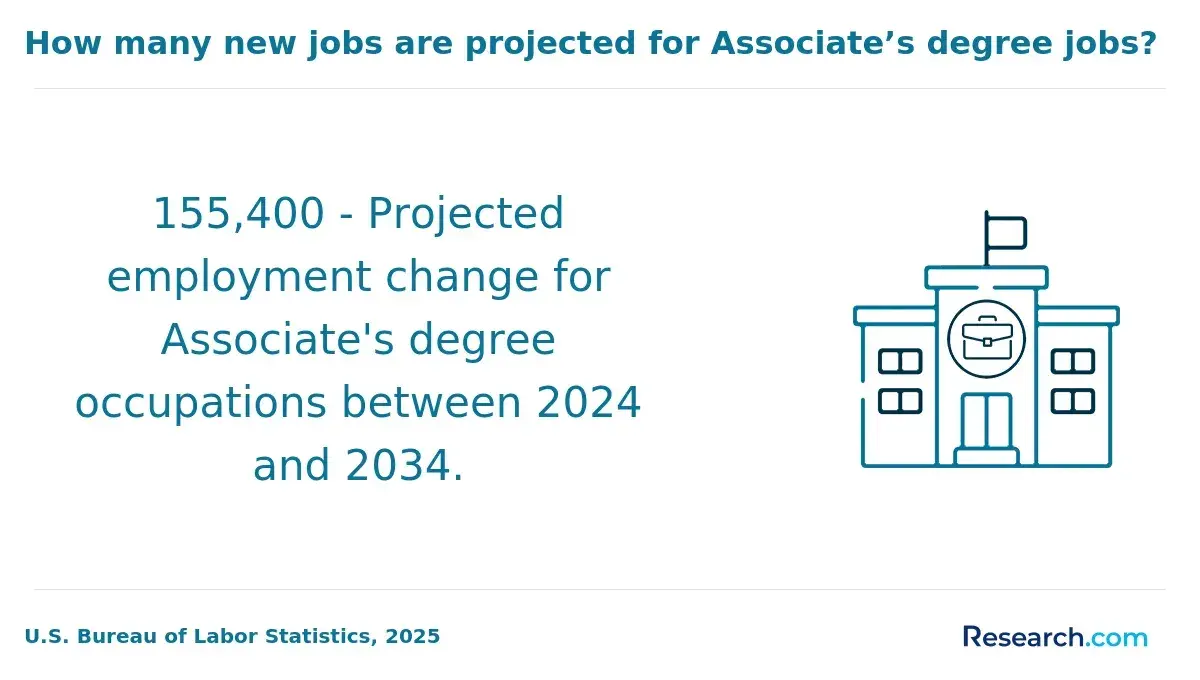
- Associate Degree: Most online associate programs in software engineering or closely related fields take about 2 years for full-time students. These programs usually focus on programming fundamentals, basic databases, web development, mathematics, and introductory systems concepts. They can be a practical option for students seeking entry-level technical roles or planning to transfer into a bachelor’s program later.
- Bachelor's Degree: The average time for an online bachelor’s degree in software engineering is around 4 years for full-time learners. Some programs can be completed more quickly. Accelerated programs, like those at Western Governors University, enable about 60% of graduates to finish in under 3 years. Other schools offer timelines closer to 3 years and 4 months when students maintain a steady course load. Transfer credits, prior learning, and flexible pacing can shorten the timeline, while part-time enrollment can extend it.
- Master's Degree: Online master’s programs are generally completed within 1.5 to 2 years by full-time students. For example, San Diego State University offers a program that can be finished in as little as 18 months. Students who enroll part time, need prerequisite coursework, or choose a thesis or capstone-intensive track may need longer.
- Accelerated or Dual Degree Programs: Some institutions provide combined bachelor’s and master’s degrees designed to be completed in about 5 years. These pathways can reduce duplicated coursework and help students earn both credentials faster than completing the degrees separately.
If your main goal is to gain job-ready skills quickly rather than complete a full degree, shorter options may be worth comparing. For example, there are 6 month online programs that pay well, though these generally lead to certificates rather than associate, bachelor’s, or graduate degrees.
What Factors Can Affect How Long It Takes to Earn an Online Software Engineering Degree?
The biggest factors affecting online software engineering degree completion time are enrollment intensity, transfer credit, course availability, program design, and the amount of study time a student can consistently protect each week. Two students in the same online degree can graduate on very different schedules because online flexibility does not automatically mean faster completion.
- Enrollment status: Full-time students usually move through degree requirements faster. For a bachelor’s program, that often means finishing in about four years. Part-time students may need longer because they take fewer courses per term, even if the program itself is flexible.
- Program structure and pacing: Self-paced and competency-based programs may allow experienced or highly motivated students to move quickly once they demonstrate mastery. Fixed semester-based programs provide more structure but can limit how fast students progress because courses may only be offered during certain terms.
- Transfer credits and prior coursework: Students with an associate degree, previous college credits, or relevant completed courses may reduce the number of credits they need to earn. Transfer policies vary widely, so students should ask which credits apply to the major, which apply only as electives, and whether there is a maximum transfer limit.
- Technical background: Students who already know programming basics, version control, databases, or discrete mathematics may adapt faster to upper-level coursework. Beginners can still succeed, but they may need extra time for practice, tutoring, or prerequisite concepts.
- Time management: Software engineering coursework is project-heavy. Students who schedule regular coding time, start assignments early, and use office hours or discussion boards tend to stay on track. Delays often come from underestimating debugging time, group-project coordination, or exam preparation.
- Work and personal obligations: Many online students work while enrolled. A demanding job, caregiving responsibilities, military service, health issues, or unexpected life events can require a lighter course load or temporary stop-out period.
- Institutional requirements: Capstone projects, internships, residency-style experiences, minimum credit requirements, prerequisite sequences, or required course rotations can affect graduation timing. Students should review the degree map before enrolling, not after the first term begins.
A useful planning step is to build two timelines: an ideal timeline and a realistic timeline. The ideal version assumes full course availability and no disruptions. The realistic version accounts for work peaks, family obligations, finances, and the possibility of retaking a difficult technical course. Students comparing graduate options, including those researching the easiest master's degree to get, should still verify workload, prerequisites, and technical expectations before assuming a program will be fast.
What Are the Different Types of Online Software Engineering Programs Available?
Online software engineering programs are not all built for the same student. Some emphasize broad computer science theory, some focus on applied software development, and others are designed for working adults who need flexible pacing. The best choice depends on your current background, target role, transfer credits, and whether you want a full degree or a faster skills-based pathway.
- Bachelor of Science in Software Engineering: This degree is usually the most direct fit for students who want structured preparation in software design, programming, testing, architecture, requirements analysis, and project management. It often includes applied assignments, team projects, capstone work, or internships. Graduates may pursue roles in application development, database management, software quality assurance, and related technical areas.
- Bachelor of Science in Computer Science with a Software Engineering Concentration: This option provides a broader computer science foundation while allowing students to focus electives on software engineering topics such as UI/UX design, secure coding, software architecture, or development processes. It may be a strong fit for students who want flexibility across software development, systems, data, or graduate study. Many programs include accelerated BS-to-MS pathways that let students complete graduate courses during undergraduate study.
- Specialized Concentrations or Electives: Some online programs let students tailor the degree toward fintech, ecommerce, gaming, virtual reality, cybersecurity, cloud computing, or other applied areas. These options can be helpful when they align with a clear career goal, but students should avoid choosing a niche solely because it sounds current. The strongest specialization is one supported by projects, employer demand, and faculty expertise.
- Competency-Based and Asynchronous Formats: These formats are often attractive to working professionals and students with prior technical experience. Asynchronous courses allow students to complete work outside scheduled class meetings. Competency-based models may let students progress after proving mastery, which can shorten completion time for disciplined learners.
- Accelerated and Transfer-Friendly Options: Fast-track programs, generous transfer policies, and year-round terms can reduce both time and cost. Students should confirm whether transferred credits satisfy major requirements, general education requirements, or electives only.
When comparing programs, look beyond the degree title. Review the curriculum, faculty background, accreditation status, student support, career services, project expectations, software tools used, and whether the program includes portfolio-building work. A software engineering program should help you demonstrate what you can build, not just list courses you completed.
How Many Credit Hours Are Required for an Online Software Engineering Degree?
Credit-hour requirements vary by degree level. In general, the higher the credential, the fewer broad general education credits it includes and the more specialized or research-focused the coursework becomes. Transfer credits can reduce the number of credits you need to complete at a new institution, but they do not always reduce the total credits required for the degree.
- Associate degree: Typically requires about 60 to 65 credit hours and is designed for completion within two years of full-time study. Part-time students may take longer. Transfer policies can affect how many credits must be completed through the institution awarding the degree.
- Bachelor's degree: Generally involves 120 to 126 credit hours. Full-time students usually finish in four years, but part-time enrollment extends the timeline. In some programs, transferring up to 90 credits can shorten the remaining path substantially. The format may follow traditional semesters or a competency-based model.
- Master's degree: Usually requires 30 to 36 credit hours and is often completed in about two years full time. Part-time study can extend this period. Some programs include a capstone, thesis, or applied project, and many accept limited transfer credit at the graduate level.
- Doctoral degree: Less common online, these programs typically require 60 to 72 credit hours beyond the bachelor’s level. Completion takes three to six years and depends heavily on dissertation progress, enrollment status, research expectations, and previously earned graduate credits.
Credit hours are more than a graduation checklist. In software engineering, they often represent cumulative practice in coding, debugging, documenting, testing, and building systems. A student may move quickly through introductory material but need more time for advanced projects, algorithms, secure coding, or architecture coursework.
A graduate of an online software engineering degree described the steady accumulation of credits as both demanding and motivating. They balanced work commitments with rigorous course requirements, adjusted their schedule around project deadlines and exams, and used the flexibility of online courses to complete technical assignments late at night or early in the morning during busy workweeks. Over time, each completed credit became a visible marker of progress and helped turn a large degree requirement into a series of manageable milestones.
What Courses Are Included in a Standard Online Software Engineering Curriculum?
A standard online software engineering curriculum blends programming, mathematics, design, testing, databases, security, and project-based development. The goal is to prepare students to build reliable software, work on teams, understand user and business requirements, and maintain systems after launch.
- Introduction to software engineering: Covers the software development life cycle, basic programming concepts, software design, architecture, documentation, and professional development practices. This course helps students understand how software is planned, built, tested, deployed, and maintained.
- Programming fundamentals: Introduces core programming concepts using languages such as Java, Python, or C++. Students learn control structures, functions, object-oriented design, debugging, and basic problem-solving techniques.
- Discrete mathematics and statistics: Builds the mathematical foundation for computing through logic, set theory, probability, combinatorics, and related concepts. These topics support algorithm design, data analysis, and formal reasoning about software behavior.
- Software requirements analysis and test: Focuses on gathering, documenting, validating, and managing requirements. Students also learn testing principles that help ensure software meets user needs and performs reliably.
- Software design and architecture: Explores design patterns, system architecture, modularity, scalability, and modeling tools such as UML. This coursework is important for students who want to move beyond writing code and learn how larger systems are structured.
- Data structures and algorithms: Covers lists, stacks, queues, trees, graphs, hashing, sorting, searching, complexity analysis, and related techniques. This is one of the most important course areas for technical interviews and performance-focused development work.
- Web and mobile application development: Introduces client-server design, front-end and back-end development, UI/UX principles, APIs, and development frameworks. These courses often produce portfolio-ready projects.
- Database management systems: Covers database design, implementation, maintenance, SQL, NoSQL technologies, normalization, queries, and data integrity. This prepares students for software roles that interact with structured and unstructured data.
- Software project management and capstone: Teaches project planning, agile methods, teamwork, estimation, version control, documentation, and stakeholder communication. Capstone projects usually require students to apply multiple skills in a complete software product or system.
- Cybersecurity and secure coding: Introduces secure development principles, threat modeling, defensive coding, vulnerability awareness, and risk reduction. Security coursework is increasingly important because software engineers are often expected to consider security throughout development, not only after release.
Students should review whether courses include hands-on labs, coding assignments, code reviews, team projects, and portfolio artifacts. A strong curriculum should help graduates show evidence of practical ability, not only transcript completion.
How Often Do Online Software Engineering Programs Start During the Year?
Online software engineering programs may start once or twice a year, several times a year, monthly, or through shorter accelerated sessions. Start-date flexibility matters because it can affect how soon you begin earning credits, how easily you maintain momentum, and whether you can align school with work and financial aid timing.
- Traditional Academic Calendar: Many universities follow standard fall and spring semesters. Some also offer condensed 7.5-week courses within those semesters. This structure works well for students who prefer predictable academic terms, regular deadlines, and a pace similar to on-campus programs.
- Rolling Admissions: Some institutions use rolling admissions with monthly start dates. This can reduce waiting time for students who are ready to begin quickly, especially working adults or transfer students who do not want to wait for a fall or spring intake.
- Quarterly or Multiple Semester Starts: Several universities provide three to four start points annually, often through quarterly calendars or multiple term starts. This can offer a balance between structure and flexibility.
- Accelerated or Short-Term Sessions: Programs using sessions of about 7.5 or 8 weeks let students begin new courses more frequently and complete more classes across the year. This can support faster graduation, but the workload can be intense because assignments, exams, and projects arrive quickly.
Before choosing a start date, ask whether all required courses are offered every term. A program may advertise frequent starts, but a delayed prerequisite or major course can still slow graduation. Students using financial aid should also confirm how the academic calendar affects aid disbursement, satisfactory academic progress, and enrollment status.
How Much Faster Can You Complete an Accelerated Online Software Engineering Degree?
An accelerated online software engineering degree can reduce the time to graduation, but the actual savings depend on transfer credits, course load, prior knowledge, and the program’s academic calendar. Acceleration works best for students who can handle frequent deadlines, sustained coding practice, and limited breaks between terms.
- Shorter Course Terms: Accelerated programs often use 7 to 8 week courses instead of a full 15-week semester. This allows students to complete more courses during the year, but it also compresses reading, coding, testing, and project work into a shorter window.
- Year-Round Enrollment: Multiple start dates throughout the year can eliminate long waits between terms. Students who continue through summer or short sessions may maintain steady progress toward graduation.
- Transfer Credits: Previously earned college credits or relevant professional experience may apply toward the degree. In some programs, students can transfer up to 90 credits, which can reduce their time in school by up to two years.
- Competency-Based Learning: Some programs allow students to advance by demonstrating mastery rather than waiting for a fixed semester to end. This can benefit learners with prior experience in programming, databases, systems, or related technical areas.
- Combined Degree Pathways: Integrated bachelor’s-to-master’s tracks allow students to earn both degrees in about four years, reducing the total time compared with pursuing each degree separately.
- Pre-Scheduled, Simplified Curriculum: Clear course sequencing can reduce registration delays and confusion. Students spend less time guessing which class to take next and more time completing requirements.
Acceleration has trade-offs. Faster programs can save time, but they leave less room for illness, work emergencies, difficult technical topics, or portfolio refinement. Students should be realistic about weekly study hours, especially during courses that involve algorithms, software architecture, databases, or capstone development.
One graduate of an online accelerated software engineering program described balancing a full-time job and family responsibilities while managing the fast pace of 8-week courses. They found the tight deadlines and frequent assessments overwhelming at first, but the structured format helped them stay focused. Strong organization, disciplined scheduling, and consistent progress helped them graduate well ahead of the traditional timeline.
Does Finishing an Online Software Engineering Degree Faster Save You Money?
Finishing faster can save money, but it depends on how the program charges tuition and whether the faster pace causes extra costs elsewhere. Students should compare total program cost, not just advertised tuition per credit or per term.
- Lower Tuition Costs: Some online software engineering programs charge tuition by term rather than by credit. In that model, completing more requirements in fewer terms can lower the total amount paid. For example, Western Governors University charges $4,125 per 6-month term, so a student who completes the program faster pays for fewer terms.
- Reduced Living Expenses: Online learners often avoid campus housing and commuting costs, but they still pay for food, utilities, internet, hardware, software, and other essentials. A shorter enrollment period can reduce the total time these education-related costs accumulate.
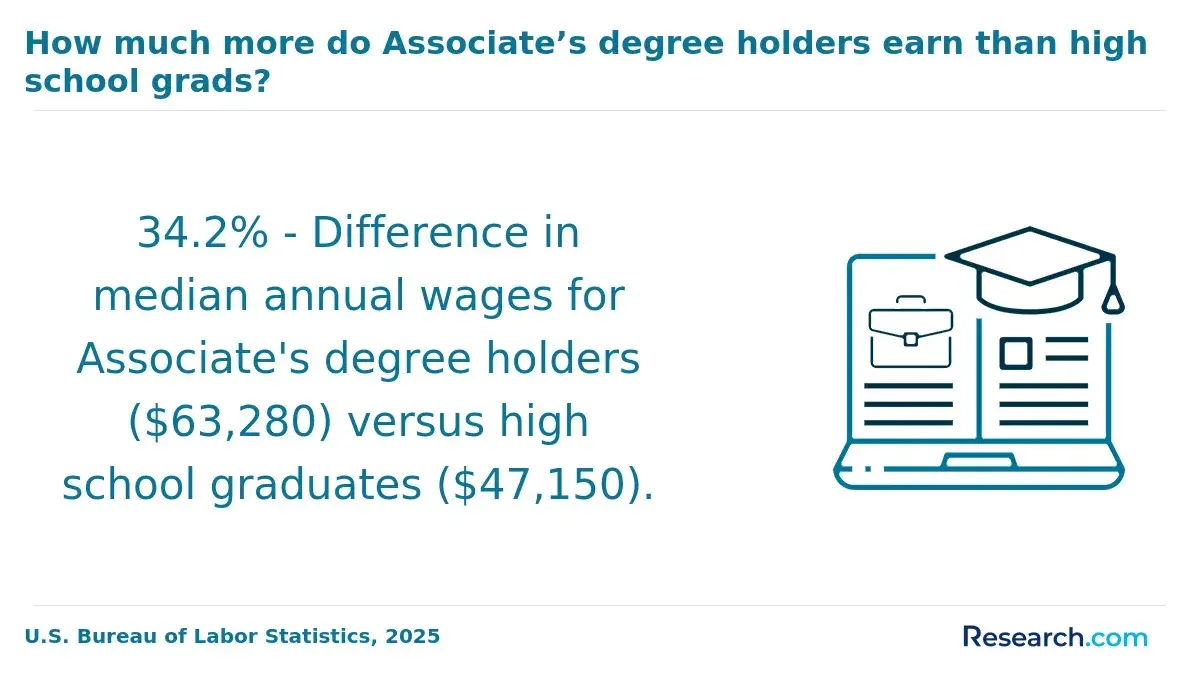
- Earlier Entry Into the Workforce: Graduating sooner may allow students to begin full-time professional work earlier. With the median annual salary for software developers at $107,510, entering the workforce sooner can improve earnings over time, though actual salaries vary by role, location, employer, and experience.
- Less Time Off Work: Some students reduce work hours while studying. Completing the degree faster may reduce the period of reduced income, but only if the accelerated workload does not require even more time away from work.
- Avoiding Fee Accumulation: Recurring technology fees, graduation fees, course materials, subscriptions, and other institutional charges may add up across terms. Fewer terms can mean fewer repeated charges.
However, faster is not always cheaper. If acceleration leads to failed courses, withdrawals, repeated credits, burnout, or lost income, the financial benefit can shrink quickly. Students should ask whether the program allows course overloads, summer sessions, competency-based progress, transfer credit, and flexible pacing. They can also compare shorter pathways, such as an associate's degree accelerated, when deciding whether to start with a lower-cost credential before pursuing a bachelor’s degree.
The smartest financial decision is usually the fastest timeline you can complete successfully while protecting your GPA, portfolio quality, work obligations, and eligibility for financial aid.
How Soon Can Graduates Start Working After Earning Their Online Software Engineering Degree?
Many graduates can begin working within a few weeks to a few months after earning an online software engineering degree, but the timeline varies. Job-search speed depends on technical skill, portfolio quality, interview readiness, prior experience, location, networking, and the hiring market. The job market demand remains strong with about ten job openings per qualified software engineer in the U.S.
Students who complete internships, freelance work, open-source contributions, part-time technical jobs, or substantial capstone projects often have an advantage. Employers usually want evidence that a candidate can write maintainable code, communicate clearly, solve problems, and work with modern tools. A degree helps, but a portfolio, GitHub activity, project documentation, and interview preparation can make the transition faster.
Online students should start career preparation before the final term. Useful steps include building a portfolio site, refining a resume for applicant tracking systems, practicing technical interviews, documenting capstone projects, networking with alumni, and applying before graduation when possible. Some students receive offers before finishing their programs, especially if they already have internships or relevant work experience.
Program support can also matter. Career services, resume reviews, mock interviews, employer partnerships, and industry certification opportunities may improve job readiness. Students comparing affordable online options and financial aid should review institutions carefully; exploring schools that accept pell grants can be a starting point for understanding online programs that may participate in federal aid.
How Much Do Online Software Engineering Graduates Earn on Average?
Online software engineering degree graduates in the United States typically earn between $89,000 and $205,500 annually, depending on experience, specialization, role, employer, and location. Earnings can vary widely because “software engineer” covers many jobs, from junior application developer to senior engineer, cloud specialist, technical lead, or principal engineer.
- Entry-Level Roles: Starting salaries for junior software engineers generally range from $89,000 to $99,366 per year. These roles often require a bachelor’s degree, foundational programming skills, and the ability to contribute to supervised development work.
- Mid-Career Professionals: With 4 to 6 years of experience, salaries increase to roughly $112,165 to $133,080. At this stage, pay is influenced by technical depth, project history, certifications, leadership ability, and location in tech hubs like California or New York.
- Specialized Positions: Roles focused on cloud engineering, AI, or blockchain development command salaries between $104,200 and $112,673. Specialized technical skills and relevant certifications can support advancement, especially when paired with strong project experience.
- Leadership Roles: Senior engineers and team leads earn upwards of $150,000, with top managers or principal engineers reaching as high as $205,000 or more. These roles usually require extensive experience, strong technical judgment, communication skills, and often leadership responsibility.
- Industry Variations: Software engineers working in finance, healthcare, or big tech sectors can see salaries between $293,000 and $459,000 at elite firms. Total compensation may include base salary, bonus, equity, and benefits, so students should compare full compensation packages rather than salary alone.
Graduating sooner can help students enter the labor market earlier, but salary growth depends on more than speed. Portfolio quality, internships, interview performance, specialization, geographic market, and continued learning all affect earning potential. Students considering other career pathways can also compare technical and vocational options, including highest paying trade school careers.
Here's What Graduates of Online Software Engineering Programs Have to Say About Their Degree
- Chester: "Completing my online software engineering degree was a game changer for me. Balancing work and studies was challenging, but the flexibility allowed me to maintain a full-time job while advancing my skills. The hands-on projects prepared me well for the real world, and now I have a rewarding position at a top tech company with job stability. I'm grateful for the supportive online community that kept me motivated throughout the journey."
- Kenn: "Reflecting on my time in the online software engineering program, I realize how much it contributed to my personal growth. It wasn't just about coding-it was about developing discipline, problem-solving skills, and confidence. The program's focus on collaborative tools helped me connect with peers across the country, which expanded my perspective and inspired me to give back by mentoring aspiring developers. This experience truly transformed my approach to learning and leadership."
- Vicky: "Starting a career after earning my online software engineering degree was smoother than I expected. The professional development resources offered by the program, including resume workshops and interview prep, gave me an edge in the competitive job market. Employers appreciated my ability to adapt and work independently-skills I honed while studying remotely. This degree opened doors to roles in industries I'm passionate about, and I'm excited about the advancement opportunities ahead."
Other Things You Should Know About Online Software Engineering Degree Programs
In 2027, prerequisites for an online Software Engineering degree typically include a high school diploma or equivalent, foundational courses in mathematics and computer science, and possibly prior programming experience. Specific requirements may vary by institution, so it's important to check individual program guidelines.
Yes, many institutions offer accelerated online Software Engineering programs. Depending on the student's pace and course load, these programs typically allow for completion in as little as 18 months by 2026, assuming pre-requisites are met.
In 2027, online Software Engineering degrees typically offer various course formats, including asynchronous learning, which allows students to access lectures and assignments at any time, and synchronous formats, requiring attendance at scheduled virtual classes. This flexibility helps cater to diverse learning preferences and schedules.
References
- Online Master of Science in IT: Software Engineering https://www.umgc.edu/online-degrees/masters/it-software-engineering
- Software Engineering Degrees: Cost, Types, What to Expect https://www.computerscience.org/degrees/software-engineering/
- A Software Engineering Degree: Is It The Path for You? https://www.uopeople.edu/blog/5-reasons-for-choosing-an-online-software-engineering-degree/
- Do You Need a Degree to Be a Software Engineer? https://www.coursera.org/articles/do-you-need-a-degree-to-be-a-software-engineer
- Online Software Engineering Degree https://www.snhu.edu/online-degrees/bachelors/bs-in-computer-science/software-engineering
- Bachelor of Science in Software Engineering https://degree.stcloudstate.edu/online-programs/undergraduate/bachelor-in-software-engineering/