2027 Clinical Mental Health Counseling Skills Gap Analysis: What Employers Want vs What Degree Programs Teach

Co-Founder and Chief Data Scientist
Graduates with degrees in clinical mental health counseling often face a divide between academic preparation and employer demands. A recent graduate may find that the skills employers prioritize, such as evidence-based intervention techniques or crisis management, were touched on only superficially or omitted in their coursework. This gap can lead to challenges in securing positions or performing effectively in entry-level roles, prompting questions about the practical value of their training.
Prospective students also struggle to assess how well degree programs align with real-world job requirements before investing time and money. Understanding these disparities can inform smarter decisions about program choice and supplementary training. This article analyzes the specific skill gaps between what employers expect and what clinical mental health counseling programs typically teach, offering insights to bridge these divides and enhance career readiness.
Key Things to Know About Clinical Mental Health Counseling Skills Gap
- Many degree programs emphasize theory over emerging employer demands like telehealth proficiency, leading to a gap where newly graduated clinical mental health counselors struggle to meet evolving practical standards.
- Graduates frequently must develop advanced cultural competence and integrative treatment planning skills post-graduation; a 2024 survey found 67% of supervisors rated these as critical yet underprepared areas.
- Internships and simulation-based training before graduation significantly enhance readiness, as students gain exposure to real-world client variability often underrepresented in academic settings.
- Key Things to Know About Clinical Mental Health Counseling Skills Gap Key Things to Know
- What Skills Do Employers Expect From Clinical Mental Health Counseling Graduates? Employer Expectations
- What Do Clinical Mental Health Counseling Degree Programs Typically Teach? Program Curriculum
- Where Is the Biggest Skills Gap Between Clinical Mental Health Counseling Programs and Employers? Biggest Skills Gap
- Which Technical Skills Are Most Important for Clinical Mental Health Counseling Careers? Technical Skills
- Which Workplace Skills Matter Beyond Technical Knowledge? Workplace Skills
- How Do Internships and Real-World Experience Improve Career Readiness? Career Experience
- How Can Students Close the Clinical Mental Health Counseling Skills Gap Before Graduating? Closing Skills Gap
- How Is the Clinical Mental Health Counseling Job Market Changing Employer Skill Requirements? Job Market
- How Do Different Clinical Mental Health Counseling Programs Compare in Career Preparation? Career Preparation
- How Should Students Choose a Clinical Mental Health Counseling Program That Builds Career-Ready Skills? Choosing a Program
What Skills Do Employers Expect From Clinical Mental Health Counseling Graduates?
Employers seeking clinical mental health counseling graduates prioritize candidates who merge solid theoretical knowledge with practical, applicable skills tailored to evolving client and healthcare demands. Recent labor market data, including analyses from 2024 reports by LinkedIn Talent Insights and the World Economic Forum, reveal a strong emphasis on a dual competency in evidence-based counseling methods and adaptable interpersonal skills.
A new counselor proficient in trauma-informed care and telehealth technologies is more likely to navigate complex client situations effectively while integrating into multidisciplinary teams. According to Lightcast, over 70% of job postings in this field demand both technical and emotional intelligence competencies. Below are the skills most frequently sought by employers.
- Evidence-Based Therapeutics: Mastery of therapeutic models like cognitive-behavioral therapy and trauma-informed care equips graduates to deliver interventions rooted in scientific validation. This foundation not only improves treatment outcomes but also signals readiness to comply with best practices in clinical settings.
- Crisis Intervention Proficiency: Skills in managing acute mental health crises, including suicide prevention, are essential for frontline responders. Training programs typically incorporate simulations and supervised practice, preparing graduates to make critical, time-sensitive decisions that can save lives.
- Digital Health Competency: Familiarity with telehealth platforms and electronic health records (EHR) is increasingly mandatory. Competence in these systems supports efficient case management and aligns with healthcare's digital transformation, enhancing service accessibility and confidentiality.
- Cultural and Emotional Intelligence: Employers highly value counselors who demonstrate sensitivity to diverse backgrounds and emotional cues. These soft skills foster trust and engagement, particularly in multicultural environments, and are often cultivated through experiential learning and community immersion.
- Ethical and Legal Awareness: Understanding confidentiality, informed consent, and boundary setting is critical. This knowledge underpins professional integrity and helps maintain compliance with regulatory standards, which employers consistently prioritize.
- Collaborative Teamwork: Graduates must navigate multidisciplinary roles, requiring strong communication and leadership within healthcare teams. Practical internships and group-based learning experiences help develop this capacity, essential for coordinated client care.
- Adaptability and Lifelong Learning: The mental health field's evolving nature demands flexibility and ongoing skill enhancement. Employers look for candidates who demonstrate proactive professional development and resilience amid changing protocols and client needs.
A pragmatic approach to these expectations can position graduates to meet the demands of the workforce effectively. Candidates also benefit from exploring resources like easy nursing programs to get into, which provide insights into accessible educational pathways complementary to their professional goals.
What Do Clinical Mental Health Counseling Degree Programs Typically Teach?
Clinical mental health counseling degree programs aim to cultivate a deep, practical understanding of counseling theories and skills while preparing students for the complexities of real-world practice. These programs balance foundational knowledge with applied competencies, yet the varying emphasis on emerging skills can influence career outcomes and workforce readiness.
A graduate well-versed in traditional counseling approaches but lacking training in digital health literacy might struggle to adapt when placed in telehealth settings, which are becoming increasingly prevalent. Recognizing these nuances is critical for prospective students comparing online, hybrid, and campus formats to align their education with evolving employer expectations and client needs.
Core curriculum components typically include the following:
- Theoretical Frameworks: Students study major counseling theories that shape therapeutic approaches and client understanding. Mastery of these frameworks provides the scaffolding for effective intervention and supports clinicians in tailoring strategies to diverse client backgrounds.
- Applied Counseling Skills: Emphasis is placed on both individual and group counseling techniques, ensuring learners develop hands-on communication and rapport-building abilities that are essential in clinical interactions.
- Ethical and Legal Practices: Programs integrate coursework on professional ethics and legal responsibilities, guiding students to navigate confidentiality, informed consent, and mandated reporting-a foundation for ethical compliance and client protection.
- Multicultural Competence: Students engage with cultural diversity concepts to build sensitivity and adaptability when working with varied populations, a necessity given the demographic shifts impacting client needs.
- Practicum and Internship Experience: Typically required by 85% of accredited programs, this component immerses students in supervised clinical environments to apply classroom learning, bridge theory and practice, and develop professional identity.
- Assessment and Diagnosis: Training covers diagnostic tools and mental health assessment methods, supporting clinicians in identifying client issues accurately and planning evidence-based treatment strategies.
- Research and Evidence-Based Interventions: Coursework includes research methods and critical evaluation of treatment efficacy, encouraging data-informed decision-making and lifelong professional development.
These areas correspond with widely recognized core competencies taught in counseling degree programs, underscoring the emphasis on foundational clinical knowledge and practical skill-building. Still, evolving challenges in healthcare delivery suggest that students may need supplemental training in areas like telehealth and integrated care coordination to fully meet workforce demands.
This insight is particularly relevant for students exploring formats such as online or hybrid programs, where direct experiential learning opportunities may differ in scope or accessibility. Those interested in complementary disciplines may also consider exploring related fields, including a health care administration masters, which can expand administrative and systemic understanding beneficial to clinical career trajectories.
Where Is the Biggest Skills Gap Between Clinical Mental Health Counseling Programs and Employers?
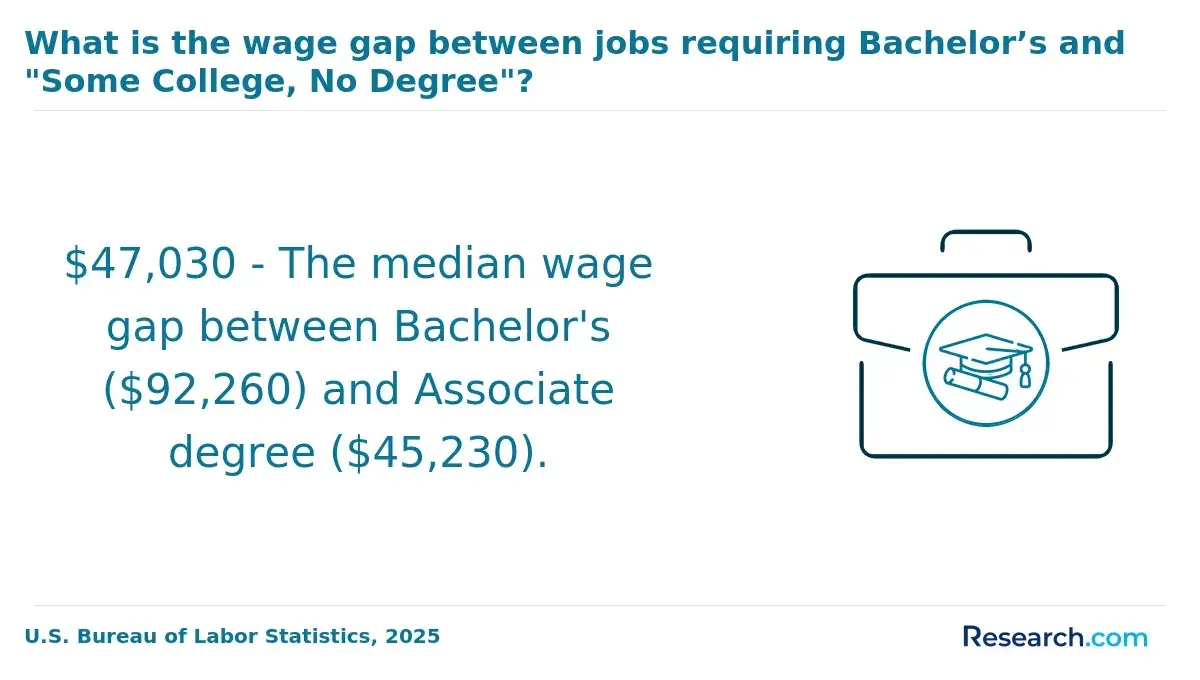
Graduates of clinical mental health counseling programs often enter the workforce with strong theoretical foundations but face notable challenges applying these concepts in complex, real-world environments. Recent 2024 analyses from bodies like the National Board for Certified Counselors reveal that roughly 60% of employers report deficiencies in new clinicians' readiness to handle diverse client populations and integrated care demands.
This gap partly stems from academic programs prioritizing broad clinical knowledge over practical adaptability across varying social and systemic contexts. Below are several critical areas where the misalignment between training and employer expectations is most pronounced.
- Adaptive Application of Evidence-Based Techniques: While students acquire essential counseling models, employers report that new hires often struggle to tailor interventions for multicultural or multifaceted client needs. Immersive internships that expose students to community settings or specialized populations can help bridge this divide by sharpening situational judgment and cultural responsiveness.
- Cultural Competency and Social Determinants: There is growing demand for clinicians skilled at navigating how socioeconomic factors and trauma impact mental health. Many programs still underemphasize interdisciplinary collaboration and trauma-informed care integration, which impedes graduates' ability to address these layers in practice. Proactive engagement in team-based projects or cross-sector partnerships during training may improve competency here.
- Technology Fluency and Outcome Measurement: Employers cite inadequate fluency with telehealth platforms and digital recordkeeping as barriers for new clinicians. Given the rapid expansion of remote service delivery post-pandemic, hands-on experience with current technologies and data-driven treatment feedback mechanisms during schooling is critical for meeting employer expectations.
- Communication and Ethical Boundaries: New clinicians frequently encounter difficulty asserting professional boundaries and communicating clearly within multidisciplinary teams. Reinforced role-playing exercises and ethics seminars focused on complex scenarios can promote stronger boundary management and assertiveness in challenging clinical interactions.
Which Technical Skills Are Most Important for Clinical Mental Health Counseling Careers?
Technical skills play a pivotal role in transforming academic knowledge into effective clinical mental health counseling practice. As therapeutic methods, healthcare systems, and technology rapidly evolve, the specific competencies demanded by employers shift accordingly. Mastery of relevant technical skills not only enhances a counselor's ability to deliver evidence-based interventions but also impacts job performance, compliance, and adaptability in diverse settings.
Recent workforce analyses from 2024 indicate that 68% of employers prioritize proficiency in digital tools and diagnostic skills when hiring clinical mental health counselors. Below are key technical skills that strongly influence professional success in this field.
- Evidence-Based Therapy Techniques: Employers highly value counseling professionals skilled in cognitive-behavioral therapy (CBT) and dialectical behavior therapy (DBT). These modalities have robust empirical support, and students typically acquire competence through practical coursework and supervised clinical hours, enabling them to apply proven strategies in real client interactions.
- Electronic Health Records Management: Accuracy and confidentiality in managing client data using EHR systems are critical. Training often involves hands-on experience with software platforms, preparing counselors to maintain compliance with privacy laws like HIPAA while contributing to efficient healthcare documentation.
- Psychological Assessment & Diagnostic Coding: Familiarity with standardized tools and classification systems such as DSM-5 and ICD-10 is essential. Counselors develop these skills through practicum placements, enabling precise diagnosis and treatment planning, which are foundational to effective clinical decision-making.
- Telehealth & Virtual Counseling Platforms: The expansion of remote services has made comfort with secure video conferencing and digital communication technologies non-negotiable. Training must include ethical and legal considerations unique to virtual environments, as counselors often juggle confidentiality and rapport building in these contexts.
- Data Literacy: Counselors benefit from the ability to analyze treatment outcomes and integrate current research, bridging theory with clinical practice. This skill grows through coursework in research methods and applied data interpretation, helping professionals respond to employer demands for evidence-informed care.
Which Workplace Skills Matter Beyond Technical Knowledge?
Career success in clinical mental health counseling depends on much more than mastering technical knowledge. Employers consistently emphasize the need for professional skills that enable counselors to function effectively within complex, real-world environments. Practical experience combined with soft skills such as communication and ethical judgment often determines whether a graduate thrives in diverse counseling settings.
A typical scenario involves a counselor managing sensitive client disclosures while coordinating with multidisciplinary teams-this requires more than just clinical theory; it demands nuanced interpersonal abilities and sound decision-making. Below are key workplace skills valued by employers beyond technical expertise.
- Interpersonal Communication: Effective counselors must convey empathy and clarity, not only to clients but across professional networks. Strengthening communication through role-playing and supervised client interactions during a clinical mental health counseling program builds this skill. Employers value this as it directly impacts client engagement and collaborative treatment planning.
- Adaptability and Resilience: The evolving landscape of mental health, including telehealth integration and demographic shifts, requires counselors to remain flexible. Structured internships and exposure to diverse populations help students develop resilience. This capacity for adaptability mitigates burnout and enhances long-term career sustainability.
- Cultural Competence: Navigating cultural differences ethically and effectively is essential in mental health care. Coursework addressing multicultural counseling theories paired with fieldwork in varied community settings fosters this competency. Employers prioritize it to ensure inclusive, relevant client care.
- Ethical Judgment and Integrity: Clinical counselors face complex dilemmas requiring adherence to confidentiality and professional codes. Programs that incorporate case-based ethics training reinforce sound judgment. Mastery here safeguards client trust and legal compliance, fundamental to professional success.
- Conflict Resolution: Managing disagreements among clients, families, or healthcare teams is a frequent challenge. Simulation exercises and peer mediation opportunities enhance these skills during training. Proficiency in conflict resolution enables smoother team dynamics and better client outcomes.
- Emotional Intelligence: Recognizing and managing one's own emotions and those of others improves counselor effectiveness. Reflective practice and supervision in training deepen emotional insight. This skill supports a positive therapeutic alliance and reduces workplace stress.
- Practical Application of Theory: Translating academic theory into real-world counseling strategies is crucial. Integration of practicum experiences and case studies during coursework bridges this gap. Successful application contributes to immediate effectiveness and professional confidence.
According to a recent National Board for Certified Counselors workforce survey, over 78% of employers in clinical mental health counseling identified interpersonal communication as a key hiring factor often underdeveloped in new graduates. Centering durable soft skills alongside technical expertise is vital throughout a Clinical Mental Health Counseling program to align graduate readiness with employer expectations and workforce realities.
Prospective students should balance their clinical studies with opportunities to enhance these competencies for more robust career preparation. For those considering educational pathways that support diverse skill development, consulting resources on the best dietetics programs can offer insight into multidisciplinary approaches that parallel clinical mental health counseling professional skills employers value.
How Do Internships and Real-World Experience Improve Career Readiness?
Classroom instruction in clinical mental health counseling provides essential theoretical foundations but often falls short in cultivating fully developed career readiness. Real-world experiences allow students to translate academic concepts into applied practices, enhancing their confidence and practical judgment. For instance, a student confronting a crisis intervention scenario during a supervised practicum can integrate ethical frameworks with adaptive problem-solving skills, an opportunity rarely duplicated in a lecture setting.
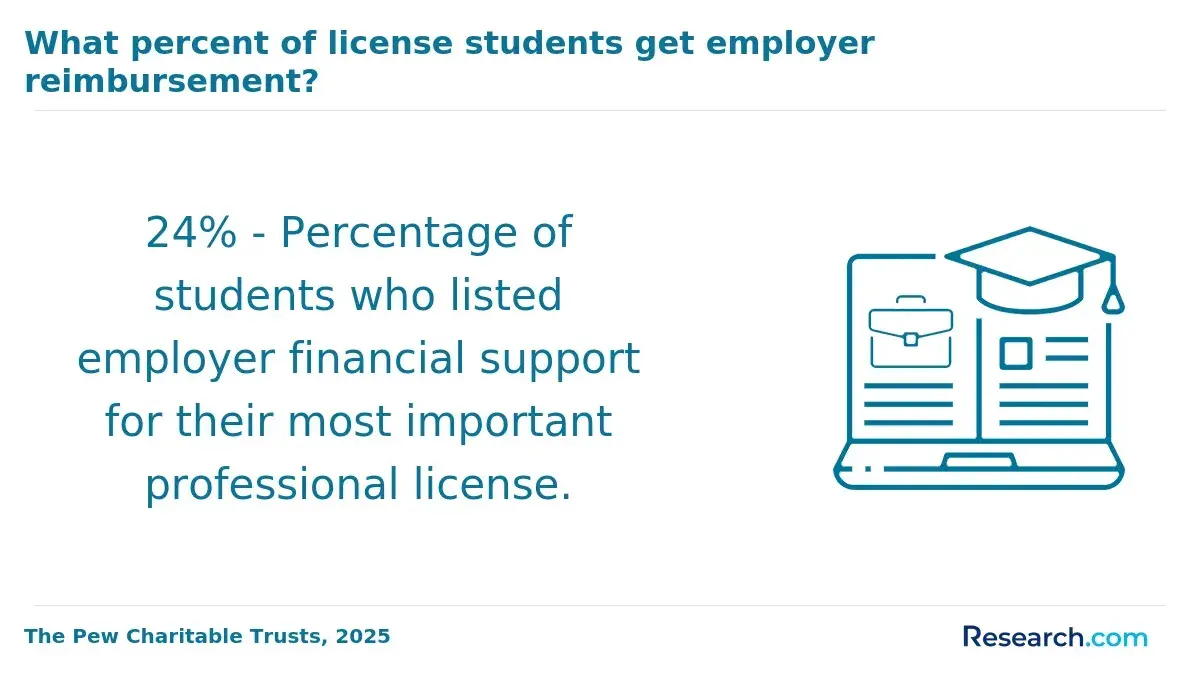
According to the 2024 National Association of Colleges and Employers report, students with relevant internship experience are 20% more likely to gain employment within six months after graduation, underscoring the tangible impact of these applied learning opportunities on early workforce integration. Internships and similar experiential learning pathways extend beyond skill application by immersing students in the nuances of professional communication, workplace culture, and interdisciplinary collaboration.
This exposure helps clarify job expectations and builds a network of industry contacts that can aid career navigation. However, the quality and focus of these placements can vary widely; some may emphasize administrative tasks over direct client engagement, potentially limiting skill development. Therefore, students must judiciously select internships aligned with their career ambitions and seek roles offering both observation and client-facing experience to strengthen their therapeutic competencies and workplace adaptability.
To maximize the benefits of experiential learning, prospective students should pursue internship opportunities early and engage actively in applied projects to deepen their practical understanding. Reflection on real-world challenges encountered during placements aids in connecting experience to long-term professional goals while fostering resilience and cultural competence. When combined with strong academic performance and ongoing skill development, strategically chosen internships serve as pivotal stepping stones that reinforce career readiness and support sustained employability in the evolving landscape of clinical mental health counseling.
How Can Students Close the Clinical Mental Health Counseling Skills Gap Before Graduating?
Students don't have to wait until after graduation to develop the competencies employers seek in clinical mental health counseling roles. Integrating practical skills with academic knowledge throughout the degree can improve job market outcomes and ease the transition into professional settings.
Proactive engagement in experiential learning not only deepens understanding but also demonstrates commitment and readiness to hiring agencies. Recent data from the U.S. Department of Labor highlights a 25% higher employment rate within six months for counseling graduates who completed internships with solid supervisory support. Below are key strategies students can apply before earning their degree.
- Targeted Internships: Securing internships focused on direct client interaction and guided mentorship offers exposure to real-world counseling challenges. This hands-on experience builds competencies in crisis intervention and ethical decision-making far beyond classroom theory.
- Applied Research Participation: Engaging in research projects that emphasize evidence-based practices sharpens critical thinking and encourages analytical skills necessary for effective clinical interventions, especially when paired with practical application.
- Project-Based Coursework: Choosing or advocating for courses that incorporate collaborative problem-solving projects helps students translate theoretical frameworks into actionable counseling strategies valued by employers.
- Specialized Certifications: Earning credentials in areas like trauma-informed care or substance abuse counseling signals professional dedication and can offset limited direct experience, boosting marketability.
- Soft Skills Development: Cultivating emotional resilience, cultural competence, and adaptability through peer groups and community outreach addresses frequently cited skill deficiencies in graduates, improving client rapport and workplace integration.
- Reflective Practice: Maintaining structured self-assessment habits encourages continual growth and ethical mindfulness, enhancing readiness for the unpredictable demands of counseling settings.
- Mentorship Networks: Building relationships with seasoned professionals provides tailored guidance and access to career opportunities, enabling strategic decision-making about skill acquisition and specialization.
How Is the Clinical Mental Health Counseling Job Market Changing Employer Skill Requirements?
Technological innovation and the rapid integration of digital tools are reshaping the clinical mental health counseling job market. Employers increasingly prioritize skills beyond traditional therapeutic techniques, emphasizing proficiency with telehealth platforms, electronic health records (EHR), and data-informed decision-making. According to recent data from the U.S. Bureau of Labor Statistics and workforce insights from LinkedIn, adaptability to technology and crisis management are now among the most sought-after competencies.
These trends reflect broader shifts in healthcare delivery models and regulatory changes that require counselors to navigate complex digital systems while maintaining client-centered care. Changing skill requirements for clinical mental health counselors also highlight the growing importance of interdisciplinary collaboration and cultural competence. As Lightcast forecasts a rise in demand for counselors skilled in integrating behavioral health within primary care, practical experience with multidisciplinary teams becomes essential.
This evolving landscape means that continuous learning and hands-on training in community resource coordination, telehealth internships, and health informatics are critical complements to foundational academic curricula. Students who invest in developing these applied skills alongside their degree programs are better positioned to meet employer expectations and workplace realities. For those planning to enter or advance in this field, supplementing formal education with targeted certifications and professional networking is vital for long-term employment resilience.
Practical experience with telehealth and real-world projects can considerably enhance workforce readiness, as employers prefer candidates who demonstrate adaptability and innovation. Prospective students should also consider exploring related career timelines, such as how long does it take to become a nurse practitioner, to understand the broader context of healthcare roles that intersect with mental health counseling.
How Do Different Clinical Mental Health Counseling Programs Compare in Career Preparation?
Career preparation in clinical mental health counseling depends on more than just the degree title; it hinges on the program's balance of practical training, ethical foundations, and cultural competence. Two programs with the same accreditation may differ widely in how well they ready graduates for actual clinical roles. For example, a graduate from one program might excel in crisis intervention due to intensive internships, while another struggling with client rapport lacks adequate experiential learning.
Considering these nuances, prospective students should evaluate key program features carefully. Here are critical factors to compare across clinical mental health counseling programs:
- Practicum and Internship Integration: Programs that embed extensive, supervised hands-on experiences better develop applied skills such as diagnostic assessment and treatment planning. Evidence from a 2024 CACREP study shows graduates from such programs have higher employer satisfaction and readiness for clinical workflows.
- Cultural Competency and Diversity Training: Given rising clinical demands, training in culturally competent counseling and working with diverse populations greatly enhances workforce adaptability. Students should assess whether curricula incorporate community-based practica or specialized coursework emphasizing these areas.
- Interprofessional Collaboration Skills: The ability to work effectively in multidisciplinary teams is critical in many clinical environments. Programs vary in how much they foster these skills through joint courses or cross-disciplinary projects, impacting graduates' integration into healthcare settings.
- Balance of Theory and Practice: Some programs prioritize foundational research and theory, which may strengthen analytical skills but may leave graduates less prepared for immediate client engagement. Finding the right fit depends on a student's learning preferences and career goals.
Understanding these distinctions can help students seeking to align their education with employer expectations and long-term career success in clinical mental health counseling. Exploring related fields may also be beneficial, such as considering online EHS degree programs for those interested in occupational health intersections with counseling.
How Should Students Choose a Clinical Mental Health Counseling Program That Builds Career-Ready Skills?
Choosing between online, hybrid, and campus formats for clinical mental health counseling programs involves weighing how each format impacts long-term career readiness and practical skill development. Recent 2024 data from national education and workforce research underscores that the quality of experiential learning and program transparency often outweigh the mode of instruction alone.
A working parent balancing family commitments might find hybrid learning offers both flexible scheduling and essential face-to-face practicum opportunities, whereas full campus attendance may benefit students seeking immersive clinical immersion. Consider these long-term factors when deciding:
- Experiential Learning Access: Campus programs typically provide more direct supervision and on-site internships, improving hands-on skill mastery. Hybrid formats can balance flexibility with some in-person clinical experiences. Fully online students may face challenges accessing diverse practicum sites, which could affect employer readiness.
- Networking Opportunities: In-person formats often foster richer professional connections through peer interaction and faculty mentorship, valuable for job placement. Hybrid options offer a moderate network scope, while fully online students should proactively engage in virtual communities.
- Technological Competency: Online programs often emphasize digital mental health tools, enhancing graduates' adaptability to telehealth trends, which is critical in modern service delivery.
- Board Certification Success: Studies show programs with strong practicum components, regardless of format, yield higher licensing exam pass rates; however, campus-based students generally report slightly better outcomes due to structured guidance.
- Balance of Theory and Practice: Campus learning favors experiential training; online may lean more on theoretical rigor. Hybrid programs attempt to integrate both, suiting students needing flexible yet comprehensive preparation.
- Flexibility for Working Professionals: Online and hybrid formats cater well to those juggling employment or caregiving but require greater self-discipline to ensure completion and skill application.
- Employer Perception: Employers prioritize clinical competency and board certification over format, but programs clearly demonstrating practicum quality and graduate outcomes tend to stand out, regardless of delivery mode.
References:
- A Complete Guide to Careers in Behavioral Health Fields https://behavioralhealth.careers/blog/careers-in-behavioral-health-guide/
- Training & Internship Info at Neuropath BHC https://neuropathbhc.org/internships/
- Best Online Master's In Mental Health Counseling 2025 https://www.psychology.org/rankings/best-mental-health-counseling-programs/
- Mental Health Workforce Shortage: Why Education Matters - Ross Family Counseling https://www.aarossfamilycounseling.com/mental-health-workforce-shortage/
- Clinical Mental Health Counseling Master’s Online https://www.baypath.edu/academics/graduate-programs/clinical-mental-health-counseling-ms/
- CLINICAL MENTAL HEALTH COUNSELING https://www.villanova.edu/university/liberal-arts-sciences/programs/education-counseling/graduate-programs/ms-counseling/clinical-mental-health.html
- The Importance of Soft Skills in Mental Health Counseling ~ Skill Up https://www.skill-up.org/the-importance-of-soft-skills-in-mental-health-counseling/
- Clinical Mental Health Counselor Job Description (Updated 2026 With Examples) | APOS https://careers.apos-society.org/career/clinical-mental-health-counselor/job-descriptions
- SECTION 5: CLINICAL MENTAL HEALTH COUNSELING - CACREP https://www.cacrep.org/section-5-entry-level-specialty-areas-clinical-mental-health-counseling/
- The Growing Demand For Counselling Jobs https://www.mindspacefoundation.co.uk/the-growing-demand-for-counselling-jobs/
Other Things You Should Know About Clinical Mental Health Counseling
The tension between acquiring broad theoretical foundations and practicing specialized clinical skills often leaves graduates ill-prepared for certain employer expectations. Programs emphasizing theory may produce counselors who understand frameworks deeply but lack competence in high-demand practical interventions like trauma-informed care or crisis management. Graduates should prioritize programs that balance foundational knowledge with targeted skill development in areas where employers report staffing shortages, even if it means fewer elective options or a heavier course load.
While electives and certificates can enhance employability, relying on them without intentional integration into degree coursework can fragment learning and dilute core competencies. Employers often seek holistic readiness, meaning isolated certifications may not compensate for inconsistent application of counseling principles across diverse client needs. Students should critically evaluate whether additional credentials align coherently with their core clinical training and the specific demands of their intended work settings.
High course loads and tight program timelines frequently force students to prioritize passing grades over deep skill mastery, especially in hands-on clinical techniques. This can lead to superficial practice and missed opportunities for reflective learning critical to client outcomes. Prospective students must recognize that programs with more manageable pacing or extended practicum hours may better develop applied skills, even if they require longer completion times or higher tuition investment.
Embedded supervised practicum opportunities integrated throughout the curriculum tend to produce graduates who are immediately more employable and confident in clinical settings. Optional practicum hours, while flexible, often result in uneven exposure and skill development depending on available placements. When deciding, students should prioritize programs with structured, consistent supervision as these provide clearer pathways to meeting licensure requirements and developing employer-valued competencies.