2027 Which Schools Offer Flexible Start-Anytime Enrollment for a Nonprofit Management Program?

Co-Founder and Chief Data Scientist
Many adults interested in pursuing a degree in nonprofit management face significant scheduling challenges. Studies show that over 60% of working adults seek flexible enrollment options to balance education with jobs and family responsibilities. Without start-anytime courses, they risk delaying their career advancement or professional development indefinitely.
This article explores flexible start-anytime enrollment programs in nonprofit management, highlighting how they accommodate diverse schedules. It will provide practical insights for prospective students on how these programs function and how flexibility can make completing a degree more achievable amid demanding personal and professional commitments.
Key Benefits of Flexible Start-Anytime Enrollment for a Nonprofit Management Program
- Flexible start-anytime enrollment allows students to begin nonprofit management programs monthly, bypassing traditional semester schedules and supporting individualized pacing.
- Unlike rigid academic terms, these programs use modular courses enabling continuous admit cycles, which accommodate working adults' erratic schedules effectively.
- Online nonprofit management programs with flexible starts have seen a 25% increase in enrollment, reflecting rising demand from career changers seeking adaptable learning options.
What Does "Start Anytime" Mean in a Nonprofit Management Program?
"Start anytime" enrollment in nonprofit management programs offers students the ability to begin their studies at any point throughout the year, rather than adhering to fixed academic terms like fall or spring semesters.
This flexibility contrasts with traditional enrollment systems by enabling learners to join courses without waiting for specific start dates, which is especially useful for those balancing work and personal obligations.
In these programs, course pacing is typically self-directed or follows modular timelines, granting students control over their schedule and progress. Learning materials are usually accessible online on demand, supporting varied study habits and providing accessibility to those who require a more adaptable approach.
Key benefits of such flexible enrollment options for nonprofit management programs include individualized progression and academic support offered on flexible schedules, accommodating diverse time zones and commitments.
Advising services are often asynchronous or available with flexible timing, allowing students to seek guidance without compromising their work or life routines.
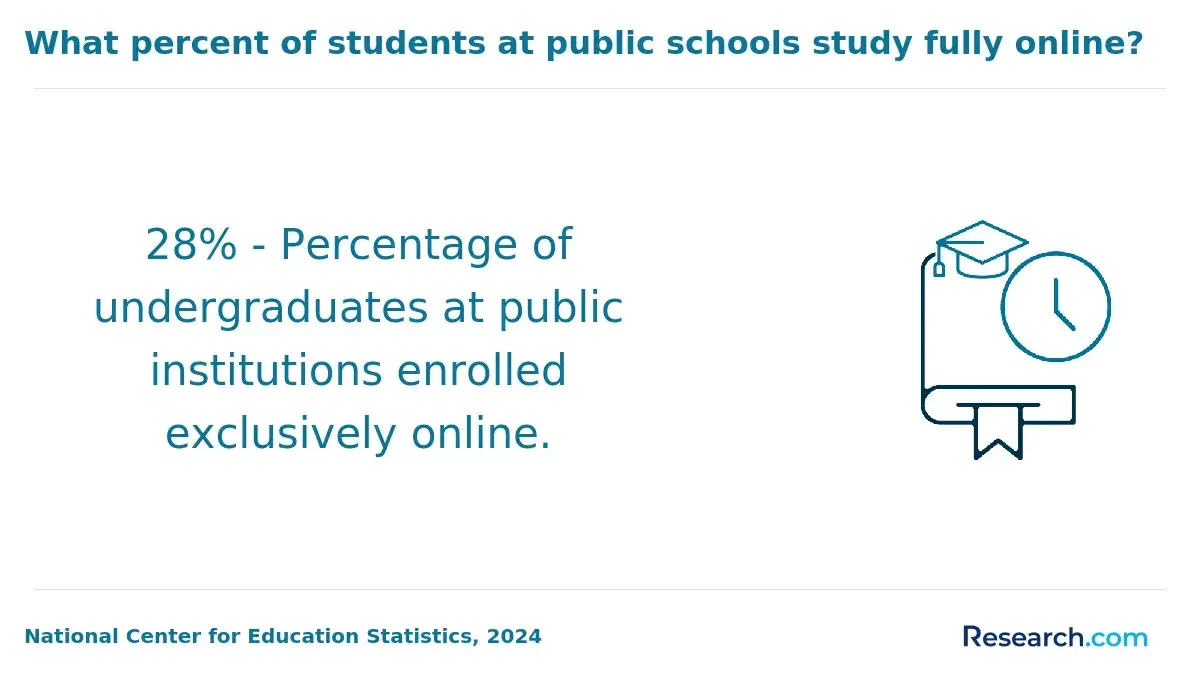
According to the National Center for Education Statistics, over 60% of distance education students select programs with this kind of adaptable start structure.
For adult learners and career changers in nonprofit management, this supports ongoing professional development without interrupting existing job responsibilities. Those interested in related flexible programs might explore online bcba programs as well.
What Are the Admission Requirements for Start-Anytime Nonprofit Management Programs?
For prospective students balancing work and life commitments, understanding flexible enrollment criteria for nonprofit management degrees is essential.
Programs with start-anytime enrollment support adults and career changers by allowing multiple entry points throughout the year, accommodating varied schedules and personal needs.
- Prior Education: Most start-anytime nonprofit management program admission requirements include a bachelor's degree from an accredited institution. This foundational credential ensures students possess the necessary academic skills to succeed in graduate-level coursework.
- GPA Expectations: Some programs require a minimum GPA, typically between 2.5 and 3.0, but this varies by institution. Maintaining a competitive GPA helps demonstrate academic readiness without creating barriers for adult learners returning to school.
- Standardized Tests: GRE or other standardized test scores are generally not required, reflecting the trend toward more accessible admissions. This absence supports the needs of working adults by reducing application complexity and stress.
- Professional Experience: Relevant work experience in the nonprofit sector or related fields may be required or preferred. This criterion highlights real-world competence and commitment, aligning with the goals of flexible enrollment criteria for nonprofit management degrees.
- Required Documentation: Applicants must submit official transcripts, a personal statement outlining their interest in nonprofit management, letters of recommendation (sometimes optional), and a resume or proof of work experience.
Data from CAEL shows over 70% of adult learners seek programs with flexible start dates to balance education with employment and family. For those considering affordable options, exploring the cheapest business degree online can be a useful step.
Can Transfer Students Enroll Immediately in Start-Anytime Nonprofit Management Programs?
Transfer students aiming to enroll quickly in start-anytime nonprofit management programs often face unique hurdles that impact immediate entry. Recognizing these factors can help students better prepare and navigate the enrollment process smoothly.
- Credit Transfer Evaluation: Most institutions require a formal review of previous coursework to determine credit equivalency. This step can take time and may delay enrollment if documentation is incomplete or courses don't align well.
- Prerequisite Requirements: Schools often verify that transfer students have completed necessary foundational classes. If these prerequisites are unmet, students might need to complete additional coursework before starting their program.
- Application Timing: Despite flexible start dates, transfer applicants should confirm deadlines for submitting transcripts and forms to avoid administrative lags. Early communication with admissions is crucial for timely processing.
- Enrollment Eligibility: Even with rolling admissions, some programs maintain policies that require full approval of transfer credits before finalizing enrollment, which can slow immediate start plans.
When I spoke with a graduate who transferred into a nonprofit management degree program, she shared that while the program advertised flexible start options, her enrollment wasn't instant. She explained, "I had to wait several weeks for my credits to be evaluated, which was a bit frustrating at first."
However, she appreciated the clear guidance from admissions and the chance to start courses as soon as her records were approved. "Once everything was set, it felt great to jump in without waiting for a conventional semester."
Her experience highlights that although instant enrollment isn't always guaranteed, proactive communication and preparation can significantly speed the process.
Flexible enrollment options are crucial for students needing to balance education with work and personal life. Offering start-anytime programs in nonprofit management allows learners to begin studies without waiting for traditional semester dates, which can be especially helpful for adult learners and career changers.
- Availability of Formats: Online nonprofit management programs commonly offer start-anytime enrollment. While some on-campus programs are introducing more frequent enrollment periods, these remain less prevalent and often follow conventional semester timelines.
- Scheduling and Pacing Differences: Online programs generally use self-paced modules without fixed class meeting times. In contrast, on-campus courses usually require attendance at scheduled sessions, which can limit options for students juggling jobs or commutes.
- Considerations for Busy Students: The online start-anytime format reduces commuting and allows learners to integrate study around irregular work or family commitments. However, potential students should examine the specific policies of each program, as the degree of flexibility can vary widely by institution and location.
Flexible enrollment is essential for many adult learners pursuing nonprofit management, allowing them to start studies without waiting for traditional semester dates.
Understanding how these programs organize terms and courses can help students better plan their education around work and life.
- Term Schedules: Programs typically use rolling enrollment with multiple start dates throughout the year, often monthly. This eliminates rigid semesters, enabling students to begin whenever it fits their schedule.
- Modular Course Design: Courses are divided into shorter modules, usually lasting 4 to 8 weeks. This approach breaks down content into manageable segments, promoting focused learning in concentrated timeframes.
- Pacing Options: Learners can usually choose full-time or part-time engagement and adjust their speed. Some accelerate by taking back-to-back modules, while others may take breaks or extend their timeline based on personal needs.
- Curriculum Progression: Students complete one module before moving on to the next, ensuring comprehension and steady advancement. Programs frequently blend asynchronous online lessons with scheduled live sessions for interaction and support.
Flexible tuition payment options are essential for prospective students interested in start-anytime nonprofit management programs. Understanding how these payment schedules work can help adult learners and working professionals manage their education costs while accommodating their personal and professional commitments.
- Per-Module or Per-Term Billing: Many start-anytime nonprofit management programs charge tuition on a per-module or per-term basis instead of a fixed-semester fee. This modular billing system allows students to pay only for the courses they are currently taking, providing financial flexibility aligned with their pacing.
- Installment Plans: Installment payment options are common, letting students spread tuition costs over the duration of enrollment. These plans usually include scheduled deadlines that correspond with module start and end dates to help keep students on track.
- Payment Deadlines: Tuition deadlines are typically set around the flexible start dates and course terms, requiring students to plan payments according to their course load each period. This structure supports those with fluctuating schedules and financial situations.
- Financial Planning Considerations: Managing tuition payments in start-anytime programs requires coordinating payment deadlines with personal cash flow. This is especially beneficial for adult learners balancing work, family, and education, as costs may vary with changing course loads.
- Growing Demand for Flexibility: Recent studies show a rise in online enrollment for programs with rolling start dates, reflecting the need for flexible tuition schedules in nonprofit management programs. This adaptability is crucial for students seeking immediate applicability of their professional experience.
Prospective students interested in advancing their leadership credentials might also explore a phd in organizational leadership online, which similarly offers flexible scheduling and payment options to accommodate busy adults.
For students returning to education, switching programs, or transferring credits, knowing how start-anytime nonprofit management programs handle prior coursework is vital. Transfer policies can impact both the timeline and cost of completing a degree.
- Assessment of Prior Courses: Programs typically review previous classes for relevance, accreditation, and grades earned. Each institution applies its own criteria to determine what credits qualify for transfer.
- Limits on Transfer Credits: Most schools cap accepted transfer credits between 30% and 50% of total degree requirements. Courses need to align closely with nonprofit management subjects like leadership, fundraising, or ethics to be considered.
- Prerequisite Requirements: Transfer credits must often fit within the curriculum's sequence, as some advanced classes require specific foundations. This may restrict how directly those credits apply toward graduation.
- Impact on Enrollment and Progression: While start-anytime formats allow flexible enrollment, credit evaluation can take weeks and influence course sequencing. Transfer acceptance usually doesn't change start dates but may affect how quickly students can complete the program.
When I spoke to a student who recently transitioned into a start-anytime nonprofit management program from a different major, he emphasized the challenges of credit transfer.
He shared, "Waiting for my previous coursework to be evaluated was stressful because I wasn't sure how many credits would count. It took a few weeks, which felt like a delay, but once approved, it helped me avoid repeating classes."
He appreciated the flexible start dates that let him quickly join the program after the transfer process, even though navigating the policies wasn't always straightforward.
Accreditation plays a vital role for students considering flexible start-anytime nonprofit management degree programs, as it verifies the academic quality and legitimacy of the program.
This is especially important for adult learners balancing education with work and life commitments, ensuring that their investment leads to recognized credentials and career advancement. Without proper accreditation, financial aid opportunities and credit transfers may be limited, affecting overall student success.
There are two primary forms of accreditation to be aware of: regional and national. Regional accreditation is generally more respected, facilitating credit transfer and enhancing employer recognition, while national accreditation often focuses on specialized or vocational training.
Though nonprofit management programs may not be directly accredited by organizations like the Nonprofit Academic Centers Council (NACC) or the Council for Advancement and Support of Education (CASE), endorsements from these groups can still boost a program's credibility.
Choosing a regionally accredited program can provide better opportunities for licensure and professional certifications, making it a key consideration for prospective students.
For prospective students considering nonprofit management degrees with start-anytime enrollment, understanding employer perceptions is critical.
Flexible and asynchronous programs have grown notably, with a nearly 15% increase in graduate-level enrollments in rolling start options from 2018 to 2022. This trend reflects an evolving acceptance of adaptable education formats among employers.
- Accreditation Matters: Employers place significant value on programs accredited by recognized agencies such as regional accreditors or the Council for Accreditation of Counseling and Related Educational Programs (CACREP).
- Alignment with Industry Standards: Programs that focus on practical skills in organizational leadership, fundraising, ethics, and program evaluation align with employer expectations. Many start-anytime programs incorporate experiential learning and project-based coursework that enhance these competencies.
- Skills and Competencies: Candidates demonstrating knowledge applicable to mission-driven nonprofit leadership are preferred. Start-anytime enrollment options enable working professionals to develop these skills without interrupting employment, improving workforce readiness and appeal to employers.
- Professional Reputation and Value: The nonprofit management field's emphasis on social impact drives demand for flexible degree programs. Employers recognize the value of upskilling experienced professionals through start-anytime programs, addressing workforce shortages effectively.
- Growing Workforce Demand: The rising number of adult learners pursuing flexible nonprofit management degrees mirrors workforce needs. This acceptance of adaptable enrollment options supports career changers and working adults aiming to advance.
Understanding employer perceptions of start anytime nonprofit management degrees helps prospective students make informed choices about programs that best fit their schedules and career goals.
For those weighing the benefits, exploring what degrees make the most money can provide additional insights into long-term career earnings potential within relevant fields.
Choosing a start-anytime enrollment nonprofit management program involves evaluating several key factors to ensure the best fit for personal schedules and professional goals.
Prospective students should carefully compare options, especially when seeking flexible nonprofit management degrees admissions and transfer policies that suit adult learners and career changers.
- Accreditation: Accreditation guarantees that the program meets established educational standards and is recognized by employers. Accredited programs tend to offer higher-quality education and stronger industry reputations, which can impact future employment opportunities.
- Program Format and Pacing: Asynchronous online courses are popular among working adults because they allow learning at any time without rigid schedules. Start-anytime enrollment enhances this flexibility, but students need to confirm how courses are sequenced and whether this affects timely graduation.
- Credit Transfer Policies: Generous credit transfer allowances can significantly reduce time and cost, especially for those with prior academic or professional experience. Verifying whether previous coursework qualifies for transfer is essential for students seeking efficient progress.
- Cost and Financial Aid: Tuition rates vary widely, and availability of scholarships or flexible payment options can ease financial burdens. Nearly 60% of adult learners prioritize affordability, so understanding these elements is crucial when choosing programs with start-anytime enrollment nonprofit management programs.
- Employer Recognition: The value of the credential within the nonprofit sector affects job prospects and salary potential. It is important to research how employers view the program to align educational investment with career advancement.
- Alignment with Career Goals: Programs that offer specialized curricula in areas like fundraising, leadership, or program evaluation provide more relevance and motivation for students balancing multiple commitments.
For those considering flexible pathways, exploring options like easy associate degrees can also be a strategic step toward entering nonprofit management efficiently and affordably.
What Graduates Say About Flexible Start-Anytime Enrollment for a Nonprofit Management Program
- Samantha: "I chose a nonprofit management program with start-anytime enrollment because I needed flexibility while working full-time. The cost was reasonable compared to other programs-around $15,000-and it allowed me to advance quickly in my career managing community outreach initiatives. Having the ability to start whenever suited my schedule perfectly. "
- Iris: "After researching various options, I enrolled in a nonprofit management degree that offered flexible start dates, which was crucial for my unpredictable work life. The average program cost of about $18,000 felt like a great investment given the immediate impact it had, helping me secure leadership roles in nonprofit organizations. Reflecting on my experience, I'm grateful for the balance between cost and career growth. "
- Dwayne: "My decision to pursue a nonprofit management degree with start-anytime enrollment stemmed from my need to adapt learning around urgent professional commitments. The cost, approximately $16,500, was competitive and justified by the professional development I gained, especially in strategic planning roles. This program truly enhanced my expertise and opened doors that were previously closed. "
Other Things You Should Know About Nonprofit Management Degrees
A Nonprofit Management program offering start-anytime flexibility should be accredited by organizations such as the Accreditation Council for Business Schools and Programs (ACBSP) or the Association to Advance Collegiate Schools of Business (AACSB) to ensure quality and credibility.
Some nonprofit management programs with flexible start dates may have a limited selection of courses available at any given time.
To maintain academic quality and pacing, certain advanced or sequence-dependent courses might only be offered in traditional terms. Prospective students should verify course schedules to ensure timely progression in their degree.
Yes. Many start-anytime nonprofit management programs use self-paced, asynchronous courses, and some offer accelerated terms as short as 5 to 8 weeks. Schools usually let students begin at several points during the year, then move through coursework on a fixed weekly schedule or at their own pace.
- Nonprofit Professional Training https://www.uwp.edu/learn/continuingeducation/nonprofit.cfm
- 11 Things to Consider When Starting a Nonprofit https://www.uschamber.com/co/start/startup/starting-a-nonprofit-guide
- Best Online Colleges To Start Anytime Of 2025 https://thebestschools.org/rankings/online-colleges/start-anytime/
- Learn Non-Profit Management Online https://uwf.edu/continuinged/programs/career-training/non-profit-management-training/
- Nonprofit Manager + Professional Grant Writing - Continuing and Professional Education https://cape.csustan.edu/nonprofit-manager-professional-grant-writing
- 11 Must-Dos for Starting a Nonprofit https://www.501c3.org/11-must-dos-for-starting-a-nonprofit/
- Nonprofit Leadership https://professionalstudies.du.edu/nfp/
- 11 Reasons Why New College Grads Should Pursue Nonprofit Careers (SSIR) https://ssir.org/articles/entry/11_reasons_why_new_college_grads_should_pursue_nonprofit_careers
- 2025 Most Affordable Online Colleges with Open Admissions https://www.onlineu.com/most-affordable-colleges/open-admissions
- Starting Your Own Nonprofit: A Beginner's Guide https://sopa.tulane.edu/blog/starting-your-own-nonprofit-beginners-guide