
2027 AI, Automation, and the Future of Nonprofit Management Degree Careers

Co-Founder and Chief Data Scientist
Imagine a nonprofit manager struggling to keep up with rapidly evolving technologies while overseeing daily operations. The integration of AI and automation promises greater efficiency, yet it introduces complex challenges regarding workforce dynamics and skill demands. Recent data indicates that over 40% of nonprofit organizations in the U. S. plan to increase AI adoption within the next five years. This shift could redefine traditional roles and necessitate new competencies among nonprofit management degree holders. This article explores how AI and automation impact career prospects and skill sets in nonprofit management, offering guidance to navigate these emerging trends effectively.
Key Things to Know About AI, Automation, and the Future of Nonprofit Management Degree Careers
- AI and automation are transforming nonprofit management degree careers by shifting administrative tasks toward technology, enabling professionals to focus on strategic decision-making and personalized community engagement.
- Employers increasingly value data analytics, technological proficiency, and adaptive leadership skills, with 65% of nonprofits seeking candidates who can integrate AI insights into program development.
- While automation may reduce entry-level roles, it enhances specialization and advancement by creating demand for experts skilled in managing AI-driven tools within nonprofit organizations.
What Nonprofit Management Industries Are Adopting AI Fastest?
Identifying which industries embrace AI fastest is vital for assessing future demand and shifts in nonprofit management degree careers. These adoption patterns highlight where the nonprofit management industries embracing AI technology are evolving, helping students and professionals align their skills accordingly. Notable sectors leading this change include:
- Philanthropy: AI is transforming how donor data is analyzed to identify and engage contributors, allowing organizations to more effectively target fundraising efforts. This trend signals growing demand for professionals adept at interpreting AI-generated insights to guide strategic decisions.
- Environmental Organizations: Leveraging AI to analyze environmental data, monitor conservation progress, and enhance sustainability reporting is becoming widespread. As a result, the fastest growing nonprofit management automation sectors emphasize the need for advanced data analytics within these roles.
- Healthcare Nonprofits: AI supports optimizing patient outreach, refining program strategies, and tracking outcomes. This growing reliance on AI tools highlights the importance of technological fluency for maximizing program impact and resource use in healthcare-focused nonprofits.
These developments suggest nonprofit management professionals must cultivate strong AI and data analysis skills. Those interested in expanding their expertise might explore related fields through options like online SLP degrees, which offer complementary knowledge applicable across various nonprofit sectors.
Which Nonprofit Management Roles Are Most Likely to Be Automated?
For students and professionals planning careers in nonprofit management, recognizing which roles face higher automation risks is crucial for skill development and career resilience. A 2023 World Economic Forum report estimates that about 50% of tasks in administrative and operational functions are highly susceptible to automation, highlighting shifting workforce dynamics. Below are key nonprofit management roles most vulnerable to automation technologies.
- Fundraising Coordinators: Tasks like database management, donor tracking, and email outreach are increasingly handled by AI-powered CRM systems, streamlining operations and reducing the need for manual input.
- Administrative Assistants: Routine functions such as scheduling, record-keeping, and report generation are often automated through sophisticated software tools, diminishing the demand for repetitive human tasks in nonprofit management roles vulnerable to automation.
- Data Analysts: Basic data collection and generation of routine reports are being taken over by advanced analytics platforms, allowing professionals to concentrate on strategic data interpretation and more complex problem-solving.
The evolving impact of AI on nonprofit management job automation urges current and future professionals to cultivate interpersonal skills and complex cognitive abilities that technology cannot easily duplicate. Those interested in expanding their technical expertise may also explore continuing education options such as online engineering degrees to enhance their adaptability within this dynamic field.
What Parts of Nonprofit Management Work Cannot Be Replaced by AI?
Grasping which nonprofit management roles resist automation is vital for students and professionals to remain relevant as AI reshapes the workplace. A World Economic Forum study from 2023 notes that 62% of jobs demanding advanced interpersonal skills will likely avoid automation over the next decade. Below are crucial job aspects where human abilities remain indispensable.
- Strategic Leadership: This requires complex ethical judgments and foresight about community impact that AI cannot replicate. Human creativity and moral reasoning guide long-term nonprofit success beyond algorithmic capabilities.
- Relationship Building: Strong connections with donors, volunteers, and partners rely on trust and nuanced communication, skills that automation struggles to emulate. Genuine human rapport is essential in fundraising and volunteer engagement.
- Crisis Management: Navigating conflicts and unpredictable situations demands emotional intelligence and adaptive problem-solving, areas where AI remains limited.
- Program Design: Crafting initiatives with cultural sensitivity and local context necessitates deep understanding and empathy, traits not currently within AI's reach.
- Advocacy and Public Engagement: Effective outreach hinges on reading emotional cues and inspiring communities, human skills that technology cannot fully duplicate.
Developing these human skills essential in nonprofit management ensures professionals can complement technology rather than be replaced. Those interested in expanding their qualifications might explore fields related to emotional intelligence, such as pursuing an MFT degree, which aligns well with nonprofit roles requiring strong interpersonal expertise.
The advancement of AI technologies is creating innovative roles that expand career possibilities for nonprofit management professionals. The World Economic Forum predicts AI and automation will create over 97 million new jobs worldwide by 2025, many connected to social impact sectors. The following roles exemplify how AI is reshaping this field.
- Data Analyst for Social Impact: This position goes beyond traditional reporting by using AI-driven tools to analyze complex datasets. Professionals in this role uncover actionable insights that improve program outcomes and enhance relationships with donors.
- AI Ethics Coordinator: Tasked with overseeing ethical AI use within organizations, this role ensures transparency, fairness, and accountability in technology deployment. It requires expertise in policy frameworks and ethical considerations specific to AI applications.
- Automated Fundraising Strategist: Leveraging machine learning, this role optimizes fundraising campaigns by personalizing donor outreach and predicting giving behaviors. It transforms traditional fundraising by integrating data science and automation techniques.
- AI-Driven Program Manager: This role incorporates AI-powered project management platforms to streamline workflows and enable data-informed decisions. Unlike conventional managers, it demands strong technological aptitude alongside nonprofit leadership skills.
- Technology and Innovation Officer: Focused on adopting emerging AI tools, this leadership position drives innovation in nonprofit services and outreach. Success depends on a combination of sector experience and technical proficiency.
These evolving careers require a blend of nonprofit management knowledge, technical skills, and ethical awareness, marking a significant evolution in the qualifications needed within the sector.
As artificial intelligence becomes more prevalent within nonprofit organizations, graduates in nonprofit management must acquire AI-related skills to stay relevant. Industry projections suggest that nearly 60% of nonprofit leaders anticipate significant AI growth in the coming five years. Below are five essential competencies integral to navigating this evolving landscape.
- Data Literacy: Grasping how to collect, interpret, and apply data is vital for leveraging AI insights. This skill enables managers to make informed decisions and accurately assess program impact through AI-driven analytics.
- Technology Adaptability: Comfort with emerging AI tools and platforms allows smooth adoption of automation, enhancing efficiency in operations. Being technologically agile supports ongoing innovation and responsiveness to new challenges.
- Ethical Awareness: Understanding the ethical concerns surrounding AI, including donor confidentiality and potential biases, ensures responsible use. This awareness builds trust and aligns AI application with organizational values.
- Strategic Thinking: Integrating AI capabilities into long-range planning helps optimize resources and improve program effectiveness. Strategic mindset allows leaders to anticipate AI's role in advancing mission goals.
- Communication Skills: Clearly articulating AI concepts and their benefits to diverse stakeholders fosters collaboration and buy-in. Effective communication is key to demystifying AI and encouraging team engagement.
When I spoke with a professional who graduated in nonprofit management, he emphasized how challenging it was at first to bridge technical AI concepts with traditional management practices. "Initially, I felt overwhelmed trying to understand the AI tools we were expected to use," he shared. Yet, through persistent learning and applying those skills to real projects, he found that explaining AI's potential to colleagues became easier over time. He recalled moments of frustration but also satisfaction when stakeholders grasped how AI-driven insights could shape smarter decisions. This experience reinforced for him that patience and clear communication are just as crucial as technical mastery in the nonprofit AI space.
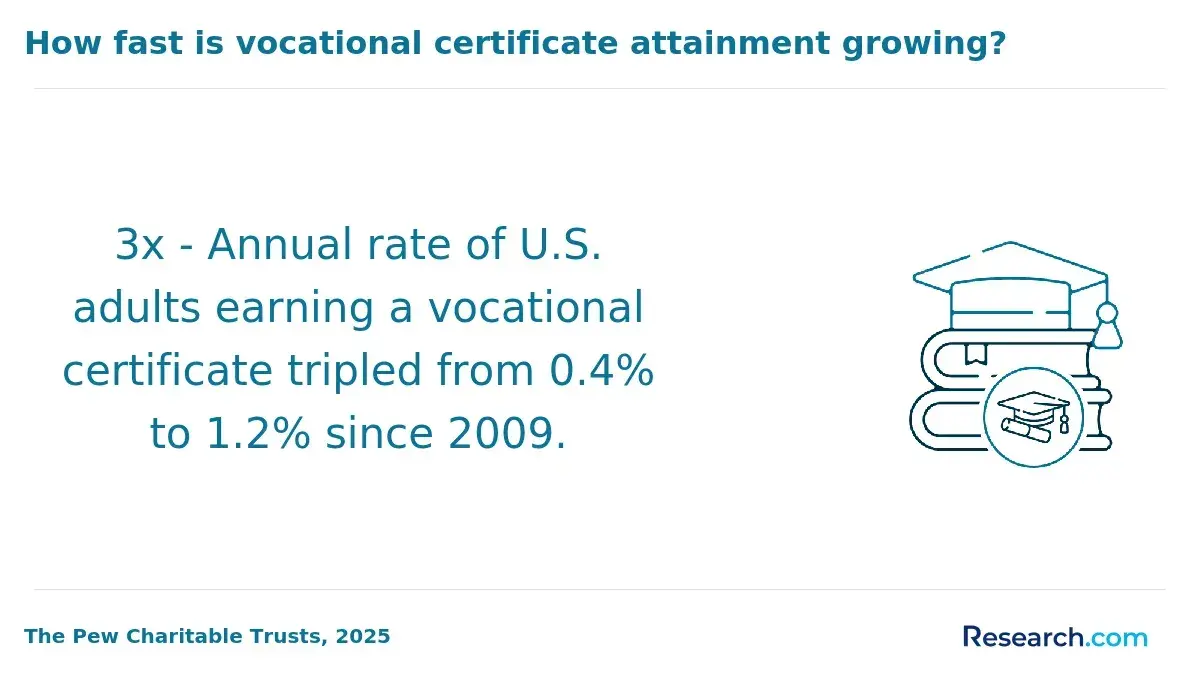
Prospective students should understand that nonprofit management programs are increasingly incorporating AI-related skills to meet evolving industry demands. Nearly 40% of these programs have updated their curricula within the past five years to include training in data analytics and artificial intelligence, reflecting a shift toward technology-driven roles in the sector. The following points highlight how these programs are adapting to prepare graduates for a tech-enhanced nonprofit landscape.
- Fundamental Coursework: Programs are adding foundational classes in data analytics and machine learning, giving students essential knowledge of AI concepts that underpin many nonprofit technologies and decision-making tools.
- Practical Case Studies: Integration of real-world examples demonstrates how AI is applied to improve fundraising, impact evaluation, and operational processes, helping learners connect theory with practice.
- Hands-On Experience: Many curricula now offer opportunities to work directly with software designed for automation in donor relations and program assessments, enhancing students' technical proficiency and job readiness.
- Industry Collaboration: Partnerships with technology-focused nonprofit projects provide students exposure to actual challenges, fostering skills that translate to workplace innovation and effectiveness.
- Ethical and Policy Gaps: Despite progress, there is limited emphasis on AI ethics and the implications of AI-related policy, which are critical areas for responsible nonprofit leadership and strategy.
Nonprofit management graduates must pursue AI-focused certifications or training to stay competitive in an evolving job market shaped by automation and data-driven decision-making. These credentials equip professionals with essential tools to enhance fundraising efforts, optimize operations, and deliver mission-driven outcomes. Below are key programs that can significantly boost AI-related skills for nonprofit careers.
- AI for Everyone by Coursera: This beginner-friendly certification introduces fundamental AI concepts and their relevance across industries, including nonprofits. It helps graduates grasp AI's practical applications without requiring a technical background, making it ideal for those new to AI integration.
- Data Science and AI Certificate by edX: Offering a comprehensive overview of data analytics and machine learning, this program trains graduates to analyze donor behavior, improve outreach strategies, and forecast program results. These skills are vital for data-informed decision-making in nonprofits.
- Certified Analytics Professional (CAP): This advanced certification focuses on interpreting complex datasets to measure nonprofit impact and support strategic planning. It strengthens analytical expertise, a critical asset for nonprofits seeking to demonstrate value and secure funding.
- Google AI and Machine Learning Crash Course: Providing practical coding experience and AI tools, this free course supports graduates who aim to implement automation in administrative tasks, enhancing operational efficiency within nonprofit organizations.
When I spoke with a graduate of a nonprofit management degree program about what certifications or training helped her adapt to AI, she shared how initial uncertainty soon gave way to empowerment. "At first, the technical jargon was overwhelming," she explained, "but diving into hands-on courses made AI feel accessible rather than intimidating." She emphasized how gaining AI skills transformed her ability to contribute to data-driven funding strategies and program evaluation. "It wasn't just about learning tools," she reflected, "it was about reshaping how I think about impact and resource allocation." This journey illustrates how deliberate upskilling can open new pathways and greater confidence in a technology-driven nonprofit landscape.
AI integration is driving notable shifts in compensation within nonprofit management careers by elevating the importance of specialized technical and strategic skills. Data shows that roles involving AI-related expertise have experienced salary increases around 12% higher than those without these capabilities. Several factors help explain these changes:
- Higher Demand for AI-Savvy Leaders: Professionals who can implement and supervise AI technologies while ensuring ethical use in mission-focused environments are increasingly sought after, leading to enhanced salary prospects.
- Automation of Routine Tasks: AI reduces time spent on administrative functions, enabling staff to concentrate on more complex, decision-intensive duties that justify greater pay.
- Emergence of Specialized Roles: New positions such as AI data strategists or impact analysts are created, often commanding premium wages due to their advanced skill requirements.
- Emphasis on Lifelong Learning: The fast-paced development of AI tools means continual skill upgrading boosts long-term earning potential for nonprofit management professionals.
These trends indicate that gaining proficiency in AI and developing strategic insight are key to achieving competitive compensation and career growth in a technology-driven nonprofit sector.
Pinpointing the highest AI-driven demand areas is vital for students and professionals evaluating nonprofit management degree pathways to align their skills with workforce needs. For example, a 2023 report from the National Council of Nonprofits found that 67% of organizations using AI have seen a significant boost in fundraising outcomes. The following highlights key sectors and regions where AI is shaping career opportunities for those pursuing nonprofit management.
- Fundraising and Donor Engagement: AI-powered tools enable nonprofits to analyze donor behavior patterns and optimize campaign strategies, enhancing both efficiency and impact. This creates growing demand for graduates skilled in leveraging automation impact on nonprofit management job roles to maximize fundraising success.
- Program Evaluation and Impact Assessment: AI systems that process large volumes of data allow nonprofits to measure social outcomes more accurately. Professionals with expertise in combining technology and social science methodologies are increasingly needed to demonstrate effectiveness to stakeholders.
- Tech-Centric Metropolitan Regions: Urban hubs like San Francisco, Boston, and Washington, D.C. lead in adopting AI-driven nonprofit solutions. These areas provide substantial job openings for nonprofit management graduates familiar with AI integration and digital transformation.
- Sector-Specific Applications: Healthcare, education, and environmental advocacy use AI for automating complex problem-solving and resource allocation. Growing reliance on machine learning in these fields demands professionals who can navigate ethical considerations and strategic technology deployment.
- Career Pathways and Education: Students considering an accelerated bachelors degree online in nonprofit management may find added advantage by focusing on AI's role in nonprofit operations. Understanding AI-driven nonprofit management career opportunities helps ensure their skills remain relevant in a rapidly evolving landscape.
Proactive planning is essential for students pursuing nonprofit management career paths where AI is widely utilized, as the integration of automation is rapidly transforming job roles and expectations. The following strategies highlight key approaches for building a future-proof career in this evolving field.
- Data Literacy: Developing strong skills in data collection, analysis, and ethical use empowers students to leverage AI-driven tools for impact measurement and informed decision-making, a crucial asset for nonprofit professionals today.
- Adaptability and Continuous Learning: Embracing a mindset open to ongoing education allows nonprofit management graduates to stay current with technological advances and shifting sector demands, ensuring long-term career resilience.
- Interpersonal and Leadership Skills: Since AI cannot replicate human empathy and relationship-building, cultivating strong communication and negotiation abilities remains vital for effective nonprofit leadership and community engagement.
- Ethical Awareness: Understanding issues like data privacy, algorithmic bias, and accountability equips professionals to responsibly navigate the challenges AI introduces in nonprofit contexts, maintaining public trust and mission integrity.
- Exploring Tech-Focused Roles: Pursuing specialized positions such as managing AI-driven fundraising platforms or digital engagement strategies opens new career pathways and aligns with emerging sector needs.
- Networking and Certification: Engaging with AI-savvy professionals and completing relevant training or certifications increases competitive advantage in the job market for nonprofit management roles in the age of automation.
Students seeking to enhance their qualifications may consider 1 year graduate programs that focus on skills and education for nonprofit management roles in the age of automation.
What Graduates Say About AI, Automation, and the Future of Nonprofit Management Degree Careers
- Kayce: "Graduating with a nonprofit management degree equipped me with essential skills to navigate AI-driven workflows effectively. Automation has streamlined many administrative tasks I used to handle manually, allowing me to focus more on strategic planning and community engagement. This shift has broadened my career opportunities in the sector more than I initially imagined. "
- Eileen: "The knowledge I gained in nonprofit management taught me how to critically assess technology's impact on organizational ethics and mission alignment. Working in an AI-integrated environment, I've learned to balance automation with human-centered decision-making, ensuring our goals remain community-focused. I view this as a pivotal advantage for long-term career growth in an evolving field. "
- Dominic: "From a professional standpoint, the incorporation of AI in nonprofit management has transformed my job responsibilities significantly. My degree provided me with data analysis and leadership skills that are crucial when automating service delivery and donor engagement. I now see automation not as a threat but as a tool for enhancing both career stability and impact."
Other Things You Should Know About Nonprofit Management Degrees
Nonprofits should adopt a written AI policy, require human review for donor and client decisions, and complete privacy and bias checks before deployment. In 2027, boards should assign oversight to a named committee, document data sources, and train staff on FERPA, HIPAA, and state privacy rules.
In 2027, AI and automation will reshape nonprofit management careers by emphasizing technical skills in data analysis and digital strategy. Professionals must adapt to new technologies while maintaining strong communication and leadership abilities to address evolving organizational needs effectively.
Nonprofits often face budget constraints and limited technical expertise when adopting AI and automation. Challenges include securing funding for technology investments, finding qualified staff, and ensuring interoperability with existing systems. Additionally, smaller nonprofits may struggle with data quality and governance, which are essential for effective AI deployment.
- AI Change Management: Strategies for Success and Adoption https://www.techclass.com/resources/learning-and-development-articles/organizational-change-management-in-the-age-of-ai-and-automation
- AI Adoption Surges in Purpose-Led Organizations - NonProfit PRO https://www.nonprofitpro.com/article/report-has-ai-adoption-reached-critical-mass-in-purpose-led-organizations/
- How Nonprofits Are Using AI to Enhance Hiring, Fundraising, and Communications | Merraine Group https://merraine.com/blog/nonprofits-using-ai-for-hiring
- How Nonprofit Professionals Can Begin to AI-Proof Their Careers https://www.nptechforgood.com/2025/06/23/how-nonprofit-professionals-can-begin-to-ai-proof-their-careers/
- Artificial intelligence and the future of work: Disruptions and opportunities https://unric.org/en/ai-and-the-future-of-work-disruptions-and-opportunitie/
- Closing the Nonprofit Funding Gap in the Age of AI https://www.bridgespan.org/insights/closing-the-nonprofit-funding-gap-in-the-age-of-ai
- Explore how AI in CSR is redefining employee engagement https://benevity.com/blog/ai-in-csr-how-artificial-intelligence-is-transforming-corporate-purpose
- AI and Jobs: Which Professions Are Most at Risk of Automation? - Inspire Academy https://inspireacademy.ai/ai-i-rabotnite-mesta-koja-profesija-e-najizlozhena-na-avtomatizacija-en-translation-2/
- Advanced Certificate in AI in Nonprofit Management https://www.lsba.org.uk/Home/CourseDetail
- Skills and Talent Development in the Age of AI https://www.jff.org/idea/skills-and-talent-development-in-the-age-of-ai/


