
2027 Highest Level of Nonprofit Management Degree You Can Achieve: Academic Progression Explained

Co-Founder and Chief Data Scientist
Many aspiring leaders in nonprofit organizations struggle to identify the highest academic credential they can pursue to advance their careers. Recent data shows that enrollment in nonprofit management degree programs rose by 12% over the past five years, reflecting growing interest in formal education for this sector. Understanding the full academic progression-from bachelor's to advanced doctoral degrees-can clarify pathways to leadership roles and specialized expertise.
This article explains the highest level of nonprofit management degree available, outlines typical academic progressions, and highlights how these credentials align with professional growth and sector demands. Readers will gain a clear roadmap to achieving their long-term educational and career goals.
Key Benefits of the Highest Level of Nonprofit Management Degree
- Achieving the highest degree in nonprofit management grants advanced expertise, enabling strategic leadership in complex organizational environments with a focus on sustainable impact.
- Doctoral-level study fosters academic influence through research, contributing innovative practices and policies that shape the future of the nonprofit sector.
- Graduates often experience increased earning potential and career flexibility, qualifying for senior roles across diverse nonprofit, governmental, and international organizations.
What is the Highest Level of Nonprofit Management Degree You Can Earn?
The highest level of nonprofit management degree you can earn is typically a doctoral degree, such as a PhD or Doctor of Business Administration (DBA) focused on nonprofit management or related fields like public administration. This credential represents the pinnacle of academic achievement, showcasing advanced expertise in theoretical frameworks, research methodologies, and strategic leadership within nonprofit organizations. Earning this degree signals deep mastery of complex nonprofit issues and a commitment to advancing the field.
This highest degree in advanced nonprofit management education is best suited for individuals pursuing senior leadership roles, academic careers as professors or researchers, or positions influencing public policy and strategy. The academic journey usually begins with an undergraduate degree in nonprofit management or a related discipline, progresses through master's programs like an MBA with a nonprofit emphasis or a Master of Public Administration (MPA), before culminating in doctoral-level original research that contributes new knowledge to the sector. Data from the National Center for Education Statistics indicates a roughly 15% increase in doctoral degrees awarded in public administration and social service fields over the last decade, reflecting growing demand for expert nonprofit leaders.
For professionals exploring diverse academic pathways, including technology-driven fields, considering various options such as ai degrees can complement nonprofit leadership skills.
What Are the Admission Requirements to the Highest Level of Nonprofit Management Degree?
Admission to the highest level of a nonprofit management degree, such as a doctoral program, is highly selective due to the advanced expertise and leadership skills required. Nearly 65% of doctoral applicants in related fields hold master's degrees before applying, reflecting the significant academic and professional foundation expected. Familiarity with admission criteria for doctoral nonprofit management programs is essential for candidates aiming to prepare strong applications.
Typical requirements for the highest level nonprofit management degree include:
- Prior Degree: A relevant master's degree is generally required, accompanied by a strong academic record, often with a minimum GPA of 3.0 or higher to demonstrate preparedness for rigorous study.
- Professional Experience: Demonstrated experience in nonprofit leadership, administration, or a closely related sector is important to show practical knowledge and readiness for advanced research.
- Research Proposal: Applicants must submit a detailed proposal outlining their intended doctoral research focus, emphasizing originality and the feasibility of their study.
- Standardized Tests: GRE scores may be requested; however, some programs waive this requirement based on an applicant's academic achievements or professional background.
- Letters of Recommendation: Multiple letters from academic mentors or professional supervisors are needed to support the applicant's skills and research potential.
- Interview: A faculty-conducted interview assesses the candidate's motivation, fit for the program, and capability to undertake advanced study.
For those exploring nonprofit management pathways, knowing the detailed admission criteria helps align career goals with academic preparation, especially since choosing affordable and relevant study options is crucial. Prospective students may find programs through resources like the cheapest online lpc programs, which can offer financial flexibility during advanced degree pursuit.

What Core Subjects Are Studied in the Highest Level of Nonprofit Management Degree?
At the highest level of a nonprofit management degree, such as a doctoral or terminal degree, the coursework becomes significantly more specialized and research-intensive compared to undergraduate or master's programs. This advanced curriculum prioritizes theoretical frameworks, complex problem-solving, and original research to prepare students for leadership roles that influence policy and strategy within the nonprofit sector. For students aiming to advance in this field, a deep understanding of core subjects is essential as these provide the foundation for transformative leadership and scholarship in nonprofit management.
- Organizational theory and behavior: This subject offers an in-depth analysis of how nonprofit organizations function internally and interact with external environments, emphasizing leadership dynamics and governance structures critical at an advanced academic level.
- Advanced research methods: Students receive rigorous training in both quantitative and qualitative research techniques, empowering them to design and conduct original studies that contribute new knowledge to the sector.
- Public policy and nonprofit regulation: This course examines detailed laws, regulations, and policies shaping the nonprofit environment, equipping scholars to influence compliance, advocacy, and systemic change effectively.
- Strategic management and leadership: Focused on long-term planning, resource allocation, and executive decision-making, this subject prepares students to lead complex nonprofit organizations with an evidence-based approach.
- Philanthropic studies and fundraising strategies: This examines advanced fundraising theories, donor psychology, and philanthropy models essential for sustaining and growing nonprofit organizations in competitive environments.
The highest level nonprofit management degree curriculum builds the skills required to innovate and shape nonprofit practices on a systemic level. For students interested in pursuing the full academic pathway in nonprofit management, including specialized research, exploring options like an online psychology degree can also provide complementary insights into behavioral dynamics relevant to donor engagement and organizational leadership.
Evaluating the length and commitment required for the highest degree in nonprofit management is essential for making informed academic and career decisions. The time needed influences not only personal schedules but also long-term professional planning.
Doctoral programs, such as a PhD or Doctor of Business Administration with a focus on nonprofit leadership, typically span from three to seven years. Full-time students tend to complete their studies within three to five years, benefitting from a more concentrated course load. Conversely, part-time students often extend beyond five years as they balance academic responsibilities with work or personal life.
A significant factor affecting duration is the research component, which usually involves a dissertation or capstone project. The scope and complexity of this scholarly work can lengthen the program, especially when contributing new insights to the field. Students entering with related master's degrees may shorten their timeline through transfer credits or by building upon existing knowledge.
Work commitments and the need for flexible scheduling also play crucial roles in extending the total time to graduation. Many programs tailored for professionals accommodate these needs, though this often means allowing extra time for completion. According to broader trends in business-related doctoral degrees, an average of five to six years to finish aligns well with nonprofit management's academic demands and structure.
Skill development at the highest level of nonprofit management studies moves well beyond foundational knowledge, emphasizing expert specialization, strategic leadership, and independent inquiry. This advanced training challenges students to think critically and innovate solutions for complex organizational and sector-wide issues.
Advanced analytical thinking: Students engage deeply with data interpretation and trend analysis to craft strategies that enhance nonprofit performance, applying rigorous evaluation to real-world challenges.
Research and problem-solving: Through original investigations, graduates generate new knowledge and practical insights, influencing nonprofit policies and practices with evidence-based solutions.
Strategic decision-making: Training focuses on anticipating future scenarios, developing long-range plans, and making impactful decisions that shape organizational success over time.
Leadership: Emphasis is placed on managing diverse teams, building coalitions, and navigating complex political and societal landscapes to drive mission achievement.
Communication: Coursework hones the ability to create compelling narratives and tailor messages for stakeholders including funders, regulators, and community members.
Ethical judgment: Students learn to tackle nuanced ethical dilemmas, establishing thoughtful frameworks for transparency and accountability.
These skills are refined through a blend of coursework, dissertation-level research, and practical leadership roles, preparing graduates for senior positions in the sector.
When asked about his experience, a professional who completed this advanced nonprofit management degree recalled the intensity of balancing research demands with practical applications. "Navigating the dissertation was daunting-each step required dissecting complex policy layers while staying grounded in community impact," he explained. He emphasized how this process cultivated resilience and adaptability, stating, "I learned not just to lead but to anticipate challenges others might overlook, which transformed how I approach nonprofit leadership." This reflection highlights the profound growth and preparation this level of education fosters.
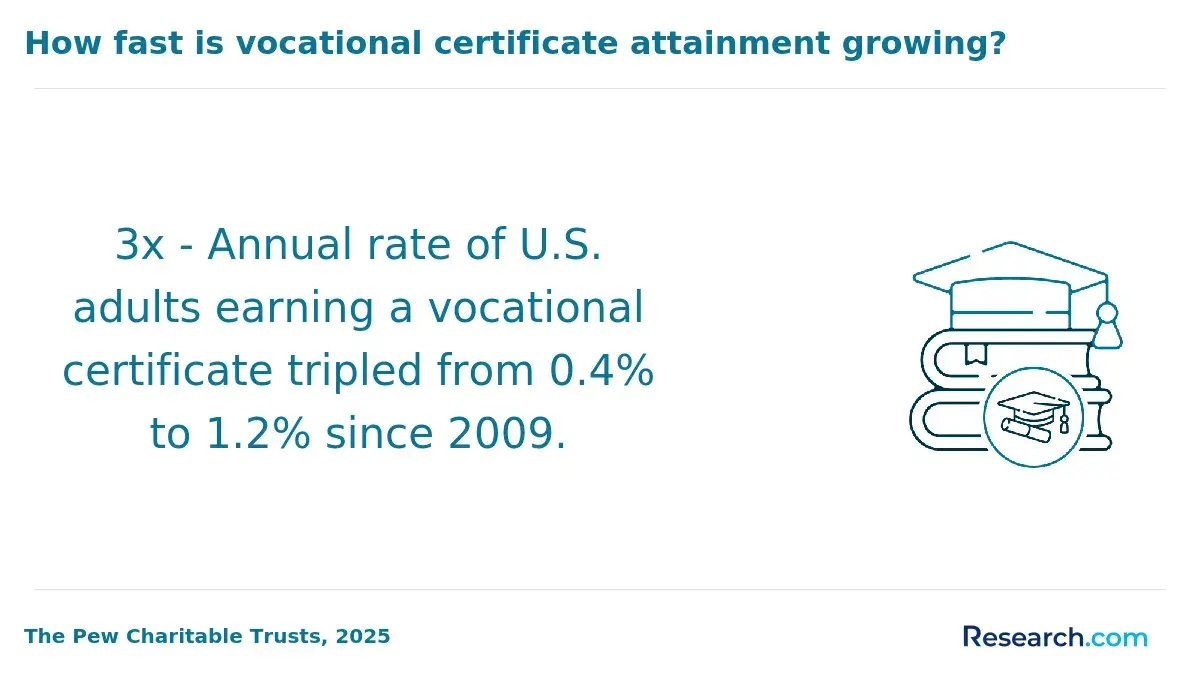
Professional certifications provide valuable credentials for graduates with the highest level of a nonprofit management degree, demonstrating specialized expertise and leadership capabilities. These certifications build on the advanced strategic, governance, and philanthropy skills developed during doctoral studies and enhance career prospects in the nonprofit sector.
Common advanced nonprofit management certifications include:
- Certified Nonprofit Professional (CNP): Offered by the Nonprofit Leadership Alliance, this certification verifies a strong foundation in nonprofit management principles, ethics, and leadership. It complements the research and policy analysis skills acquired in doctoral programs, positioning graduates for executive roles.
- Certificate in Fundraising Management: Granted by the Indiana University Lilly Family School of Philanthropy, this credential focuses on the critical area of fundraising strategy and donor relations. It aligns closely with the advanced management and operational knowledge expected from graduates with an advanced nonprofit management degree.
Professional certifications after a nonprofit management degree offer practical extensions of academic learning by setting industry standards and ethical benchmarks. Many programs encourage or require pursuing these certifications to strengthen both practical implementation skills and professional credibility.
Obtaining such recognized certifications can significantly improve career opportunities, giving graduates a competitive edge for leadership positions within nonprofit organizations. According to industry reports, employers increasingly value certifications in addition to advanced degrees, associating them with improved leadership effectiveness and organizational impact. For students exploring how to start or expand their academic journey, considering an affordable online bachelor's degree can be a practical first step.
In sum, integrating recognized professional certifications with an advanced nonprofit management degree enhances both expertise and career trajectory, making it a strategic pathway for those aiming for long-term success in the sector.
For those pursuing the highest degree in nonprofit management, recognizing potential career opportunities is essential to align advanced education with future goals. Industry trends reveal a steady rise in leadership openings within nonprofits, with roles projected to expand by nearly 12% in the coming years. This growth underscores the value of doctoral-level expertise for securing strategic positions in the field. Below is an outline of career paths typically taken by graduates holding terminal nonprofit management degrees.
- Executive Leadership: Graduates often assume senior roles such as CEOs or executive directors in major nonprofit organizations. These positions require comprehensive strategic planning skills and the ability to guide complex entities toward mission achievement.
- Academic and Research Careers: Many pursue faculty appointments at universities or engage in policy research, contributing new knowledge and shaping best practices within nonprofit studies. This path leverages their expertise in governance and organizational theory.
- Consulting Services: Experienced degree holders frequently advise nonprofits on matters including governance structures, fundraising tactics, and capacity building. Their advanced understanding helps organizations optimize operations and sustainability.
- Government and Policy Development: A terminal nonprofit management degree also prepares individuals for roles influencing public policy, designing programs, and regulating nonprofit activities. These positions require a blend of analytical and leadership capabilities to affect positive sector-wide change.
Reflecting on these possibilities, I spoke with a professional who completed the highest level of nonprofit management degree. She shared how the journey was rigorous, involving extensive research and balancing academic demands with personal commitments. "Earning the degree wasn't just about gaining knowledge," she explained, "it was about developing a mindset equipped to tackle systemic challenges in our sector."
The advanced coursework and dissertation process deepened her leadership capacity and confidence, enabling her to step into a prominent executive role that she found both rewarding and impactful. Her experience highlights how this degree can be pivotal in transforming career trajectories and enhancing one's contribution to the nonprofit ecosystem.
Salary outcomes are a crucial factor for students pursuing terminal or doctoral-level nonprofit management programs, as these degrees are designed to open doors to leadership and specialized positions with higher pay. Industry trends indicate that graduates with the highest level nonprofit management degree salary often start with competitive wages, which can grow substantially over time. Understanding these earnings helps prospective students evaluate the long-term value of advanced academic commitments.
Early-career earnings: Graduates with a doctorate in nonprofit management or related fields typically begin their careers with salaries ranging from $70,000 to $90,000. These figures balance the prestige of academic credentials with the practical experience needed to lead effectively in nonprofit environments.
Long-term earning potential: With career advancement, professionals holding the highest level nonprofit management degree salary can exceed $120,000 annually, especially in executive leadership, policy development, or specialized consulting roles. The degree positions graduates for sustained financial growth in high-responsibility roles.
Industry variation: Salary outcomes vary significantly across nonprofit sectors. Healthcare and education organizations tend to offer higher compensation compared to smaller, community-based nonprofits. This reflects differences in organizational scale, funding sources, and strategic priorities.
Leadership and specialization: An advanced nonprofit management degree is essential for roles that demand expertise in research, policy analysis, and complex organizational leadership. These positions frequently command premium salaries due to their impact and required skill sets.
Prospective students interested in exploring how education levels correlate with career earnings can also investigate online degrees that pay well to find complementary pathways within similar fields.
The average earnings for nonprofit management doctorate graduates demonstrate the significant advantage that terminal degrees provide in accessing high-level opportunities that combine professional influence with financial rewards.
Pursuing a terminal or doctoral-level nonprofit management degree requires thorough evaluation given its demanding nature. With only about 20% of nonprofit professionals holding a doctoral credential, this path reflects advanced specialization and commitment. Careful thought about your unique situation and ambitions helps ensure the degree aligns with your future.
Consider these essential factors when deciding if this level of study suits your goals:
- Career Goals: Determine if leadership roles, academic positions, or niche expertise in the nonprofit sector match your aspirations, as these degrees often prepare for such paths.
- Research Interests: Doctoral programs require dedication to original study and deep analysis; strong motivation for research is vital to succeed.
- Financial and Time Investment: Completion typically spans 3 to 7 years with significant costs, so evaluate your resources and possible funding options carefully.
- Prior Academic Preparation: A relevant master's degree usually forms the necessary foundation for advanced nonprofit management studies.
- Long-Term Benefits: Consider how the degree may enhance your influence in sector policies or open doors to higher leadership levels, balancing immediate challenges with future rewards.
Attaining the highest level of a nonprofit management degree, such as a PhD or a professional doctorate, can significantly enhance career prospects in a competitive field. With fewer than 2% of graduate students completing doctoral programs in related areas, those who do often gain a distinctive advantage in leadership roles and earning potential, reflecting the growing demand for expert knowledge in the nonprofit sector.
Holding a terminal degree equips individuals with deep expertise in nonprofit theories, strategic leadership, and policy analysis, paving the way for senior positions like executive directors, policy advisors, or academic faculty. This advanced credential offers considerable career flexibility, enabling transitions between academia, high-level administration, consulting, and advocacy. Research indicates that professionals with doctoral qualifications often help shape sector practices and lead innovative research, which can amplify their impact and salary prospects beyond median levels.
On the other hand, pursuing a doctoral degree requires a substantial commitment of time, finances, and effort. These programs usually demand several years of full-time study, intense research, and dissertation work, which can pose challenges for those balancing work and personal responsibilities. Assessing one's motivation, career objectives, and available support is essential before undertaking this journey. In some cases, a master's degree combined with professional experience may provide sufficient opportunities for advancement without the added pressures of a doctoral curriculum.
What Graduates Say About Their Highest Level of Nonprofit Management Degree
- Abel: "Completing the highest level of nonprofit management cost me a considerable investment, but the comprehensive curriculum was worth every dollar. I gained critical skills in strategic planning, financial stewardship, and leadership that have empowered me to lead impactful initiatives. This degree has truly transformed my career, opening doors to senior management roles I once thought out of reach."
- Denise: "Reflecting on the cost of the advanced nonprofit management program, I realize it was a strategic choice that paid off in skills acquisition and career advancement. The program deepened my understanding of governance, fundraising, and ethical management, which now form the core of my daily work. I'm grateful for how it enhanced my professional credibility and amplified my impact in the nonprofit sector. "
- Astrid: "The investment in the highest level of nonprofit management was significant, but the targeted competencies I developed-like program evaluation and stakeholder engagement-have been invaluable. This degree elevated my professional journey, giving me the tools and confidence to drive organizational success and make a lasting difference. It's a pivotal credential in my career portfolio."
Other Things You Should Know About Nonprofit Management Degrees
Graduates can pursue executive roles such as Chief Development Officer or Nonprofit CEO. Other paths include consultancy, academia, or specialized positions like Director of Fundraising. Networking and skills gained can open diverse opportunities across nonprofit sectors.
To enroll in a doctoral program in nonprofit management in 2027, you'll typically need a master's degree in a related field, professional experience in the nonprofit sector, and occasionally, a minimum GPA. Each institution may have specific additional requirements.
- Nonprofit Management Admission https://www.ut.edu/graduate-degrees/nonprofit-management/nonprofit-management-admission
- Master of Nonprofit and Civic Leadership https://www.drury.edu/graduate/master-of-nonprofit-and-civic-leadership/
- Accelerated Master of Nonprofit Management https://pppm.uoregon.edu/grad/accelerated-master-nonprofit-management
- Non-Profit Manager Salary & Career Growth Guide (2025) | Resumly https://www.resumly.ai/salary-guide/non-profit-manager-salary
- Nonprofit Management | An Opportunity to Change the World https://www.tuw.edu/school-news/benefits-of-working-in-nonprofit-management/
- 7 Best Nonprofit Management Courses | Charity Charge https://www.charitycharge.com/nonprofit-resources/nonprofit-management-courses/
- Nonprofit Executive Certificate - Center for Public & Nonprofit Leadership https://cpnl.georgetown.edu/nonprofit-management/
- 9 Essential Nonprofit Management Skills & Development Tips - Nonprofit Leadership Alliance https://nla1.org/nonprofit-management-skills/
- Is it Worth it to Get a Master's in Nonprofit Leadership? https://www.pacificu.edu/blog/it-worth-it-get-masters-nonprofit-leadership
- 5 Benefits of Nonprofit Leadership and Management Courses - NonProfit PRO https://www.nonprofitpro.com/post/5-benefits-of-nonprofit-leadership-and-management-courses/


