2027 Nonprofit Management Degree vs. Certificate: Which Should You Choose?

Co-Founder and Chief Data Scientist
Today's students and professionals face important decisions when choosing between earning a degree or a certificate in nonprofit management. Both options can advance a career in this growing sector, where effective leadership is crucial. A degree typically offers a broader curriculum, while certificates focus on specialized skills and can often be completed more quickly.
Approximately 40% of nonprofit professionals hold formal education in nonprofit management, reflecting the field's increasing demand for expertise. This article will compare the key differences in time commitment, cost, and career impact to help readers select the best path for their goals and lifestyle.
Key Points About Nonprofit Management Degree vs. Certificate Programs
- Degree programs offer comprehensive skill development and theoretical grounding, often leading to higher salary potential and leadership roles compared to certificate holders.
- Certificates provide focused, practical training suited for career changers or those seeking quick upskilling without a lengthy commitment.
- While degrees typically require 2-4 years, certificates can be completed in months, impacting time investment and professional advancement speed.
What Are the Differences Between Nonprofit Management Degree and Certificate Programs?
Both nonprofit management degrees and certificate programs offer valuable career opportunities, but they differ in several important ways. Understanding these differences can help students decide which option aligns best with their professional goals and time availability.
Here is a comparison of the main distinctions between nonprofit management degrees and certificate programs:
- Career Advancement: Degrees typically provide a broader academic foundation, supporting long-term career growth and eligibility for higher-level positions. Certificates focus on practical skills for immediate application, suiting professionals aiming to enhance specific competencies quickly.
- Depth of Learning: Degree programs delve deeply into theories, policies, and leadership concepts, offering comprehensive knowledge. Certificate courses concentrate on targeted areas, ideal for those seeking concise training within a limited timeframe.
- Time Commitment: Earning a degree usually requires a significant time investment, which benefits students prepared for a multi-year educational journey. Certificates are shorter, flexible options designed for busy individuals needing accelerated learning.
- Cost-Effectiveness: Certificates are generally less expensive and allow learners to gain skills without the extensive financial burden of a degree. Degrees may have higher costs but provide extensive credentials valued in some nonprofit sectors.
How Long Does It Take to Complete a Nonprofit Management Degree vs. a Certificate Program?
Completion time is a key consideration for students choosing between a nonprofit management degree vs. certificate program. Understanding the average time to complete a nonprofit management degree compared to a certificate helps clarify which option fits different career goals and life circumstances.
- Typical Duration: A bachelor's degree in nonprofit management generally requires about four years of full-time study, though some students may finish in as few as two years with prior credits. In contrast, a nonprofit management certificate program length is often much shorter, ranging from a few weeks to several months.
- Flexibility: Degree programs tend to follow a structured academic calendar, with part-time study extending completion timelines-sometimes up to six years for bachelor's or three years for master's degrees. Certificates are often designed for working professionals, allowing more flexible, self-paced study that can shorten the timeline significantly.
- Factors Affecting Timeline: Prior education, transferable credits, and relevant professional experience can accelerate completion in both degrees and certificates. For example, graduate certificates may take 1-1.5 years but could be finished sooner if courses are taken consecutively or if students have relevant credits.
For those seeking accelerated options, consulting resources like the best accelerated online associate degree programs can provide additional pathways to expedite degree completion.

Can You Complete a Nonprofit Management Degree or Certificate Entirely Online?
Online education has expanded rapidly, allowing students to complete various programs remotely. Both a nonprofit management degree and certificate can be pursued fully online, reflecting this trend.
Notable examples include the University of Central Florida's fully online bachelor's degree in nonprofit management, while Drexel University and Columbia University offer online master's programs in the field.
Additionally, online nonprofit management certificate options are available from institutions like Southern New Hampshire University and Molloy University. These certificate programs often require fewer courses-sometimes as few as six-and can be completed in under a year, providing a flexible path for career advancement.
When selecting between an online degree and certificate, it's important to consider elements such as hands-on training and internship requirements. Many degree programs include internships or capstone projects that may be completed through virtual placements or local partnerships.
Certificates typically emphasize theoretical knowledge and practical skills without mandatory internships, making them more adaptable for working professionals.
Prospective students should evaluate whether their goals include supervised fieldwork or licensure preparation, as these needs may influence whether an online, hybrid, or on-campus program is most suitable.
For those exploring advanced education, reviewing easiest master degrees can also help identify realistic pathways in nonprofit studies.
Admission requirements play a crucial role when deciding between a nonprofit management degree and a certificate program, as they indicate eligibility criteria and competitiveness. Understanding these differences helps applicants determine the best fit for their academic and career goals.
Below is a side-by-side comparison of the admission requirements for both program types.
Admission Requirements for Nonprofit Management Degree Programs
- Educational Background: A bachelor's degree from a regionally accredited college or university is typically required.
- Undergraduate GPA: Most programs expect a minimum GPA around 3.0 on a 4.0 scale; some accept conditional admission for GPAs slightly below this threshold. For example, Liberty University's Master of Nonprofit Management requires at least a 3.0 GPA, with academic caution status for GPAs above 2.5.
- English Proficiency: Non-native English speakers must provide proof of proficiency via standardized tests like TOEFL, IELTS, or Duolingo scores.
- Transcripts: Official transcripts from all previously attended institutions are mandatory.
- Application Materials: Applicants generally submit an online application and may also need to provide a statement of purpose, resume, or letters of recommendation.
Admission Requirements for Nonprofit Management Certificate Programs
- Educational Background: Usually requires a bachelor's degree from an accredited institution, with more flexibility in the field of study.
- Undergraduate GPA: Certificate programs often have lower GPA requirements, such as 2.75 or 3.0 in the last two years of undergraduate study, with conditional admission possible for those with relevant nonprofit experience but lower GPAs.
- Professional Experience: Many certificate programs prefer or require prior nonprofit work, volunteer experience, board service, or offer in-program internships as substitutes.
- Application Materials: Requirements tend to be less extensive, often limited to an application form, transcripts, and sometimes a short statement or resume.
- Rolling Admissions: Flexible start dates and rolling admissions make certificate programs more accessible to working professionals.
Meeting the nonprofit management degree admission requirements in the US generally involves a more competitive and comprehensive process than the certificate program requirements for nonprofit management in the United States.
For those interested in accelerated education pathways, considering an accelerated associate's degree online might also be beneficial depending on one's background or career timeline.
Knowing the credit requirements for nonprofit management programs is essential for students to effectively plan their study schedules and balance other commitments. Comparing the typical credit loads for degrees versus certificates offers clarity on the time and effort needed to complete each path.
Below is a comparison outlining the usual credit expectations for nonprofit management degrees and certificate programs:
- Degree Credit Load: Nonprofit management degrees commonly require between 36 and 52 graduate or undergraduate credits, reflecting coursework depth over two to four years.
- Certificate Credit Load: Graduate certificates usually demand 12 to 18 credits, allowing for completion in under a year and fitting well with professional schedules.
When asked about his experience, a student pursuing a nonprofit management certificate explained, "Choosing the certificate was a strategic decision. I needed specialized skills quickly without committing to a full degree."
He noted the challenge of balancing coursework with a full-time job but appreciated the program's focused structure and shorter timeframe. "The pace was intense but manageable, and I felt the curriculum really targeted practical aspects that I could apply immediately at work."
The flexibility and credit requirements made the certificate an ideal fit for his career advancement goals, reflecting how credit expectations shape educational choices in nonprofit management.
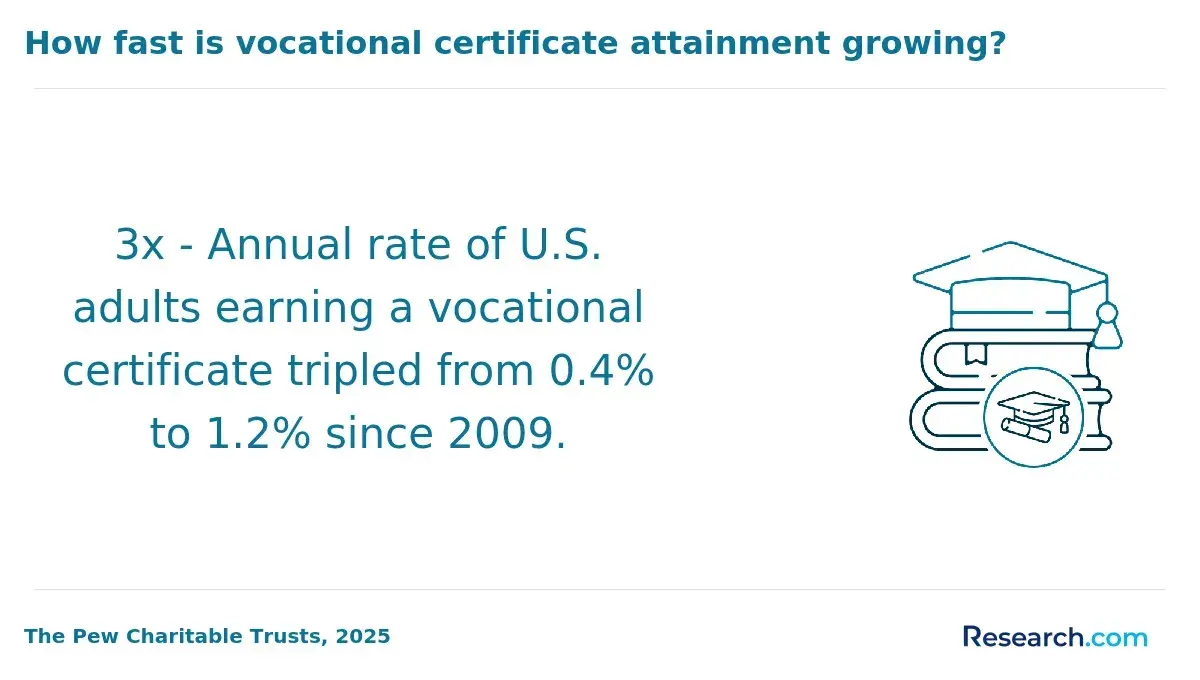
Tuition costs play a crucial role when deciding between pursuing a degree or a certificate in nonprofit management, as they directly affect your financial investment and potential career returns. Comparing typical tuition ranges and other factors can help you make an informed decision aligned with your budget, goals, and timeline.
Below is an overview of the average tuition for nonprofit management degree programs versus certificate programs, highlighting their differences.
Average Tuition for Nonprofit Management Degree Programs
- Bachelor's Degree Range: Tuition typically ranges from $15,000 to $90,000 for the full program, varying by institution type and residency status, with public universities usually charging less than private institutions.
- Master's Degree Range: Master's programs often cost between $15,000 and $78,000 total. The cost is influenced by factors like program prestige and whether the program is full-time or part-time.
- Cost Per Credit: Graduate tuition may be charged per credit or course, with prices ranging widely. For example, per-credit rates can be as high as approximately $2,700, while some online programs offer lower per-course fees.
- Influencing Factors: Delivery format (online versus on-campus), enrollment status, and school reputation heavily impact tuition. Prestigious private schools generally have higher costs than public institutions.
- Financial Aid Impact: Scholarships and aid can substantially lower costs, sometimes reducing bachelor's degree tuition to around $10,000-$22,000 after aid.
Average Tuition for Nonprofit Management Certificate Programs
- Tuition Range: Certificates usually cost much less, typically between $1,000 and $7,000, depending on institution and course requirements. This reflects their shorter length and fewer credits needed.
- Program Length: Most certificates consist of 3-8 courses, which contributes to their lower tuition compared to degree programs.
- Format and Flexibility: Certificates are often offered online or in hybrid formats, reducing campus fees and increasing affordability.
- Public vs. Private Costs: Public universities and community colleges often offer lower tuition for certificates, sometimes as low as $1,000-$3,000 for in-state students.
- Additional Fees: While minor administrative or technology fees may apply, they are generally limited compared to degree tuition expenses.
When examining the average tuition for nonprofit management degree programs and the nonprofit management certificate cost comparison, it is important to also consider program length and delivery mode.
For students seeking affordable options, exploring options such as cheap online colleges that accept financial aid can provide further assistance in managing costs effectively.
Certificate credits can often be transferred toward a nonprofit management degree, but this depends on several key criteria. Transferability is influenced by institutional policies, as some schools require both programs to be within the same department or institution.
Accreditation is another important factor; credits must generally come from accredited programs. Additionally, courses need to be relevant and equivalent to degree requirements to qualify for transfer.
Other important considerations include transfer credit limits, which typically range between 9 and 15 credits. Most institutions also impose minimum grade requirements, commonly a "C" or better, for credits to be eligible for transfer.
It is essential to verify transfer policies with academic advisors or admissions offices before enrolling, since rules differ widely across schools. Confirming transfer options beforehand helps students make informed decisions and get the most value from their educational investments.
When I spoke with a student who moved from a nonprofit management certificate to a master's degree program, she shared how navigating the transfer process involved careful planning and communication.
Although hopeful that all credits would transfer, she discovered some courses didn't meet the strict curriculum match her graduate program required. "It was a bit frustrating at first, but having clear conversations with advisors helped me understand which credits counted and why," she recalled.
Ultimately, she felt positive about how the certificate accelerated her path, emphasizing the importance of early verification and flexibility in planning her academic journey.
Certificate programs in nonprofit management are not accredited in the same manner as degree programs like bachelor's or master's degrees. Degree programs undergo evaluation by recognized regional accrediting agencies that assess the entire institution's academic standards, transfer policies, and qualification for federal aid.
In contrast, nonprofit management certificates are often offered by universities or online providers but may not be covered by these broad accreditation processes. While certificates from reputable universities benefit from the school's overall accreditation, the certificate itself typically lacks individual accreditation.
These programs are generally designed for professional development, completed quickly, and emphasize practical skills rather than formal academic credentials.
Accreditation matters because it guarantees the quality and legitimacy of an educational program, affects the ability to transfer credits to further studies, and influences job prospects or advancement opportunities.
When choosing a program, students should verify if the institution has regional or national accreditation and whether the certificate credits can count toward a degree. Evaluating the faculty's expertise and curriculum relevance is also crucial.
To ensure the credential supports career goals, students should confirm the program's accreditation status through officially recognized bodies before enrolling.
Both nonprofit management degrees and certificates can lead to rewarding careers in the nonprofit sector, though they often prepare graduates for different types or levels of positions. Understanding the distinct career opportunities each credential supports can help you make an informed decision about your education path.
Here is a comparison of common roles accessible with a degree versus a certificate in nonprofit management.
Jobs You Can Get with a Nonprofit Management Degree
- Executive Director: Oversees all aspects of an organization's operations, strategy, and staff management to fulfill its mission.
- Program Director: Manages multiple programs, ensuring they meet organizational goals while coordinating resources and personnel.
- Development Manager: Leads fundraising efforts and donor relations to secure financial support for the nonprofit.
- Director of Operations: Supervises daily activities and optimizes organizational processes for efficiency and impact.
- Grants Manager: Handles the application and management of grant funding, maintaining compliance and reporting.
- Nonprofit Consultant: Provides expert advice to help organizations improve strategy, governance, or program effectiveness.
Jobs You Can Get with a Nonprofit Management Certificate
- Program Coordinator: Supports the planning and execution of specific projects or initiatives within the nonprofit.
- Fundraising Specialist: Focuses on generating donations through campaigns, events, and donor communications.
- Grant Writer: Develops compelling proposals to secure funding from foundations and government agencies.
- Volunteer Manager: Recruits, trains, and supervises volunteers to assist in various organizational activities.
- Community Outreach Coordinator: Builds relationships with stakeholders and promotes the organization's programs locally.
- Board Liaison: Acts as a communication link between the board of directors and nonprofit staff members.
Salary potential often varies significantly between nonprofit management certificate holders and those with degrees. Understanding these differences can help prospective students weigh their options carefully.
A clear side-by-side comparison of average starting salaries for graduates of certificate programs versus degree programs illustrates these trends.
- Typical Salary Range: Nonprofit management certificate salary increase typically starts between $40,000 and $55,000 annually, reflecting entry-level roles such as development coordinator or outreach specialist.
- Degree Salary Advantage: The average nonprofit management degree salary is higher, with bachelor's graduates earning between $50,000 and $65,000 and advanced degree holders, like those with Master of Public Administration, reaching $70,000 or more.
- Experience: Prior nonprofit or related experience can boost starting offers for both certificate and degree holders, influencing the salary outcome.
- Industry and Organization Size: Larger nonprofits or sectors like health, education, and international work generally pay more than smaller, local organizations.
- Location: Salaries are typically higher in urban areas and regions with a higher cost of living.
- Career Outlook: Degree graduates often qualify for broader leadership positions such as program manager or assistant director, providing greater long-term advancement prospects.
- Educational Path Flexibility: For those considering combining credentials, pursuing a dual post graduate degree may enhance career and salary potential.
Here's What Graduates of Nonprofit Management Programs Say About Their Degree or Certificate
- Jackie: "Pursuing the nonprofit management certificate allowed me to quickly gain essential skills without the heavier time commitment of a degree. I appreciated the focused learning experience and the affordable cost, which was important to me as I balanced work and study. While it didn't provide the depth of a degree, it gave me the practical tools needed to advance in my current nonprofit role. "
- Kaizen: "Choosing the nonprofit management degree was a significant investment, both financially and in terms of time, but it offered a comprehensive learning pace that deepened my understanding of nonprofit operations. The degree opened more doors career-wise, providing a credible credential that employers respect. Reflecting on the cost, I feel it was worth it given the broader opportunities it created for me in leadership positions. "
- Perry: "Having completed both the certificate and degree programs in nonprofit management, I can confidently say each serves different purposes. The certificate program was great to quickly bolster my skills and knowledge, which was cost-effective and fast. Meanwhile, the degree program pushed me into strategic thinking and long-term planning in the sector. Balancing cost and career goals is key, and combining both really enhanced my professional trajectory. "
Other Things You Should Know About Nonprofit Management Degrees
Most nonprofit management certificates require 12 to 18 credit hours, usually in fundraising, volunteer management, nonprofit finance, grant writing, and ethics. Some programs also include a capstone project or internship. Graduate certificates often require a bachelor’s degree for admission.
Some nonprofit management certificate programs are designed to allow credit transfer toward a related degree, but this depends on the institution's policies. It is important to verify if the certificate credits are transferable before enrollment to avoid duplicating coursework.
Financial aid options for nonprofit management certificate programs vary widely and are often less comprehensive than those for degree programs. Some institutions offer scholarships, employer reimbursement, or flexible payment plans, but students should carefully explore funding opportunities before enrolling.
- Nonprofit Education: certification vs degrees in the nonprofit sector https://postalgia.ink/nonprofit-education-certification-vs-degrees-in-the-nonprofit-sector/
- Graduate Certificate in Nonprofit Management https://clas.wayne.edu/politicalscience/grad/npm
- Nonprofit and Mission-Driven Management (Certificate) https://www.iit.edu/academics/programs/nonprofit-and-mission-driven-management-certificate
- Cert Nonprofit Mgmt (SD) https://www.umassglobal.edu/academic-programs/cert-nonprofit-mgmt-sd
- Nonprofit Management Careers - College of Community Innovation and Education https://ccie.ucf.edu/public-administration/nonprofit-management/careers/
- 7 Popular Nonprofit Management Careers & Their Salaries https://graduate.northeastern.edu/knowledge-hub/nonprofit-management-careers/
- Nonprofit Management Graduate Certificate https://cps.uccs.edu/academics/public-admin/nonprofit-mgmt
- Graduate Certificate in Nonprofit Management https://pppm.uoregon.edu/grad/certificate/nonprofit-management
- Advancing Your Nonprofit Career: Certificate in Leadership vs. Certificate in Nonprofit Management — Which is right for you? | Nonprofit Leadership Center of Tampa Bay https://nlctb.org/tips/choosing-the-right-nonprofit-certificate-program/