
2027 GPA, Test Scores, and Experience Needed for Nonprofit Management Degree Programs

Co-Founder and Chief Data Scientist
Many applicants for nonprofit management degrees worry that a lower GPA or lack of standardized test scores will bar them from admission. For example, prospective students with work experience but inconsistent academic records often question their competitiveness. According to a recent survey, over 60% of nonprofit management graduate programs have adopted test-optional policies, emphasizing experience and leadership qualities instead. This shift reflects the sector's focus on practical skills alongside academic performance.
This article explores GPA thresholds, test score requirements, and experiential expectations across programs, helping readers identify the best paths to admission and success in nonprofit management education.
Key Things to Know About GPA, Test Scores, and Experience Needed for Nonprofit Management Degree Programs
- Most nonprofit management programs favor a minimum GPA of 3.0, reflecting the rigorous analytical and leadership skills required in the field.
- Test scores are increasingly optional, with over 60% of programs adopting test-optional policies to broaden access and emphasize holistic candidate evaluation.
- Relevant professional or volunteer experience is highly valued, often compensating for lower GPA or test scores, highlighting practical nonprofit sector engagement.
What Are the Admission Requirements for Nonprofit Management Degree Programs?
Applicants for nonprofit management degree programs should be aware that admission requirements are evolving to become more flexible, with many schools adopting holistic review processes. This approach looks beyond traditional academic metrics to better understand each candidate's potential contributions. Being familiar with typical expectations can help applicants prepare their materials effectively and meet necessary deadlines.
Common components of the nonprofit management admissions process include:
- Application materials: Candidates must submit formal applications along with official transcripts to verify completion of prerequisite coursework. Supporting documents like letters of recommendation are typically required to assess academic and professional qualities.
- Personal statement: An essay or statement allows applicants to express their motivation for pursuing nonprofit leadership and outline career goals. This narrative adds context beyond grades and test scores, which many programs consider as part of their holistic review.
- Deadlines and evaluation: Meeting application deadlines is essential since late submissions often are not accepted. Admissions committees generally follow specified timelines to evaluate all materials thoroughly before making decisions.
- Eligibility criteria: Most programs expect candidates to hold a bachelor's degree or equivalent from an accredited institution. Though standards vary, some expect coursework related to social sciences or management, reflecting the interdisciplinary nature of nonprofit management.
Those comparing nonprofit management degree admission requirements should note the generally increasing flexibility regarding GPA and test scores for nonprofit programs. For additional guidance on graduate admissions trends, especially in related fields, exploring resources like ai degree online programs can provide helpful insights.
What GPA Do You Need for a Nonprofit Management Degree Program?
Most nonprofit management degree programs typically require a minimum GPA of around 2.5 to 3.0 on a 4.0 scale for admission. However, this minimum often represents the bare eligibility threshold rather than the average GPA of admitted students. Competitive applicants usually present GPAs closer to 3.3 or higher, reflecting stronger academic performance. GPA expectations can vary depending on the institution, program specialization, and whether the program is offered online or on-campus, so prospective students should consider these factors when assessing minimum GPA requirements for nonprofit management programs. For those interested in flexible learning paths, exploring options such as an engineering degree online can offer useful comparisons in understanding how program delivery impacts admission criteria.
Admissions committees generally take a holistic approach when reviewing applications, considering more than just the numerical GPA. They assess factors such as the rigor of completed coursework, especially in relevant fields like public administration or social sciences, as well as whether the applicant shows an upward trend in grades over time. This comprehensive evaluation helps distinguish candidates who demonstrate potential beyond their overall GPA. The average GPA for admission to nonprofit management degrees is therefore not the sole determinant; experience and academic progression also weigh significantly in admission decisions.
Do Nonprofit Management Degree Programs Require the GRE or GMAT?
Standardized tests like the GRE and GMAT are commonly used in graduate admissions to provide a consistent benchmark of critical thinking, quantitative abilities, and verbal reasoning. These exams help admissions committees fairly evaluate applicants from a wide range of educational backgrounds. Below are key considerations regarding GRE and GMAT requirements for nonprofit management degrees.
Admissions policies vary widely, so here are important points to note:
- Test-Optional Policies: Many nonprofit management programs do not strictly require GRE or GMAT scores, especially at the master's level, often allowing applicants with strong academic records or relevant professional experience to bypass testing.
- Program Specialization: Programs emphasizing research or specialized nonprofit tracks may request standardized test scores to better assess analytical and critical thinking skills.
- Professional Experience: Significant work experience in the nonprofit sector often compensates for the absence of or low test scores, demonstrating practical knowledge and leadership potential.
- Admissions Flexibility: Schools increasingly recognize diverse applicant backgrounds, offering alternatives like portfolios, interviews, or writing samples to evaluate candidates beyond standardized tests.
Prospective students wondering do nonprofit management programs require standardized tests should review each program's policies carefully. For those exploring related disciplines, resources on the mft degree may offer additional insights into graduate admission flexibility and expectations.
Many nonprofit management programs prefer applicants to have relevant professional experience, with about 60% favoring candidates who bring practical work backgrounds. This preference helps ensure students enter programs with a solid understanding of the nonprofit sector, but experience requirements vary widely.
Below are key aspects of how work experience influences admissions decisions:
- Experience Expectations: Typically, one to two years of professional experience in nonprofit or public service fields is favored, though this is not always mandatory.
- Recent Graduates: Applicants without direct work experience may still be admitted if they have strong academic records or demonstrate commitment through other means.
- Alternative Credentials: Volunteer activities, internships, or related service can sometimes substitute for formal employment, showcasing dedication and practical skills.
- Program Flexibility: Online programs generally offer more leniency regarding experience than traditional on-campus options.
- Specialization Impact: Certain nonprofit management tracks-such as fundraising or policy-may have distinct expectations for relevant experience based on their focus.
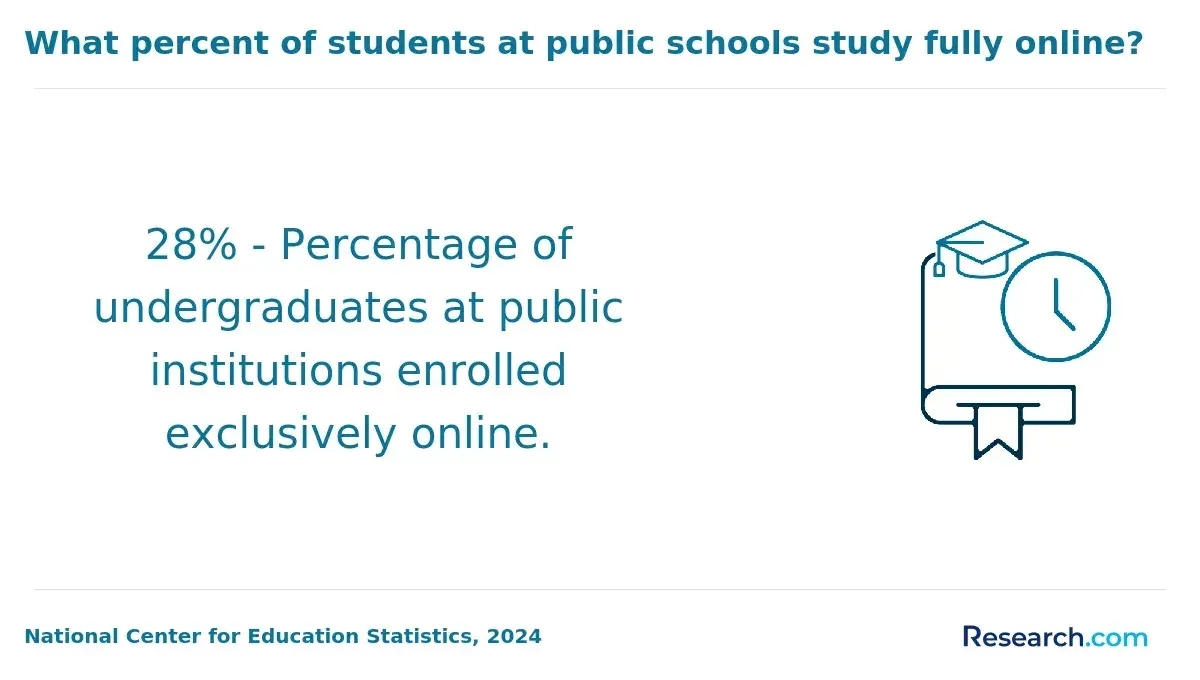
Admission requirements for online nonprofit management programs share many similarities with traditional campus-based programs but tend to offer greater flexibility to accommodate working adults. Enrollment in online graduate programs increased steadily by more than 5% annually before 2020, reflecting a shift toward accessible education for diverse student populations. This dynamic influences how admissions criteria balance academic performance with professional experience.
Here are some key ways online nonprofit management admissions may differ:
- GPA Expectations: Online programs often adopt a more holistic review process, sometimes accepting lower GPAs or placing greater weight on work experience rather than relying solely on academic metrics.
- Standardized Testing: GRE or GMAT requirements are frequently waived or optional for online applicants, recognizing that career accomplishments can demonstrate preparedness as effectively as test scores.
- Professional Experience: Admissions committees may request detailed resumes or portfolios to assess leadership skills and practical experience relevant to nonprofit work, emphasizing real-world competencies.
- Application Materials: Essays and interviews often focus on applicants' career goals, challenges overcome, and leadership potential instead of purely academic achievements, catering to a mature, career-oriented cohort.
- Flexibility in Prerequisites: Some programs accommodate candidates from various academic backgrounds by waiving or modifying prior coursework requirements, supporting broader access.
A graduate of an online nonprofit management program shared that his application process was both reassuring and rigorous. He recalled initially worrying about his GPA not meeting traditional standards but found the program valued his decade of leadership experience instead. The emphasis on submitting a comprehensive professional portfolio and reflecting on his career through essays helped him feel confident about his fit. "It wasn't just about numbers on paper," he explained, "but about showing who I was as a leader and how I could contribute." This approach eased his transition into graduate study while underscoring the program's commitment to adult learners with diverse experiences.
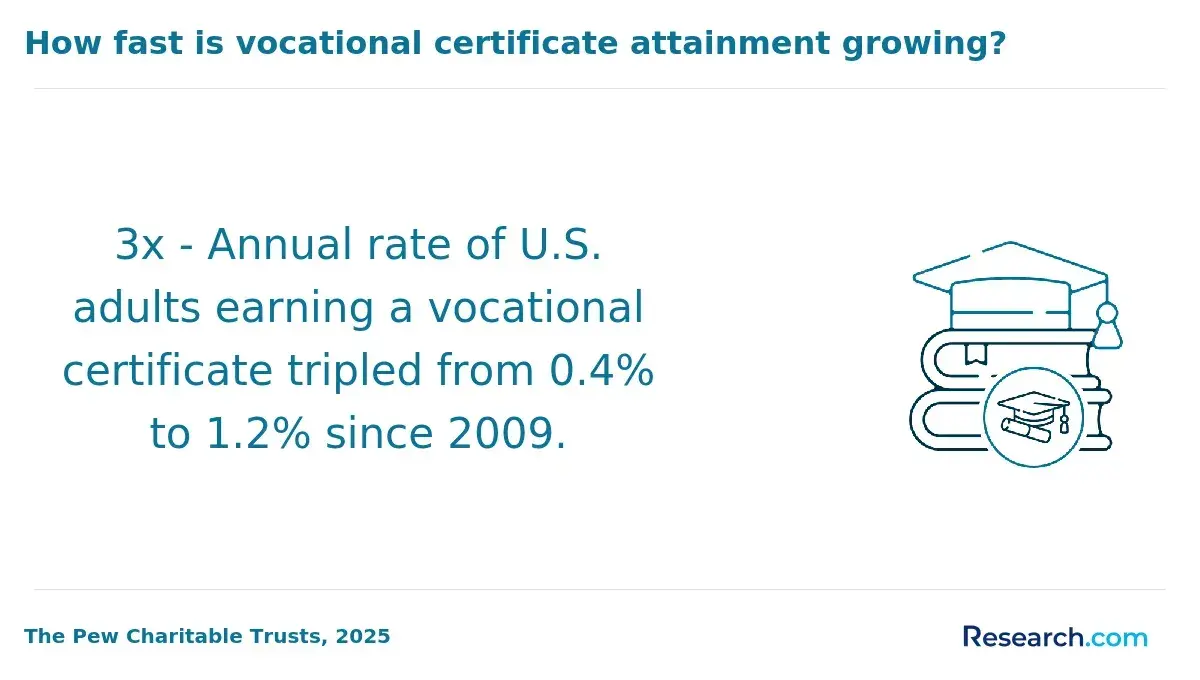
Most nonprofit management degree programs require applicants whose first language is not English to demonstrate their English proficiency, with about 70% requesting official test scores such as TOEFL or IELTS. However, an increasing number of programs accept other forms of proof to confirm language skills, reflecting growing flexibility in admissions standards.
Key considerations for English proficiency verification include:
- Standardized tests: Commonly accepted exams include TOEFL, IELTS, and Cambridge English assessments, with typical minimum scores ranging from 80 to 100 on the TOEFL iBT and 6.5 to 7.0 on the IELTS scale.
- Test waivers: Candidates who have earned prior degrees from institutions where English is the primary language or have significant professional experience using English may be exempt from submitting test scores.
- Alternative evidence: Completion of intensive English language programs or documented work experience in English-speaking settings can sometimes substitute for standardized testing requirements.
- Program format differences: On-campus programs often hold stricter standards, whereas many online nonprofit management programs offer more leniency in demonstrating English proficiency.
Costs connected to applying for nonprofit management degree programs can accumulate quickly, including fees for applications, testing, and preparing required documents. Recent studies show that the average graduate program application fee in the U.S. falls between $50 and $100 per submission, though additional expenses often increase the total investment.
Common fees applicants should anticipate include:
- Application fees: These typically range from $50 to $100 and cover the administrative processing of your application. Many schools offer waivers for candidates facing financial hardship, but these fees are generally mandatory.
- Standardized test fees: Programs might require exams such as the GRE, which cost around $205. That said, some nonprofit management programs waive this requirement, reducing upfront costs for applicants.
- Transcript evaluation fees: If your academic credentials come from outside the U.S., expect to pay between $100 and $200 to have your transcripts officially assessed for equivalency.
- English proficiency exams: Non-native English speakers often need to take tests like TOEFL or IELTS, priced roughly between $180 and $250, to confirm language proficiency.
- Document preparation: Additional expenses arise from obtaining, notarizing, or translating academic records. These costs vary widely depending on individual circumstances but are often necessary during the admissions process.
When discussing how much these admission costs affected her, a graduate of a nonprofit management degree shared that budgeting for the application process was a real challenge. She recalled, "It wasn't just one fee but a combination of small expenses that added up unexpectedly." Navigating requirements like obtaining official transcripts and arranging for translations demanded both time and additional funds she hadn't initially planned for. Despite these hurdles, she found value in preparing thoroughly, noting that "the experience taught me patience and careful planning, which turned out to be invaluable as I progressed through the program." Her reflection highlights that while upfront costs may seem daunting, managing them strategically can ease the path toward enrollment and success.
Many nonprofit management degree programs admit students with diverse academic profiles to enrich their learning environments by incorporating a wide range of perspectives and talents. To support these students and promote retention and success, institutions often provide targeted academic resources that address potential gaps in preparation. The following are common types of academic support offered to students with lower GPAs, test scores, or limited professional experience.
- Tutoring and skill reinforcement: Tutoring sessions focus on essential skills relevant to nonprofit management, such as writing, research methods, and quantitative analysis, helping students build confidence and competency.
- Bridge or foundational courses: These courses cover fundamental topics that students may have missed in previous education, preparing them for more advanced coursework and ensuring a solid academic base.
- Advising and mentoring: Personalized guidance helps students navigate academic progress and career planning, often addressing unique challenges faced by those admitted with lower metrics.
- Skills workshops: Workshops focus on time management, study strategies, and professional communication to improve students' effectiveness in academic and real-world settings.
- Early intervention and probation policies: Close monitoring of academic performance allows timely support to prevent students from falling behind, encouraging persistence and degree completion.
These examples illustrate the range of academic support programs for nonprofit management students that enhance accessibility and equity. Programs offering such admissions support for students with low GPA and test scores recognize that diverse backgrounds can contribute meaningfully to the field.
Prospective students interested in advancing their education might also explore options like online phd programs in organizational leadership, which similarly consider holistic admissions criteria and provide support tailored to varied academic histories.
Speaking directly with admissions counselors before applying to a nonprofit management degree program helps clarify expectations, strengthen applications, and avoid costly surprises. This approach is valuable because recent data shows that 62% of admissions decisions now incorporate holistic reviews beyond traditional metrics like grades or test scores.
Prospective students should prepare thoughtful questions to maximize their meetings. Here are key inquiries to consider:
- How flexible are admission criteria? Understanding minimum GPA requirements for nonprofit management programs, standardized test scores needed for admission, and the role of prior work experience can reveal if exceptions or holistic considerations are possible, easing the stress of rigid thresholds.
- What prerequisite coursework is needed? Inquiring about essential foundation classes ensures your academic background aligns with program demands and helps avoid delays or additional expenses caused by missing requirements.
- What program formats and schedules exist? Knowing if part-time, online, or evening options are available lets working professionals balance education with responsibilities. This flexibility supports timely progress without interrupting careers.
- Are there hidden costs or financial aid options? Asking about fees beyond tuition and available financing prevents unexpected expenses. Understanding support services like tutoring or career counseling also improves graduation rates and employment outcomes.
- What academic and career support is offered? Investigate resources that assist with job placement, internships, and skill development to ensure a successful transition post-graduation.
For those considering further certification, exploring what certifications can I get online may complement your nonprofit management credentials and broaden career prospects.
Applicants frequently believe that nonprofit management programs with more selective admissions lead to higher salaries, linking competitiveness to prestige and academic rigor. Yet, a 2022 workforce study reveals that graduates from a variety of programs report median starting salaries ranging from $45,000 to $65,000, with only slight differences related to how selective the program is.
The connection between admissions criteria and earnings is influenced by several factors:
- Institutional reputation: Prestigious programs can enhance employer perceptions, which might improve salary offers but do not guarantee higher earnings.
- Curriculum specialization: Programs that emphasize rigorous and relevant coursework often equip students with in-demand skills that can boost earning potential.
- Networking opportunities: Well-connected alumni communities in selective programs may support career growth and salary increases through professional relationships.
- Employer priorities: Hiring managers often weigh practical experience and demonstrated skills more heavily than admissions difficulty when determining compensation in the nonprofit sector.
- Admissions limitations: Entrance standards fail to account for personal drive, leadership abilities, or market trends, all crucial in shaping long-term income.
What Graduates Say About Their GPA, Test Scores, and Experience Needed for Nonprofit Management Degree
- Jayce: "Getting into the nonprofit management program was challenging at first-I had to maintain a 3.2 GPA and showcase my volunteer experience since standardized tests weren't required. The entire cost, from application fees to graduation, was around $25,000, which felt like a significant investment but totally worth it. Since completing the program, I've landed a leadership role in a community foundation, and the skills I gained have directly influenced my professional growth. "
- Keira: "The admission process was straightforward because I already had considerable nonprofit work experience, so I didn't worry much about GPA or tests. The cost of the program, including tuition and materials, ended up being about $20,000, a reasonable expense compared to the doors it has opened for me. Reflecting on my journey, earning my degree boosted my confidence and credibility, allowing me to secure grant opportunities I never thought possible. "
- Jocelyn: "I approached the nonprofit management program very methodically, ensuring my GPA was above 3.5 and preparing thoroughly for the entrance assessments. The total cost was roughly $30,000, encompassing tuition, fees, and some supplementary courses. Professionally, this degree has been invaluable-it's sharpened my strategic planning abilities and expanded my network, leading to a significant promotion in the nonprofit sector."
Other Things You Should Know About Nonprofit Management Degrees
Many nonprofit management degree programs require no entrance exam. When a test is requested, schools usually name the GRE or GMAT and may waive it for applicants with a 3.0 GPA, a completed bachelor’s degree, or substantial professional experience. Requests are set by the university’s graduate admissions office.
Yes, many nonprofit management degree programs value volunteer work as relevant experience, as it demonstrates commitment to the sector and an understanding of its operations. Applicants should highlight specific volunteer roles and responsibilities that align with program objectives and requirements.
Some nonprofit management degree programs offer alternative admission routes for applicants with extensive professional experience despite lower academic credentials. These pathways may include submitting portfolios, interviews, or prerequisite course completion. Such options allow experienced professionals to demonstrate competencies outside of GPA and test scores, aligning admissions with real-world skills.
- 21 Questions to Ask Before Hiring an Independent College Admissions Counselor - Effective Students https://effectivestudents.com/articles/21-questions-to-ask-before-hiring-an-independent-college-admissions-counselor/
- Language requirements - SWPS University https://english.swps.pl/programs/apply/language-requirements
- Academics https://www.cgs.pitt.edu/nonprofit-mgt-certificate
- Apply for a Master of Nonprofit Management https://pppm.uoregon.edu/apply/master-of-nonprofit-management
- Nonprofit Management (MNM) https://catalog.uoregon.edu/design/plan-public-policy-mgmt/mnm-nonprofit/
- 40 Questions to Ask Your Admissions Counselor - College Guide - Biola University https://www.biola.edu/college-guide/40-questions-to-ask-your-admissions-counselor
- Nonprofit Grant Reporting Tips: Understanding Activity vs. Outcome Metrics https://monkeypod.io/articles/446-nonprofit_grant_reporting_tips:_understanding_activity_vs._outcome_metrics
- Measuring Student Success Beyond Completion https://agb.org/trusteeship-article/measuring-student-success-beyond-completion/
- Top Masterâs in Nonprofit Management Online 2019 https://www.gograd.org/online-masters-programs/best-non-profit-management-degrees/
- Sample Questions to ask Admissions Counselors or Program Directors — Creative Kid College Coach https://www.creativekcc.com/ckcc-blog/sample-questions-to-ask-admissions-counselors-or-program-directors


