2027 Different Types of Nonprofit Management Degrees and Their Salaries

Co-Founder and Chief Data Scientist
The demand for skilled professionals in nonprofit management is rising rapidly as organizations seek leaders who can effectively navigate complex social and financial challenges. According to the U.S. Bureau of Labor Statistics, employment in social and community service management roles is projected to grow significantly in the coming decade, reflecting increased investment in mission-driven enterprises. Selecting the right educational path is crucial for building the expertise needed to thrive in this competitive field.
This article offers a comprehensive overview of the various types of nonprofit management degrees and provides insight into what graduates from each program can expect to earn, helping prospective students make informed decisions aligned with their career goals.
Key Points About Different Types of Nonprofit Management Degrees and Their Salaries
- Obtaining a bachelor's degree in nonprofit management typically opens up mid-level career opportunities with an average salary around $50,000 to $60,000 per year, according to U.S. labor market data, making it a common entry point for professionals in the sector.
- Graduates with a master's degree in nonprofit management often qualify for higher-level positions such as executive directors or development directors, where median salaries can exceed $75,000 annually, reflecting increased responsibility and leadership roles.
- While associate degrees provide foundational knowledge suitable for support roles in nonprofit organizations, salary potential is generally lower, averaging between $30,000 and $40,000, and long-term career growth is more limited without further education.
What Are the Different Types of Nonprofit Management Degrees Available?
Understanding the different types and levels of nonprofit management degrees is crucial for students before selecting a program because each degree caters to specific career goals and educational backgrounds. Recognizing these distinctions helps prospective students choose the most suitable path that aligns with their professional aspirations and academic preparation.
To clarify these options, here is an outline of the main types of nonprofit management degrees and what makes each unique:
- Nonprofit Management Certificate: This program offers focused training in essential areas such as fundraising, governance, financial management, and volunteer coordination. It is designed for current professionals seeking practical skills or individuals exploring the field before committing to a degree.
- Bachelor's Degree in Nonprofit Management: An undergraduate degree providing foundational knowledge about nonprofit operations, marketing, ethics, finance, and organizational governance, with coursework covering fundraising, public relations, and sector-specific legal issues.
- Master's Degree in Nonprofit Management (MA, MS, MPNL): A graduate-level program emphasizing advanced leadership, management practices, ethics, social justice, resource development, and policy, often allowing deeper exploration of nonprofit leadership challenges.
- Master of Public Administration (MPA) with a Nonprofit Concentration: Focused on the interface of public policy, government, and nonprofit administration, this degree combines public administration core courses with nonprofit management electives, emphasizing governance and regulatory environments.
- Master of Public Policy (MPP) with a Nonprofit Focus: Concentrates on policy analysis, advocacy, and systemic change relevant to the nonprofit sector, offering coursework in policy creation, evaluation, and management of nonprofit organizations.
It is beneficial for students to also compare these degree options alongside other fast educational paths such as top 6 month associate online programs to determine which route best fits their timeline and goals.
Regarding salaries, nonprofit management professionals see various ranges depending on their role and education. According to the U.S. Bureau of Labor Statistics, social and community service managers earn median annual wages near $69,600, while executive-level nonprofit managers often make over $100,000, with higher degrees typically leading to increased salary potential.
What Specializations Are Available in Nonprofit Management Degrees?
Choosing a specialization is an important factor when pursuing a nonprofit management degree because it helps students align their education with specific career goals and develop expertise in targeted areas. This alignment enhances job prospects and allows graduates to stand out in the competitive nonprofit job market.
Common nonprofit management specializations allow students to gain specialized skills tailored to different aspects of the sector, including leadership, finance, and advocacy. The following list outlines key specializations designed to prepare students for diverse roles within the nonprofit field:
- Financial Management In Nonprofit Management: Focuses on budgeting, accounting, and fiscal oversight unique to nonprofit organizations. Students develop skills in managing grants, ensuring regulatory compliance, and producing transparent financial reports. Graduates often pursue roles such as nonprofit financial manager, grant administrator, or CFO.
- Fundraising And Development In Nonprofit Management: Emphasizes donor relations, strategic campaign planning, and grant writing techniques. Key skills include effective communication and donor stewardship, preparing graduates for careers as development directors or fundraising consultants.
- Human Resources And Volunteer Management In Nonprofit Management: Covers recruiting talent, coordinating volunteer efforts, and fostering diverse work environments. This specialization prepares students for leadership roles like HR manager or volunteer coordinator.
- Program Evaluation And Impact Measurement In Nonprofit Management: Involves designing, monitoring, and assessing program effectiveness using data-driven methods. Graduates typically enter fields such as program management, evaluation consulting, or research analysis.
- Arts And Cultural Management In Nonprofit Management: Prepares students to lead arts and cultural organizations by combining policies, administration, and community engagement. Career paths include working with museums, theaters, or arts councils.
- Public Policy And Advocacy In Nonprofit Management: Focuses on policy analysis, advocacy techniques, and legislative influence. Graduates are well-equipped for positions in government relations, policy research, or advocacy groups.
Exploring specializations is crucial, especially since nonprofit management salaries vary widely based on expertise and role. For those seeking the easiest degree to get, focusing on the right specialization can also help ensure a smoother educational path combined with strong career prospects.

How Long Does It Take to Complete Each Type of Nonprofit Management Degree?
Understanding the duration of nonprofit management programs is essential for students planning their education and career paths. Knowing how long each degree typically takes helps in setting realistic timelines and managing personal and financial commitments effectively.
Below is an overview of the main types of nonprofit management degrees and the usual timeframes required to complete them.
- Associate Degree in Nonprofit Management: This degree typically takes about two years to complete when enrolled full-time. Part-time students may take longer, while some programs offer accelerated options that can shorten the timeline. Online courses are commonly available, providing flexibility for working students.
- Bachelor's Degree in Nonprofit Management: Usually requiring four years of full-time study, a bachelor's degree is the standard path for many entering the field. Transfer credits from associate degrees or other postsecondary coursework can reduce this duration. Many programs also have part-time or online tracks that extend the timeline but accommodate diverse schedules.
- Master's Degree in Nonprofit Management: A graduate degree typically completed in one to two years of full-time study. Accelerated programs can allow completion in as little as 12 months, especially for students with relevant undergraduate backgrounds. Part-time and online options are widely available, often extending the duration to accommodate working professionals.
- Doctorate in Nonprofit Management: Doctoral programs generally require three to six years depending on the research component and dissertation progress. Some candidates complete coursework in two to three years and spend additional time on research. Flexibility with part-time enrollment varies by institution.
Accelerated nonprofit management degree programs offer students the opportunity to complete both undergraduate and graduate studies in a shorter period than traditional pathways, often reducing the timeline from six years to around five years. These programs commonly use formats like "4+1" or "3+2" bachelor's/master's degree options, allowing students to start graduate-level coursework while finishing their bachelor's degree. Key features supporting this accelerated pace include condensed courses, such as five-week online classes or intensive summer sessions, and year-round academic terms that incorporate summer or winter breaks for additional class time. Another important element is the option for dual credit or transfer credit, which enables certain graduate courses to count toward both degrees or certificates, trimming the total coursework needed. Practical experience is not overlooked; many programs integrate internships, board participation, or consultancy projects to provide leadership skills in real-world nonprofit settings.
Students considering these programs should prepare for the increased academic demands. Accelerated nonprofit management degrees typically require a solid GPA (around 3.0 or higher), evidence of community involvement, and strong writing competencies. The accelerated format means heavier course loads and less downtime, making time management and personal commitment essential for success. Some programs may limit eligibility to students already focusing on nonprofit studies or specific majors. For those who navigate these challenges, accelerated degrees offer the benefits of reduced tuition costs and earlier entry into the workforce, with master's graduates often earning between $60,000 and $90,000 depending on their roles and employers.
A graduate of an accelerated nonprofit management degree program shared with me that the experience was both demanding and rewarding. He noted the intensity of juggling multiple condensed courses simultaneously left little room for error or procrastination, describing the pace as "relentless but deeply engaging." Yet, the structured integration of practical internships during summer terms provided him with meaningful, hands-on leadership exposure that helped solidify his career goals. "There were moments when balancing work, school, and personal life felt overwhelming," he reflected, "but the sense of progress and the supportive faculty made the hard work worthwhile." He appreciated the opportunity to earn his degrees faster and enter the nonprofit sector early, emphasizing that strong time management skills were crucial for navigating the accelerated path successfully.
Online nonprofit management degree programs often maintain academic standards equivalent to those of traditional, on-campus degrees, especially when offered by accredited institutions. Both formats typically include rigorous curricula, experienced faculty, and hands-on learning opportunities such as real-world projects and internships. Programs like Northeastern University's online Master of Science in nonprofit management and the University of San Diego's fully online Master of Science in nonprofit leadership emphasize core competencies and provide extensive experiential learning with nonprofit partners. Accreditation remains the key indicator of quality, as reputable programs must meet the same academic and professional standards regardless of delivery method. Additionally, many online programs cater to working professionals by offering flexible, asynchronous coursework and year-round start dates, allowing students to immediately apply new skills in their current roles.
Recent trends point to growing employer acceptance of online nonprofit management degrees, reflecting the nonprofit sector's increasing embrace of technology and flexible work arrangements. About 70% of online students are employed while studying, and many programs can be completed more quickly than traditional degrees, often within one to two years. Employers are prioritizing the reputation of the degree-granting institution and the candidate's practical experience over the mode of program delivery. Ultimately, the credibility of a nonprofit management degree depends more on the institution's standing and accreditation than whether the program was completed online or in person. Both traditional and online degrees can lead to leadership positions, with median salaries ranging from $60,000 to over $100,000 depending on experience and organization size.
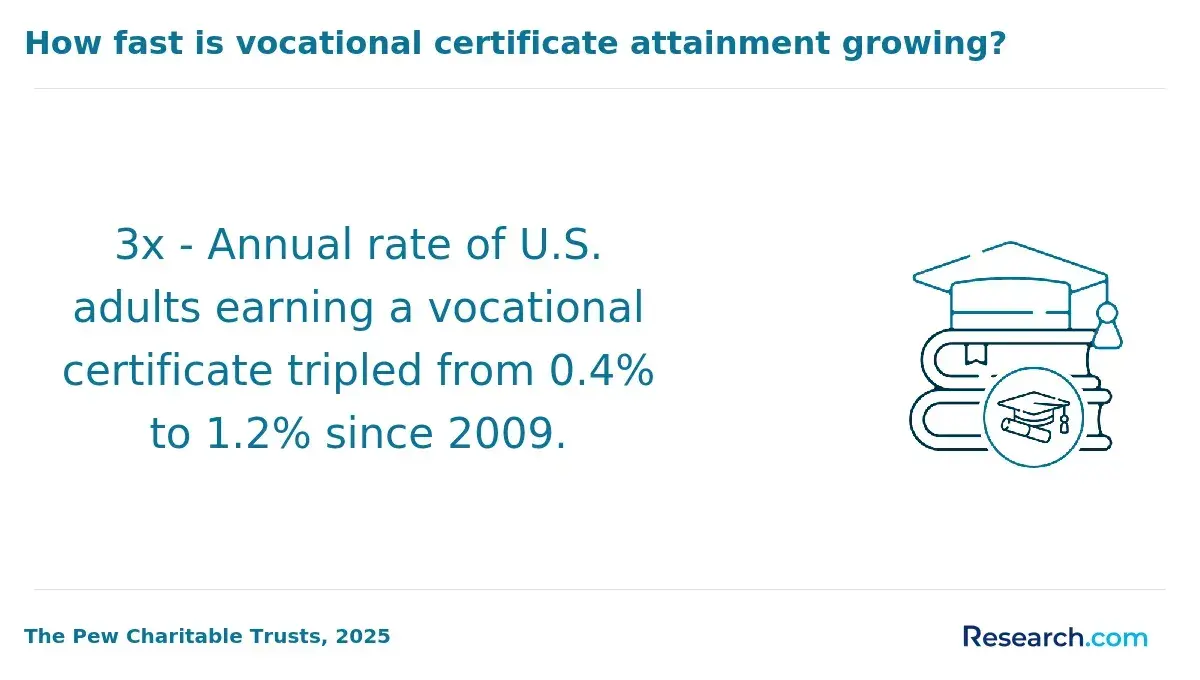
Understanding the differences in tuition costs across nonprofit management degree levels is crucial for effective budgeting and long-term financial planning. The variation in tuition can impact both the immediate affordability and the total investment required over time. Below is a breakdown of the typical tuition ranges for each type of Nonprofit Management degree, highlighting key factors and available financial aid options.
- Associate Degree in Nonprofit Management: Tuition for associate programs generally ranges from $6,000 to $20,000 total. Public community colleges tend to be the most affordable, especially for in-district students, while private institutions charge higher fees. Many students benefit from federal and state financial aid like Pell Grants and work-study opportunities that help reduce out-of-pocket expenses.
- Bachelor's Degree in Nonprofit Management: The total cost of a bachelor's degree varies widely, typically between $15,000 and $90,000. Public universities usually provide the most economical options, whereas private colleges have substantially higher tuition. Financial aid, scholarships, and grants are commonly used to lower the effective cost, with many students paying around $10,000 to $22,000 after assistance.
- Master's in Nonprofit Management: Master's programs can range from approximately $11,700 at affordable public universities to over $86,000 at prominent private schools. Costs per credit vary significantly, with some online programs offering reduced rates compared to traditional campus tuition. Students often access assistantships, institutional scholarships, and federal loans to help offset the total cost.
- Doctorate in Nonprofit Management or Administration: Doctoral tuition frequently aligns with other advanced professional degrees, often exceeding $45,000 per year at prestigious institutions. The overall cost depends on program length and fees. Many doctoral candidates receive fellowships, teaching assistantships, and research grants that substantially ease financial burdens.
When speaking with a graduate of a nonprofit management degree program about her experience handling tuition costs, she reflected on the varied funding avenues that made a significant difference. She said that although the upfront price felt daunting, combining scholarships with part-time employment and employer tuition reimbursement "really transformed what felt like an insurmountable financial hurdle into a manageable investment."
She also mentioned that the practical skills and professional network she gained during the program translated into career opportunities that quickly recouped her expenses. Her insight underscores the importance of exploring all financial aid options early and viewing tuition as part of a broader personal and professional growth journey rather than just an expense.
The level of a nonprofit management degree strongly influences the career opportunities available to graduates, as well as the types of roles for which they are qualified. Higher degree levels often lead to greater responsibility, leadership roles, and increased salary potential. Below is a breakdown of common jobs associated with each nonprofit management degree type to help students understand potential career paths.
- Associate degree in nonprofit management: Graduates typically qualify for entry-level roles such as administrative assistant or program assistant. These positions focus on supporting daily operations, managing records, and assisting with event logistics, often in small local nonprofits or community organizations.
- Bachelor's degree in nonprofit management: With this degree, graduates can pursue roles such as volunteer coordinator, development associate, or community outreach coordinator. Responsibilities include organizing volunteers, aiding fundraising activities, and coordinating programs across charities, foundations, and advocacy groups. Salaries vary widely, with some positions ranging from $45,000 to $160,000 annually.
- Master's degree in nonprofit management: This degree opens doors to mid- and upper-level management roles like program director, fundraising manager, or development director. Graduates focus on strategic planning, managing staff, overseeing fundraising campaigns, and evaluating programs. Typical employers include large nonprofits, healthcare organizations, and educational institutions.
- Doctoral degree in nonprofit management or related fields: Doctoral graduates are qualified for senior executive positions such as executive director, CEO, or academic careers like university faculty in nonprofit studies. These roles involve organizational leadership, policy development, and research. Doctoral holders may also work as consultants for nonprofits or government agencies.
For students seeking foundational training with accelerated options, exploring accelerated associates programs can be a strategic way to enter the field quickly and advance to higher roles over time.
Degree level often influences earning potential in nonprofit management, with higher degrees generally leading to more advanced roles and increased salaries. Understanding these differences can help students make informed educational and career decisions. Below is an overview of typical salary ranges for each nonprofit management degree type.
- Associate Degree in Nonprofit Management: Graduates with an associate degree usually qualify for entry-level roles in nonprofit organizations. Median salaries range from $74,643 to $81,664 annually, with overall pay spanning from $64,375 to $89,250. Factors such as nonprofit size, region, and specific job duties can affect compensation.
- Bachelor's Degree in Nonprofit Management: A bachelor's degree opens up mid-level management opportunities, including roles like fundraising manager or management analyst. Average salaries for social and community service managers are around $69,600, while fundraising and public relations managers typically earn about $118,430, with experienced professionals potentially making over $200,000. Location, experience, and nonprofit type greatly influence these figures.
- Master's Degree in Nonprofit Management: Advanced degrees prepare graduates for senior leadership roles such as program director, advocacy director, or CEO. Program directors earn between $110,000 and $160,000, advocacy directors range from $82,500 to $169,588, and CEOs can make $150,000-$220,000+, depending on organizational scope and size. These degrees typically offer greater long-term earning potential and career growth.
- Graduate Certificates and Executive Certificates: These credentials target professionals seeking specialized skills or advancement without a full degree. Salaries vary widely but certificate holders with prior management experience often compete for mid- to upper-level nonprofit positions, with pay influenced more by previous education and experience than the certificate alone.
Considering the fastest career to make money in nonprofit management involves weighing degree level and specialized credentials. For more information on pathways to quick financial growth in this field, prospective students may find helpful resources by exploring fastest career to make money.
The demand for nonprofit management degree holders is high in today's U.S. job market, driven by several important factors. One key driver is the growth of the nonprofit sector, which now supports 12.8 million jobs and ranks as the third-largest payroll contributor in the economy. Employers are expanding teams, with 53% increasing staffing in 2025 due to rising service needs, new funding sources like public-private partnerships, and greater emphasis on social responsibility. Emerging technologies, including AI and IT modernization, are reshaping workforce requirements by encouraging nonprofits to adopt digital tools for more efficient operations and data-driven decision-making. Consequently, there is growing demand for professionals who combine nonprofit management expertise with skills in fund accounting, grant management, and social enterprise development. Flexibility in work arrangements also plays a crucial role, as many organizations are offering hybrid and remote options to attract talent, especially from rural or underserved areas.
Regional differences are notable within this evolving landscape. Urban areas generally provide more executive roles such as advocacy director, CEO, COO, and program director, accompanied by higher salaries ranging from $82,500 to over $220,000. Conversely, smaller communities often prioritize mission alignment and flexible work arrangements rather than compensation. This competitive sector values advanced degrees, with a master's in nonprofit management increasingly considered a prerequisite for leadership and specialized roles. For students exploring career paths in this field, understanding these dynamics is vital. Additionally, for those considering various educational pathways, reviewing high paying certification programs can provide insights into supplementary qualifications that enhance employability. Overall, the outlook for nonprofit management degree holders remains very positive, with robust demand, diverse opportunities nationwide, and an increasing premium placed on education and adaptability in a rapidly changing environment.
Choosing the right degree level in nonprofit management is a critical decision that shapes your career path and supports your personal and professional needs. Aligning your education with both your long-term goals and current circumstances ensures you make the most effective investment of time and resources. Below are key factors to evaluate when selecting the appropriate nonprofit management degree level:
- Career Goals: Different degrees open doors to different roles; bachelor's degrees typically prepare you for entry-level positions, while master's degrees are often required for director or executive roles. Consider where you want to be professionally to choose a degree that supports those ambitions and maximizes advancement opportunities.
- Time Commitment: Bachelor's programs usually take about four years, whereas master's degrees can often be completed in 12 to 18 months, especially through accelerated or online formats. Assess your ability to balance studies with work and family responsibilities before deciding.
- Salary Potential: Advanced degrees generally correlate with higher salaries in the nonprofit sector, as employers value specialized expertise and leadership training. Understanding potential earnings can help you gauge the return on investment for further education.
- Curriculum and Skills: Look for programs that cover nonprofit-specific competencies like fundraising, financial management, strategic planning, and governance. These specialized skills prepare you for both operational roles and leadership positions.
- Accreditation and Reputation: Choose accredited institutions with a strong standing in the nonprofit field to ensure credibility with employers and access to valuable professional networks. A well-regarded program can greatly enhance your career prospects.
What Nonprofit Management Graduates Say About Their Degree and Salary
- Wei: "Reflecting on my experience earning a certificate in nonprofit management, I truly appreciate the professional development it offered. The program's flexibility allowed me to balance work and study, and the courses helped me refine my grant writing and fundraising abilities. This degree gave me the credibility to advance into a leadership role within a well-established nonprofit focused on environmental advocacy. It's incredibly fulfilling to contribute strategically to causes I care about while growing as a professional."
- Maria: "Finishing my Bachelor's in nonprofit management was a pivotal moment. It opened doors to a career I never imagined possible-working directly with local shelters to improve operations and increase volunteer engagement. The hands-on experience and networking opportunities during the program were invaluable, allowing me to build both skills and trusted relationships. I now take great pride in knowing that my work positively impacts homeless populations in my city."
- : "Completing my Master's in nonprofit management truly transformed my career path. The curriculum's focus on strategic leadership and financial sustainability gave me the confidence to launch a successful community outreach program that supports underprivileged youth. The degree not only enhanced my managerial skills but also deepened my passion for creating meaningful social change. I feel equipped to tackle the challenges nonprofits face today and am excited to continue growing professionally in this rewarding field.Jamal"
Other Things You Should Know About Nonprofit Management Degree Programs & Salaries
Yes, nonprofit management salaries vary significantly by geographic location. Urban areas and regions with a higher cost of living, such as New York or California, typically offer greater salaries than rural or less populous areas. This geographic disparity reflects local economic conditions and funding availability.
Both experience and education level are crucial for salary growth in nonprofit management. Advanced degrees like a master's or specialized certifications can increase earning potential, while years of experience and demonstrated leadership skills contribute to promotions and higher pay scales.
- Careers for Public and Nonprofit Administration Students https://wmich.edu/spaa/academics/undergraduate-minor/careers
- Should You Pursue a Graduate Certificate in Nonprofit Management? | Nonprofit Leadership Center of Tampa Bay https://nlctb.org/resources/should-you-pursue-a-graduate-certificate-in-nonprofit-management/
- Online Specialization in Public and Non-Profit Management | Colorado State University Global https://csuglobal.edu/academic-programs/undergraduate-specializations/undergraduate-specialization-public-non-profit-management
- Master of Arts in Arts Leadership and Nonprofit Management | VWU Online https://online.vwu.edu/graduate/master-of-arts-in-arts-leadership-and-nonprofit-management.php
- Common Nonprofit Job Titles Explained: Roles, Duties, and Salaries https://connecteam.com/common-nonprofit-job-titles/
- Is it Worth it to Get a Master's in Nonprofit Leadership? https://www.pacificu.edu/blog/it-worth-it-get-masters-nonprofit-leadership
- Online Master in Nonprofit Administration Degree https://online.lsu.edu/online-degree-programs/graduate/nonprofit-administration/
- Nonprofit Management, Accelerated Graduate Certificate https://cps.uccs.edu/academics/certificates/accelerated-graduate-nonprofit-mgmt
- Nonprofit Careers https://spaa.newark.rutgers.edu/nonprofit-careers
- Major in Nonprofit Management & Leadership https://oneill.indiana.edu/undergraduate/degrees-majors/nonprofit-management.html