2027 Clinical Mental Health Counseling Degree Completion Time Report: How Long Students Actually Take to Graduate

Co-Founder and Chief Data Scientist
Completion timelines for clinical mental health counseling degrees often deviate from advertised program lengths due to complex, real-world factors. Students balancing work, family, and clinical practicum requirements rarely progress linearly. Recent data from the National Center for Education Statistics (2024) highlight that retention and part-time enrollment significantly extend degree duration in applied counseling fields. Transfer credits, availability of required practicum placements, and state licensure prerequisites further influence how long it takes to graduate.
Understanding these interconnected dynamics offers clearer insight into the pacing of clinical mental health counseling programs beyond catalog estimates. This article examines actual completion patterns and key timeline drivers for informed academic planning.
Key Things to Know About Clinical Mental Health Degree Completion Time
- Most students take longer than the advertised program length. Only about 45% of first-time, full-time bachelor's students graduate within four years, while roughly 64% finish within six years, making the actual completion time longer for many learners.
- The average college graduate is often older than expected. The median age of bachelor's degree recipients is around 23 years, while master's degree recipients are typically in their early 30s, reflecting the growing number of adult and returning students.
- Completing a degree can significantly increase lifetime earnings. Workers with a bachelor's degree earn roughly 65% more per week than those with only a high school diploma, and graduate degree holders typically earn even higher median wages over their careers.
- What Is the Average Graduation Time for Clinical Mental Health Counseling Students? Average Graduation Timeline
- What Factors Have the Biggest Impact on Graduation Speed? Graduation Timeline Factors
- How Does Full-Time Versus Part-Time Enrollment Affect Graduation Timelines? Full-Time vs. Part-Time Graduation Timeline
- Do Online Clinical Mental Health Counseling Students Graduate Faster Than Campus-Based Students? Online vs. On-Campus Timeline
- How Many Months or Years Can Transfer Credits Save? Transfer Credits
- Do Accelerated Clinical Mental Health Counseling Programs Significantly Reduce Completion Time? Accelerated Program Timeline
- Which Clinical Mental Health Counseling Program Requirements Most Often Extend Graduation Timelines? Factors Extending Graduation Timeline
- Does Taking Longer to Graduate Increase the Cost of a Clinical Mental Health Counseling Degree? Impact on Program Cost
- Does Graduating Faster Improve Career Prospects? Impact on Career Prospects
- Which Scheduling Mistakes Commonly Delay Graduation? Mistakes to Avoid
What Is the Average Graduation Time for Clinical Mental Health Counseling Students?
Students pursuing a clinical mental health counseling degree generally complete their studies within two to three years when enrolled full-time, reflecting the program's structured demands for coursework, practical field experience, and credentialing prerequisites. According to recent 2024 data from the Council for Accreditation of Counseling and Related Educational Programs and other educational statistics, this 24- to 36-month range represents the standard timeframe for most full-time enrollees. Part-time students or those managing external commitments often see their graduation timelines extend significantly, sometimes reaching five years or more. This variation in completion time underlines the critical influence of enrollment intensity on the average time to complete clinical mental health counseling degree programs.
Graduation timelines vary notably due to differences in program design and student circumstances. Cohort-based programs, which progress groups through a fixed curriculum at a steady pace, tend to produce more consistent graduation rates than self-paced models, where students' ability to balance coursework and field placements directly impacts the speed of completion. Transfer students may face delays when prior credits are disallowed, and the availability of internships or supervision hours can also restrict timely progression. Online and hybrid formats provide adaptable schedules that might ease access for working adults but typically correlate with longer cumulative durations given fluctuating course loads. These academic and logistical factors interact complexly, shaping the clinical mental health counseling graduation timelines by program type and student profile.
Timing graduation strategically bears important implications for both academic planning and career trajectory. Employers in clinical mental health fields often expect graduates to enter the workforce within conventional periods, making delays potentially costly in financial terms and in professional licensing milestones. Prospective students should weigh these realities alongside their personal and programmatic contexts, especially when investigating related fields like bachelors healthcare administration, where program acceleration options might differ markedly. Ultimately, understanding the nuanced factors behind graduation time can guide more informed decisions that align educational investment with realistic career entry schedules.
What Factors Have the Biggest Impact on Graduation Speed?
Graduation speed in clinical mental health counseling programs is influenced by a complex mix of academic structure, student enrollment choices, and personal circumstances. No single factor dictates completion time; instead, the interaction among these elements shapes each student's trajectory. Recognizing these dynamics allows students to better strategize around course load, enrollment status, and program format to optimize their progress without underestimating practical constraints.
- Enrollment Status and Course Load: Full-time students typically progress faster, as they take a denser course load each semester, while part-time enrollment often extends time-to-degree. According to the National Center for Education Statistics, full-time counseling students average 3.5 years to graduate versus 5.8 years for part-time students. Balancing employment or personal obligations often forces students into part-time status, inherently slowing their path.
- Transfer and Prior Credits: Students leveraging transfer credits or prior graduate coursework can reduce required semesters, accelerating completion. However, transferability hinges on institutional policies and accreditation standards, which vary widely. Navigating these rules requires careful academic planning to avoid delays caused by denied credits or additional foundational courses.
- Program Design and Flexibility: Rigid cohort models and sequenced course requirements can bottleneck student progress if key courses are only offered occasionally or in strict order. Conversely, programs with asynchronous or accelerated options offer flexibility that accommodates working adults or those seeking quicker completion, directly impacting graduation speed by allowing students to tailor pacing.
- Practical Training and Clinical Hours: Mandatory internships and supervised clinical experience, often numbering over 700 hours per accreditation requirements, add significant external time commitments. Securing placements requires coordination and can be affected by local demand, which may delay progress, particularly when students also work or have family duties that limit availability.
- Personal and Financial Circumstances: Students managing family responsibilities, part-time employment, or financial stress frequently choose lighter semester loads or take semesters off, inherently extending time-to-degree. The American Psychological Association highlights work-life balance as a core challenge impacting counseling students' timely graduation, reflecting the real-world tension between academic progression and obligations outside school.
In navigating these factors, students also confront the realities of employer expectations and workforce demand, which sometimes value practical experience and licensure readiness over mere speed of graduation. For those evaluating options, exploring program flexibility and possible transfer credit opportunities alongside personal capacity can help align educational timelines with career goals. This nuanced approach reflects a deeper understanding of the effect of program design on clinical mental health counseling degree completion speed and supports informed decision-making suited to varied student profiles and constraints.
For additional context on flexible degree options that might intersect with health-related fields, reviewing a health information management degree pathway is useful in comparing timelines and program structures.
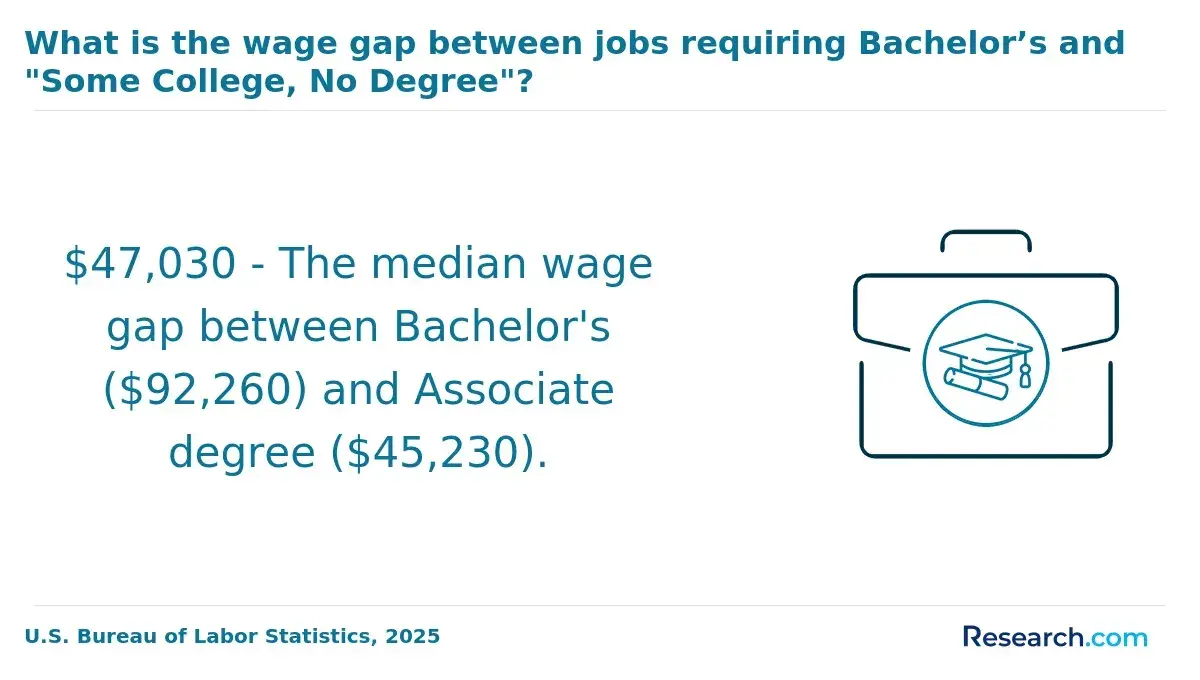
How Does Full-Time Versus Part-Time Enrollment Affect Graduation Timelines?
Full-time enrollment in clinical mental health counseling programs generally leads to degree completion within two to three years, reflecting a concentrated coursework schedule that accelerates progress through required credits, practicum, and internship components. In contrast, part-time students often extend their studies to four to six years, accommodating external demands but slowing overall momentum. This disparity is not merely about hours spent in class but also hinges on the sequencing of clinical experiences, which are pivotal for graduation and can be challenging to schedule consecutively on a part-time plan. According to recent data from the National Center for Education Statistics, full-time students are substantially more likely to graduate within expected timelines, underscoring the practical advantage of maintaining a consistent academic load when feasible.
The critical factors shaping these graduation timelines include credit intensity per term, availability of evening or weekend courses, and program flexibility in modularizing clinical training requirements. Students balancing work, caregiving, or other commitments often opt for part-time enrollment, which offers necessary adaptability but can fragment learning and delay accumulation of supervised practicum hours. Institutional policies on course offerings and clinical placements heavily influence whether students can maintain steady progress or face bottlenecks-especially when practicum slots are limited or require sequential completion. These structural constraints interact with personal circumstances to create very different pathways to licensure eligibility, emphasizing the importance of strategic planning and realistic appraisal of one's capacity to sustain coursework and clinical responsibilities concurrently.
Enrollment choices also carry long-term implications for financial planning and workforce entry. The extended duration of part-time study may increase overall educational costs and delay income from counseling roles, while full-time students, despite a more intense academic load, often benefit from quicker credentialing and access to employment amid rising demand for licensed counselors across healthcare settings. Employers prioritize candidates who have completed accredited training and supervision regardless of pacing, but earlier graduation can provide a competitive edge in a job market where timing of availability aligns closely with hiring cycles. Thus, decisions about enrollment status should weigh immediate life balance against the potential advantages of expedited entry into professional practice.
Do Online Clinical Mental Health Counseling Students Graduate Faster Than Campus-Based Students?
There is a common perception that online clinical mental health counseling students might complete their degrees faster than those attending campus-based programs due to the flexibility often associated with distance learning. However, the reality is more nuanced and outcomes vary widely depending on individual circumstances and program structures. Data from the National Center for Education Statistics in 2024 shows that about 58% of online students finish within the expected timeframe compared to 52% of their on-campus peers, but this gap is influenced by multiple converging factors. The assumption of faster completion is often tempered by the balance required between personal responsibilities and academic demands, which can vary greatly among students regardless of modality.
Key factors shaping whether students graduate more quickly through online or traditional programs include course scheduling flexibility, the presence of asynchronous learning options, and the intensity of program pacing. Online programs frequently allow students to take courses year-round and progress at a self-directed pace, which can accelerate completion for motivated individuals. Conversely, campus-based students might face less flexible schedules but benefit from structured timelines and more immediate access to faculty and peer support, which can foster steady progress. Internship requirements, credit transfer policies, and part-time versus full-time enrollment status also weigh heavily on the duration of study, making the comparison less about modality and more about how programs accommodate varied student needs.
Modality choice also influences the broader demands of academic discipline and time management. Online learners must often cultivate strong self-regulation to balance coursework alongside work and family commitments, which can both hasten or delay degree completion. Campus-based students might contend with commuting and rigid class times but benefit from more direct institutional engagement, potentially smoothing the path to graduation. For many, the decision between online and campus formats ultimately impacts not just how quickly they finish their degree, but when they are able to enter the workforce as licensed professionals within mental health counseling.
One graduate recalled waiting anxiously during the rolling admissions process before starting her clinical mental health counseling program online. Although she was eager to begin, uncertainty about start dates and transfer credit evaluations delayed her initial enrollment by several months. "I hesitated to accept the offer immediately because I wanted to ensure my previous coursework would count," she explained. Once enrolled, the ability to take asynchronous classes helped her expedite coursework despite juggling a full-time job and family. Her experience highlights how admissions timing and preparatory decisions can significantly affect when students actually commence and complete their studies, beyond the simplistic online-versus-campus debate.
How Many Months or Years Can Transfer Credits Save?
Transfer credits can meaningfully reduce the time required to complete a clinical mental health counseling degree, with potential savings ranging from several months to over a year depending on the institution, program structure, and volume of credits accepted. Data from the National Center for Education Statistics and recent Council for Accreditation of Counseling & Related Educational Programs reports highlight that many programs allow between 12 and 30 semester credits to be transferred, which can shorten a typical 60-credit master's curriculum by 25% to 50%. However, this reduction is rarely straightforward; essential practicum and internship components often must be completed in residence, limiting how much time can actually be compressed. Students should weigh these nuances carefully when considering how long transfer credits reduce degree time.
How much time transfer credits ultimately save hinges on several critical factors including accreditation compatibility, course equivalency evaluations, and institutional policies on residency and maximum transferable credits. Programs accredited by CACREP commonly enforce strict criteria, disallowing older or non-aligned coursework, which affects transfer credit impact and in turn graduation timelines. These policies ensure that transferred credits reflect competencies relevant to clinical mental health counseling but create significant variability in credit acceptance across institutions. Indeed, the sequencing of remaining required courses and practical experiences further influences how accelerated progression can realistically occur, underscoring that not all transfer credit outcomes translate directly into shorter overall degree durations.
This variability means students must strategically plan academic pathways early, considering both credit transfer rules and core clinical requirements to maximize time savings without jeopardizing program quality or licensure prerequisites. Transfer credits not only affect duration but can also reduce tuition costs and alter course sequencing, making thoughtful advisement essential to maintain steady progression.
Given increasing demand across healthcare systems, prospective students are advised to evaluate how transfer credits fit within broader educational and workforce timelines, particularly when exploring options such as online kinesiology programs that may offer complementary pathways or credit opportunities.
Do Accelerated Clinical Mental Health Counseling Programs Significantly Reduce Completion Time?
Accelerated clinical mental health counseling programs aim to shorten the traditional graduate timeline by condensing coursework and increasing term credit loads, enabling students to graduate faster than the typical two- to three-year pathway. These programs are structured to intensify pacing through streamlined sequences, often reducing breaks between terms or overlapping foundational courses. The goal is to deliver required competencies within approximately 18 to 24 months, appealing particularly to working adults or those seeking quicker entry into counseling roles. However, the inherent design must still respect accreditation mandates and core curricular standards, which limit how much content can be compressed without compromising educational integrity.
The degree to which accelerated tracks truly reduce completion time hinges on several critical factors: how credits are distributed across semesters, whether prerequisite courses are front-loaded or extended, and if experiential requirements such as practicum and internships maintain their standard duration. Because clinical placements and supervised hours are tightly regulated, these hands-on components often set a minimum threshold that cannot be accelerated, regardless of classroom pace. Additionally, programs that require sequential course completion or impose fixed term schedules may reduce flexibility, forcing students to follow predetermined timelines despite heavier term loads. Thus, while the classroom portion can be compacted, real-world training requirements frequently create a rigid floor on acceleration.
Students opting for accelerated options should anticipate intensified workloads and potentially diminished scheduling flexibility, which may affect stress levels and limit opportunities for deeper clinical skill development, reflection, and networking. Compressing content without sufficient assimilation time can impact not only mastery but also readiness for licensure and employment demands, where employers value depth of experience alongside credentialing speed. Therefore, accelerated formats offer moderate time savings but involve trade-offs in educational breadth and student well-being that need careful consideration.
Reflecting on the admission process for an accelerated clinical mental health counseling program, one graduate recalled navigating rolling deadlines while weighing whether to accept an early offer or wait for potential openings in later cohorts. Early in the application cycle, they faced uncertainty about prerequisite credits being accepted, which delayed their submission. Hesitant to commit too soon without clarity on transfer policies, they ultimately submitted paperwork at the last moment possible, narrowly securing a spot in the accelerated track. This experience underscored that while program length is important, timing and administrative factors surrounding entry can significantly influence the overall path and perceived acceleration.
Which Clinical Mental Health Counseling Program Requirements Most Often Extend Graduation Timelines?
Extended graduation timelines in Clinical Mental Health Counseling programs often arise less from total credit hours and more from embedded curriculum components that prioritize professional readiness. These requirements, while essential for ensuring clinical competence and ethical practice, impose structural constraints that can slow student progression. The necessity for supervised clinical experiences, complex capstone assessments, and carefully sequenced coursework reflects efforts to meet accreditation standards and employer expectations but creates timing challenges. Understanding these elements and how they interact with institutional policies and student circumstances clarifies why completion often extends beyond traditional timeframes.
- Practicum and Internship Clinical Hour Requirements: Most programs mandate between 600 and 1,000 supervised clinical hours, which must be completed alongside academic coursework or external employment. Coordinating consistent clinical placements and supervision often results in part-time pacing, since these experiential hours can't always be compressed or scheduled flexibly, significantly extending program length.
- Comprehensive Examinations and Portfolio Assessments: These final competency demonstrations require considerable preparation and sometimes multiple attempts, especially when academic policies permit retakes or have rigid deadlines. The variability in institutional approaches to exams can introduce unpredictable delays in progression timelines.
- Course Sequencing and Limited Availability: Key courses in areas such as psychopathology, ethics, and counseling theory frequently have limited enrollment slots or semester-only offerings. Prerequisite chains and restricted course rotations generate enrollment bottlenecks that force some students to defer progression, further lengthening time to degree completion.
- Certification and Licensure Preparation Courses: Additional specialized coursework to prepare for state or national licensure exams may be required or strongly recommended. Balancing these classes with remaining degree requirements can fragment student schedules, adding to overall program duration.
A 2024 report from the U.S. Bureau of Labor Statistics indicates that approximately 40% of students in Clinical Mental Health Counseling graduate in more than three years. This extension commonly results from the combined effect of rigorous hands-on training demands and administrative scheduling constraints, compounded by students managing external responsibilities such as employment or caregiving. While these extended timelines pose challenges, they align with employer preferences for candidates with substantial practical experience and academic mastery.
Does Taking Longer to Graduate Increase the Cost of a Clinical Mental Health Counseling Degree?
Taking longer to graduate from a clinical mental health counseling degree program often increases total tuition and associated expenses, particularly when tuition is assessed per term or credit hour. Students extending their timeline may lose eligibility for certain financial aid packages designed for standard-paced completion, causing out-of-pocket costs to rise. Extended enrollment frequently leads to additional fees linked to continuous access to campus resources, recurring enrollment status charges, and possible retake costs for practicum or licensing-related courses. These effects collectively contribute to the cost impact of extended clinical mental health counseling degree completion. This pattern is compounded by the fact that balancing work, family, or other obligations usually results in part-time enrollment, which tends to stretch fee liabilities over more terms rather than consolidating them. Delays in graduation can also postpone entering the professional workforce, affecting long-term income growth amidst increasing demand across healthcare systems.
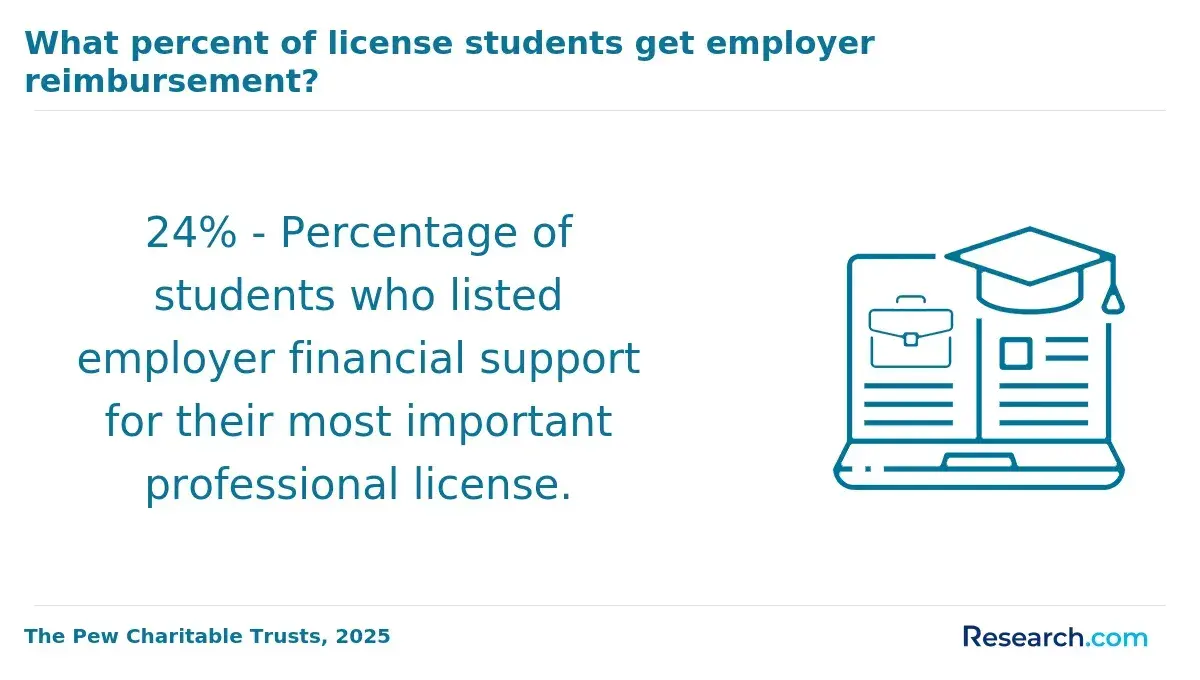
However, extended completion timelines do not always translate into significantly higher costs. Some programs offer flat-rate tuition models or pricing structures that accommodate part-time enrollment without proportionally increasing expenses. Employer tuition assistance plans and institutional policies allowing flexible pacing without penalty can further mitigate financial consequences of delayed clinical mental health counseling graduation. Enrollment decisions, such as adjusting course loads to manage workload and affordability, have indirect but meaningful effects on total cost accumulation. Understanding how these enrollment behaviors interact with institutional pricing and financial aid policies is crucial for managing financial outcomes.
For students seeking data-driven insights into earning potential after completion, awareness of related fields like health information management degree salary can offer comparative context for workforce entry and salary trajectories.
Does Graduating Faster Improve Career Prospects?
Graduating faster from a clinical mental health counseling degree program can enable earlier entry into the job market, potentially shortening the period without income and accelerating initial workforce positioning. However, employers in this field typically do not assess candidates solely by the speed of degree completion. Instead, they consider how graduation timing fits within overall readiness, including licensure eligibility and demonstrated clinical competencies. The impact of graduation time on early hiring chances is real but secondary to how the candidate's experience and qualifications match the demands of clinical roles.
The influence of faster graduation on long-term career prospects is largely contingent on factors beyond just finishing early. Key determinants include the completion of internships or practicum placements, the depth of counseling skills showcased through supervised practice, and professional networks built during training. Accelerated programs that limit these critical experiential components may weaken a candidate's portfolio and reduce their appeal relative to peers with more immersive practical preparation. Those seeking a clinical mental health counseling degree completion time benefits must weigh speed against the robustness of their practical credentials and career readiness.
The trade-off between expedited degree completion and experiential depth often shapes hiring competitiveness and salary progression over time. While faster graduation can reduce educational costs and allow earlier income generation, it may come at the expense of skill mastery and professional development essential for complex client scenarios. A balanced approach to finishing a program, that integrates comprehensive training and licensure pathways, tends to align more closely with employer expectations and supports sustainable career growth.
For guidance on quality clinical placement during training, prospective students can consult resources like top online PMHNP programs which emphasize relevant clinical exposure.
Which Scheduling Mistakes Commonly Delay Graduation?
Graduation delays in clinical mental health counseling programs are often driven less by academic challenges and more by enrollment and scheduling missteps that interrupt steady progression. These delays affect students across program levels and attendance formats, making it essential to grasp how course sequencing, credit rules, and institutional policies intertwine with student decisions. Identifying these pitfalls allows education planners and students to anticipate bottlenecks and reduce extended timelines.
- Ignoring Prerequisite Chains: Many students fail to map and complete required prerequisite courses on time, causing cascading registration blocks. Because clinical mental health counseling curricula depend heavily on sequential learning, missing one prerequisite delays eligibility for multiple subsequent classes.
- Underestimating Practicum and Internship Demands: Placement hours often restrict course loads, yet students may overload academic terms, leading to conflicts and extended enrollment periods. These experiential requirements are mandatory and cannot be accelerated alongside full coursework without jeopardizing progress.
- Part-Time Enrollment Without Strategic Sequencing: A 2024 report from the National Center for Education Statistics highlights that part-time students in counseling fields take about 35% longer to graduate. Fragmented pacing disrupts continuous skill development and delays key milestone completions.
- Misaligned Course Registration with Offering Terms: Attempting to enroll in courses not offered each semester leads to forced gaps. Clinical mental health counseling programs typically alternate specialized classes, making calendar awareness critical to staying on track.
- Insufficient Use of Academic Advising: Without proactive guidance, students may select courses inefficiently or repeat unnecessary electives, prolonging time to degree. Advising is especially vital in structured programs with complex progression rules.
Other Things You Should Know About Clinical Mental Health Counseling
Securing appropriate internship or practicum placements can create unpredictable delays in clinical mental health counseling programs, often extending graduation by several months. These experiences are mandatory and must meet accreditation standards, which means students often face competition for limited spots or must travel to less convenient locations. Planning ahead and collaborating early with program advisors to identify placement options can mitigate delays, helping students graduate closer to their anticipated timeline.
In 2027, students typically take between 2.5 to 3.5 years to complete a Clinical Mental Health Counseling degree, factoring in both full-time enrollment and part-time arrangements. This timeline can vary based on individual circumstances, such as work commitments and personal responsibilities.
Programs that integrate comprehensive licensure exam preparation within their curriculum often spread requirements across more semesters or credit hours, lengthening the time to finish but enhancing readiness for state licensing. Students aiming for rapid graduation might select programs with leaner curricula but should weigh that against potential challenges in passing licensure exams on the first try. Investing extra time upfront in thorough preparation can reduce costly setbacks in credentialing and job entry.
Many clinical mental health counseling students juggle paid employment in related fields while completing their degrees, which can slow progression due to the demanding nature of both obligations. Programs that offer integrated practicums aligned with work schedules reduce need for time off and can expedite completion. Prospective students should realistically assess their capacity to handle dual roles and opt for programs with support mechanisms that minimize burnout and delay.