2027 Legal Services Tuition Inflation Report: How Fast Are Program Costs Rising?

Co-Founder and Chief Data Scientist
Tuition growth in legal services programs reflects unique disciplinary pressures, including increasing faculty specialization and rising costs tied to clinical and field-based training requirements. Unlike many academic fields, legal services education demands extensive investments in experiential learning environments, updated technology for case simulation, and compliance with evolving accreditation and licensing standards.
According to the American Bar Association's 2024 report, enrollment in legal services programs rose 4.2%, intensifying resource strain on institutions already balancing labor market shifts and faculty remuneration. This interplay of operational costs and workforce demands drives tuition trends that diverge from general higher education patterns. Notably, a growing proportion of older students suggests a field adapting to mid-career transitions and lifelong learning.
Key Things to Know About Legal Services Tuition Inflation
- Tuition for legal services programs increased by over 7% annually since 2021, outpacing inflation; this accelerates total cost growth, forcing students to weigh immediate expenses against potential long-term earnings.
- Employers increasingly favor candidates from programs with controlled tuition growth as cost reflects institutional stability, influencing hiring and career progression in competitive legal support roles.
- Rising costs prolong program completion for part-time students due to financial strain, which delays workforce entry and reduces the timely applicability of learned skills in evolving legal markets.
- Key Things to Know About Legal Services Tuition Inflation Key Things to Know
- How Much Has Legal Services Tuition Increased Over the Past Decade? Tuition Increase Breakdown
- How Does Legal Services Tuition Inflation Compare to Overall Inflation? Tuition Inflation
- Which Types of Schools Have Experienced the Fastest Legal Services Tuition Growth? Tuition Growth by School Type
- What Factors Are Driving Rising Costs in Legal Services Degree Programs? Tuition Cost Drivers
- How Does Legal Services Tuition Growth Vary by State and Region? Tuition Growth by State
- Are Online Legal Services Programs Becoming More Affordable Than Campus-Based Programs? Online Program Affordability
- How Have Financial Aid and Scholarships Changed as Legal Services Tuition Has Increased? Impact on Financial Aid and Scholarships
- How Does Rising Legal Services Tuition Affect Student Debt After Graduation? Impact on Student Debt
- Do Higher-Cost Legal Services Programs Deliver Better Career Outcomes or Earnings? Impact on Career Outcomes
- What Do Current Tuition Trends Suggest About the Future Cost of a Legal Services Degree? Current Tuition Trends
How Much Has Legal Services Tuition Increased Over the Past Decade?
Tuition for legal services degree programs has grown substantially over the last ten years, with data from the U.S. Department of Education College Scorecard and NCES showing an increase in average annual costs between 40% and 50% since 2014 after adjusting for inflation. This rise surpasses the broader college tuition inflation rate, which has been closer to 30% during the same period.
Such growth rates reveal how legal services tuition has outpaced many other postsecondary fields, reflecting its specialized nature and distinct institutional demands. Regional legal services program cost growth rates also vary, influenced by state funding levels and local market conditions, complicating affordability for prospective students across different geographies.
Several factors contribute to these tuition increases beyond general inflation. Institutional spending has shifted towards enhancing technology infrastructure, such as simulation labs and online learning platforms tailored for legal frameworks, which, while improving educational delivery, drive up operational costs.
Additionally, programs have expanded experiential learning components to meet employer expectations for graduates with practical legal skills, resulting in higher overhead. Funding reductions in public institutions have further pressured schools to raise tuition to cover deficits, while enrollment changes and demand for credentials in legal services have led some schools to justify fee hikes based on the perceived value of these programs.
These cost pressures have real implications for student access and financial planning. Rising tuition makes borrowing more common but also increases the risk of debt burden, especially as starting salaries for legal support roles often remain modest. Students must weigh these financial considerations carefully against long-term employment outcomes and explore alternatives, including accelerated or certificate pathways that may offer cost-effective entry points.
For those determining their route into the legal field, understanding how to manage expenses while maintaining career flexibility is critical, as illustrated by available guidance on how to become a certified medical assistant, which highlights the benefits of accelerated credentialing in related support professions.
How Does Legal Services Tuition Inflation Compare to Overall Inflation?
Data from the National Center for Education Statistics and the College Board show that tuition inflation for legal services programs typically outpaces broader economic inflation measured by the Consumer Price Index (CPI). While the CPI has averaged roughly 2% to 3% annual growth recently, tuition and fees for legal services or related programs have increased between 3% and 5% per year over the past decade.
This persistent gap underscores a trend where the cost burden for students in these fields grows more rapidly than overall consumer prices, reflecting distinct pressures within education markets that general inflation metrics do not capture. Understanding this divergence is key for assessing the evolving affordability of legal services education amid broader inflationary patterns.
The structural reasons behind this tuition growth outperforming general inflation include reduced public funding for higher education, which has shifted more financial responsibility to students and private sources. Administrative expenses have grown alongside expanded student services and regulatory requirements, while investments in technology, infrastructure, and specialized faculty to maintain program quality further contribute to cost escalations unique to legal services programs.
These factors create a pricing environment less responsive to general economic conditions and more driven by sector-specific operational demands and institutional financial strategies, intensifying the upward trajectory of tuition beyond what typical economic inflation suggests.
The gap between legal services tuition inflation and overall inflation carries significant implications for learners, particularly around affordability and reliance on borrowing. As tuition climbs faster than wages and general living costs, students increasingly face difficult decisions regarding program selection, balancing educational benefits against mounting debt risks.
This dynamic affects perceptions of return on investment and can influence both enrollment trends and workforce outcomes. Prospective students should weigh these inflation implications carefully, while exploring resources such as free online college application options that may mitigate upfront cost barriers in their pursuit of legal services credentials.
Which Types of Schools Have Experienced the Fastest Legal Services Tuition Growth?
Tuition increases for legal services degree programs vary markedly by institutional type, influenced by differing funding mechanisms, enrollment trends, and delivery models. While some schools can leverage public subsidies or economies of scale to moderate cost growth, others face cost pressures tied to program specialization and market positioning that accelerate tuition inflation.
A nuanced understanding of these structural factors clarifies why legal services tuition growth is not uniform and informs evaluations of program affordability and value:
- Public Community Colleges: Supported substantially by state appropriations, community colleges generally exhibit slower tuition growth, often limited to 2-3% annually. Their focus on workforce-aligned, applied legal services programs coupled with large adult learner populations encourages cost containment, although fluctuating public budgets can still create variance in pricing.
- Private For-Profit Institutions: These schools have recorded some of the fastest tuition increases, exceeding 6% annually according to the National Center for Education Statistics (2024). Reliance on tuition revenue without substantial public funding creates incentives to raise prices, especially as program expansions target credential demand amid competitive pressures.
- Private Nonprofit Universities: Typically balancing tuition sensitivity with commitments to institutional prestige and comprehensive student services, these institutions experience moderate but steady tuition hikes. Investments in specialized faculty and resources for legal services programs contribute to incremental cost growth that reflects both quality and market positioning.
- Research-Intensive Universities: Although not always the primary providers of legal services degrees, when offered, these programs often face higher resource costs tied to faculty expertise and research integration. These factors can drive above-average tuition increases, but endowment income and diversified funding streams may buffer sharp annual spikes.
- Online Universities and Hybrid Programs: Growing demand for flexible delivery models in legal services has spurred tuition adjustments reflecting technology investments and expanded support services. While potentially reducing some overhead costs, maintaining quality and accreditation standards can limit aggressive tuition reductions, resulting in moderate growth trends.
These patterns underscore that tuition inflation in legal services education is shaped by complex interplays of financial models, institutional missions, and market demands. Recognizing these underlying forces aids prospective students and analysts in discerning the long-term affordability and practical implications of tuition trajectories across different educator categories.
What Factors Are Driving Rising Costs in Legal Services Degree Programs?
Rising costs in legal services degree programs result from a complex interplay of institutional and economic pressures rather than any single factor. These programs are navigating a shifting landscape where decreased public funding, especially for state institutions, forces greater dependence on tuition as a primary revenue source.
This funding gap combines with inflationary pressures and evolving regulatory demands, collectively intensifying financial burdens on schools. Such complexities mean that program expenses steadily outpace general inflation, as demonstrated by a 2024 National Center for Education Statistics report documenting an average 4.8% annual tuition increase for law-related degrees over recent years.
Key contributors to escalating costs include rising faculty compensation, driven by competitive labor markets for professors and practitioners who can enhance program quality and relevance. Administrative growth also plays a significant role, with expanded student services, compliance requirements, and career support staff increasing operational budgets.
Meanwhile, substantial investments in digital infrastructure, ranging from virtual classrooms to specialized software and databases, reflect modern legal education's reliance on technology but add ongoing maintenance and upgrade costs. For many institutions, balancing these layered expenses amid limited funding growth creates a structural upward pressure on tuition that reflects the multifaceted realities of delivering contemporary legal services education across diverse institutional contexts.
One recent legal services graduate recalled the difficulty of strategizing admissions timing during rolling application cycles as tuition was rising. They hesitated initially, uncertain if waiting for acceptance letters or committing quickly would prove more cost-effective amid shifting fee structures.
Ultimately, their decision hinged on gauging program responsiveness and available financial aid updates, revealing how rising costs intertwine with application uncertainty and the importance of flexible planning when navigating legal services education financing.
How Does Legal Services Tuition Growth Vary by State and Region?
Tuition growth rates for legal services programs exhibit significant variation across U.S. states and regions, shaped by a complex interplay of state funding levels, institutional types, and broader economic conditions. This variation is far from random; rather, it reflects fundamental differences in public university funding models, state appropriations for higher education, and the cost structures of private versus public institutions.
States with robust public university systems and higher levels of state support tend to show more moderate tuition increases, while regions with a heavier concentration of private research universities often experience sharper growth. The regional economy, particularly in metropolitan areas with high demand for legal expertise, further influences how aggressively programs raise tuition.
Recognizing these dynamics helps explain why legal services tuition growth rates by state are far from uniform and underscores the necessity for students to consider underlying economic and policy factors when assessing program affordability.
Key drivers of this variation include the degree to which state appropriations offset tuition revenue, with many Midwestern states demonstrating slower growth due to stronger public subsidies. In contrast, states on the West Coast and Northeast, where public funding has declined or failed to keep pace with expenses, legal services programs rely increasingly on tuition to sustain operations, pushing tuition higher.
The cost of living also plays a critical role; urban centers like New York City, Boston, San Francisco, and Seattle contribute to heightened tuition growth driven by intensified operational costs and employer demand for legal professionals. Additionally, the prevalence of private institutions and research universities, which typically have fewer funding constraints, allows for more aggressive pricing strategies. Such structural differences mean students face not only varying tuition growth but also different tradeoffs in terms of access, quality, and potential return on investment.
These regional disparities have broader implications for student mobility and educational equity. Students in high-growth tuition areas may confront elevated debt burdens that disproportionately impact long-term financial outcomes, especially when local job markets do not fully absorb graduates. Conversely, more affordable programs in lower-tuition growth regions might offer reduced immediate costs but may also pose challenges if legal services employment is concentrated elsewhere.
This dynamic complicates decision-making, requiring evaluation of tuition trends alongside labor market data, program outcomes, and financial aid availability. For prospective students, integrating knowledge of regional differences such as legal services tuition growth rates by state into their educational planning proves essential.
Exploring options such as the best exercise science degree online programs, with analogous considerations in affordability and career relevance, can offer insights into balancing cost with practical value across different fields.
Are Online Legal Services Programs Becoming More Affordable Than Campus-Based Programs?
Tuition trends over recent years reveal that online legal services programs are becoming comparatively more affordable than their traditional campus-based counterparts, though this shift is nuanced by institutional pricing strategies. Campus programs typically apply annual tuition increases exceeding 5%, driven by sustained operational expenses, whereas online programs see more modest 3% yearly hikes, reflecting differing cost pressures.
Such disparities reflect more than sticker prices; they are embedded in the contrasting economic models institutions use to price programs based on delivery format, student support expectations, and competitive positioning.
The core drivers of these affordability differences stem from the reduced need for physical infrastructure in online settings, which lowers fixed costs related to facilities, campus maintenance, and on-site staffing.
However, expenses shift toward technology platforms, digital content development, and specialized instructional design expertise to maintain academic rigor remotely. While these investments can be substantial upfront, scalable enrollment and flexible faculty delivery models often enable online programs to manage per-student costs more efficiently.
Meanwhile, campus programs continue to absorb growing expenses for student services, in-person experiential learning, and networking resources highly valued by certain employers, which sustain upward pricing pressures. According to recent data from the National Center for Education Statistics in 2024, these structural factors contribute to an enduring gap in tuition inflation rates, favoring the relative affordability of online legal services education over time.
A graduate who pursued an online legal services degree recounted their experience navigating admissions amid rolling deadlines and evolving cost considerations. Initially hesitant, they delayed early application to compare evolving tuition offers, uncertain if campus-based alternatives would better justify the higher cost through perceived prestige.
The flexibility of online enrollment windows allowed them to refine their test preparation without pressure, but also introduced anxiety about delayed acceptance notifications and potential increases in tuition. Ultimately, settling on the online option balanced a compelling price point against the need to start coursework without further deferral, underscoring how affordability interacts with timing and strategic decision-making in program selection.
How Have Financial Aid and Scholarships Changed as Legal Services Tuition Has Increased?
Financial aid and scholarship offerings have expanded in nominal terms alongside rising tuition costs for legal services programs, yet this growth has not fully matched the pace of escalating expenses. Total allocations from federal and state sources dedicated to legal services education increased by around 5% in 2024, but tuition hikes have averaged between 7% and 9% annually at many institutions, leading to a widening affordability gap.
Institutions have responded with more varied aid models, including targeted scholarships linked to public interest or experiential learning pathways, as well as flexible payment plans and employer partnerships; however, these adaptations remain inconsistent across programs and often fall short of fully offsetting higher tuition.
The evolving financial aid landscape reflects multiple systemic pressures. Increased competition among programs has incentivized merit-based scholarships to attract diverse and high-achieving applicants, aligning institutional recruitment goals with broader equity initiatives but sometimes limiting resources for purely need-based assistance.
Meanwhile, federal loan caps persist as binding constraints on professional degree borrowing, shifting greater financial burden onto students through personal funding or loans with stricter terms. Institutional discounting strategies and state funding policies further influence how aid is allocated, with budget constraints curbing expansion of need-based aid and complicating efforts to stabilize net prices for students.
This imbalance between tuition inflation and aid growth has significant implications for student financial outcomes and accessibility. As scholarships and grants fail to keep pace fully, many learners face increased reliance on loans, which can extend debt burdens and affect time to program completion.
These financing dynamics also impact program choice, potentially narrowing options for students from lower-income backgrounds and influencing career planning given the long-term return on investment considerations. Understanding these aid distribution trends is essential for prospective legal services students to evaluate true affordability and make informed decisions about educational and financial pathways.
How Does Rising Legal Services Tuition Affect Student Debt After Graduation?
Rising tuition costs in legal services programs significantly increase student borrowing levels, resulting in greater reliance on loans to cover educational expenses. As tuition inflates above wage growth and financial aid availability fails to keep pace, many students face a widening gap between program costs and funding sources, pushing them toward higher loan amounts.
This trend directly contributes to an elevated debt burden following graduation, limiting early career financial flexibility and magnifying the challenges tied to managing repayment.
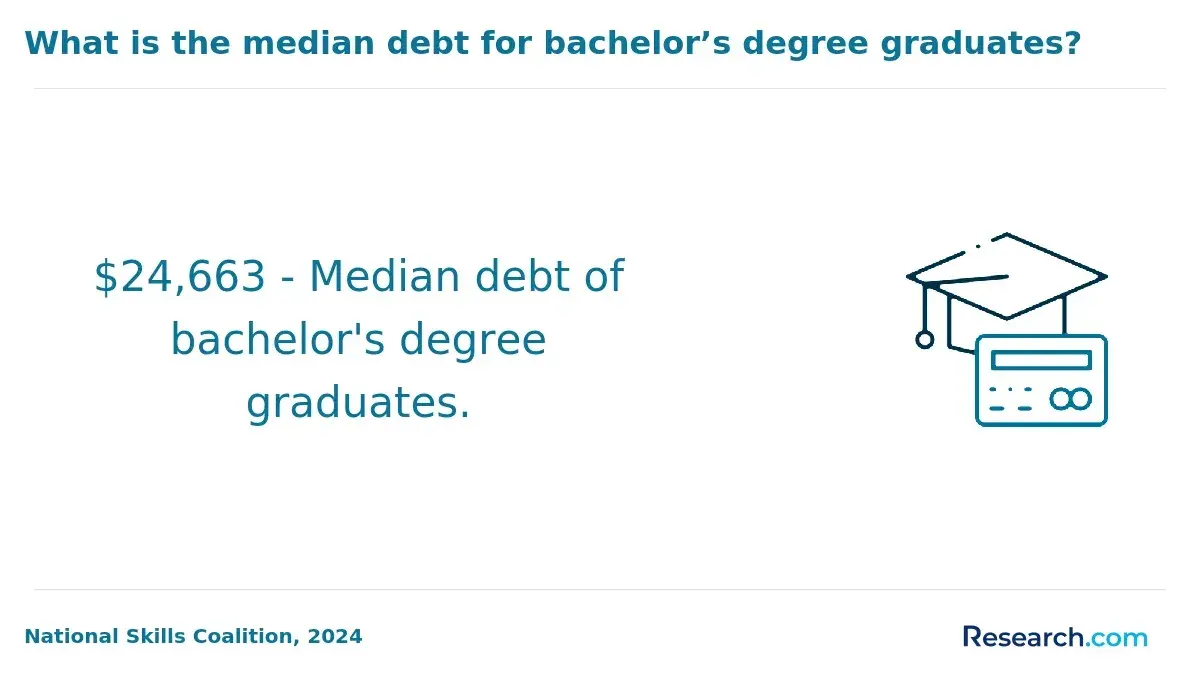
According to recent data from 2024, graduates from legal services programs hold noticeably larger average debts than previous cohorts, underscoring the deepening financial strain of tuition inflation on this student population. This dynamic is especially impactful in an environment where rising costs drive prospective students to weigh affordability alongside educational value more critically.
Key factors compounding this debt growth include disparities between public and private institution tuition levels, the accumulation of interest on unsubsidized loans during study, and the variability in post-graduation incomes across different legal services fields. Many programs, particularly those outside public institutions, have increased tuition beyond federal aid limits, forcing students to borrow not simply for tuition but also for living expenses and ancillary costs.
Additionally, adult learners experiencing these debt pressures face constrained repayment timelines compared to traditional-age students, as they juggle education with family and other financial commitments. These issues illustrate the complex correlation between increased legal services program costs and long-term student loan repayment challenges that extend beyond tuition alone.
As higher debt translates into increased monthly repayment obligations, graduates often face repayment stress that influences their career and lifestyle decisions. While income-driven repayment plans and targeted loan forgiveness programs offer some relief, they do not fully mitigate the burden of rising debt levels. This reality is shaping enrollment choices, with some students reconsidering program selection or delaying advanced qualifications due to cost concerns.
Understanding how such financial factors interplay provides critical context for those evaluating the return on investment in legal services education, especially in comparison to fields with clearer earning trajectories like the accelerated NP program and similar healthcare-related degrees.
Do Higher-Cost Legal Services Programs Deliver Better Career Outcomes or Earnings?
Higher tuition costs in legal services programs do not directly guarantee superior career outcomes or substantially higher earnings. While more expensive programs often present broader employer networks and slightly elevated starting salaries, this premium fades over time as graduates from lower-cost institutions gain comparable practical experience and professional skills.
The 2024 report from the National Center for Education Statistics underscores that income disparities shrink significantly within five years post-graduation, challenging assumptions that costlier education alone ensures better long-term value. Understanding the legal services program tuition impact on career outcomes requires evaluating these nuances rather than relying on price as a sole success indicator.
Factors beyond cost, such as institutional reputation, access to specialized externships, and geographic industry connections, considerably shape employment opportunities. For instance, data from the American Bar Association's 2024 employment outcomes survey reveal that 55% of graduates from high-tuition programs secure bar-required roles within nine months, compared to 48% from mid-cost schools; however, median starting salaries differ by only 10-15%, an advantage often offset by heavier debt loads.
Additionally, employer demand increasingly favors candidates with legal technology proficiency and hands-on experience over formal prestige, making practical skill-building a critical differentiator. Alumni networks and localized employer partnerships can compensate for less costly programs and enhance return on investment in legal services degrees in the US.
Prospective students must weigh these dynamics thoughtfully, balancing upfront expenses against realistic job market outcomes. This involves assessing how each program's strengths align with personal career goals, geographic preferences, and financial limits.
Recognizing that individual initiative and market conditions heavily influence success, applicants may benefit from exploring alternatives like the easiest SLP programs to get into that emphasize accessibility without sacrificing practical outcomes. Ultimately, evaluating legal services programs on institutional quality, labor market relevance, and affordability provides the most meaningful basis for informed decision-making.
What Do Current Tuition Trends Suggest About the Future Cost of a Legal Services Degree?
Current tuition trends reveal that the cost of obtaining a legal services degree is poised to continue rising beyond general inflation levels. The U.S. Department of Education's National Center for Education Statistics reports a 4.7% tuition increase in 2024 at public institutions, surpassing the 3.9% inflation rate.
This historical pattern of tuition growth, adjusted for inflation, suggests that financial pressures on these programs are intensifying, informed by broader higher education pricing dynamics rather than isolated institutional decisions. Such persistent increases reflect systemic cost structures and evolving market demands that influence future pricing more than temporary economic fluctuations.
Key factors driving tuition include limited state and federal funding for public legal services programs, heightened employer expectations for specialized skills blending theory with practical application, and growing investments in technological platform expansions and student support services. The rise of online and hybrid modalities introduces both cost-saving opportunities and new expenses related to digital infrastructure.
These pressures collectively shape a trajectory in which tuition must balance affordability with program quality and relevance in a competitive job market, often resulting in incremental price hikes aligned with institutional capacity and enrollment demand.
These trends present crucial affordability considerations for prospective students, who face growing borrowing burdens and may alter educational paths by favoring shorter, certificate-based, or hybrid credentials over full legal services degrees.
As tuition forecasts incorporate complex institutional behaviors and external financial constraints, they should inform decision-making by emphasizing cost-to-value tradeoffs rather than assuming predictable or uniform price paths. This nuanced understanding helps students tailor choices to their individual financial situations and career priorities amid an increasingly expensive educational landscape.
References
- How Rising Inflation Affects Student Loan Interest Rates | SoFi https://www.sofi.com/learn/content/inflation-and-student-loans/
- Is Rising Student Debt Harming the U.S. Economy? | Council on Foreign Relations https://www.cfr.org/backgrounders/us-student-loan-debt-trends-economic-impact
- Future of legal services and the implications for legal education and training https://www.ibanet.org/article/a407b3e1-7083-48c2-ad9a-6be7b7c934c5
- Law firm prices have risen ahead of inflation since 2020 https://www.legalfutures.co.uk/latest-news/law-firm-prices-have-risen-ahead-of-inflation-since-2020
- Tuition Fee Inflation | What You Need To Know | SMH https://smh.group/university-tuition-fees-in-england-to-rise-with-inflation/
- How Inflation Affects Law Firm Billing Rates 2025 - LeanLaw - Legal Billing Made Easy https://www.leanlaw.co/blog/how-does-inflation-affect-law-firm-billing-rates-a-strategic-guide-for-mid-sized-firms/
- Legal Futures Survey Report – GermanLaw International https://www.germanlawinternational.com/goingdigital/legal-market/legal-futures-survey-report-161509/
- NALP | NALP's Public Service Attorney Salary Survey Shows Pay Remains Lowest at Civil Legal Services Organizations https://www.nalp.org/0524research
- Yes, Aid Fuels Tuition Inflation | Cato at Liberty Blog https://www.cato.org/blog/yes-aid-fuels-tuition-inflation
Other Things You Should Know About Legal Services
Tuition inflation often means higher costs per credit hour, which can disproportionately affect longer programs or those with heavier workloads. Students must assess whether a more intensive program justifies its rising cost by delivering meaningful skills and practical experience in a shorter timeframe. Prioritizing programs that balance tuition increases with efficient curriculum design can help manage total expenses while maintaining educational value.
As tuition rises, employers may become more selective about sponsoring legal services education, favoring candidates in programs that demonstrate clear relevance to job functions. This dynamic places pressure on students to choose programs aligned with employer expectations and market demand to improve chances of receiving financial support. Evaluating potential employer partnerships before enrolling can reduce out-of-pocket costs and align education with career advancement.
Given increasing tuition costs, focusing on programs offering targeted certifications linked directly to in-demand legal skills can provide a more efficient return on investment than broader degrees. While comprehensive degrees might offer broader knowledge, their higher price combined with inflation may delay workforce entry or increase debt. Students should weigh if specialized credentials better meet their career goals within budget constraints.
Rising tuition does not always correlate with improvements in instructional quality or hands-on opportunities. Prospective students should prioritize programs with demonstrated outcomes, such as internships, networking access, and practical skills training, rather than simply choosing based on brand or cost trends. Investing in programs that deliver relevant experience can mitigate the financial strain of higher tuition by boosting employability.