2027 Legal Services Student Debt Report: Borrowing, Monthly Payments, and Repayment Risk

Co-Founder and Chief Data Scientist
Borrowing behavior in legal services education reflects distinct program demands, including intensive licensing requirements and often extended study timelines compared to other disciplines. These factors influence both total debt levels and structured repayment plans by shaping when graduates enter the workforce and their initial earning capacity within diverse legal roles. Recent data from the National Center for Education Statistics (2024) indicates a growing share of students in legal services programs are balancing part-time enrollment with fieldwork obligations, spreading borrowing over longer periods but complicating repayment schedules.
Such patterns illustrate how the age demographics and enrollment choices of legal services students interact with evolving workforce needs and financial obligations over time. This report examines borrowing trends, monthly payments, and repayment risks rooted in these educational realities, offering a nuanced understanding of how legal services graduates navigate debt within their professional trajectories.
Key Things to Know About Legal Services Student Debt
- Legal Services student debt often entails delayed repayment starts, increasing long-term interest but easing immediate cash flow; this tradeoff impacts who can afford to enter lower-paying roles.
- Approximately 42% of Legal Services graduates face repayment challenges within five years, signaling workforce instability that employers factor into hiring and career advancement decisions.
- Rising program costs mean longer study periods amplify debt burdens, restricting access and increasing financial risk, especially for nontraditional students balancing work and education.
- Key Things to Know About Legal Services Student Debt Key Things to Know About Legal Services Student Debt
- How Much Student Loan Debt Do Legal Services Graduates Typically Have at Graduation? Average Studen Loan Debt
- What Factors Have the Biggest Impact on Legal Services Student Loan Debt? Student Debt Key Factors
- What Is the Average Monthly Student Loan Payment for Legal Services Graduates? Average Monthly Payment
- How Do Repayment Rates Compare Between Public and Private Institutions? Public vs. Private Institution Repayment Rates
- Do Online Legal Services Graduates Have Different Repayment Outcomes Than Campus-Based Students? Online vs. On-Campus Student Loan Repayment
- Which Industries Provide the Best Financial Return Relative to Borrowing Costs? Which Industries Provide the Best Financial Return Relative to Borrowing Costs?
- Does Student Debt Affect Which Jobs Legal Services Graduates Accept? Does Student Debt Affect Which Jobs Legal Services Graduates Accept?
- What Factors Increase Student Loan Repayment Risk for Legal Services Graduates? Loan Repayment Risk Factors
- How Can Legal Services Students Reduce Student Loan Debt While Earning Their Degree? Tips to Reduce Student Debt
- How Should Prospective Students Evaluate Borrowing Risk Before Enrolling? Evaluating Student Debt Risk
How Much Student Loan Debt Do Legal Services Graduates Typically Have at Graduation?
Recent data from 2024 sources such as the National Center for Education Statistics highlight that legal services graduate student loan debt averages between $50,000 and $90,000 at the time of graduation. This range reflects substantial variation depending on factors like the institution attended and program structure. Borrowing levels tend to mirror broader trends seen in specialized professional education, where limited part-time work options during study and higher tuition costs contribute to elevated debt accumulation.
These debt amounts underscore the significant financial commitments legal services students undertake as they prepare for typically lower-paying entry roles compared to other professional fields. Debt variation among legal services graduates is influenced by several key factors, including institution type, residency status, and financial aid access. Public institutions generally offer lower in-state tuition, resulting in reduced borrowing needs versus private schools or out-of-state enrollment.
The availability of scholarships, grants, or work-study funding also shifts borrowing patterns, while the length and intensity of programs affect total cost. Students enrolled full-time typically accumulate higher debt faster, whereas part-time students may extend their repayment timeline but often face steady borrowing due to prolonged enrollment periods. Understanding these nuances helps clarify the typical borrowing amounts for legal services students across diverse educational settings.
The impact of this debt extends into early career stages, especially for graduates pursuing public interest or nonprofit roles that often provide modest salaries. Repayment stress is a common concern, prompting many to rely on income-driven repayment plans or public service loan forgiveness options, though these require extended commitment and do not eliminate initial debt burdens.
Prospective students should balance borrowing expectations with realistic career income projections and financial planning to manage long-term obligations. Considering affordability alongside academic choice remains critical, which may include exploring resources like the cheapest DNP programs online for comparative insights on cost-effective educational pathways.
What Factors Have the Biggest Impact on Legal Services Student Loan Debt?
Student loan debt levels for legal services students emerge from a complex interplay between institutional pricing structures and individual financial circumstances rather than a single causative factor. These debts reflect not only the sticker price of attendance but also how students engage with aid offerings, enrollment timelines, and living costs.
Recognizing the underlying dynamics that drive variation in borrowing provides clearer insight into how different students accumulate markedly different debt burdens.
- Institutional Pricing and Sector Differences: The disparity between public and private institutions heavily impacts borrowing amounts. Private law schools commonly charge 25% higher tuition rates than public counterparts, translating directly into greater debt loads. This price gap is amplified when private institutions offer less generous financial aid, forcing students to depend more on loans.
- Program Length and Enrollment Patterns: Legal services programs often require extended full-time study, typically three years or more, which prolongs tuition payments and living expenses. Part-time or interrupted enrollment can increase cumulative interest and overall borrowing, pushing debt levels beyond initial expectations.
- Availability and Utilization of Financial Aid: Access to scholarships and grants serves as a critical moderator of loan dependence. Students receiving substantial aid can reduce average indebtedness by around 30%, as measured by the Law School Admission Council. Conversely, those relying predominantly on loans face compounded debt through both principal and accrued interest.
- Living Expenses and Geographic Cost Variance: Urban programs with higher living costs increase total borrowing requirements to cover essential expenses beyond tuition. These costs intensify repayment risk for graduates, especially those entering public interest legal roles where salaries often lag behind private sector pay.
- Student Financial Behavior and Borrowing Strategy: Individual decisions about how much to borrow, budgeting for non-tuition expenses, and repayment planning influence final debt burdens. Students who over-borrow early or fail to offset costs with part-time income or savings often accumulate more debt, which is subsequently magnified by extended program durations and interest accrual.
These factors together explain why differences in borrowing levels across public and private legal services schools are so pronounced. Recognizing this multifaceted context assists students and stakeholders in making informed decisions that address both the affordability system and the longer-term debt risks they face.
For those weighing program choices or exploring financial planning, it is vital to consider how these structural and behavioral elements combine within their specific legal services education paths and potential career trajectories, including how they align with opportunities linked to jobs with biology degree.
What Is the Average Monthly Student Loan Payment for Legal Services Graduates?
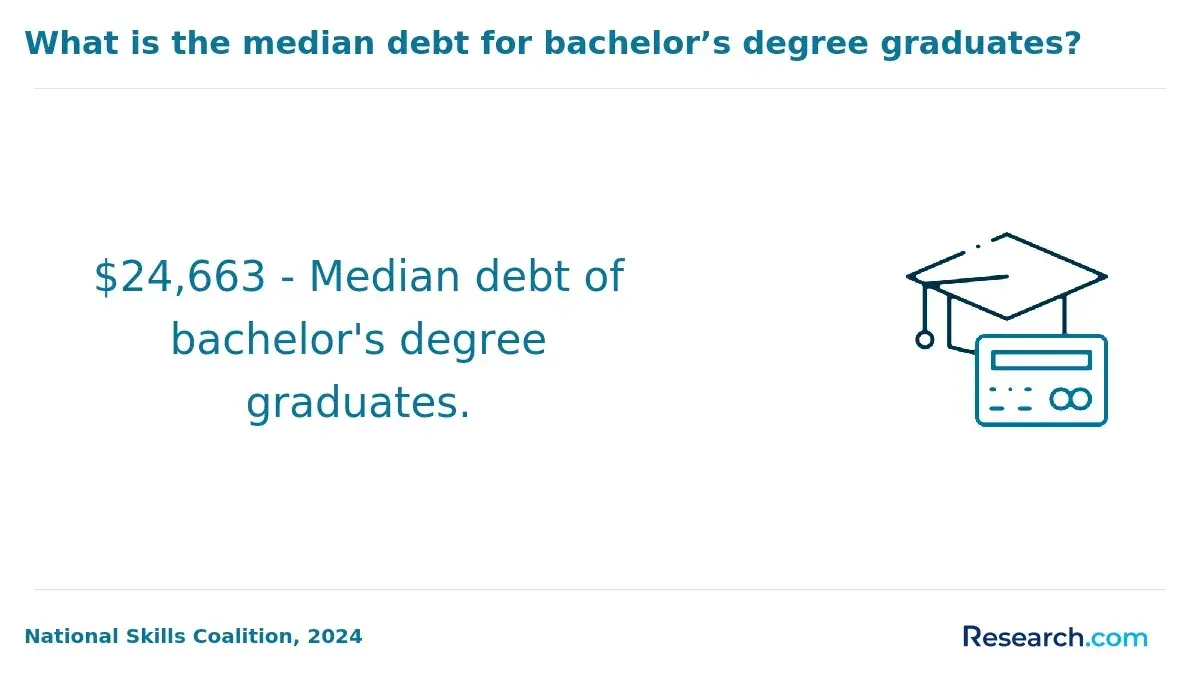
Recent figures from the U.S. Department of Education and student loan analyses indicate that monthly student loan payments for legal services graduates typically range between $350 and $600. This spread reflects average borrowing levels, which for many fall between $50,000 and $70,000-substantially less than juris doctor candidates but still significant for entry-level roles. Salaries in legal services occupations such as paralegal or public defense tend to be moderate, thereby influencing monthly obligations to generally hover around $400 to $550 on standard repayment schedules.
The wide range also mirrors variations in interest rates and individual loan terms, underscoring how personal debt profiles intersect with repayment duration preferences. Key factors driving payment variability include total loan balances, often shaped by program length and funding needs, and the choice between standard and income-driven repayment plans. Standard 10-year plans lead to higher monthly payments but limit long-term interest accrual, while income-driven plans often reduce payments below $300 but extend repayment periods and total repayment costs.
Graduate earnings differ notably across legal services specialties, with private-sector roles typically supporting higher payments compared to nonprofit or government jobs reliant on federally subsidized plan options. These dynamics form a nuanced debt-to-income calculus where students must balance short-term affordability against potential long-term financial impacts shaped by cumulative interest and career path stability.
A recent graduate recounted delay and uncertainty while navigating rolling admissions for a legal services program, hesitating to finalize enrollment without clearer financial aid details. As the application process stretched over several months, the graduate weighed whether to commit amid fluctuating job prospects and anticipated loan obligations. Relief came only after securing a spot late in the cycle, reinforcing that timing and financial clarity during admissions strongly influence students' readiness to assume debt and embark on repayment strategies informed by actual income expectations rather than assumptions.
How Do Repayment Rates Compare Between Public and Private Institutions?
Data from the U.S. Department of Education's College Scorecard (2024) highlights that graduates from public universities in legal services programs exhibit higher loan repayment rates within three years of entering repayment compared to their private institution peers. Specifically, public institution borrowers repay an average of 46% of their student loans in this period, while private institution graduates lag behind at about 39%.
This discrepancy indicates that public university attendees generally manage their repayment obligations more effectively in the early years following graduation, reflecting notable differences in financial outcomes tied to the institutional sector. The underlying causes of this repayment gap relate closely to differences in tuition costs, borrowing amounts, and post-graduation earnings. Public institutions tend to have lower tuition, resulting in smaller debt burdens that translate into more affordable monthly payments and reduced repayment risk.
Conversely, private universities typically have higher sticker prices, pushing graduates into larger loan balances that stretch repayment timelines and increase default chances. Additionally, graduates from public legal services programs more often benefit from state-based forgiveness initiatives and income-driven repayment plans, which can alleviate repayment stress. Meanwhile, limited financial literacy support and less flexible loan terms at some private institutions may further exacerbate repayment challenges despite potential differences in institutional prestige or employment opportunities.
Do Online Legal Services Graduates Have Different Repayment Outcomes Than Campus-Based Students?
Repayment rates for graduates of public and private institutions in legal services programs reveal significant outcome disparities that extend beyond raw percentages. Recent analysis from government data in 2024 shows that about 68% of public university graduates meet repayment benchmarks within three years, compared to roughly 75% from private institutions. This difference partially reflects varied institutional resources and labor market integration rather than just borrowing behavior.
Understanding these figures requires placing them within the broader context of enrollment demographics, loan burdens, and post-graduate economic trajectories that shape repayment capacities over time. Private institutions typically have higher tuition rates, which correlates with greater average debt loads for their legal services graduates, but this is often offset by stronger career placement efforts and earnings premiums linked to institutional prestige and alumni networks.
Conversely, public universities serve a more socioeconomically diverse population with generally lower initial borrowing but face challenges as graduates may encounter more uneven employment stability and wage growth. These structural factors combine so that repayment performance is less about absolute debt levels and more about graduates' capacity to manage debt relative to income and job market access. This nuanced dynamic plays out distinctly in the comparison between campus versus online legal services student debt outcomes.
The broader implications of these repayment disparities impact long-term financial mobility and perceptions of program value. Graduates struggling with extended repayment horizons may face increased financial stress, which can influence decisions around further training or career shifts. Institutions with stronger repayment records often benefit from enhanced accountability and reputational advantages, incentivizing continued investment in career services and financial counseling.
For prospective students analyzing pathways in legal services, assessing these repayment nuances alongside program costs and employment prospects is critical. Those exploring alternative flexible options might consult resources such as online PharmD programs, which illustrate specialized degree outcomes in a related professional field marked by evolving education and workforce integration models.
Which Industries Provide the Best Financial Return Relative to Borrowing Costs?
Financial return for graduates holding legal services credentials varies widely across industries, shaped by both earning trajectories and typical debt burdens accrued during study. Evaluating return on investment requires considering how salary growth, employment demand, and repayment capacity interact rather than simply comparing initial wages.
Data from the National Center for Education Statistics and Bureau of Labor Statistics in 2024 indicates median salaries near $85,000 within three years in top-performing sectors, paired with median debt around $150,000, which frames the realistic debt-to-income balance legal services graduates face.
- Corporate Law and Transactional Practice: These sectors generally offer the most favorable financial return due to higher median salaries that grow quickly in early career stages. Robust demand for compliance and contract specialists sustains steady hiring, enabling graduates to manage loan payments without excessive financial strain.
- Government Regulatory Agencies: Positions here typically provide stable income growth matched to public sector pay scales, which, while more modest than corporate, are balanced by predictable employment and benefits. The steady advancement opportunities help mitigate repayment risks despite average borrowing levels.
- Specialized Legal Compliance in Technology and Finance: Roles focusing on regulatory compliance in tech and financial services often command premium salaries reflecting specialized skill requirements and certification costs. These higher earnings assist in offsetting initially larger educational debts driven by advanced training costs.
- Public Interest and Non-Profit Legal Services: Median salaries in this field cluster closer to $50,000 but carry debt burdens comparable to other sectors, increasing the likelihood of repayment challenges. Limited salary progression places higher pressure on graduates to manage loan obligations or seek alternate relief strategies.
- Legal Consulting for Emerging Industries: Consulting roles tied to sectors like healthcare or environmental law show promising income growth potential aligned with specialized expertise demand, although entry-level salaries vary. This trajectory can improve debt-to-income ratios over time if market demand remains strong.
These distinctions illustrate that industries combining accelerated income growth with manageable borrowing demands provide the most reliable financial outcomes for legal services graduates. Graduates should weigh hiring patterns and early career progression when projecting their capacity to service educational debt sustainably.
Does Student Debt Affect Which Jobs Legal Services Graduates Accept?
Graduates of legal services programs carrying substantial student debt frequently prioritize job opportunities that address immediate financial obligations, often choosing positions with salaries that can support sizeable loan repayments rather than those aligning closely with their professional aspirations. Data from the 2024 National Association for Law Placement reveals that nearly 60% of indebted graduates feel their employment options are constrained by their debt burdens, steering them toward private sector roles that offer higher compensation or loan repayment benefits.
The requirement to meet monthly payments, sometimes exceeding $500, forces many into decisions driven more by financial necessity than by ideal career trajectory or public interest commitment. This effect also highlights the tangible influence of debt-to-income ratios on early career mobility, limiting graduates' willingness or ability to accept lower-paying public or nonprofit roles despite personal or vocational motivations.
Beyond immediate salary considerations, structural and behavioral factors play a critical role in shaping employment choices among legal services graduates facing debt. Those with lower debt levels demonstrate greater flexibility to pursue positions aligned with long-term goals, whereas high-debt graduates often confront geographic limitations and diminished capacity to withstand career instability or entry-level earnings fluctuations.
Employers' varying loan forgiveness or repayment assistance programs can mitigate these pressures but are inconsistently available, further influencing labor market behavior and career planning. The tension between financial stability and professional commitment underscores a nuanced interplay where debt influences not only job type selection but also decisions surrounding relocation, sector engagement, and the timing of career moves.
One recent graduate recounted delaying final application submissions during a rolling admissions cycle due to uncertainty over financial aid and anticipated debt load. This individual hesitated to commit early, weighing options carefully because of concerns that accepting a lower-paying public interest job might hinder managing loan repayments.
The timing of acceptance letters added pressure, as the graduate sought reassurance from potential employers about loan repayment programs before making a definitive career choice. Ultimately, the necessity to balance repayment obligations with vocational goals shaped both the application process and the decision to prioritize positions with explicit financial support, reflecting the real-world difficulty of navigating debt amidst career entry.
What Factors Increase Student Loan Repayment Risk for Legal Services Graduates?
Student loan repayment risk for legal services graduates is shaped by a complex interplay of borrowing levels, labor market conditions, and post-graduation income stability rather than any single factor. Repayment vulnerability reflects both the debt accumulated during schooling and the variability in earnings once employed.
Understanding these dynamics requires attention to institutional costs, employment sectors, and borrower financial literacy, as these elements critically influence repayment capacity and default likelihood.
- Borrowing Levels Relative to Starting Salaries: Legal services programs often incur moderate to high tuition costs, but these expenses translate into significant debt burdens compared to generally lower starting salaries in the field. This disproportion creates repayment pressure, increasing default risk when monthly payments consume a large share of income.
- Employment Stability and Sector: Graduates frequently enter part-time, contract, or public interest roles that lack job security and benefits. Such conditions reduce consistent cash flow, exacerbating financial strain and hindering reliable loan repayment, especially given the sector's income variability.
- Limited Financial Literacy and Repayment Planning: Many borrowers face challenges navigating complex repayment options, including public service loan forgiveness programs. Inadequate understanding of these mechanisms often leads to missed opportunities for relief and elevated repayment risk.
- Interaction of Income and Debt-to-Income Ratios: High debt-to-income ratios restrict disposable income, making borrowers vulnerable to economic fluctuations or unexpected expenses. This dynamic is a key component in repayment difficulty, particularly when combined with less favorable loan terms or interest rates.
- Employment Matching Degree Attainment: According to the 2024 National Student Clearinghouse report, nearly 40% of legal services graduates do not secure employment related to their degree within a year, limiting earnings growth linked to educational investment and increasing repayment risk.
Given these realities, prospective and current students must weigh program costs against realistic job outcomes and personal financial resilience. For some, exploring roles in fields with growing demand and more stable income, such as those reflected in the health information manager salary sector, may offer more favorable repayment prospects than typical legal services pathways.
How Can Legal Services Students Reduce Student Loan Debt While Earning Their Degree?
Reducing student loan debt while pursuing a legal services degree requires deliberate, strategic planning throughout the academic journey. Effective debt management is less about short-term saving and more about integrating financial awareness with academic efficiency and leveraging institutional resources. Students who adopt such an approach can significantly lower borrowing needs, easing long-term repayment pressures and aligning debt levels with realistic employment outcomes.
2024 data from the National Center for Education Statistics reveals median borrowing around $75,000 for legal services degree completion, underscoring the importance of managing costs early and continuously. Implementing targeted strategies can help reduce total debt without compromising educational goals or career readiness. Here are key approaches:
- Enroll in Flexible or Part-Time Programs: Programs allowing students to work 15-20 hours per week can reduce borrowing by up to 30%, as shown by recent Institute for College Access & Success findings. This reduces reliance on loans while maintaining academic progress, though students must balance additional time demands.
- Maximize Scholarships and Grants: Actively pursuing need-based and merit scholarships, especially those aimed at legal support careers or public interest, can directly offset tuition costs and reduce loan needs. Loan forgiveness incentives linked to these awards add net value post-graduation.
- Choose Cost-Effective Institutions: Prioritizing in-state residency options or public legal services programs, which often cost 20-40% less than private schools, lowers tuition, directly impacting required loan amounts and easing repayment obligations.
- Engage in Relevant Work Experience: Part-time employment in legal settings not only supplements income but enhances employability, aligning earning potential with debt levels and providing practical experience that supports financial planning during studies.
- Utilize Employer Tuition Reimbursement: Where available, employer support programs can cover significant portions of educational costs, reducing borrowing while promoting pathway continuation in legal services fields.
- Plan Academic Progress Efficiently: Accelerating course completion where possible and avoiding excess credit accumulation minimizes tuition paid per semester, thereby limiting overall debt accumulation without sacrificing program quality.
- Seek Early Loan Counseling: Understanding repayment options, deferment possibilities, and loan consolidation early allows students to make informed borrowing decisions and manage debt strategically after graduation.
These practical strategies reflect how legal services student loan repayment strategies depend on active financial behavior and academic discipline. Incorporating insights into program affordability and job market realities ensures debt levels remain manageable and reduces repayment risk, addressing core concerns in reducing student debt during legal services degree programs. For those exploring program choices, reviewing options such as the easiest degree in counseling can offer perspective on balancing workload and financing across related fields.
How Should Prospective Students Evaluate Borrowing Risk Before Enrolling?
Evaluating borrowing risk before enrolling in a legal services degree program is essential to grasp the full financial impact over time. This assessment hinges on balancing total debt incurred against realistic post-graduation earnings and repayment capacity. Given that nearly 30% of legal services graduates experience repayment challenges within three years, a systematic approach is vital to making informed enrollment decisions.
- Total Cost of Attendance: Understanding all expenses-including tuition, fees, and living costs-provides a foundation for estimating total debt. Students should compare this figure against local market salaries to evaluate affordability realistically.
- Graduate Employment Rates: Assessing the program's placement success offers insight into the likelihood of securing income sufficient to manage debt. Reliable employment data from recognized sources help calibrate expectations.
- Starting Salary Projections: Expected initial earnings define repayment capacity; analyzing wage variability by region and specialty clarifies financial prospects post-graduation.
- Loan Repayment Scenarios: Using loan calculators to simulate monthly payments under various interest rates and repayment plans reveals potential financial strain and long-term cost.
- Repayment Programs and Flexibility: Awareness of income-driven repayment plans and loan forgiveness options helps determine realistic options for managing debt if earnings fall short.
- Institutional Cost Structures: Comparing program costs across institutions highlights where borrowing risk may be mitigated or intensified, supporting more budget-conscious decision-making.
- Professional Advice and Market Trends: Input from alumni and industry professionals contextualizes employment demand and career trajectory, informing realistic borrowing limits aligned with labor market conditions.
By rigorously examining these factors, prospective students can better anticipate financial obligations and weigh the long-term sustainability of borrowing for a legal services education.
References
- What Is the Average Graduate Student Loan Debt | SoFi https://www.sofi.com/learn/content/average-graduate-student-loan-debt/
- Is Rising Student Debt Harming the U.S. Economy? | Council on Foreign Relations https://www.cfr.org/backgrounders/us-student-loan-debt-trends-economic-impact
- Lawyers and Student Debt - Protect Borrowers https://protectborrowers.org/lawyers-and-student-debt/
- Financial stress and anxiety plague two-thirds of young lawyers, ABA survey finds | Reuters https://www.reuters.com/legal/transactional/financial-stress-anxiety-plagues-two-thirds-young-lawyers-aba-survey-finds-2024-09-10/
- Student Loan Issues - LAFLA: Legal Aid Foundation of Los Angeles https://lafla.org/get-help/student-loan-issues/
- How to Handle Law School Debt https://www.abainsurance.com/resource-center/education-center/how-to-tackle-law-school-debt/
- Proposed Changes to Student Loan Forgiveness Program Has Chilling Effect on Law Students and Public Service Attorneys - New York State Bar Association https://nysba.org/proposed-changes-to-student-loan-forgiveness-program-has-chilling-effect-on-law-students-and-public-service-attorneys/
- New Rules for Law School Loans: Limits, Repayment Plans, and What You Need to Know https://www.accesslex.org/news-tools-and-resources/new-rules-law-school-loans-limits-repayment-plans-and-what-you-need-know
- Student Loan Debt Lawyer | McCarthy Law PLC https://mccarthylawyer.com/student-loan-debt/
- Trustpilot https://www.credible.com/statistics/average-law-school-debt
Other Things You Should Know About Legal Services
Graduates must consider that prestigious legal services programs often come with significantly higher debt but do not guarantee commensurate salary boosts across all specialties. If your post-graduation plan targets niche fields or public sector jobs where salaries are capped, accruing excessive debt may increase repayment risk without proportional financial benefit. Prioritizing program affordability and alignment with realistic career outcomes can reduce long-term financial strain, especially if employer demand and salary growth in your desired area are modest.
Income-driven repayment plans can provide immediate monthly payment relief but often extend the repayment period, increasing total interest paid and prolonging debt burden. Graduates working in lower-paying legal roles should carefully evaluate whether long-term interest costs and potential tax liabilities upon loan forgiveness outweigh the short-term cash flow benefits. A strategic approach involves balancing manageable monthly payments with efforts to accelerate principal reduction when possible to minimize overall costs.
Employment in government, nonprofit, or public interest roles usually means lower salaries but often includes repayment assistance programs, which can lower repayment risk despite modest income. In contrast, graduates employed in private firms typically earn more but face less flexible repayment options, making upfront debt levels and monthly obligations more critical. Prospective students should factor in sector-specific financial supports and realistic earning trajectories when assessing allowable borrowing limits and repayment capabilities.
While aggressive debt repayment reduces long-term financial risks, students might sacrifice valuable career-building opportunities by diverting resources away from networking, certifications, or specialized training. A balanced strategy that maintains a feasible repayment plan while investing in credentialing or selective job experiences can enhance long-term earning potential and job stability, thereby improving overall financial health. Prioritizing repayment without stalling professional growth risks prolonging economic vulnerability beyond student loans.