2027 Legal Services ROI by Institution Type: Public vs Private vs Nonprofit Online Programs

Co-Founder and Chief Data Scientist
Imagine a prospective legal services student comparing three online programs: similar course offerings and schedules, but with tuition differing by tens of thousands of dollars and graduation rates varying from 45% to 78%. A 2024 National Student Clearinghouse report reveals that students from public institutions graduate at notably higher rates while accumulating less average debt than those attending private or nonprofit programs.
This matters because lower debt combined with stronger completion metrics correlates with improved employment outcomes and long-term financial stability in legal services careers. Choosing the wrong institution type can saddle graduates with unaffordable loans and limited career mobility. This article evaluates legal services ROI across public, private, and nonprofit online programs to guide informed enrollment decisions.
Key Things to Know About Legal Services ROI by Institution Type
- Public institutions typically offer lower tuition and more robust learner support, reducing debt exposure but often entail longer graduation timelines, influencing time-to-employment and potential opportunity costs.
- Private online legal services programs may carry higher costs but leverage stronger accreditation and employer connections, improving career advancement chances, though selection bias affects average post-completion outcomes.
- Nonprofit providers often balance affordability and flexible pacing; however, varied completion rates require evaluating institutional consistency, as slower progression can impact long-term ROI amid evolving workforce demands.
- Key Things to Know About Legal Services ROI by Institution Type Key Things to Know About Legal Services ROI by Institution Type
- What Does ROI Mean for a Legal Services Program and How Is It Measured? Understanding Legal Services Program ROI
- How Do Public, Private, and Nonprofit Online Legal Services Programs Differ in Overall Value? Value by Institution Type
- How Do Tuition Costs Affect the ROI of a Legal Services Program Across Institution Types? Tuition Costs and ROI
- How Do Graduation Rates Influence Legal Services Program ROI? Graduation Rates Impact ROI
- What Role Do Career Outcomes Play in the ROI of a Legal Services Degree? Career Outcomes and ROI
- How Does Student Debt Impact the Long-Term ROI of a Legal Services Program? Debt vs. Long-Term ROI
- How Do Flexibility and Adult Learner Support Affect Legal Services Program Value? Flexibility and Program Value
- How Do Accreditation and Institutional Reputation Influence Legal Services ROI? How Do Accreditation and Institutional Reputation Influence Legal Services ROI?
- How Does Time-to-Degree Affect the ROI of Public, Private, and Nonprofit Legal Services Programs? How Does Time-to-Degree Affect the ROI of Public, Private, and Nonprofit Legal Services Programs?
- How Can You Choose the Best Legal Services Program Based on Your ROI Goals? Choosing Programs by ROI
What Does ROI Mean for a Legal Services Program and How Is It Measured?
Return on investment for a legal services program requires moving beyond simple cost comparisons to factor in total educational expenses, including tuition, fees, and the less visible opportunity costs like time-to-degree and potential lost earnings. For instance, a working professional choosing between a public and a private online program must consider public options often have higher graduation rates-as reported recently by the National Center for Education Statistics with averages around 62% for public versus 54% for private-which can shorten time in school and reduce overall financial strain. However, this does not guarantee superior long-term value, as private programs may provide enhanced networking or specialized instruction that some students find crucial for career placement, highlighting how ROI varies significantly by individual goals and circumstances.
When measuring educational roi in legal services programs, the challenge lies in balancing debt levels, career outcomes, and program flexibility. Public online programs typically graduate students with lower debt burdens, which research indicates can alleviate financial pressure even if starting salaries lag compared to private institution graduates. Nonprofit programs add another layer by often prioritizing learner support and mission-driven affordability, which can translate into steady employment prospects rather than rapid income growth. Ultimately, prospective students should evaluate these factors alongside institutional reputation and personal career aspirations rather than default to choosing the cheapest path, recognizing that a lower sticker price may not offset higher risk of delayed completion or limited career support.
Legal services students facing different timelines and financial tolerances must incorporate realistic career trajectory forecasts into their ROI assessment. A prospective student interested in efficient, affordable credentialing might explore options like RN to BSN online programs without clinicals for comparison in how program structures reduce time and cost without sacrificing credential value. In contrast, those seeking advanced specialization or extensive networking opportunities should weigh the higher cost and debt of private programs against potential career returns. These nuanced tradeoffs emphasize why decision-making around ROI should be tailored and informed by comprehensive data-graduation rates, debt-to-income ratios, and job placement patterns-to support durable, cost-conscious choices across public, private, and nonprofit online legal services programs.
How Do Public, Private, and Nonprofit Online Legal Services Programs Differ in Overall Value?
Evaluating public, private, and nonprofit online legal services programs reveals complex tradeoffs beyond sticker price that directly affect debt burden, completion speed, and career outcomes. Public institutions often provide lower tuition combined with state-backed financial aid, producing average student debt roughly 18% below private counterparts, according to 2024 data from the National Center for Education Statistics. However, their slightly lower graduation rates can delay credential attainment and entry into legal roles, which may diminish overall return on investment for students prioritizing timely workforce integration. Conversely, private programs frequently offer enhanced student support, smaller cohorts, and stronger alumni ties, factors linked to higher graduation rates and better reputational currency in some specialty areas; yet, they also tend to saddle students with higher debt, requiring a careful assessment of whether those benefits justify the increased financial risk.
Nonprofit programs chart a middle path, emphasizing flexible scheduling and mission-focused career services tailored to working adults and career changers, often balancing cost and educational quality in ways that appeal to those targeting public interest sectors. Institutional accreditation and a program's design-particularly the availability of internships and practical skill development-play a pivotal role in employer recognition across all institution types, sometimes outweighing school classification in hiring decisions. For learners juggling financial constraints and professional demands, discerning how these variables affect affordability, degree completion likelihood, and employment readiness is critical to making an informed choice that aligns with both immediate needs and long-term career trajectories.
One prospective student weighed the options between a public university's cost-effective legal services program, a prestigious private school with robust alumni networks, and a nonprofit institution known for flexible scheduling. Concerned about accumulating excessive debt but also wanting reliable career support, she hesitated over paying a premium for perceived prestige. Careful comparison revealed that the nonprofit's adaptable classes and solid career services offered the best blend of affordability, timely completion, and employer recognition for her goals, illustrating how nuanced evaluation beyond price alone can pinpoint a program's true educational and financial value.
How Do Tuition Costs Affect the ROI of a Legal Services Program Across Institution Types?
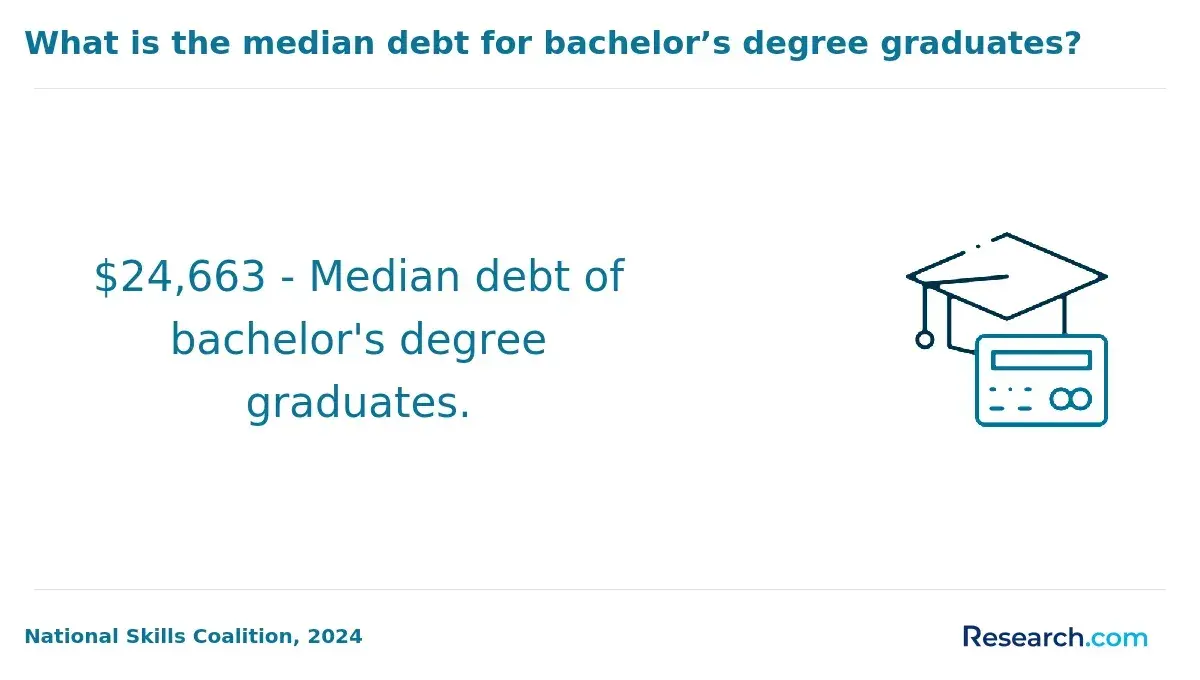
Tuition disparities among public, private, and nonprofit online legal services programs shape ROI in complex ways that extend beyond sticker price alone. While public institutions often charge 40-60% less than private universities, as reported by the National Center for Education Statistics in 2024, lower tuition does not guarantee superior financial outcomes. For instance, private and nonprofit programs may offset higher upfront costs through targeted scholarships and grants, effectively reducing a student's net price and loan burden. The interplay of financial aid availability and borrowing needs critically influences long-term debt and repayment capacity, key factors that determine whether a program's cost becomes a sustainable investment or a financial strain.
Completion rates and program flexibility further differentiate ROI across institution types. Public programs frequently exhibit higher graduation rates and more adaptable pacing options, which accommodate working adults aiming to minimize income disruption during study. In contrast, some pricier private institutions might justify their cost through specialized career services and employer networks, enhancing job placement prospects and salary growth over time. Choosing between these options involves tradeoffs: a public program could reduce initial indebtedness and speed entry into the workforce, while a costly private credential might deliver stronger wage premiums but only if aligned with the student's career goals and local market demands. Ultimately, a prospective student must assess how tuition interacts with financial support, program outcomes, and employment pathways to understand the nuanced ROI of legal services education in today's evolving labor market.
How Do Graduation Rates Influence Legal Services Program ROI?
Graduation rates play a critical role in shaping the return on investment for legal services programs by reflecting how effectively institutions support students toward completion. Public online programs typically report graduation rates between 40% and 60%, often influenced by high proportions of part-time learners balancing work and family commitments, which can extend time-to-degree and increase costs. Private and nonprofit providers may boast rates above 70%, but their higher tuition can offset financial benefits, requiring students to carefully weigh completion probabilities against overall expense. Academic support services and program flexibility frequently determine persistence, with insufficient advising or rigid schedules leading to attrition that undermines ROI.
Comparative graduation outcomes for public private nonprofit legal services programs provide insight into institutional effectiveness but should not be the sole decision factor. For cost-conscious adult learners and career changers, slower completion delays workforce reentry and amplifies debt burdens, making time-to-degree a key consideration alongside graduation rates. Lower completion rates also correlate with heightened loan default risks, deteriorating long-term financial outcomes. Those considering program options might find value in models emphasizing rapid or streamlined credentials, much like the 12 week LPN program in healthcare education, which prioritizes efficient completion while maintaining relevant skill acquisition.
What Role Do Career Outcomes Play in the ROI of a Legal Services Degree?
Career outcomes serve as a decisive factor in evaluating the return on investment for online legal services degrees, particularly when comparing public, private, and nonprofit institutions. Employment rates within one year of graduation highlight notable distinctions: private programs average 85%, public programs 78%, and nonprofit programs 81%, reflecting differences in institutional networks and market relevance. For example, graduates from private programs often benefit from targeted curricula aligned with employer demands and stronger professional connections, which can expedite job placement and enhance career mobility. However, lower tuition and broader accessibility at public schools may offset slower job alignment, especially for learners balancing cost with time-to-degree and debt considerations.
The perception of online legal credentials by employers varies widely and significantly impacts career progression. While credentials from private online programs tend to carry more weight, facilitating smoother transitions into specialized roles, public and nonprofit programs frequently support alumni aiming for advanced legal education or nonprofit sector careers where different competencies are valued. This variation underscores the need for prospective students to prioritize not just initial employment, but the trajectory of skill utilization and professional growth alongside financial investment. When weighing long-term value, the interplay of debt burden, institutional reputation, and job-market fit becomes critical, revealing that ROI extends beyond salary to include the pace and quality of career advancement in legal services fields.
An alumnus of a nonprofit online legal services program recalls the cautious decision to enroll after struggling to find relevant roles post-bachelor's degree. Although skeptical about the degree's immediate payoff given the tuition, they found the employer network and skill set cultivated through the program eventually opened doors to internal promotions and more substantive legal work. Initially, the value felt intangible, as salary growth was modest, but over three years, the degree enhanced job stability and opportunities to lead projects, validating the investment despite slower initial returns. This experience illustrates how assessing ROI means looking beyond quick financial gains to consider evolving role responsibilities and credential recognition in real work environments.
How Does Student Debt Impact the Long-Term ROI of a Legal Services Program?
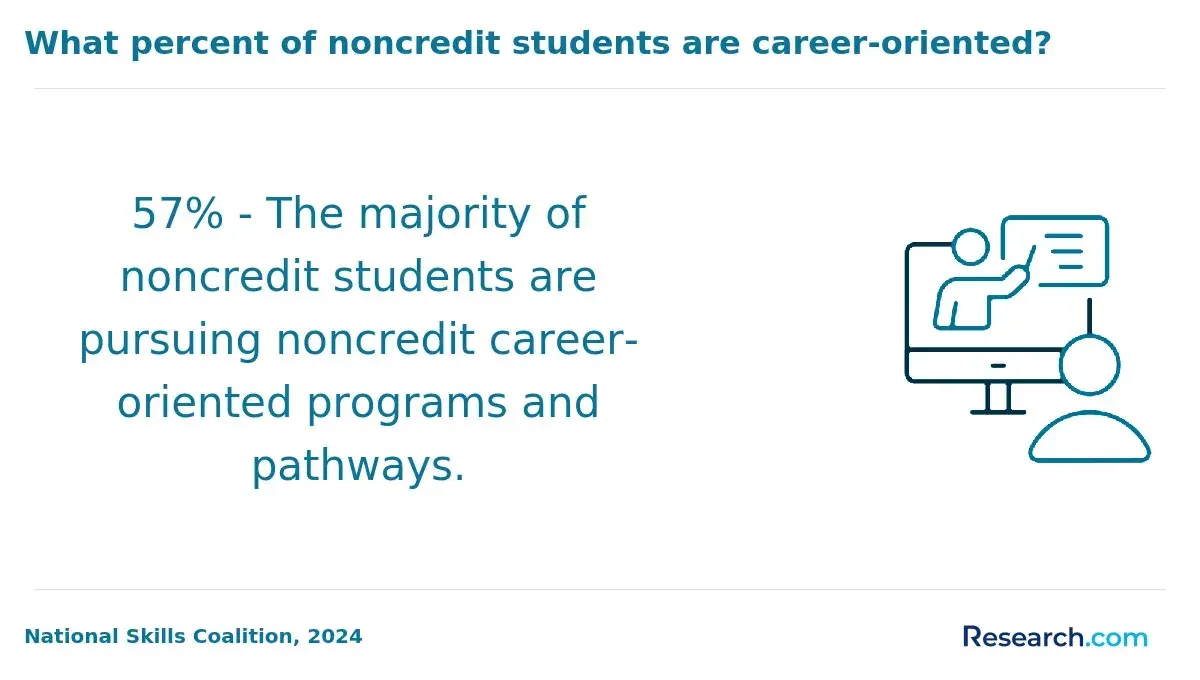
Higher student debt levels among graduates of legal services programs significantly affect long-term ROI, particularly when comparing public, private, and nonprofit online institutions. For example, private online programs often result in debt burdens nearly 30% greater than those from public counterparts, increasing monthly repayment obligations that can delay milestones like homeownership or retirement savings. This elevated debt load can offset any short-term gains from specialized curricula or networking opportunities, making the relationship between borrowing and educational value critical for cost-conscious adult learners to evaluate carefully.
Graduates must weigh the student debt impact on legal services program ROI against outcomes like graduation and job placement rates, which tend to vary by institutional type. Public programs generally offer lower tuition and state-backed support, leading to reduced debt-to-completion ratios and lower default rates, signaling stronger employment prospects and more stable income streams. Nonprofit online institutions typically fall in the middle, providing competitive pricing and scholarships that moderate borrowing but still require analysis of long-term financial effects of legal services student loans before committing. Those seeking flexible study options might consider online medical assistant programs that accept financial aid as a comparison point in balancing cost, debt, and career goals within healthcare-adjacent fields.
How Do Flexibility and Adult Learner Support Affect Legal Services Program Value?
Program flexibility and adult learner support directly affect the return on investment in legal services education by shaping persistence, completion timing, and career readiness. For example, asynchronous coursework combined with part-time enrollment options allows working professionals and caregivers to maintain employment or personal obligations without delaying progress, a critical factor given that over 70% of online legal services students balance full-time jobs. However, these flexible models can vary in support intensity: public institutions often provide broad affordability and formal credit transfer pathways but may lack the personalized advising and career services that private and nonprofit programs emphasize, potentially extending time to degree or complicating career transitions.
Student outcomes also hinge on the quality of academic advising, faculty access, and career counseling tailored to legal and paralegal pathways, which improve practical skills application and job placement success. Institutions with established support frameworks report up to 15% higher degree completion rates for adult learners, underscoring how these services mitigate risks tied to working adults' complex schedules and competing priorities. Yet, the tradeoff between affordability and support is key; less costly public programs might restrict individualized mentoring, while private programs' enhanced services come at higher tuition, affecting overall debt burden and net ROI. Additionally, technology platforms and institutional reputation influence long-term career mobility, with private schools often offering advanced synchronous engagement options but more limited credit transfer than public systems, complicating transfer students' trajectories and employer perceptions.
How Do Accreditation and Institutional Reputation Influence Legal Services ROI?
Choosing a legal services program without careful attention to accreditation and institutional reputation can significantly diminish the long-term return on investment, especially when factoring tuition costs and potential student debt. Regional accreditation remains a critical benchmark, as employers and licensing boards often prioritize candidates whose credits are transferable and degrees recognized within their jurisdiction. For example, graduates from regionally accredited online programs report a 15% higher likelihood of employer recognition than those from nationally accredited or unaccredited programs, according to Council for Higher Education Accreditation data. This gap can directly limit access to favorable job placements, licensure pathways, and graduate education, thereby constraining career mobility and earnings potential.
Institutional reputation also plays a practical role, though it is not the sole determinant of success. Employers may value candidates from well-established programs noted for rigorous curricula and robust student support, yet some lesser-known accredited online schools achieve comparable employment outcomes by emphasizing relevant skills and professional networking. As public institutions tend to offer more affordable legal services programs with recognized accreditation, private and nonprofit online schools might provide specialized training and flexible formats that better suit working adults. Ultimately, the interplay between accreditation, cost, and reputation demands that prospective students carefully evaluate each program's track record in graduate competencies and real-world employer demand to maximize their educational investment's payoff.
How Does Time-to-Degree Affect the ROI of Public, Private, and Nonprofit Legal Services Programs?
The time-to-degree in public, private, and nonprofit online legal services programs directly influences the total financial and career costs students face, impacting their return on investment. Public institutions often enable faster completion-around three years for part-time or accelerated options-reducing tuition exposure and opportunity costs by allowing earlier workforce reentry. However, private and nonprofit programs tend to extend closer to four years for part-time learners, which increases debt and income deferral, although some students might accept this tradeoff for the richer academic resources or networking opportunities these schools sometimes provide.
Graduation rates further complicate this picture; public programs report higher six-year completion rates (approximately 62%) compared to private (55%) and nonprofit (58%) institutions. These differences matter because shorter time-to-degree paired with stronger completion rates generally improves ROI by lowering cumulative debt and enabling faster credentialing. Yet, accelerated timelines aren't universally advantageous, especially for working adults balancing employment and family. Programs that offer flexible transfer credit policies or modular course designs can lengthen completion time but enhance persistence and degree attainment, which ultimately supports more stable long-term returns. This dynamic is critical when comparing the effect of accelerated degree timelines on financial returns in nonprofit legal services education, where flexibility often drives completion success.
Adult learners must critically evaluate program length alongside affordability and flexibility, reflecting on how time-to-degree interacts with practical realities like part-time enrollment and transfer credits. Balancing these factors shapes not only the immediate costs but also the sustainable value of obtaining legal services credentials. For comparable efficiency in completion and ROI-related outcomes, students may also consider models proven in related fields such as the best RN to BSN programs, where accelerated pathways impact workforce entry timing and educational debt distinctly.
How Can You Choose the Best Legal Services Program Based on Your ROI Goals?
The highest return on investment in legal services programs depends less on institution type alone and more on aligning educational choices with individual circumstances and career objectives. Public online programs generally minimize tuition and leverage state-funded grants, reducing debt burdens and shortening time-to-degree, which is critical for working adults juggling family and employment. However, private institutions-despite higher costs-often deliver stronger institutional reputations and more robust alumni networks that can enhance long-term career mobility and salary potential, making them attractive despite upfront expenses for some students focused on specialized expertise.
Graduation rates, accreditation, and program flexibility contribute differently to ROI across public, private, and nonprofit online programs. Nonprofit institutions may blend moderate tuition with targeted learner supports, appealing to those balancing workload with education. Career outcomes hinge not only on prestige but on how well the program's credentials are recognized by employers, especially in a competitive legal services job market. Cost-conscious adult learners and career changers evaluating legal services program return on investment comparison must weigh these factors alongside personal timelines and workforce re-entry goals to select programs that optimize both affordability and employability.
Students seeking the best online legal services programs for career ROI might also consider growing trends within industry-aligned credentials, such as those detailed in online health information management programs CAHIIM accredited, which reflect how accreditation and specialization impact hiring in adjacent fields. Ultimately, decision-making involves navigating tradeoffs among cost, program duration, institutional prestige, and financial aid availability to find the best fit for distinct professional pathways and life demands.
References
- Recent Trends in the Cost of College Show the Continued Importance of Federal and State Investment - Center for American Progress https://www.americanprogress.org/article/recent-trends-in-the-cost-of-college-show-the-continued-importance-of-federal-and-state-investment/
- Homepage | LSC https://www.lsc.gov/
- Future of legal services and the implications for legal education and training https://www.ibanet.org/article/a407b3e1-7083-48c2-ad9a-6be7b7c934c5
- ‘MBAs for the Public Good’? https://www.vitalcitynyc.org/mbas-for-the-public-good-does-getting-a-masters-degree-make-sense-for-nonprofit-professionals/
- Does College Pay Off? A Comprehensive Return On Investment Analysis - FREOPP https://freopp.org/whitepapers/does-college-pay-off-a-comprehensive-return-on-investment-analysis/
- Adult skills fund: funding and performance management rules 2025 to 2026 https://www.gov.uk/government/publications/adult-skills-fund-funding-rules/adult-skills-fund-funding-rules-2025-to-2026
- How to measure legal tech ROI: Metrics and expert tips | Opus 2 https://www.opus2.com/how-to-measure-legal-tech-roi/
- How to measure the return on investment (ROI) of legal tech and communicate it to the business - LawVu https://lawvu.com/articles/how-to-measure-the-return-on-investment-roi-of-legal-tech-and-communicate-it-to-the-business/
- The institutional role of business school accreditation agencies: a systematic literature review https://portal.amelica.org/ameli/journal/154/154737005/html/
- The Long-Term Effects of Student Loans | ACE Blog https://ace.edu/blog/the-long-term-effects-of-student-loans/
Other Things You Should Know About Legal Services
Public institutions often emphasize foundational, broad-based legal skills aligned with state regulations and accessible entry-level roles, which can limit exposure to niche specialties. Private programs may offer more specialized courses or experiential learning opportunities geared toward competitive markets, but this comes with higher tuition and less standardization. For students aiming at specific sectors, a targeted private program might enhance employability despite greater costs, whereas public programs provide a more affordable but potentially less tailored education.
Employers in legal services tend to value practical experience and demonstrable skills more than the institution's prestige, but private institutions with strong alumni networks can open doors more effectively. Public programs may face challenges with employer stereotypes linked to funding constraints or less flexible curricula, which can affect early career opportunities. Nonprofit programs often fall in between, providing quality education but limited brand recognition, so graduates should proactively supplement credentials with internships or certifications to improve their market position.
Private institutions frequently expect faster completion with a heavier academic workload, which could strain working professionals but accelerate entry into higher-paying roles. Public programs typically offer more flexible pacing and lower intensity, which align better with balancing work and study but might extend time to degree, impacting short-term ROI. Nonprofit programs vary widely, so professionals should prioritize programs that realistically match their available time and career flexibility to avoid burnout and stalled progress.
Adult learners focused on transitioning careers should prioritize private online programs that provide specialization and strong employer engagement, as the potential for higher starting salaries and career advancement often outweighs higher costs. Public programs, while cost-effective, may lack the focused training and networking necessary for rapid career pivoting. Nonprofit options can offer a middle ground but require thorough evaluation of curriculum relevance and support services to ensure practical job-readiness post-graduation.