2027 Online vs Campus Clinical Mental Health Counseling Outcomes Report: Graduation Rates, Cost, and Career Trade-Offs

Co-Founder and Chief Data Scientist
Balancing transfer credit policies and time-to-degree constraints poses a critical challenge for working professionals weighing online versus campus clinical mental health counseling programs. Recent 2024 data reveals that 38% of institutions limit transfer credits to under 50% for counseling degrees, significantly extending on-campus students' graduation timelines compared to more flexible online formats. This shift reflects growing institutional recognition that rigid credit acceptance hampers degree completion efficiency, particularly for non-traditional learners seeking accelerated progression while managing work or family.
Understanding how these factors influence graduation rates, total costs, and career outcomes is essential for selecting the optimal pathway. This article analyzes comparative graduation outcomes, financial impacts, and professional trade-offs between online and campus clinical mental health counseling programs to guide informed enrollment decisions.
Key Things to Know About Online vs Campus Clinical Mental Health Counseling Outcomes
- Online clinical mental health counseling programs often show graduation rates around 10-15% lower than campus counterparts, signaling challenges in student engagement that may impact timely workforce entry.
- Cumulative costs for campus programs include additional fees and living expenses, making online options financially viable but potentially limiting access to on-site practicum networks valued by some employers.
- Employer preference data from 2024 indicates a nuanced view: while degrees-online or campus-are accepted, hands-on clinical experience obtained on campus can enhance job readiness in competitive urban counseling markets.
- Key Things to Know About Online vs Campus Clinical Mental Health Counseling Outcomes Key Things to Know About Online vs Campus Clinical Mental Health Counseling Outcomes
- What Are the Biggest Differences Between Online and Campus Clinical Mental Health Counseling Program Outcomes? Online vs Campus Outcomes
- How Do Graduation Rates Compare Between Online and Campus Clinical Mental Health Counseling Programs? Comparing Graduation Rates
- Why Do Online and Campus Clinical Mental Health Counseling Students Have Different Completion Rates? Why Completion Rates Differ
- How Do Online and Campus Clinical Mental Health Counseling Programs Compare on Total Cost? Total Cost Comparison
- What Hidden Costs Should Students Expect in Online vs Campus Clinical Mental Health Counseling Programs? Hidden Program Costs
- How Does Financial Aid Affect the Cost of Online and Campus Clinical Mental Health Counseling Programs? Financial Aid Impact
- Do Online and Campus Clinical Mental Health Counseling Graduates Have Different Career Outcomes? Comparing Career Outcomes
- How Do Employers View Online vs Campus Clinical Mental Health Counseling Degrees? How Do Employers View Online vs Campus Clinical Mental Health Counseling Degrees?
- Which Clinical Mental Health Counseling Degree Format Offers Better Flexibility for Working Adults? Which Clinical Mental Health Counseling Degree Format Offers Better Flexibility for Working Adults?
- How Should Students Choose Between an Online and Campus Clinical Mental Health Counseling Program? Choosing Your Program Format
What Are the Biggest Differences Between Online and Campus Clinical Mental Health Counseling Program Outcomes?
The most consequential differences in graduation outcomes between online and campus clinical mental health counseling programs come down to persistence and completion speed, shaped strongly by student circumstances and program design. Campus-based cohorts typically graduate at rates near 68% within six years compared to roughly 55% for online students, a gap influenced by the part-time, work-balancing profile common among remote learners.
For instance, a working parent enrolled online might extend their timeline due to competing responsibilities, increasing debt exposure and delaying entry into credentialed roles. These variances highlight how campus program structures and on-site supports often foster steadier progress, which can be critical for licensure timelines and subsequent employability, especially where local internship access and direct faculty engagement are valued by employers.
Cost trade-offs further complicate this choice as online programs may advertise lower tuition but often entail additional fees and limited financial aid, offsetting upfront savings. The lack of campus resources like study centers or peer networks can subtly affect academic outcomes and career readiness. Meanwhile, employer perceptions subtly favor campus graduates, partly due to more robust in-person networking and clinical placements that build reputational advantages in a crowded job market.
As students evaluate options, understanding these graduation rate comparisons for online vs campus clinical mental health counseling programs clarifies how format impacts total investment and career mobility. Those seeking program affordability might explore models like a cheap DNP that prioritize cost efficiency without sacrificing essential clinical experience.
How Do Graduation Rates Compare Between Online and Campus Clinical Mental Health Counseling Programs?
Completion rates between online and campus clinical mental health counseling programs often reflect underlying differences in student demographics and program structures rather than instructional quality alone. Campus programs typically report graduation rates between 65% and 75% within expected timeframes, benefiting from cohort models that encourage peer accountability and direct faculty engagement.
In contrast, online formats, which generally see 50% to 65% completion rates, serve many part-time students balancing work, family, and clinical practicum demands, leading to extended pacing and varied time-to-degree trajectories. These factors complicate direct rate comparisons because reporting standards may not fully account for part-time enrollment or stop-out patterns common among working professionals in online programs.
Advising access and institutional supports also clearly influence persistence, with campus programs often offering more immediate, face-to-face guidance, whereas successful online programs must deploy robust virtual advising and proactive outreach to close retention gaps. The selective admission criteria found more frequently in campus programs may yield students with stronger academic backgrounds, further elevating completion rates compared to the open enrollment models prevalent online.
Prospective students should weigh whether the flexibility of online scheduling aligns with their need for structure, as inadequate pacing or reduced faculty interaction can increase the risk of delayed completion or attrition despite the appeal of convenience. One recent clinical mental health counseling graduate recalled meticulous research comparing formats before enrolling.
They hesitated over online options, concerned that the lack of a regimented cohort or prompt advising might hinder steady progress given their full-time job and family commitments. After discussions with current students and faculty, they chose a campus program for its structured timeline and embedded support, prioritizing on-site access to resources despite the commute. This decision was shaped less by academic difficulty and more by the perceived need for consistent engagement to maintain momentum through intensive clinical placements and coursework.
Why Do Online and Campus Clinical Mental Health Counseling Students Have Different Completion Rates?
Graduation disparities between online and campus clinical mental health counseling programs frequently reflect differences in student demographics and program structure rather than teaching quality. For instance, about 60% of online counseling students attend part-time, juggling work and family commitments that can stretch program timelines and elevate dropout risk.
This contrasts with campus programs where less than 30% enroll part-time and benefit from cohort-based models and consistent, in-person academic advising that promote accountability and sustained engagement. These factors together contribute to on-campus students typically graduating at rates 10-15% higher, according to the National Center for Education Statistics 2024 data.
Beyond enrollment status, the design of clinical mental health counseling curricula affects persistence differently across modalities. Campus offerings often follow structured semesters with clearly sequenced practicum and internship requirements, which help students maintain momentum. Online formats may provide self-paced or accelerated options, which, while attractive to some, can lead to uneven progress when clear external deadlines and peer connections are absent.
Additionally, online students often encounter fewer opportunities for synchronous faculty interaction, with less access to institutional scholarships and potentially higher indirect costs like technology upgrades. These realities mean prospective students should weigh not only total tuition but the practical challenges of navigating clinical placements alongside external responsibilities when choosing their learning format.
How Do Online and Campus Clinical Mental Health Counseling Programs Compare on Total Cost?
Total cost comparisons between online and campus clinical mental health counseling programs reveal nuanced trade-offs that extend beyond tuition sticker prices. Although online programs often advertise 10-30% lower tuition, mandatory technology fees, travel for clinical placements, and digital resource expenses can diminish these savings. Conversely, campus students face additional charges such as housing, commuting, meal plans, and campus service fees that regularly exceed $1,000 annually, inflating their overall cost of attendance.
For example, a working adult balancing employment may benefit financially and logistically from an online program's flexibility, despite paying technology surcharges and field supervision travel costs. Decisions between formats also impact student debt load and time-to-completion strategies. Data from the National Center for Education Statistics indicates average debt upon graduation is slightly higher among campus students, often due to longer program durations and elevated living expenses, especially at private nonprofit institutions.
Many public institutions with online clinical mental health counseling program total cost comparison options maintain comparable financial aid availability, including grants and employer tuition assistance, leveling affordability. Understanding these distinctions alongside career demands and work continuity is essential, especially when planning balanced debt management and aligning education with clinical supervision requirements. Those weighing career transitions may also consider practical funding routes familiar to fields like medical coding pay to inform their financial decision-making within healthcare education investments.
What Hidden Costs Should Students Expect in Online vs Campus Clinical Mental Health Counseling Programs?
Choosing between online and campus clinical mental health counseling programs requires a close look beyond tuition figures to the subtler financial demands that affect program affordability and completion planning. While online tuition may initially appear lower, mandatory tech fees and software licensing for virtual simulations typically increase costs by 5% to 10%, according to 2024 NCES data.
Campus students face less visible but often larger expenses, including commuting, parking, and off-campus housing that can exceed $8,000 annually, per the College Scorecard, making relocation a critical budget factor. Additionally, both formats require dedicated time for clinical hours, yet the in-person practicum's fixed schedules and location mandates can force campus students to sacrifice income or incur travel costs that might be less predictable for online learners who must also secure suitable local field placements.
The disparities in financial aid access also shape outcomes; campus students often qualify for institutionally funded scholarships linked to residency, whereas online learners may confront more restricted aid pools, contributing to slower graduation rates and growing debt burdens in remote cohorts balancing work and family. These hidden expenses significantly influence the total cost of attendance and the long-term financial viability of pursuing clinical mental health counseling, underscoring the necessity of aligning format choice with personal circumstances and workforce realities rather than advertised tuition alone.
One recent graduate recalled her hesitation when comparing programs. Although the online option had lower listed tuition, she was surprised to find upfront costs for high-speed internet upgrades and specialized telehealth software, plus proctoring fees that were not initially clear. Meanwhile, the campus program's requirement for a parking permit and unpredictable travel to off-site clinical locations raised concerns about lost work hours and childcare challenges. She described feeling caught between formats-each with distinct hidden costs that complicated her budgeting-but ultimately decided the campus option's more generous aid offerings helped her manage expenses better despite the higher ancillary fees.
How Does Financial Aid Affect the Cost of Online and Campus Clinical Mental Health Counseling Programs?
Financial aid dynamics create distinct cost realities for online versus campus clinical mental health counseling students, with implications extending beyond sticker price. Campus programs often provide richer institutional aid, including scholarships and assistantships that require in-person participation, which can substantially reduce net costs but limit eligibility for online learners.
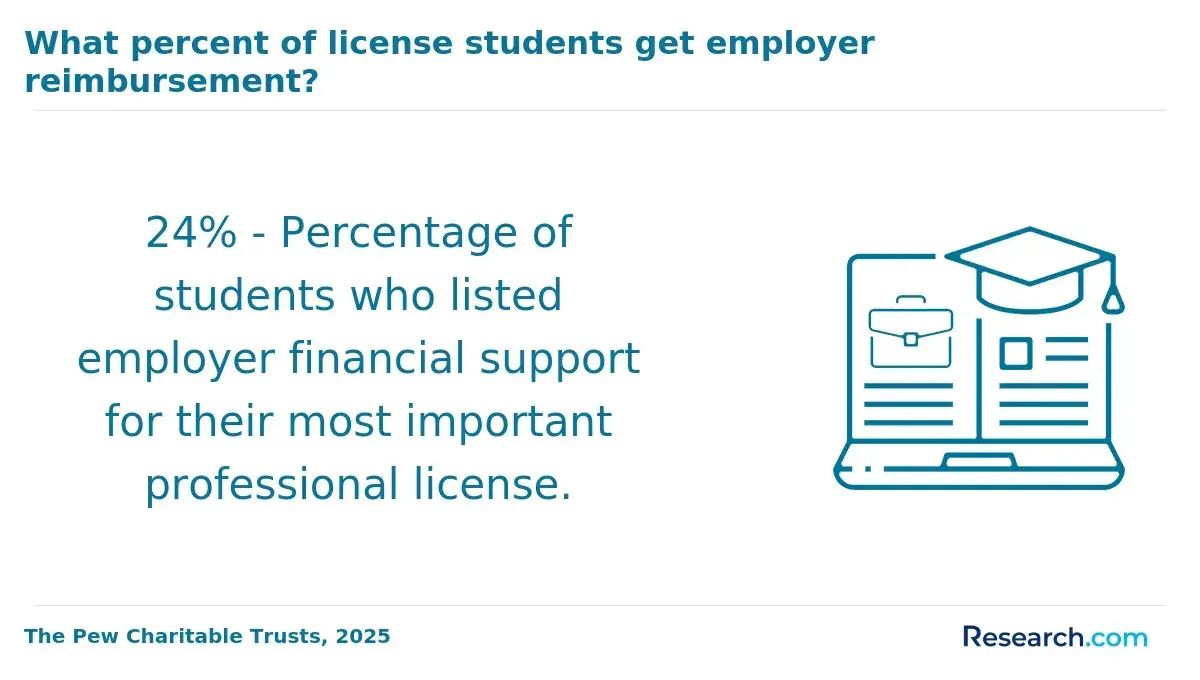
Conversely, online students generally face fewer campus-based awards but may offset this through employer tuition reimbursement programs-accessed by nearly half of online graduate students compared to just over a quarter on campus-highlighting a tradeoff between institutional aid depth and workplace-funded support. Students weighing these formats must consider not only tuition and fees but also how aid eligibility intersects with enrollment intensity, residency requirements, and living expenses.
For example, veterans benefit from comprehensive GI Bill coverage in both modes, yet campus learners might access supplemental supports such as housing subsidies unavailable online. Although online clinical mental health counseling pathways tend to have lower median loan debt, partly due to software fees instead of campus fees and reduced living costs, longer completion times inherent in flexible pacing can affect overall borrowing and delayed workforce entry. Careful comparison of aid packages, including federal funding and employer contributions, is essential to realistic budgeting and managing debt burden.
In practice, prospective students must align financial aid strategies with their career timelines and work commitments. Flexible online offerings, sometimes including specialized options like accelerated PMHNP programs, can enhance affordability when employer benefits are maximized. However, those prioritizing assistantships and campus-based scholarships should note the potential net cost advantages of in-person study despite higher nominal tuition. Ultimately, understanding the complex interplay of aid types influences not only immediate affordability but also long-term career and debt outcomes for clinical mental health counseling students.
Do Online and Campus Clinical Mental Health Counseling Graduates Have Different Career Outcomes?
Graduates from online and campus clinical mental health counseling programs face career outcomes shaped less by delivery mode and more by factors like clinical internship quality, employer familiarity, and network access. Campus programs generally provide more structured, local practicum opportunities and accessible alumni networks, which can translate into quicker licensure readiness and stronger early job placements.
Employers often regard these hands-on experiences as critical, occasionally expressing cautious preference for campus-trained candidates due to perceived limitations in in-person networking and clinical exposure among online graduates. Despite similar graduation rates near 70%, immediate employment rates differ slightly-around 82% for campus versus 76% for online graduates-reflecting how integrated fieldwork and career services influence early mobility.
Online programs deliver valuable geographic flexibility that enables working adults to balance study and employment, but this often means students must independently secure adequate internship sites and cultivate professional connections, which may extend time to certification or limit regional referral pipelines. Accreditation remains the core credentialing safeguard, with licensing boards typically indifferent to format, yet prospective students should weigh these trade-offs against their work schedules, local employer markets, and long-term career goals.
How Do Employers View Online vs Campus Clinical Mental Health Counseling Degrees?
Employers prioritize institutional accreditation and program reputation far above the delivery format of clinical mental health counseling degrees. A 2024 Society for Human Resource Management survey found that about 68% of hiring managers consider accreditation status a critical factor, reflecting trust in recognized standards such as CACREP over whether the program was completed online or on campus.
For example, a community mental health clinic may screen out applicants from unaccredited online programs regardless of graduation status, emphasizing verified clinical practicum experience and licensure eligibility as pivotal to select qualified candidates. While campus-based programs often benefit from established clinical partnerships and faculty reputations that bolster perceived rigor, many online programs have narrowed the gap by embedding supervised internships meeting licensing board criteria.
However, employers in traditional clinical settings may still express reservations about online degrees due to concerns about hands-on training and peer networking opportunities, which can affect initial hiring impressions and, ultimately, career trajectory. Conversely, fields such as telehealth increasingly accept online graduates with demonstrable work experience and robust practicum hours, illustrating that format relevance varies by organizational culture and service model.
The degree's transcript notation indicating online or campus completion can also subtly influence employer biases, making work history and cultural fit equally important for overcoming potential skepticism. Prospective students must weigh these practical trade-offs alongside cost, scheduling flexibility, and personal circumstances, recognizing that program quality indicators and applied training have a stronger impact on employment outcomes than format alone in today's evolving landscape.
Which Clinical Mental Health Counseling Degree Format Offers Better Flexibility for Working Adults?
Determining which clinical mental health counseling degree format best supports working adults hinges on nuanced trade-offs between scheduling control, commute burdens, and practical engagement. Online programs offer asynchronous coursework that suits shift workers or caregivers by allowing independent pacing, a key facet of flexible clinical mental health counseling degree options for employed students.
However, these programs still require in-person clinical practicum, often during traditional business hours, complicating schedules despite reduced commuting. Conversely, campus or hybrid formats demand fixed class times and regular attendance, which can create significant challenges for those balancing full-time employment and family responsibilities, given typical commutes of 20 to 40 minutes each way. This variation in flexibility directly impacts persistence and graduation timing.
Working adults enrolled part-time in online programs can maintain employment continuity but may face reduced faculty interaction and cohort cohesion, which correlates with slightly lower completion rates-58% compared to 65% for on-campus. The cost implications also differ; extended timelines in part-time online study may increase overall expenses and delay workforce reentry at advanced credential levels.
Carefully selecting a program structure that aligns with personal and professional demands is critical, particularly when employer expectations include rigorous experiential training benchmarks. For those evaluating pathway options, reviewing available models including online direct-entry MSN programs for non nurses can offer insights into flexible degree designs tailored to adult learners.
How Should Students Choose Between an Online and Campus Clinical Mental Health Counseling Program?
Graduation rates between campus and online clinical mental health counseling programs highlight critical completion challenges: campus programs tend to see rates near 65-75%, while online formats often fall between 50-60%, suggesting that flexibility comes with risks of attrition or delayed progress. For working adults balancing jobs and family, online programs provide essential scheduling flexibility but require strong self-discipline to navigate asynchronous coursework and sequencing, which can affect timely degree completion and career entry.
Campus settings often offer structured cohort models, direct faculty access, and practicum placements that align closely with licensure standards and employer expectations in clinical settings, directly impacting career mobility and hands-on skill development. Total cost also plays a nuanced role in the decision-making process. While online clinical mental health counseling program graduation rates comparison often reveal a lower sticker price for fully remote programs-due largely to eliminated commuting and housing expenses-students must account for technology costs and potentially limited access to subsidized campus resources.
Employers in clinical mental health often prioritize accreditation and practical experience over delivery format, yet the networking and mentorship opportunities found on campus can be pivotal for job placement. Students weighing their path should consider these trade-offs in the context of their learning style, financial resources, and career objectives, recognizing that savings on expenses may come with opportunity costs in support and career access.
Increased demand across healthcare systems makes informed program choice critical, especially for those pursuing specialized fields such as a master's in forensic psychology online. Understanding how format influences persistence, practicum logistics, and employer value helps clarify when an online or campus program best fits long-term career goals in clinical mental health counseling. Prospective students should carefully evaluate accreditation, graduation trends, cost implications, and support infrastructure to optimize both educational and workforce outcomes.
References
- Best Online Counseling Degree Programs 2025 https://www.psychology.org/rankings/best-online-counseling-programs/
- 7 Mistakes to Avoid in an Online Master's in Counseling https://www.counselingpsychology.org/articles/mistakes-masters-counseling/
- College Counseling Utilization Up 30%: Meet the Demand https://faspsych.com/blog/a-new-era-of-help-seeking-why-college-students-are-more-open-to-counseling-than-ever/
- 2025 Most Affordable Online Master's Degrees in Counseling https://www.onlineu.com/most-affordable-colleges/counseling-masters-degrees
- The Hidden Costs of College: What Students Don’t Plan For – The Coach Space https://thecoachspace.com/blog/hidden-costs-of-college/
- Careers You Can Pursue With an Online Master’s in Clinical Mental Health Counseling https://www.ucumberlands.edu/blog/careers-to-pursue-with-online-masters-clinical-mental-health-counseling
- 25+ Affordable Online Masters in School Counseling Programs https://schoolcounselingmasters.org/cheapest-school-counseling-programs/
- Masters in Clinical Mental Health Counseling | MS in Counseling | University of Phoenix https://www.phoenix.edu/online-behavioral-sciences-degrees/counseling-clinical-mental-health-masters-degree.html
- Mental Health Career Advancement With The Best Online Counseling Degree Program https://www.betterhelp.com/advice/therapist-tools/how-to-choose-the-best-online-counseling-degree-program-for-your-goals/
- Are Online Counseling Degrees Respected? | University of Bridgeport https://www.bridgeport.edu/news/are-online-counseling-degrees-respected/
Other Things You Should Know About Clinical Mental Health Counseling
The hands-on interpersonal skills crucial to clinical mental health counseling can be more challenging to cultivate fully in online settings. While virtual simulations and remote role-plays are common substitutes, they often lack the immediacy and nuanced feedback of in-person interactions found on campus. This difference can impact readiness for real-world client engagement, making campus programs generally more conducive to developing practical counseling techniques during training. Prospective students aiming for intensive experiential learning should prioritize campus options or ensure online programs offer robust, in-person practicum components.
Online clinical mental health counseling programs often allow greater scheduling flexibility, enabling students to balance coursework with jobs or family obligations. However, this self-paced structure demands strong time-management skills and self-discipline, which some students underestimate. Campus programs typically have structured schedules that provide clearer routines but less flexibility. Students prone to procrastination or who lack external accountability might perform better in campus environments, while highly motivated learners with competing responsibilities may find online formats more suitable despite the increased self-regulation required.
Campus programs usually offer direct access to faculty mentorship, peer study groups, and local professional networks, which can be critical for career advancement and job placement. Online students often must seek these connections independently, potentially limiting informal networking and spontaneous guidance. Since networking significantly influences internships and employment in clinical mental health counseling, students without established professional contacts may benefit more from campus enrollment or should proactively engage in virtual or regional counseling communities when opting for online study.
Board exam preparation in clinical mental health counseling can differ between delivery formats. Campus programs tend to integrate structured review sessions, live discussions, and peer study environments conducive to exam readiness. Online programs vary widely: some offer extensive support materials, while others place the responsibility largely on the student. For those who rely on guided preparation and interactive learning to pass licensure exams, campus programs may offer a better support system. Online students should confirm the availability of comprehensive exam prep resources before committing.