2027 Clinical Mental Health Counseling Career Outcomes by Degree Level Report: Pay, Employment, and Advancement Patterns

Co-Founder and Chief Data Scientist
Choosing the right degree level in clinical mental health counseling poses a significant challenge for many working professionals and adult learners. With over 30% of mental health counseling roles now requiring graduate-level qualifications according to 2024 workforce data, understanding how degree attainment impacts pay, employment stability, and advancement potential is critical.
This shift signals more stringent entry barriers and evolving employer expectations that affect both immediate job prospects and long-term career trajectories. Navigating these complexities is difficult without clear, comparative insight. This article examines career outcomes by degree level, focusing on pay, employment trends, and advancement patterns to help guide informed educational decisions.
Key Things to Know About Clinical Mental Health Counseling Career Outcomes by Degree Level
- Master's degrees remain the primary credential for licensure and clinical roles, underscoring that associates or certificates often limit access to independent practice and reduce long-term career mobility.
- Employers increasingly prefer candidates with doctoral degrees for supervisory roles and specialized counseling services, reflecting a market trend toward advanced expertise in complex mental health settings.
- While doctoral programs yield higher advancement potential, their longer duration and cost create delayed workforce entry, impacting early earnings and practical return on investment compared to master's level pathways.
- Key Things to Know About Clinical Mental Health Counseling Career Outcomes by Degree Level Key Things to Know About Clinical Mental Health Counseling Career Outcomes by Degree Level
- What Career Outcomes Can Students Expect From Each Clinical Mental Health Counseling Degree Level? Career Outcomes by Degree
- How Much Do Clinical Mental Health Counseling Graduates Earn by Degree Level? Salary by Degree Level
- Which Clinical Mental Health Counseling Degree Level Offers the Strongest Employment Prospects? Best Degrees for Employment
- What Entry-Level Jobs Can You Get With a Clinical Mental Health Counseling Degree? Entry-Level Career Opportunities
- How Do Clinical Mental Health Counseling Degree Levels Affect Career Advancement and Promotion Opportunities? Career Growth by Degree
- Is a Clinical Mental Health Counseling Degree Worth It Based on Salary, Employment, and ROI? Salary, ROI, and Value
- How Do Associate, Bachelor's, Master's, and Doctoral Clinical Mental Health Counseling Degrees Compare? Comparing Degree Levels
- Which Industries and Employers Hire Clinical Mental Health Counseling Graduates by Degree Level? Which Industries and Employers Hire Clinical Mental Health Counseling Graduates by Degree Level?
- What Skills, Credentials, and Experience Improve Clinical Mental Health Counseling Career Outcomes? What Skills, Credentials, and Experience Improve Clinical Mental Health Counseling Career Outcomes?
- Which Clinical Mental Health Counseling Degree Level Is Best for Your Career Goals? Choosing the Right Degree
What Career Outcomes Can Students Expect From Each Clinical Mental Health Counseling Degree Level?
Employment and advancement opportunities for clinical mental health counseling graduates differ sharply by degree level, and this distinction has real consequences for workforce entry and long-term professional mobility. For example, those holding associate degrees or entry-level certifications often encounter limited roles such as behavioral health technicians or counseling aides, where direct client interaction is minimal and leadership paths are largely inaccessible.
In contrast, bachelor's degree holders can pursue more substantial client-facing positions like case management or social services coordination but still face barriers to licensure and credentialing critical for full counseling practice. The decision to pursue a bachelor's degree, especially for working adults or military-affiliated students, often involves careful transfer planning to maximize prior credits and build foundational skills essential to future graduate study.
Master's degrees remain the pivotal threshold for independent licensure, clinical authority, and access to supervisory roles within clinical mental health counseling, with the U.S. Bureau of Labor Statistics reporting this group as the largest professional cohort in the field. This level demands greater time investment yet offers significantly stronger job stability and career mobility, particularly where employers prioritize graduate credentials alongside supervised internships. Doctoral credentials, while less common, differentiate professionals aiming for academic, research, or advanced clinical specialization and administrative leadership - roles that come with extended educational commitment but also greater influence and compensation potential.
Adult learners weighing these degree levels must consider how each tier aligns with their specialization interests, employment timelines, and the complexities of licensure, as reflected in steady labor market growth for master's-licensed clinicians and the competitive realities that shape their career trajectories. Those examining accessible program pathways might explore options such as an easiest nursing program to get into for models of strategic credential stacking and transfer flexibility.
How Much Do Clinical Mental Health Counseling Graduates Earn by Degree Level?
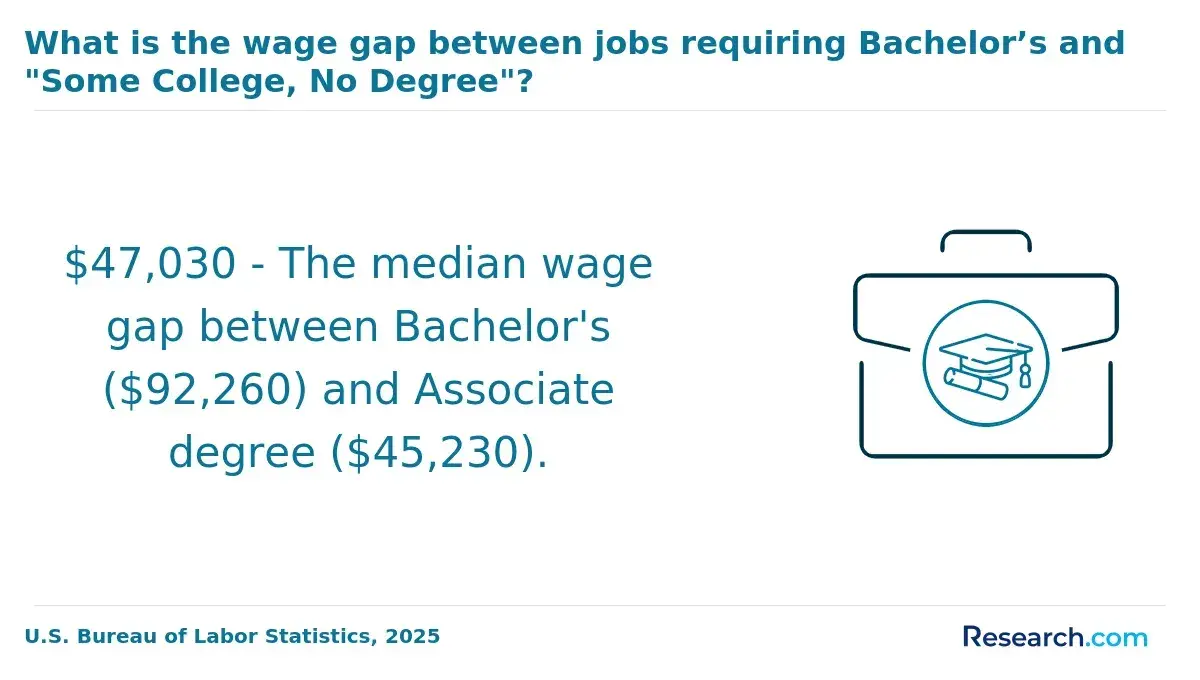
Salary outcomes in clinical mental health counseling vary considerably by degree level, influenced heavily by licensure eligibility, geographic factors, and employer expectations. For example, individuals holding only certificates or associate degrees often find themselves in support roles with wages typically between $30,000 and $40,000 annually, but with limited advancement and less job security. Bachelor's degree holders generally access a wider range of entry-level counseling positions, earning approximately $40,000 to $50,000, though many employers prefer or require a master's degree for independent clinical licensure and higher pay. According to the U.S. Bureau of Labor Statistics (2024), median wages for substance abuse, behavioral disorder, and mental health counselors sit near $48,500, but master's degree holders frequently exceed this, earning in the $50,000 to $65,000 range as they qualify for licensed roles offering greater stability, reimbursement opportunities, and supervisory potential.
Advancing to a doctoral or professional degree often shifts career focus to administration, academia, or specialized clinical practice, with salaries ranging from $70,000 to $90,000 or more, reflecting heightened responsibility and expertise. However, the time, cost, and complexity of progressing through these levels require careful weighing; adult learners and working professionals must balance current earnings against educational debt and delayed income. Transfer credits and program flexibility can mitigate these barriers but vary widely by institution and region. Practical decision-making around degree progression should consider not only raw salary figures but also market demand for licensed practitioners, the likelihood of securing stable employment, and individual career timeline priorities within varied clinical, supervisory, or policy-oriented roles.
One graduate shared how she initially pursued a bachelor's but hesitated about the full master's commitment, given the additional two years and financial strain. After comparing local job postings and speaking to employers, she recognized that many counseling roles mandated licensure achievable only via a master's degree, which provided access to higher pay and independent practice. This clarity helped her commit to an online master's program that accepted much of her undergraduate credit, reducing time and cost. Her cautious optimism stemmed from aligning educational choices with realistic earning potential and licensure prerequisites rather than assuming credentials automatically translate into better earnings.
Which Clinical Mental Health Counseling Degree Level Offers the Strongest Employment Prospects?
Master's degrees in clinical mental health counseling consistently provide the strongest path to employment due to their alignment with state licensure requirements and employer expectations. For example, a graduate with a master's can immediately pursue licensure and enter clinical practice, whereas those holding bachelor's or associate degrees often find their opportunities limited to support roles without direct counseling responsibilities. While certificate holders may enter the field more quickly, they frequently encounter unstable job prospects and restricted scopes of practice, underscoring the practical tradeoff between speed of entry and long-term stability.
Doctoral degrees, though less commonly needed for initial employment, open doors to supervisory, academic, and specialized clinical positions that demand greater expertise and experience. However, the additional years of education and financial investment may delay entry into the workforce, meaning only those prioritizing advanced roles or leadership should consider this pathway early on. According to the U.S. Bureau of Labor Statistics 2024 data, employment for mental health counselors with graduate education is projected to grow by 22% through 2032, reflecting strong labor-market demand that benefits those who commit to master's-level training.
Students weighing whether to enter the workforce soon, resume studies later, or invest upfront in a master's should consider not only immediate job access but also licensure eligibility and the practical advantages of accredited clinical training embedded in graduate programs. Those aiming for rapid employment might accept limited roles and seek to transfer credits toward advanced credentials, while others may find that completing a master's before licensure both improves job prospects and aligns better with regional needs for specialized skills like trauma-informed care. Ultimately, employment access and advancement in clinical mental health counseling are heavily conditioned by credential level, with master's education serving as a critical baseline for meaningful career entry and growth.
What Entry-Level Jobs Can You Get With a Clinical Mental Health Counseling Degree?
Entry-level clinical mental health counseling jobs vary considerably based on the degree attained, with master's graduates typically accessing licensed counselor roles that bachelor's holders cannot pursue directly. Many employers require a master's degree combined with supervised clinical experience for licensure eligibility, which restricts those with only a bachelor's to support roles such as behavioral health technicians or case managers. This distinction has clear workforce implications: bachelor's degree holders often accept positions with less autonomy and narrower scopes, serving as foundational experiences rather than final career destinations. According to 2024 U.S. Bureau of Labor Statistics data, the demand for licensed mental health counselors remains strong, but the pathway requires careful alignment between education level and licensure steps.
Practical skills like crisis intervention, communication, and cultural competence increase employability, especially where licensure is pending. Internships and practicum experiences significantly improve hiring outcomes and professional mobility, as reported in recent industry analyses. Geographic factors also influence opportunities; for instance, rural areas may offer more entry points for bachelor's holders, whereas urban environments emphasize credentials and experience. Remote work options exist but tend to favor experienced clinicians, posing further challenges for new graduates in clinical mental health counseling career opportunities for graduates. Prospective students should weigh these tradeoffs carefully, and those interested in accessible graduate pathways might explore options such as a cheapest online nutrition degree as part of long-term educational and career planning.
How Do Clinical Mental Health Counseling Degree Levels Affect Career Advancement and Promotion Opportunities?
The level of degree attained in clinical mental health counseling directly influences professional trajectory, particularly regarding access to supervisory roles and specialized positions. While a master's degree remains the standard credential for initial licensure and clinical practice, promotion often hinges on accumulating supervised hours and certifications rather than additional academic credentials alone. In contrast, doctoral degrees typically provide a measurable advantage for leadership roles, with 2024 labor statistics indicating doctoral holders are 35% more likely to advance into management or academic positions within five years of employment. This disparity reflects employer preferences for advanced research skills and program development capabilities that doctoral training cultivates, which in turn accelerates eligibility for internal promotions.
Transfer credits and ongoing education can shorten timelines for moving up, particularly for working professionals or those with prior related credentials. However, the decision to pursue post-master's credentials or a doctorate should weigh the immediate need for workforce entry against potential long-term gains in career mobility and leadership readiness. Adult learners, military-affiliated students, and those with existing work experience must consider how incremental certifications complement degree levels, especially as some employers maintain strict licensure thresholds while others value applied competencies and management aptitude more heavily. The challenge lies in balancing educational investment with realistic expectations of promotion pathways and employer screening practices.
One recent clinical mental health counseling graduate recalled hesitating before starting a doctoral program after working several years with a master's license. They noted, "I was cautious about whether the doctorate would truly open doors beyond the supervisory roles I was already qualified for, especially given the time and cost involved." However, after completing the degree, they found the advanced credential boosted their confidence and credibility when applying for a departmental leadership position, a step that had eluded them despite years of experience. This illustrates how nuanced and context-dependent the impact of degree level can be on career advancement in the field.
Is a Clinical Mental Health Counseling Degree Worth It Based on Salary, Employment, and ROI?
Deciding whether to pursue a clinical mental health counseling degree requires weighing salary potential against time investment and practical career outcomes. Master's degree holders typically qualify for licensure and higher wages than bachelor's level counselors, but the two- to three-year full-time commitment plus associated tuition costs can create significant debt, affecting overall return on investment. For working adults or military-affiliated students, part-time enrollment can reduce immediate disruption but extends completion time, delaying income growth. Moreover, local labor market conditions, including licensure requirements and employer preferences, heavily influence salary and job stability, underscoring that degree level alone does not guarantee improved employment outcomes.
While doctoral degrees offer academic and specialized clinical advancement, their increased cost and duration must be balanced against realistic expectations for salary improvements. Alternative pathways like certifications or gaining experience may provide quicker access to employment, representing an opportunity-cost consideration critical for those seeking immediate workforce entry. Employment projections for mental health counselors remain positive, but geographic variability in earnings and living costs means students should evaluate career mobility and financial aid options carefully. For example, prospective counselors comparing clinical mental health counseling degree salary comparison with roles such as a nurse practitioner salary may find different trajectories in pay and practice scope worth considering.
Ultimately, assessing clinical mental health counseling employment outcomes and return on investment hinges on aligning educational choices with specific career goals, state licensure demands, and personal circumstances. Students with prior credits or relevant work history might reduce program length and debt, increasing ROI. Those facing high tuition or prolonged study time could benefit from targeted loan forgiveness programs, especially if committed to underserved communities, highlighting the nuanced financial calculus behind degree pursuit in this field.
How Do Associate, Bachelor's, Master's, and Doctoral Clinical Mental Health Counseling Degrees Compare?
Choosing the appropriate degree level in clinical mental health counseling significantly impacts licensure eligibility, job prospects, and career trajectory. Associate degrees generally confine graduates to supportive, paraprofessional roles with limited direct client interaction and minimal licensure prospects, restricting earning potential and advancement. For example, a worker with an associate level may secure entry-level behavioral health technician roles but will likely need additional education to move into counseling positions requiring independent practice. Bachelor's degrees offer improved access to broader job categories like case management but rarely meet state licensure requirements, often necessitating a master's degree to unlock stable employment and higher wages.
Master's degrees remain the practical benchmark for independent counseling practice and professional credentialing, which aligns with most employers' expectations and state licensing boards. This level also tends to provide opportunities for specialization and essential practicum experiences, which enhance job readiness and long-term stability amid a projected 23% job growth through 2032 according to the Bureau of Labor Statistics.
In contrast, doctoral degrees, while less frequently required in direct counseling roles, prepare professionals for leadership, research, or academic careers but come with higher debt and longer time commitments, factors that may affect return on investment compared to master's graduates. Navigating credit transfer and stackable credentials between these levels is critical, as advancing from associate or bachelor's to master's can streamline licensure pathways, but skipping intermediate steps without alignment risks credential gaps and extended time in education.
Which Industries and Employers Hire Clinical Mental Health Counseling Graduates by Degree Level?
The distribution of clinical mental health counseling graduates across industries reveals clear distinctions driven by degree level and credential requirements. Master's degree holders dominate roles in outpatient mental health centers, private practices, and community health organizations, reflecting state licensure mandates for independent clinical work. For example, many employers in private healthcare and nonprofit sectors prioritize master's-prepared clinicians with active licensure, often viewing associate or bachelor's degree holders as suitable primarily for supportive roles like case management or behavioral coordination. According to the Bureau of Labor Statistics (2024), about 60% of employed mental health counselors possess at least a master's degree, underscoring this concentration in core counseling positions.
Associate and bachelor's degree graduates frequently find employment in entry-level or adjunct roles within public school systems, correctional facilities, and government social service departments, where clinical authority is limited and work centers on peer support or behavioral health navigation. In contrast, doctoral graduates typically secure positions demanding advanced expertise, including clinical supervision, research leadership, or policy advisory roles at universities and major healthcare systems.
These roles require not only higher qualifications but often post-master's certifications like Licensed Professional Counselor or Licensed Clinical Mental Health Counselor, which are increasingly expected by employers to meet regulatory and quality standards. Choosing to invest in doctoral education or certification thus reflects a strategic tradeoff between earlier workforce entry and expanded professional mobility in specialized or leadership domains.
What Skills, Credentials, and Experience Improve Clinical Mental Health Counseling Career Outcomes?
Licensure remains the defining factor in clinical mental health counseling licensure and certification requirements, shaping employability and access to advanced roles. Master's degree holders often face a practical tradeoff: investing time in supervised clinical hours and national exams is necessary to unlock broader employer settings and responsibilities. Without this credential, progression into leadership or independent practice is severely limited. Working adults, military-affiliated students, and transfer learners must carefully weigh the timing of licensure preparation against the workload of internships and applied experience, as employers increasingly demand demonstrated proficiency through portfolio evidence showcasing real case studies and treatment outcomes.
Advanced degrees correlate with specialized roles in clinical supervision and academia, where research aptitude and credentials in trauma counseling or substance use disorders enhance promotion readiness. However, these credentials require a commitment to continuous professional development that some practitioners may find challenging to balance alongside employment or family obligations. Soft skills such as communication and cultural competence directly affect multidisciplinary teamwork and client rapport, often accelerating internal promotion. Employers also value technical competencies with electronic health record systems and telehealth platforms, crucial for practical job performance in contemporary clinical settings. For those exploring pathways and specialization options, reviewing detailed bioinformatics career paths can offer lessons on blending prior experience with new technical skills to maintain mobility across health-related fields.
Which Clinical Mental Health Counseling Degree Level Is Best for Your Career Goals?
Deciding which clinical mental health counseling degree level to pursue hinges on clear career objectives and realistic workforce expectations. A master's degree remains the baseline for licensure and provides direct entry into client-facing roles, making it a practical choice for most aspiring counselors. However, professionals targeting leadership, clinical supervision, or academic positions often need a doctoral degree despite its higher costs and time investment, as it typically offers deeper specialization and greater advancement opportunities. For example, a licensed counselor aiming to become a university faculty member or policy developer will likely face employer preferences for doctoral credentials, as indicated by steady employment growth in the field and data on graduate debt burdens from IPEDS.
Employers increasingly value accredited master's degrees but expect more advanced qualifications for specialized or senior roles, highlighting the tradeoff between time to completion and career mobility. Credit transfer policies and practicum quality differ widely across programs, affecting working adults, transfer students, and military-affiliated learners navigating career shifts or balancing family commitments. Graduate certificates and post-master's specialization tracks can expedite entry into niches without the full doctoral commitment. Prospective students should also consider evolving licensure requirements and employer standards in these determinations. For those exploring niche areas, reviewing available forensic psychology graduate programs online may offer insight into flexible, applied options within mental health disciplines aligned with clinical mental health counseling degree level career outcomes.
References
- MS & MA In Counseling: Comparing Curriculums, & Salaries https://www.psychology.org/degrees/ms-vs-ma-in-counseling/
- Clinical Mental Health Counseling Learning Outcomes https://springfield.edu/academics/learning-outcomes/graduate-clinical-mental-health-counseling
- What Degree Should You Choose? Comparing Psychology, Counseling, and Social Work | Palo Alto University https://paloaltou.edu/resources/blog/what-degree-should-you-choose-comparing-psychology-counseling-and-social-work
- Is a master's degree in counseling worth it? | edX https://www.edx.org/resources/is-a-masters-in-counseling-worth-it
- Mental Health Counseling Therapist (Licensed or Limited Permit Eligible) | Next Level MHC https://www.nextlevelmhc.com/careers/mental-health-counseling-therapist
- Mental Health Career Opportunities and Educational Requirements https://counsellortraining.com/mental-health-career-opportunities-and-educational-requirements/
- 9 Mental Health Careers You Can Pursue with a BA https://www.nec.edu/news/9-mental-health-careers-you-can-pursue-with-a-ba
- What is a Counselor? - Career Insights | Teal https://www.tealhq.com/career-paths/counselor
- Counseling Career Advancement | Maryville Online https://online.maryville.edu/online-bachelors-degrees/psychology/careers/counseling-advancement/
- Mental Health Counseling Careers | Licensure and Degree Requirements https://www.publichealthonline.org/mental-health-counselor-resource/
Other Things You Should Know About Clinical Mental Health Counseling
Master's programs in clinical mental health counseling typically demand a significant time commitment due to extensive practicum and internship hours, which can strain students balancing full-time jobs or family responsibilities. Doctoral programs often require even longer durations with additional research, teaching, or supervision duties, intensifying workload pressures. Prospective students with limited flexibility should weigh the increased study demands of higher degrees against their personal schedules, as underestimating program intensity can extend graduation timelines or reduce work productivity.
Employers frequently prioritize licensure status and supervised clinical experience over the mere level of degree when evaluating clinical mental health counseling candidates. While higher degrees can open doors to specialized roles or academic positions, many frontline counseling jobs require specific licenses which involve post-graduate supervised hours, independent of degree level. Students should prioritize programs that integrate licensure preparation and practical training, as these elements often have greater immediate impact on employability and career progression than degree hierarchy alone.
Bachelor's degrees in clinical mental health counseling generally limit graduates to paraprofessional or support roles with lower pay and restricted client contact, requiring further education for independent practice or licensure. Choosing to stop at this level can result in slower career advancement and fewer opportunities in clinical settings that demand master's-level credentials. For individuals intent on direct counseling work, investing in at least a master's degree tends to provide clearer pathways to licensure and sustainable incomes, suggesting bachelor's-level study may be suitable mainly for those prioritizing quicker entry into related supportive positions.
Working professionals aiming for upward mobility should generally prioritize master's degrees, as these provide the necessary credentials for licensure and a broad spectrum of clinical roles while balancing career continuity. Pursuing doctoral degrees may add value primarily for those targeting academia, research, or high-level supervisory positions, but entails substantial time and financial investment that can disrupt professional momentum. For most practitioners, advancing to a master's level first ensures practical clinical competencies and better return on time invested, with the option to pursue doctoral studies later as career goals evolve.