2027 Clinical Mental Health Counseling Salary Trends Report: Are Wages Keeping Up With Tuition and Inflation?

Co-Founder and Chief Data Scientist
A prospective Clinical Mental Health Counseling student faces a challenging decision: does the potential salary after graduation justify the rising costs of tuition and the broader impact of inflation? As education expenses climb steadily, understanding whether wage growth in the field keeps pace is crucial for assessing the financial viability of the degree. This scenario highlights the need to look beyond sticker prices and entry-level salaries to gauge the actual return on investment over time.
Salary increases, tuition fees, and inflation rarely align, which complicates any straightforward comparison. Long-term earning potential and affordability must be analyzed in context, considering how purchasing power changes and educational debt burdens evolve. This article examines salary trends, tuition costs, inflation, and key factors shaping the financial value of a Clinical Mental Health Counseling degree over time.
Key Things to Know About Clinical Mental Health Counseling Salary Trends
- Graduate wages in clinical mental health counseling have risen approximately 12% since 2021, but this growth often fails to outpace compounded tuition increases averaging 5% annually combined with 6.5% inflation.
- Specializing in trauma-informed or substance abuse counseling correlates with a 15-20% higher income ceiling, emphasizing strategic skill acquisition's critical role in offsetting educational debt.
- Long-term earning potential strongly depends on licensure and continuous certification renewal, making upfront and ongoing credentialing costs a significant variable in net financial outcomes.
- Key Things to Know About Clinical Mental Health Counseling Salary Trends Key Things to Know About Clinical Mental Health Counseling Salary Trends
- What Is the Current Salary Outlook for Clinical Mental Health Counseling Graduates? Salary Outlook
- Are Clinical Mental Health Counseling Salaries Keeping Up With Inflation? Inflation Impact
- How Do Tuition Costs Compare With Clinical Mental Health Counseling Salary Growth? Tuition vs Salary
- Does a Clinical Mental Health Counseling Degree Deliver a Positive Return on Investment? Degree ROI
- Which Industries Offer the Highest Salaries for Clinical Mental Health Counseling Graduates? Which Industries Offer the Highest Salaries for Clinical Mental Health Counseling Graduates?
- Which States and Cities Offer the Highest Pay for Clinical Mental Health Counseling Professionals? Which States and Cities Offer the Highest Pay for Clinical Mental Health Counseling Professionals?
- How Do Clinical Mental Health Counseling Salaries Grow Throughout a Career? Career Growth
- How Do Clinical Mental Health Counseling Salaries Compare With Similar Degrees? Salary Comparison
- How Is Employer Demand Affecting Clinical Mental Health Counseling Salary Trends? Employer Demand
- How Can Students Maximize Their Lifetime Earnings With a Clinical Mental Health Counseling Degree? Maximizing Earnings
What Is the Current Salary Outlook for Clinical Mental Health Counseling Graduates?
Current earnings for clinical mental health counseling professionals are shaped by various factors including geographic location, employer type, and level of experience. According to the U.S. Bureau of Labor Statistics, the median annual salary for substance abuse, behavioral disorder, and mental health counselors in 2024 stands around $48,520, reflecting modest growth but trailing behind rising educational costs.
For example, two graduates with identical degrees might see vastly different outcomes-one working in a private urban healthcare facility could earn in the mid-$50,000s due to demand and funding, while another employed in a nonprofit or academic setting might start in the low $40,000s with added benefits but lower base pay.
This scenario demonstrates why understanding the clinical mental health counseling graduate salary trends requires looking beyond entry-level benchmarks to more nuanced career pathways.
Wage growth in this sector generally tracks inflation, with annual increases of roughly 2-3%, but this incremental rise may not fully offset the surge in master's program tuition costs.
Specialized credentials, such as licensure as a Licensed Professional Counselor or certifications in trauma or substance abuse counseling, often enable professionals to exceed $60,000 annually, highlighting the importance of continuing education and targeted skill development. Long-term career progression and job demand trends-projected to expand steadily-suggest that salary potential improves with experience and specialization.
Prospective students must balance these economic realities when assessing the return on investment of their education, especially when considering alternatives like the best DNP programs online, which may offer different financial and career trajectories.
Ultimately, the current salary outlook for clinical mental health counseling graduates is best interpreted as part of a broader economic and professional context. Individual outcomes will vary widely based on employer sector, certification status, and geographic factors.
The moderate starting salaries are often compensated by opportunities for advancement, job stability, and roles with higher earning potential, suggesting that a clinical mental health counseling degree can be financially viable when combined with strategic career planning and credential acquisition.
Are Clinical Mental Health Counseling Salaries Keeping Up With Inflation?
Nominal wage increases for clinical mental health counseling professionals over recent years have not matched the pace of inflation, reducing real income growth and purchasing power. Data from the U.S. Bureau of Labor Statistics reveals that while median salaries for mental health counselors rose about 5.5% in the past two years, the Consumer Price Index increased by roughly 8.6% during the same period.
This gap means that despite earning more in dollar terms, many counselors effectively have less financial flexibility, especially when confronted with rising living costs and the compounded impact of tuition hikes for advanced degrees.
Consider a recent graduate who took on student debt to complete a clinical mental health counseling program. Even with a nominal salary increase, their monthly expenses-rent, utilities, and loan payments-have grown faster than their paycheck. This imbalance forces difficult tradeoffs, such as limiting savings or delaying further education.
Factors like regional economic conditions, the prevalence of public or nonprofit employers, and limited institutional wage growth also influence this reality. For students weighing their options, comparing these financial dynamics with alternatives such as pursuing a master of healthcare administration might reveal substantial differences in long-term earning potential and inflation resilience.
The impact of inflation on mental health counselor wages reflects broader economic and structural challenges in the field. Salaries embedded in budget-sensitive sectors often experience delayed or muted growth, creating income stagnation even as demand for counseling services rises.
Urban areas might provide somewhat better compensation relative to inflation, but this often fails to cover the higher cost of living typical of these regions. Consequently, prospective and current students must evaluate whether the potential salary trajectory adequately offsets educational costs and inflationary pressures to justify their investment in a clinical mental health counseling career.
How Do Tuition Costs Compare With Clinical Mental Health Counseling Salary Growth?
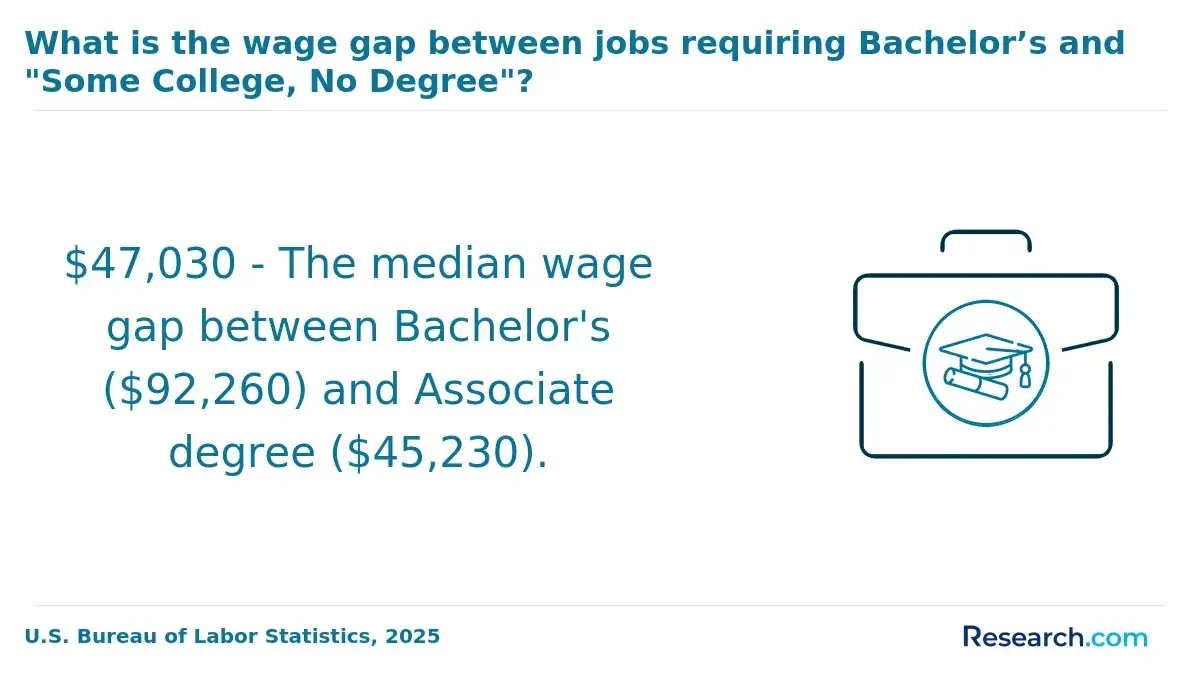
Examining tuition costs relative to salary growth for clinical mental health counseling graduates reveals a critical financial imbalance that impacts long-term affordability. While master's programs in this field average over $30,000 in total tuition and fees, early-career salaries typically range between $40,000 and $48,000, according to 2024 data from the National Center for Education Statistics and Bureau of Labor Statistics.
These figures alone, however, fail to capture the widening gap caused by tuition inflation rates of 3% to 5% annually outpacing counselor wage growth nearer 2%. Without assessing these trends side-by-side, prospective students might underestimate how swiftly educational debt accumulates compared to modest salary increases, especially during the first decade after graduation.
This discrepancy has tangible implications depending on individual circumstances. For example, a student attending a private institution charging $50,000 may face increasing debt service costs against constrained mid-career salaries, which average between $55,000 and $65,000 but often require additional certifications or relocation for top-tier compensation.
Geographic location, licensure status, and access to financial aid also heavily influence the balance between educational investment and expected income. Comparing tuition growth directly to salary progression provides a more meaningful financial lens, highlighting the opportunity costs and potential strain on purchasing power as inflation erodes salary gains.
One graduate described her decision to delay enrollment after noticing that rising tuition at her favored program was eclipsing the incremental salary gains reported for recent counselors in her state. She reflected, "I felt caught between investing heavily in a degree that might take a decade just to break even and the urgency to advance my career."
Choosing a public university with lower costs, she supplemented with employer tuition assistance while working part-time in mental health services. This approach eased her financial strain, underscoring how individualized cost-benefit evaluations shaped by current tuition and wage trends are vital for managing long-term debt and career planning in this field.
Does a Clinical Mental Health Counseling Degree Deliver a Positive Return on Investment?
Return on investment (ROI) in higher education involves weighing the total costs of obtaining a clinical mental health counseling degree-tuition, fees, and living expenses-against the long-term benefits in employment prospects, earning potential, and career stability.
This assessment extends beyond entry-level salaries, focusing on how income evolves throughout a counselor's career and how credentialing or specialization may enhance financial outcomes.
For example, a graduate who incurs $60,000 in educational debt but secures a position that starts near the median wage and experiences steady salary growth alongside licensure gains will likely see a positive ROI over a 10- to 15-year horizon, especially if employed in regions or sectors with strong demand.
Several factors critically shape whether this degree delivers favorable financial returns. Geographic location influences salary scales and cost of living, while the institution's tuition rates and program length affect upfront expenses.
National data from the U.S. Bureau of Labor Statistics in 2024 reveal that median wages for clinical mental health counselors have increased at a rate slightly surpassing inflation, suggesting real income improvements that support ROI despite rising education costs. Employment stability, fueled by sustained growth in mental health service demand, further offsets financial risk, though initial salaries may not immediately cover educational expenses in some markets.
Ultimately, ROI varies widely depending on individual circumstances such as career path choices, job market conditions, and professional development efforts like earning advanced certifications. Those entering private practice, healthcare institutions, or academia often experience higher income ceilings, improving their cost-benefit balance.
Prospective students must evaluate their specific debts, anticipated local salaries, and long-term career plans to determine if investing in a clinical mental health counseling degree aligns with their financial and professional goals within the evolving mental health care economy.
Which Industries Offer the Highest Salaries for Clinical Mental Health Counseling Graduates?
Salary potential for clinical mental health counseling graduates varies significantly by industry, reflecting differences in demand, required expertise, and organizational funding sources.
As of 2024, the U.S. Bureau of Labor Statistics highlights that certain sectors consistently deliver stronger wage growth and higher median salaries for graduates in this field. Understanding these distinctions can guide current and prospective graduates toward pathways that offer not only competitive compensation but also sustainable career progression.
Below are key industries offering the highest salaries for clinical mental health counseling graduates:
- Outpatient Healthcare Centers: These facilities often pay premiums due to the specialized nature of services provided, which include managing complex mental health disorders and contributing to integrated care teams. Counselors with skills in evidence-based therapies and case management typically receive higher compensation here.
- Private Practice: While income can fluctuate, private practitioners frequently exceed average salaries by cultivating niche expertise or servicing underserved populations. Success largely depends on entrepreneurial skills, reputation, and client retention strategies.
- Government Agencies: Federal and state health and human services departments, including Veterans Affairs, offer attractive salaries supplemented by benefits and pension plans. Positions here demand compliance expertise and versatility in handling diverse client demographics.
- Educational Institutions: Universities and private schools with counseling centers provide competitive pay complemented by perks such as loan forgiveness and retirement benefits. Salaries vary by institution type and geographic location but generally reward counselors adept at developmental and academic counseling across age groups.
- Nonprofit Organizations: Larger nonprofits with substantial funding can offer competitive wages, especially for counselors involved in program development and community outreach. These roles often combine mission-driven impact with financial stability.
- Specialty Hospitals: Hospitals focused on psychiatric or substance abuse treatment offer some of the highest wages due to the high acuity of patient needs. Counselors here benefit from interdisciplinary collaboration and often require advanced certifications.
- Telehealth Services: This growing sector offers flexibility and competitive pay as demand for virtual counseling expands. Familiarity with digital platforms and regulatory knowledge enhance earning potential in this rapidly evolving space.
Industry data reflects that outpatient healthcare centers and specialty hospitals top the median salary charts for clinical mental health counseling salary by industry, confirming a trend toward higher compensation in complex clinical environments.
Students and career changers can also explore hybrid roles involving education and telehealth to leverage emerging market shifts. For those exploring training options to enter or advance in these sectors, researching degree programs like an online ultrasound tech school may provide insight into specialized healthcare education models that parallel mental health training pathways.
Which States and Cities Offer the Highest Pay for Clinical Mental Health Counseling Professionals?
Geographic location plays a crucial role in determining the earning potential of clinical mental health counseling professionals. While some states and metropolitan areas offer substantial salary premiums, these often coincide with significantly higher living expenses and elevated education costs.
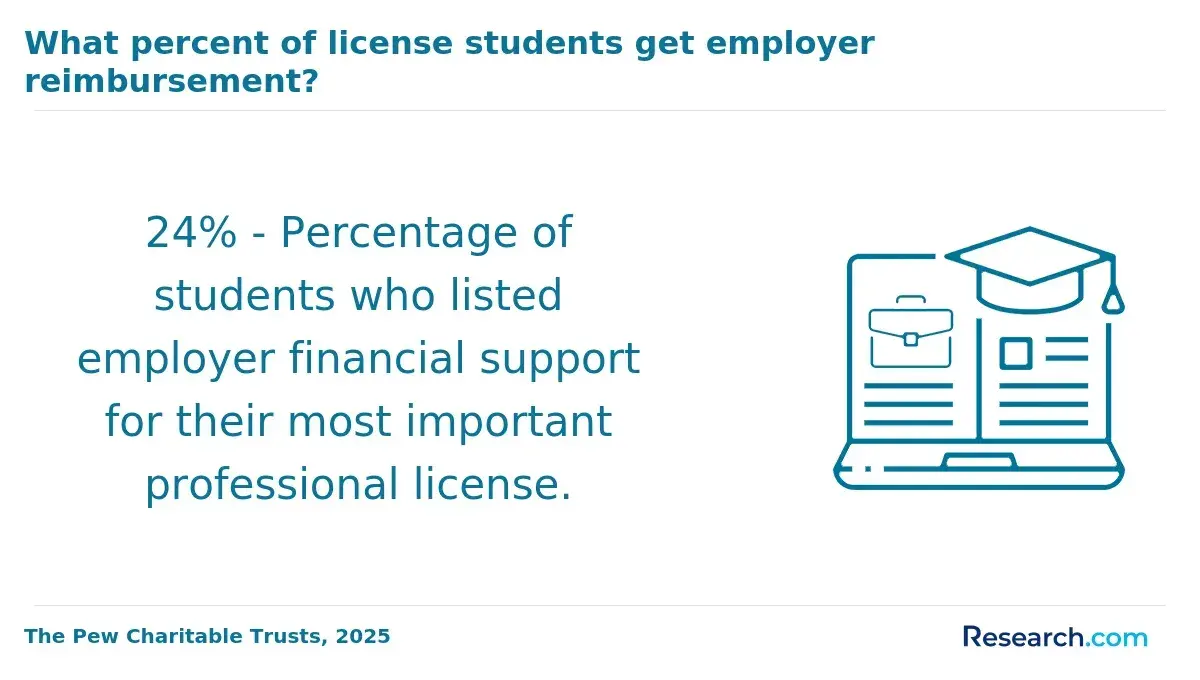
According to 2024 data from the U.S. Bureau of Labor Statistics, median wages for these counselors vary widely, tending to be highest in regions with dense healthcare networks and robust mental health service demand. Prospective students and recent graduates should weigh salary advantages against cost-of-living pressures and tuition investments before choosing where to establish their careers.
Below are key regions known for top compensation in this field:
- California: California consistently leads with median salaries about 20-30% above the national average, driven largely by urban centers like San Francisco and Los Angeles. Demand for mental health services is strong, but high living costs and competitive markets require careful consideration of net income and lifestyle tradeoffs.
- Massachusetts: The Boston metro area commands some of the highest wages due to its concentration of hospitals, research institutions, and specialty clinics. While pay scales are elevated, aspiring counselors must factor in both tuition costs in local top-tier programs and housing expenses.
- New York City: New York offers above-average pay fueled by diverse healthcare providers and nonprofits. However, the city's steep living expenses and job market competitiveness can erode the real financial benefit of higher salaries.
- Washington, D.C.: A mix of federal agencies, nonprofits, and private practices supports higher compensation levels here. Candidates should balance these earnings against the region's elevated housing costs and overall expenses.
- Seattle, Washington: Seattle's growing healthcare and technology sectors create strong demand for clinical mental health counselors, pushing salaries upward. Nevertheless, rising regional housing prices call for prudent budgeting.
How Do Clinical Mental Health Counseling Salaries Grow Throughout a Career?
Clinical mental health counseling salaries generally increase as professionals accumulate experience, but this growth tends to be gradual rather than rapid. Entry-level counselors, often those within their first few years post-degree, typically earn between $45,000 and $52,000 annually according to 2024 data from the U.S. Bureau of Labor Statistics and the National Board for Certified Counselors.
By mid-career, roughly five to ten years in, salaries typically rise to a range of about $55,000 to $65,000, reflecting the added value of specialized skills, certifications, and supervisory duties.
For those exceeding ten years of experience, compensation can reach between $70,000 and $80,000 or higher, especially for individuals pursuing leadership roles or private practice, although this growth may not always keep pace with increases in education costs and inflation.
Consider two graduates who both start with the same clinical mental health counseling degree and similar entry-level salaries. One focuses on acquiring certifications in trauma counseling and pursues supervisory roles in a large urban healthcare system, gradually advancing into administrative positions with a steady salary increase that aligns with mid-career benchmarks.
The other opts for a smaller community clinic with limited opportunities for advancement and fewer credentials, resulting in slower salary growth that hovers near entry-level figures despite similar experience.
Key factors driving long-term salary increases tend to be the pursuit of additional qualifications, geographic location, employer type, and willingness to shift into leadership or private practice settings, underscoring that career decisions and professional development critically shape earning trajectories.
One clinical mental health counseling graduate recalls feeling uncertain after completing the degree, especially about whether the initial salary justified the investment amid mounting tuition debt. After a couple of years in a modest-paying mental health clinic, the decision to pursue trauma specialization and national certification came with an initial financial strain but eventually produced a noticeable salary jump.
They describe weighing each step carefully, acknowledging the frustration when salary increases lagged behind inflation, but ultimately finding that strategic credentialing and selective job changes helped bridge that gap more effectively than simply gaining years of experience. This experience highlights the nuanced, sometimes slow pace of income growth in the field and the importance of calculated choices beyond the degree itself.
How Do Clinical Mental Health Counseling Salaries Compare With Similar Degrees?
Comparing the salaries of clinical mental health counseling graduates with those from related fields reveals notable variations that affect long-term earning potential.
Median salaries for clinical mental health counselors tend to be lower than those in some closely aligned professions, despite overlapping skill sets and educational requirements. Deciding to pursue a clinical mental health counseling degree involves weighing these salary differences against often rising tuition costs and modest wage growth in the field.
Below are key comparisons that highlight these trends and inform financial and career decisions for prospective students and career changers considering clinical mental health counseling:
- Marriage and Family Therapy: Median wages for marriage and family therapists typically exceed those of clinical mental health counselors, reported at about $58,000 annually versus $49,000. This difference owes partly to the demand for specialized family-focused therapy and broader opportunities in private practice settings.
- Clinical Psychology: Psychologists earn significantly more, with median salaries around $81,000, reflecting advanced doctoral training and licensing requirements. They benefit from a wider range of practice settings, including research, assessment, and clinical roles with higher reimbursement rates.
- Social Work: Licensed social workers generally earn slightly more than clinical mental health counselors, with median salaries near $51,000. Social work salaries vary by setting but often include roles with additional administrative or case management responsibilities that can boost earnings.
- Private Practice Opportunities: Clinical mental health counselors working in specialized or private practice environments can sometimes approach or surpass social work salaries, though these opportunities usually require additional business development and networking skills.
A practical scenario for a student might involve evaluating whether to invest in a clinical mental health counseling degree versus pursuing the fastest RN to BSN program online, which could lead to more immediate job prospects and wage growth. Understanding these salary differences is crucial for informed education financing and career planning decisions.
How Is Employer Demand Affecting Clinical Mental Health Counseling Salary Trends?
Employer demand significantly shapes salary trends for clinical mental health counseling professionals by intensifying competition among organizations for qualified candidates.
As demand rises, particularly with a projected 23% growth over the next decade according to the U.S. Bureau of Labor Statistics, employers often increase hiring activity and adjust compensation strategies to attract talent.
For instance, a community mental health center in a metropolitan area experiencing increased client intake may raise starting salaries or offer specialized bonuses to retain licensed counselors, reflecting how localized demand impacts pay. However, wage growth is nuanced and varies considerably by experience, specialization, and the budget constraints of different employer types, from nonprofit agencies to private practices.
Several major factors drive employer demand for clinical mental health counseling professionals, including heightened public awareness of mental health, expanded insurance coverage, and evolving treatment modalities. While robust employer demand can promote faster wage growth, a 2024 report from the National Board for Certified Counselors highlights that salary gains often do not keep pace with rising tuition and inflation.
This imbalance challenges recent graduates and career changers to evaluate the long-term financial return of their investment in education carefully. Prospective students might consider alternative pathways or online MPH programs easy to get into to balance educational costs and timely workforce entry within this dynamic labor market.
Overall, monitoring clinical mental health counseling job market trends is crucial to making informed decisions about pursuing and sustaining a career in this field.
How Can Students Maximize Their Lifetime Earnings With a Clinical Mental Health Counseling Degree?
Maximizing lifetime earnings with a clinical mental health counseling degree requires deliberate choices beyond simply completing the program. Data from the U.S. Bureau of Labor Statistics (2024) and the National Board for Certified Counselors highlight factors such as specialization, geography, and credentials as pivotal in income outcomes.
For example, a graduate specializing in trauma counseling who takes a supervisory role in a major metropolitan hospital may significantly out-earn a peer working general practice in a rural area. Below are practical strategies grounded in current industry trends that help students align their education and career paths with earning potential:
- Targeted Specialization: Concentrate on high-demand areas like trauma, substance abuse, or marriage and family therapy. These fields require additional certifications, which differentiate candidates and command premium salaries.
- Geographic Positioning: Prioritize employment in urban centers or states with higher living costs, such as California or New York, where pay scales tend to be more competitive.
- Advanced Certification: Obtain credentials like Licensed Professional Clinical Counselor (LPCC) or Certified Clinical Mental Health Counselor (CCMHC) to enhance expertise and open doors to better-paying roles.
- Institutional Employment: Seek positions within hospitals, government, or large healthcare organizations that generally offer higher wages and benefits compared to private or nonprofit sectors.
- Professional Networking: Build relationships across diverse settings including schools and correctional facilities to access a broader range of job opportunities with competitive compensation.
- Leadership Development: Pursue supervisory or administrative roles early to leverage clinical experience into higher income brackets through expanded responsibilities.
- Continued Education: Engage in lifelong learning and professional development to stay current with best practices and increase marketability in a changing healthcare environment.
References
- Clinical Mental Health Counselor Salary (November 2025) | APOS https://careers.apos-society.org/salary/clinical-mental-health-counselor
- Mental Health Counseling MS Salary Guide | University of Bridgeport https://www.bridgeport.edu/news/masters-in-counseling-salary-guide/
- Mental Health Counselor Job Outlook and Salary | Bradley University Online https://onlinedegrees.bradley.edu/blog/mental-health-counselor-job-outlook
- MS & MA In Counseling: Comparing Curriculums, & Salaries https://www.psychology.org/degrees/ms-vs-ma-in-counseling/
- Mental Health Therapist Salary Guide 2026 - PsychologyJobs.com https://psychologyjobs.com/mental-health-therapist-salary/
- Is a master's degree in counseling worth it? | edX https://www.edx.org/resources/is-a-masters-in-counseling-worth-it
- What is a Mental Health Clinician? - Career Insights | Teal https://www.tealhq.com/career-paths/mental-health-clinician
- Top 5 Highest-Paying Psychology Careers - Rivier Academics https://www.rivier.edu/academics/online/resources/program-resources/top-5-highest-paying-psychology-careers-rivier-university/
- College Affordability for Counseling Students https://www.counselingschools.com/blog/college-affordability-guide
- What Is Mental Health ROIâand How to Better Understand Yours? https://www.springhealth.com/blog/what-is-mental-health-roi-return-on-investment
Other Things You Should Know About Clinical Mental Health Counseling
Early career clinical mental health counselors often accept lower wages in exchange for crucial supervised experience needed for licensure and advanced practice. Prioritizing programs or positions that emphasize quality supervision and diverse clinical exposure can accelerate licensure eligibility, which directly impacts earning potential. While it might be tempting to seek higher initial pay, gaining licensure sooner typically enables quicker access to better-paying roles, making early patience and strategic program selection essential for long-term salary growth.
Salary alone doesn't capture the full economic picture for counselors, as health insurance, retirement plans, loan repayment programs, and flexible schedules can significantly affect financial well-being. For those facing high tuition debt, employer-offered loan forgiveness or repayment assistance can offset stagnant salaries. When choosing employers or programs, careful evaluation of these non-salary benefits is crucial, especially given many clinical mental health counseling salaries have not fully kept pace with rising education costs and inflation.
Reported salary averages often mask substantial variability in workload intensity and case complexity, both of which influence job stress and long-term career sustainability. Counselors in high-demand settings may earn marginally more but face burnout risk that undermines total career earnings. Decision-making should account for the potential tradeoff between higher wages and increased emotional and administrative burdens, recognizing that a balanced workload often supports steadier income and career longevity.
Programs emphasizing specialties with regional demand-such as trauma counseling or substance abuse-can position graduates for niche roles with better compensation and quicker job placement. Prospective students should prioritize programs that integrate hands-on training in these high-demand areas while maintaining strong licensure preparation. Strategic alignment with local market needs can mitigate the challenge of stagnant base salaries and improve the value proposition of costly tuition investments.