2027 Best Accredited Online Theology Degree Programs: Compare Tuition, Admissions, and Career Outcomes

Co-Founder and Chief Data Scientist
Choosing an online theology degree is a values-and-budget decision. You need a program that fits your faith tradition, schedule, accreditation needs, and career goals. College Board's latest pricing data shows average published tuition and fees at private nonprofit four-year colleges exceed $43,000 annually, so comparing online options by total cost and outcomes matters.
This guide is for first-time students, transfer students, working adults, and future ministry leaders. You will learn how to evaluate accredited programs, admissions, flexibility, aid, and career paths before enrolling.
Key Things You Should Know
- For best overall value, prioritize accredited online theology programs that combine recognized institutional accreditation, transparent tuition, generous transfer policies, and field-relevant support such as ministry mentoring or supervised practice.
- College Board's latest national benchmark lists average published tuition and fees at $11,610 for in-state public four-year colleges and $43,350 for private nonprofit four-year colleges, making net price more useful than sticker tuition.
- The median annual pay for clergy is about $60,000 in the latest BLS wage data, so theology degrees often make the most financial sense when tied to ministry, chaplaincy preparation, nonprofit leadership, teaching, or graduate study goals.
Which Accredited Online Theology Degree Programs Offer the Best Overall Value?
The best accredited online theology degree program is not automatically the cheapest one. Strong value usually comes from the right mix of recognized accreditation, doctrinal fit, transfer credit acceptance, faculty access, online flexibility, and career alignment.
For many students, the most useful comparison is "best for my goal" rather than a single universal ranking. A future pastor, a working adult finishing a bachelor's degree, and a student preparing for graduate seminary may all need different program strengths. If your main goal is salary maximization rather than ministry preparation, it may also be worth comparing theology with higher-earning online pathways such as cybersecurity degrees.
The table below highlights common value profiles among accredited U.S. institutions that offer online theology, biblical studies, Christian ministry, religion, divinity, or closely related programs. Always confirm the exact degree title, current tuition, and accreditation status before applying.
| Program example | Common online theology-related options | Accreditation considerations | Best value fit | Watch for |
| Liberty University | Religion, biblical studies, Christian ministry, divinity-related pathways | Institutional accreditation; some graduate ministry paths may have additional seminary considerations. | Students who want broad online availability, many electives, and frequent start dates. | Large-school environment may require proactive advising. |
| Moody Bible Institute | Biblical studies, ministry leadership, theological studies | Institutional and faith-based accreditation should be reviewed by degree level. | Students seeking Bible-centered training with a ministry-oriented reputation. | Doctrinal fit and transfer limits should be checked early. |
| Colorado Christian University | Biblical studies, theology, Christian leadership, ministry-related degrees | Institutional accreditation; verify program-specific expectations. | Working adults who want faith-integrated coursework and structured online terms. | Private-college pricing may make scholarships important. |
| Grand Canyon University | Christian studies and ministry-related bachelor's or graduate options | Institutional accreditation; confirm program relevance for denominational goals. | Students who want a large online university with many support services. | Compare fees and course sequencing, not tuition alone. |
| Regent University | Biblical and theological studies, Christian ministry, divinity-related programs | Institutional accreditation; graduate ministry accreditation should be verified by program. | Students seeking Christian liberal arts, ministry, and leadership options online. | Some ministry tracks may require denominational review. |
| Lancaster Bible College | Biblical studies, ministry leadership, theological studies | Institutional and faith-based accreditation profile may be relevant. | Students looking for a smaller Bible-college environment with online options. | Confirm online availability for the exact concentration. |
The strongest value choice is usually the program that minimizes debt while still meeting your ministry, graduate school, or employer requirements. A low-cost program that lacks the accreditation or faith tradition your church, denomination, or seminary expects may be a poor investment.
What Accreditation Should Students Look for in an Online Theology Degree Program?
Accreditation is the quality-control signal that matters most before you compare tuition or convenience. For online theology programs, students should first verify institutional accreditation from an agency recognized by the U.S. Department of Education or CHEA, because this can affect federal financial aid, credit transfer, graduate admission, and employer acceptance.
Specialized accreditation can also matter, especially for seminary and ministry degrees. The Association of Theological Schools is especially relevant for many graduate theology, divinity, and ministry programs, while the Association for Biblical Higher Education is common among Bible colleges and faith-based institutions. Not every legitimate undergraduate theology degree needs specialized theological accreditation, but students should know when it matters.
Use this accreditation checklist before applying, especially if you plan to pursue ordination, chaplaincy, teaching, or graduate study:
- Confirm institutional accreditation on the school's official accreditation page and through the accreditor's public directory.
- Check whether the specific online theology degree is included under the institution's accreditation scope.
- Ask whether the degree meets your denomination's education expectations for ordination, licensing, or ministry placement.
- For graduate ministry degrees, verify whether ATS accreditation is required or strongly preferred by your target employer, church body, or chaplaincy pathway.
- Ask admissions staff how theology credits transfer to other accredited colleges, seminaries, or graduate programs.
A common mistake is assuming "Christian," "Bible-based," or "seminary-style" automatically means accredited. Accreditation is not about theology alone; it is also about academic governance, faculty qualifications, student protections, and institutional stability.
How Do Tuition Costs Compare Across Accredited Online Theology Degree Programs?
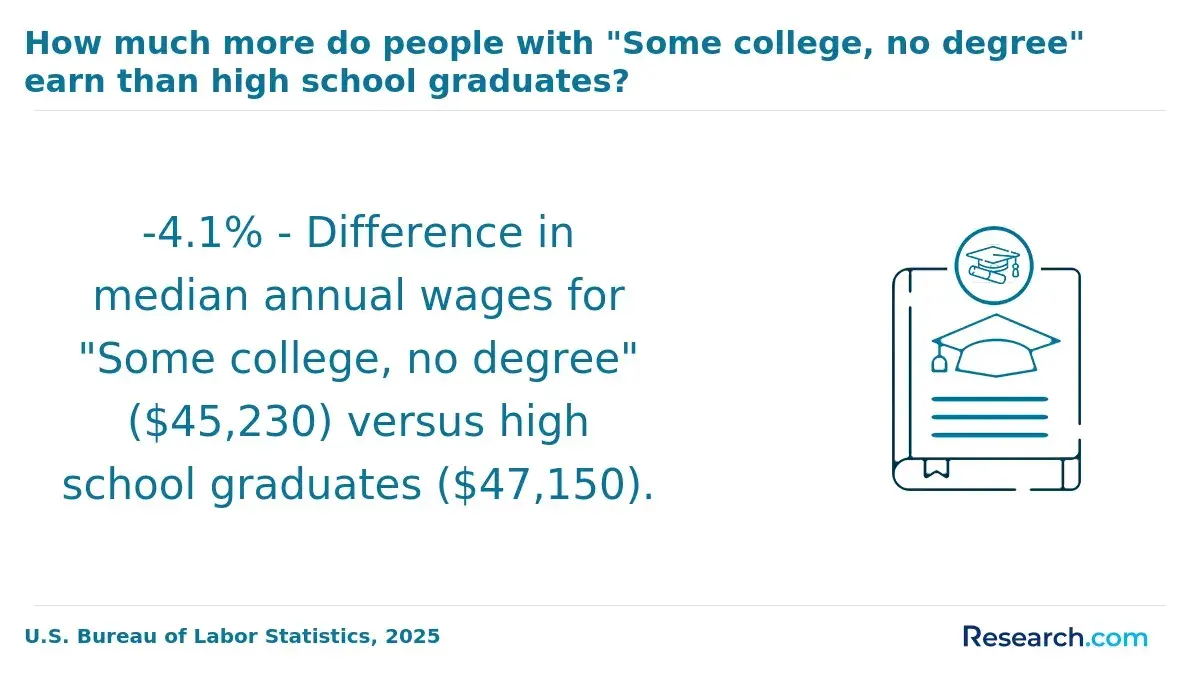
Tuition for online theology degrees varies widely because programs may be offered by public universities, private nonprofit Christian colleges, Bible colleges, seminaries, or private institutions with large online divisions. The most important number is not the advertised per-credit rate; it is the estimated net price after scholarships, transfer credits, fees, and required course materials.
Those figures are not theology-specific, but they give students a useful baseline. If a private online theology program's net cost approaches the private-college average, you should expect strong advising, faculty access, transfer evaluation, and career or ministry support in return.
The table below shows how to compare real costs across online theology programs. This format is more useful than ranking schools by tuition alone because it captures the expenses that often change the final bill.
| Cost factor | Why it matters | How to compare programs |
| Per-credit tuition | Determines the base cost of each course. | Multiply by required credits for the exact degree, not just a sample term. |
| Online fees | Technology, course, or student-service fees can raise the actual price. | Ask for a full program cost sheet before enrolling. |
| Transfer credits | Accepted credits can reduce time and total cost. | Request a written transfer evaluation before committing. |
| Books and ministry resources | Theology programs may require Bibles, commentaries, software, or fieldwork materials. | Ask whether digital library access or software discounts are included. |
| Residency or intensives | Some online seminary or ministry programs require short campus visits. | Include travel, lodging, and time away from work in the budget. |
| Graduation timeline | Longer enrollment can increase total fees and opportunity cost. | Compare full-time, part-time, and accelerated schedules. |
Lower tuition matters, but it should not be your only filter. A slightly higher-cost program may be the better investment if it accepts more transfer credits, offers stronger ministry placement support, or meets requirements for your intended graduate program.
How Competitive Is Admission to Accredited Online Theology Degree Programs?
Admissions competitiveness varies by degree level and institution. Many online bachelor's programs in theology are designed for access and adult learners, while graduate theology, divinity, and seminary programs may look more closely at academic background, ministry experience, recommendations, writing ability, and faith alignment.
The table below summarizes common admissions expectations. Requirements vary by school, but this comparison helps students decide where they may be a strong applicant and where extra preparation may be needed.
| Degree level | Typical applicant | Common requirements | Competitiveness signal |
| Associate degree or certificate | New students, church volunteers, or career changers testing the field. | High school diploma or equivalent, application, transcripts. | Usually access-oriented if the institution is open to adult learners. |
| Bachelor's degree | First-time college students, transfer students, ministry workers, or adults completing a degree. | High school or college transcripts, minimum GPA, personal statement, possible faith statement. | Transfer credit policy often matters more than selectivity for adult learners. |
| Master's degree in theology or ministry | Bachelor's graduates preparing for ministry, teaching, nonprofit work, or doctoral study. | Accredited bachelor's degree, GPA review, references, writing sample, statement of purpose. | Programs may be selective about writing readiness and theological fit. |
| Master of Divinity | Students preparing for pastoral ministry, chaplaincy, or advanced theological training. | Bachelor's degree, references, church or ministry context, essay, interview in some cases. | Admissions may consider both academic readiness and vocational preparation. |
| Doctoral theology programs | Advanced ministry leaders, scholars, or educators. | Graduate theology degree, research or ministry portfolio, writing sample, faculty fit. | Often the most selective because of research expectations and faculty supervision. |
Admissions flexibility does not necessarily mean weak academic quality. Online theology programs often serve working adults, military students, ministry leaders, and transfer students, so they may use rolling admissions or holistic review rather than narrow selectivity metrics.
Before applying, ask admissions counselors these questions to avoid surprises:
- Will my previous college, military, ministry, or Bible institute credits be evaluated before I enroll?
- Is there a minimum GPA for admission, transfer, scholarships, or graduation?
- Do I need a faith statement, pastoral reference, interview, or denominational endorsement?
- Can I start in any term, or are theology courses offered only in a fixed sequence?
- If I do not meet full admission requirements, is conditional admission available?
Which Learning Formats Offer the Greatest Flexibility in Online Theology Degree Programs?
The most flexible online theology programs usually combine asynchronous coursework, multiple start dates, part-time pacing, and generous transfer policies. This matters because many theology students are already working in churches, nonprofits, schools, military chaplaincy settings, or family caregiving roles.
Online learning expectations have changed across higher education. Students comparing theology with programs such as an online artificial intelligence degree now often expect clear course shells, recorded lectures, mobile access, digital advising, and predictable weekly deadlines.
The table below compares common online formats and when each one makes sense.
| Format | How it works | Best for | Potential drawback |
| Asynchronous online | Students complete weekly work without required live class meetings. | Working adults, shift workers, parents, military students. | Requires strong self-management and writing skills. |
| Synchronous online | Students attend live virtual class sessions. | Students who want discussion, faculty interaction, and cohort connection. | Less flexible across time zones or irregular work schedules. |
| Hybrid or low-residency | Most coursework is online, with occasional campus or ministry-site requirements. | Students preparing for pastoral ministry, chaplaincy, or supervised practice. | Travel and scheduling can increase total cost. |
| Accelerated terms | Courses run in shorter sessions, often allowing more start dates. | Motivated adult learners and transfer students. | Reading and writing loads can feel compressed. |
| Cohort-based online | Students move through courses with the same peer group. | Learners who value community and accountability. | Less freedom to pause or change pace. |
For theology, flexibility should not come at the expense of formation. Strong programs create ways for online students to practice interpretation, preaching, pastoral care, ethics, leadership, or ministry reflection rather than only reading and submitting papers.
What Student Support Services Improve Success in Online Theology Degree Programs?
Student support can make the difference between enrolling and finishing. This is especially true in theology programs because students may need academic advising, spiritual or vocational mentoring, writing help, field education guidance, and technology support.
Transfer students should pay close attention to advising quality. As with students exploring a 2 year psychology degree online, the fastest route is not always the one with the shortest advertised timeline; it is the one that applies the most valid credits toward the correct requirements.
The table below shows support services that improve completion and program fit in online theology degrees.
| Support service | Why it matters in theology | Question to ask |
| Dedicated online advising | Helps students choose the right sequence and avoid delayed graduation. | Will I have one advisor, or will I contact a general advising center? |
| Transfer credit review | Can reduce cost for students with prior college, Bible college, or military credits. | Can I receive a written evaluation before I commit? |
| Writing and research support | Theology courses often require exegetical papers, reflection essays, and research projects. | Is online tutoring available outside normal business hours? |
| Library and theological databases | Access to commentaries, journals, and digital texts affects research quality. | Which theology databases and e-books are included? |
| Ministry mentoring or field education | Connects coursework to real pastoral, nonprofit, or community work. | Can I complete fieldwork in my local church or organization? |
| Career and vocation services | Helps students translate theology training into ministry, nonprofit, teaching, or graduate pathways. | Do services support ministry resumes, interviews, and placement networks? |
A red flag is a program that is easy to enter but vague about who supports online students after enrollment. Before choosing, ask to see sample course schedules, advising contacts, library access details, and field education expectations.
Which Financial Aid Options Are Available for Accredited Online Theology Degree Students?
Financial aid for accredited online theology students can include federal aid, institutional scholarships, church or denominational support, employer assistance, veterans benefits, and private scholarships. Eligibility depends on the school, degree level, enrollment status, satisfactory academic progress, and whether the program participates in federal aid programs.
The maximum Federal Pell Grant for the current award cycle is $7,395, which can be significant for eligible undergraduate students but usually will not cover the full cost of a four-year degree. Students comparing ministry-focused programs with fields such as cybersecurity degrees should compare net price and borrowing needs, not only advertised tuition.
Use the following aid categories to build a realistic funding plan:
- Federal grants: Undergraduate students with financial need may qualify after completing the FAFSA.
- Federal student loans: Borrowing limits vary by dependency status, year in school, and graduate or undergraduate level.
- Institutional scholarships: Christian colleges and seminaries may offer awards for academic merit, ministry service, transfer students, military service, or denominational affiliation.
- Church and denominational aid: Some churches, dioceses, conventions, or ministry organizations help students preparing for service.
- Employer tuition assistance: Nonprofits, schools, churches, and chaplaincy-related employers may reimburse eligible coursework.
- Veterans and military benefits: Eligible students may use GI Bill benefits, military tuition assistance, or school-specific military discounts.
When comparing award letters, focus on renewable aid and debt. A scholarship that applies for only one term may be less valuable than a smaller renewable award that continues as long as you meet GPA and enrollment requirements.
Which Career Outcomes Are Associated With Accredited Online Theology Degree Programs?
Accredited online theology degrees can support careers in pastoral ministry, church administration, missions, religious education, nonprofit leadership, chaplaincy preparation, youth ministry, community outreach, writing, teaching in faith-based settings, and graduate study. Outcomes depend heavily on degree level, denomination, experience, location, and whether the student completes additional credentials.
Theology is not usually chosen for the highest short-term salary return. BLS wage data places clergy median annual pay at about $60,000, which means students should evaluate this degree through both financial and vocational lenses. If your target role is communications, fundraising, or public engagement for a church or nonprofit, a related path such as a communication master degree may also strengthen your options.
The table below connects theology degree levels with common outcomes and practical limitations.
| Degree level | Common outcomes | Additional requirements to check | ROI consideration |
| Associate degree or certificate | Church volunteer leadership, ministry assistant roles, personal enrichment, transfer preparation. | Transferability to a bachelor's program. | Best when low-cost and transferable. |
| Bachelor's degree | Youth ministry, church administration, missions work, religious education, nonprofit entry-level roles. | Employer or denominational expectations. | Stronger value when paired with internships or transferable skills. |
| Master's in theology or ministry | Advanced ministry, teaching in some faith-based settings, nonprofit leadership, graduate preparation. | Denominational recognition and faculty specialization. | Best for students already active in ministry or seeking advancement. |
| Master of Divinity | Pastoral ministry, chaplaincy preparation, ordination pathways, advanced theological study. | Ordination rules, clinical pastoral education, endorsement, or residency requirements. | Can be valuable but is longer and should be matched to a clear vocational goal. |
| Doctoral degree | Seminary teaching, advanced ministry leadership, scholarship, denominational leadership. | Research fit, publication expectations, faculty supervision. | Best when needed for specific leadership, academic, or scholarly roles. |
Students should avoid assuming a theology degree alone qualifies them for every ministry role. Ordination, chaplaincy, counseling, and teaching requirements may involve additional education, supervised experience, state rules, denominational endorsement, or employer-specific standards.
How Do Online and Campus-Based Theology Degree Programs Compare?
Online and campus-based theology programs can both be rigorous when they are accredited and well designed. The better choice depends on how much you need flexibility, local community, mentoring, worship life, language study, field education, and face-to-face formation.
The comparison below helps students decide whether online, campus, or hybrid theology study is the better fit.
| Factor | Online theology degree | Campus-based theology degree | Best choice when |
| Schedule | Often more flexible for work and family obligations. | Requires set class times and commuting or relocation. | Online is better for working adults; campus is better for students who want full immersion. |
| Community | Built through discussion boards, live sessions, cohorts, and mentoring. | Built through chapel, residence life, study groups, and informal faculty access. | Campus may be stronger for students who need daily community. |
| Cost | May reduce relocation, commuting, and housing costs. | May include more campus fees and living expenses. | Online can be less expensive if tuition and fees are also reasonable. |
| Field experience | Often completed locally if approved by the program. | May use school-affiliated churches, ministries, or community partners. | Hybrid works well for students needing supervised ministry practice. |
| Learning style | Requires self-direction, reading discipline, and written communication. | Offers more immediate discussion and in-person accountability. | Choose the format that matches how you actually learn. |
Online theology can be the better investment if it lets you stay employed, serve in your current church, and avoid relocation debt. Campus study may be worth the added cost if you need intensive mentoring, denominational networking, language instruction, or a residential seminary community.
How Should Students Choose the Best Accredited Online Theology Degree Program?
Students should choose an accredited online theology degree by starting with the outcome they need and working backward. A program that is excellent for personal enrichment may not be sufficient for ordination, chaplaincy, graduate study, or teaching.
Use this step-by-step process to compare programs in a practical way. It can also help if you are weighing theology against other graduate or career pathways, including accelerated masters psychology programs.
- Define your goal first: ministry preparation, personal study, nonprofit leadership, chaplaincy, graduate school, teaching, or career change.
- Verify institutional accreditation before reviewing tuition, rankings, or convenience.
- Check whether specialized theological accreditation is required for your target role or denomination.
- Request a written total-cost estimate that includes tuition, fees, books, technology, travel, and expected transfer credits.
- Compare net price after scholarships and grants, not only the advertised tuition rate.
- Ask for a degree plan showing how long completion will take at your intended pace.
- Review faculty background, course descriptions, theology requirements, and doctrinal statements for fit.
- Confirm whether online students receive advising, library access, career support, and field education placement help.
- Ask about graduation, retention, and career outcome data when available.
- Speak with a current student, alumnus, pastor, employer, or denominational advisor before enrolling.
Several red flags should make you pause before applying:
- The school is vague about accreditation or uses confusing language that sounds like accreditation but is not recognized.
- The admissions team pressures you to enroll before providing a full cost estimate.
- The program advertises ministry outcomes without explaining ordination, chaplaincy, or employer requirements.
- Transfer credit rules are unclear or provided only after enrollment.
- Online students have limited access to advisors, library databases, faculty, or career services.
- The curriculum does not match your faith tradition, graduate school goals, or intended ministry setting.
The best accredited online theology program is the one that fits your calling, finances, academic needs, and practical life constraints. A smart choice balances affordability with accreditation, support, theological fit, and realistic outcomes.
Other Things You Should Know About Theology
In 2027, some of the best-rated online theology programs include Liberty University for its affordability and Regent University for its robust admissions support. These programs are noted for producing graduates with strong career outcomes in various ministry and educational roles.
Admission requirements for online theology degree programs in 2027 typically include a high school diploma or equivalent, official transcripts, a statement of purpose, and sometimes letters of recommendation. Some programs may also require a minimum GPA or standardized test scores.
Some credits may transfer, especially general education courses from accredited institutions. Theology, ministry, or Bible courses may transfer as electives rather than major requirements, so students should request a written transfer evaluation before enrolling.
It can be respected when the school is accredited, the curriculum is rigorous, and the degree fits the role. Churches, denominations, and employers may have their own expectations, so students should confirm requirements with the organization they hope to serve.
References
- Apply to Seminary at Calvin: Application & Requirements https://calvinseminary.edu/admissions/apply-now/
- 20 Job Options With a Degree in Theology: Career Guide | Franciscan School of Theology https://www.fst.edu/jobs-in-theology/
- The Top 8 Online Master of Theology (ThM) Degrees - GradLime https://gradlime.com/online-master-theology/
- Tuition and Fees | Catholic Graduate School | Augustine Institute https://www.augustineinstitute.org/graduate-school/tuition
- Degree Programs https://seminary.fellowship-us.org/product-category/degree-programs/
- 2026 Best Theology, Divinity, & Religious Schools https://bold.org/blog/theology/
- Commission on Accrediting of the Association of Theological Schools | Council for Higher Education Accreditation https://www.chea.org/commission-accrediting-association-theological-schools
- Types of Theology Degrees | Saint Paul https://www.spst.edu/types-of-theology-degrees/
- Accreditation & Distance Education https://bethanyseminary.edu/about/accreditation-and-distance-education/
- 7 Cheapest Theology Degree Online Programs for 2026 https://www.thebibleseminary.edu/post/cheapest-theology-degree-online