2027 Online Theology Degree Programs With No Application Fee and Rolling Admissions

Co-Founder and Chief Data Scientist
Applying to an online theology degree can feel urgent when ministry, career, or transfer plans do not line up with fixed admissions deadlines. No-fee applications and rolling admissions can reduce friction, but they do not automatically make a program affordable or high quality. Federal Student Aid set the maximum Pell Grant at $7,395 for 2024-2025, showing why total cost matters far more than a waived application fee.
This guide helps adult learners, transfer students, ministry workers, and first-time applicants compare flexibility, admissions requirements, accreditation, financial aid, and long-term value.
Key Things You Should Know
- No-application-fee theology programs can save applicants an upfront charge, but the bigger decision is total tuition, required fees, transfer-credit acceptance, and aid eligibility, especially when the 2024-2025 maximum Pell Grant is $7,395.
- Rolling admissions usually means applications are reviewed as they arrive, but financial aid, scholarship, transcript, course-registration, and cohort deadlines can still close before the next start date.
- Theology career value depends heavily on goals: the BLS May 2024 wage data places clergy median pay at about $60,000, while chaplaincy, teaching, counseling-adjacent, and nonprofit roles may require graduate study, certification, denominational approval, or state-specific credentials.
Which Online Theology Degree Programs Have No Application Fee and Rolling Admissions?
Which online theology degree programs have no application fee and rolling admissions? The clearest answer is that several U.S. Christian universities and online divisions advertise free applications and flexible admissions for religion, biblical studies, ministry, or theology programs, but students should verify both policies before applying because fee waivers, start dates, and program availability can change by term.
The table below is a decision-support starting point, not a ranking. Use it to identify schools to investigate, then confirm the current application fee, next start date, transfer policy, and accreditation status directly with the institution before submitting materials.
| Institution | Online theology-related degree examples | No-fee and rolling-admission status to verify | Best-fit student | Important caution |
| Liberty University Online | Religion, biblical studies, Christian leadership, divinity, theological studies | Often promotes online application-fee waivers and multiple start dates | Students who want a large online catalog and frequent term options | Compare total tuition, fees, transfer credits, and program-specific course sequences |
| Regent University Online | Biblical and theological studies, Christian ministry, divinity, theology | Commonly advertises free application opportunities and rolling review | Students seeking undergraduate or graduate Christian studies with online flexibility | Confirm whether the exact degree has synchronous, internship, or residency expectations |
| Grand Canyon University | Christian studies, worship studies, Christian ministry, divinity-related pathways | Generally markets no application fee and frequent online course starts | Students who prefer structured online courses with advisor support | Review institutional status, tuition model, and whether the program aligns with denominational goals |
| Colorado Christian University Online | Biblical studies, Christian leadership, theological studies, ministry-related programs | Online programs often use rolling admissions and may waive or avoid application fees | Working adults who want short online terms and Christian liberal arts context | Ask whether all theology courses are offered every term before choosing a start date |
| Southeastern University Online | Ministerial leadership, biblical studies, ministry, practical theology-related options | May offer no-fee online applications and rolling admission windows | Students pursuing church ministry, leadership, or transfer-friendly online study | Check practicum, field education, and church partnership requirements |
A strong shortlist should include at least three programs because a waived application fee can make comparison easier. However, the best program is rarely the one with the simplest application; it is the one that fits your academic level, ministry tradition, budget, schedule, transfer credits, and career outcome.
How Does Rolling Admission Work for Online Theology Degree Programs?
Rolling admission means a school reviews applications throughout the year instead of waiting for one fixed deadline. In online theology programs, this often pairs with multiple annual start dates, allowing students to begin in spring, summer, fall, or shorter subterms if they finish enrollment steps on time.
The comparison below shows why rolling admissions can be helpful but not deadline-free. It helps applicants avoid the common mistake of waiting too long because a program says it accepts applications continuously.
| Feature | Rolling admissions | Fixed-deadline admissions | What it means for theology applicants |
| Application review | Reviewed as files become complete | Reviewed after a posted deadline | Rolling review can shorten the waiting period if transcripts and recommendations arrive quickly |
| Start-date flexibility | Often multiple starts each year | Usually tied to one or two main intakes | Working adults and ministry staff may be able to start without waiting a full academic year |
| Financial aid timing | May still follow separate aid deadlines | Usually aligned with institutional calendars | Students should complete the FAFSA and scholarship forms early even if admission is rolling |
| Course availability | Varies by term and cohort | Often more predictable by semester | Some theology courses may not be offered at every start date |
| Admissions advantage | Earlier complete files may receive faster decisions | Applications are compared in a set pool | Rolling admission does not guarantee acceptance, but applying early can improve planning options |
Rolling admission works best when applicants treat it like a flexible calendar, not an open-ended invitation. A practical approach is to pick a target start date and work backward, leaving enough time for official transcripts, recommendation letters, financial aid processing, transfer-credit review, and orientation.
How Much Can Students Save by Choosing an Online Theology Degree With No Application Fee?
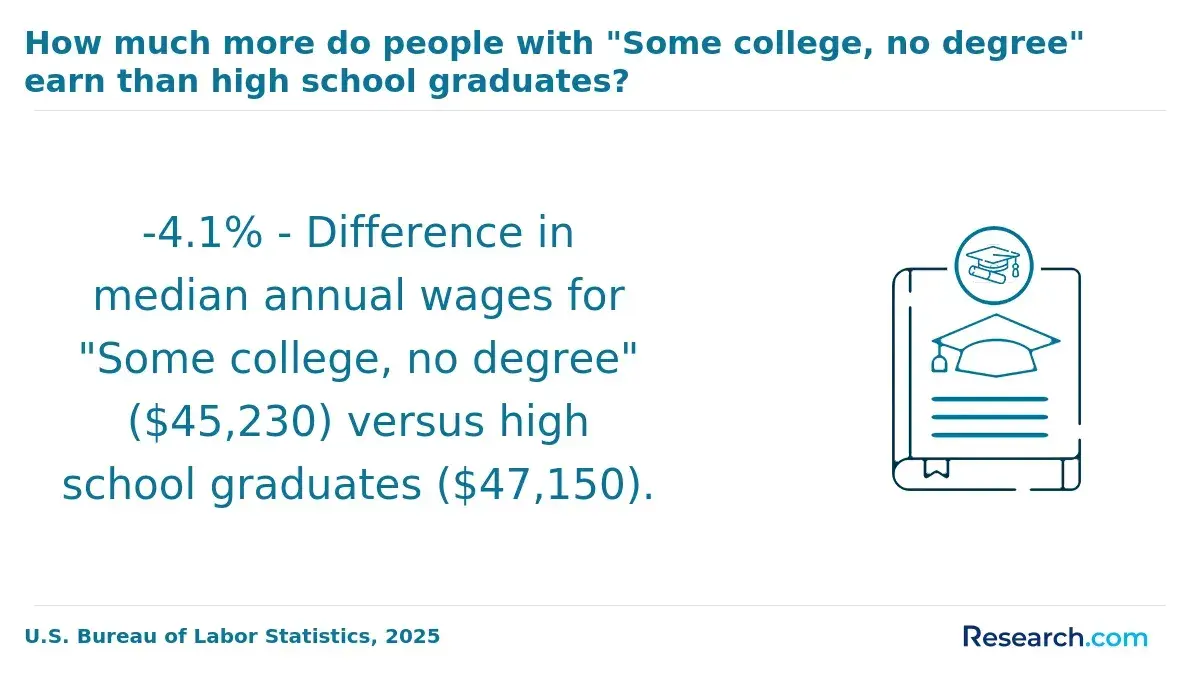
A no-application-fee online theology degree can save money at the front end, especially if a student applies to multiple schools. The limitation is that application-fee savings are usually small compared with tuition, technology fees, books, graduation fees, field-placement costs, and the cost of repeating credits that do not transfer.
The table below shows how application-fee savings should be interpreted. It is useful because students often overvalue a waived fee while overlooking larger cost differences that affect debt and return on investment.
| Cost factor | How it affects students | Decision value |
| Application fee | One-time upfront charge that may be waived | Helpful when applying broadly, but rarely the main affordability factor |
| Tuition per credit | Usually the largest direct program cost | Compare this before favoring any no-fee program |
| Transfer-credit acceptance | Can reduce the number of credits a student must pay for | Often more valuable than a waived application fee |
| Required fees | May include technology, library, graduation, course, or student-services charges | Ask for a full cost sheet, not just tuition |
| Books and digital resources | Theology courses may require Bible software, texts, or primary-source collections | Include these costs in the annual budget |
| Residency or practicum requirements | Some ministry or divinity programs include fieldwork, intensives, or supervised practice | Travel and schedule constraints can affect affordability |
The most useful way to estimate savings is to compare the full enrollment path. If one program waives the application fee but costs substantially more per credit, the savings disappear quickly. If another school charges an application fee but accepts more transfer credits, offers stronger aid, or has better fit for ordination or chaplaincy goals, it may be the better investment.
What Are the Admission Requirements for No-Fee Online Theology Degree Programs?
No-fee online theology programs usually do not lower academic expectations simply because the application is free. Undergraduate applicants commonly submit high school transcripts or GED documentation, college transcripts if transferring, and sometimes a statement of faith or ministry-interest essay. Graduate applicants may need a bachelor's degree, minimum GPA, references, writing sample, résumé, and church or ministry experience depending on the program.
Before applying, students should gather the materials that most often delay rolling-admission decisions. These requirements matter because an application is usually not reviewed until the file is complete.
- Official transcripts from every college attended, even if credits seem unrelated to theology.
- High school transcript or equivalency documentation for first-time undergraduate applicants.
- Government-issued identification, residency information, and prior-name documentation if records differ.
- Personal statement explaining academic goals, faith background if requested, ministry experience, and reasons for choosing online study.
- Recommendation letters from pastors, professors, supervisors, or ministry leaders when required.
- Résumé or ministry-service record for graduate, divinity, chaplaincy-oriented, or leadership programs.
- English-language proficiency documentation for applicants whose prior education was not in English, if required by the school.
Students comparing theology with adjacent helping-profession pathways should also note that admissions requirements vary widely by field; a 2 year psychology degree online, for example, may focus more on general education, psychology prerequisites, and transfer sequencing than on faith statements or denominational fit.
The biggest mistake is assuming "free application" means "easy admission." A free application only removes one payment step. The school can still deny admission, request additional documents, limit transfer credits, or admit the student to a different start date if the file is late or incomplete.
When Should Students Apply to Online Theology Degree Programs With Rolling Admissions?
Students should apply as soon as they have chosen a target start date and can submit a complete file. For many rolling-admission online theology programs, the best timing is not "anytime"; it is early enough to preserve financial aid options, course availability, transfer evaluation time, and personal scheduling flexibility.
A good application timeline starts with the desired first day of class and moves backward. The steps below help students avoid missed enrollment windows even when the program advertises year-round application review.
- Choose a target start date and ask whether theology courses for new students are available in that term.
- Request official transcripts early because colleges may take additional time to process records during peak periods.
- Complete the FAFSA and institutional scholarship forms before admission if the school allows it.
- Ask for transfer-credit evaluation before committing if you have prior Bible college, community college, military, or university credits.
- Confirm whether recommendations, pastoral references, or writing samples are required for the exact degree level.
- Submit the application only when required materials are ready or clearly in progress.
- After admission, review the degree plan, tuition charges, aid package, and withdrawal policy before enrolling in courses.
Timing matters even more for students comparing fast online formats across disciplines. For example, applicants researching accelerated masters psychology programs will see that compressed calendars can create separate document, practicum, and course-registration pressures; online theology programs can create similar issues when ministry placements or cohort courses are involved.
Applying early does not guarantee admission, but it gives students more room to fix transcript problems, compare aid packages, and choose a start date that matches work, church, family, and financial obligations.
How Can Students Strengthen an Online Theology Degree Application?
A strong online theology application is clear about academic readiness, spiritual or vocational motivation, and fit with the program's learning model. Admissions teams usually want evidence that the student can complete online coursework, engage respectfully with theological content, and connect the degree to a realistic ministry, academic, or service goal.
The following steps are especially useful for applicants who have been out of school, have lower grades, are changing careers, or are applying to graduate-level theology or divinity programs.
- Write a focused personal statement that connects your faith, academic interests, and professional goals without sounding generic.
- Explain any weak academic record directly and show what has changed, such as recent coursework, ministry leadership, writing experience, or improved time management.
- Choose recommenders who can speak to character, reliability, communication skills, and readiness for theological study.
- Prepare a short résumé that includes church service, nonprofit work, teaching, mentoring, counseling-adjacent roles, missions, or leadership responsibilities.
- Ask whether unofficial transcripts can start the review process while official transcripts are being sent.
- Check online-format expectations, including weekly discussion boards, synchronous sessions, proctored exams, field education, or chapel-related requirements.
A common red flag is a program that encourages immediate enrollment before explaining the degree plan, total cost, transfer-credit decision, and graduation requirements. Students should feel free to pause and request written answers before registering for the first course.
Are Online Theology Degree Programs With No Application Fees Accredited and Legitimate?
Online theology degree programs with no application fees can be accredited and legitimate, but the fee policy itself proves nothing. Accreditation, institutional authorization, faculty quality, student support, and alignment with career or ministry requirements are the features that determine whether the degree is credible.
The table below explains the main quality checks students should use. This is important because theology programs may serve different goals, including personal enrichment, church leadership, academic preparation, chaplaincy, teaching, or ordination.
| Quality check | What to verify | Why it matters |
| Institutional accreditation | The university is accredited by a recognized institutional accreditor | It affects financial aid eligibility, transfer credit, employer recognition, and graduate-school admission |
| Program or seminary accreditation | Graduate theological programs may have specialized accreditation, such as through a theological-school accreditor | It can matter for divinity, seminary, chaplaincy, or doctoral preparation |
| State authorization | The school is authorized to offer online education to students in your state | Online enrollment rules can vary by state and institution |
| Denominational recognition | The degree meets requirements for your church, denomination, or ministry body | Ordination and ministry credentials are often governed outside the university |
| Career-specific requirements | Chaplaincy, counseling-adjacent, teaching, or nonprofit roles may require additional credentials | A theology degree alone may not satisfy employer, board, or state requirements |
| Transparent student outcomes | The school provides graduation, placement, licensure, or ministry-outcome information where applicable | Outcome transparency helps students judge risk and value |
Students should be cautious if a school avoids accreditation questions, promises ministry employment, uses pressure-based enrollment tactics, or cannot provide a clear list of required credits and fees. Legitimate programs may have open admissions or flexible admissions, but they should still be transparent about academic standards and costs.
How Do Financial Aid and Total Costs Compare Among Online Theology Degree Programs?
Financial aid and total costs can vary more than application fees. Students should compare the full net price after grants, scholarships, employer or church support, transfer credits, and loan costs rather than assuming that a free application signals affordability.
The 2024-2025 Direct Loan origination fee for most federal student loans is 1.057%, which means borrowing creates costs beyond the sticker tuition. That makes it important to limit unnecessary credits, confirm transfer acceptance, and avoid enrolling before the aid package is clear.
The table below summarizes the cost categories students should request from every school. It helps applicants compare programs using the same information instead of relying on marketing pages that highlight only tuition or fee waivers.
| Cost or aid category | What to ask the school | Why it affects the final decision |
| Tuition per credit | Is the rate different for undergraduate, graduate, seminary, military, or transfer students? | Small per-credit differences can matter across a full degree |
| Required institutional fees | Are there technology, student-service, graduation, library, or course fees? | Fees can change the real price of a no-application-fee program |
| Books and learning tools | Are Bible software, digital libraries, or course materials included? | Theology courses may require specialized resources |
| Transfer credits | How many prior credits will apply to the exact degree plan? | Accepted transfer credits can reduce time and cost |
| Institutional scholarships | Are scholarship deadlines separate from rolling admission? | Late applicants may be admitted but miss aid opportunities |
| Federal aid eligibility | Is the program eligible for federal grants or loans? | Non-degree, certificate, or certain ministry programs may have different aid rules |
| Payment plans | Are monthly plans available, and do they include setup fees? | Payment structure can affect affordability for working adults |
Students comparing online theology programs with other career-oriented online degrees should use the same total-cost lens. Many applicants evaluating cybersecurity degrees will compare tuition, fees, certifications, and employment outcomes; theology students should be just as disciplined, especially when ministry salaries and employer tuition support vary widely.
Which Students Benefit Most From No-Fee, Rolling-Admission Online Theology Degrees?
No-fee, rolling-admission online theology degrees are most useful for students who need application flexibility but still plan carefully. They are especially helpful for adults balancing work and ministry, transfer students comparing several schools, active church staff who need a degree for advancement, and applicants who missed a fixed deadline elsewhere.
These programs tend to fit certain student profiles better than others. The following list shows when the features are genuinely valuable and when they should not drive the decision alone.
- Working adults benefit when rolling starts let them begin after a busy ministry, school, or family season.
- Transfer students benefit when free applications allow them to request multiple credit evaluations before choosing a school.
- Students with limited cash flow benefit when a waived fee removes an upfront barrier, but they still need a full aid estimate.
- Prospective pastors, ministry leaders, and Bible teachers benefit when the program aligns with denominational or employer expectations.
- Graduate applicants benefit when rolling admissions lets them enter a seminary or theology program without waiting for the next annual cohort.
- Students should be cautious if they are choosing the program only because it is free to apply, especially if tuition, accreditation, or career fit is unclear.
Students who are undecided between ministry, ethics, education, communications, psychology, or technology should compare outcomes before committing. Someone drawn to faith-and-technology questions, for instance, may want to compare theology study with an online artificial intelligence degree if their long-term goal is digital ethics, responsible technology, or organizational leadership rather than church ministry.
The key is to match the degree to the outcome. A bachelor's in theology may support ministry leadership, church work, missions, nonprofit service, or graduate study, while an MDiv or MA may be more appropriate for chaplaincy, pastoral preparation, doctoral study, or advanced theological teaching. Requirements vary by denomination, employer, school, and state.
How Should Students Choose Among No-Fee Online Theology Degree Programs?
Students should choose among no-fee online theology programs by ranking the features that affect completion and career value, not by prioritizing the waived application fee. A simple decision process can prevent costly mistakes and make rolling admissions work in the student's favor.
Use the steps below before enrolling. They are designed to help applicants compare programs fairly and avoid being rushed by a flexible admissions process.
- Define the goal first: personal enrichment, ministry leadership, ordination preparation, chaplaincy, teaching, graduate school, nonprofit work, or academic theology.
- Confirm accreditation and state authorization before discussing start dates or scholarships.
- Verify in writing that the exact online program currently has no application fee.
- Ask whether admission is truly rolling or whether the program has priority, scholarship, cohort, or course-registration deadlines.
- Request a degree plan showing required credits, transfer credits, prerequisites, and estimated time to completion.
- Compare the full cost of attendance, including fees, books, technology, travel, and loan costs.
- Ask what happens if you delay one term, change enrollment status, or need to stop out temporarily.
- Check whether the program requires synchronous classes, field education, intensives, church placement, or denominational endorsement.
- Compare student support, advising, library access, writing help, career guidance, and faculty availability.
- Choose the program that best combines credibility, affordability, flexibility, and fit with your actual goal.
Some students may discover that a theology degree is not the most direct route to their preferred career. For example, ministry workers interested in media, nonprofit messaging, or church communications may compare theology with a communication master degree if their goal is strategic communication rather than theological formation.
The best choice is the program that you would still choose even if every school charged the same application fee. A waived fee and rolling admissions are useful advantages, but they should support a strong academic and financial decision rather than replace one.
Other Things You Should Know About Theology
Yes. Many students study theology for teaching, nonprofit service, missions, writing, church administration, personal formation, or preparation for graduate study. Pastoral ministry is only one possible path.
Theology usually focuses on doctrine, Christian thought, ethics, and historical traditions. Biblical studies emphasizes Scripture, interpretation, languages, and context. Ministry degrees are often more applied, with courses in leadership, preaching, discipleship, counseling basics, or church operations.
Some do, especially seminary, biblical studies, MDiv, and academic-track graduate programs. Many undergraduate ministry or Christian leadership programs do not require biblical languages, though they may offer them as electives.
Sometimes. Transfer depends on accreditation, course level, grades, content match, age of credits, and the receiving school's policy. Students with Bible college or seminary credits should request an official transfer evaluation before enrolling.
References
- Best Online Theology Degrees 2026 https://www.onlineu.com/degrees/theology
- College Admissions on Your Timeline - TheCollegeTour.com https://www.thecollegetour.com/blog/college-admissions-on-your-timeline/
- What Is Rolling Admission? How It Works and What to Expect | McMillan Education https://www.mcmillaneducation.com/blog/what-is-rolling-admission/
- Paying for Grad School | Fuller Seminary https://fuller.edu/paying-for-grad-school/
- Online Theology Degrees: Pathways to Ministry and Beyond https://globaluniversity.edu/online-theology-degrees-pathways-ministry-global-university/
- Apply - Christian Theological Seminary https://www.cts.edu/admissions/apply/
- Tuition and Financial Aid - Newbold College of Higher Education https://www.newbold.ac.uk/admissions/tuition-and-financial-aid/
- What is Rolling Admission at Online Private School? | Dwight Global https://www.dwight.edu/dwight-global-online-school/about/online-learning-blog/rolling-admission-at-online-private-school
- How Much Does a Theology Degree Cost? | CTS https://calvinseminary.edu/blog/how-much-theology-degree-cost/
- Rolling Admissions Explained: How It Works and When You Should Apply https://riseglobaleducation.com/blogs/rolling-admissions-explained-how-it-works-and-when-you-should-apply