2027 Online MBA Concentration in Human Resources: Courses & Careers

Co-Founder and Chief Data Scientist
Many professionals face challenges when trying to shift into human resources leadership without relevant experience or credentials. Traditional programs often lack the flexibility needed to balance work, life, and study. This gap creates uncertainty about which courses best prepare students for strategic HR roles and how to translate an unrelated undergraduate degree into career opportunities.
Understanding the right concentration and career paths is crucial for a successful transition. This article explores online MBA concentrations in human resources, detailing key courses and career options to help prospective students navigate their educational choices effectively and optimize their professional growth.
Key Things You Should Know
- Online MBA concentrations in human resources typically include courses on talent management, labor relations, and organizational behavior, equipping students with strategic HR leadership skills.
- The U.S. Bureau of Labor Statistics projects a 7% growth in human resources specialist jobs from 2024 to 2034, reflecting steady demand for qualified professionals.
- Graduates with an MBA concentration in human resources often pursue roles such as HR managers, recruiters, and compensation analysts, with median salaries exceeding $90,000 annually as of 2025 data.
What is an MBA concentration in Human Resources and how does it differ from a general MBA?
An MBA concentration in human resources emphasizes strategic management of an organization's workforce, focusing on talent acquisition, employee relations, compensation, and organizational development. This specialization differs from a general MBA by offering targeted knowledge on managing people within complex business environments rather than covering broad topics like finance, marketing, and operations. The differences between general MBA and human resources MBA are clear in the curriculum and career outcomes.
This focus prepares students to handle labor law compliance, conflict resolution, and workforce planning with courses in performance management, employment law, compensation strategies, and training and development. For instance, students may learn to design incentive programs or lead diversity and inclusion efforts aligned with business goals, skills typically less emphasized in a general MBA.
Graduates with a human resources MBA concentration benefits include readiness for leadership roles such as HR manager or organizational development consultant. These positions are well-compensated; HR managers earned a median salary of $136,350, 36% above the median for all occupations (U.S. Bureau of Labor Statistics, May 2025). This highlights the financial advantage of specialized HR expertise in business management.
The concentration is ideal for professionals wanting to influence company culture and improve employee performance directly. Those interested in measurable organizational impact, rather than a generalist approach, should consider this path. Prospective students looking for affordable options may explore cheap MBA online programs that offer this HR specialization.
What are the admission requirements for an online MBA program with an HR concentration?
Admission to an online MBA program with a human resources concentration generally requires a bachelor's degree from an accredited institution, often in business, management, or related fields. Eligibility criteria for human resources specialization typically include a minimum GPA of 3.0, although some programs accept applicants with a GPA as low as 2.75 if they have strong professional experience.
Key application materials include official transcripts, a current resume, and letters of recommendation. Most admissions committees emphasize professional experience in HR, management, or related positions, usually requiring two to three years of experience to qualify. Many programs still require standardized test scores like the GMAT or GRE, but a growing number of schools waive this for candidates with substantial work history or prior graduate coursework.
Applicants should submit personal essays or statements of purpose explaining their career goals and how the HR concentration fits their trajectory. Interview rounds may be part of the process for assessing leadership potential and communication skills. Exposure to HR concepts such as talent management, labor relations, or organizational development is important and can be demonstrated through experience or coursework.
According to the BestColleges 2025 Online Education Trends Report, 94% of online MBA graduates saw a positive return on investment, with those concentrating in human resources highlighting improved leadership skills as a key benefit. For those comparing options, exploring the best AACSB online MBA programs can be a valuable step in selecting a program that balances quality and affordability.
How long does an online MBA with HR concentration take to complete, and what is the typical cost?
An online MBA human resources program duration typically ranges from 18 to 36 months, influenced by whether a student studies full-time or part-time. Accelerated tracks can shorten completion to about one year, while flexible pacing options accommodate working professionals who may take up to three years to finish.
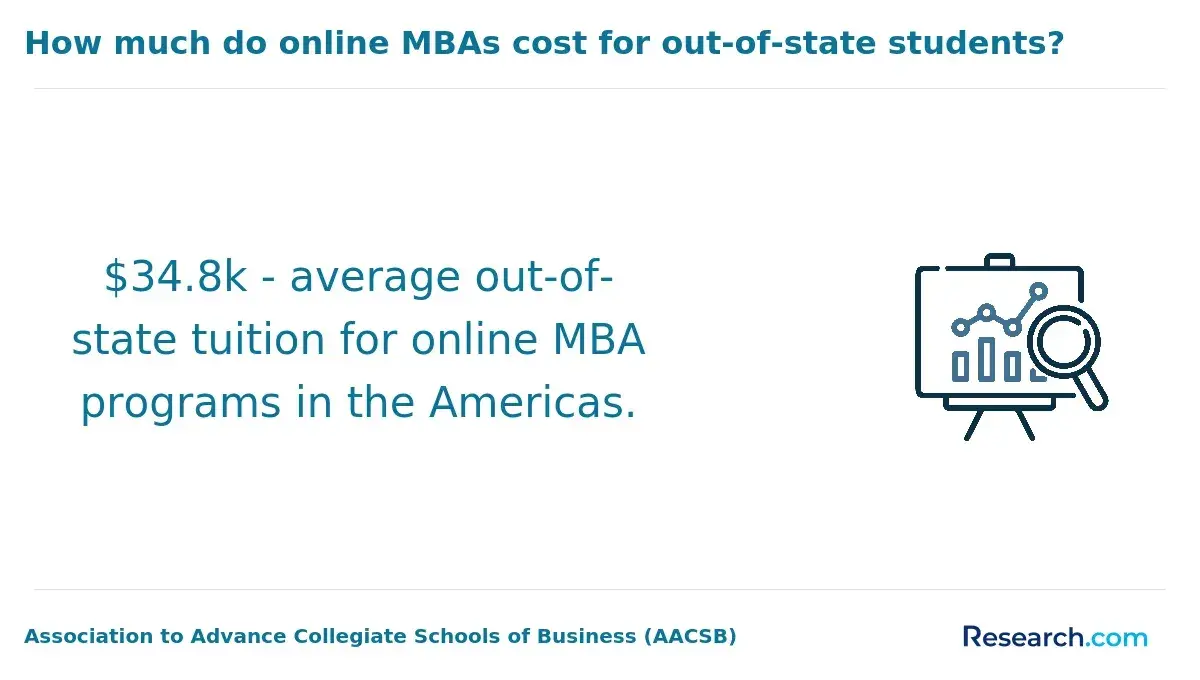
The average cost of online MBA with HR concentration varies widely. Tuition at public universities generally falls between $20,000 and $50,000, whereas private institutions may charge from $50,000 to over $100,000. Additional fees for technology, course materials, or graduation can increase expenses. Financial aid, scholarships, and employer tuition support are often available to help manage costs.
Students should weigh program length and cost in relation to their career objectives and financial situation. For example, a 24-month program costing $30,000 might offer a good balance for early-career professionals, while senior managers may seek programs with higher tuition but stronger alumni connections and advanced HR specializations. Those searching for options might explore an executive MBA with low fees as part of their decision process.
The demand for HR specialists is projected to grow 8% from 2024 to 2034, adding 58,800 jobs-double the average growth rate for all occupations. This growth underscores the value of completing an MBA with an HR focus, positioning graduates for leadership roles in an expanding field.
An online MBA human resources course curriculum typically includes core subjects essential for strategic human capital management. These cover talent acquisition and recruitment, focusing on sourcing, interviewing, and onboarding.
Compensation and benefits management courses train students to develop competitive pay structures aligned with business objectives. Organizational behavior and development examine employee motivation, leadership theories, and change management to enhance workplace culture and productivity.
Courses in labor law and employment regulations ensure compliance with legal workforce frameworks. Training and development emphasize designing effective employee learning programs for skill enhancement. Performance management teaches objective setting, result evaluation, and improvement plan implementation.
Many programs also incorporate HR analytics, enabling evidence-based decision-making and workforce forecasting. This specialization often integrates elective topics including diversity and inclusion strategies, global human resources management, and HRIS technology systems.
Practical experience frequently comes through leadership labs or capstone projects addressing challenges such as reducing turnover or improving engagement. Students exploring human resources MBA specialization subjects may also study global HR topics like managing expatriates and international labor standards.
Data from the Graduate Management Admission Council 2025 Corporate Recruiters Survey shows online MBA holders specializing in HR saw a 28% average salary increase post-graduation, reaching a $145,000 median salary for mid-career professionals. This underlines the career benefits of mastering this curriculum. Prospective students interested in pursuing this path may consider exploring online MBA programs no GMAT for flexible entry options.
An MBA concentration in human resources opens diverse career opportunities, from HR manager and talent acquisition specialist to compensation analyst and labor relations consultant. These roles focus on workforce planning, employee engagement, compliance, and organizational development.
With experience, leadership roles such as HR director or chief human resources officer (CHRO) become attainable. These positions involve designing company-wide policies and aligning human capital strategies with business goals. Employers highly value candidates who blend HR expertise with strong business acumen to enhance productivity and workplace culture.
Proficiency in data analytics is vital-82% of HR leaders ranked it essential for strategic talent management decisions (Society for Human Resource Management 2025 Workplace Forecast). HR professionals use analytics to forecast turnover, assess employee performance, and craft retention plans.
Specializations like diversity and inclusion management, HR technology, and employee wellness expand career pathways. Practical knowledge of HR information systems (HRIS), labor law compliance, and conflict resolution complement an MBA leadership foundation.
Industries experiencing robust HR growth include healthcare, technology, finance, and manufacturing. Professional certifications such as SHRM-CP and PHR, combined with an MBA, improve credibility and access to senior roles. Online MBA programs often feature real-world projects that enhance data-driven HR expertise and strategic decision-making skills.
The average salary for HR professionals with an MBA degree in the United States typically ranges from $90,000 to $130,000 annually, varying by experience, location, and industry. Entry-level HR managers often start between $75,000 and $85,000, while senior HR directors or vice presidents may earn from $140,000 to over $200,000 per year. Professionals specializing in strategic human resource management generally command higher salaries due to their impact on organizational performance and advanced HR technologies.
Compensation also varies by role. HR analysts and consultants with an MBA tend to earn between $85,000 and $115,000, reflecting expertise in data-driven decision-making and AI integration. HR business partners and talent acquisition leaders can exceed $120,000, given their critical roles aligning HR strategies with business objectives.
With 65% of organizations deploying AI-driven recruitment tools, demand grows for HR professionals skilled in technology-enabled recruitment and workforce planning. MBA concentrations that include AI applications and data analytics offer a tangible salary advantage.
Geographic location impacts pay, with metropolitan areas like New York, San Francisco, and Chicago offering higher salaries due to competitive markets. Additionally, certification combinations such as SHRM-SCP or HRCI's SPHR can boost earning potential and advancement opportunities in HR leadership.
The demand for HR professionals with MBA credentials continues to rise, as employers increasingly seek candidates who combine business acumen with people management skills. According to the LinkedIn 2025 Jobs on the Rise Report, 94% of HR job postings require this blend, highlighting the value of MBA graduates in strategic and financial expertise alongside traditional HR knowledge.
HR professionals holding an MBA are about 2.5 times more likely to attain executive roles like HR director, chief human resources officer, or talent acquisition leader. These positions demand skillsets that integrate workforce management with overall business strategy, leveraging MBA training in financial analysis, organizational behavior, and leadership to make more informed decisions.
Industries that prioritize innovation, compliance, and global workforce strategies-such as technology, finance, and healthcare-show growing preference for MBA-credentialed HR experts. Their ability to align human capital efforts with complex corporate goals and regulatory demands makes them especially valuable.
Key benefits for MBA graduates in HR include:
- Higher starting salaries and faster career progression.
- Roles involving cross-department collaboration and change management.
- Advanced coursework in data analytics to improve retention and productivity.
- Executive MBA programs that provide critical networking to access senior leadership.
For HR professionals seeking leadership, acquiring an MBA is a strategic investment in career growth and competitive positioning in a dynamic job market.
Verifying accreditation when selecting an online MBA program is crucial to ensure academic quality, recognized credentials, and strong career prospects. Regional accreditation, granted by agencies like the Higher Learning Commission (HLC) or Middle States Commission on Higher Education (MSCHE), confirms the institution meets nationwide academic and administrative standards.
Program-specific accreditation from business-focused organizations is especially important. The Association to Advance Collegiate Schools of Business (AACSB) is the most prestigious accreditation for MBA programs, including those with human resources concentrations. AACSB guarantees a relevant, research-informed curriculum taught by qualified faculty.
Other accreditors include the Accreditation Council for Business Schools and Programs (ACBSP) and the International Accreditation Council for Business Education (IACBE). Although both are credible, AACSB accreditation typically holds greater influence with employers and industry professionals.
Accreditation impacts several practical aspects:
- Credit transferability between institutions.
- Eligibility for federal financial aidState licensure requirements and tuition assistance..
- Employer preference, notably in healthcare sectors that led HR hiring growth.
Before enrolling, request official documentation for all accreditations and verify them through accrediting agencies' websites. Check for any specialized endorsements in hr concentrations, especially those related to health administration or workforce trends, as these can provide competitive advantages in expanding industries.
Online MBA programs specializing in human resources offer flexibility that campus-based options often lack. These programs enable working professionals to maintain their jobs while attending asynchronous classes and using virtual collaboration tools. On the other hand, campus-based MBA programs provide face-to-face interaction, immediate networking, and on-site career services, which some students find valuable for building professional connections.
For those prioritizing measurable financial benefits, online hr MBA programs show strong returns. The average return on investment (ROI) over five years is approximately 285%, driven by tuition costs under $20,000 and salary increases over $50,000 annually, based on the Forbes Advisor 2025 Best MBA ROI Analysis. These factors often outweigh concerns about the limited in-person experience.
Quality is assured, as many online programs hold accreditation comparable to campus offerings. Common core courses include talent management, labor relations, and organizational development. Career services differ: campus students often get face-to-face mentorship and local internships, while online learners access broader but virtual networking opportunities.
Online MBA hr concentrations typically target mid-career professionals aiming for advancement without interrupting their careers, contrasting with campus programs, which often attract early-career individuals willing to pause employment. This combination of flexibility, ROI, and specialized curriculum makes online HR MBA programs a strategic option for career-focused professionals.
What professional certifications complement an MBA in Human Resources?
Professional certifications significantly boost the impact of an MBA concentration in human resources by providing specialized skills and validating expertise. Key certifications include the Professional in Human Resources (PHR) and Senior Professional in Human Resources (SPHR) from the HR Certification Institute (HRCI), which emphasize operational management and strategic leadership.
The SHRM Certified Professional (SHRM-CP) and SHRM Senior Certified Professional (SHRM-SCP) from the Society for Human Resource Management focus on strategic competencies, employment law, and ethical practices. These credentials prepare graduates to lead HR initiatives across diverse workplaces.
ESG expertise is increasingly vital, with Gartner reporting that by 2026, 75% of HR functions will integrate ESG factors into talent strategies. Certifications like the ESG Competent Professional (ESGCP) or specialized ESG coursework complement HR knowledge and signal readiness to manage corporate responsibility challenges.
Additional targeted certifications such as the Certified Compensation Professional (CCP) enhance skills in designing competitive pay structures. For global roles, the Global Professional in Human Resources (GPHR) demonstrates mastery of multinational HR policies and compliance.
Obtaining one or more of these certifications after an MBA in human resources broadens leadership opportunities and aligns professionals with emerging trends including ESG-focused workforce planning.
Other Things You Should Know About MBA
Most programs require a laptop or desktop running current Windows or macOS, a reliable broadband connection, and software such as Microsoft Office 365, Zoom, and a PDF reader. Some schools also require a webcam, microphone, and access to a learning management system like Canvas or Blackboard.
While not always mandatory, most online MBA programs prefer candidates to have some prior work experience. Having professional experience, particularly in HR or related fields, can enhance learning by allowing students to apply theoretical concepts to practical situations. Additionally, work experience often strengthens applications and class discussions.
Enrolling in an online MBA in Human Resources typically requires a reliable internet connection, a computer with updated software, and access to specific platforms such as Zoom or Blackboard. Ensure your system meets program specifications before starting the course in 2027.
- How to choose between an HR program and a regular MBA https://thecatwriter.com/2023/05/08/how-to-choose-between-an-hr-program-and-a-regular-mba-4/
- Exploring the Growing Demand for MBA Graduates in Human Resource Management https://onlinejain.com/blogs/exploring-the-growing-demand-for-mba-graduates-in-human-resource-management
- Discover the Job Outlook With Avila's Online MBA in Strategic HR https://online.avila.edu/degrees/business/mba/strategic-human-resources/job-outlook-for-hr-professionals/
- MBA in HR Without Work Experience: 5 Essential Facts https://www.onlinesrm.in/blog/mba-in-hr-without-work-experience/
- MBA HR Syllabus and Career Pathways https://bschool.cms.ac.in/blogs/what-you-learn-in-an-mba-in-human-resources-syllabus
- Online MBA Human Resources Concentration | SNHU https://www.snhu.edu/online-degrees/masters/mba-online/mba-in-human-resources
- MBA Course Duration | How Long to Complete an MBA? https://collegetiger.com/mba-course-duration-how-long-does-it-take-to-earn-an-mba/
- WHAT - Translation from English into Polish https://en.pons.com/translate/english-polish/what
- Best Online MBAs in Human Resources | OnlineMBA.com https://www.onlinemba.com/rankings/best-online-mba/human-resources/
- How Long Does it Take to Get an Online Masters in Human Resources Degree? - Human Resources Degrees https://www.humanresourcesmba.net/faq/how-long-does-it-take-to-get-an-online-masters-in-human-resources-degree/