2027 Best AI Degrees for Students Interested in Bioinformatics

Co-Founder and Chief Data Scientist
Students shifting careers into bioinformatics face challenges in finding degree programs that blend domain knowledge with advanced ai techniques. Traditional pathways often lack the integration necessary for effective data analysis, limiting real-world application and career growth. Many prospective learners seek flexible, accredited options that accommodate their backgrounds and schedules without sacrificing quality or relevance.
This article addresses these needs by evaluating top AI degree programs tailored for bioinformatics. It aims to guide readers toward informed decisions, highlighting choices that offer practical skills, industry-aligned curricula, and opportunities for career transition into this interdisciplinary field.
Key Things You Should Know
- Interdisciplinary degrees combining artificial intelligence and bioinformatics are rising, with enrollment growth of 15% annually through 2025 in U.S. institutions offering relevant programs.
- Top programs emphasize machine learning, genomics, and computational biology, preparing students for roles in medical research, drug development, and personalized medicine.
- Graduates in these fields saw a 20% higher median starting salary in 2025 compared to bioinformatics-only peers, reflecting high demand for AI skills in life sciences.
What are the best AI degrees for bioinformatics careers?
The best AI degree programs for bioinformatics careers blend computer science, biology, and data analytics to equip students with skills in machine learning, genomics, and big data analysis. Specialized programs such as Artificial Intelligence with Bioinformatics, Computational Biology, or AI in Healthcare offer focused training to develop algorithms that interpret complex biological data sets.
Relevant degrees include:
- Bachelor's or master's in Artificial Intelligence with electives in bioinformatics or computational biology
- Master's in Computational Biology or Bioinformatics with AI-focused coursework
- Computer science degrees emphasizing machine learning and genomics data
- Data science programs offering specialization in biological data analysis
Students seeking top universities for AI degrees in bioinformatics should prioritize hands-on experience with AI frameworks like TensorFlow or PyTorch and training in genetic databases such as GenBank. Coursework in statistics, molecular biology, and algorithm development is critical for linking computational methods and biological research.
With a 40% projected job growth for AI and ML specialists through 2027, pursuing an AI degree tailored to bioinformatics offers strong career prospects. Programs that include internships or partnerships with research labs provide practical bioinformatics challenges, enhancing employability.
For a competitive edge in the bioinformatics job market, students with backgrounds in biology and computer science benefit from dual-degree or interdisciplinary programs. Certifications in AI or machine learning alongside biological science degrees further improve job readiness. Discover more about these pathways and details on AI graduate programs.
Which AI degree level fits bioinformatics goals: bachelor's, master's, or PhD?
For those pursuing a bachelor's degree in artificial intelligence for bioinformatics, foundational skills in computer science, biology, and introductory AI prepare students for entry-level roles like data analyst or bioinformatics technician. These positions generally offer limited specialization and opportunities for advancement.
Master's and PhD programs in artificial intelligence for bioinformatics prepare students with deeper expertise. A master's degree focuses on advanced machine learning algorithms, computational biology, and data modeling, enabling work on complex projects such as AI-driven diagnostic tools or genomic data interpretation.
The U.S. Bureau of Labor Statistics reports a 2.2% unemployment rate for master's holders age 25+, indicating strong job security. Master's graduates often find roles in biotech firms, healthcare analytics, and research institutions, especially when they prefer applied work over extensive independent research.
PhD programs are vital for those aiming to lead research or develop novel AI methods in bioinformatics. Doctoral candidates build expertise for academic and high-level industrial research, focusing on innovations like personalized medicine and large-scale biological data integration. The unemployment rate for doctorate holders is just 1.2%.
This reflects higher job security and competitive advantage, although PhDs require significant dedication and several years of focused study. Students unsure about committing to a PhD can pursue a master's with research experience as an intermediate step. For more detailed comparisons on affordability and quality, consult the data science major ranking.
What should students look for in accredited AI programs for bioinformatics?
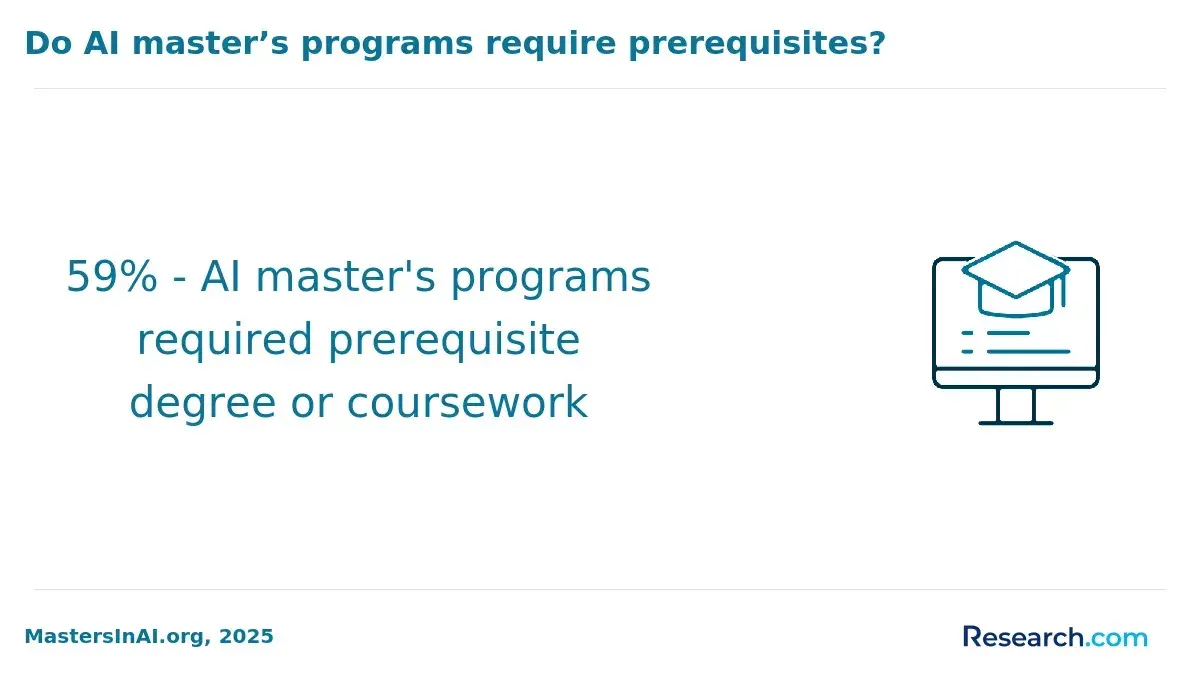
Students looking for accredited AI degrees with bioinformatics specialization in the US should prioritize programs that blend machine learning, data mining, genomics, and computational biology. Accreditation by recognized bodies such as ABET or regional agencies ensures curriculum quality and institutional credibility. Faculty expertise is crucial; seek instructors involved in research or industry projects that integrate AI and bioinformatics, as this enhances learning and networking possibilities.
Programs affiliated with research centers or biotech companies often provide practical internships or collaborative projects, which are vital for career growth. Given that 19% of U.S. four-year institutions express significant concern about AI-generated plagiarism detection, data ethics, and academic integrity training must be integral to the curriculum. Transparency in AI tool usage prepares students for responsible research conduct.
The top criteria for selecting AI programs tailored to bioinformatics careers include flexible degree options like online and part-time formats to accommodate working professionals. Investigate job placement rates and alumni success to gauge program effectiveness. Programs offering hands-on experience with bioinformatics software, programming languages such as Python and R, and AI frameworks like TensorFlow are especially valuable.
Additionally, verify access to strong computational facilities and large biological datasets to ensure practical skills beyond theory. Prospective students may also explore online engineering degrees for flexible, affordable learning pathways.
What core courses link artificial intelligence and bioinformatics in these degrees?
Core courses integrating artificial intelligence and bioinformatics in 2026 AI degrees emphasize machine learning, computational biology, and data analytics tailored for life sciences. Students explore machine learning algorithms on biological datasets, mastering supervised and unsupervised techniques for gene expression analysis and protein function prediction.
Computational genomics courses cover sequence alignment, genome assembly, and variant calling, requiring skills in algorithm design and statistical modeling. Key academic subjects linking artificial intelligence with bioinformatics also include deep learning architectures and neural networks, crucial for interpreting complex biological processes like protein folding and molecular interactions.
This is demonstrated by AlphaFold's protein structure database, which now catalogs over 200 million predicted structures (DeepMind/EMBL-EBI). Systems biology courses teach the modeling of biological pathways using differential equations combined with machine learning. Statistics and data mining classes focus on large omics datasets, with clustering and dimensionality reduction techniques identifying important biological patterns.
Advanced electives often cover natural language processing for mining biomedical literature to extract relevant insights, while programming in Python and R is emphasized for developing AI-driven bioinformatics tools. For students interested in related STEM fields, exploring cyber security degrees can provide valuable interdisciplinary skills applicable to data protection in biological data management.
What admissions requirements are common for AI-bioinformatics degree programs?
Admissions for AI-bioinformatics degree programs require a strong background in computer science and biological sciences. Applicants usually need a bachelor's degree in biology, computer science, bioinformatics, or related STEM fields, with a minimum GPA of around 3.0. While GRE scores may be optional or waived at many schools, submitting them can enhance an applicant's profile.
Proficiency in programming languages like Python and R, along with knowledge of machine learning, is expected. Many programs also request letters of recommendation highlighting analytical skills and research potential. Personal statements should clearly express interests at the intersection of artificial intelligence and bioinformatics, specifying research goals or career plans.
Relevant experience such as internships, research projects in genomics or computational biology, and portfolios displaying coding skills or publications strengthen applications. Competitive programs might include interviews or technical assessments to evaluate problem-solving and communication abilities, reflecting trends from GMAC's Application Trends Survey 2024 indicating increased selectivity at most U.S. master's programs.
International applicants may need TOEFL or IELTS scores and credential evaluations. Carefully reviewing program prerequisites and tailoring applications to emphasize interdisciplinary expertise and technical proficiency remains essential for success.
How do online AI degrees compare with campus programs for bioinformatics training?
Online AI degrees offer flexible and accessible training for bioinformatics students, making education possible for working professionals and those distant from research-intensive institutions. Approximately 35% of U.S. undergraduates take at least one distance-education course, with 11% enrolled exclusively online, highlighting the rising acceptance and success of remote learning.
Campus programs provide valuable access to wet lab facilities, face-to-face mentorship, and collaborative research crucial for hands-on bioinformatics skills such as genome data analysis and experimental design. Online degrees, on the other hand, often utilize advanced AI software, cloud computing platforms, and real-world datasets to replicate practical experiences virtually.
Key factors to consider when choosing between online, campus, or hybrid AI degrees include:
- Learning style preference: self-paced vs. structured classroom
- Access to faculty and peer networks for research collaboration
- Availability of technical resources like high-performance computing
- Opportunities for internships and on-site projects
Hybrid programs blend virtual coursework with on-campus labs for balanced learning experiences. Regardless of format, accreditation and curriculum rigor are essential. Prospective students should verify program quality to align education with career goals and hands-on experience needs.
How long do AI degrees take and what do they cost in the U.S.?
AI degrees in the U.S. typically require two to four years to complete, varying by degree level and program. A bachelor's in AI or bioinformatics usually takes four years of full-time study, while master's programs range from 18 months to two years. Doctoral degrees can demand three to six years of dedicated research and coursework.
Costs differ greatly based on whether the institution is public or private and if the student is in-state or out-of-state. Public four-year in-state tuition averages around $11,610 per year, according to the College Board's Trends in College Pricing 2024 report, excluding additional expenses like housing and textbooks. Private universities are significantly more expensive, charging between $30,000 and $60,000 annually for AI-related degrees.
Online AI degree programs may offer more affordable options but vary in duration and recognition. Students can also explore accelerated bachelor's-to-master's pathways that reduce total study time. Part-time and evening programs provide flexibility for working professionals but may extend the time needed to graduate.
Financial aid, scholarships, and employer tuition assistance are essential for lowering overall costs. Comparing program length, total expenses, and living costs will help prospective students gauge the true commitment involved in pursuing AI education focused on bioinformatics.
What specializations and electives prepare students for bioinformatics-focused AI roles?
Specializations focusing on bioinformatics-related artificial intelligence roles combine computational, statistical, and biological expertise. Key areas include computational biology, genomics, and machine learning targeted at biological data. Electives in advanced genetics, systems biology, and biomedical data science help deepen knowledge of genomic variation and complex biological systems.
Below are some electives and specializations relevant to bioinformatics careers:
- Computational biology and genomics specializations
- Statistical genetics and advanced genetics electives
- Mathematics courses in statistics and linear algebra
- Programming in Python, R, and bioinformatics software
- Machine learning focused on biological data and deep learning
- Natural language processing for biomedical texts
- Cloud computing and big data management
With the availability of large-scale genomic datasets like the UK Biobank's whole-genome sequencing of approximately 500,000 participants, proficiency in AI-driven genomics analysis is increasingly critical. Hands-on training in next-generation sequencing, variant calling, and genome-wide association studies (GWAS) equips students with job-ready skills.
Mathematics courses covering probability, statistics, and linear algebra provide a foundation for developing robust machine learning models tailored to biological applications. Programming instruction in Python, R, and bioinformatics software enables efficient analysis of high-dimensional data. Electives involving natural language processing (NLP) applied to biomedical literature enhance data-mining capabilities.
Experiential learning with deep learning architectures supports applications like protein structure prediction, gene expression analysis, and clinical outcome modeling. Familiarity with cloud computing and big data frameworks is essential for managing large bioinformatics datasets.
What bioinformatics jobs can AI graduates qualify for after completing these degrees?
Graduates with bioinformatics degrees combined with artificial intelligence expertise qualify for roles at the intersection of computing and biological data. Common positions include bioinformatics analysts who interpret genomic data to aid research and clinical decisions, often applying machine learning to detect gene expression patterns linked to diseases. This work supports advances in personalized medicine.
Computational biologists design AI-driven models to simulate biological processes like protein folding and metabolic pathways, using skills in algorithm development and biology. AI specialists in pharmaceutical companies build predictive models to identify promising drug candidates, accelerating research and reducing costs.
Data scientists in bioinformatics harness AI techniques and statistical analysis to manage vast biological datasets. They may also use natural language processing to extract insights from scientific literature or automate genetic sequence annotation. Machine learning engineers develop scalable AI pipelines for diagnostics and epidemiological modeling within healthcare startups or research institutions.
In academia, bioinformatics researchers rely on AI tools to expedite discoveries across genomics, proteomics, and systems biology. Reflecting strong market demand, bioinformatics ranks among the top 10 fastest-growing skill clusters on LinkedIn (2024 Jobs on the Rise / Skills on the Rise analysis), underscoring the vital role AI-trained professionals play in advancing biology and healthcare innovation.
What salary ranges and job outlook can AI-bioinformatics graduates expect?
Graduates with expertise in artificial intelligence and bioinformatics benefit from strong salary prospects and job growth. The U.S. Bureau of Labor Statistics reports a median annual wage of $102,480 for bioinformatics scientists and technologists. Entry-level roles typically start between $70,000 and $85,000, with experienced professionals earning over $130,000, especially those skilled in advanced AI algorithms and genomic data analysis.
The job market is expanding rapidly, with a projected growth rate of approximately 15% through 2031, outpacing many other fields. This demand is driven by the increasing use of AI in healthcare, pharmaceuticals, and biotechnology for tasks such as drug discovery and personalized medicine.
Common roles include bioinformatics analyst, AI research scientist, and computational biologist. Proficiency in programming languages like Python and R, combined with knowledge of AI frameworks, enhances employment opportunities. Employers range from research institutions to biotech startups and large pharmaceutical firms.
Career paths often begin with research assistant or data analyst positions, advancing to leadership roles in AI-driven biological research. Ongoing skill development in emerging AI methods and biological databases is crucial for long-term success and salary growth.
Other Things You Should Know About Artificial Intelligence
Many programs require a capstone or thesis in the final year, usually worth 6 to 12 credit hours. Thesis tracks are more common in research-based master's degrees, while professional degrees often use a project instead. Students should check whether the requirement is mandatory or elective.
Yes, many AI degrees specializing in bioinformatics in 2027 require internships to provide practical experience. These internships are often a crucial part of the curriculum, allowing students to apply classroom knowledge to real-world bioinformatics projects, typically lasting one semester.
Admission prerequisites typically include a bachelor's degree in computer science, biology, or a related field. Applicants may also need proficiency in programming languages like Python and R and possibly standardized test scores, such as the GRE, depending on the university.
Key courses for AI degrees focusing on bioinformatics in 2027 include machine learning, data mining, computational biology, and bioinformatics algorithms. Additionally, courses in Python and R programming, ethical AI use, and genomics can be invaluable for students combining AI and bioinformatics.
References
- Masters Artificial Intelligence https://www.udacity.com/masters-artificial-intelligence
- How Much is the Artificial Intelligence Course Fee in USA? https://datamites.com/blog/how-much-is-the-artificial-intelligence-training-fee-in-usa/
- How Long Do AI Courses Take? https://www.nobledesktop.com/learn/ai/how-long-do-ai-courses-take
- University Degree vs AI Bootcamp: Which is Best Career Path? https://agilefever.com/university-degree-vs-ai-bootcamp-which-is-best/
- Do You Need a PhD for Bioinformatics? Industry vs. Academia https://www.symbioti.ca/do-you-need-a-phd-for-a-career-in-bioinformatics-the-truth-about-industry-vs-academia
- Requirements / Do I Qualify https://www.uoguelph.ca/bioinformatics/admission-and-fees/requirements
- Bioinformatics Salary 2026: Real Pay From 475+ Job Posts https://www.compbiojobs.com/salaries
- Top 10 In-Demand Bioinformatics Career Paths With Excellent Future Scope! https://www.biotecnika.org/2024/11/top-10-bioinformatics-career-paths-with-excellent-future-scope/
- Launched Global — Study Abroad & Online Courses | India's Leading Education Platform https://launchedglobal.in/blog/can-a-biology-student-do-artificial-intelligence-your-2025-guide-to-breaking-in-launched-global
- Cost to Study Artificial Intelligence in 2026 https://checkmateittech.com/cost-to-study-artificial-intelligence-usa/