2027 Full-Time vs Part-Time AI Bachelor's Degree Programs

Co-Founder and Chief Data Scientist
Many prospective students face a dilemma when choosing between full-time and part-time bachelor's degree programs in artificial intelligence. Full-time paths offer quicker completion but may demand immediate career pauses, while part-time options provide flexibility for working professionals but extend the duration of study. Balancing time, finances, and career goals proves challenging for those switching from unrelated fields into AI.
Understanding these trade-offs helps individuals make informed decisions aligned with their personal and professional circumstances. This article compares 2027 full-time and part-time artificial intelligence bachelor's degree programs, guiding readers through factors like duration, flexibility, and career impact to support effective choices.
Key Things You Should Know
- Full-time AI bachelor's programs typically take four years to complete, offering immersive, structured learning, whereas part-time options extend duration up to six years, accommodating working students with flexible schedules.
- Recent data shows full-time students graduate with 15-20% higher job placement rates in AI-related roles within six months compared to part-time graduates in 2025.
- Cost differences vary widely: part-time programs may reduce tuition per semester but can increase overall expenses due to extended duration and associated fees.
What is the difference between full-time and part-time AI bachelor's degree programs?
The key distinctions between full-time and part-time artificial intelligence bachelor's degree programs revolve around course load and program length. Full-time students typically take 12 to 18 credit hours per semester, finishing their degree in about four years. In contrast, part-time programs require fewer than 12 credit hours per semester, often extending completion to five years or more depending on the individual's pace.
Students considering full-time vs part-time artificial intelligence bachelor's degree options should weigh their commitments carefully. Full-time enrollment demands a substantial time investment, making it ideal for those without full-time jobs or who can focus exclusively on their studies. Part-time formats offer flexibility for working professionals or those juggling career and personal responsibilities.
The U.S. Bureau of Labor Statistics notes that 16% of undergraduates enrolled exclusively online, with part-time STEM enrollment growing annually by 8%. This growth highlights the popularity of part-time programs, which often include asynchronous online classes accommodating diverse schedules. For those interested in accelerated study, there are accelerated computer science degree online options that can complement or contrast the traditional pacing.
Full-time students benefit from immersive experiences, faster degree completion, and greater campus resources such as labs and faculty interaction. Meanwhile, part-time students may face longer financial commitments but gain valuable work experience alongside their studies. Differences between full-time and part-time AI degree programs largely depend on personal availability, financial status, career goals, and preferred learning style.
How long does it take to complete a full-time versus part-time AI bachelor's degree?
Completing a full-time artificial intelligence bachelor's degree typically takes about 4 years, aligning with the standard undergraduate timeline in the United States. This duration assumes a typical course load of 15 credits per semester and uninterrupted progress. When comparing the full-time versus part-time artificial intelligence degree duration, part-time students usually require significantly more time. According to the National Center for Education Statistics, part-time bachelor's degree completion averages 5.5 years, which is 37.5% longer than full-time study.
In STEM fields, which include AI, part-time learners often take around 18% longer than non-STEM peers to graduate. This extended timeline can sometimes exceed 6 years depending on course availability and individual pacing. Professionals balancing work and study may enroll in fewer courses each semester, stretching program completion well beyond traditional durations.
Prospective students evaluating the time required to complete a part-time vs full-time AI bachelor's program should weigh the benefits of faster workforce entry against the demands of full-time study. Part-time programs offer flexibility but can delay career advancement. Institutions vary in course offerings and program structures, so reviewing specific AI bachelor's degree requirements is essential. Some accelerated or hybrid programs may help reduce completion time.
For those exploring broader educational options related to data and technology, consider the data science master rank to compare affordability and program quality. Understanding these timelines and options helps candidates set clear expectations and make informed decisions about their AI education trajectory.
What are the total costs and financial aid options for full-time and part-time AI bachelor's programs?
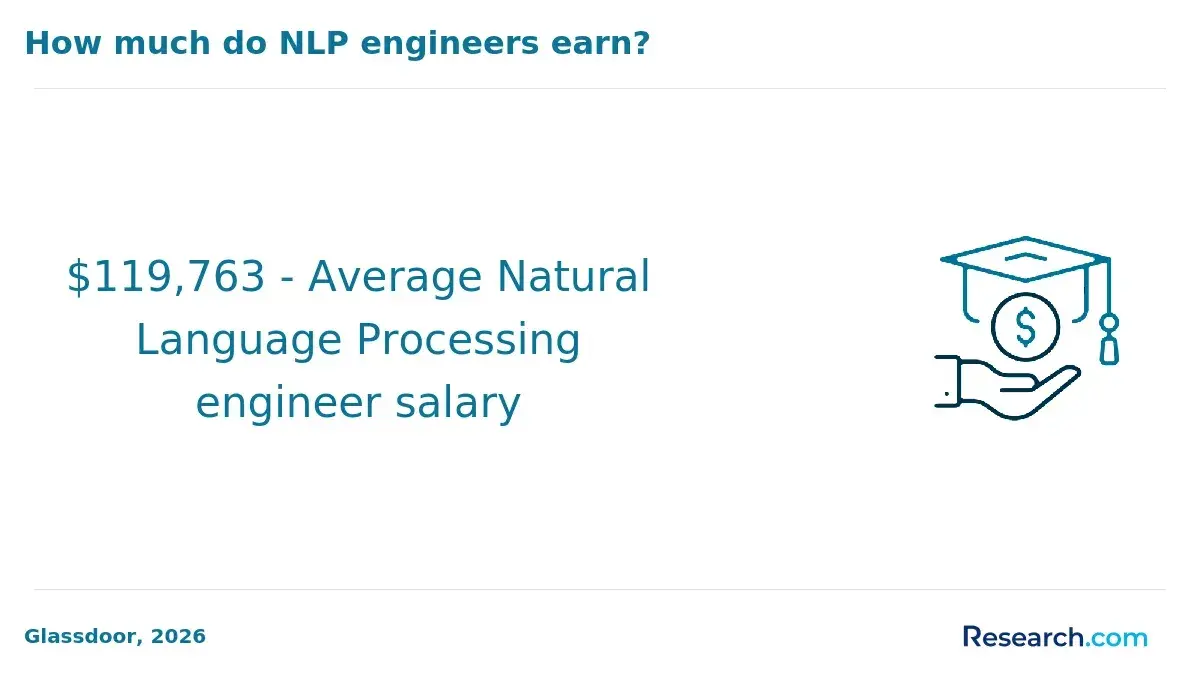
The total annual cost for full-time bachelor's programs in artificial intelligence at private institutions averages $39,750, according to the College Board's 2024-2025 Trends in College Pricing report. This figure covers tuition alone, excluding additional expenses such as fees and housing. Part-time AI bachelor's degree students pay tuition per credit, which may lower immediate costs but could increase the time and total expense required to graduate. Additionally, part-time students generally receive about 23% less institutional aid than full-time students, limiting their financial assistance options.
Full-time students have greater access to scholarships, grants, and work-study opportunities, often supported by funding rules favoring higher credit loads. Part-time learners should carefully explore employer tuition reimbursement and federal aid benefits like Pell Grants and Direct Loans, although these are often more restricted based on enrollment intensity. Researching financial aid options for ai bachelor's programs thoroughly before enrollment is crucial to mitigate unexpected costs.
For instance, a part-time student taking half the credits of a full-time counterpart might incur similar overall tuition spread over more semesters but will likely receive less institutional aid, resulting in higher out-of-pocket payments. Comparing aid packages and total costs between full-time and part-time pathways helps students make informed decisions. Prospective students may also consider programs highlighted for affordability, such as the cheapest online mechanical engineering degree programs, which sometimes share cost-effective models relevant to AI studies.
What are the admission requirements for accredited AI bachelor's degree programs?
Admission requirements for accredited AI bachelor programs generally require strong foundational knowledge in mathematics and programming. The ACM 2024 survey found that 87% of these programs expect applicants to complete prerequisite courses in calculus and linear algebra, which are essential for machine learning and algorithm development. Additionally, about 64% mandate prior programming experience in languages such as Python, Java, or C++. Those without formal programming coursework may need to prove their skills through assessments or portfolios.
Eligibility criteria for full-time and part-time artificial intelligence degrees often include a minimum GPA around 3.0 and transcripts confirming completion of high school or an equivalent qualification. While standardized tests like the SAT or ACT were once common, more schools are adopting test-optional policies. Some programs also require letters of recommendation and personal statements to better evaluate candidates' motivation, especially for competitive or research-focused tracks.
Flexible admission paths are available for applicants lacking key prerequisites, including conditional admission, bridge courses, or alternative requirements based on work experience or previous post-secondary studies. This flexibility benefits both full-time students and working professionals. For those exploring further study, there are options such as the online masters in data science, which may complement or follow AI degrees.
Which universities offer accredited full-time and part-time AI bachelor's degrees?
Accredited full-time and part-time bachelor's degree programs in artificial intelligence are widely available at U.S. institutions. Data from ABET accreditation in 2024 shows that 156 colleges and universities offer computer science and AI-focused bachelor's degrees, with 34% providing part-time or online options, up from 18% in 2020. This rise highlights growing flexibility designed for working professionals and non-traditional students.
Notable programs include Arizona State University's full-time Bachelor of Science in Computer Science with AI specializations and part-time online options. Northeastern University offers a hybrid AI bachelor's program that mixes online and on-campus coursework, while the University of Illinois Urbana-Champaign supports both traditional full-time and part-time online pathways emphasizing AI fundamentals and applications.
Students should prioritize ABET-accredited programs to ensure recognized quality and industry relevance. Though part-time options extend completion time, they maintain rigorous curricula equivalent to full-time studies. Delivery format influences access to internships, research, and faculty interactions; full-time students often receive more immersive experiences, but part-time learners balance education with professional commitments.
Considering personal schedules, career goals, and campus resource access is essential when choosing between full-time and part-time AI bachelor's degrees.
What core courses and skills are taught in AI bachelor's degree curricula?
AI bachelor's degree programs focus on foundational and advanced subjects like data science, machine learning, and neural networks. Core classes often cover programming languages such as Python and R, statistics, linear algebra, and calculus to create a strong mathematical base for AI algorithms. According to the IEEE's 2024 AI Curriculum Guidelines report, 92% of accredited AI programs mandate machine learning and neural networks, showing a sharp increase from 61% in 2021.
Students explore supervised and unsupervised learning, deep learning architectures, natural language processing (NLP), computer vision, and reinforcement learning. These courses develop skills for building systems capable of pattern recognition, decision-making, and language understanding. Neural network classes often include hands-on work with convolutional neural networks (CNNs) for image recognition.
Ethical issues like algorithmic bias and data privacy are integrated into curricula, along with data management techniques. Capstone projects and practicum courses provide real-world problem-solving experience, often involving teamwork and software development.
Beyond technical knowledge, programs cultivate critical thinking, algorithmic literacy, and software engineering skills. Many offer electives such as robotics, AI ethics, or big data analytics to match different career goals. Prospective students should ensure the program includes practical training with AI frameworks like TensorFlow or PyTorch to boost job readiness.
What are the job titles and career paths for AI bachelor's degree graduates?
Bachelor's degree graduates in artificial intelligence often secure roles such as AI specialist, machine learning engineer, data scientist, and robotics engineer. These positions focus on technical skills like programming, algorithm development, and data analysis. Advanced roles include AI researcher and computer vision engineer, emphasizing innovation and specialized expertise. According to LinkedIn's 2025 Jobs on the Rise report, AI specialist and machine learning engineer jobs have increased by 74% year-over-year, making them some of the fastest-growing tech entry-level roles for bachelor's graduates.
Career trajectories frequently specialize in areas like natural language processing, autonomous systems, or AI ethics and policy. Some graduates transition into software development, implementing AI-driven features, or systems integration, coordinating AI with existing IT infrastructure. For those interested in business applications, positions such as AI product manager or AI consultant combine technical and strategic responsibilities.
Bridging the gap between academic study and practical AI deployment poses challenges. Gaining experience through internships or project work greatly enhances job prospects. Entry-level roles commonly require proficiency in Python, TensorFlow, or PyTorch, along with knowledge of cloud platforms.
Career advancement depends on lifelong learning and specialization, with certifications or master's degrees paving the way to senior roles like AI architect or lead data scientist. In a fast-evolving field, staying updated with emerging tools and models is essential for long-term success in artificial intelligence careers.
What is the salary outlook and earning potential for AI degree holders?
Computer and information research scientists specializing in artificial intelligence earn a median annual salary of $136,620, reflecting a 15% rise over the last two years according to the U.S. Bureau of Labor Statistics. This growth underscores the increasing demand for AI professionals across multiple industries.
Full-time AI degree students often start their careers with stronger technical skills, leading to higher initial salaries. In contrast, part-time learners bring valuable work experience that can balance the scale, especially for positions prioritizing practical expertise.
Salary prospects vary widely depending on role and sector. AI specialists in technology, finance, and healthcare frequently earn above the median, with machine learning engineers and data scientists among the top earners. Entry-level roles typically range from $90,000 to $110,000, while senior positions can exceed $180,000, influenced by location and employer.
Continuous upskilling is vital for sustaining salary growth; expertise in deep learning, natural language processing, or ethical AI greatly enhances marketability. Additionally, certifications and hands-on projects strengthen candidates' profiles.
Overall, pursuing a bachelor's degree focused on artificial intelligence offers significant financial rewards and career advancement opportunities, making it a prudent investment in today's tech-driven job market.
What is the job market demand and growth projection for AI professionals?
Job opportunities for professionals skilled in artificial intelligence are expanding rapidly, with employment of computer and information research scientists projected to grow by 23% according to the U.S. Bureau of Labor Statistics 2024-2034 Employment Projections. This rate far exceeds the average 3% growth expected across all occupations, signaling a strong demand for workers with AI expertise.
Companies in technology, healthcare, finance, and manufacturing sectors are actively recruiting AI specialists to develop machine learning models, enhance automation, and improve data analytics. This demand supports both recent graduates seeking full-time roles and part-time students aiming to advance within their current fields.
Common job titles for AI bachelor's degree holders include data scientist, machine learning engineer, AI software developer, and systems analyst. The reliance on AI-driven solutions means entry-level openings are expanding, especially for candidates who supplement their degrees with internships, cooperative education, or relevant certifications.
Starting salaries for AI graduates tend to be above national averages, reflecting the competitive market. Working professionals completing part-time degrees often gain improved job security and career growth without leaving their jobs. Overall, those equipped to handle evolving technical challenges enjoy a significant advantage in today's job market.
What professional certifications or credentials complement an AI bachelor's degree?
Professional certifications significantly boost the value of an AI bachelor's degree by validating specialized skills and enhancing employability. Data from the Coursera 2024 Skills Index shows that 58% of AI graduates pursue additional certifications within two years. Leading credentials include the Google Cloud AI Engineer and AWS Machine Learning Specialty certifications, which showcase expertise in cloud-based AI deployment and machine learning model management.
Google Cloud AI Engineer certifies the ability to design, build, and deploy ML models on Google's platform, while AWS Machine Learning Specialty focuses on creating scalable ML solutions using AWS services. Additional valuable certifications include Microsoft Certified: Azure AI Engineer Associate and IBM AI Engineering Professional Certificate, providing alternative cloud platform experience. For those aiming at data science or AI research, the Certified Analytics Professional (CAP) and TensorFlow Developer Certificate are relevant options.
Graduates should align their certification choices with specific career goals, whether targeting cloud platform roles, ML engineering, or data analytics. Employers increasingly seek evidence of practical skills through certification, bridging the gap between academic knowledge and real-world AI applications. Combining an AI bachelor's degree with these credentials supports career growth and salary advancement, especially in a rapidly evolving tech landscape.
Other Things You Should Know About Artificial Intelligence
While prior programming experience is not always mandatory, having a foundation in coding languages such as Python or Java can be highly beneficial. Many AI bachelor's programs offer introductory courses to bring students up to speed. Those without any background in programming may face a steeper learning curve but can succeed with dedication and support from instructors.
Yes, many institutions offer part-time and online AI bachelor's degree options designed for working professionals. These programs provide flexible scheduling and often allow students to balance coursework with job responsibilities. It is important to consider time management and workload to ensure successful completion alongside a full-time job.
Pursuing a full-time AI bachelor's degree in 2027 offers immersive learning and faster graduation, but comes with less flexibility for work. A part-time path provides a balanced work-study schedule, though it may lead to a longer time to degree completion. Consider your career goals and personal circumstances when choosing.
Most accredited AI programs include coursework on ethics, focusing on topics such as data privacy, algorithmic bias, and responsible AI deployment. These classes aim to prepare students to recognize and mitigate ethical risks in AI applications. Understanding ethical principles is critical as AI technologies become increasingly integrated into society.
References
- AI Researcher Certifications: Best Credentials to Advance Your Career | Teal https://www.tealhq.com/career-paths/ai-researcher-certifications
- Bachelor of Science in AI Engineering | Mapúa https://www.mapua.edu.ph/pages/academics/undergraduate/intramuros-campus/school-of-electrical-electronics-and-computer-engineering/bachelor-of-science-in-artificial-intelligence-engineering
- Online Bachelor’s Degree: Artificial Intelligence https://www.umgc.edu/online-degrees/bachelors/artificial-intelligence-ai
- Bachelor Artificial Intelligence https://www.ost.ch/en/degree-programs/computer-science/bachelor-computer-science-1
- 16 Artificial Intelligence Career Paths https://www.calmu.edu/news/artificial-intelligence-career-paths
- Part-Time vs Full-Time CS Degrees: Which Path Is Right for You? 2026 https://hakia.com/resources/part-time-vs-full-time/
- Best Online AI Degrees: 2025 Rankings & Program Directory - MastersInAI.org https://www.mastersinai.org/degrees/online-artificial-intelligence-degrees/
- 23 Top AI Certifications to Know | Built In https://builtin.com/articles/ai-certification
- Artificial Intelligence Salary and Jobs in 2026 – Is It Still in High Demand? https://certempire.com/artificial-intelligence-salary-and-jobs/
- Artificial Intelligence BEng (Hons) at Ulster University 2026/27 entry - Full-time Undergraduate Study https://www.ulster.ac.uk/courses/202627/artificial-intelligence-41372