2027 How Online AI Degrees Are Changing Access to Tech Careers

Co-Founder and Chief Data Scientist
Many professionals with undergraduate degrees in unrelated fields struggle to access education paths that lead to careers in tech, especially in artificial intelligence. Traditional degree programs often demand full-time attendance and previous technical experience, making career pivots difficult. This gap limits opportunities for capable individuals eager to enter the growing AI industry.
Online AI degrees offer a solution by providing flexible, accredited programs tailored to working adults seeking new skills. This article explores how these programs break down barriers, expand access, and equip learners with practical expertise to successfully transition into artificial intelligence careers.
Key Things You Should Know
- By 2026, over 50% of U.S. tech employers prefer candidates with online AI degrees, reflecting greater acceptance of remote credentials in hiring.
- Online degrees in artificial intelligence reduce geographic and financial barriers, increasing enrollment of underrepresented groups by 35% since 2024.
- Curricula now integrate practical AI specialties like machine learning deployed via cloud platforms, ensuring graduates meet evolving industry demands.
How are online artificial intelligence degrees expanding access to tech careers for diverse learners?
Online artificial intelligence degree programs increase tech career opportunities for diverse learners by eliminating traditional barriers such as location, cost, and scheduling. These programs enable students from rural or underserved regions to access advanced AI coursework without relocating to major tech hubs. They also offer flexibility through asynchronous classes, supporting working professionals and caregivers who need to balance education with other commitments.
Expanding access to technology careers through online AI education for underrepresented populations is further supported by reduced tuition, no commuting or housing expenses, and targeted financial aid including scholarships for women and racial minorities. This helps close diversity gaps in the technology workforce and promotes inclusion.
The curriculum often emphasizes practical, project-based learning and emerging tools, preparing students with relevant skills demanded by employers. According to a 2026 LinkedIn analysis reported by CNBC, entry-level job postings specifically requiring AI skills nearly doubled (up 96%) between 2024 and 2025, creating significant opportunities. Graduates can explore a wide range of artificial intelligence degree jobs in this growing market.
Online platforms also build community through virtual networking, mentorship, and career services geared toward diverse learners, which improves job placement success. Prospective students should assess these support features as carefully as curriculum quality when choosing programs to maximize their career potential.
What types of online artificial intelligence degrees and certificates can you earn from U.S. schools?
U.S. schools provide a broad selection of online artificial intelligence degree programs in the U.S. designed to fit various career stages and goals. Students can pursue associate, bachelor's, master's, and doctoral degrees specifically in AI or in related disciplines such as data science, machine learning, or computer science with AI specializations. Shorter options like certificates and professional diplomas focus on skill development and practical applications in industry.
Programs include:
- Online bachelor's degrees in artificial intelligence or computer science with an AI focus, ideal for those beginning their tech careers.
- Master's degrees in AI, machine learning, or data analytics tailored for professionals seeking advanced expertise and leadership roles.
- Graduate certificates covering specific skills like natural language processing, computer vision, and AI ethics for learners wanting targeted upskilling.
- Doctoral programs with partial online delivery emphasizing research and innovation, suited to those pursuing academic or specialized technical careers.
Many programs offer flexible scheduling, accommodating working adults. A 2025 Burning Glass Institute study shows nearly 60% of learners in online tech and AI programs are adults over 25, compared to about 40% in on-campus equivalents. This accessibility benefits mid-career professionals aiming to transition or advance in technology fields.
When exploring accredited artificial intelligence certificates and degrees, students should weigh accreditation status, curriculum relevance, faculty expertise, industry connections, and career support to enhance educational quality and job prospects. For those interested in cost-effective options, comprehensive resources on AI degrees are available to guide informed decisions.
How do online artificial intelligence programs compare with campus-based options in flexibility and outcomes?
Online artificial intelligence degree programs offer greater flexibility compared to traditional campus-based options, allowing students to balance their studies with work, family, and geographic limitations. These programs often use asynchronous learning, so students can access lectures and assignments on their own schedule. This flexibility is a key advantage in the online artificial intelligence degree flexibility comparison, especially for working professionals and nontraditional students who cannot attend fixed class times on campus.
Cost savings represent another significant benefit. For instance, Georgia Tech's OMSCS (AI track) online program costs about $7,000 total, while many on-campus AI-focused computer science master's programs exceed $45,000. This means online degrees can be roughly 70-85% cheaper for comparable graduate coursework, reducing both tuition and opportunity costs. Such savings make the field more accessible to a diverse pool of candidates pursuing AI education.
Outcomes of online versus campus-based artificial intelligence programs have improved, with better retention and completion rates as schools add virtual labs, interactive projects, and collaborative tools. Employers increasingly recognize accredited online degrees when combined with proven skills and portfolios.
When evaluating programs, consider:
- Program accreditation and curriculum rigor.
- Hands-on projects and internship opportunities.
- Career support and networking resources.
For those exploring advanced study options, this online master in data science resource highlights affordability and program quality relevant to AI and related fields.
What should you look for in accreditation and institutional quality for an online AI degree?
Accreditation standards for online artificial intelligence programs are crucial for ensuring academic rigor and degree recognition. Prospective students should prioritize institutions holding regional accreditation recognized by the U.S. Department of Education or the Council for Higher Education Accreditation (CHEA). Additionally, national or programmatic accreditation, such as ABET for computing and engineering, highlights alignment with industry standards.
Institutional quality indicators for artificial intelligence degrees online include curriculum relevance, faculty expertise, and practical training opportunities. Programs incorporating applied machine learning, data ethics, and real-world AI problem-solving projects stand out. Faculty with strong industry or research credentials provide up-to-date knowledge of emerging AI technologies.
Connection to employers and industry trends enhances the program's value. PwC's 2025 AI Jobs Barometer notes a 56% wage premium for AI roles versus non-AI positions. Degrees facilitating networking, career services, and internships within AI fields increase employability. Look for programs offering current AI development tools, software, and cloud platforms to keep pace with workforce demands.
Flexibility and student support like asynchronous classes and academic advising improve success in rigorous AI curricula. Alumni outcomes with strong job placement in AI-specific roles also reflect program effectiveness. For those interested in complementary fields, consider exploring cyber security courses online to expand career options.
What are the typical admission requirements and prerequisites for online artificial intelligence programs?
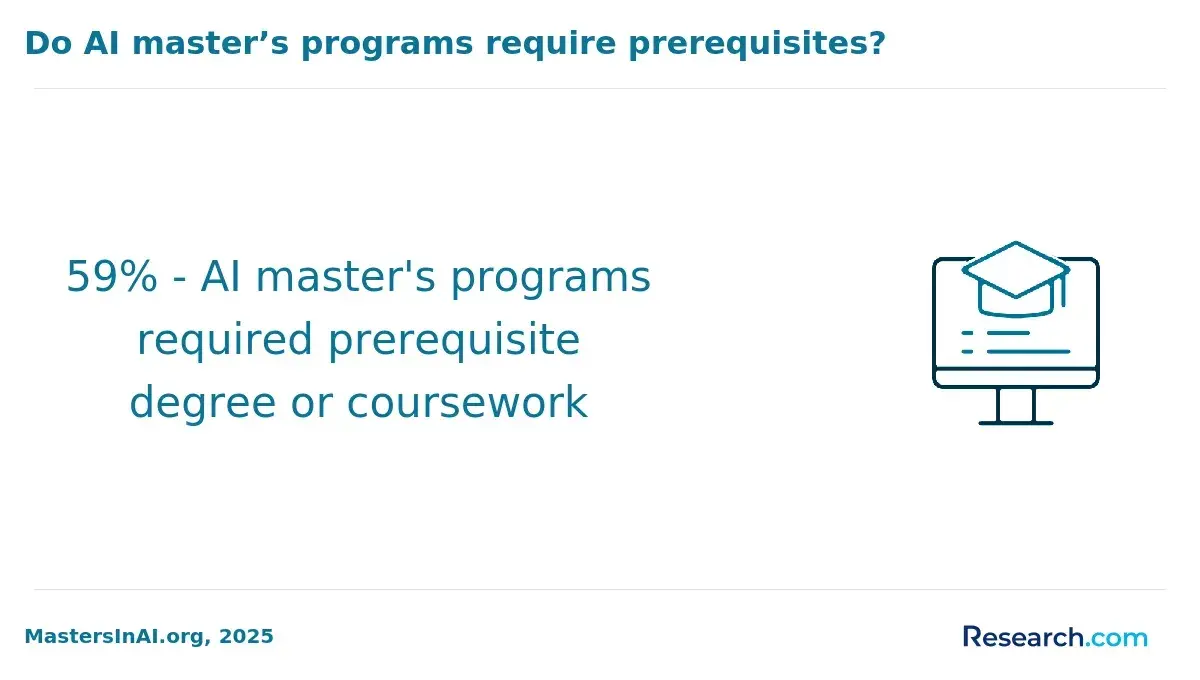
Admission requirements for online artificial intelligence programs vary but typically require a bachelor's degree in computer science, engineering, mathematics, or a related STEM field. Many programs expect foundational knowledge of programming, calculus, linear algebra, statistics, and basic machine learning principles. Master's level programs often require prior experience with Python or another programming language and familiarity with data structures or algorithms.
Applicants without a strong STEM background may need bridge courses or certifications showing comparable experience. Programs commonly ask for a minimum GPA around 3.0 on a 4.0 scale and professional recommendations demonstrating analytical skills and independent learning ability.
Some institutions still request GRE scores, although these are increasingly optional. A statement of purpose outlining research interests and career goals is important for admissions committees to assess an applicant's fit and motivation.
- Access to online AI degrees helps remove geographic barriers, allowing students from diverse locations to compete for tech roles often concentrated in major metro areas.
- This broadens opportunities for working professionals and those outside traditional tech hubs.
- Programs align admission criteria to attract a diverse applicant pool, reflecting the evolving workforce landscape.
What core courses and specializations are included in most online artificial intelligence curricula?
Core courses in most online artificial intelligence curricula cover vital skills in machine learning, data science, programming, and mathematical foundations. Key topics often include algorithms, statistics, linear algebra, calculus, and probability theory, which are crucial for understanding AI models. Programming languages such as Python, R, or Java receive strong emphasis, especially libraries like TensorFlow or PyTorch for practical AI development. Students also gain expertise in areas like data mining, natural language processing (NLP), computer vision, and robotics.
Specializations help tailor education to specific industries or AI applications. Common tracks include:
- Natural Language Processing, focusing on how machines interpret and generate human language.
- Computer Vision, centered on image recognition and object detection technologies.
- Robotics and Autonomous Systems, targeting intelligent machines capable of real-time decision-making.
- Reinforcement Learning, where agents learn optimal behaviors through feedback and rewards.
Hands-on experience often comes from projects involving big data analytics, AI ethics, and cloud computing integration. Many programs incorporate labs and case studies that align with employer needs. Data from Veritone and Aspen Tech Labs indicate the median annual salary for AI roles reached approximately $157,000 in Q1 2025, with job openings increasing by 25.2% year-over-year. These trends highlight the importance of solid foundational knowledge and relevant specialization for career growth in AI.
How long do online artificial intelligence degrees take, and what do they cost to complete?
The duration of online artificial intelligence degrees varies widely. Bachelor's programs typically take four to five years full-time, though accelerated and part-time options can shorten or extend this from two to six years. Master's degrees usually require one to two years depending on enrollment status. Certificate programs focus on specific AI skills and last from a few months up to a year.
Costs differ based on institution and program level. Public universities often charge between $20,000 and $40,000 for in-state online bachelor's degrees, while private schools may cost $40,000 to $80,000 or more. Master's programs generally range from $15,000 to $45,000, with some elite options exceeding this. Certificates usually cost under $5,000 but provide limited academic credit.
Additional expenses like technology fees, textbooks, and in-person residencies can add to both time and cost. Financial aid and employer tuition assistance programs are valuable resources to help offset these expenses.
Importantly, a 2025 workforce study from the Bureau of Labor Statistics highlights that online tech and AI programs enroll 30-40% more students from low-income ZIP codes compared to traditional in-person options, offering improved equity in access to artificial intelligence education.
What tech careers can you pursue with an online artificial intelligence degree or certificate?
Online degrees and certificates in artificial intelligence open doors to tech careers focused on designing, implementing, and managing AI technologies. Key roles include AI engineer-developing machine learning models and neural networks to automate tasks and analyze complex data-and data scientist, who extracts actionable insights from large datasets using AI algorithms, aiding decision-making in healthcare, finance, and more.
AI research scientists advance AI theory and create novel algorithms, requiring strong mathematical and programming skills gained through specialized online programs. Machine learning engineers deploy scalable AI solutions in production, bridging prototypes and real-world applications. Natural language processing (NLP) specialists use AI to interpret and generate human language, powering chatbots, virtual assistants, and sentiment analysis tools.
Emerging roles such as AI product manager and AI ethics specialist blend technical expertise with governance or business strategy knowledge. The 2025 AI Jobs Barometer highlights that AI-related skills evolve 66% faster than in less-impacted fields, emphasizing ongoing education through flexible, stackable online credentials.
Expanding into robotics, computer vision, or cybersecurity is possible by supplementing AI credentials with related certificates. Prospective students should prioritize programs emphasizing practical experience with Python, TensorFlow, or PyTorch and applied projects solving real-world problems to stay competitive in this fast-moving field.
What is the salary outlook and long-term demand for artificial intelligence and machine learning roles?
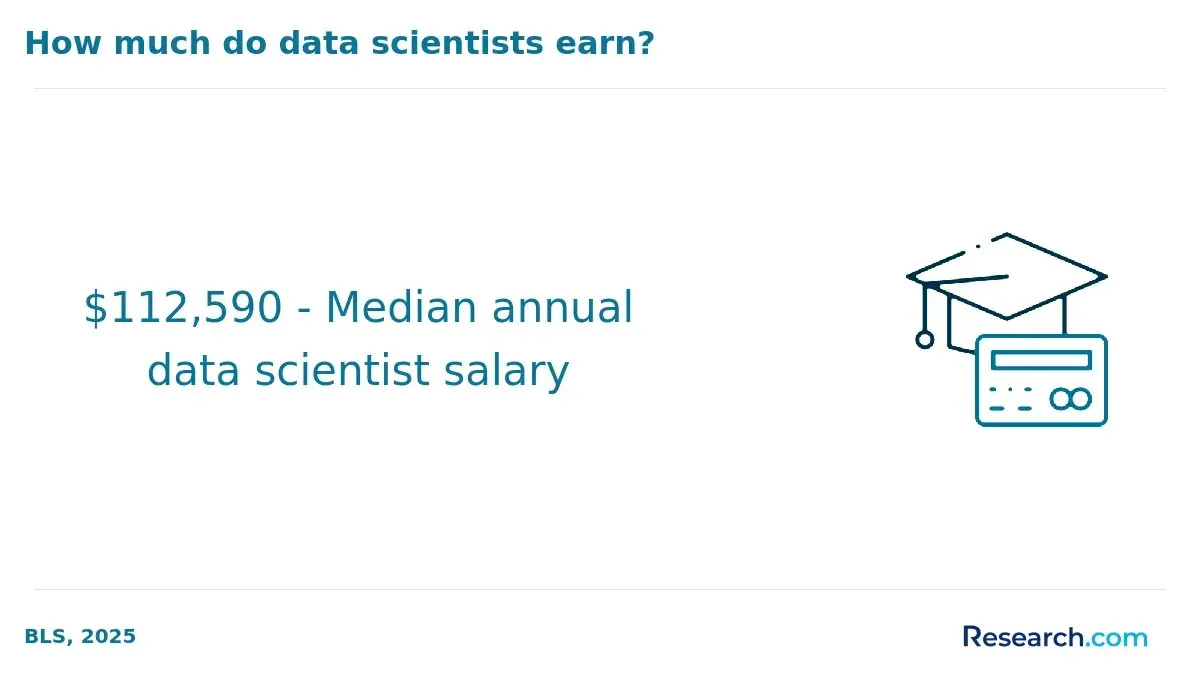
The salary outlook for artificial intelligence and machine learning roles is highly favorable, with entry-level positions typically paying between $90,000 and $120,000 annually. Experienced specialists often earn from $140,000 to $200,000, while senior positions can exceed $250,000. This trend is fueled by rapid adoption of AI technologies across industries like healthcare, finance, and technology.
Demand for AI and machine learning expertise continues to grow significantly. According to a 2026 IT Career Association report, AI/ML job postings surged 163% year-over-year, reaching 49,200 positions in the U.S. by 2025. This growth reflects widespread integration of AI in business processes and emerging fields such as autonomous systems and natural language processing.
Employers increasingly accept an AI degree, certifications, or bootcamp experience as equivalent qualifications, expanding access to these roles. Prospective students should consider:
- Enrolling in credential programs with practical, hands-on AI/ML training to boost employability
- Gaining experience through internships or projects to advance beyond entry-level salaries
- Committing to continuous learning, since AI tools and frameworks evolve rapidly
AI and machine learning careers offer strong financial rewards and growth opportunities for those with relevant education or industry-recognized credentials, making these paths attractive for new entrants and seasoned professionals alike.
How can you evaluate and choose a reputable online artificial intelligence program aligned with your goals?
Choosing a reputable online artificial intelligence program requires careful evaluation of several factors that align with your career goals. Verify the program's accreditation through recognized agencies like ABET or regional accreditors to ensure academic quality and employer recognition. Review the curriculum to confirm coverage of essential AI topics such as machine learning, neural networks, natural language processing, and data ethics. Hands-on projects or labs are crucial to developing practical skills that employers value.
Faculty expertise and industry connections enhance learning, with instructors involved in active research or professional AI roles providing current insights and networking opportunities. Graduation outcomes like job placement rates, average salaries, and alumni success stories reflect program effectiveness. According to BLS projections, AI-related roles expect 26-34% job growth through 2034, with median salaries often exceeding $145,000. Prioritizing programs with strong career support can improve your prospects.
Flexibility matters for working professionals; programs offering part-time, asynchronous, or modular options enable balance without sacrificing rigor. Evaluate technology platforms and student support services such as tutoring and career advising to enhance your learning experience. Finally, assess cost and financial aid transparency to ensure a solid return on investment when committing to one of the top online artificial intelligence degree programs.
Other Things You Should Know About Artificial Intelligence
In 2027, online AI degrees are democratizing access to tech careers by offering flexible, affordable education options that lower geographical and financial barriers. They provide access to quality resources and networking opportunities, allowing diverse populations to develop in-demand AI skills and increase representation in tech fields.
Yes, ethical concerns are significant in AI education and careers. Issues include bias in AI algorithms, data privacy, transparency, and the potential impact of automation on jobs. Many AI programs now incorporate ethics coursework to prepare students to address these challenges responsibly when developing or deploying AI technologies.
Hands-on experience is crucial in artificial intelligence programs to reinforce theoretical knowledge. Practical projects, internships, and lab work allow students to apply algorithms, work with real-world data sets, and develop AI models. These experiences improve technical proficiency and make graduates more competitive in the job market.
AI competitions and hackathons provide valuable opportunities for students to sharpen coding and problem-solving skills under time constraints. They also encourage creativity, teamwork, and exposure to diverse AI challenges. Participation in such events can enhance resumes and foster networking connections within the AI community.
References
- Definition of WHAT https://www.merriam-webster.com/dictionary/what
- Will AI pull the career ladder up out of reach – or just change what it looks like? https://theconversation.com/will-ai-pull-the-career-ladder-up-out-of-reach-or-just-change-what-it-looks-like-262866
- Online vs Campus Artificial Intelligence Degree Programs: Complete Comparison https://hakia.com/compare/artificial-intelligence-online-vs-campus/
- AI: How Long Does it Take to Learn? https://blog.nobledesktop.com/learn/ai/how-long-does-it-take-to-learn-ai
- AI Careers: Roles, Salaries, and Certifications to Get You Hired - ONLC https://www.onlc.com/blog/ai-careers-roles-salaries-certifications/
- 16 Artificial Intelligence Career Paths https://www.calmu.edu/news/artificial-intelligence-career-paths
- Best Online Certification Courses for a Career in AI - Alkademy Blog https://alkademy.com/blog/best-online-certification-courses-for-a-career-in-ai/
- AI Engineer Job Outlook 2025: Trends, Salaries, and Skills – 365 Data Science https://365datascience.com/career-advice/career-guides/ai-engineer-job-outlook-2025/
- Which is the Best Course on Artificial Intelligence for your Career? https://zabeelinstitute.ae/blog/best-course-on-artificial-intelligence-for-career/
- Top AI courses to supercharge your career | Jotform Blog https://www.jotform.com/ai/ai-courses/