2027 AI Engineer vs Data Scientist: Which Path Fits AI Master's Graduates?

Co-Founder and Chief Data Scientist
Graduates with a master's degree in artificial intelligence often face a critical choice between becoming an AI engineer or a data scientist. The decision can impact career growth, job responsibilities, and required skill sets. Many candidates struggle to understand the distinct roles and industry expectations, especially when transitioning from unrelated undergraduate fields. Knowing which path aligns better with personal strengths and market demand is essential for a successful pivot into the AI industry.
This article compares AI engineer and data scientist roles in 2026, helping readers make informed decisions aligned with their career goals and skill development needs.
Key Things You Should Know
- AI engineers primarily focus on designing and deploying machine learning models, with 2025 data showing a 22% higher demand than data scientists in tech startups.
- Data scientists emphasize data analysis and interpretation, with median U.S. salaries of $102,000 in 2025, slightly lower than AI engineers' $115,000.
- Both roles require strong programming and statistical skills; AI engineering demands deeper software engineering knowledge, while data science requires advanced expertise in data visualization and storytelling.
What are the core differences between AI engineer and data scientist roles for master's graduates?
The core differences between AI engineer vs data scientist job responsibilities for master's graduates lie in focus and skills. AI engineers deploy, integrate, and scale machine learning models in production, emphasizing software engineering, system architecture, and model optimization. For example, they might develop APIs that serve predictions from neural networks or embed models into apps for real-time inference.
Data scientists, meanwhile, concentrate on exploratory data analysis, statistical modeling, and algorithm development. Their role involves extracting insights, evaluating model performance, and refining techniques to improve accuracy. This includes research-driven tasks like feature engineering and hypothesis testing, alongside presenting findings through visualization or reports.
A 2024 McKinsey AI Index study reports that 73% of organizations require both roles, highlighting their complementary nature. Data scientists create and validate models, while AI engineers ensure these models operate efficiently at scale. Master's graduates should consider their strengths: those preferring hands-on coding and system design may lean toward AI engineering, while those passionate about analytics and experimentation may favor data science.
Master's curricula reflect this divide. AI engineering students often focus on software development, cloud computing, and DevOps alongside machine learning. Data science students study statistics, data mining, and domain-specific modeling. Understanding key skills and roles of AI engineers and data scientists helps tailor portfolios for sectors like healthcare, finance, or autonomous systems. For those seeking accelerated options, the fastest way to get a computer science degree is worth exploring.
What are the typical salary ranges and job growth projections for AI engineers versus data scientists in 2027?
In North America, the average salary for AI engineers is notably higher than that for data scientists, with AI engineers earning around $165,000 annually compared to $130,000 for data scientists. This gap highlights the specialized expertise AI engineers develop in areas such as deep learning, neural networks, and AI system deployment. The employment outlook is strong for both fields, with AI engineer job growth projected at 35% and data scientist roles increasing 36% through 2032. This favorable growth underlines broad opportunities, although the demand focus varies by sector.
AI engineers typically work on autonomous systems, robotics, and AI-driven applications, while data scientists apply their skills to big data analytics, business intelligence, and predictive modeling. Prospective graduates should assess their career goals carefully, considering whether they prefer building AI architectures or analyzing data for insights. Both career paths depend on strong programming skills, but AI engineering demands deeper knowledge in algorithm design and machine learning.
When choosing a career path, considering the average salary and job growth for AI engineers in North America alongside data scientist salary ranges and employment outlook in the US will help set realistic expectations. Geographic location and company size also influence opportunities and compensation; for example, startups often offer higher salaries for AI engineers compared to established firms with large data science teams.
Those interested in further education might explore affordable options such as an online mechanical engineer degree, which can complement AI or data science skills in many tech-driven industries.
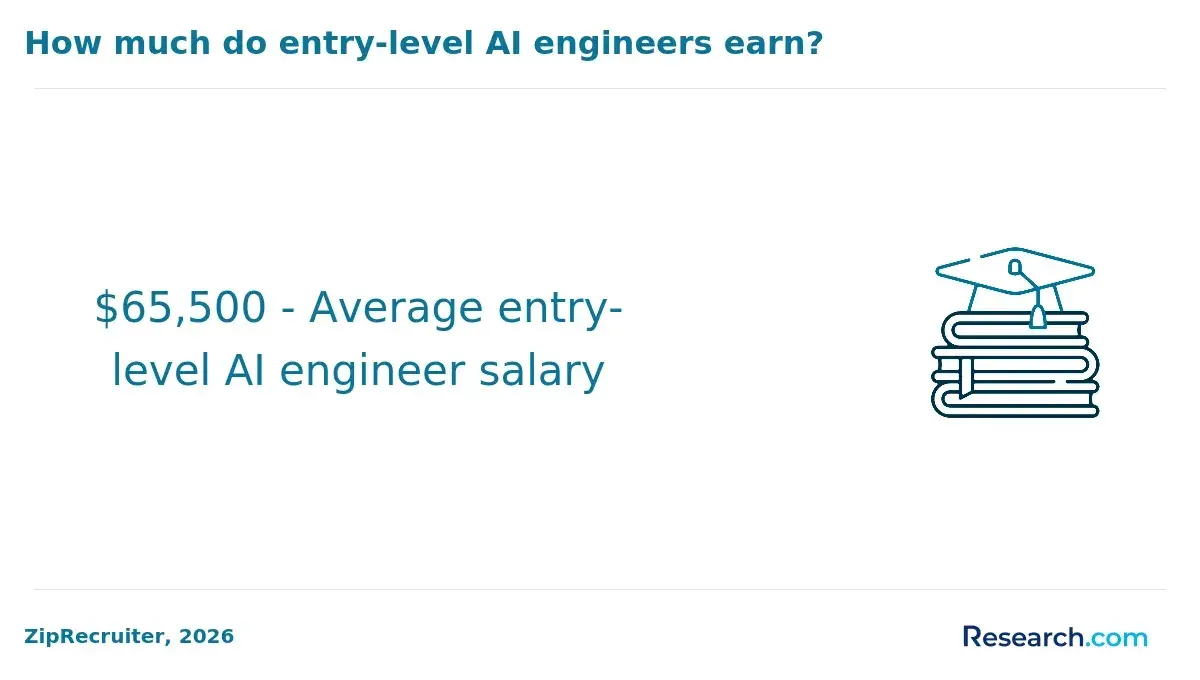
Which master's degree specialization-AI engineering or data science-aligns with your career goals and technical strengths?
Choosing between a master's degree specialization in AI engineering or data science largely depends on your career alignment and technical strengths. AI engineering master's degree career alignment favors those interested in developing, deploying, and optimizing AI systems like neural networks, computer vision, or natural language processing models. This path emphasizes proficiency in programming frameworks such as TensorFlow or PyTorch, software engineering, and AI model scalability.
Data science specialization for AI professionals centers on deriving insights from large datasets using statistical analysis, machine learning, and data visualization. If you have a strong knack for statistical reasoning, data wrangling, and communicating insights to stakeholders, data science will align better with your skillset. It often applies to business intelligence, customer analytics, and predictive modeling.
The LinkedIn Learning Career Transitions Report 2024 notes AI engineering graduates experience a 22% higher job placement rate within six months post-graduation compared to data science graduates, highlighting strong demand for AI engineers who can manage end-to-end AI pipelines. Career choices also depend on preferred work settings: AI engineers collaborate closely with software developers on production systems, while data scientists work at the intersection of analytics and business strategy.
For those seeking affordable education options, considering the cheapest online engineering degree programs can support accessible advancement. Ultimately, assess your programming skills, math aptitude, and career priorities such as industry, roles, and growth opportunities before deciding your specialization.
What specific technical skills and programming languages do employers expect from AI engineers compared to data scientists?
Employers require distinct technical skills for ai engineers versus data scientists, reflecting their different roles. Both must be proficient in Python for model development and data handling. However, ai engineer job postings emphasize expertise in MLOps and deployment tools like Docker and Kubernetes, cited in 64% of listings per the Stack Overflow Developer Survey 2024. This highlights the focus on productionizing machine learning models, managing scalable AI infrastructure, and automating workflows.
Data scientists, in comparison, prioritize SQL and statistical packages in 71% of job ads, emphasizing their role in data analysis, hypothesis testing, and extracting actionable insights from complex datasets. They commonly use libraries such as pandas, scikit-learn, and R's statistical tools for exploration and model validation instead of deployment.
Programming languages also differ between the roles. AI engineers often require C++ or Java for performance-critical applications and software integration, while data scientists lean more toward statistical tools like R and SAS depending on their industry. Visualization tools such as matplotlib and Tableau are particularly valuable for data scientists but less so for AI engineers.
Proficiency with cloud platforms such as AWS and Azure benefits both roles. AI engineers, however, must be adept at managing containerized applications and CI/CD pipelines, whereas data scientists excel in SQL querying and advanced statistical modeling. Graduates aiming for a career in artificial intelligence should carefully tailor their skill set accordingly. Many aspiring professionals enhance their expertise through programs like a master of data science online.
How do online versus campus-based AI master's programs prepare graduates differently for these two career tracks?
Campus-based AI master's programs provide extensive hands-on lab access and foster collaboration with faculty and peers. This practical approach results in 28% more graduates securing AI engineering roles within their first year, according to the Coursera Global Skills Report 2024. These programs emphasize hardware and software integration, preparing students for tasks such as developing AI systems, optimizing algorithms, and managing complex AI projects. The immersive environment also encourages networking with industry partners, enhancing job placement opportunities aligned with AI engineering careers.
In contrast, online AI master's programs focus on flexible learning and emphasize data analysis, machine learning theory, and programming skills aimed at data science roles. Graduates from these programs often transition into data science positions due to curricula centered on data-driven problem solving and statistical modeling. Although online formats typically offer less direct lab access, they provide broader exposure to diverse datasets and real-world case studies, which suits data science career pathways well.
Students pursuing AI engineering should prioritize campus programs for integrated labs, project-based learning, and industry connections. Those aiming for data science careers can benefit from the flexibility and theoretical depth of online programs to develop skills in data wrangling, visualization, and predictive analytics. Recognizing these differences helps align educational choices with specific career goals in the rapidly evolving field of Artificial Intelligence.
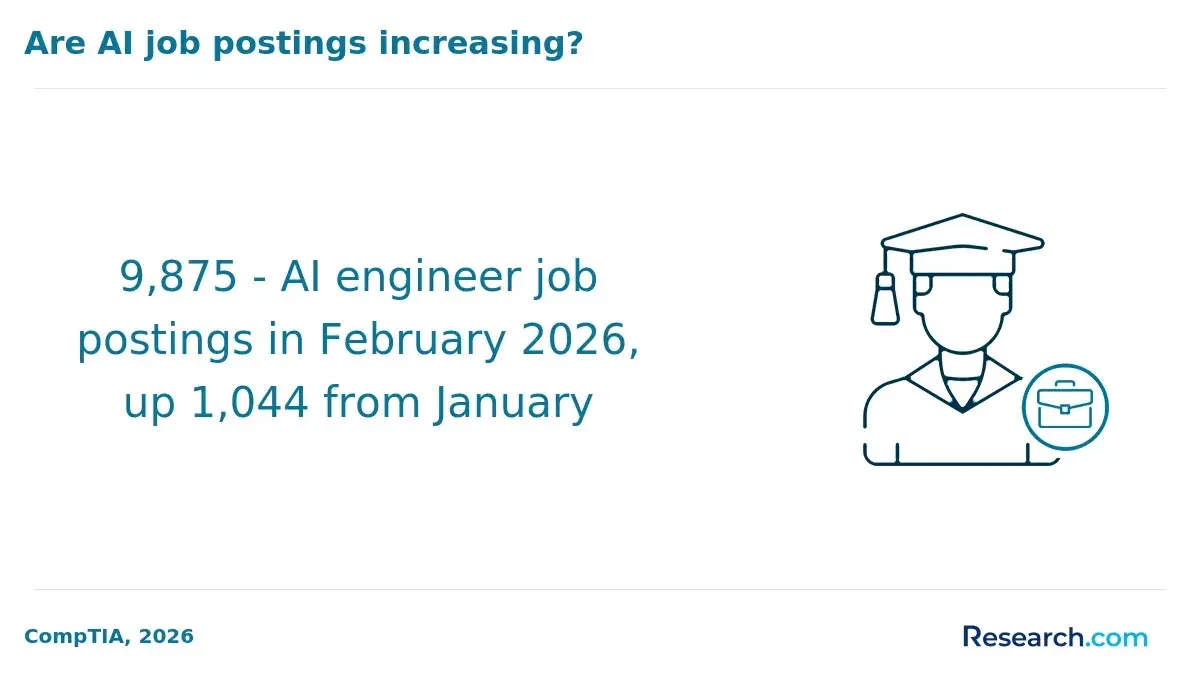
What are the admission requirements and prerequisites for top-ranked AI master's programs in the United States?
Top AI master's programs in the United States expect applicants to have a strong academic background, typically with an undergraduate GPA of 3.7 or higher. High GRE quantitative scores, generally above 165, remain an important benchmark that reflects candidates' readiness for rigorous, technical coursework. Practical experience also plays a significant role; about 58% of admitted students have prior industry experience in areas like software development or data analysis, which strengthens applications by demonstrating hands-on skills in programming and problem-solving relevant to artificial intelligence.
Applicants usually need foundational coursework in mathematics, including calculus, linear algebra, and probability, alongside computer science and programming skills in Python, Java, or C++. Familiarity with data structures, algorithms, and statistical modeling is often required, though candidates may offset gaps with certifications or practical projects.
Strong letters of recommendation from academic or professional mentors must highlight quantitative aptitude and problem-solving abilities. A well-crafted statement of purpose should clearly link career objectives with advancements in AI and describe how an applicant's background prepares them for graduate study. While not mandatory for all, research experience in machine learning or related fields can improve competitiveness by showing engagement with current AI technologies.
Which industry sectors and companies actively hire AI engineers versus data scientists, and what do they prioritize?
Tech companies employ 42% of AI engineers but only 28% of data scientists, showing a clear preference for professionals who develop production-ready AI systems. Firms like Google, Microsoft, and NVIDIA prioritize engineers skilled in building scalable machine learning models, optimizing algorithms for real-time use, and integrating AI into software products such as autonomous systems and natural language processing tools.
Financial services, however, hire 31% of data scientists compared to 18% of AI engineers. Banks and hedge funds like JPMorgan Chase and Goldman Sachs focus on candidates with expertise in predictive accuracy, risk modeling, and statistical analysis, emphasizing skills in time series analysis and econometrics to detect fraud and forecast financial risks.
Emerging sectors like healthcare and retail show different demands. Healthcare values data scientists for patient data analysis and precision medicine, while retail companies hire AI engineers to enhance recommendation engines and personalized marketing platforms.
Graduates aiming for careers in AI should match their skill development with sector demands: engineering roles dominate in tech companies, while finance and analytical roles rely heavily on data science expertise. These insights align with findings from the Hired Employer Demand Report 2024, which highlights essential hiring trends for AI master's graduates navigating the job market.
What professional certifications and credentials strengthen job prospects for AI engineers and data scientists?
Professional certifications significantly boost job prospects for AI engineers and data scientists by validating in-demand skills. For AI engineers, cloud certifications such as AWS Certified Solutions Architect, Google Cloud Professional Data Engineer, and Microsoft Azure AI Engineer Associate are highly prized. According to Coursera Employer Demand Analysis 2024, candidates with these certifications see a 34% higher offer rate in AI engineering roles. These credentials prove expertise in deploying scalable AI models and managing cloud infrastructure critical for production environments.
Data scientists gain the most from certifications focused on statistical analysis and machine learning specializations. Notable examples include the Certified Data Scientist credentials from IBM, SAS, and Google's TensorFlow Developer Certificate. The Coursera report highlights a 19% increase in offer rates for data scientists holding these certificates. These certifications confirm the ability to build predictive models, perform hypothesis testing, and apply advanced analytics central to data science roles.
Additional certifications like Google's Professional Machine Learning Engineer and Microsoft Certified: Azure Data Scientist Associate benefit both professions by emphasizing AI model development and deployment. Candidates should target certifications that match their career goals-AI engineers prioritizing cloud and software engineering skills, while data scientists focus on statistical rigor and machine learning theory.
Pairing certifications with practical projects and relevant experience strengthens hiring potential. Review job descriptions carefully to spot preferred credentials and leverage these certifications to accelerate entry into competitive roles and increase salary prospects in the evolving AI job market.
How long do accredited AI master's programs typically take, and what is the average total cost of attendance?
Accredited full-time artificial intelligence master's programs generally take two years to complete, while part-time or online options may extend to three or four years, depending on the student's schedule. This timeline supports comprehensive study in machine learning, neural networks, natural language processing, and practical projects or thesis work essential for expertise.
The average tuition for full-time artificial intelligence master's degrees is about $85,000, covering program fees but often excluding living expenses or books. By comparison, data science master's programs average around $72,000 tuition, showing a moderate cost difference. Despite the higher cost, AI graduates typically achieve a median return on investment (ROI) of 156% within five years of graduation, exceeding the 142% ROI common for data science graduates.
Costs vary based on institution type, location, and program format. Public universities usually offer lower tuition for in-state students, while private schools may charge more but provide advanced research opportunities. Online programs can decrease living expenses and offer flexibility, though tuition often remains similar.
Prospective students should consider program length, costs, and accreditation status alongside career goals. Accelerated or part-time programs provide flexibility for those seeking quicker workforce entry. Given the strong median ROI, a master's degree in artificial intelligence remains a sound financial investment for qualified candidates.
What capstone projects, internships, and real-world experience opportunities differentiate leading AI master's programs?
Master's programs in artificial intelligence that emphasize capstone projects and internships linked with industry partners provide students with invaluable hands-on experience. These programs often collaborate with technology companies to create AI-driven solutions such as predictive analytics tools or natural language processing applications tailored to real-world challenges. This direct industry engagement improves graduates' job readiness by allowing them to apply theoretical knowledge practically.
Internships secured through these programs vary but frequently involve working with leading AI firms, startups, or research institutions. Students gain experience with advanced technologies like machine learning deployment and computer vision under professional guidance. Typical internship tasks may include developing models for autonomous systems or contributing to ethical AI frameworks within healthcare startups.
Beyond coursework, participating in AI competitions, hackathons, and collaborative research with industry teams further strengthens practical skills. Students building diverse portfolios demonstrate strong problem-solving abilities that employers highly value. According to the National Center for Education Statistics, programs with formal industry partnerships report 89% of AI engineering graduates received job offers before graduation, compared to 64% from programs without such partnerships. This data highlights the importance of applied, employer-connected experiences in accelerating career outcomes for artificial intelligence graduates.
Other Things You Should Know About Artificial Intelligence
AI engineers and data scientists often encounter challenges related to data quality and availability. Ensuring datasets are clean, unbiased, and representative requires significant effort. Additionally, both roles must address the complexity of model interpretability and explainability, especially when deploying AI systems in sensitive areas like healthcare or finance.
Domain knowledge is crucial for both AI engineers and data scientists but serves slightly different purposes. Data scientists rely heavily on domain expertise to frame the right questions and interpret data accurately. AI engineers benefit from domain understanding primarily to design and optimize models that meet industry-specific requirements and constraints.
Yes, staying updated with the latest research is essential for both roles to maintain competitive skills. Professionals often use platforms like arXiv, attend conferences such as NeurIPS or ICML, and participate in workshops or industry meetups. Continuous learning through online courses and technical blogs is also common to keep pace with rapid innovations.
In 2027, AI engineers will likely see growing opportunities in tech and automotive sectors due to advancements in autonomous systems, while data scientists are expected to be in demand in finance and healthcare. An artificial intelligence and finance degree could be particularly beneficial for data scientists.
References
- University Degree vs AI Bootcamp: Which is Best Career Path? https://agilefever.com/university-degree-vs-ai-bootcamp-which-is-best/
- 25 Best Master's in AI Programs - MastersInAI.org https://www.mastersinai.org/degrees/best-masters-in-artificial-intelligence/
- How an Online Master’s in AI Can Prepare You for the Future of Tech https://www.ucumberlands.edu/blog/how-online-masters-ai-can-prepare-you-future-tech
- Certifications in AI that would allow you standout in job hunting https://community.deeplearning.ai/t/certifications-in-ai-that-would-allow-you-standout-in-job-hunting/871654
- Future of AI in College Education | University of Phoenix https://www.phoenix.edu/articles/online-college/ai-in-online-college-education.html
- LIVE IT Training & Certification – 500+ Courses | Readynez https://www.readynez.com/uk/blog/future-proofing-your-data-science-career-a-guide-to-ai-certifications/
- Exploring AI's Future: Trends and Opportunities Through Capstone Projects https://lset.uk/ai-ml/exploring-ais-future-trends-and-opportunities-through-capstone-projects/
- Which AI Certifications in the USA Lead to the Highest Job Placement Rates? https://www.h2kinfosys.com/blog/which-ai-certifications-in-the-usa-lead-to-the-highest-job-placement-rates/
- Affordable AI Master’s Degree for Working Adults https://amberton.edu/2025/09/22/ai-masters-working-professionals/
- Data Science vs. AI: How I Would Choose My Path https://roadmap.sh/ai-data-scientist/vs-ai