2027 AI Associate Degrees With SQL Training

Co-Founder and Chief Data Scientist
Many professionals with degrees outside STEM face challenges when seeking to enter the artificial intelligence field. They often lack foundational knowledge in coding languages and database management, making career transitions difficult. SQL skills, crucial for managing data-driven AI projects, remain a frequent barrier. Institutions offering associate degrees with integrated SQL training address this gap, providing structured, accredited pathways that blend theory with practical database expertise.
This article examines available artificial intelligence associate degree programs featuring SQL components and guides prospective students on choosing flexible, career-focused options to effectively bridge their knowledge gap and enhance employability.
Key Things You Should Know
- Associate degrees in artificial intelligence with SQL training increased by 18% between 2024 and 2025, reflecting growing industry demand for data management skills alongside AI competencies.
- By 2026, 62% of U.S. community colleges offering AI-related associate degrees include SQL modules to enhance graduates' database querying and manipulation abilities.
- Graduates with combined AI and SQL skills report 15% higher employment rates within six months post-graduation compared to peers without database training, underscoring market preference.
What is an AI associate degree with SQL training, and what can you do with it?
An AI associate degree with SQL training merges key artificial intelligence concepts with essential SQL skills for managing and querying databases. This combination equips students to develop AI models while handling large structured datasets efficiently.
SQL expertise complements AI knowledge, as nearly 25% of online U.S. job postings for data-related roles require SQL alongside analytics and data tools, highlighting the practical benefits of such education.
Career opportunities with AI and SQL associate degree programs include roles like AI technician, data analyst, machine learning assistant, and database specialist. Daily responsibilities often involve preparing data sets with SQL queries, extracting information for AI model development, and automating pipelines.
These skills are crucial for tasks such as building predictive models that rely on clean, well-organized data.
Typical coursework covers AI fundamentals, machine learning algorithms, database management, and SQL query optimization, with hands-on training emphasized. Students gain experience integrating SQL within AI frameworks, enhancing both theoretical understanding and applied data engineering skills.
Those seeking flexibility in their career paths gain from this blend of AI and SQL, opening doors in industries like healthcare, finance, and technology where data-driven decision-making is vital. Employers value graduates who can bridge technical AI development with practical data management challenges.
Students curious about what is applied AI engineering will find this degree particularly relevant to real-world applications.
Which schools offer accredited AI associate degrees that include SQL coursework?
Multiple accredited U.S. community colleges offer associate degrees in artificial intelligence that feature dedicated SQL coursework. These programs are commonly part of public 2-year institutions, which collectively enroll about 5.8 million students according to the National Center for Education Statistics (IPEDS, 2024 release).
This makes community colleges a widely accessible pathway for AI-related education with integrated database training.
Examples of schools offering AI associate degrees with SQL training programs accredited in the United States include:
- City College of San Francisco, which provides an Artificial Intelligence and Data Analytics associate degree, incorporating SQL for database management.
- Northern Virginia Community College, with its AI and Machine Learning program that requires a database systems course focused on SQL.
- Houston Community College, offering an AI Foundations associate degree that includes SQL components emphasizing applied data science skills.
These degrees balance theoretical AI principles with practical skills such as SQL querying, essential for managing and manipulating large datasets used in machine learning. Students should confirm that the SQL coursework covers critical topics like relational databases, query optimization, and data normalization.
For recent graduates or working professionals exploring career options, obtaining an associate degree from a regionally accredited school with integrated SQL coursework strengthens employability in AI, analytics, and data engineering fields. Accreditation assures curriculum rigor and transfer options to 4-year institutions.
Given the reliance of AI on data systems, solid knowledge of SQL supports foundational competence for AI algorithm deployment and data pipeline development.
Prospective students interested in furthering their education can also explore the best universities for data science undergraduate programs, aligning well with these associate degrees in AI and SQL coursework.
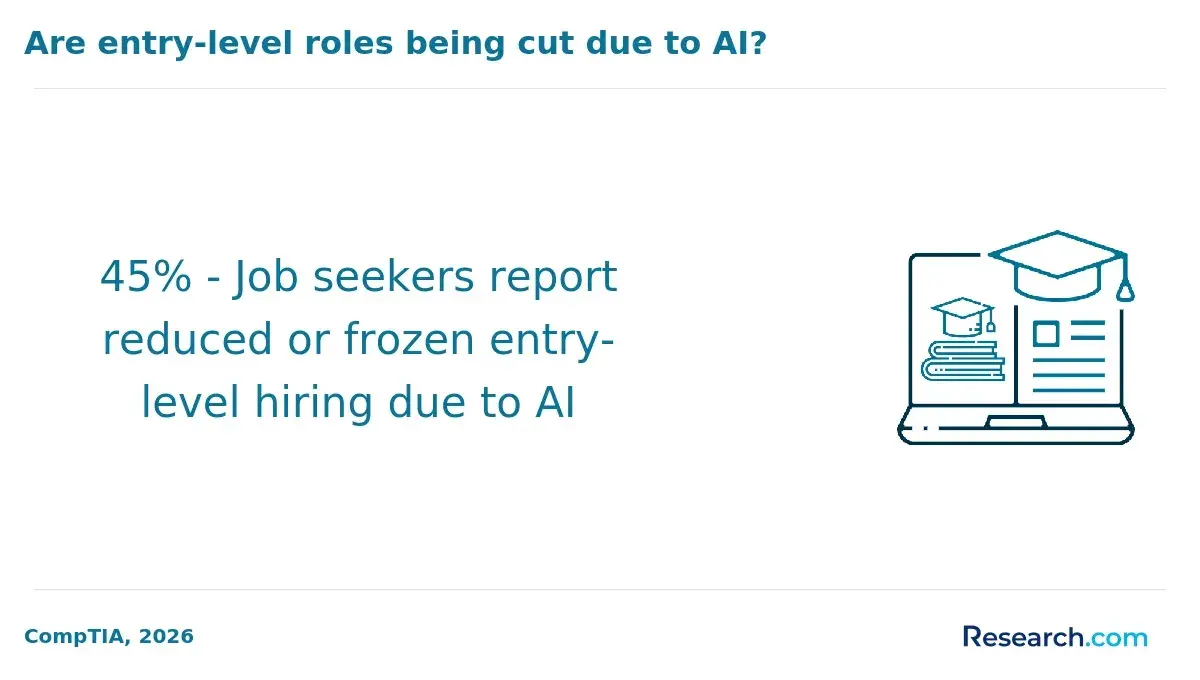
What jobs can you get with an AI and SQL associate degree?
An AI and SQL associate degree job opportunities lead to various entry-level roles in data and technology sectors. One of the most common positions is a data analyst, who uses SQL to extract, manipulate, and analyze data to support business decisions.
According to Burning Glass Institute, this role frequently requires SQL proficiency.
Related careers with AI and SQL associate degrees include:
- Data Analyst: Extract and analyze data sets using SQL; create reports and visualizations that guide company strategies.
- Business Intelligence Technician: Develop data models and dashboards by combining SQL queries with AI-driven insights.
- Database Administrator Assistant: Maintain databases, optimize queries, and ensure data integrity through SQL and AI tools.
- Machine Learning Technician: Implement and test AI models on structured data, organizing training datasets with SQL.
- Junior AI Data Engineer: Prepare large datasets using SQL to feed AI pipelines.
These roles span industries such as healthcare, finance, retail, and technology. For example, data analysts in finance focus on fraud detection by using SQL alongside AI pattern recognition, while those in healthcare concentrate on patient data analytics.
Strong SQL skills complement AI knowledge, enabling efficient data manipulation and problem-solving.
Challenges in these fields often include managing data quality and integrating AI outputs with traditional databases. Mastering SQL helps identify data anomalies faster and fosters collaboration with AI specialists.
Professionals must commit to ongoing learning to keep up with evolving AI tools and SQL dialects.
Students interested in pursuing these careers can explore affordable options through an AI online degree.
How does an online AI associate degree with SQL compare to campus programs?
Online AI associate degrees with SQL training offer academic rigor similar to campus programs while providing greater flexibility. According to the National Center for Education Statistics (NCES), more than half of U.S. undergraduates have taken at least one distance-education course, reflecting widespread acceptance of online learning.
These programs typically include databases, programming, machine learning foundations, and SQL usage, delivered asynchronously to accommodate working professionals or students with scheduling limitations.
Campus programs, however, provide immediate in-person interaction with instructors, access to specialized physical labs, and valuable networking opportunities like career fairs. Those who prefer structured environments or face-to-face collaboration may find campus options more suitable.
Students pursuing an online ai associate degree vs campus programs should consider these factors based on their personal learning style and career goals.
Many online degrees also embed hands-on lab simulations, virtual coding environments, and real-world projects, ensuring practical skill development. Accreditation and curriculum quality remain vital, with employers increasingly prioritizing demonstrated skills over how a degree was earned.
For individuals interested in advancing to graduate studies, reviewing online master data science options can be helpful for planning a career path.
What classes and hands-on projects are typical in AI associate programs with SQL?
Associate degree programs in artificial intelligence that include SQL training cover essential topics like database fundamentals, machine learning basics, and programming languages such as Python. Students learn to write SQL queries to retrieve and analyze structured data, supported by courses in statistics and data structures important for AI model development.
Hands-on projects are central to these programs, allowing students to apply AI techniques to real-world datasets. Common assignments may involve building recommendation systems from SQL databases or deploying classification algorithms using data extracted through SQL commands. Integrating SQL with Python libraries such as Pandas and Scikit-learn helps students advance from raw data queries to full machine learning workflows.
Students also gain experience optimizing SQL queries for performance and performing data preprocessing essential for AI accuracy. Projects often mirror industry challenges like customer churn prediction and fraud detection, developing both declarative database skills and procedural programming expertise.
The prominence of Jupyter Notebook for data science workflow, as highlighted in GitHub's Octoverse report, reflects how these programs emphasize notebook-based project work combining SQL data access with interactive coding environments.
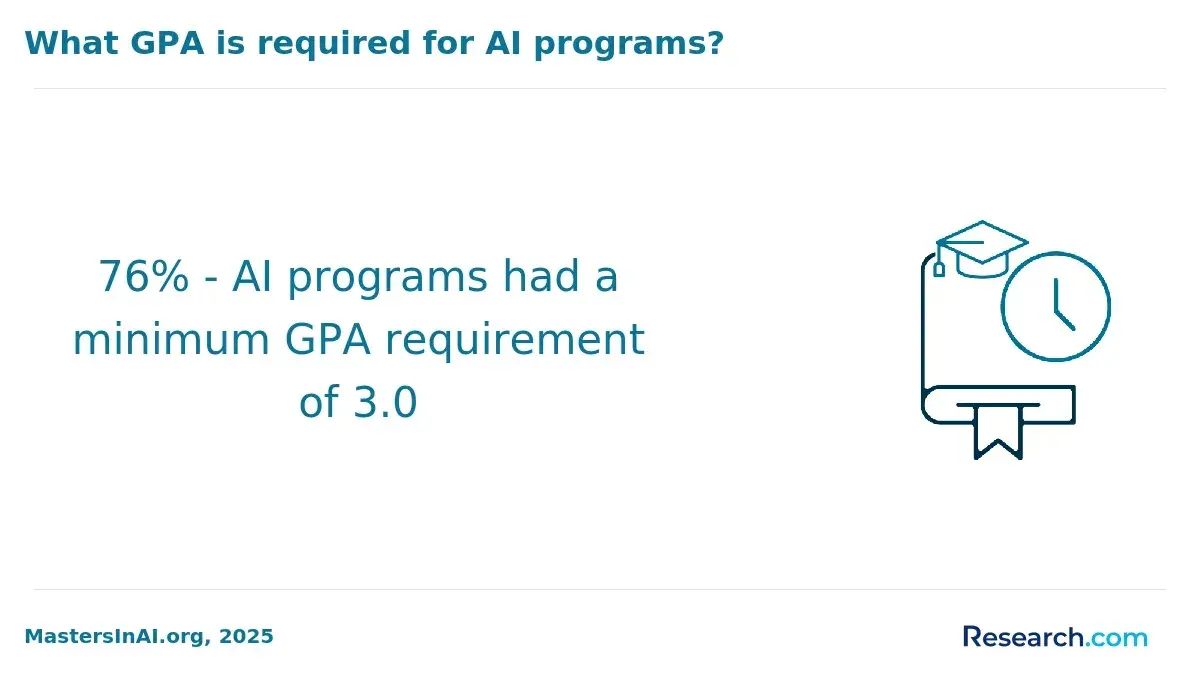
What admission requirements and prerequisites are common for AI associate degrees?
Admission to AI associate degree programs in the U.S. tends to be accessible, especially at community colleges where open-admission policies are common. These institutions generally have fewer prerequisites compared to four-year schools, aligning with the foundational nature of many AI and data programs.
Most applicants need a high school diploma or GED. Placement tests in math or English may be required to confirm academic readiness. Foundational math skills, such as intermediate algebra, are often essential because coursework covers topics like algebra, statistics, and introductory programming.
Some programs may ask for prior exposure to computer literacy or programming languages like Python or SQL, with SQL being particularly relevant for database management in AI curricula.
Additional admission criteria can include:
- Proof of residency or citizenship for tuition purposes
- Submission of previous academic transcripts
- Letters of recommendation or personal statements, especially in more selective programs
Many programs also offer flexible pathways for working professionals, awarding credit for prior experience or relevant certifications. Meeting these requirements prepares prospective students for success in ai education and helps them select programs aligned with their backgrounds and goals.
How long does an AI associate degree with SQL take, and what does it cost?
An associate degree in artificial intelligence with SQL training usually requires about two years of full-time study at a public community college. This timeline aligns with typical associate programs that mix general education with focused AI and database courses.
Tuition costs depend on residency and school type, but the average in-district tuition and fees at public two-year colleges is roughly $4,000 per year, totaling about $8,000 for the full program. Some colleges offer part-time or accelerated paths, which may take three years or more, yet spread out expenses. Online programs may have similar costs but can vary slightly.
Course content often covers AI fundamentals, machine learning basics, and SQL database management. This curriculum builds skills in programming, data querying, and practical AI applications, preparing graduates for entry-level positions in data analysis, machine learning support, and related roles.
Additional expenses like fees and materials may not be included in tuition estimates. Financial aid, scholarships, and work-study opportunities can lessen the financial burden. Prospective students should carefully review timelines and costs to plan their education and career path effectively.
What SQL, data, and AI certifications pair best with an AI associate degree?
Pairing an AI associate degree with targeted certifications in SQL, data, and AI significantly boosts employability and practical skills. Essential credentials like CompTIA Data+ and Microsoft Certified: Azure Data Fundamentals confirm foundational expertise in data analytics and database management.
According to CompTIA's report, data-related certifications rank among the fastest-growing, reflecting employer demand for verifiable skills that complement SQL and AI coursework.
SQL-focused certifications such as the Oracle Database SQL Certified Associate and Microsoft Certified: Azure Database Administrator Associate enhance advanced query optimization and database administration knowledge. When combined with AI certifications like the IBM AI Engineering Professional Certificate or Google Cloud's Professional Machine Learning Engineer, these credentials deepen understanding of AI algorithms and cloud deployment.
Certifications blending data and machine learning, including SAS Certified AI & Machine Learning Professional and Cloudera Certified Associate (CCA) Data Analyst, offer practical insights into managing large datasets and applying machine learning techniques with SQL.
Entry-level candidates may consider vendor-neutral options like Google's Data Analytics Professional Certificate, which covers data cleaning, SQL querying, and visualization. Independent professionals benefit from versatile certifications recognized across industries, aiding roles from AI data analyst to database developer.
Selecting certifications that reinforce SQL fluency, data analytics competence, and AI implementation skills prepares students and professionals for diverse interdisciplinary roles.
What salaries can graduates with AI and SQL associate degrees expect?
Graduates holding associate degrees in Artificial Intelligence combined with SQL training have strong earning potential in fast-growing fields such as healthcare, finance, and technology. Positions like database administrator and architect roles requiring SQL expertise report median annual wages exceeding $100,000 according to the U.S. Bureau of Labor Statistics 2024 OEWS.
Entry-level salaries for those with AI and SQL credentials typically range from $60,000 to $80,000, varying by location, employer size, and job duties.
Jobs such as AI data technician, junior database administrator, or AI support analyst provide solid starting points with opportunities for salary growth. Developing advanced SQL skills and obtaining certifications in AI frameworks can help professionals approach or surpass median wages within a few years.
- AI combined with SQL skills is highly valued for extracting and analyzing large datasets.
- Employers prioritize applicants who can manage databases effectively while leveraging AI tools.
- Continuing education and certifications enhance career advancement and salary prospects.
Graduates are advised to pursue roles explicitly requiring both SQL expertise and AI knowledge, like data solutions analyst or machine learning operations assistant, to maximize job stability and income growth in the competitive U.S. market.
What is the job outlook for entry-level AI and data roles using SQL?
The demand for entry-level roles in AI and data fields with SQL skills is exceptionally high. Employment for data scientists is projected to grow about 35% from 2024 to 2034, according to the U.S. Bureau of Labor Statistics.
This growth significantly exceeds the average for all occupations, reflecting strong employer need for expertise in data analysis and AI technologies that rely heavily on SQL for database management.
Positions like data analyst, junior data scientist, and AI operations coordinator commonly require solid SQL proficiency to efficiently extract and prepare data. Employers value candidates who can write complex queries, join tables, and generate aggregated data for meaningful insights across marketing, finance, and healthcare.
Gaining practical SQL experience alongside foundational AI knowledge enhances job readiness. Roles in business intelligence, database administration, and AI model deployment increasingly demand hybrid skills involving SQL and programming tools.
- Choose programs combining real-world SQL applications with AI concepts
- Consider certifications that validate SQL skills to strengthen resumes
- Focus on associate degrees offering focused SQL training for immediate contribution in data-driven roles
Entry-level candidates investing in SQL training position themselves well for growing career pathways in AI and data sectors, according to the U.S. employment outlook.
Other Things You Should Know About Artificial Intelligence
While some familiarity with basic programming concepts can be helpful, most AI associate degrees with SQL training are designed to accommodate beginners. These programs typically start with foundational courses in coding and gradually introduce more complex AI and database topics. Students without prior experience can succeed by dedicating time to practice and study.
SQL is crucial for managing and querying large datasets, a fundamental part of AI workflows. Many AI applications rely on structured data stored in relational databases, making SQL skills essential for data extraction and preparation. Proficiency in SQL enables AI professionals to handle data efficiently before applying machine learning models or analytics.
Yes, graduates with an AI associate degree and SQL training can find opportunities in various sectors such as healthcare, finance, manufacturing, and retail. Many industries use AI to optimize operations, analyze customer data, or automate tasks, creating a demand for professionals who understand both AI techniques and database management.
In 2027, graduates with an AI associate degree and SQL training can pursue roles such as data analysts, junior AI developers, and SQL database administrators. Industries including healthcare, finance, and logistics offer diverse opportunities, leveraging AI and SQL expertise to optimize data-driven decision-making.
References
- What Is The Best Degree for Artificial Intelligence? https://campus.edu/blog/artificial-intelligence/what-is-the-best-degree-for-artificial-intelligence
- My Study Guide for the Microsoft Certified SQL AI Developer Associate Beta Exam https://dev.to/rengond/my-study-guide-for-the-microsoft-certified-sql-ai-developer-associate-beta-exam-447o
- 7 Jobs You Can Land After Learning SQL - Learn Tube https://learntube.ai/blog/programming/7-jobs-you-can-land-after-learning-sql/
- Number of Universities Offering AI Programs in the US - Programs.com https://programs.com/resources/universities-offering-ai-programs/
- Top AI Certifications for 2026: A Guide to Advancing Your Tech Career | DataCamp https://www.datacamp.com/blog/top-ai-certifications
- Microsoft Certified: SQL AI Developer Associate (beta) - Certifications https://learn.microsoft.com/en-us/credentials/certifications/developing-ai-enabled-database-solutions/
- AI Data Analyst: Skills, Role & Career Outlook In 2025 https://businessanalyst.techcanvass.com/who-is-an-ai-data-analyst/
- How AI Is Reshaping My Career in Data: A T-SQL Tuesday #189 Contribution - SqlWorldWide https://sqlworldwide.com/how-ai-is-reshaping-my-career-in-data-a-t-sql-tuesday-189-contribution/
- New Microsoft Certified: SQL AI Developer Associate Certification | Microsoft Community Hub https://techcommunity.microsoft.com/blog/skills-hub-blog/new-microsoft-certified-sql-ai-developer-associate-certification/4494113