2027 Is an Associate Degree in Artificial Intelligence Worth It?

Co-Founder and Chief Data Scientist
Many professionals with undergraduate degrees in unrelated fields face challenges breaking into the artificial intelligence industry. With rapid advancements and growing demand, gaining relevant skills efficiently is critical. An associate degree in artificial intelligence offers a potential pathway, but questions remain about its value, credibility, and career impact. Prospective students weigh cost, time, and employment outcomes before making a decision.
This article examines whether earning an associate degree in artificial intelligence in 2027 is a worthwhile investment. It explores educational quality, transferability, industry recognition, and real-world opportunities to guide informed choices in career pivots.
Key Things You Should Know
- An associate degree in artificial intelligence offers foundational skills, preparing about 65% of graduates for entry-level AI technician and analyst roles as of 2025.
- Tuition averages $6,200 annually, making it a cost-effective option compared to four-year degrees, with many programs emphasizing hands-on AI tools and programming.
- Employment in AI-related jobs is projected to grow 23% by 2030, with associate degree holders filling key positions supporting machine learning and data management teams.
Is an associate degree in artificial intelligence recognized by employers and worth the time and cost investment?
An associate degree in artificial intelligence is gaining strong employer recognition as a practical qualification for entry and mid-level roles. The field has experienced rapid career growth, with AI specialist positions increasing by 74% annually over several years. Employers often look for candidates with skills in machine learning, data processing, and automation, which many associate degree programs emphasize.
Graduates with this degree are valued for roles such as AI technicians, junior developers, and data analysts, where foundational knowledge and the ability to work with AI frameworks are essential. The shorter duration compared to a bachelor's degree allows quicker workforce entry, enabling students to accumulate hands-on experience while pursuing further education or certifications. This balance makes the degree appealing to many professionals.
Cost is another advantage; associate degrees are generally more affordable, lowering financial barriers. However, it is crucial to evaluate programs for strong programming language instruction-especially Python-and exposure to AI tools like TensorFlow or cloud AI services. Programs offering internships or industry partnerships further improve employability. Some advanced research or development roles still require higher degrees, but many find the associate degree meets their technical support and applied AI career goals.
To explore what specific job opportunities are available, consider what jobs can you get with an AI degree to make an informed decision about your education path.
What jobs can you get with an associate degree in artificial intelligence, and what are the typical salary ranges?
An associate degree jobs in artificial intelligence in the US open pathways to technical roles such as computer support specialist, network technician, data technician, and AI technician. These positions involve deploying, maintaining, and troubleshooting AI-related systems, often supporting larger AI projects within organizations. For example, a computer support specialist with AI skills may assist in debugging machine learning software or managing hardware setups.
The average salary for artificial intelligence associate degree holders in these roles is around $57,910 annually, according to the U.S. Bureau of Labor Statistics. Top earners with advanced skills or certifications can exceed $97,000. Salary varies based on location, employer type, and industry, with tech hubs and AI-focused companies typically offering higher wages than smaller markets.
Some graduates use the associate degree as a stepping stone to entry-level roles in AI data processing, basic machine learning model implementation, or system testing, with salaries generally starting between $45,000 and $60,000. Hands-on experience with AI tools like TensorFlow, Python, or MATLAB is highly valued by employers.
For those aiming to advance further, earning a bachelor's degree is often necessary to become an AI analyst, developer, or machine learning engineer. The associate degree, however, provides a solid foundation for entering the AI job market, especially in technician and support roles with competitive pay. Prospective students looking for quality education options can explore the best data science undergraduate programs.
What is the job outlook for AI professionals with an associate degree over the next 5-10 years?
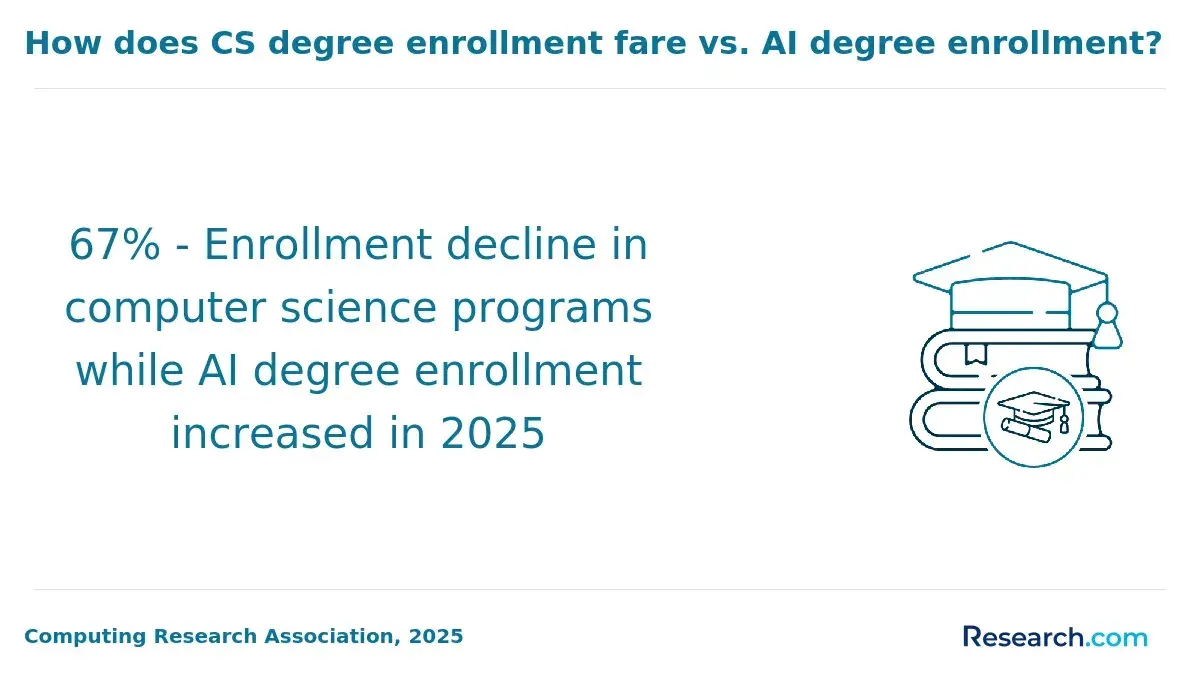
The job outlook for AI professionals with an associate degree is strong, driven by rapid industry expansion. Employment in computer and information technology occupations is projected to grow 15% from 2023 to 2033, significantly faster than the average for all jobs. This growth reflects increased adoption of AI across healthcare, finance, manufacturing, and retail sectors. Such promising employment prospects for AI professionals with associate degrees highlight their relevance in a competitive job market.
Graduates with an associate degree can access entry-level roles such as AI technician, data analyst, machine learning assistant, or software support specialist. These positions emphasize implementing AI systems, maintaining data pipelines, and supporting model deployment, often requiring practical skills gained from associate programs. While advanced AI roles tend to require a bachelor's degree, many employers prioritize proficiency and technical training for supporting core AI infrastructure.
Career pathways for associate degree holders include data management, quality assurance, and AI hardware integration. The fast pace of AI innovation encourages ongoing education and certifications, enhancing competitiveness. For example, specialized training in machine learning frameworks or cloud-based AI platforms complements this foundational education.
Geographic and industry-specific factors further influence opportunities. Tech hubs and strong IT regions typically offer more jobs. Employers also favor multidisciplinary teams, so combining AI knowledge with cybersecurity or networking skills improves prospects. Those considering related fields might explore a game design degree as another affordable educational pathway.
What coursework and technical skills will you learn in an associate degree program in artificial intelligence?
An associate degree in artificial intelligence provides essential coursework in artificial intelligence programming and machine learning, emphasizing foundational technical skills crucial for entry-level AI roles. Python is a core focus due to its prominence in AI development, alongside data structures, algorithms, and software engineering principles designed to create efficient AI systems. Students delve into machine learning fundamentals, including supervised and unsupervised learning, reinforcement learning, and model evaluation techniques.
Mathematics plays a vital role in the curriculum, covering linear algebra, calculus, probability, and statistics to help students implement AI algorithms effectively. Data analysis courses, a key technical skill gained from an associate degree in artificial intelligence, teach learners how to collect, clean, and interpret large datasets, which is critical for AI applications.
Hands-on experience with machine learning frameworks such as TensorFlow and PyTorch equips students with industry-relevant skills. Practical training addresses neural networks, natural language processing, and computer vision, fostering problem-solving abilities crucial for designing and deploying AI solutions. Ethical AI, cloud computing basics, and database management may also be integrated to round out the program.
According to a Coursera survey, proficiency in Python, machine learning frameworks, and data analysis appears in 87% of entry-level AI job postings. For those considering further education, exploring data science masters online can be a strategic next step.
How long does an associate degree in artificial intelligence take to complete, and what does it typically cost?
An associate degree in artificial intelligence typically takes about two years of full-time study at a community college or vocational school, though part-time enrollment can extend the duration to three years or more. Some accelerated programs allow completion in as little as 18 months but are less common and more demanding.
The cost of earning this degree is generally much less than that of a bachelor's degree. Average annual tuition and fees at public two-year institutions were approximately $3,870, amounting to around $7,740 for two years, excluding books and supplies. In contrast, public four-year colleges have higher averages of about $10,230 per year, making associate degrees a more affordable choice.
Variation in costs occurs by state and school, and many students receive financial aid, scholarships, or employer tuition assistance. Online program options may lower costs further by eliminating commuting expenses. It's important to check how well credits transfer to bachelor's programs, which can impact total education time and expenses.
Flexible learning schedules accommodate students balancing work and study, affecting completion times and affordability. Evaluating these factors supports effective planning for those pursuing careers in artificial intelligence.
What are the admission requirements for associate degree programs in artificial intelligence, and do you need prior experience?
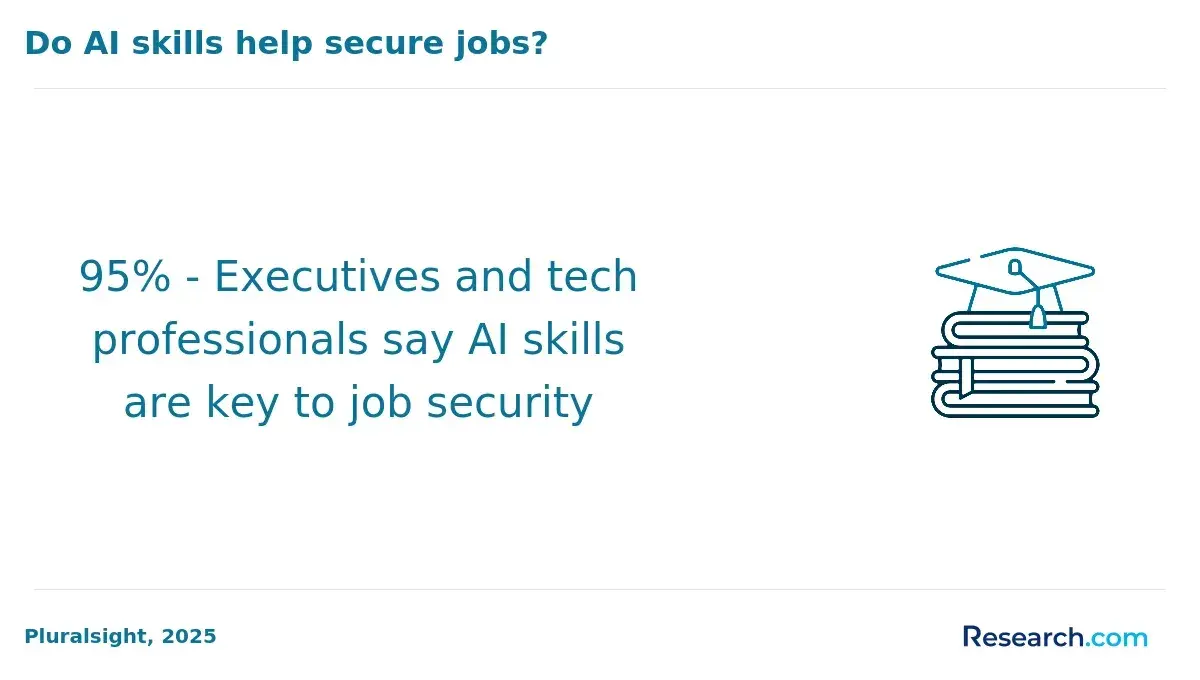
Most U.S. community colleges maintain open enrollment policies for associate degree programs in artificial intelligence, welcoming applicants with a high school diploma or equivalent. According to the American Association of Community Colleges 2024 data, 98% of these institutions do not impose strict prerequisite requirements. While prior experience in computer science or programming isn't mandatory, 67% of incoming students lack this background. Many programs start with foundational concepts and offer bridge courses or co-requisites in algebra, statistics, or introductory programming to help build core skills.
Admission requirements can differ across colleges. Some may require placement tests in math or English to assess the appropriate course level, and a few competitive programs might ask for personal statements or letters of intent, though these are exceptions. This accessibility makes associate degrees an attractive option for working professionals and adult learners aiming to transition into technology-driven careers without formal STEM credentials.
Prospective students concerned about technical skills should review course catalogs and speak with academic advisors to find programs offering tutoring or preparatory support. This ensures alignment with individual backgrounds and career objectives when pursuing artificial intelligence education within accessible and inclusive pathways.
Should you choose an online, hybrid, or campus-based associate degree program in artificial intelligence?
Choosing between online, hybrid, or campus-based associate degree programs in artificial intelligence depends on your learning preferences, career objectives, and lifestyle. Online options offer flexible schedules, enabling students to manage work or family while earning their degree. Data from the National Center for Education Statistics shows that 33% of undergraduates enroll fully online, with STEM students achieving an 89% job placement rate within six months, highlighting online learning as a strong route into the AI job market.
Hybrid programs blend online classes with on-campus sessions, ideal for hands-on learning in areas like machine learning labs and coding workshops without full-time campus attendance. This suits students wanting some face-to-face interaction alongside digital convenience.
Campus-based programs provide direct access to faculty, specialized labs, and peer collaboration, benefiting those seeking structured environments or extensive networking. However, they may require relocation or strict schedules, making them less feasible for working professionals unless evening or weekend classes are offered.
When selecting a program, consider technical support, access to AI tools, and internship availability. Online platforms increasingly provide virtual labs and career services, though some employers still prefer in-person experience. Assess how each format fits your ability to engage with AI topics like data analysis, algorithm design, and ethics to align with your career goals.
What accreditation standards should you verify when choosing an associate degree program in artificial intelligence?
Verifying accreditation is crucial when selecting an associate degree program in artificial intelligence. Prospective students should focus on programs accredited by recognized agencies like ABET (Accreditation Board for Engineering and Technology), the leading accreditor for computing and engineering technologies. ABET accreditation confirms the program meets rigorous standards of educational quality and technical competence. Currently, ABET accredits only 247 computer science associate degree programs nationwide, representing less than 3% of all such programs, which highlights the exclusivity and reliability of this accreditation.
It's also vital to ensure the curriculum matches industry demands, covering coursework in machine learning, data analysis, programming, and the ethical aspects of artificial intelligence. Accreditation from ABET or similar bodies enhances credibility with employers and institutions for potential credit transfers. Institutional regional accreditation also matters, influencing financial aid eligibility and transferability of credits.
Key questions for prospective students include:
- Is the program ABET-accredited or regionally accredited?
- Does the curriculum include essential AI competencies?
- Are faculty experienced in artificial intelligence?
- Does the program offer hands-on learning or internships for practical experience?
Choosing a non-accredited program can hinder job opportunities, delay certifications, or complicate further education. Confirming accreditation status through official ABET listings or the U.S. Department of Education's database protects students' educational investments and career prospects.
Are there professional certifications or industry credentials you should pursue alongside or instead of an associate degree in AI?
Pursuing professional certifications alongside or instead of an associate degree in artificial intelligence can significantly enhance career prospects. Certifications validate specialized skills in areas such as machine learning, data analysis, and AI system deployment, often leading to higher earnings. According to CompTIA, IT professionals holding both an associate degree and industry certifications earn 25-35% more than those with a degree alone. Additionally, certified individuals tend to advance to mid-level roles roughly 18 months faster.
Notable certifications include Microsoft Certified: Azure AI Fundamentals, Google Professional Machine Learning Engineer, and IBM AI Engineering Professional Certificate. These demonstrate expertise in key AI technologies and cloud platforms highly valued in today's job market. For data-driven roles, credentials like Certified Data Scientist or AWS Certified Machine Learning Specialty offer focused recognition.
Beyond technical skills, certifications such as the Certified Analytics Professional (CAP) enhance abilities in interpreting AI outputs and making business-informed decisions, broadening career opportunities.
While some professionals prefer industry certifications in lieu of a formal degree-especially if experienced-combining both delivers the strongest benefits. Certifications are generally shorter and more targeted, offering skill validation with less time and cost compared to degrees.
Decisions should align with career goals, budget, and time availability, as certification programs can be stacked progressively to keep pace with evolving artificial intelligence requirements.
How does an associate degree in artificial intelligence compare to a bachelor's degree or bootcamp training?
An associate degree in artificial intelligence provides a quicker and more affordable route to entry-level roles compared to a bachelor's degree. According to Coursera's 2024 Career Outcomes Report, those with an associate degree start with an average salary of $55,000, $13,000 less than bachelor's graduates who earn about $68,000 initially. Bootcamp graduates fall between these figures at $62,000. However, associate degree holders see the strongest five-year salary growth at 42%, indicating solid long-term career progression and rising earnings.
A bachelor's degree offers a broader, deeper understanding of AI principles, mathematics, and computer science, often leading to specialized or research-focused positions that require strong programming and theoretical skills. It is the preferred choice for those aiming at management or development roles in larger companies.
Bootcamp programs concentrate on practical, intensive training with up-to-date programming and AI tools, ideal for rapid employment or career shifts, though they may lack comprehensive theoretical knowledge.
Prospective students should weigh factors such as time, cost, and career goals. An associate degree balances foundational AI education with practical readiness and opportunity for salary growth, making it a cost-effective option-especially for working professionals seeking advancement without the commitment of a four-year degree or the intensity of a bootcamp.
Other Things You Should Know About Artificial Intelligence
Yes, after earning an associate degree in artificial intelligence, you can pursue further education. Many students choose to obtain a bachelor's degree, specializing in fields like computer science or data science. Additionally, numerous online platforms offer certifications and specialized courses to enhance AI skills.
Artificial intelligence is transforming industries such as healthcare, finance, manufacturing, and transportation by automating routine tasks, improving data analysis, and enabling predictive maintenance. These changes lead to greater efficiency and new service models, though they also raise questions about workforce adaptation and skill requirements.
Python is the most widely used programming language in artificial intelligence due to its simplicity and vast libraries like TensorFlow and PyTorch. Other popular languages include R for statistical analysis, Java for large-scale applications, and C++ for performance-critical systems.
In 2027, the demand for AI skills continues to grow as industries increasingly integrate AI solutions. Companies seek professionals with knowledge in machine learning and data analysis. Opportunities exist for further specialization, including a responsible AI governance master’s, enhancing prospects in this ever-evolving field.
References
- Online vs On-Campus Artificial Intelligence Degrees: Which Is Better? https://hakia.com/degrees/artificial-intelligence/online-vs-campus/
- Criteria for Accrediting Computing Programs, 2025 - 2026 - ABET https://www.abet.org/accreditation/accreditation-criteria/criteria-for-accrediting-computing-programs-2025-2026/
- The AI Generation: How young professionals are navigating the new reality of the job market - Talenti https://talenti.pl/en/materials/the-ai-generation-how-young-professionals-are-navigating-the-new-reality-of-the-job-market/
- Artificial Intelligence Course Duration Guide for 2025 Beginners | Your Blog https://mammothclub.com/blog/artificial-intelligence-course-duration
- Colleges are touting AI degree programs. Here's how to decide if it's worth the cost https://www.cnbc.com/2024/03/02/college-ai-degree-programs-are-booming-will-jobs-exist-for-graduates.html
- Associate Degree in Artificial Intelligence https://aidegreeguide.com/degrees/ai-associate-degree-and-certificate-programs/
- What Do You Learn In an Artificial Intelligence Course? | CompSci https://www.computerscience.org/resources/artificial-intelligence/
- Who Accredits Artificial Intelligence (AI) Degree Programs? - AI Degrees Online https://aidegreesonline.com/accreditation/who-accredits-ai-degree-programs/
- Majors That Will Remain Employable After AI Disruption (Next 10 Years) https://goelite.com/blogs/majors-in-ai-age
- Are there additional certifications I should pursue after co... https://forums.h2kinfosys.com/community/main-category-artificial-intelligence/are-there-additional-certifications-i-should-pursue-after-completing-ai-training-to-boost-my-career-prospects/