2027 Artificial Intelligence Degrees vs Software Engineering Degrees

Co-Founder and Chief Data Scientist
Choosing between an Artificial Intelligence degree and a software engineering degree in 2027 poses a significant dilemma for many career changers. Both fields promise lucrative job prospects but differ in skill focus, application, and curriculum. Prospective students with unrelated undergraduate backgrounds seek programs that offer flexible, accredited pathways to enter the AI industry without redundant coursework. The decision impacts future employability, specialization, and alignment with industry needs.
This article compares key differences in curricula, career outcomes, and flexibility of AI versus software engineering degrees, aiming to guide readers in making an informed educational investment suited to their goals.
Key Things You Should Know
- In 2027, AI degrees emphasize machine learning, data science, and ethics, while software engineering focuses on coding, system design, and software development lifecycles.
- Graduates with AI degrees see a 23% higher average starting salary than software engineering peers, reflecting AI's rapid industry expansion and demand.
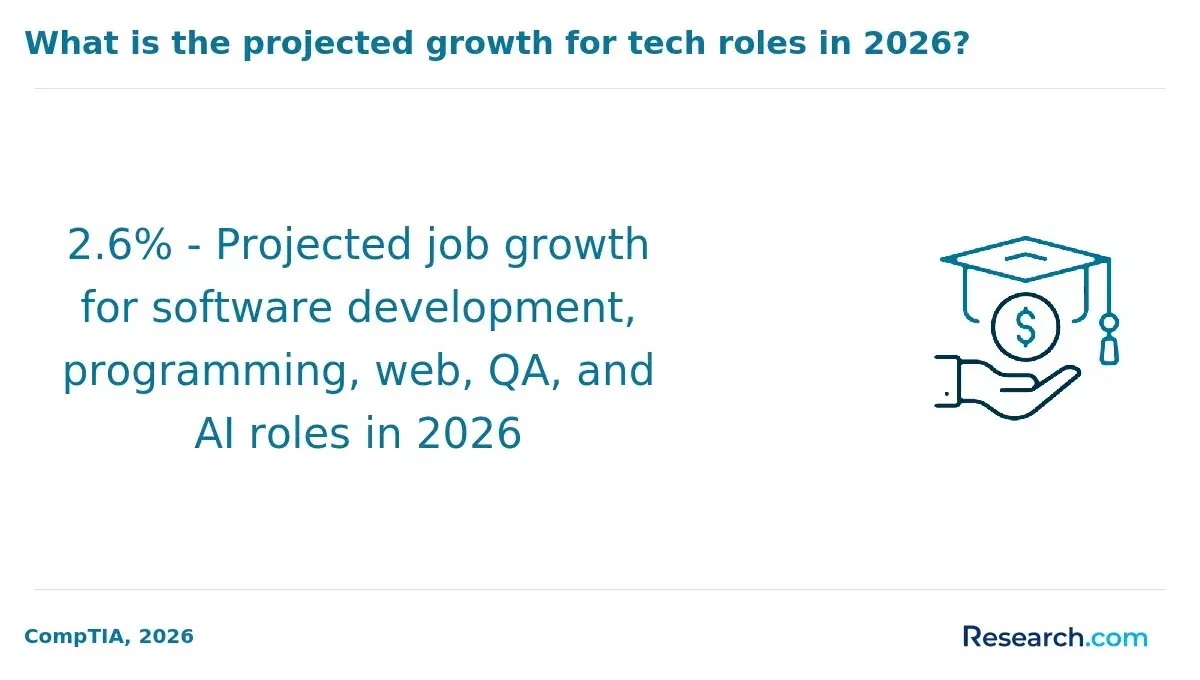
- Employment growth for AI-related roles is projected at 35% through 2030, compared to 22% in software engineering, driven by AI's integration across multiple sectors.
What is the key difference between an artificial intelligence degree and a software engineering degree?
The primary difference between an artificial intelligence degree and a software engineering degree is their targeted skill set. An artificial intelligence degree focuses on specialized areas like machine learning, neural networks, natural language processing, and advanced data analysis. Students gain expertise in designing algorithms that enable machines to mimic human intelligence and support complex decision-making. In contrast, a software engineering degree provides broader instruction on designing, developing, testing, and maintaining software systems without focusing deeply on AI-specific tools or methods.
For example, graduates with an AI degree might work on autonomous vehicle systems or recommendation engines, while software engineers often develop scalable web platforms or enterprise resource management solutions. The curriculum differences in artificial intelligence degree vs software engineering degree curriculum differences emphasize AI through mathematics, statistics, and computer science with an emphasis on model training and optimization. Software engineering covers software architecture, coding principles, and project lifecycles more generally.
Considering career opportunities for artificial intelligence and software engineering graduates, AI roles grew dramatically with job postings surging 74% year-over-year, compared to a 12% rise for software engineering roles. Prospective students can also explore options like a 2 year bachelor degree computer science to enter the tech field faster. Aligning one's education with career goals is crucial, as AI careers demand deep algorithm knowledge, while software engineers benefit from versatile coding and system design skills applicable across industries.
Which degree offers better job prospects and salary potential in the current job market?
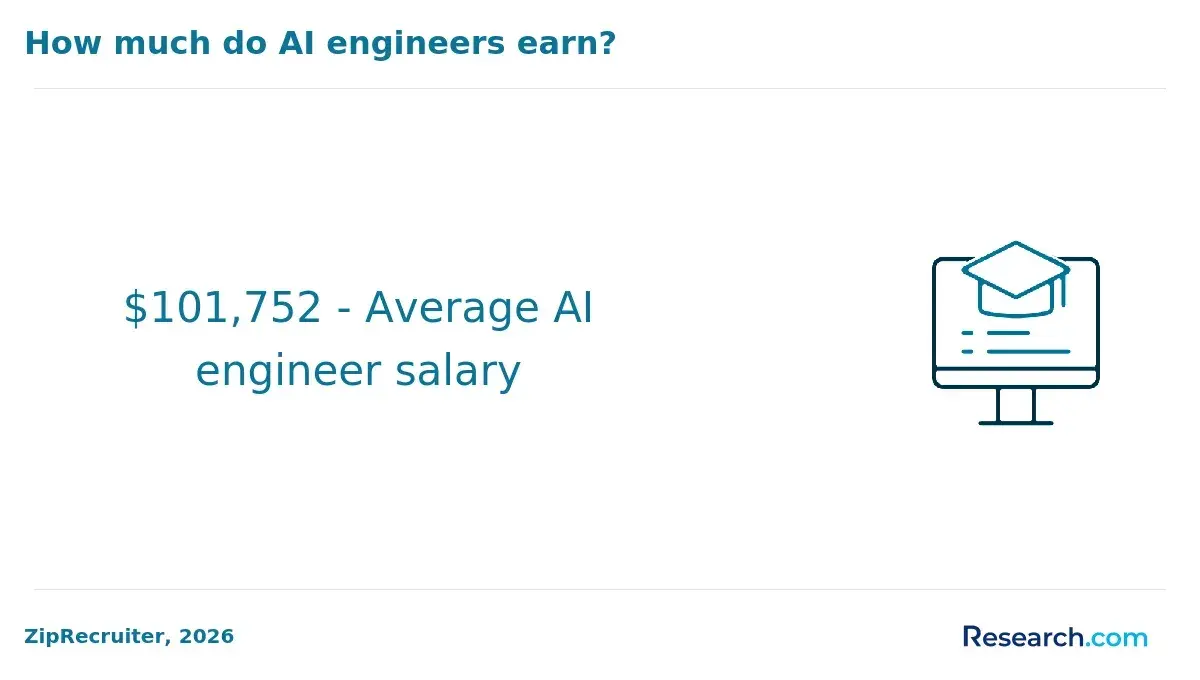
Degrees in artificial intelligence lead to significantly higher salary potential compared to software engineering degrees. The job market outlook for artificial intelligence and software engineering graduates shows that machine learning engineers earn an average salary of $165,000 annually, a 37.5% premium compared to the $120,000 average for software engineers. This wage difference is driven by strong demand for AI expertise in sectors like healthcare, finance, and autonomous systems.
Graduates with an artificial intelligence degree typically pursue careers in emerging technologies such as natural language processing, robotics, and computer vision. These roles require advanced knowledge of neural networks, data science, and statistical modeling-skills that set AI professionals apart from general software engineers. Additionally, many companies prioritize hiring AI talent to develop automation solutions, enhance decision-making algorithms, and handle complex data infrastructures.
While software engineering degrees remain essential for developing scalable software and maintaining IT infrastructure, the market for traditional software roles is more saturated, and salary growth tends to be slower. Backend and full-stack developers generally earn closer to industry-average salaries. For working professionals considering career advancement, specializing in AI-with a focus on machine learning, deep learning, and ethics-can offer faster growth and financial benefits.
Students seeking cost-effective options to enter tech fields may explore an online mechanical engineer degree program as an alternative pathway within STEM education.
What are the core curriculum requirements and coursework differences between AI and software engineering programs?
Core curriculum differences in artificial intelligence and software engineering programs are notable, with AI degrees emphasizing machine learning, neural networks, and deep learning-foundational topics in 79% of AI programs per the ACM Computing Curricula Survey 2024. By comparison, only 23% of software engineering degrees integrate these elements, focusing more on broader software development principles.
Coursework requirements comparison for ai and software engineering degrees shows AI programs often include classes on probabilistic models, computer vision, natural language processing, robotics, and AI ethics. These courses aim to build skills for designing algorithms that replicate cognitive functions, often through projects involving neural network architectures or reinforcement learning applied to real-world issues like autonomous systems and predictive analytics.
Software engineering degrees, meanwhile, concentrate on software lifecycle management, system design, testing, and quality assurance. They cover data structures, algorithms, operating systems, and software architecture, aiming to develop scalable, maintainable applications rather than intelligent systems. Collaborative development methods such as agile and DevOps are also typically part of the curriculum.
Students pursuing AI should expect a strong math focus including linear algebra, calculus, and statistics, which underpin algorithmic strategies. Software engineers encounter these topics to a lesser extent. Prospective students interested in exploring affordable education can find a curated list of online degrees in ai that balance quality and cost.
Are AI and software engineering degrees available in online, hybrid, and campus formats, and how do they compare?
Both artificial intelligence and software engineering degrees are available in online, hybrid, and campus formats, providing flexible learning options adapted to various preferences and lifestyles. Online artificial intelligence degree programs compared to software engineering have seen notably faster growth; between 2022 and 2024, online AI master's enrollment increased by 156%, far outpacing the 42% rise in online software engineering enrollments. This growth reflects a rising demand among working professionals for specialized AI skills that can be earned remotely, accommodating geographic and scheduling constraints.
The differences between hybrid and campus software engineering and AI degrees highlight unique benefits. Campus formats favor hands-on labs and team projects essential for software engineering, while hybrid models blend in-person and remote learning, benefiting AI programs with computational assignments and theory. Hybrid AI tracks often incorporate lab-based tools, easing the transition from theory to practice, whereas campus AI programs offer access to advanced hardware and research facilities less commonly available online.
Career goals and learning styles largely dictate the best choice. Students pursuing immediate workforce entry with remote capability may prefer online AI or software engineering degrees. Meanwhile, those seeking immersive research and collaborative environments should consider hybrid or campus options. For professional growth in data science and related fields, exploring a data science master online program can also be a strategic step.
What are the typical admission requirements and prerequisite knowledge needed for each degree program?
Admission requirements for artificial intelligence degree programs emphasize strong skills in mathematics and computer science. About 94% of these programs require calculus and linear algebra prerequisites, reflecting the crucial role of advanced math concepts such as matrix operations and optimization techniques (Chronicle of Higher Education 2024). Applicants must often demonstrate proficiency in programming languages like Python or Java, along with knowledge of probability, statistics, data structures, and algorithms to manage AI's computational demands.
Software engineering degrees typically have lower math requirements, with around 67% mandating calculus and linear algebra. These programs prioritize coding skills, software development processes, and sometimes computer architecture over abstract math. Discrete mathematics is occasionally expected, but proficiency in programming and engineering principles often takes precedence.
Colleges frequently suggest that students without direct background enhance their preparation through community college courses in calculus or programming before applying. Some top AI programs may ask for experience in machine learning or neural networks, while others focus on quantitative aptitude over specific AI knowledge. Software engineering admissions may accept real-world coding experience even if math prerequisites are incomplete, sometimes with remedial options.
Students targeting AI degrees should focus on strengthening math and programming skills early, whereas those pursuing software engineering can emphasize coding projects and software design while maintaining core math competency. Tailoring preparation to institutional requirements improves admission prospects.
How long does it take to complete an AI degree versus a software engineering degree, and what are the average program costs?
Completing a master's degree in artificial intelligence generally takes two years of full-time study, similar to software engineering master's programs. Both require a solid grounding in computer science and math, but AI curricula often include specialized courses like machine learning, neural networks, and natural language processing. Some institutions offer accelerated or part-time options extending to three or four years, ideal for working professionals.
Tuition costs reveal a notable difference: AI master's degrees average $48,000, about 26% higher than the typical $38,000 for software engineering degrees. This premium covers specialized faculty, advanced research resources, and technologies like cloud computing credits or proprietary software licenses often required for AI study.
Undergraduate programs in both fields typically last four years, though some schools offer 3.5-year bachelor's tracks to help students enter the workforce sooner. As with graduate programs, bachelor's costs tend to be higher for AI-related studies due to their specialization requirements.
Students should weigh program length and costs alongside career goals. AI degrees open opportunities in data science, robotics, and research, making the higher investment worthwhile for many. In contrast, software engineering offers versatile skills with a lower cost and greater flexibility, appealing to those prioritizing affordability and broad applicability.
What professional certifications and credentials complement or enhance AI and software engineering degrees?
Professional certifications significantly enhance both artificial intelligence and software engineering degrees by validating specialized skills beyond academic knowledge. In AI, certifications such as TensorFlow Developer, AWS Certified Machine Learning - Specialty, and Microsoft Certified: Azure AI Engineer Associate demonstrate proficiency with machine learning frameworks and cloud-based AI solutions. These credentials closely match current industry tools, improving employment opportunities. According to Indeed Hiring Lab, professionals with AI degrees plus AI-specific certifications earn 31% more than those with degrees alone.
For software engineering, well-known certifications include Certified ScrumMaster (CSM), AWS Certified Solutions Architect, and Microsoft Certified: Azure Developer Associate. These highlight expertise in agile methodologies, cloud architecture, and software development lifecycles. Indeed Hiring Lab data shows that software engineering certifications correspond to an 18% salary increase over degree-only holders, making these credentials a valuable investment.
Selecting certifications should align with career goals. AI-focused individuals benefit most from credentials emphasizing machine learning, data science, and neural networks, while software engineers should prioritize certifications validating coding, system design, and project management. Combining degrees with certifications addresses employer demands for practical, verifiable skills and helps candidates demonstrate job readiness immediately.
Specialized credentials also enable professionals to pivot careers or enter niche areas such as natural language processing or cloud-native software engineering. Evaluating certifications based on industry relevance and personal career plans maximizes the value of a degree in today's job market.
What specific career roles and job titles are available to graduates of each degree program?
Graduates with artificial intelligence degrees typically pursue specialized roles centered on data-driven decision-making and automation. Common positions include machine learning engineer, data scientist, AI researcher, natural language processing engineer, and computer vision specialist. These roles focus on developing algorithms, designing predictive models, and implementing intelligent systems within industries such as healthcare, finance, and robotics. According to the Bureau of Labor Statistics, AI graduates engage in an average of 8.3 distinct career paths, highlighting a focus on specialized fields.
In contrast, software engineering graduates experience broader career flexibility due to their diverse skills in programming and system design. Typical job titles encompass software developer, systems architect, DevOps engineer, mobile app developer, backend engineer, and quality assurance analyst. Their career opportunities span technology startups, enterprise software, and embedded systems development. Software engineers follow about 14.2 distinct career paths, showcasing adaptability across technical and managerial roles.
Career strategies should weigh these factors carefully. AI degree holders often compete for niche positions requiring expertise in statistics, algorithms, and domain-specific knowledge, while software engineers can pivot among front-end, back-end, and infrastructure roles, sometimes advancing toward product management or technical leadership. Industry demand further influences prospects; AI roles commonly call for advanced degrees or research experience, whereas software jobs emphasize coding skills and project portfolios. Early specialization through internships or certifications can enhance employability in either field.
How do accreditation standards and program quality differ between AI and software engineering degree programs?
Software engineering programs show a markedly higher rate of ABET accreditation at 34%, compared to only 8% for artificial intelligence programs, reflecting more established quality standards in software engineering. This difference arises because software engineering accreditation criteria are mature and widely adopted, while artificial intelligence is a newer, rapidly evolving field with less formalized standards. As a result, software engineering graduates often enjoy greater employer recognition and clearer assurances of program quality in the job market.
Software engineering curricula typically focus on the software development lifecycle, testing, and systems design within stable educational frameworks. In contrast, artificial intelligence programs emphasize diverse areas such as machine learning, data science, and neural networks, with variability in rigor due to limited standardized accreditation. Prospective students should carefully evaluate program specifics, faculty expertise, and research opportunities to determine the quality of AI degrees.
Employers frequently regard ABET accreditation as a benchmark for software engineering roles, while for AI positions, practical experience, published research, or specialized certificates can be more valued given the field's dynamic nature. Students considering artificial intelligence studies are advised to verify either institutional or alternative accreditations that support curriculum quality and faculty qualifications.
Because of these accreditation disparities, those pursuing software engineering benefit from more predictable program quality, while AI candidates must emphasize hands-on experience and alignment with current industry research to enhance their credentials.
Which degree program is better suited for different career goals, learning styles, and professional backgrounds?
Artificial intelligence degrees are tailored for individuals skilled in data-driven problem solving, advanced mathematics, and machine learning techniques. Students strong in abstract thinking and research, with backgrounds in mathematics, physics, or statistics, typically find this path aligns closely with their strengths. According to the Blind Career Progression Study 2024, AI professionals tend to earn faster promotions-averaging 2.1 years compared to 3.4 years in software engineering roles.
On the other hand, software engineering degrees fit those who enjoy building scalable systems and software applications. This route suits learners who thrive in hands-on, project-based settings, emphasizing coding, design, and systems thinking. Graduates with experience in computer science or information technology often transition smoothly into diverse roles across industries, from web development to embedded systems.
For those pursuing research-intensive careers or emerging tech fields, AI degrees provide specialized expertise in frameworks and neural networks. Conversely, software engineering offers versatility across roles such as DevOps, front-end, and backend development, particularly appealing to students who prefer collaborative and practical learning environments.
Students should consider their career goals, preferred learning style, and skill background when choosing between these degrees. AI programs prepare candidates for roles like machine learning engineer or data scientist, while software engineering supports pathways as software developers or systems architects.
Other Things You Should Know About Artificial Intelligence
A solid foundation in mathematics is important for artificial intelligence programs. Topics such as linear algebra, calculus, probability, and statistics are frequently used in algorithms and machine learning models. While some programs offer introductory courses, a basic understanding before entering the degree can be beneficial.
Students typically gain proficiency in programming languages such as Python, Java, and R, with a focus on AI frameworks like TensorFlow and PyTorch. They also learn to work with data analysis tools and develop skills in algorithm design and model evaluation essential for AI applications.
Ethical issues are increasingly incorporated into artificial intelligence curricula. Students learn about the societal impacts of AI, including bias, privacy concerns, and the implications of automation in the workforce. This awareness helps graduates design responsible and fair AI systems.
In 2027, both artificial intelligence and software engineering graduates are in high demand. However, AI experts, particularly those with specialized knowledge from an artificial intelligence policy master’s degree, are increasingly sought after for roles in AI policy and governance, reflecting the growing focus on ethical and societal impacts of technology.
References
- Best AI Certifications to Boost Your Career in 2026 – Dataquest https://www.dataquest.io/blog/best-ai-certifications/
- ABET Accreditation and Artificial Intelligence - ABET https://www.abet.org/accreditation/ai-policy/
- Top AI Certifications for 2026: A Guide to Advancing Your Tech Career | DataCamp https://www.datacamp.com/blog/top-ai-certifications
- Choosing a Major to Support Your Career Goals | Wizeprep Blog https://www.wizeprep.com/blog/choosing-a-major-to-support-your-career-goals
- How to Choose the Right Degree Program for Your Career Goals - https://amrapali.ac.in/blog/2025/01/12/how-to-choose-the-right-degree-program-for-your-career-goals/
- The Most Employable Degrees - Goingto.Universiy https://goingto.university/choosing-a-course/most-employable-degrees/
- How do I know if I meet the entry requirements of a course? https://augstudy.com/guide/course-guide/do-you-meet-entry-requirements/
- Canadian entry requirements https://www.kaplanpathways.com/how-to-apply/entry-requirements/canada/
- These college majors have the best job prospects — and they aren't what students expect https://www.cnbc.com/2025/07/12/college-majors-employment-prospects.html
- Masters’ in artificial intelligence vs computer science | edX https://www.edx.org/resources/should-you-get-a-masters-in-artificial-intelligence-or-computer-science