2027 Best Online Graduate Certificate in Finance Programs

Co-Founder and Chief Data Scientist
An online graduate certificate in finance is a short, graduate-level credential designed for professionals who want advanced finance training without committing immediately to a full master’s degree. It can help career changers build finance fundamentals, help working professionals specialize in areas such as corporate finance or financial planning, and help graduate students test whether a larger degree investment makes sense.
This decision matters because finance roles continue to evolve with analytics, automation, financial technology, regulatory complexity, and employer demand for job-ready skills. According to the U.S. Bureau of Labor Statistics (2025), employment in business and financial occupations is projected to grow by 7% in 2032, which is faster than the average for all occupations. For many learners, an online certificate can be a practical way to move toward specialized finance career paths while keeping work, cost, and time commitments manageable.
This guide explains what online graduate certificates in finance include, how employers view them, what they cost, which programs stand out, how they compare with master’s degrees and professional certifications, and how to decide whether this credential fits your next career move.
Online Graduate Certificate Program in Finance Table of Contents
- Can you get a graduate certificate completely online?
- Will employers take my online graduate certificate seriously?
- Are online graduate certificates recognized all over the world?
- Best Online Graduate Certificate in Finance Programs in 2027
- Online vs. Traditional Graduate Certificate Program in Finance
- How much does an online Graduate Certificate in Finance cost?
- What are the requirements of an online Graduate Certificate program in Finance?
- Courses to Expect in an Online Graduate Certificate Program in Finance
- Things to Look for in an Online Graduate Certificate Program in Finance
- Is a Graduate Certificate in Finance a Cost-Effective Alternative to a Master’s Degree?
- How Do Online Graduate Certificates in Finance Prepare You for Emerging Fintech Innovations?
- What are the potential challenges of online graduate certificates in finance?Fintech preparation
- Is an accelerated MBA online a viable next step after a finance graduate certificate?
- How does the cost and value of an online graduate certificate compare to MBA programs?
- How Do Online Graduate Certificates in Finance Enhance Career Support and Networking Opportunities?
- Can Finance Certificates Complement Other Industry Credentials?
- Comparison of Finance Graduate Certificates with Other Professional Certifications
- How does a graduate certificate in finance impact earning potential?
- Leveraging Online Graduate Certificates as Accelerated Career Paths
- What Are the Best Online Certificate Programs to Consider for Career Advancement?Career accelerationEarning potentialCertification comparisonSelection criteria
Quick Answer: Is an Online Graduate Certificate in Finance Worth Considering?
Yes, an online graduate certificate in finance can be worth considering if you need focused graduate-level training, want to change or advance your finance role, or prefer a shorter and less expensive option than a master’s degree. Most programs require nine to 21 credits, can often be completed in less than a year to 18 months, and may cover topics such as financial management, portfolio analysis, public budgeting, taxation, or financial planning.
The credential is not the same as a master’s degree, and it does not automatically guarantee a promotion, salary increase, licensure, or certification. Its value depends on the school’s accreditation, the curriculum’s relevance to your target role, whether credits can transfer into a degree, and whether the program supports any professional credential you plan to pursue.
| Choose an online finance graduate certificate if... | Consider another path if... |
| You already have a bachelor’s degree and want targeted graduate finance training. | You need a full graduate degree for executive, academic, or highly competitive leadership roles. |
| You want a faster credential than a master’s program. | You need a license or professional designation that has separate exam and work-experience rules. |
| You are testing whether finance graduate study is right for you. | You need extensive recruiting access, in-person networking, or a broad management curriculum. |
| Your employer may help pay for continuing education. | The program is not accredited or does not align with your career goal. |
Can you get a graduate certificate completely online?
Yes. Many higher education institutions now offer fully online graduate certificates in finance. These programs are typically built for working adults and may include asynchronous coursework, live virtual sessions, online discussion boards, digital case studies, and remote access to library and career resources.
Online learning expanded rapidly during the pandemic, but it was already growing before then, especially among graduate students who needed flexibility while employed. In 2025, the National Center for Education Statistics (NCES) reports that approximately 3.1 million students are enrolled in primarily online institutions (POIs) in the United States. The total number of these institutions has grown to around 460 POIs, showing that online higher education remains a major part of the postsecondary landscape (NCES, 2025).
Students comparing finance certificates may also see online options in adjacent fields, from online sustainability degree programs to online business certificates. The key is not whether the format is online; it is whether the school is credible, the curriculum is relevant, and the credential fits the role you want.
Will employers take my online graduate certificate seriously?
Employers are generally more comfortable with online credentials than they were a decade ago, particularly when the credential comes from an accredited institution and the applicant can show relevant skills. The Association to Advance Collegiate Schools of Business has noted that attitudes toward online learning have been changing, especially as business schools and employers rely more heavily on digital training.
In 2025, a survey of U.S. hiring managers conducted by Emeritus found that 78% of respondents are more likely to consider candidates with online education credentials. Employers rated the value of online learning at an average of 7.1 out of 10, suggesting that online programs are increasingly viewed as credible preparation when they are well designed and relevant to the job (Emeritus, 2025).
That said, employer response can vary by company, industry, role, and program quality. A certificate from a recognized, accredited school with courses tied to financial analysis, valuation, accounting, investments, or regulatory knowledge is easier to explain in an interview than a vague or unaccredited credential.
Are online graduate certificates recognized all over the world?
Online graduate certificates can be useful internationally, but recognition is not automatic in every country, employer, or regulated profession. Global employers are increasingly familiar with online education, yet they may still evaluate the issuing institution, accreditation, course rigor, and whether the credential maps to local professional standards.
Coursera’s Learner Outcomes Report surveyed more than 55,000 learners across over 190 countries. According to the report, 85% of learners say they enrolled in courses or programs on Coursera to transform their careers. The report also notes that learners in regions including the United Kingdom, the United States, Mexico, Germany, Brazil, Egypt, and India pursue degrees or career credentials through online platforms.
If global recognition matters to you, choose carefully. Look for regional, national, or programmatic accreditation, and ask whether the certificate appears on an official university transcript. This same advice applies to certificates and to any online finance degree you may pursue later.
Best Online Graduate Certificate in Finance Programs in 2027
The best online graduate certificate in finance is not the same for every student. A financial planner, a public-sector budget analyst, a corporate finance professional, and a career changer may need different coursework and outcomes. Strong programs usually combine accreditation, relevant courses, experienced faculty, flexible scheduling, transparent costs, and a clear connection to career or graduate-degree pathways.
Research.com reviewed available program information, industry reports, and current datasets to identify online finance certificate options with specialized tracks, reasonable completion timelines, career-aligned curricula, and useful academic pathways.
| Program | Best fit | Credits or courses | Approximate timeline |
| Boston University | Financial management or international finance learners who want a recognized university option | 16 credits | Nine months |
| Stony Brook University | Working professionals who may later apply credits to an MS in Finance or MBA in Finance | 18 credits | Approximately one year, with up to three years allowed |
| Harvard University | Learners seeking stackable certificates in corporate finance or finance principles | 4 courses | Approximately 18 months, with up to three years allowed |
| Lasell University | Aspiring financial planners preparing for the CFP® exam | Approximately 21 credits, 7 courses | Approximately 18 months |
| Pennsylvania State University | Students interested in public budgeting, financial engineering, or taxation | 9 credits | One year |
1. Boston University
Boston University’s online Financial Management graduate certificate is offered through BU’s Metropolitan College and is also available in on-campus and blended formats. The program is open to bachelor’s degree holders from accredited institutions, regardless of undergraduate major, and can provide a pathway into management degrees at BU’s Metropolitan College. The curriculum consists of four courses and covers core areas such as capital budgeting, cash management, risk management, long-term financing, and portfolio diversification. BU also offers an online graduate certificate in International Finance, and the Financial Management curriculum can help prepare learners for the Chartered Financial Analyst (CFA) exams.
- Program Length: Nine months
- Tracks/concentrations: Financial Management; International Finance
- Cost per Credit: Approximately $962.50 per credit ($15,400 total)
- Required Credits to Complete: 16 credits
- Accreditation: New England Commission of Higher Education (NECHE)
2. Stony Brook University
Stony Brook University’s Advanced Graduate Certificate in Finance is offered through its College of Business. SBU is part of the State University of New York (SUNY) system, and its College of Business is accredited by the Association to Advance Collegiate Schools of Business (AACSB). The program is designed for professionals who want part-time graduate study and may be considering careers in financial management. Students who complete the certificate may transfer up to 12 credits into SBU’s MS in Finance or MBA in Finance.
- Program Length: Approximately one year (allows up to three years to complete the program)
- Tracks/concentrations: Advanced Graduate Certificate in Finance
- Cost per Credit: $471 for residents, $565 for out-of-state residents
- Required Credits to Complete: 18 credits
- Accreditation: Middle States Commission on Higher Education (MSCHE)
3. Harvard University
Harvard Extension School offers graduate certificates in Corporate Finance and Principles of Finance, with online and campus options. Both certificates may be stacked toward Harvard Extension School’s Master’s in Management or Finance degrees. Corporate Finance is aimed at financial services professionals who want deeper training in financial analysis and decision-making. Principles of Finance is more suitable for students without a finance background who need a structured introduction to financial management, accounting, financial systems, economics, and investments.
- Program Length: Approximately 18 months (allows up to three years to complete the program)
- Tracks/concentrations: Corporate Finance; Principles of Finance
- Cost per Credit: $3,220 per four-credit course ($805 per credit)
- Required Credits to Complete: 4 courses (the number of credits per course can vary)
- Accreditation: New England Commission of Higher Education (NECHE)
4. Lasell University
Lasell University’s Financial Planning Certificate is a 100% online, seven-course program designed to prepare learners for the Certified Financial Planner® (CFP®) exam. Courses are delivered in eight-week sessions and are registered with the CFP® Board of Standards. The curriculum includes a capstone and focuses on financial planning, financial statements, debt management, insurance evaluation, investment portfolio analysis, and financial strategy development. The program is offered through Lasell’s Longe School of Business, which is accredited by the Accreditation Council for Business Schools and Programs (ACBSP).
- Program Length: Approximately 18 months
- Tracks/concentrations: Financial Planning
- Cost per Credit: $700 per course
- Required Credits to Complete: Approximately 21 credits (7 courses)
- Accreditation: New England Commission of Higher Education (NECHE)
5. Pennsylvania State University
Pennsylvania State University World Campus offers online graduate certificates in Public Budgeting and Financial Management, Financial Engineering, and Taxation. Public Budgeting and Financial Management is a strong fit for administrators and finance professionals in nonprofit or government settings, and credits can be applied toward a Master’s in Public Administration. Financial Engineering focuses on risk management strategies and financial instruments. The Taxation certificate can be applied toward a Master’s in Taxation or used to satisfy educational requirements to sit for the Certified Public Accountant (CPA) exam in most states.
- Program Length: One year
- Tracks/concentrations: Public Budgeting and Financial Management; Financial Engineering; Taxation
- Cost per Credit: $1,007 per credit
- Required Credits to Complete: 9 credits
- Accreditation: Middle States Commission on Higher Education (MSCHE)
Online vs. Traditional Graduate Certificate Program in Finance
Online and campus-based graduate certificates often cover the same academic content, use similar assessments, and may be taught by the same faculty. The bigger differences usually involve schedule structure, networking format, classroom interaction, commute requirements, and how much self-direction the student needs.
In 2025, the Risepoint Voice of the Online Learner Report found that 87% of online learners work while pursuing their degrees, and 78% study in programs related to their current industry. Those figures help explain why online graduate finance certificates appeal to professionals who want career-relevant coursework without pausing employment (Risepoint, 2025).
| Format | Best for | Main advantage | Main trade-off |
| Fully online asynchronous | Working adults with unpredictable schedules | Most flexible option for completing lessons and assignments | Requires strong self-management and less live interaction |
| Online synchronous | Students who want structure but cannot attend campus | Live classes create real-time discussion and accountability | Class times may conflict with work or family obligations |
| Hybrid or blended | Learners who want both flexibility and periodic in-person contact | Balances online work with face-to-face engagement | Requires travel to campus or scheduled residencies |
| On campus | Students who prefer classroom interaction and local networking | More direct access to faculty, peers, and campus resources | Less flexible and may require commuting or relocation |
Flexibility
Flexibility depends on the delivery model. A fully online asynchronous program usually gives students the most control because lectures, readings, and assignments can be completed around work hours. Hybrid programs combine online study with scheduled campus sessions, often on evenings or weekends. Campus programs usually provide the least scheduling flexibility because students attend class at set times and complete most activities with the cohort.
Learner Outcomes
Online and traditional certificates can support similar career and academic outcomes when they come from accredited institutions and use comparable curricula. Before enrolling, ask the school whether the certificate appears on a transcript, whether credits can transfer into a master’s program, whether career services are available to certificate students, and whether the coursework aligns with the roles you are targeting.
Learning Styles
In 2025, a survey of online graduate students found that approximately 58% prefer asynchronous learning, 22% favor synchronous classes, and 20% prefer a combination of both formats (Risepoint, 2025). That means “online” does not describe one learning experience. Some students want live discussion and deadlines; others need maximum scheduling independence.
If you learn best through conversation, look for programs with live sessions, team projects, office hours, and active discussion boards. If you prefer independent work, prioritize asynchronous courses with clear weekly milestones and strong instructor feedback.
Is an online graduate certificate cheaper?
An online graduate certificate is often less expensive than a master’s degree because it requires fewer credits and takes less time. A master’s program may require one to two years of study, while a finance certificate usually requires nine to 21 credits and may be completed in less than a year to 18 months. However, the exact cost depends on tuition, fees, residency rules, technology charges, and whether financial aid or employer reimbursement applies.
Is an online graduate certificate as good as a regular degree?
A graduate certificate is not academically equivalent to a master’s degree or doctorate. It is narrower and shorter. However, it can still be valuable if it develops skills needed for a specific role, helps satisfy requirements for a professional credential, or provides stackable credits toward one of the highest-paying business master’s degrees. For promotion decisions, some employers may value a focused certificate when it directly supports job performance.
How much does an online Graduate Certificate in Finance cost?
Tuition for online finance certificate programs can range from $300 to almost $3,000 per credit. The final price depends on the institution, number of credits, residency status, and whether the school charges separate online, technology, registration, student association, application, or international student fees. For example, the 12-credit online graduate certificate in finance at George Washington University (GSW), a private school, is $1,965 per credit (GWU, n.d.). Other schools charge between $400 and $1,000 per credit.
Fees can materially change the final bill. At Stony Brook University, the technology fee for 12 credits is $445 and the college fee is $142, bringing the total estimated cost of the program to approximately $12,500 (Stony Brook University, 2025). Students should compare total program cost rather than tuition alone.
Full-time graduate students pursuing a master’s degree can expect to pay an average of $31,200 at public institutions and $64,500 at private schools in 2025 (Education Data Initiative, 2025). A Master’s in Finance through Harvard Extension School has an estimated total tuition of $40,200, while a Corporate Finance Graduate Certificate from the same school costs approximately $13,450 in tuition (Harvard Extension School, 2025). These figures show why certificates can be attractive to students who want specialized finance training but are not ready for the cost of a full degree.
Financial aid can be more limited for certificate students than for degree-seeking graduate students. Still, some schools offer payment plans, discounts, or loan options, and some employers cover certificate coursework. Research on tuition benefits shows that employer tuition reimbursement programs have expanded in some contexts. In 2025, Strategic Education, Inc. (SEI) conducted a national survey of U.S. workers and found that only about 54% of employees utilized their employer tuition benefits (SEI, 2025).
| Cost item | Why it matters | Question to ask |
| Tuition per credit | Most programs price certificates by credit or course. | What is the total tuition for the full certificate? |
| Required credits | A lower per-credit rate may still cost more if the program requires more credits. | How many credits or courses are required? |
| Student and technology fees | These charges may not appear in advertised tuition. | What mandatory fees apply to online certificate students? |
| Books and software | Finance courses may require statistical tools, calculators, databases, or textbooks. | Are course materials included in tuition? |
| Employer reimbursement | Employer support can significantly reduce out-of-pocket cost. | Does my employer cover graduate certificates, and are grades required for reimbursement? |
| Transferability | Credits that apply to a master’s degree may increase long-term value. | Can certificate credits be applied to a graduate degree later? |
Is an online Graduate Certificate in Finance program worth it?
An online graduate certificate in finance is most likely to be worth it when the program is tied to a specific career outcome. Before enrolling, define whether you want to move into financial analysis, financial planning, public budgeting, corporate finance, risk management, taxation, or another finance-related role. This planning is especially important if you are also considering a broader business management career.
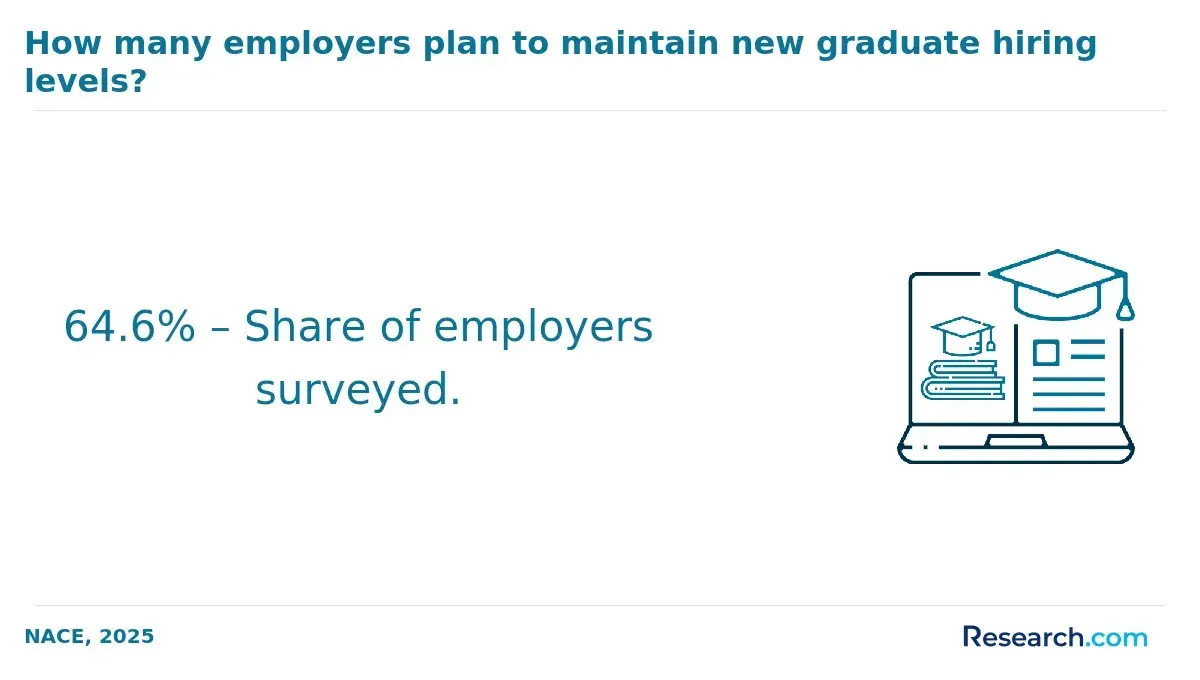
Salary potential varies by role, employer, region, experience, and credentials. The U.S. Bureau of Labor Statistics (2025) reports a median annual salary of $101,000 for personal financial advisors. Other high-earning positions include financial analysts ($108,500), accountants ($87,200), hedge fund managers ($161,300), and actuaries ($131,100), according to LinkedIn Salary Insights (2025).
A certificate can have a strong return on investment if it helps you qualify for a better-fit role, move into a higher-paying specialty, earn a promotion, or apply credits toward a degree. It is less likely to be worthwhile if the program is expensive, unaccredited, disconnected from your target job, or marketed with unrealistic salary promises.
What are the requirements of an online Graduate Certificate program in Finance?
Most online graduate certificate programs in finance require applicants to hold a bachelor’s degree or an equivalent postsecondary credential. Many programs do not require an undergraduate major in finance, which can make certificates useful for professionals coming from accounting, economics, data analytics, operations, business, public administration, or other fields. Students who completed an affordable online bachelor’s degree may also qualify if the institution meets the program’s admission standards.
Common Admission Requirements
- GPA. Many programs expect a 3.0 GPA on a 4.0 scale or an equivalent academic record. Applicants usually submit official transcripts. If an applicant does not meet the GPA threshold, some schools may request GRE or GMAT scores.
- Application materials. Schools may ask for two to three recommendation letters, a résumé, a personal statement, an essay, or proof of professional experience.
- English proficiency. International applicants and students whose first language is not English may need standardized English proficiency test scores. Minimum accepted scores are usually listed by the institution.
Skills Needed to Succeed
- Academic discipline. Graduate certificate courses are condensed and specialized, so students must keep up with readings, quantitative assignments, cases, and deadlines.
- Communication. Finance professionals often explain complex findings to executives, clients, regulators, or nonfinance teams. Online coursework can help students practice written, visual, and virtual communication.
- Analytical and creative thinking. Finance roles require interpreting data, evaluating risk, solving problems, and making defensible recommendations under uncertainty.
According to the World Economic Forum’s Future of Jobs Report 2025, employers continue to emphasize evolving skills. Creative thinking (74.5%) tops the list, followed by analytical thinking (72.8%), technological literacy (69.1%), curiosity and lifelong learning (67.5%), and resilience, flexibility, and agility (66.3%) (World Economic Forum, 2025). These skills are highly relevant to finance students, especially as analytics and automation reshape the field.
What are the technological requirements of students for online learning?
Online finance students need reliable technology because coursework may include video lectures, virtual meetings, spreadsheet modeling, online exams, downloadable textbooks, finance software, and large file submissions. Most schools do not require cutting-edge hardware, but they do expect students to use a system capable of running the learning platform and required applications.
Common minimum technology expectations include:
- Microsoft Office Suite or an equivalent program, plus Adobe Acrobat Reader
- A working webcam and microphone; headphones, speakers, and a printer may be recommended
- A reliable high-speed broadband connection with at least 2MB upload and download speed
- Chrome or Mozilla Firefox as the primary browser
- An Intel i3 processor or similar or higher specifications
- 4GB or higher RAM
- 256GB of hard drive space
- Windows 10 or the latest Mac OS
Always confirm requirements with the school before enrolling. Some finance courses may use specific statistical tools, proctoring platforms, spreadsheet add-ins, or financial databases that require additional software compatibility.
Courses to Expect in an Online Graduate Certificate Program in Finance
Finance graduate certificate courses vary by specialization. Some programs emphasize corporate finance, some focus on public budgeting or taxation, and others prepare students for financial planning or investment-related work. In general, the coursework is narrower than a master’s program but more advanced than undergraduate finance study.
| Course area | What students learn | Career relevance |
| Financial Management | Planning, budgeting, capital allocation, cash management, long-term financing, and financial decision-making. | Useful for corporate finance, management, budgeting, and advisory roles. |
| Investment Analysis and Portfolio Management | Risk assessment, performance evaluation, asset classes, portfolio construction, and investment products. | Relevant to analyst, wealth management, and investment support roles. |
| Financial Markets and Institutions | How banks, insurers, markets, regulations, and global financial systems operate. | Helpful for banking, compliance, financial services, and policy-oriented finance roles. |
| Taxation | Tax rules, planning principles, compliance issues, and accounting-related applications. | Relevant for accounting, tax advisory, and CPA-adjacent pathways. |
| Public Budgeting | Government and nonprofit budgeting, fiscal policy, resource allocation, and public financial management. | Useful for public administration and nonprofit finance professionals. |
- Financial Management. Students examine how individuals and organizations plan, manage, and allocate financial resources. The course may cover investment decisions, financing options, financial goal setting, and risk controls. Students interested in company-wide decision support may pair finance training with an online master’s in business intelligence.
- Investment Analysis and Portfolio Management. This course introduces methods for assessing risk, measuring performance, comparing asset classes, and selecting financial products for a portfolio. Learners interested in risk-focused roles may also compare finance certificates with online risk management graduate programs.
- Financial Markets and Institutions. Students study financial market regulation, performance measurement, banks, insurers, and the role of financial systems in the global economy.
Coursera’s 2025 Global Learner Outcomes Report found that online learners often pursue coursework to develop skills for advancement or promotion (33%), learn skills for a different role (30%), or gain skills for a first professional job (19%). A well-chosen finance certificate should connect directly to one of those goals.
Things to Look for in an Online Graduate Certificate Program in Finance
Cost and school reputation matter, but they are not enough. The best program for you should match your target role, learning style, budget, and long-term education plan. Use the following factors to compare options before applying.
- Accreditation. Confirm that the institution is regionally or nationally accredited. If you are choosing a business school, programmatic accreditation such as AACSB or ACBSP may add credibility, depending on your goals.
- Career-focused curriculum. Review every required course. A strong certificate should teach skills that map to your next role, such as valuation, budgeting, portfolio analysis, financial planning, taxation, risk management, or financial reporting.
- Transferable credits. If a master’s degree may be in your future, ask whether certificate credits can be applied to a relevant graduate degree and whether there are time limits or grade requirements.
- Student support services. Online certificate students may need advising, technical support, tutoring, career coaching, résumé reviews, interview preparation, or access to networking events.
- Financing options. Ask whether certificate students qualify for payment plans, employer billing, military or disability-related discounts, institutional aid, or loan assistance.
- Scheduling format. Check whether classes are asynchronous, synchronous, hybrid, accelerated, or cohort-based. A flexible schedule is only useful if it fits how you actually learn.
- Credential alignment. If you plan to pursue CFA, CFP®, CPA, or another credential, confirm whether the program helps meet educational requirements or simply provides related preparation.
| Common mistake | Why it can hurt you | Better approach |
| Choosing only by school name | A prestigious name does not guarantee the right coursework for your goal. | Compare course content, faculty, credit transfer, and career outcomes. |
| Ignoring accreditation | Unaccredited credentials may not be accepted by employers or graduate schools. | Verify institutional and, when relevant, business-school accreditation. |
| Looking only at tuition | Fees, books, technology, and software can raise total cost. | Request a full cost-of-attendance estimate for certificate students. |
| Assuming certification eligibility | Professional credentials often have separate education, exam, ethics, and work rules. | Confirm requirements with the credentialing body and the school. |
| Overlooking credit transfer rules | Some certificate credits may not apply to a future master’s degree. | Get transfer policies in writing before enrolling. |
| Underestimating online workload | Short programs can be intense, especially for working adults. | Ask about weekly time expectations and course pacing. |
Is a Graduate Certificate in Finance a Cost-Effective Alternative to a Master’s Degree?
A graduate certificate can be a cost-effective alternative to a master’s degree when you need targeted finance skills rather than a broad graduate curriculum. Because certificates usually require fewer credits and less time, students may be able to build marketable expertise without taking on the higher tuition and opportunity costs of a full degree.
The certificate route is especially practical for professionals who already have a degree, know the finance specialty they want, or need a credential quickly for a role change. A master’s degree may be the better investment for students seeking deeper theory, broader leadership training, more extensive recruiting access, or roles that strongly prefer graduate degrees. If cost is the main barrier to a full degree, compare certificate options with the most affordable online master’s in finance programs before deciding.
How Do Online Graduate Certificates in Finance Prepare You for Emerging Fintech Innovations?
Finance work increasingly involves digital tools, data analytics, automation, and technology-enabled decision-making. Many graduate certificates now include exposure to financial technologies such as blockchain applications, analytics tools, and artificial intelligence used in risk assessment, investment strategy, compliance, and forecasting.
Students should look for programs that use current case studies, spreadsheet modeling, analytics assignments, and examples from digital finance rather than purely theoretical coursework. Professionals who want to connect finance specialization with broader organizational leadership and technology strategy may also compare certificate options with online DBA programs.
What are the potential challenges of online graduate certificates in finance?
Online finance certificates can be efficient, but they are not effortless. Students may have fewer informal networking opportunities than campus learners, less in-person access to faculty, and limited hands-on exposure unless the program intentionally builds in projects, simulations, or case-based work. The short timeline can also make courses feel intense.
Quality varies across institutions, so students should evaluate accreditation, faculty qualifications, curriculum depth, student support, and credit transfer policies. If you want broader business training or a more immersive academic experience, a short business degree option such as one of the best 1 year MBA programs may be worth comparing.
Is an accelerated MBA online a viable next step after a finance graduate certificate?
Yes, an accelerated MBA online can be a logical next step if your finance certificate helped you build technical expertise and you now want broader management training. A certificate may strengthen your foundation in areas such as corporate finance, financial analysis, or planning, while an MBA can add strategy, leadership, operations, marketing, and organizational decision-making.
This path makes the most sense for professionals moving from specialist roles into management or executive responsibilities. If you want a faster business degree after completing a certificate, review whether an accelerated MBA online accepts transfer credits, offers finance electives, and fits your work schedule.
How does the cost and value of an online graduate certificate compare to MBA programs?
An online graduate certificate in finance is usually shorter and less expensive than an MBA because it focuses on a narrower set of finance courses. This can be valuable when you need a specific skill set quickly, such as financial modeling, budgeting, financial planning, or taxation.
An MBA usually costs more and takes longer, but it may provide broader business training, stronger alumni networks, internship or recruiting opportunities, and preparation for management roles beyond finance. To compare options realistically, examine total tuition, fees, time to completion, career services, and opportunity cost. Students considering a full MBA should review online MBA fees alongside certificate costs.
How Do Online Graduate Certificates in Finance Enhance Career Support and Networking Opportunities?
Strong online finance certificate programs extend beyond recorded lectures. They may offer résumé reviews, interview coaching, virtual career fairs, employer panels, alumni events, professional mentoring, faculty office hours, and peer networking groups. These services matter because a short credential is more powerful when students can connect new skills to job opportunities.
Before enrolling, ask whether certificate students receive the same career support as degree-seeking students. Also ask whether the program has finance-focused employer relationships or only general university career services. If you are still building an undergraduate foundation in a related field, you may also compare finance certificates with the most affordable online bachelor’s in economics degree options.
Can Finance Certificates Complement Other Industry Credentials?
Finance certificates can pair well with credentials in other sectors when your goal is to manage budgets, evaluate investments, analyze costs, or support strategic decisions in a specialized industry. For example, healthcare, technology, government, nonprofit, and sustainability-focused organizations all need professionals who understand financial trade-offs.
A finance graduate certificate may complement another field-specific credential by adding budgeting, planning, forecasting, and financial analysis skills. Someone pursuing healthcare leadership, for instance, may compare finance training with the fastest online healthcare administration degree options to decide which credential better supports their target role.
Comparison of Finance Graduate Certificates with Other Professional Certifications
A graduate certificate in finance and a professional certification are not interchangeable. A graduate certificate is an academic credential issued by a college or university. Professional certifications such as CFA, CFP®, and CPA are typically governed by separate professional bodies and may include exams, ethics requirements, education rules, and work-experience standards.
| Credential type | Primary purpose | Best for | Important limitation |
| Graduate certificate in finance | Build focused graduate-level academic knowledge in a finance area. | Career changers, working professionals, or students testing graduate study. | Not the same as a professional license or full degree. |
| CFA | Demonstrate investment analysis and portfolio management expertise through a rigorous exam pathway. | Investment, asset management, and research professionals. | Requires more than completing a university certificate. |
| CFP® | Prepare for professional financial planning practice. | Aspiring personal financial planners and advisors. | Must meet CFP® Board requirements beyond coursework. |
| CPA | Support accounting, auditing, taxation, and public accounting pathways. | Accounting and tax professionals. | State rules vary, and certificate credits may not satisfy every requirement. |
A certificate can be a useful stepping stone toward professional certification if it provides relevant coursework. However, students should never assume that a certificate alone satisfies credentialing rules. For learners primarily focused on affordability, reviewing the cheapest online graduate certificate programs can help identify lower-cost academic options.
How does a graduate certificate in finance impact earning potential?
A graduate certificate may improve earning potential if it helps you qualify for a higher-value role, move into a specialized finance function, or demonstrate skills your employer rewards. The credential itself does not guarantee a salary increase. Outcomes depend on experience, job market conditions, employer needs, location, and how closely the certificate matches your target role.
Common career targets for finance certificate students include financial analyst, investment analyst, financial planner, budget analyst, tax specialist, and finance manager pathways. The U.S. Bureau of Labor Statistics reports that mid- and senior-level professionals in several finance-related roles can earn salaries well into six figures. Specialized coursework in risk management, corporate finance, investment analysis, taxation, or financial planning can help candidates compete for roles requiring deeper technical knowledge.
Some programs also let students apply credits toward a master’s degree, which can improve long-term value if graduate education is part of the plan. If salary is a central part of your decision, compare finance pathways with broader salary-focused resources such as college majors with high earning potential.
Leveraging Online Graduate Certificates as Accelerated Career Paths
Online graduate certificates in finance can act as accelerated career pathways because they focus on a defined skill set and can often be completed faster than a full degree. They are especially useful for professionals who need to show current knowledge in corporate finance, public budgeting, taxation, financial planning, or investment analysis.
The strongest pathway is usually stackable. If your certificate credits can later apply toward a master’s degree, you can gain a short-term credential now while preserving a longer-term academic option. This can be helpful for students who are not ready for a full master’s program but want to keep that door open. Learners interested in faster academic progression may also compare certificates with accelerated online finance degree programs.
To use a certificate strategically, connect it to a concrete next step: a promotion conversation, a career pivot, a certification exam plan, a graduate degree application, or a portfolio of finance projects you can discuss with employers.
What Are the Best Online Certificate Programs to Consider for Career Advancement?
The best online certificate program for career advancement is the one that closes a specific skills gap for the role you want. In finance, that may mean a certificate in corporate finance, financial planning, public budgeting, taxation, financial engineering, investments, or financial management. Outside finance, business, analytics, accounting, economics, healthcare administration, and sustainability certificates may also support career goals depending on your industry.
Start by identifying the job titles you want, then compare certificates based on curriculum, accreditation, cost, credit transfer, career services, and employer recognition. If you are still exploring fields, Research.com’s guide to the best online certificate programs can help you compare broader options before narrowing your search.
How to Choose the Right Online Graduate Certificate in Finance
- Define the outcome first. Decide whether you want a promotion, career change, certification preparation, graduate-degree pathway, or technical skill upgrade.
- Match courses to job postings. Review job descriptions for your target roles and look for repeated skills such as valuation, budgeting, modeling, taxation, risk analysis, or portfolio management.
- Verify accreditation. Confirm institutional accreditation and, when relevant, business-school accreditation.
- Calculate total cost. Include tuition, fees, software, books, travel, and lost time. Do not rely only on advertised tuition.
- Ask about transfer credits. If you may pursue a master’s degree, confirm which credits transfer and under what conditions.
- Check career support access. Make sure certificate students can use career coaching, alumni networking, and employer events.
- Confirm credential alignment. If you are pursuing CFA, CFP®, CPA, or another credential, verify requirements directly rather than relying on marketing language.
- Assess workload honestly. A short online program can still be demanding. Ask how many hours per week each course requires.
Achieving Your Finance Career Goals, One Step at a Time
Not every professional aiming for the best-paying jobs for finance majors has the time, budget, or need to begin with a full graduate degree. An online graduate certificate in finance can be a practical middle step: advanced enough to build specialized skills, shorter than a master’s program, and flexible enough for working adults.
If a master’s or doctoral degree is part of your long-term plan, a certificate can help you start gradually, earn stackable credits, and clarify which finance specialty fits your goals. If your goal is immediate career mobility, focus on programs that teach skills employers actually request and that connect to the roles you are pursuing.
Key Insights
- Online finance certificates are short, focused credentials. Most require nine to 21 credits and are designed for targeted graduate-level training rather than broad degree study.
- Employer acceptance is stronger when the school is credible. Online credentials are more widely accepted, but accreditation, curriculum quality, and demonstrated skills still matter.
- Certificates are not substitutes for every credential. A finance certificate may support CFA, CFP®, CPA, or master’s preparation, but those pathways have separate requirements.
- Total cost is more important than tuition alone. Fees, technology requirements, software, books, and transfer policies can change the real value of a program.
- The best program depends on your target role. Financial planning, taxation, public budgeting, corporate finance, and investment analysis require different coursework.
- Stackable credits can improve ROI. A certificate that transfers into a master’s degree can provide short-term value while preserving a longer-term education pathway.
- Avoid vague programs. Choose a certificate with transparent outcomes, clear course descriptions, student support, and a direct connection to your career plan.
References:
- Get Ahead by LinkedIn News (n.d.). 10 Best-Paying Jobs in Finance. LinkedIn. https://www.linkedin.com/pulse/10-best-paying-jobs-finance-get-ahead-by-linkedin-news
- Hanson, M. (n.d.). Average Cost of a Master’s Degree. Education Data Initiative. https://educationdata.org/average-cost-of-a-masters-degree
- Harvard University (n.d.). Finance Master’s Degree Program. https://extension.harvard.edu/academics/programs/finance-graduate-program/#outcomes
- Kogan, V. (n.d.). Do employers value online learning? FutureLearn. https://www.futurelearn.com/info/do-employers-value-online-learning
- Strategic Education, Inc. (n.d.). Development Survey on Employee Sentiment During the Great Resignation. https://assets.website-files.com/6287a343bce7743f293e9ecf/629a12a6ea253e44b11e8024_SEI%20Workforce%20Survey%20Report%205.18.22.pdf
- US Bureau of Labor Statistics (n.d.). Occupational Outlook Handbook, Business and Financial Occupations. https://www.bls.gov/ooh/business-and-financial/home.htm
- National Center for Education Statistics. (2025). Distance education at degree-granting postsecondary institutions: 2025. U.S. Department of Education. https://nces.ed.gov/programs/coe/indicator/del
- U.S. Bureau of Labor Statistics. (2025). Business and financial operations occupations. U.S. Department of Labor. https://www.bls.gov/ooh/business-and-financial/home.htm
- Emeritus. (2025). Employer perceptions of online learning 2025. https://emeritus.org/research/online-learning-trends-2025
- Risepoint. (2025, July 1). The 2025 Voice of the Online Learner report reveals career‑focused, AI‑aware learners demand flexibility and connection. https://risepoint.com/news/the-2025-voice-of-the-online-learner-report-reveals-career-focused-ai-aware-learners-demand-flexibility-and-connection/
- Stony Brook University. (2025). Graduate certificate in finance: Tuition and fees. https://www.stonybrook.edu/academics/graduate/finance/certificate/tuition-fees
- Education Data Initiative. (2025). Graduate school tuition and fees report 2025. https://educationdata.org/graduate-school-tuition-and-fees
- Harvard Extension School. (2025). Tuition and fees: Finance programs. https://www.extension.harvard.edu/academics/programs/finance/costs
- Strategic Education, Inc. (2025). National survey on employee continuing education 2025. https://www.strategiceducation.com/research/employee-education-survey-2025
- U.S. Bureau of Labor Statistics. (2025). Occupational employment and wages: Business and financial operations occupations. U.S. Department of Labor. https://www.bls.gov/ooh/business-and-financial/home.htm
- World Economic Forum. (2025). The future of jobs report 2025. https://www.weforum.org/reports/future-of-jobs-report-2025
Other Things You Should Know About Online Graduate Certificate in Finance Programs
Yes, online graduate certificate programs in finance for 2027 should be accredited by recognized bodies such as the Association to Advance Collegiate Schools of Business (AACSB). This ensures the program meets industry standards and provides quality education. Always verify a program's accreditation before enrollment.
Most online graduate certificate programs in finance for 2027 require applicants to hold a bachelor's degree, often in a related field. Additionally, schools may request a minimum GPA, letters of recommendation, a resume, and sometimes relevant work experience. Some programs might also ask for standardized test scores, though this is less common.
The 2027 best online graduate certificate in finance programs typically highlight flexible learning options, high-quality curriculum taught by experienced faculty, and strong industry connections. They also emphasize practical skills and offer networking opportunities to enhance career prospects, making them highly relevant to current job market demands.
A typical 2027 online graduate certificate in finance program requires between 12 to 18 credit hours. This can vary by institution, but most programs include core courses in financial markets, investment analysis, and corporate finance as part of the curriculum.
Common courses include Financial Management, Investment Analysis and Portfolio Management, and Financial Markets and Institutions. These courses provide the foundational and specialized knowledge needed for various finance roles.
Generally, yes. Online graduate certificates are typically more affordable than traditional master's degrees, with fewer credits required and lower overall costs. However, financial aid options for certificate programs may be limited compared to degree programs.
Many online graduate finance certificates use 9 to 12 credit hours, and some schools let students transfer those credits into an MBA. Transfer usually requires grades of B or better, program approval, and completion within a set time limit, often five years.