2027 Should You Go Back to College for an Entrepreneurship Degree?

Co-Founder and Chief Data Scientist
Going back to college for entrepreneurship is not about getting permission to start a business. It is about deciding whether structured business training, faculty guidance, peer networks, and access to startup resources are worth the cost and time. Many founders learn by building, failing, selling, hiring, and adapting in the real world. Others benefit from a degree because it helps them understand finance, marketing, operations, leadership, and market validation before they risk serious money.
Self-employment continues to attract workers who want more control over their income, schedule, and professional direction. A recent report estimated that 84% of full-time independent workers reported being happier working for themselves, while 10.3% of the total U.S. workforce is currently self-employed. Still, entrepreneurship is not the right path for everyone. It can involve unstable income, long hours, funding challenges, and decisions that do not have a guaranteed answer.
This guide explains whether you need a degree to become an entrepreneur, how an entrepreneurship degree differs from a general business degree, what program options look like, and how to judge whether going back to college makes financial and professional sense. It also links related planning resources, including graduate certificate and entrepreneurship education options and information on how long it can take to complete a business degree.
Going Back to College for an Entrepreneurship Degree Table of Contents
- Entrepreneur vs. business owner
- Entrepreneurship degree vs. business degree
- 2027 online entrepreneurship degree options
- Career paths, salaries, and job outlook
- Financial return: is the degree worth the cost?
- How to choose an entrepreneurship program
- Affordable MBA programs for future founders
- Practical advice before launching a business
- Doctoral business programs and entrepreneurship
- Accelerated online MBAs for entrepreneurs
- Technology trends shaping startup growth
- Why networking matters in entrepreneurship
- Affordable learning resources for aspiring entrepreneurs
- Common challenges entrepreneurs face
- Fast-track business degrees for aspiring entrepreneurs
Quick Answer: Do You Need a Degree to Be an Entrepreneur?
No specific degree is legally required to become an entrepreneur in most fields. You can start a business through experience, self-study, mentorship, industry knowledge, or trial and error. However, a degree in entrepreneurship or business can be useful if you want structured training in market research, financial planning, product development, leadership, operations, and venture strategy.
The better question is not “Can I become an entrepreneur without college?” but “Would college reduce my risk, expand my network, or help me build a stronger business faster?” A degree may be worth considering if you lack business fundamentals, want access to mentors or incubators, need a credential for corporate innovation roles, or plan to work in business before launching your own company.
| Choose this route | When it makes sense | Possible drawback |
| Start without a degree | You already know your industry, have a clear market opportunity, and can learn while building. | You may need to fill knowledge gaps in finance, legal structure, hiring, and operations on your own. |
| Earn an entrepreneurship degree | You want guided practice in launching ventures, testing ideas, and building business plans. | The cost may be hard to justify if you already have strong business experience. |
| Earn a general business degree | You want broad preparation for management, finance, marketing, sales, or corporate roles. | It may spend less time on startup creation than a dedicated entrepreneurship program. |
| Choose short courses or certificates | You need targeted skills quickly, such as bookkeeping, digital marketing, or fundraising. | Short credentials may not provide the same network, advising, or degree recognition. |
Being An Entrepreneur vs. Being a Business Owner
An entrepreneur often owns a business, but the terms do not mean exactly the same thing. A business owner may operate an established company, follow an existing model, and focus mainly on stable revenue. An entrepreneur is usually associated with creating something new, entering an underserved market, solving a customer problem in a different way, or building a venture that can grow beyond a traditional small business model.
Entrepreneurship usually involves uncertainty. Founders may need outside capital, customer testing, fast product changes, and a willingness to make decisions with incomplete information. Some small businesses may also qualify for funding opportunities or grants from the U.S. federal government, depending on eligibility and program rules.
For example, someone who buys a local company and manages it steadily for decades is clearly a business owner. That person may or may not be an entrepreneur, depending on whether they create new products, expand into new markets, or build a venture around innovation rather than simply maintaining operations.
| Factor | Entrepreneur | Business owner |
| Main focus | Creating, testing, and scaling a new idea or business model. | Operating, maintaining, and improving an existing business. |
| Risk profile | Often higher because the market, product, or model may be unproven. | Can be lower if the business has predictable customers and revenue. |
| Growth goal | May pursue rapid growth, outside funding, or market disruption. | May prioritize steady income, local reputation, and long-term stability. |
| Education value | Helpful for venture planning, innovation strategy, pitching, and scaling. | Helpful for accounting, operations, staffing, compliance, and customer management. |
Entrepreneur Degree vs. Business Degree
Entrepreneurship and business programs both teach important commercial skills, but they are designed with different outcomes in mind. If you are deciding between them, think about whether you want to build a new venture, manage within an existing organization, or keep both options open.
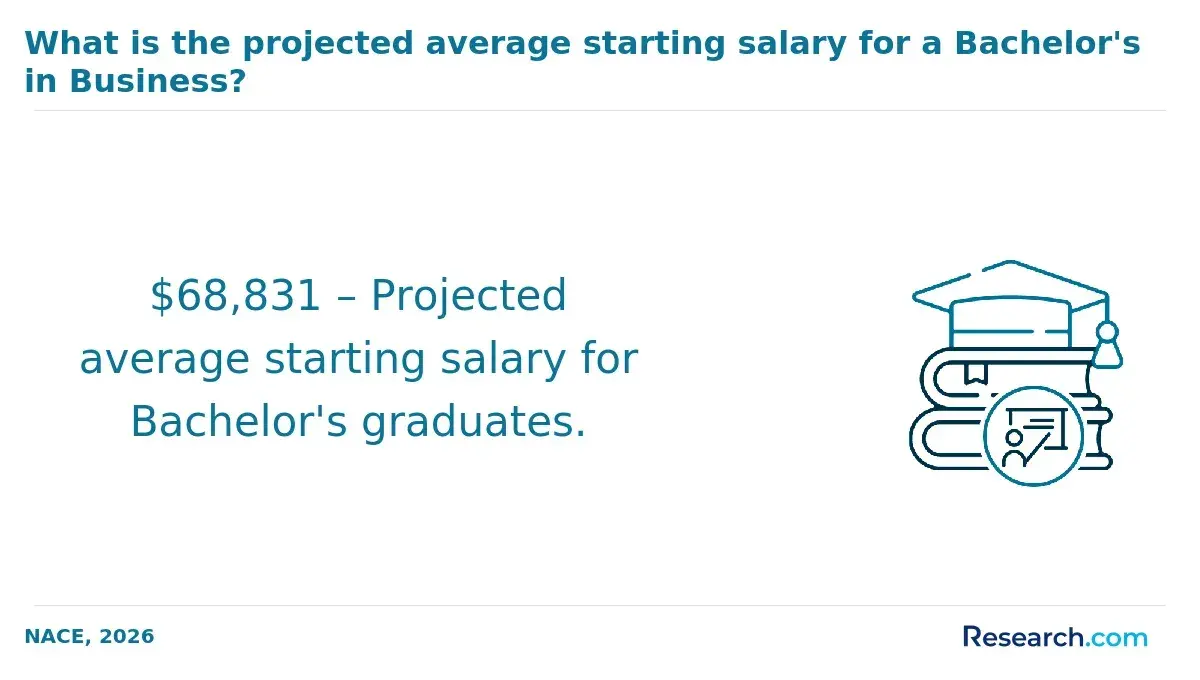
A traditional business degree usually emphasizes how organizations function. Students often study management, finance, economics, accounting, leadership, and marketing. If you are asking, “Is business a good major?” the answer depends on your goals, but it remains a common route for students who want flexible career options. Business is the most popular bachelor’s degree among graduates, and it is also a frequent academic background for people interested in entrepreneurship.
An entrepreneurship degree is more focused on the process of creating and developing ventures. Coursework usually centers on opportunity recognition, customer discovery, business model design, venture finance, product launch, innovation, and growth strategy. Instead of only asking how existing companies operate, entrepreneurship students ask whether a new idea should exist, who will pay for it, how it can be tested, and what resources are needed to move it forward.
There is still considerable overlap. Degrees in business and entrepreneurship, entrepreneurship master programs, and even specialized programs such as a logistics associate degree may all include core business topics. The difference is how those topics are applied.
| Program type | Best for | Typical emphasis | Ask before enrolling |
| Entrepreneurship degree | Students who want to launch, scale, or advise new ventures. | Startup strategy, innovation, pitching, product-market fit, and venture planning. | Does the program include incubators, pitch competitions, mentors, or real venture projects? |
| Business administration degree | Students seeking broad business preparation across industries. | Management, accounting, marketing, finance, business law, and organizational leadership. | Can you choose entrepreneurship electives or complete a startup-focused capstone? |
| MBA | Working professionals who want advanced business leadership training. | Strategy, finance, operations, leadership, analytics, and decision-making. | Will the program’s cost, schedule, and network support your entrepreneurial goals? |
| Certificate or short program | Learners who need a specific skill without completing a full degree. | Targeted topics such as digital marketing, fundraising, accounting, or product management. | Is the credential recognized by employers, investors, or your target industry? |
2027 Best Online Degrees in Entrepreneurship
Many entrepreneurs do attend college, particularly when they want accredited training, access to business faculty, or a structured path into business roles before launching a venture. Students sometimes ask whether they can combine another field with entrepreneurship, such as asking, “Can you get a degree in human resources while studying entrepreneurship?” In most cases, this requires separate majors, minors, certificates, or an approved double-degree plan, depending on the institution.
Accreditation matters because it signals that a school or program has gone through a formal quality review. It can also affect transfer credits, employer recognition, graduate school admission, and financial aid eligibility. Accreditation is not permanent; schools and programs must go through periodic review to maintain it.
You do not necessarily need to stop working to study entrepreneurship. Many colleges now offer online or hybrid business programs, and students comparing options may also look at related fields such as a logistics degree if their venture interests involve supply chains, operations, or distribution.
Cost should be part of the decision. The average yearly tuition for business programs at public four-year institutions for the 2025 school year is $11,950 for resident students and $31,880 for nonresidents, and $45,000 for private nonprofit four-year college students. Those figures make it important to compare tuition, fees, transfer policies, program length, and the specific resources you will actually use.
1. Arizona State University BS in Business Entrepreneurship
Arizona State University offers a business entrepreneurship bachelor’s program built around recognizing, evaluating, and developing business opportunities inside existing organizations or through new ventures. The curriculum emphasizes leadership, product development, team collaboration, strategic planning and analysis, and analytical and managerial abilities. Students also work across business domains, which can help them understand how decisions in marketing, finance, operations, and leadership affect a new venture.
- Program Length: 3 to 4 years
- Cost per year: $13,161 (in-state); $34,103 (out-of-state)
- Required Credits to Graduate: 120
- Accreditation: Higher Learning Commission
2. Baylor University BS in Entrepreneurship and Corporate Innovation
The Baylor University Hankamer School of Business offers a BS in Entrepreneurship and Corporate Innovation designed to help students identify entrepreneurial career options, understand the entrepreneurship process, and use practical venture management tools. After admission, students work with a business school advisor to plan their degree sequence. Students should contact the university directly for the most current details on tuition, credit requirements, and course planning.
- Program Length: 4 years
- Cost: $2,285 per credit
- Required Credits to Graduate: no information available
- Accreditation: Association to Advance Collegiate Schools of Business International (AACSB)
3. University of Illinois at Urbana-Champaign BS in Strategic Business Development and Entrepreneurship
The BS in Strategic Business Development and Entrepreneurship at the University of Illinois at Urbana-Champaign prepares students to think strategically, make decisions, lead teams, and develop new business opportunities. Its coursework focuses on creating and sustaining ventures. The university has been recognized as one of the best colleges with an entrepreneurship major. It is among the top 5 producers of business magnates owning privately held start-up companies valued at over $1 billion and a top producer of prominent entrepreneurs.
- Program Length: Varies
- Cost per credit: $2,944 (in-state); $5,939 (out-of-state)
- Required Credits to Graduate: determined by academic advisor
- Accreditation: AACSB International
| School | Degree | Program length | Cost information | Accreditation |
| Arizona State University | BS in Business Entrepreneurship | 3 to 4 years | $13,161 (in-state); $34,103 (out-of-state) | Higher Learning Commission |
| Baylor University | BS in Entrepreneurship and Corporate Innovation | 4 years | $2,285 per credit | Association to Advance Collegiate Schools of Business International (AACSB) |
| University of Illinois at Urbana-Champaign | BS in Strategic Business Development and Entrepreneurship | Varies | $2,944 (in-state); $5,939 (out-of-state) | AACSB International |
Entrepreneurship Career Paths, Job Outlook, and Salary
An entrepreneurship degree can be valuable even if you do not launch a company immediately after graduation. Many future founders first work in sales, marketing, finance, operations, consulting, recruiting, or product-related roles so they can understand customers, build savings, learn how companies operate, and reduce the risk of starting without practical exposure.
If you are wondering, “What can I do with an entrepreneurship degree?” common options include roles in recruitment, marketing, sales, and finance. These entrepreneurship-related career paths have national average salaries ranging from $49,967 to $67,562 annually.
More senior or higher-paying paths may include business analyst, management consultant, and CEO roles. These positions have annual average salaries of $89,365 up to $111,454. Salary outcomes vary by employer, location, experience, industry, business performance, and whether you are employed or operating your own venture.
Common Entrepreneurship Career Paths
- Recruiter. Recruiters help organizations find and evaluate candidates for open positions. They may screen applicants, conduct interviews, advise job seekers, coordinate hiring steps, and support staffing goals inside a company or recruiting agency. This role can teach future founders how hiring decisions are made and what it takes to build a team.
- Marketer. Marketers plan and create campaigns that help customers understand a brand, product, or service. Their work may involve writing, design coordination, audience research, content strategy, advertising, analytics, and campaign execution. Entrepreneurs benefit from this experience because every new business needs to attract, convert, and retain customers.
- Sales development representative. Sales development representatives usually work in entry-level sales positions. They contact prospective customers, qualify leads, introduce products or services, and set meetings for more senior sales professionals. This role can be useful for entrepreneurs because it builds confidence in outreach, customer conversations, rejection handling, and revenue generation.
- Financial analyst. Financial analysts evaluate financial data, investments, budgets, and business performance. They may work for one organization or for firms that support multiple clients. This background can help founders understand cost structures, cash flow, profitability, and the financial risks involved in operating a business.
- Business analyst. Business analysts study organizational problems and recommend practical improvements. They often work with data, technology systems, processes, and stakeholders to identify better ways of operating. Entrepreneurs can use this skill set to diagnose inefficiencies and make evidence-based decisions.
- Management consultant. Management consultants advise organizations on structure, strategy, operations, and leadership challenges. Many specialize in industries where they have strong experience. For entrepreneurs, consulting experience can sharpen problem-solving, client communication, project management, and strategic thinking.
- CEO. Chief executive officers direct an organization’s overall strategy, performance, and leadership structure. They set goals, make major decisions, oversee senior leaders, and often represent the company publicly. Founders may become CEOs of their own ventures, but the role requires broad knowledge across finance, people, products, operations, and external relationships.
| Career path | How it helps future entrepreneurs | Good fit if you want to build skills in |
| Recruiter | Shows how companies identify talent and build teams. | Hiring, interviewing, communication, people operations. |
| Marketer | Develops the ability to position products and reach customers. | Branding, content, advertising, analytics, customer behavior. |
| Sales development representative | Builds direct experience with prospects, objections, and revenue activity. | Outbound sales, lead qualification, customer conversations. |
| Financial analyst | Strengthens understanding of costs, investments, and sustainability. | Budgeting, forecasting, financial modeling, business performance. |
| Business analyst | Teaches how to diagnose business problems and recommend improvements. | Process analysis, data interpretation, systems thinking. |
| Management consultant | Provides exposure to strategy and organizational problem-solving. | Advisory work, project management, industry analysis. |
| CEO | Requires high-level responsibility for strategy, execution, and leadership. | Decision-making, vision, operations, stakeholder management. |
Job Outlook
The broader labor market for business and financial occupations is expected to remain relevant for entrepreneurship graduates who choose employment before or alongside business ownership. Overall business and financial jobs are likely to increase by 5.2% from 2024 to 2034. This growth is poised to lead to an additional 942,500 new occupations in the next ten years. Some openings are also expected because employers need to replace workers who retire.
Is an Entrepreneurship Degree a Smart Financial Investment?
An entrepreneurship degree is a financial investment, not a guaranteed startup success formula. To judge its value, compare the direct cost of attendance, time away from work, student loan impact, and opportunity cost against the benefits you are likely to use: mentoring, structured business training, internships, incubator access, alumni networks, investor exposure, and career flexibility.
Students comparing degree options should also examine the online MBA cost because an MBA may provide broader business training, while an entrepreneurship degree may offer a more focused venture-building experience. The right choice depends on your background, your business idea, your risk tolerance, and whether you need a full credential or targeted skill development.
| ROI factor | Why it matters | Question to ask |
| Total cost | Tuition alone does not show the full price of a degree. | What are tuition, fees, books, technology costs, travel, and lost work hours? |
| Network access | Mentors, alumni, founders, and investors can be as valuable as coursework. | Does the program actively connect students with startup communities? |
| Hands-on learning | Entrepreneurship is difficult to learn only through lectures. | Will I build, test, pitch, or launch a venture during the program? |
| Career backup plan | Not every venture succeeds, so employable skills matter. | What roles do graduates pursue if they do not start a business immediately? |
| Schedule flexibility | Working adults may need part-time, online, or accelerated formats. | Can I complete the program without pausing my income or business plans? |
How Do You Choose the Right Entrepreneurship Degree Program?
The best entrepreneurship program is not always the most famous or expensive one. It is the program that matches your goals, budget, schedule, learning style, and business interests. A strong program should combine business fundamentals with practical application, such as venture labs, internships, capstone projects, pitch events, incubators, or mentorship from experienced founders and executives.
Flexibility also matters. Working adults and transfer students may need online, evening, part-time, or accelerated formats. If speed is a priority, compare options such as an accelerated bachelor's degree online accredited pathway, but make sure the shorter timeline does not remove the hands-on experiences that make entrepreneurship education useful.
Questions to Ask Before Enrolling
- Is the school properly accredited? Confirm institutional and, when relevant, business school accreditation before applying.
- Does the curriculum match your business goals? A student interested in tech startups may need different electives than someone planning a local service business.
- How much venture-building experience is included? Look for business plan development, customer discovery, financial modeling, pitch practice, and product testing.
- Who teaches the courses? Faculty with startup, consulting, investment, or industry experience can offer practical perspective.
- What support exists outside class? Review advising, mentoring, career services, incubators, alumni networks, and student entrepreneurship clubs.
- Can credits transfer? Transfer policies can affect both cost and time to completion.
- What are graduates doing now? Ask for examples of startup founders, corporate innovators, consultants, or business professionals who completed the program.
Some Tips for Future Entrepreneurs
Starting a business requires more than enthusiasm. Founders must understand customers, costs, legal structure, competition, hiring, operations, and cash flow. A college education, including a cheap online business degree, can help build that foundation, but it should be paired with market research and real-world testing.
A recent study indicates that most business owners have a bachelor’s or master’s degree. That does not mean every founder must earn a degree, but it does suggest that formal education is common among business owners and may support decision-making, confidence, and long-term adaptability.
- Clarify your motivation. Know why you want to start a business. Freedom, income, mission, creativity, and control are different motivations, and each can lead to different choices.
- Write a business plan. A plan forces you to define the customer, product, pricing, costs, competitors, marketing channels, and operating model. It should be practical, not decorative.
- Do due diligence. Investigate whether the market needs your product or service, who already serves that market, what customers will pay, and what risks could stop the business from working.
- Study your target customers. A product that sounds impressive may fail if it does not solve a problem customers care about. Talk to potential buyers before investing heavily.
- Plan your funding strategy. Cash shortages can damage even promising businesses. Estimate startup costs, operating expenses, runway, and funding sources before launch.
- Build the right team. Hiring is expensive and consequential. Consider compensation, recruiting, onboarding, equipment, payroll taxes, training, and benefits before adding employees.
Common Mistakes to Avoid
| Mistake | Why it creates risk | Better approach |
| Choosing a program based only on reputation | A high-profile school may not offer the mentorship, schedule, or cost structure you need. | Compare curriculum, accreditation, outcomes, cost, and startup support. |
| Looking only at tuition | Fees, books, technology, travel, and lost work time can change the real cost. | Calculate the full cost of attendance and your likely financing plan. |
| Assuming a degree guarantees business success | Entrepreneurship still depends on execution, timing, market demand, and financial discipline. | Use school as a testing ground, not as a substitute for customer validation. |
| Skipping market research | Founders can spend money building something customers do not want. | Interview customers, test demand, analyze competitors, and adjust early. |
| Ignoring accreditation | Unaccredited programs can create problems with transfer credits, aid, or recognition. | Verify accreditation before you apply or pay deposits. |
| Underestimating cash flow | Revenue does not always arrive when bills are due. | Build conservative forecasts and track expenses carefully. |
Are Affordable MBA Programs a Viable Option for Aspiring Entrepreneurs?
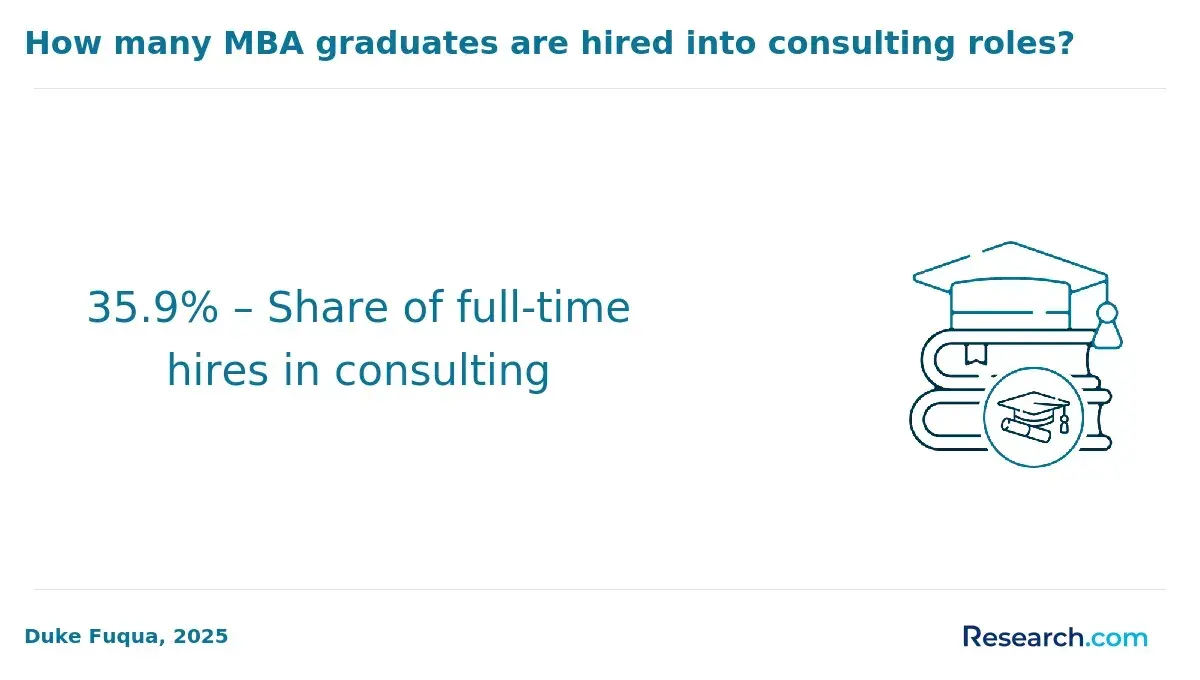
Affordable MBA programs can be a practical alternative for aspiring entrepreneurs who want broad business preparation rather than a narrowly focused entrepreneurship degree. An MBA can strengthen strategic thinking, leadership, finance, operations, marketing, and decision-making skills. For founders, those areas often matter as much as the original business idea.
The main advantage is breadth. Many MBA programs use case studies, team projects, applied assignments, and peer discussion to help students analyze complex business problems. The trade-off is that some MBA programs may be less focused on launching startups unless they include entrepreneurship concentrations, venture labs, or innovation-focused electives. Students comparing cost-conscious options can review the cheapest MBA programs to evaluate structure, affordability, and fit.
Are Doctoral Programs Worthwhile for Entrepreneurial Growth?
A Doctor of Business Administration can make sense for entrepreneurs who want advanced research skills, executive credibility, consulting opportunities, or a deeper ability to analyze complex organizational problems. It is usually not necessary for launching a startup, and it may be more than many founders need.
Entrepreneurs considering this path should be clear about the purpose. If the goal is to improve strategic analysis, contribute to business research, teach, consult, or expand a senior professional network, a DBA may be useful. If the immediate goal is to test a product and acquire customers, a shorter and less expensive route may be more appropriate. Cost-conscious students can compare cheapest DBA programs before committing.
Could an Accelerated Online MBA Enhance Entrepreneurial Success?
An accelerated online MBA can help entrepreneurs who want advanced business training on a shorter timeline. These programs may cover strategic management, financial analysis, leadership, operations, and organizational decision-making, which are all relevant to growing a business.
The benefit is speed and flexibility. The risk is intensity. Condensed coursework can be difficult for students who are also working full time or running a business. Before choosing one of the fastest MBA online options, review weekly workload, course sequencing, project expectations, and whether the program includes entrepreneurship-related support.
How Can Emerging Technologies Support Entrepreneurial Growth?
Emerging technologies such as artificial intelligence, blockchain, and cloud computing are changing how entrepreneurs test ideas, operate companies, and serve customers. Founders can use digital tools to automate routine tasks, analyze customer behavior, manage remote teams, process transactions, and improve decision-making.
Technology can reduce some barriers to entry, but it does not remove the need for sound business judgment. Automated systems and analytics are only useful when connected to a clear business model, reliable data, and customer needs. Entrepreneurs comparing education options may find that technology-focused coursework, analytics training, or an accelerated MBA program can help them apply digital tools more strategically.
Importance of Networking in Entrepreneurship
Networking is not just socializing. For entrepreneurs, it can lead to mentors, customers, suppliers, collaborators, investors, advisors, and early employees. A strong network can also help founders identify market gaps, avoid avoidable mistakes, and get honest feedback before spending too much money on an untested idea.
Useful networking can happen through industry conferences, business associations, alumni groups, incubators, accelerators, local chambers of commerce, online communities, and platforms such as LinkedIn. The goal is not to collect contacts. It is to build relationships with people who understand your market, challenge your assumptions, and may support the venture when the fit is right.
Many business programs build networking into the student experience through alumni events, mentorship programs, career fairs, group projects, and faculty connections. Students comparing advanced business degrees may want to review affordable AACSB accredited online MBA programs with no GMAT if they want a recognized business credential with potential access to faculty, classmates, and alumni. Learn more through affordable AACSB accredited online MBA programs no GMAT.
Local startup hubs, small business development centers, incubators, and accelerator programs can also connect founders with experienced operators and funders. For many entrepreneurs, those relationships become as important as formal coursework.
Leveraging Affordable Learning Resources for Aspiring Entrepreneurs
Not every aspiring entrepreneur needs a full degree right away. Some need a targeted skill, such as bookkeeping, search marketing, sales, product development, business writing, or basic legal literacy. Affordable online learning options can help learners build those skills without taking on the full cost of a degree program.
For students trying to keep expenses low, cheap online courses can be a practical way to learn at a flexible pace. They may be especially useful for adults balancing work, family, and early-stage business planning.
Short courses can also help a founder test interest before enrolling in a larger program. If you complete several business courses and find yourself applying the material, a degree may be worth deeper consideration. If you only need one or two skills, a certificate or course sequence may be enough.
Challenges Faced by Entrepreneurs
Entrepreneurship can be rewarding, but it is also demanding. Founders often face uncertainty around funding, customers, staffing, competition, cash flow, and personal time. Preparing for these challenges early can reduce avoidable risk.
- Securing funding and investment: Many ventures need capital to launch or grow. Entrepreneurs may need to pitch banks, investors, partners, or venture capitalists. A business management background, such as skills developed in an MBA in organizational leadership, can help founders communicate strategy and manage stakeholder expectations.
- Managing cash flow: Early-stage businesses can struggle when expenses arrive before revenue. Budgeting, forecasting, invoicing, and cost control are essential.
- Understanding competition and the market: Founders must know who their customers are, what competitors already offer, and why their product or service is meaningfully different.
- Protecting work-life balance: Business ownership can consume evenings, weekends, and personal energy. Without boundaries, burnout can weaken decision-making.
- Building a strong team: Recruiting, training, managing, and retaining people requires leadership and communication. The wrong hire can be costly; the right team can accelerate growth.
Is a Fast Track Business Degree the Right Choice for Aspiring Entrepreneurs?
A fast-track business degree may fit entrepreneurs who need business fundamentals quickly and cannot spend the usual amount of time in a traditional program. Accelerated formats can help students move through coursework faster, apply lessons sooner, and keep momentum toward a venture or career change.
The compressed pace can also be challenging. Students should make sure they have enough time for assignments, group projects, advising, and applied learning. If the program moves too quickly to allow reflection and market testing, it may not deliver the full benefit. For learners who want a shorter route and can manage the workload, a fast track business degree may be worth comparing.
Is Going Back to College for an Entrepreneurship Program a Good Decision?
Going back to college for entrepreneurship can be a good decision if the program helps you build skills you do not already have, gives you access to people and resources you could not easily reach on your own, and fits your budget. It is less compelling if you already have strong business experience, a validated opportunity, and access to mentors, customers, and funding.
Technology has made parts of entrepreneurship more accessible. Smartphones, AI, cloud computing, data sharing, and online tools can make it easier to test ideas, operate leanly, and reach customers. You can even use digital resources to explore entrepreneur business concepts or names, though naming is only one small part of building a viable company.
The strongest reason to study entrepreneurship is not simply to “become a founder.” It is to learn how to recognize opportunities, test assumptions, manage risk, communicate value, and lead under uncertainty. Even if you later decide not to start a company, those skills can apply in real estate, consulting, research and development, corporate innovation, operations, and people-focused business roles. Some students may also pair business training with another field, such as a master degree in human resources, if their goals involve leadership, staffing, or organizational development.
References
- Balogh, D. (2025, February 28). Self-employment snapshot: statistics and trends. Ooma
- Butler, R. (2025, December 4). Is Majoring in Entrepreneurship a Good Idea. Investopedia.
- College Board (2025). Trends in College Pricing: Highlights. College Board
- Gluska, J. (2026, February 19). How Many Americans Are Self-Employed in 2026? (Stats by Industry, Income, and State). Carry
- Guidant Financial. (2025). 2025 Small Business Trends. Guidant Financial.
- Indeed. (2025, December 15). What Jobs Can You Pursue With an Entrepreneurship Degree? Indeed.
- Pahwa, A. (2024, June 13). Is A Degree In Entrepreneurship Worth It? Feedough.
- Salary.com (2026, March 1). Business Analyst Salary in the United States. Salary.com
Key Insights
- You do not need a specific degree to become an entrepreneur. A degree is optional in most fields, but it can reduce knowledge gaps in finance, marketing, leadership, operations, and venture planning.
- The best education path depends on your starting point. Newer learners may benefit from a full entrepreneurship or business degree, while experienced professionals may only need targeted courses, mentoring, or an MBA.
- Entrepreneurship and business degrees overlap, but they are not identical. Business degrees usually focus on how organizations operate; entrepreneurship degrees focus more directly on creating and developing new ventures.
- Accreditation and cost should be checked before applying. The average yearly tuition for business programs at public four-year institutions for the 2025 school year is $11,950 for resident students and $31,880 for nonresidents, and $45,000 for private nonprofit four-year college students.
- Career flexibility is one of the strongest arguments for the degree. Entrepreneurship graduates may work in recruitment, marketing, sales, finance, business analysis, consulting, or executive roles before or instead of launching a company.
- The broader job outlook is positive but not a guarantee for any one graduate. Business and financial jobs are likely to increase by 5.2% from 2024 to 2034, with 942,500 new occupations expected over the next ten years.
- A degree is only worth it if you use the resources. Mentors, incubators, pitch events, alumni networks, internships, and applied projects often determine whether the program delivers practical value.
- Founders should avoid treating education as a substitute for customer validation. A strong business idea still needs market research, cash-flow planning, competitive analysis, and real customer demand.
Other Things You Should Know About Going Back to College for an Entrepreneurship Degree
Yes. Many entrepreneurship degrees require a capstone, startup pitch, or business plan project in the final year, often worth 3 to 6 credit hours. These projects are usually assessed by faculty and may be presented to a panel of instructors or local business mentors.
In 2027, the costs of pursuing an entrepreneurship degree can vary widely based on the institution and program format. Tuition can range from $10,000 to $50,000 per year. Additional costs include textbooks, online resources, and potential living expenses, especially for full-time, in-person programs. Financial aid options are available for qualifying students.
Yes, many accredited institutions offer online entrepreneurship degrees. These programs provide flexibility for individuals who may be working or have other commitments.
Admission requirements for an entrepreneurship degree in 2027 typically include a high school diploma or equivalent, submission of SAT or ACT scores, letters of recommendation, and a personal statement. Some programs might also require a portfolio of entrepreneurial projects or related work experience.