
2027 What Can You Do With a Bachelor’s in Risk Management Degree?

Co-Founder and Chief Data Scientist
Choosing a bachelor’s in risk management is really a decision about the kind of business problems you want to solve. Risk management professionals help organizations spot threats before they become expensive failures—whether those threats involve insurance claims, market losses, compliance violations, cyber incidents, supply chain disruption, or operational breakdowns.
This guide is for students comparing business-related majors, working adults considering a career change, and anyone asking what they can do with a risk management degree. You will learn which careers are most common, what the degree covers, what admissions and coursework usually look like, which skills matter, how technology is changing the field, and how to decide whether this path is worth the cost.
Quick Answer: What can you do with a bachelor’s in risk management?
With a bachelor’s in risk management, graduates commonly pursue careers in insurance, underwriting, financial analysis, actuarial work, compliance, corporate risk, cybersecurity risk, supply chain risk, and consulting. The degree is strongest for students who enjoy data, finance, problem-solving, business law, and decision-making under uncertainty. It can lead directly to entry-level roles, but certifications, internships, and industry experience often make a major difference in hiring and advancement.
Key Things You Should Know About a Bachelor’s in Risk Management Degree
- The curriculum is business-focused and analytical: Students typically study risk assessment, insurance, finance, law, compliance, data analysis, and business strategy.
- The degree crosses several disciplines: Risk management combines finance, economics, statistics, legal concepts, insurance, and technology, which makes it useful across multiple industries.
- Career options are broad: Graduates may work in insurance, banking, corporate risk, financial services, healthcare compliance, cybersecurity risk, or consulting.
- Several roles offer strong salary potential: Financial risk specialists earn average salary of $118,950 and insurance underwriters earn an average of $118,950 per year.
- Employment prospects vary by role: Some related occupations show growth, while others, such as insurance underwriting, have projected decline because of automation and changing industry practices.
- Experience and credentials matter: Internships, case competitions, insurance industry experience, and credentials such as Certified Risk Manager (CRM) or Chartered Property Casualty Underwriter (CPCU) can improve competitiveness.
- The best fit is analytical and detail-oriented: Students who like numbers, regulation, problem-solving, business decisions, and scenario planning are more likely to thrive.
- Common careers for risk management graduates in 2027
- What a bachelor’s in risk management covers
- Typical admission requirements
- Courses usually included in the degree
- Risk management specializations to compare
- Benefits of earning the degree
- Skills students need to build
- Certifications and training that can strengthen your career
- Job outlook for risk management careers
- Alternative career paths for risk management graduates
- Technology trends reshaping risk management
- How to move into risk management from another field
- Common challenges in risk management careers
- Ways to reduce the cost of a risk management education
- How to evaluate online risk management programs
- Whether an advanced degree is necessary
- Whether a risk management degree is worth it
- Networking and mentorship in risk management
- Fast-track doctoral options and advanced expertise
Common Careers for Risk Management Graduates for 2027
Risk management graduates can work in many sectors, but the most common opportunities are tied to insurance, finance, corporate operations, and compliance. The right role depends on whether you prefer client-facing work, data modeling, policy evaluation, investment analysis, or organizational strategy.
| Career path | Best fit for students who enjoy | Important note |
| Insurance sales agents | Client advising, communication, insurance products, and financial protection planning | Often involves sales goals, relationship-building, and commission-based compensation structures. |
| Underwriters | Evaluating applications, reviewing risk data, and making coverage decisions | Projected employment growth is -4%, so technology skills and specialization can matter. |
| Financial risk specialists | Financial modeling, market risk, credit risk, and business decision support | Often suited to students who want quantitative finance or corporate risk roles. |
| Actuaries | Mathematics, statistics, probability, and long-term financial forecasting | Usually requires passing professional actuarial exams beyond the bachelor’s degree. |
| Financial analysts | Investment research, business performance analysis, and economic trends | Risk management training can strengthen analysis of downside exposure and uncertainty. |
1. Insurance Sales Agents
Insurance sales agents advise individuals and organizations on policies that can reduce financial exposure. They may sell life, health, auto, home, commercial, or other coverage, depending on their license, employer, and client base. Some agents work for insurers, some work through brokerages, and others operate independently.
A bachelor’s in risk management can help agents explain why coverage matters, compare policy options, and connect insurance decisions to real financial risks. Coursework in insurance principles, business law, ethics, and risk assessment can also help graduates understand policy language, client exposures, and regulatory expectations.
This career is strongest for graduates who are comfortable with communication, prospecting, persuasion, and long-term client service. Students comparing leadership-focused business degrees may also want to understand how M.P.A. and M.B.A. programs differ if they plan to move beyond sales into management, public administration, or executive roles.
- Average Annual Salary: $79,700
- Median Annual Salary: $59,080
- Projected Employment Growth (2023-2033): 6%
- Projected Annual Job Openings: 47,100
2. Underwriters
Underwriters decide whether an insurer or financial institution should accept a risk and on what terms. They review applications, financial information, personal or business records, claims history, and other relevant data to determine coverage limits, pricing, exclusions, and approval decisions.
Risk management coursework supports underwriting because students learn how to evaluate uncertainty, read policy structures, understand insurance law, and use quantitative tools. Courses in statistics, financial analysis, risk modeling, and compliance can help underwriters make consistent decisions that balance customer needs with the insurer’s financial stability.
Because underwriting is affected by automation and data-driven decision tools, students interested in this path should build skills in analytics, software systems, industry regulation, and specialized insurance lines. If you are comparing adjacent public safety, investigation, or legal-service paths, researching the best online criminology degree programs can help you evaluate another route into risk-related work.
- Average Annual Salary: $85,610
- Median Annual Salary: $77,860
- Projected Employment Growth (2023-2033): -4%
- Projected Annual Job Openings: 7,800
3. Financial Risk Specialists
Financial risk specialists analyze threats that could affect an organization’s profitability, liquidity, investments, credit exposure, or regulatory position. They may study market volatility, lending risk, operational failures, capital requirements, or changes in financial rules. Employers often include banks, investment firms, insurers, consulting firms, and corporate finance departments.
A risk management degree is especially relevant for this path because it builds knowledge of financial modeling, economic forecasting, regulatory compliance, investment risk, and quantitative analysis. Graduates learn to interpret data, test assumptions, and recommend controls or strategies that reduce exposure without stopping business growth.
This path is usually better for students who like numbers, spreadsheets, economic conditions, and strategic business decisions than for students who want a mostly interpersonal or sales-centered role.
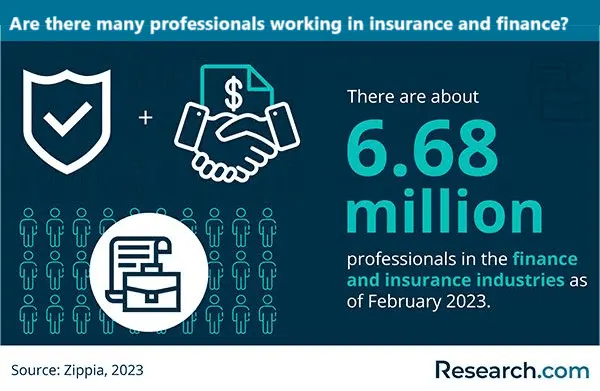
- Average Annual Salary: $118,950
- Median Annual Salary: $106,090
- Projected Employment Growth (2023-2033): 17% (financial managers)
- Projected Annual Job Openings: 75,100 (financial managers)
4. Actuaries
Actuaries use mathematics, statistics, economics, and modeling to estimate the financial impact of future events. Their work is central to insurance, pensions, healthcare, benefits, and financial services because organizations rely on actuaries to price products, forecast liabilities, and plan for long-term obligations.
A bachelor’s in risk management can provide a useful foundation in probability, insurance, financial analysis, and risk theory. However, students who want to become actuaries should understand that the career commonly requires professional exams and sustained technical preparation after or during the undergraduate program.
Students who enjoy writing, communication, and analysis but want a less quantitative academic route may also compare options such as the best online English degrees, especially if they are considering communications, policy writing, or research-heavy roles instead of actuarial work.
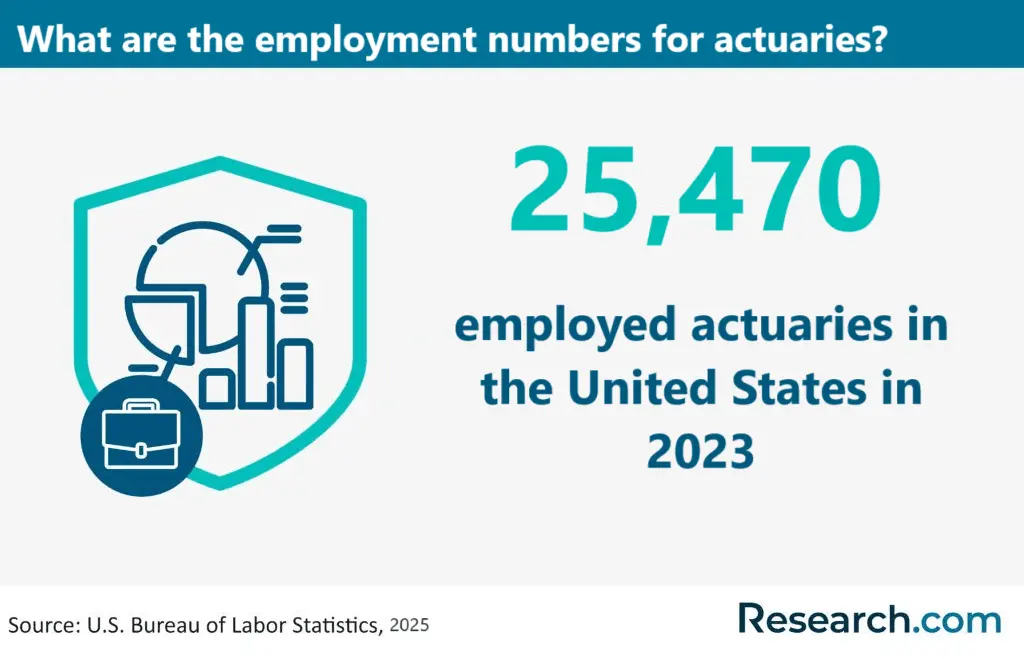
- Average Annual Salary: $132,500
- Median Annual Salary: $120,000
- Projected Employment Growth (2023-2033): 22%
- Projected Annual Job Openings: 2,200
5. Financial Analysts
Financial analysts evaluate investments, companies, markets, and economic conditions to help employers or clients make better financial decisions. They may analyze stocks, bonds, real estate, corporate budgets, industry conditions, or portfolio performance.
Risk management training helps financial analysts look beyond potential returns and focus on downside exposure, volatility, liquidity, compliance, and scenario planning. Coursework in corporate finance, investment risk, statistics, and economic forecasting can strengthen the analytical foundation required for this work.
Students comparing business options should note that traditional and online degrees in marketing may be better for brand, consumer, and market strategy roles, while risk management is better aligned with finance, insurance, compliance, and risk analysis. Students interested in technology-centered careers can also review the easiest technology degree options to compare practical entry points into tech.
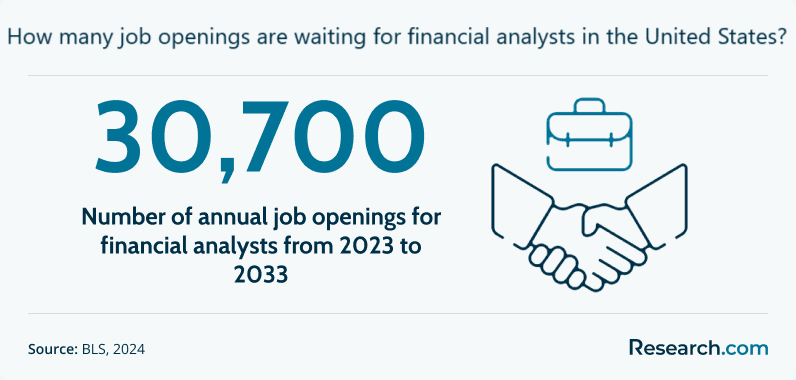
- Average Annual Salary: $112,950
- Median Annual Salary: $99,890
- Projected Employment Growth (2023-2033): 9%
- Projected Annual Job Openings: 30,700
What is a bachelor’s in risk management?
A bachelor’s in risk management is an undergraduate business degree focused on identifying, measuring, reducing, transferring, and monitoring risk. Programs commonly combine finance, insurance, economics, statistics, business law, compliance, data analysis, and enterprise risk management.
Students learn how organizations evaluate uncertainty and make decisions when outcomes are not guaranteed. That may include reviewing insurance coverage, building financial models, analyzing operational vulnerabilities, planning for business continuity, or helping leaders comply with legal and regulatory standards.
Most programs are offered through a business school and may be structured as a Bachelor of Science or Bachelor of Business Administration. Compared with general business majors, risk management is more specialized; compared with actuarial science, it is usually broader and less exclusively mathematical.
What are the typical requirements for admission to a bachelor’s in risk management program?
Admission requirements vary by college, but many risk management programs expect applicants to meet standard undergraduate business admission criteria.
- High School Diploma or Equivalent: Applicants usually need a high school diploma or GED.
- Minimum GPA: Many universities expect a GPA of 2.5–3.0 or higher.
- Standardized Test Scores: Some schools still consider SAT or ACT scores, while others use test-optional admissions.
- Recommended Preparation: High school coursework in mathematics, economics, business, and statistics can help students prepare for college-level risk courses.
This is not usually considered one of the easiest college degree options because the major often includes quantitative analysis, finance, statistics, research, and economics. It can be a strong fit, however, for students who like business problems and want a practical major tied to insurance, finance, or corporate decision-making.
What are the common courses included in bachelor’s in risk management degree programs?
Risk management programs usually combine core business classes with specialized courses that teach students how to evaluate uncertainty and protect organizations from preventable losses. Course names differ by institution, but the following subjects are common.
- Principles of Risk Management and Insurance: Introduces risk concepts, insurance products, risk transfer, and basic mitigation strategies.
- Corporate Risk Management: Examines operational, financial, strategic, and reputational risks within organizations.
- Financial Risk Analysis: Covers market risk, credit risk, investment risk, financial modeling, and uncertainty in financial decisions.
- Insurance and Underwriting: Explains policy design, coverage evaluation, pricing, underwriting standards, and claims-related concepts.
- Business Law and Regulatory Compliance: Reviews legal obligations, regulatory frameworks, ethics, and compliance responsibilities.
- Data Analytics and Risk Modeling: Teaches students to use statistics, data tools, and predictive methods to evaluate probability and impact.
- Enterprise Risk Management: Focuses on organization-wide systems for identifying, reporting, prioritizing, and managing risk.
- Cybersecurity and Information Risk: Looks at digital threats, data privacy, cyber incidents, and information-security controls.
- Crisis and Disaster Management: Covers emergency planning, business continuity, disaster recovery, and crisis response.
- Actuarial Science and Quantitative Methods: Builds mathematical and statistical skills used in insurance, finance, and loss forecasting.
Students may also take financial accounting, management accounting, business statistics, and microeconomics. These courses are important because risk management professionals often need to understand financial statements, business operations, and economic conditions before making recommendations.
What are the different specializations available in a bachelor’s in risk management program?
Specializations help students connect the degree to a specific industry or risk category. Choosing a concentration can be useful if you already know whether you want to work in insurance, finance, cybersecurity, healthcare, or operations.
| Specialization | What it emphasizes | Best matched careers |
| Insurance and Risk Assessment | Policy design, underwriting, claims, insurance markets, and loss control | Insurance sales agent, underwriter, claims-related roles, actuarial support |
| Financial Risk Management | Credit risk, market risk, investment exposure, financial modeling, and banking risk | Financial risk specialist, financial analyst, banking analyst, portfolio risk roles |
| Enterprise Risk Management | Organization-wide risk frameworks, internal controls, compliance, and continuity planning | Corporate risk analyst, internal auditor, compliance analyst, risk consultant |
| Cybersecurity and Information Risk | Data protection, cyber threats, privacy risk, security controls, and technology governance | Cybersecurity risk analyst, IT risk associate, compliance analyst |
| Healthcare Risk Management | Patient safety, healthcare compliance, medical liability, privacy, and operational risk | Healthcare compliance officer, hospital risk analyst, patient safety roles |
| Operational and Supply Chain Risk | Logistics, vendors, sourcing, transportation, continuity, and global trade disruption | Supply chain risk analyst, operations analyst, business continuity specialist |
If you are drawn to technology risk, adding cyber security courses online or through a college program can help you build the technical context needed for cyber and information-risk roles.
What are the benefits of obtaining a bachelor’s degree in risk management?
The main advantage of a risk management degree is its career focus. Instead of studying business in a general way, students learn how organizations identify threats, evaluate trade-offs, and protect assets, people, revenue, data, and reputation.
- Multiple industry options: Graduates can pursue insurance, finance, healthcare, cybersecurity, compliance, consulting, and corporate risk roles.
- Relevant business skills: The degree develops analysis, financial reasoning, policy interpretation, communication, and decision-making.
- Career paths with advancement potential: Experience can lead to senior analyst, manager, consultant, compliance, or leadership roles.
- Practical preparation: Many programs include case studies, simulations, internships, or applied business projects.
- Credential flexibility: Graduates can add traditional or online certifications to strengthen expertise in insurance, compliance, finance, or enterprise risk.
- Useful foundation for graduate study: The major can support later study in business, finance, data analytics, law-related fields, or specialized risk management.
What skills are relevant when pursuing a bachelor’s in risk management?
Students searching for easy degrees should understand that risk management is typically more analytical than many general business programs. Success depends on both technical ability and judgment.
- Analytical thinking: Risk professionals need to interpret information, notice patterns, and compare possible outcomes.
- Problem-solving: The work often involves reducing exposure without creating unnecessary barriers to business goals.
- Financial and statistical analysis: Students must understand probability, financial statements, modeling, and quantitative evidence.
- Decision-making: Risk work requires recommendations when information is incomplete and consequences can be significant.
- Attention to detail: Errors in assumptions, policy language, data, or compliance requirements can become costly.
- Regulatory awareness: Many roles require understanding legal obligations, reporting standards, and industry rules.
- Communication: Risk findings must be explained clearly to executives, clients, regulators, technical teams, and non-specialists.
- Technology fluency: Data tools, modeling software, dashboards, cybersecurity concepts, and automation are increasingly important.
How can additional certifications and training boost your risk management career?
Certifications can help risk management graduates demonstrate specialized knowledge beyond the bachelor’s degree. They are especially useful when a student wants to move into insurance underwriting, enterprise risk management, compliance, cybersecurity risk, or financial risk analysis.
Credentials such as Certified Risk Manager (CRM) or Chartered Property Casualty Underwriter (CPCU) can signal commitment to the field, but students should compare cost, exam requirements, employer recognition, and relevance before enrolling. Flexible options, including FAFSA-approved online certificate programs, may help working adults or transfer students add training without pausing their careers.
What is the job outlook for risk management careers?
The outlook depends heavily on the specific role. Some paths tied to analytics, finance, and actuarial work show strong projected growth, while underwriting faces projected decline. That difference matters when choosing electives, internships, and certifications.
According to the U.S. Bureau of Labor Statistics, employment for financial analysts, which includes risk analysts, is projected to grow 9% by 2033, faster than the average for all occupations. Actuary jobs are expected to see a 22% growth, driven by advancements in data analysis and an increasing need for precise risk assessment in the insurance industry. Other related occupations have different projections, so students should avoid assuming that all risk-related jobs have the same labor market outlook.
| Risk Management Career | Employment Growth Rate (2023-2033) | Annual Job Openings (2023-2033) |
| 1. Actuaries | 22% | 2,200 |
| 2. Insurance Sales Agents | 6% | 47,100 |
| 3. Financial Analysts | 9% | 30,700 |
| 4. Insurance Underwriters | -4% | 7,800 |
| 5. Financial Managers | 17% | 75,100 |
What are the alternatives to traditional risk management degree careers?
A risk management degree does not limit graduates to insurance or banking. The same skills—risk identification, controls, documentation, analysis, compliance, and communication—can transfer into several specialized business and technical roles.
- Cybersecurity Risk Analyst: Evaluates digital threats, data protection practices, vendor security, and compliance controls.
- Supply Chain Risk Manager: Identifies weaknesses in suppliers, transportation, inventory systems, and global sourcing plans.
- Healthcare Compliance Officer: Helps healthcare organizations manage regulatory obligations, privacy issues, patient safety, and operational risk.
- Fraud Investigator: Reviews suspicious financial activity, identity theft patterns, internal misconduct, or claims irregularities.
- Risk Consultant: Advises organizations on financial, operational, strategic, insurance, or compliance risks.
- Crisis Management Specialist: Develops emergency response, business continuity, and reputation-protection plans.
- Environmental Risk Analyst: Assesses environmental exposures related to pollution, climate change, operations, compliance, and sustainability.
How is technology reshaping risk management practices?
Technology is changing risk management by making risk monitoring faster, more data-driven, and more automated. Organizations increasingly use dashboards, analytics platforms, automated controls, artificial intelligence, and machine learning to detect patterns, flag anomalies, and model possible outcomes.
This does not eliminate the need for human judgment. Risk professionals still need to question assumptions, interpret context, explain findings, and decide which risks deserve attention. However, students who can combine risk knowledge with data literacy, cybersecurity awareness, and business communication will be better prepared for modern roles. If you want a career path that blends practical business training with technology skills, comparing an online degree that pays well may help you evaluate related options.
How can I transition into a risk management career from another field?
Career changers should start by identifying transferable experience. Work in accounting, operations, project management, IT, insurance, healthcare, finance, logistics, auditing, or compliance can translate well because these fields already involve controls, procedures, documentation, data, or decision-making.
- Map your current skills to risk tasks: Identify experience with analysis, reporting, compliance, audits, budgeting, incident response, vendors, or process improvement.
- Choose a target risk area: Decide whether you are aiming for insurance, financial risk, operational risk, cyber risk, healthcare risk, or compliance.
- Fill knowledge gaps: Use certificates, undergraduate courses, or professional training to build missing foundations.
- Seek applied experience: Look for internships, internal projects, volunteer governance work, audit support, or risk-related assignments in your current organization.
- Translate your resume: Use risk language such as controls, exposure, mitigation, monitoring, reporting, compliance, and business continuity.
For mature students or adults returning to school, flexible options such as online college degrees for seniors may make the transition more manageable.
What are the common challenges you experience in pursuing a risk management career?
Risk management can be rewarding, but it is not the easiest business degree or the simplest career path. The work often involves incomplete information, competing priorities, strict rules, and decisions that can affect major financial or operational outcomes.
- Pressure and accountability: Risk professionals may be responsible for recommendations that affect losses, compliance, continuity, or reputation.
- Changing regulations: Rules in finance, insurance, cybersecurity, healthcare, and compliance can shift, requiring continuous learning.
- Complex data: Many roles require interpreting financial, statistical, operational, and market information accurately.
- Balancing caution and growth: Organizations want protection, but they also need to pursue opportunities. Risk professionals must help leaders find a reasonable balance.
- Industry-specific risk: Cybersecurity, healthcare, insurance, finance, and supply chain roles each have their own terminology, rules, and risk factors.
- Interdisciplinary expectations: The field draws from finance, law, insurance, data, strategy, technology, and communication.
- Unexpected events: Economic downturns, natural disasters, cyber incidents, and global disruptions can challenge even well-designed risk plans.
How can a streamlined master's program enhance my risk management expertise?
A focused master’s program can help risk professionals move beyond entry-level analysis into leadership, consulting, financial risk, compliance, or enterprise risk roles. Graduate study may provide deeper training in analytics, governance, strategic decision-making, regulatory systems, and applied projects.
A master’s degree is not automatically required for every risk role, so the decision should depend on your goals, employer expectations, cost, and the experience you already have. If you are comparing flexible graduate options, you can review What is the easiest masters degree? to understand how program difficulty and structure can vary.
How can I minimize the cost of my risk management education?
To lower the cost of a risk management degree, compare total program price rather than tuition alone. Fees, textbooks, technology costs, transfer-credit rules, residency requirements, and time to graduation can change the real cost significantly.
- Check transfer credit policies: Community college credits, prior college coursework, AP credit, or military credit may reduce the number of courses required.
- Use accredited lower-cost options carefully: Affordable credit-bearing courses can help, but confirm that your target school will accept them.
- Apply for aid early: Scholarships, grants, employer tuition assistance, and payment plans can reduce borrowing.
- Compare online and campus formats: Online study may reduce commuting or housing expenses, but fees and course loads still matter.
- Avoid extending enrollment unnecessarily: Delayed graduation can increase total cost even if per-credit tuition looks reasonable.
Students trying to reduce out-of-pocket expenses can compare options such as the cheapest online courses for credit, but they should always verify accreditation and transferability first.
How do I choose the best online risk management program?
The best online risk management program is the one that is accredited, affordable for your situation, aligned with your target career, and structured in a way you can realistically complete. Rankings can be helpful, but they should not replace a close review of curriculum, support, and outcomes.
| What to check | Why it matters | Questions to ask |
| Accreditation | Accreditation affects credit transfer, graduate school options, employer trust, and financial aid eligibility. | Is the institution regionally accredited? Is the business school or program separately accredited? |
| Curriculum | Coursework should match your target area, such as insurance, finance, enterprise risk, or cybersecurity risk. | Does the program include analytics, compliance, insurance, finance, and applied risk projects? |
| Career support | Internships, employer connections, resume help, and career coaching can improve outcomes. | Are online students eligible for the same career services as campus students? |
| Faculty expertise | Instructors with industry experience can connect theory to current risk practices. | Do faculty members have professional risk, insurance, finance, compliance, or analytics experience? |
| Flexibility | Course schedules should fit your work, family, and graduation timeline. | Are courses asynchronous, synchronous, accelerated, part-time, or cohort-based? |
| Total cost | Fees, transfer limits, and course sequencing can affect affordability. | What is the total estimated cost to finish, not just the cost per credit? |
To begin comparing reputable options, review regionally accredited online universities and then narrow your list by program content, cost, and student support.
Is an Advanced Degree Crucial for Risk Management Career Advancement?
An advanced degree can help in some risk management careers, but it is not always essential. Many graduates can start with a bachelor’s degree and build experience through analyst, underwriting, insurance, compliance, finance, or operations roles.
A master’s degree may be useful if you want senior leadership, enterprise risk management, financial risk, consulting, teaching, or specialized analytics work. A doctoral program is usually more relevant for research, academia, executive thought leadership, or highly specialized roles. If cost is a concern, comparing cheap doctoral programs can help you understand what advanced study may require financially.
Is a Risk Management Degree Worth the Investment?
A risk management degree can be worth it for students who want a business career built around analysis, insurance, finance, compliance, and organizational decision-making. It is less ideal for students who dislike quantitative work, regulatory detail, or high-accountability decisions.
To judge value, compare the degree’s cost with your likely career path, the strength of the school’s employer network, internship access, certification preparation, and transfer-credit options. Do not assume that a degree alone guarantees a particular salary. Outcomes depend on location, industry, experience, credentials, economy, and job performance.
If you are still deciding among majors, reviewing the best degree options can help you compare risk management with other fields based on your interests and career goals.
How can networking and mentorship accelerate career growth in risk management?
Networking matters in risk management because many opportunities are industry-specific. Insurance, finance, healthcare, cybersecurity, and compliance each have their own professional communities, conferences, credentials, and hiring pipelines.
- Join relevant student or professional groups: Look for organizations tied to insurance, finance, enterprise risk, compliance, or cybersecurity.
- Use internships strategically: Treat internships as a way to learn industry language, build references, and test a specialization.
- Ask for informational interviews: Speak with risk analysts, underwriters, compliance officers, actuaries, and managers before committing to one path.
- Find a mentor: A mentor can help you understand certifications, job titles, workplace expectations, and promotion paths.
- Build a practical portfolio: Case studies, analytics projects, risk reports, and capstone work can help show employers what you can do.
Students who want a lower-cost starting point before a bachelor’s program may also compare the cost of associate degree online options, especially if transfer pathways are available.
Can a fast-track doctoral program enhance my risk management expertise?
A fast-track doctoral program can deepen expertise for experienced professionals who want advanced research skills, executive-level credibility, or academic opportunities. It is not usually necessary for entry-level risk management careers, and students should be cautious about enrolling before they have a clear professional reason.
Before choosing this route, compare time commitment, dissertation or capstone expectations, accreditation, faculty fit, employer recognition, and total cost. Options such as a 2 year doctorate degree may appeal to working professionals, but speed should not be the only deciding factor.
Common Mistakes to Avoid When Choosing a Risk Management Degree
- Choosing a program without checking accreditation: Accreditation can affect aid, transfer credit, graduate study, and employer confidence.
- Looking only at tuition: Fees, books, software, course sequencing, and delayed graduation can raise the total cost.
- Assuming all risk jobs are growing equally: Outlook differs by occupation; underwriting, actuarial work, financial analysis, and sales do not have identical projections.
- Ignoring technology: Data analytics, automation, cybersecurity, and modeling tools are increasingly important in risk roles.
- Skipping internships: Practical experience can be the difference between knowing risk concepts and being ready to apply them at work.
- Choosing a specialization too casually: Insurance, finance, cyber risk, healthcare, and supply chain risk lead to different employers and skill expectations.
- Assuming salary outcomes are guaranteed: Published salaries are useful benchmarks, not promises. Location, industry, credentials, and experience matter.
Questions to Ask Before Enrolling
- Is the school properly accredited, and will employers recognize the credential?
- Does the program offer courses in the risk area I want: insurance, finance, enterprise risk, cybersecurity, healthcare, or operations?
- Are internships, simulations, case studies, or capstone projects built into the curriculum?
- Does the program prepare students for certifications such as Certified Risk Manager (CRM) or Chartered Property Casualty Underwriter (CPCU)?
- What career services are available to online and on-campus students?
- How many credits can I transfer, and how will transfer credits affect my graduation timeline?
- What is the full cost of the degree, including fees and required materials?
- Which employers recruit from the program or hire its graduates?
References
- Career Explorer. (2022). The job market for risk management specialists in the United States. CareerExplorer.
- CareerExplorer notes that there are currently an estimated 136,000 risk management specialists in the United States, and that the risk management specialist job market is expected to grow by 6.0% between 2022 and 2032. CareerExplorer job market data
- NC State University. (2022, February 10). Salaries Surge for Risk Management Professionals. ra.poole.ncsu.edu.
- United States Bureau of Labor Statistics. (2024, April 3). May 2023 National Occupational Employment and Wage Estimates: United States. BLS.
- United States Bureau of Labor Statistics. (2024, August 29). Occupational Outlook Handbook: Actuaries. BLS.
- United States Bureau of Labor Statistics. (2024, August 29). Occupational Outlook Handbook: Financial Analysts. BLS.
- United States Bureau of Labor Statistics. (2024, August 29). Occupational Outlook Handbook: Financial Financial Managers. BLS.
- United States Bureau of Labor Statistics. (2024, August 29). Occupational Outlook Handbook: Insurance Sales Agents. BLS.
- United States Bureau of Labor Statistics. (2024, August 29). Occupational Outlook Handbook: Insurance Underwriters. BLS.
Key Insights
- A bachelor’s in risk management is best for analytical business students: The degree suits people who like finance, data, insurance, compliance, law, and strategic problem-solving.
- Career outcomes differ by specialization: Insurance, underwriting, financial risk, actuarial work, cyber risk, healthcare compliance, and supply chain risk require different skills and credentials.
- Job outlook is not the same across all risk roles: Actuaries show 22% projected growth, financial analysts show 9%, insurance sales agents show 6%, financial managers show 17%, and insurance underwriters show -4% for 2023-2033.
- Technology skills are becoming essential: Automation, data analytics, artificial intelligence, machine learning, cybersecurity, and dashboards are changing how risk is identified and monitored.
- Internships and certifications can improve employability: The degree provides the foundation, but practical experience and credentials such as CRM or CPCU can help graduates stand out.
- Program choice should be based on fit, not rankings alone: Accreditation, curriculum, cost, transfer credit, career support, and specialization options are the most important factors to compare.
- The degree can be worth it when the career target is clear: Students should connect the program to a realistic role, understand salary and outlook limitations, and avoid assuming that the credential alone guarantees advancement.
Other Things You Should Know About Bachelor’s in Risk Management Degree
In 2027, a Bachelor's in Risk Management degree adapts by integrating digital tools and interdisciplinary approaches. Graduates find roles in cybersecurity, healthcare, and sustainable development. The curriculum emphasizes technological literacy and strategic thinking to meet industry demands.
Analytical skills, decision-making, and proficiency in risk assessment tools are crucial for success in risk management careers. Additionally, knowledge of regulatory compliance and effective communication can set candidates apart in 2027’s competitive job market.
A graduate can pursue the ARM, CRM, CPCU, or FRM after meeting each program’s eligibility rules. The ARM has three exams, while the CPCU requires multiple core and elective exams through The Institutes. The FRM is issued by GARP and requires passing two exam parts.





