2027 Forensic Science Admissions Trends Report: Acceptance Rates, GPA Expectations, and Test Policy Changes

Co-Founder and Chief Data Scientist
The evolving demand for forensic science professionals amid shifting criminal justice priorities exerts tangible pressure on academic programs' enrollment capacities and admission criteria. Increasing regulatory emphasis on specialized accreditation and licensing standards motivates programs to adjust GPA thresholds and prerequisite requirements to align with workforce competence benchmarks. Concurrently, changes in standardized testing policies reflect both efforts to broaden access and respond to varied applicant preparation levels. These admissions metrics thus serve as indicators of how forensic science education navigates resource constraints, research emphases, and labor market signals. Notably, the growing age diversity among admitted students suggests expanding educational pathways accommodating both traditional and nontraditional career entrants.
Key Things to Know About Forensic Science Admissions Trends
- Acceptance rates for forensic science programs have tightened by 8% since 2023, reflecting growing applicant pools; this heightens competition and necessitates strategic application timing and stronger candidate profiles.
- Median GPA expectations now hover around 3.5, signaling employers' preference for academically prepared graduates; lower GPAs correlate with limited access to research opportunities crucial for employment readiness.
- The shift toward test-optional policies reduces immediate cost barriers but requires applicants to bolster portfolios elsewhere, affecting admissions timelines and necessitating earlier engagement with relevant internships or projects.
- Key Things to Know About Forensic Science Admissions Trends Key Things to Know About Forensic Science Admissions Trends
- What Are the Current Acceptance Rates for Forensic Science Degree Programs? Current Acceptance Rates
- What Is the Average GPA of Accepted Forensic Science Students? GPA Requirement
- Are SAT or ACT Scores Still Required for Forensic Science Degree Programs? SAT/ACT Requirement
- How Many Forensic Science Programs Have Adopted Test-Optional Admissions Policies? Test-Optional Programs
- What Non-Academic Factors Do Forensic Science Admissions Committees Consider? What Non-Academic Factors Do Forensic Science Admissions Committees Consider?
- Which Types of Schools Are the Most Selective for Forensic Science Applicants? Which Types of Schools Are the Most Selective for Forensic Science Applicants?
- How Do Admissions Standards Differ Across States and Regions? Admission Standards by State
- How Do Admissions Requirements Compare Between Online and Campus Programs? Online vs On-Campus Admissions
- Is There a Relationship Between Admissions Standards and Student Success? Admission Standards & Student Success
- How Can Students Strengthen a Forensic Science Program Application? Program Application Preparation
What Are the Current Acceptance Rates for Forensic Science Degree Programs?
Recent data from the U.S. Department of Education College Scorecard and institutional reports for 2023-2024 indicate that acceptance rates for forensic science degree programs in the US commonly range between 40% and 70%, highlighting moderate selectivity across institutions. More competitive bachelor's programs, often housed within large research universities or specialized public safety schools, typically admit fewer than half of applicants, with rates around 35% to 45%. These programs tend to require stronger academic credentials, including minimum GPAs near 3.2 to 3.5, reflecting expectations for solid backgrounds in chemistry, biology, and mathematics that align with workforce demands and rigorous curricula. Meanwhile, regional or smaller state schools usually offer more accessible admissions, often exceeding 60%, broadening opportunities for students with varying academic preparation and supporting workforce needs in underserved areas.
Differences in acceptance rates are influenced by institutional prestige, program capacity, and applicant volume, which vary widely among public, private, and online providers. Programs affiliated with law enforcement or forensic laboratories, especially at the graduate level, are notably selective, sometimes admitting less than 30%, due to limited slots and the expectation of relevant professional experience. Conversely, online master's tracks and graduate certificates exhibit higher acceptance rates, often above 50%, reflecting efforts to accommodate working professionals seeking advanced credentials. These enrollment dynamics underscore how forensic science degree program acceptance rates correlate with institutional mission, regional demand, and educational access considerations, all critical factors when evaluating program fit and competitiveness.
Understanding these acceptance trends alongside evolving admissions policies-such as reduced emphasis on standardized tests and a greater focus on GPA and coursework rigor-provides valuable insight for prospective students and advisors. Navigating these patterns is essential for positioning within the increasingly nuanced forensic science education landscape, where acceptance rates also influence perceptions of program value and alignment with career pathways. Those evaluating options might also consider broader health-science transitions by exploring related fields through programs like MSN to DNP online programs, illustrating the importance of strategic educational planning beyond forensic science alone.
What Is the Average GPA of Accepted Forensic Science Students?
Recent data from university admissions profiles and education databases indicate that the average GPA of accepted forensic science students typically ranges from 3.2 to 3.7 on a 4.0 scale. This spread reflects moderate selectivity, where programs seek applicants demonstrating consistent academic performance, particularly in STEM subjects. The average GPA requirements for forensic science programs represent a benchmark for assessing applicants' readiness to manage rigorous science and math coursework. As such, programs with higher enrollment or broader applicant pools tend to admit students closer to the 3.2 threshold, while more competitive institutions generally prefer candidates with GPAs near or above 3.5.
Variations in GPA expectations stem from distinct institutional priorities and program demand. Public universities and less selective campuses may emphasize broader access, resulting in more flexible GPA benchmarks, whereas private and research-intensive forensic science programs uphold higher academic standards to maintain curriculum rigor. Grading differences across schools and the growing prevalence of test-optional admissions policies complicate direct comparisons but underscore a holistic evaluation approach. Prospective students and advisors should recognize that GPA functions not merely as a numeric cutoff but as an indicator of preparedness within a competitive academic environment.
Understanding these forensic science admissions GPA benchmarks in the US also informs applicant behavior and preparation strategies. Students aiming to strengthen their profiles often focus on improving science grades and gaining relevant experience, rather than relying solely on GPA. This dynamic reshapes perceived program competitiveness across institutions and highlights the value of balancing academic achievement with practical competencies. For those interested in healthcare-related pathways, exploring options such as a masters in hospital administration may offer alternative routes with differing admissions criteria and workforce outcomes.
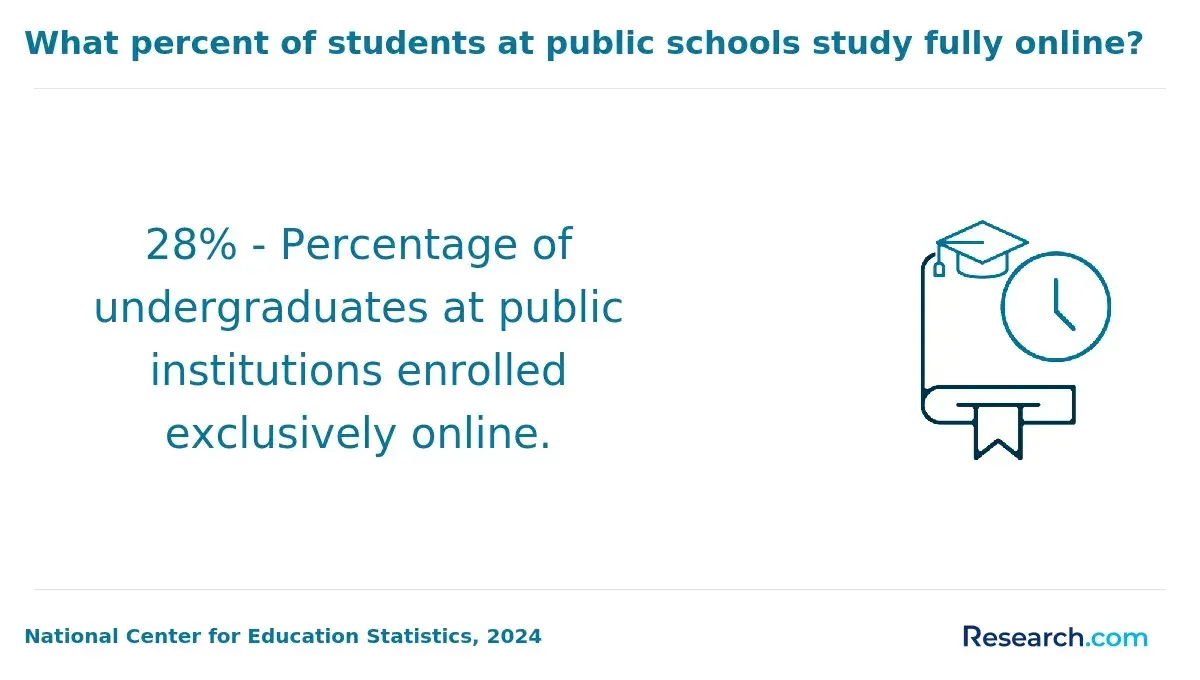
Are SAT or ACT Scores Still Required for Forensic Science Degree Programs?
As of 2024, the majority of forensic science degree programs have moved away from rigid SAT or ACT score requirements, reflecting nationwide trends captured by sources such as the National Center for Education Statistics and recent admissions policy updates. Many institutions have adopted test-optional or test-flexible models, prioritizing a holistic review where GPA, science coursework, and other qualitative elements carry more weight than standardized test scores. While some programs still encourage submitting strong SAT or ACT results to enhance applications, especially at more selective schools, an increasing number evaluate candidates without these scores. Graduate forensic science programs, however, often maintain standardized testing through exams like the GRE, underscoring a divergence in admissions standards between undergraduate and advanced study levels.
Shifts in standardized testing policies arise from several intersecting factors, including efforts to improve equity and access for underrepresented groups who might be disadvantaged by traditional testing metrics. Institutional strategies also play a role; public universities and less selective colleges often emphasize broader admission pathways, whereas private and highly selective schools may use optional test submissions as a means to refine candidate pools. Moreover, awareness that standardized tests offer limited predictive power for success in specialized forensic fields motivates these changes, acknowledging the importance of sustained academic performance and relevant preparatory coursework. This evolution reflects broader admissions recalibrations aimed at balancing selectivity, diversity, and holistic evaluation without over-reliance on scores with contested validity.
One forensic science student recounted the uncertainty faced during application season when their SAT scores arrived late due to testing disruptions, just days before application deadlines. Initially anxious about the potential impact of missing standardized scores, they decided to focus on submitting a robust academic transcript and detailed explanations of relevant lab experience. When the scores finally posted, the student hesitated about whether to update their materials but learned that the program's flexible policy meant their application had already been reviewed fairly. This experience highlighted how timing, incomplete data, and evolving test-optional policies can shape applicant strategy and emotional responses in real admissions environments.
How Many Forensic Science Programs Have Adopted Test-Optional Admissions Policies?
Recent data from FairTest, the National Center for Education Statistics, and College Board research indicate that approximately 45% to 55% of forensic science programs at four-year institutions have adopted test-optional admissions policies as of 2024. This reflects a significant shift compared to just a few years ago, with many programs retaining the choice to consider or waive SAT and ACT scores based on applicant preference. The trend is particularly pronounced in regional and smaller programs, while flagship universities and more selective institutions often maintain either full test requirements or hybrid approaches. Graduate forensic science programs are generally slower to remove testing mandates, placing greater emphasis on GPA and research experience instead.
Key factors driving this shift include heightened awareness of standardized testing's limitations in predicting academic and professional success within forensic science fields, along with concerns around equitable access for underrepresented and economically disadvantaged applicants. The temporary adaptations made during the pandemic have accelerated permanent policy changes, encouraging a broader holistic review of candidates beyond standardized scores. Competition among programs to attract a diverse applicant pool amid fluctuating demographic trends also influences these decisions, as test-optional policies can increase application volume and widen accessibility.
Adopting test-optional admissions impacts the dynamics of forensic science program selection, often increasing applicant diversity but complicating direct comparisons of candidate readiness based solely on exam results. This shift necessitates that applicants and advisors prioritize other indicators such as GPA rigor, research involvement, and relevant experience to align with evolving evaluation criteria. For institutions, test-optional policies can enhance inclusivity but may require more resource-intensive review processes to assess candidates holistically, signaling a broader transformation in admissions strategies reflective of changing educational and workforce landscapes.
What Non-Academic Factors Do Forensic Science Admissions Committees Consider?
Admissions committees in forensic science programs increasingly use a holistic review approach that balances academic achievements with critical non-academic factors. This process assesses applicants' broader potential, emphasizing qualities and experiences that complement GPA and test scores. Understanding these criteria helps clarify how programs select candidates likely to succeed in the field's demanding and applied environment. Non-academic factors often serve as vital signals of practical readiness, ethical standards, and personal resilience.
- Relevant Hands-On Experience: Internship or volunteer work in crime labs, medical examiner offices, or similar settings provides tangible evidence of a candidate's familiarity with forensic procedures. This real-world exposure is valued because it demonstrates applied skills that grades alone cannot capture, directly correlating with higher acceptance rates according to a 2024 National Association of Forensic Science Educators survey.
- Ethical Judgment and Integrity: Admissions panels seek applicants capable of maintaining strict ethical standards essential for handling sensitive forensic evidence. Behavioral interviews and situational judgment tests often screen for these traits, which align with lower student attrition and increased program success reported by a Department of Justice study.
- Attention to Detail and Communication Skills: Precision and clear communication are fundamental; candidates must exhibit meticulousness and the ability to convey complex information effectively. These traits are evaluated through application materials and interview performance, reflecting how academic metrics interlock with professional competencies.
- Adaptability and Stress Management: Given the high-pressure nature of forensic work, programs assess emotional stability and resilience through personal statements and letters of recommendation. Approximately 60% of forensic science curricula now integrate psychosocial skills development, signifying institutional recognition of stress coping as essential for career longevity.
- Diversity and Life Experience: Holistic admissions acknowledge applicants' backgrounds and unique perspectives, which enrich investigative approaches and help programs mirror community demographics. Inclusive recruitment efforts, increasingly emphasized since 2023, reflect a strategic move toward broader representation in the forensic workforce.
Applicants who understand how these non-academic factors operate alongside GPA and testing policies can better target their personal statements and extracurricular engagements for forensic science degree applications. These elements collectively shape a well-rounded application that resonates with admissions committees focused on both technical and interpersonal readiness.
For students considering related fields, comparing forensic science admissions criteria with those required in other health or science disciplines may be insightful. For example, those exploring options might consult resources such as the best online kinesiology degree guides for program prerequisites and skill emphasis.
Which Types of Schools Are the Most Selective for Forensic Science Applicants?
Admissions selectivity within forensic science degree programs reflects a complex interplay of institutional mission, applicant demand, and program capacity rather than simple rankings or reputation alone. Research-intensive universities and specialized institutions often face intense competition due to limited seats and high applicant volumes, which tighten admission thresholds. Meanwhile, regional and community-focused schools generally maintain broader access policies aligned with workforce and certification pathways, creating a spectrum of selectivity shaped by distinct educational and employment goals. Recognizing these dynamics aids prospective students and advisors in aligning expectations with institutional realities.
- Top-Tier Research Universities and Specialized Forensic Institutions: These schools often admit fewer than one in three applicants, driven by their established reputations and robust research infrastructures. High demand combined with comparatively small forensic science program capacities fosters strict academic standards, including GPA thresholds typically above 3.5. Their selectivity is further influenced by funding models that prioritize research output and close partnerships with criminal justice agencies, making these programs highly competitive relative to most others.
- Flagship Public Universities with Selective Programs: Public institutions designated as flagships tend to have competitive admissions for forensic science tracks, often reflecting broader institutional selectivity metrics. While acceptance rates remain under 30% in many cases, these universities balance accessibility with quality by selectively admitting students who demonstrate strong foundational knowledge and scientific preparation. Program capacity constraints and reputational goals contribute to setting rigorous admission benchmarks here.
- Regional Universities and Comprehensive Institutions: These schools typically maintain moderately selective or open admissions policies for forensic science degrees. Their focus leans toward applied training and workforce readiness rather than research intensity, which generally results in higher acceptance rates. Although less selective, these programs fill critical demand niches by providing accessible education channels for transfer students, career changers, and those seeking technician-level roles.
- Community Colleges and Technical Schools Offering Forensic Science Programs: Admissions here are often open or minimally restrictive, reflecting their mission to offer flexible, practical routes into forensic technician careers and certification programs. These pathways accommodate diverse student populations and prioritize rapid workforce entry. Due to minimal enrollment restrictions, selectivity is significantly lower compared to four-year institutions, though program offerings may be narrower in scope.
How Do Admissions Standards Differ Across States and Regions?
Admissions standards for forensic science programs in the United States display considerable variability shaped by regional educational landscapes and institutional priorities, as reflected in 2024 data from the National Center for Education Statistics and state university reports. Programs located in areas with dense concentrations of research institutions, especially in the Northeast and parts of the West Coast, tend to enforce higher GPA requirements-often above 3.5-and stricter standardized testing policies. Conversely, southern and midwestern states frequently adopt more lenient admissions thresholds, with some programs accepting GPAs as low as 2.5 and embracing test-optional approaches initiated around 2022. This divergence highlights how forensic science programs align admissions rigor with local educational missions and applicant pools rather than adhering to a uniform national standard.
Underlying these variations are complex factors including public funding allocations, regional workforce demands, and the balance between urban and rural education systems. States with substantial investment in higher education and research favor selectivity to match competitive job markets and secure limited program capacity, while regions facing practitioner shortages adopt broader access policies to accelerate workforce entry. Population growth patterns and the capacity of institutions to support hands-on forensic training further influence admissions competitiveness. These disparities underscore how external policy decisions and local labor market pressures create a mosaic of entry requirements, impacting who can realistically access forensic science education across the country.
A graduate recalled navigating the admissions landscape by initially applying to a northeastern program with a firm 3.6 GPA requirement but hesitated due to delayed test score releases during the rolling admissions cycle. Meanwhile, a midwestern state university's flexible deadlines and test-optional policy offered reassurance. After months of uncertainty, the applicant ultimately accepted the more accessible option, citing the importance of timely decisions over prestige, especially considering workforce demands in their home region. This experience illustrates how admissions timing and policy variations can significantly shape applicant strategy beyond mere academic metrics.
How Do Admissions Requirements Compare Between Online and Campus Programs?
Admissions standards for forensic science programs display marked disparities between online and campus formats, influenced by differing expectations around academic preparedness and practical skill development. Campus programs typically enforce higher GPA thresholds, often ranging from 3.0 to 3.5, reflecting the intensive laboratory and hands-on components integral to such degrees. By contrast, online programs tend to accept students with GPAs as low as 2.5, acknowledging the need for flexibility among working professionals and non-traditional students. These divergences in online versus campus forensic science admissions standards are further evidenced by testing policies; many campus programs maintain requirements for ACT, SAT, or GRE scores, whereas a growing share of online offerings have adopted test-optional approaches following post-2020 shifts in higher education admissions.
The key drivers behind these differences relate to institutional objectives and student demographics. Campus programs often target students prepared for immersive, in-person training and tightly integrated academic communities, justifying more selective admissions criteria. Online programs prioritize accessibility and scalability to accommodate diverse learners, including those balancing employment and family responsibilities. This flexibility can entail adjusted GPA expectations and alternative admissions factors, such as professional certifications or prior experience, which partially offsets the reduced in-person practicum opportunities. Variations in academic support structures and compliance with accreditor standards also shape these policies, as online delivery models depend heavily on remote supervision and virtual simulations rather than traditional lab engagement.
These admissions contrasts influence student decision-making and enrollment patterns, with many applicants weighing perceived rigor against flexible access. Programs requiring extensive hands-on training, valued by many employers for evidence analysis and courtroom communication skills, reinforce campus pathways as gateways to certain forensic science careers. Meanwhile, online formats appeal to those seeking adaptable schedules without necessarily compromising foundational knowledge, as seen in other fields like nursing, where direct entry MSN programs for non nursing majors have similarly adapted admissions frameworks to broaden participation. For transfer applicants navigating these distinctions, awareness of differing prerequisites and institutional priorities is crucial when considering program fit and long-term employability implications.
Is There a Relationship Between Admissions Standards and Student Success?
Recent data from the National Center for Education Statistics in 2024 highlights that forensic science programs with admissions standards requiring a minimum GPA of 3.5 demonstrate around an 8% higher graduation rate compared to programs with less restrictive thresholds. However, the relationship between admissions standards and student success extends beyond these quantitative metrics. While a stricter entry bar can correlate with better retention and graduation figures, these outcomes depend heavily on how well programs align admissions policies with comprehensive student support and real-world training opportunities. This complexity underscores ongoing debates about admissions selectivity and its direct impact on forensic science student retention and graduation rates.
Several factors complicate the connection between admissions selectivity and student outcomes. Variations in student demographics, availability of academic support services, institutional funding, and program design influence whether students admitted under more flexible standards achieve comparable success. Programs adopting test-optional policies, for instance, report no substantial drop in graduate competence or job placement, reflecting the growing importance of experiential learning, such as internships and casework exposure, over narrow academic metrics. These nuances illustrate why forensic science admissions cannot be evaluated solely on GPA or test scores but must consider holistic assessments aligned with workforce demands.
For prospective students and academic advisors, understanding that admissions selectivity alone is not a definitive predictor of educational quality or career outcomes is crucial. Evaluating how programs integrate practical readiness with academic standards offers a more reliable gauge of long-term student success. Those interested in related health sciences fields may also find it instructive to explore topics like how much does an online speech pathology degree cost, which reflect similar tensions between admissions policies and workforce preparation in evolving healthcare systems.
How Can Students Strengthen a Forensic Science Program Application?
Competitive forensic science applications rely on a strategic combination of academic rigor, relevant experiential learning, and demonstrable alignment with program goals. Admissions committees prioritize evidence of readiness that extends beyond minimum GPA thresholds-typically around 3.3 to 3.5 as noted in 2024 admissions data-emphasizing depth in STEM disciplines that underpin forensic methodologies. Demonstrating fit involves showcasing practical skills, critical thinking, and ethical judgment essential for the field, which are carefully evaluated within holistic review frameworks rather than by isolated metrics.
- Focused STEM Academic Preparation: Admissions evaluators assess consistent performance across biology, chemistry, and statistics to gauge scientific aptitude, which signals an applicant's capacity to handle forensic coursework complexities. This academic foundation is critical, as forensic science demands integrative analytical skills rather than purely theoretical knowledge.
- Applied Laboratory and Internship Experience: Practical, hands-on exposure evidences informed career commitment and readiness, allowing committees to view candidates as capable of transitioning smoothly into forensic environments. This experience also complements academic records by translating classroom learning into real-world forensic applications.
- Engagement in Research Projects: Participation in scientific research, particularly those involving data analysis or forensic techniques, conveys advanced analytical abilities and intellectual curiosity. Such involvement strengthens applications by demonstrating familiarity with the investigative processes central to forensic science problem-solving.
- Strategic Recommendations from Relevant Mentors: Letters from faculty or professionals who can attest to an applicant's analytical skills and ethical integrity carry significant weight, as they contextualize personal attributes critical for forensic careers within trustworthy endorsements.
- Communication Skills Demonstrated Through Extracurriculars: Given the forensic field's reliance on clear reporting and legal testimony, proven oral and written communication abilities-highlighted through forensic clubs or STEM organizations-enhance candidate profiles. Admissions committees favor applicants who balance technical proficiency with strong interpersonal articulation.
References
- Best Universities for Forensic Science | Postgraduate Search https://www.postgraduatesearch.com/advice/application-help/best-universities-for-forensic-science/ap-127618/
- 15 Best Bachelor's In Forensic Science Degrees https://www.criminaljusticedegreeschools.com/rankings/best-bachelors-forensic-science/
- Blogs https://aifset.com/blogs/courses-after-enterance-exam.html
- Bachelor of Science in Forensic Science https://www.ut.edu/academics/college-of-natural-and-health-sciences/chemistry-and-biochemistry/majors-and-minors/bachelor-of-science-in-forensic-science
- Online Forensic Science Degree https://www.aiuniv.edu/degrees/criminal-justice/bachelors-forensic-science
- How to Get Admission in Forensic Science After 12th (Complete Guide) https://lifs.co.in/blog/forensic-science-admission-after-12th-guide.html
- Financial Aid Resources | All Criminal Justice Schools https://www.allcriminaljusticeschools.com/financial-aid/
- Colleges that Allow Self-Reporting of SAT and ACT Scores https://www.compassprep.com/self-reporting-test-scores/
- Student Loan Repayment & Forgiveness for Forensics Degrees https://www.forensicscolleges.com/blog/guide-to-student-loan-repayment
- University Of New Haven Forensic Science Acceptance Rate https://vaccination.gov.ng/fulldisplay/KM7FG7/3S9061/UniversityOfNewHavenForensicScienceAcceptanceRate.pdf
Other Things You Should Know About Forensic Science
Higher GPA requirements often correlate with programs that emphasize intensive laboratory work, extensive practical training, and research components critical to employability. Applicants targeting rigorous programs should prioritize maintaining a strong GPA but also consider whether they have the capacity to manage challenging coursework. Conversely, slightly lower GPA thresholds in some programs may signal more flexible pacing or additional remedial support, although this might affect the depth of hands-on experience. Prioritizing program rigor over mere GPA numbers tends to serve long-term career readiness better.
Test-optional policies introduce ambiguity in evaluating academic preparedness, placing greater emphasis on GPA and coursework quality. Admissions committees may scrutinize quantitative science courses and lab experience more closely to compensate for missing standardized scores. For applicants, this means focusing on demonstrating strong science foundations and relevant practical experiences rather than relying on test performance. From a decision-making standpoint, applicants should target programs with transparent evaluation criteria beyond tests to better gauge admission likelihood.
Lower acceptance rates often indicate highly competitive programs with selective admissions that may offer more specialized training and research opportunities valued by employers. Graduates from such programs tend to have stronger resumes for technical forensic roles but may face intense academic workloads and less flexibility. Higher acceptance rates might reflect programs with broader access but potentially fewer employer connections or advanced facilities. Applicants must weigh acceptance ease against the practical benefits of program reputation and resource availability, especially if aiming for specialized forensic careers.
Transfer applicants must recognize that GPA transferability and test requirements can differ widely and affect credit acceptance and program standing. Some forensic science programs with higher GPA thresholds may impose conditional admission or require supplementary coursework, extending time to degree completion. Test-optional policies may reduce barriers when transferring but increase the emphasis on demonstrated coursework quality. Transfer students should prioritize programs with clear articulation agreements and transparent policies to minimize credit loss and avoid extended remediation.