2027 Forensic Science Skills Gap Analysis: What Employers Want vs What Degree Programs Teach

Co-Founder and Chief Data Scientist
A recent graduate with a degree in forensic science faces a common but frustrating hurdle: landing a job that matches their education. Employers often seek candidates who possess not only theoretical knowledge but also practical skills that new graduates might lack. This mismatch can lead to extended job searches and underemployment, leaving applicants questioning the value of their academic training.
Meanwhile, forensic science programs may emphasize foundational concepts and research methods at the expense of applied techniques and emerging technologies valued in the field. This gap raises concerns about how well degree programs prepare students for real-world tasks and the evolving demands of employers. This article analyzes these discrepancies and offers insight into how prospective and current students can better align their skills with workforce expectations.
Key Things to Know About Forensic Science Skills Gap
- Employers often expect proficiency in advanced analytical software and crime scene simulation tools not emphasized in most forensic science degree curricula, requiring graduates to seek additional training post-graduation.
- Most graduates must develop skills in interdisciplinary communication and legal report writing beyond classroom theory, as 68% of forensic employers in a 2024 survey highlighted these as critical yet under-taught competencies.
- Engaging in internships and cross-disciplinary projects during studies significantly boosts career readiness by bridging theory-practice gaps and expanding professional networks essential for job placement.
- Key Things to Know About Forensic Science Skills Gap Key Things to Know About Forensic Science Skills Gap
- What Skills Do Employers Expect From Forensic Science Graduates? Employer Expectations
- What Do Forensic Science Degree Programs Typically Teach? Program Curriculum
- Where Is the Biggest Skills Gap Between Forensic Science Programs and Employers? Biggest Skills Gap
- Which Technical Skills Are Most Important for Forensic Science Careers? Technical Skills
- Which Workplace Skills Matter Beyond Technical Knowledge? Workplace Skills
- How Do Internships and Real-World Experience Improve Career Readiness? Career Experience
- How Can Students Close the Forensic Science Skills Gap Before Graduating? Closing Skills Gap
- How Is the Forensic Science Job Market Changing Employer Skill Requirements? How Is the Forensic Science Job Market Changing Employer Skill Requirements?
- How Do Different Forensic Science Programs Compare in Career Preparation? How Do Different Forensic Science Programs Compare in Career Preparation?
- How Should Students Choose a Forensic Science Program That Builds Career-Ready Skills? Choosing a Program
What Skills Do Employers Expect From Forensic Science Graduates?
Employers hiring forensic science graduates in 2024 prioritize a combination of strong technical expertise and practical workplace skills. Labor market data from LinkedIn and Lightcast indicate that over 70% of employers expect candidates to be proficient in advanced analytical methods such as DNA analysis, toxicology, and digital forensics. Beyond laboratory techniques, the ability to communicate complex findings clearly is critical, especially when conveying evidence in legal contexts.
For instance, a forensic analyst tasked with interpreting digital evidence in a cybersecurity breach must not only produce accurate reports but also explain technical details in court effectively.
The following skills are essential for meeting employer expectations in the forensic science field.
- Technical Proficiency: Mastery of analytical methods and experience with laboratory instruments enable graduates to produce reliable and credible results. Degree programs emphasize hands-on training with cutting-edge tools, which aligns directly with employer demands.
- Critical Thinking: The ability to evaluate evidence, identify inconsistencies, and devise investigative strategies is crucial. Employers value graduates who apply scientific reasoning to navigate complex case scenarios without relying solely on standard procedures.
- Effective Communication: Clear written and oral communication skills are necessary for preparing reports and testifying in court. Forensic science graduate job skills must include translating technical jargon into terms understandable by legal professionals and juries.
- Team Collaboration: Working effectively within multidisciplinary teams is standard in forensic investigations. Adaptability to shifting priorities and cooperative problem-solving enhance case outcomes and workplace dynamics.
- Digital Literacy: Familiarity with managing and interpreting large datasets reflects industry trends as forensic cases increasingly intersect with cybersecurity. Graduates are expected to handle software tools that support data analysis and digital evidence management.
- Ethical Judgment: Upholding legal standards and procedural integrity builds trust in forensic findings. Ethical awareness ensures adherence to protocols and maintains the justice system's credibility.
- Continuous Learning: Employers encourage ongoing professional development to keep pace with technological and regulatory changes. This commitment helps graduates remain effective amid the evolving demands of the forensic science field.
For those interested in advancing their scientific expertise, fields like pharmacy also emphasize similar rigor; prospective students may explore PharmD programs as examples of applied sciences demanding comparable skill sets.
What Do Forensic Science Degree Programs Typically Teach?
Forensic science degree programs equip students with a multidisciplinary foundation essential for understanding and applying scientific principles within legal contexts. These programs prioritize core knowledge across biology, chemistry, and physics, integrated with forensic-specific techniques to prepare students for evidence analysis and courtroom challenges. However, the emphasis often leans toward theoretical and methodological learning rather than immersive, practical experiences that reflect real casework complexities.
For instance, a graduate may be adept at conducting DNA analysis under controlled lab conditions but may struggle to navigate the rapid decision-making and interdisciplinary coordination required during active criminal investigations. This balance between foundational knowledge and applied skills shapes graduates' readiness for diverse forensic roles.
Below are key competencies typically developed through forensic science degree curriculum content.
- Scientific Foundations: Programs focus on an in-depth understanding of biology, chemistry, and physics as they relate to forensic applications. This foundation supports students exploring biology major jobs while enabling them to interpret evidence scientifically and adapt to evolving technologies, a core requirement in meeting employer and legal standards.
- Crime Scene Protocols: Students learn standard procedures for securing and documenting crime scenes, emphasizing meticulous evidence handling to preserve integrity. This competency is critical for ensuring that findings are legally admissible and scientifically valid throughout investigations.
- Laboratory Techniques: Curriculum often includes training in DNA analysis, toxicology, and trace evidence examination. Mastery of these techniques supports career advancement in forensic laboratories by fostering accuracy and reliability in testing.
- Legal and Ethical Standards: Understanding the intersection of science and law is emphasized, focusing on courtroom testimony, report writing, and ethical considerations. This prepares graduates to communicate findings effectively and uphold professional accountability in judicial settings.
- Data Analysis and Digital Forensics: While adoption varies, some programs incorporate statistical reasoning and digital forensics to address emerging demands. These skills are increasingly important in an era of complex data and cyber-related crimes.
- Critical Thinking and Problem-Solving: Programs aim to develop students' ability to analyze ambiguous evidence and make sound judgments. This is vital for adapting traditional forensic methods to unpredictable, real-world case scenarios.
- Interdisciplinary Collaboration: Although less commonly integrated as a core outcome, some curricula emphasize teamwork across scientific and investigative disciplines, reflecting workforce surveys highlighting this as a key gap in practitioner preparedness.
Where Is the Biggest Skills Gap Between Forensic Science Programs and Employers?
Forensic science graduates often face a significant gap between the skills they acquire in academic programs and what employers expect in the field. This gap is not simply about missing technical knowledge but centers largely on practical, applied abilities essential in real-world forensic work. A 2024 report from the National Institute of Justice found that many new hires lack the capacity to handle casework complexity or collaborate effectively across disciplines.
Addressing these deficiencies requires targeted efforts beyond classroom theory. Below are key areas where students and employers commonly diverge.
- Applied Casework Proficiency: Many graduates excel in laboratory techniques but struggle to translate these into adaptive reasoning within multifaceted crime scenes. This issue arises because academic exercises tend to use controlled, idealized scenarios rather than unpredictable investigations. Internships and simulation-based learning can help bridge this divide by exposing students to real case dynamics and decision-making under pressure.
- Data Literacy and Digital Forensics: With forensic investigations increasingly relying on analytics and cyber tools, students often enter the workforce without strong digital skills. According to a 2024 survey by the American Academy of Forensic Sciences, employers frequently rate data analysis and cyber forensic competencies as critical yet underdeveloped in recent graduates. Pursuing certifications in digital evidence handling or bioinformatics supplements can enhance readiness.
- Communication and Reporting Skills: Despite the necessity for clear, persuasive communication of complex findings to legal professionals and juries, many programs give limited focus to scientific writing or courtroom presentation. Graduates unprepared in these areas face hurdles convincing stakeholders or testifying effectively. Engaging in mock trials, writing-intensive projects, or public speaking workshops can strengthen this skill set.
Which Technical Skills Are Most Important for Forensic Science Careers?
Technical skills in forensic science serve as the essential bridge transforming theoretical knowledge into actionable practice. As forensic industries adapt to technological advances and evolving legal standards, the demand for versatile, well-honed competencies grows. What employers prioritize shifts alongside changes in casework complexity, emerging crime types, and innovation in investigative tools.
Staying attuned to these dynamics ensures graduates can integrate seamlessly into professional roles while advancing their expertise over time.
Below are the core technical skills that remain highly sought after by employers in forensic science roles.
- Advanced Laboratory Techniques: Mastery of methods such as DNA profiling, chromatography, and spectrometry is fundamental. These skills are honed through rigorous coursework and hands-on lab experiences, enabling precise evidence analysis that withstands courtroom scrutiny. Practical laboratory ability remains a cornerstone of forensic careers, as it directly impacts case outcomes and credibility.
- Digital Forensics Expertise: Proficiency in recovering and analyzing electronic data is increasingly vital due to the rise of cybercrime. Training with specialized forensic software and understanding network systems prepares candidates for roles that demand both technical and investigative acumen. This dual competency provides a competitive advantage in a landscape blending physical and digital evidence.
- Instrumentation Operation: Effective use and maintenance of complex analytical instruments underpin many forensic tasks. Learning these competencies facilitates quality control, accuracy, and reproducibility, which are critical factors in laboratory workflows and legal admissibility.
- Data Interpretation and Communication: The ability to translate complex scientific findings into clear, defensible reports is frequently highlighted by employers. Communicating technical details to non-expert audiences such as juries or attorneys requires skillful synthesis developed through both academic writing and simulated courtroom exercises.
- Quality Assurance Practices: Familiarity with protocols that ensure data integrity and procedural compliance is crucial. This skill encourages meticulousness and accountability, aligning with industry standards and reinforcing professional reliability.
- Case Documentation and Chain of Custody: Precise record keeping safeguards evidence integrity from collection through trial. Training in these procedures prepares graduates to meet strict legal expectations and avoid challenges to admissibility.
- Interdisciplinary Collaboration: Forensic science professionals often collaborate with law enforcement, legal teams, and other specialists. Developing technical fluency that supports cross-disciplinary communication fosters effective case management and outcomes.
According to the Bureau of Labor Statistics and recent workforce analyses from 2024, over 70% of forensic science employers emphasize proficiency in both laboratory and digital forensic skills as essential hiring criteria, reflecting the sector's evolving evidence landscape and technological integration.
Which Workplace Skills Matter Beyond Technical Knowledge?
Success in forensic science careers depends on more than technical knowledge alone. Employers increasingly emphasize essential workplace skills that complement scientific expertise, as these abilities directly influence job performance and career longevity. Effective graduates are those who can navigate complex scenarios that demand judgment beyond laboratory techniques and statistical analysis.
For example, a forensic analyst might face evolving case details requiring quick reassessment of evidence under pressure-technical skills are necessary, but adaptability and critical thinking make the difference.
Below are key workplace competencies valued by employers, especially reflected in recent studies including a 2024 report from the National Institute of Justice highlighting a significant gap between academic training and forensic laboratory expectations.
- Critical thinking: Forensic professionals must interpret nuanced evidence and reevaluate conclusions in dynamic case contexts. Strengthening this skill involves engaging in coursework or simulations offering ambiguous, real-world problem-solving tasks. It ensures analysts maintain rigor and flexibility, crucial when initial data conflicts with new findings.
- Effective communication: The ability to translate complex scientific results into clear, accessible language is vital. Practical opportunities to develop this include writing detailed reports and practicing oral testimony. Forensic scientists frequently interact with non-expert legal personnel and juries, so honing communication builds credibility and supports case outcomes.
- Adaptability and resilience: The forensic landscape includes unpredictable workloads, technological updates, and ethical challenges. Programs that incorporate stress management and exposure to variable scenarios help prepare graduates to remain composed and professional during high-pressure events, enhancing long-term job stability.
- Situational judgment: Evaluating ambiguous information and making informed decisions without definitive answers is a daily reality. Experiential learning such as case studies or mock investigations can cultivate this skill, promoting responsible discretion critical in forensic roles.
- Collaboration skills: Successful forensic work often involves cross-disciplinary teams. Developing cooperative skills through group projects or internships allows graduates to contribute valuably in diverse environments, which laboratory supervisors prioritize.
- Technological fluency: While technical knowledge is emphasized, continuous learning of new forensic tools and software is essential. Graduates with a proactive approach to evolving technology better navigate transitioning methods and enhance their employability.
- Ethical awareness: Handling sensitive evidence and maintaining integrity underpin forensic credibility. Ethics-focused coursework and discussions of real-world dilemmas strengthen judgment and assure employers of a candidate's professionalism.
The 2024 data from the American Academy of Forensic Sciences clearly shows employers rate these professional or durable skills as equally important as scientific competence, especially requiring graduates to bridge gaps left by traditional forensic science degree programs.
Prospective students should research programs that balance both technical skills and these essential workplace competencies to improve job readiness and meet forensic science employer expectations beyond technical skills. For those exploring educational options, examining top online MHA programs can also provide insights about the value of integrating robust professional skills training with scientific education.
How Do Internships and Real-World Experience Improve Career Readiness?
Classroom instruction in forensic science often focuses on theory and controlled laboratory techniques, which alone rarely prepare students for the complexities of professional practice. Real-world experience such as internships bridges this gap by enabling students to apply academic concepts in unpredictable environments, fostering critical thinking and confidence.
For example, encountering unexpected evidence conditions during an internship compels students to adapt protocols and make judgment calls beyond textbook scenarios, a vital skill employers demand. Data from the National Institute of Justice's 2024 report reveals that forensic science graduates with internship experience are 35% more likely to secure employment within six months compared to those without such exposure.
Internships and related experiential learning provide opportunities to hone practical skills including evidence handling, case documentation, and interdisciplinary communication-competencies pivotal in forensic settings. Beyond technical development, these placements offer firsthand insight into professional expectations, workplace culture, and networking that help clarify career trajectories.
However, access to quality, structured internships varies widely, and programs that emphasize active engagement and mentorship produce stronger outcomes than observation-only roles. Students who immerse themselves in diverse tasks and cultivate professional relationships gain advantages in both skill acquisition and career decision-making.
To maximize the benefits of experiential learning, students should pursue internships early in their studies, engage deeply with applied projects, and reflect critically on their experiences. Linking hands-on work to long-term goals and continuous skill improvement complements academic achievement, forming a more comprehensive readiness profile.
While internships substantially boost employability and practical acumen, their effectiveness hinges on intentional career planning and leveraging these opportunities to build both technical proficiency and professional maturity.
Employer Confidence Share in Online vs. In-Person Degree Skills, Global 2024

How Can Students Close the Forensic Science Skills Gap Before Graduating?
Students do not have to wait until graduation to develop career-ready skills in forensic science. Building practical competencies alongside academic knowledge during the degree program enhances employability and eases the transition into the workforce. Employers are increasingly valuing hands-on experience and problem-solving abilities over theoretical credentials alone. By engaging proactively with real-world applications, students can significantly improve their job prospects.
Below are targeted strategies students can use to close the forensic science skills gap before finishing their studies.
- Hands-On Internships: Internships offer direct exposure to forensic practices, enabling students to apply classroom concepts to real cases. Studies from 2024 indicate that students completing forensic internships achieve a 30-40% higher employment rate within six months of graduation. Seeking placements that emphasize active participation rather than observation is critical for meaningful skill development.
- Undergraduate Research Engagement: Participating in research projects that simulate forensic scenarios fosters analytical thinking and interdisciplinary knowledge. These projects build the critical thinking and documentation precision employers prioritize. Research-driven learning enhances adaptability and mirrors the complexity of forensic investigations.
- Professional Certifications: Earning certifications in specialized forensic techniques or technologies demonstrates mastery of relevant tools and a commitment to ongoing development. While not substitutes for degrees, they highlight proficiency in areas aligned with emerging industry demands and can differentiate candidates in competitive job markets.
- Project-Based Learning: Engaging in structured projects encourages collaboration, time management, and application of diverse skills. This approach aligns closely with real forensic workflows and strengthens problem-solving abilities necessary for casework and laboratory environments.
- Soft Skills Development: Cultivating communication, teamwork, and ethical reasoning prepares students for the collaborative and sensitive nature of forensic work. Employers consistently emphasize these interpersonal competencies as crucial alongside technical expertise.
How Is the Forensic Science Job Market Changing Employer Skill Requirements?
Technological advancements like automation, artificial intelligence, and increasing data reliance are reshaping the forensic science job market trends, pushing employers to seek candidates with interdisciplinary expertise. According to the World Economic Forum, proficiency in data analytics and digital forensics is becoming as essential as core laboratory skills.
In practice, this means a forensic professional might be expected to quickly analyze complex digital evidence alongside traditional physical samples, requiring a blend of technical knowledge and agility in emerging technologies. Regulatory shifts and collaboration with law enforcement further underscore the importance of understanding legal and ethical frameworks in this evolving landscape.
These shifts translate into broader employer skill requirements in forensic science, emphasizing not only advanced technical capabilities but also critical thinking, communication, and adaptability. LinkedIn workforce insights reveal that employers increasingly value continuous learning and practical experience gained through internships or certifications in areas like cybersecurity.
This trend highlights a gap in many degree programs, which still focus heavily on traditional lab methods without adequately integrating interdisciplinary skills. Students who supplement their academic foundation with applied projects, certifications, and professional networking position themselves better for dynamic forensic roles.
For those entering the field, a proactive approach combining foundational coursework with hands-on experience and ongoing skill development is vital to meet evolving expectations. Pursuing internships, specialized certifications such as digital forensics, and complementary studies in legal or data science domains can significantly enhance employability.
Additionally, exploring pathways such as cheapest online PMHNP certificate programs may offer insights into cost-effective continuing education strategies relevant to career changers or students managing learning investments. Understanding and aligning with labor market demands improves career resilience in this rapidly transforming sector.
How Do Different Forensic Science Programs Compare in Career Preparation?
Career preparation in forensic science degree programs depends on more than just the program's name or overall reputation. The real differentiators lie in how well a curriculum integrates practical training with academic content and whether it aligns with employer expectations in this specialized workforce. For example, a graduate with strong laboratory and internship experience often transitions more smoothly into forensic casework than one with primarily theoretical knowledge.
This is reflected in a 2024 report from the National Institute of Justice, which shows that programs emphasizing interdisciplinary and applied coursework increase graduate adaptability across forensic roles.
Key factors to evaluate when comparing programs include:
- Experiential Learning: Hands-on laboratory exercises, internships, and simulated casework develop the technical skills critical to forensic science careers. Programs vary widely in access to real crime labs or partnerships with law enforcement agencies, making this a core difference for workforce job readiness.
- Accreditation and Curriculum Quality: FEPAC accreditation signals adherence to standards that include evidence management and instrumentation proficiency. Prospective students should compare whether curricula are regularly updated to keep pace with evolving forensic technologies and legal standards.
- Soft Skills Integration: Communication, teamwork, and ethical decision-making are essential in multidisciplinary forensic environments but often receive inconsistent emphasis across programs. Evaluating how these skills are embedded can indicate how well graduates will fit collaborative workplaces.
- Discipline Integration: Programs that blend chemistry, biology, and criminal justice coursework better prepare students for complex real-world workflows. Evaluating the breadth of interdisciplinary offerings helps assess if a program supports workforce adaptability.
For those assessing program options, matching curriculum strengths with personal career goals and learning preferences is crucial. Some may also explore complementary fields such as environmental health, where best online environmental health and safety programs provide additional pathways for forensic science graduates seeking broad applicability in public safety fields.
The comparison of forensic science programs for workforce skills should thus emphasize concrete program outcomes and practical readiness beyond degree titles.
How Should Students Choose a Forensic Science Program That Builds Career-Ready Skills?
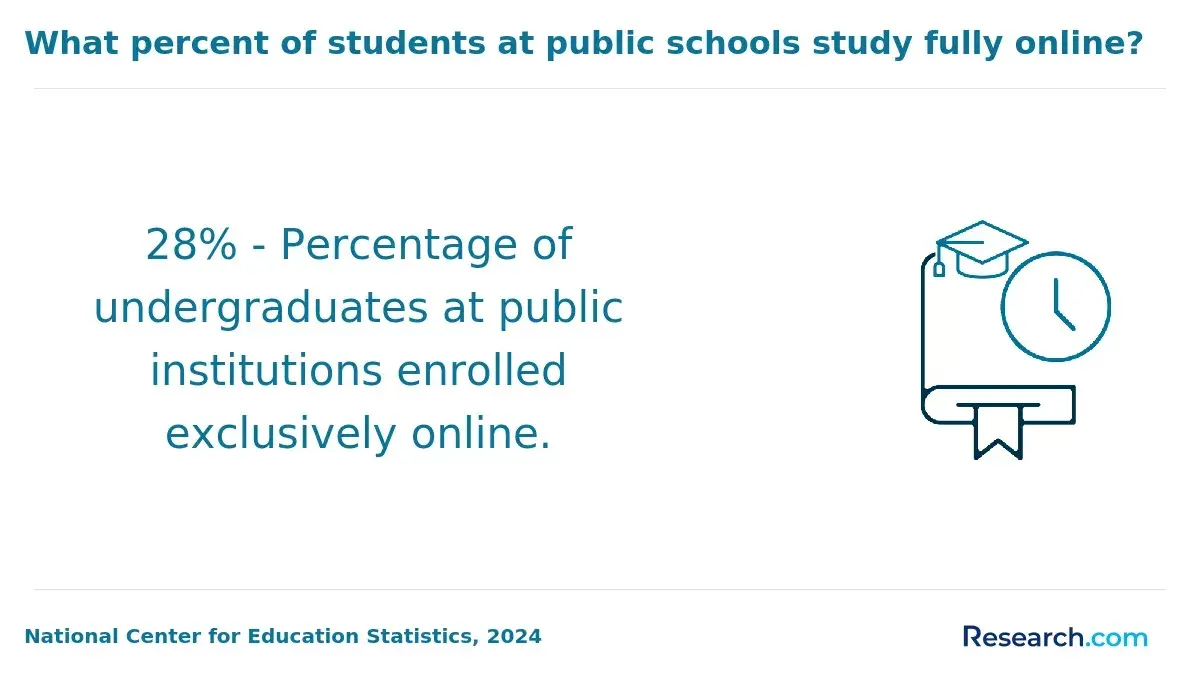
Choosing between online, hybrid, or campus forensic science learning formats shapes not only immediate educational experiences but also long-term career readiness. Each format offers distinct benefits and limitations tied to how effectively they develop hands-on skills, critical thinking, and professional networking. The National Institute of Justice highlights that programs integrating applied lab work and internships boost workforce transitions, a factor that varies by delivery mode.
Consider these key long-term factors when selecting your learning format:
- Skill Development: Campus programs often provide the richest hands-on lab experience essential for forensic practice, while online formats may limit access to physical resources. Hybrid models blend practical and theoretical training, suiting students who need flexibility without sacrificing skill acquisition.
- Networking Opportunities: In-person environments foster stronger peer and faculty connections, critical for internships and job leads. Online learners must proactively seek digital communities; hybrid students gain moderate networking benefits.
- Workforce Readiness: Employer surveys in 2024 confirm graduates from FEPAC-accredited campus or hybrid programs tend to have smoother workforce integration due to real-world exposure, compared to fully online peers.
- Flexibility Versus Structure: Online programs favor learners balancing work or family commitments but require self-discipline. Campus formats offer structured schedules aiding persistence, benefiting those needing direct guidance.
- Soft Skills Development: Campus and hybrid formats better support ethical reasoning and communication through in-person case studies and mock trials, preparing graduates for multifaceted roles overlapping law enforcement and legal sectors.
- Technology Integration: Online and hybrid learners often gain stronger digital forensics skills by engaging with virtual tools, an advantage valued in evolving forensic fields.
- Cost and Accessibility: Online programs typically reduce commuting and relocation expenses, making forensic science education more accessible for diverse populations, though some resources may be less comprehensive.
References:
- Forensic Science & CSI Schools By State - Degrees & Certification https://www.forensicscolleges.com/usa
- Guide to Forensic Science Internships | Higherin https://higherin.com/career-guides/science-research/forensic-science-internships
- Forensic Workforce Survey https://www.smithgroup.com/forensic-workforce-survey
- List of Bachelors in Forensic Science Programs - Campus & Online https://yescollege.com/degrees/bachelors-in-forensic-science/
- Improve Forensic Employee Retention with Mentorship and Professional Development https://gapscience.com/improve-forensic-employee-retention/
- [PDF] forensic workforce strategic plan 2021/26 | fcn https://fcn.police.uk/docs/forensic-workforce-strategic-plan-2021-2026finalpdf/download
- 15 Best Bachelor's In Forensic Science Degrees https://www.criminaljusticedegreeschools.com/rankings/best-bachelors-forensic-science/
- NIST Report Highlights Key Challenges in Forensic Science and Provides Strategies for Addressing Them https://forensicstats.org/blog/nist-report-highlights-key-challenges-in-forensic-science-and-provides-strategies-for-addressing-them
- Internships https://www.cfsre.org/education/internships
- What Is Forensic Science & What Does a Forensic Scientists Do? https://www.allcriminaljusticeschools.com/forensics/forensic-science-careers/
Other Things You Should Know About Forensic Science
Employers consistently prioritize candidates who demonstrate practical proficiency alongside strong theoretical foundations. Programs heavily weighted toward theory without sufficient lab work or case simulations risk leaving graduates underprepared for real-world tasks, which can slow early career progress. Students should seek programs that integrate applied learning experiences, since these provide a clearer demonstration of job readiness and reduce the need for extensive on-the-job training.
Many forensic science degree programs emphasize technical mastery but often underemphasize communication, critical thinking, and teamwork-skills employers identify as crucial for effective casework and interdisciplinary collaboration. Ignoring these soft skills can hinder graduates' performance in high-pressure environments where clear reporting and cross-unit cooperation matter. Prioritizing programs with structured opportunities to develop these competencies improves adaptability and employability significantly.
Specialized tracks can provide deep expertise that aligns closely with certain employer needs but may limit flexibility across different forensic disciplines. Broader curricula offer versatility but risk producing graduates with surface-level skills in multiple areas. Depending on career goals, students should weigh whether early specialization better positions them for targeted roles or if broader training will enhance long-term career resilience in a fluctuating job market.
Extended program lengths can allow for more comprehensive skill accumulation but may increase time-to-employment and financial burden, which can be deterrents. Conversely, accelerated programs may skim important experiential components, potentially weakening workforce readiness. Candidates must consider whether a program's pacing balances depth with timely graduation and includes support structures that reinforce applied competencies under realistic workloads.