2027 Forensic Science Degree Program Availability Report: Which States and Schools Offer the Most Options

Co-Founder and Chief Data Scientist
The uneven distribution of forensic science degree programs across states reflects deeper institutional and labor market dynamics. States with diversified forensic disciplines often align educational offerings with local law enforcement needs and forensic technology investments. According to the Bureau of Labor Statistics 2024 update, employment in forensic science roles is projected to grow 14% faster in regions emphasizing advanced crime laboratories, influencing program availability.
These patterns highlight how educational institutions calibrate program portfolios to regional workforce demands and resource commitments. This report examines which states and schools provide the most forensic science options, revealing insights about educational access, institutional focus, and alignment with evolving professional competencies.
Key Benefits of States and Schools That Offer the Most Forensic Science Degree Program Options
- States with numerous forensic science programs often require students to choose specialized tracks; this tradeoff sharpens expertise but limits interdisciplinary exposure, affecting adaptability in diverse investigative roles.
- Employers increasingly prioritize graduates from states offering varied forensic science curricula, correlating to broader skill sets and improved laboratory problem-solving capacity in high-demand sectors.
- High program availability correlates with competitive tuition rates and more enrollment cycles, improving access but necessitating careful planning to avoid extended time-to-degree due to credit transfer complexities.
- Key Benefits of States and Schools That Offer the Most Forensic Science Degree Program Options Key Benefits
- Which States Offer the Most Forensic Science Degree Programs? Top States
- Why Do Some States Have More Forensic Science Programs Than Others? Program Availability
- Which Colleges Offer the Largest Number of Forensic Science Degree Options? Top Schools
- How Do Online Programs Improve Access in States With Limited Options? Online Program Access
- How Much Does Forensic Science Program Tuition Vary by State? Tuition by State
- How Does Forensic Science Program Demand Affect Admissions Decisions? Program Demand
- How Do Forensic Science Specialization Options Vary by Region? Specialization Options
- How Does Regional Employer Demand Affect Career Outcomes? Employer Demand
- What Factors Matter Most When Comparing Forensic Science Programs Across States? Key Comparison Factors
- Which Regions May See the Fastest Growth in Forensic Science Education? Fastest Growing Region
Which States Offer the Most Forensic Science Degree Programs?
Availability of forensic science degree programs across the United States is unevenly shaped by factors such as population density, institutional capacity, and local labor market needs. States hosting numerous higher education institutions with established forensic research or crime lab partnerships tend to offer the widest range of specialized programs.
These concentrations reflect strategic alignment between academic resources and regional industries, allowing for diverse curricula that address evolving forensic methodologies and practical workforce demands. Understanding which states offer the most forensic science degree programs provides insight into the broader educational ecosystem and employment pipeline dynamics.
- California: Due to its expansive university system and numerous community colleges, California leads in forensic science program availability. The close collaboration between educational institutions and active public health and law enforcement agencies facilitates internship opportunities and applied training, enhancing students' job preparedness. California's diverse program offerings include criminalistics, digital forensics, and forensic biology, reflecting both regional demand and institutional specialization.
- New York: Concentrated around metropolitan hubs, New York's forensic science education infrastructure benefits from proximity to busy urban crime labs and research centers. The state's strategic emphasis on strengthening forensic capabilities in high-demand areas supports a robust array of programs that combine theoretical instruction with hands-on laboratory experience. This supports local agencies' hiring needs while providing students with direct employment pathways.
- Texas: Spanning a large and varied geography, Texas offers a mix of certificate and degree programs designed to meet the needs of modernized forensic laboratories and research initiatives. State investment in forensic technology and inter-agency collaboration creates a steady demand for graduates equipped with both foundational and advanced skills. Programs here emphasize technical proficiency, reflecting regional crime lab staffing patterns and workforce forecasting.
States like Florida and Pennsylvania are also expanding their offerings in response to emerging forensic technology sectors and government support, though overall program counts remain behind the top three. Midwestern states such as Illinois and Ohio tend to focus more narrowly on practical forensic chemistry and laboratory skills aligned with local crime lab requirements.
Prospective students should consider these geographic patterns since program availability directly impacts specialization options, access to quality field placements, and ultimately, employability. For those balancing accessibility and practical experience, exploring related pathways such as RN to BSN online no clinicals programs may offer valuable alternatives within healthcare-adjacent forensic fields.
Why Do Some States Have More Forensic Science Programs Than Others?
Variations in forensic science degree program availability across states stem largely from differences in higher education infrastructure and regional demand for graduates. States with denser populations and extensive criminal justice sectors naturally support a wider range of program options, reflecting a closer alignment between academic offerings and labor market needs.
These state differences in forensic science degree availability are not merely a function of size but also how institutions leverage existing resources, such as established STEM departments and partnerships with law enforcement agencies, to deliver targeted education. The geographic clustering of programs corresponds closely to where sustained workforce demand exists and where academic institutions can economically develop specialized curricula.
Key drivers behind this variation include state funding priorities, university research capacity, and the presence of industry clusters that elevate employer demand for forensic science skills. States that allocate more budgetary support to public safety and forensic services create stronger incentives for universities to expand or initiate forensic programs, often supported by collaborative relationships with local agencies.
Research-intensive universities and community colleges capable of integrating forensic tracks into broader science curricula also contribute by offering diverse academic pathways, which smaller or less-funded states struggle to sustain. According to the Bureau of Labor Statistics, regions with higher employment rates for forensic analysts often correspond to those providing multiple academic options, underscoring the interconnectedness of institutional capacity and labor market demand.
These disparities have significant implications for student access and regional workforce development. Areas with limited program availability may see students pursue online alternatives or out-of-state options, driving growth in accelerated and fast degree programs designed to bridge these gaps. However, this can also lead to uneven preparation and recruitment challenges for local employers who depend on graduates familiar with their specific forensic contexts.
Ultimately, understanding these structural and economic factors provides critical insight into how forensic science education ecosystems evolve and where strategic investments might best improve alignment between education providers and workforce needs over time.
Which Colleges Offer the Largest Number of Forensic Science Degree Options?
The scope of forensic science degree options at a college generally reflects its institutional scale, academic resources, and research intensity rather than geographic location alone. Larger universities with established STEM departments and substantial funding are more likely to offer diverse forensic science pathways, including specialized tracks and multiple degree levels.
These institutions often utilize interdisciplinary collaboration and leverage partnerships with law enforcement or medical entities to enrich their programs, while also expanding access through flexible delivery formats such as online or hybrid models.
- Large Public Research Universities: These institutions typically dominate in the breadth of forensic science offerings due to extensive faculty expertise, multiple degree tiers (associate to doctoral), and strong external relationships with criminal justice agencies and state laboratories. For example, major state university systems in California and Texas provide a wide array of specialty tracks including forensic toxicology and digital forensics. Their scale supports integrated lab facilities and applied internships that align curricula with evolving workforce demands.
- Comprehensive STEM-Focused Universities: Universities with broad science faculties and medical schools can offer interdisciplinary forensic science programs combining biology, chemistry, and data analysis. Such institutions expand program diversity by embedding forensic science within larger academic ecosystems, enabling tailored concentrations and advanced research opportunities. This approach is common among schools that also emphasize research grants and public-private partnerships to enhance curriculum relevance.
- Ivy League and Select Private Research Institutions: While fewer in number, some elite private schools offer depth through specialized forensic science programs intertwined with criminalistics and law research centers. These institutions prioritize theoretical foundations and research innovation, often including doctoral-level training and access to cutting-edge forensic methodologies. Their partnerships with policy and legal entities create unique academic avenues.
- Technical Institutes and Specialized Colleges: Although typically narrower in scope, some technical colleges and specialized institutions focus on workforce-ready forensic certifications and associate degrees. They capitalize on rapid credentialing and practical instruction but rarely provide extensive graduate pathways or diverse specialties. These programs play a critical role in supplying foundational workforce skills for local and regional employers.
According to recent data from the National Center for Education Statistics in 2024, universities classified as high-research activity (R1) institutions are statistically more likely to house over five distinct forensic science subprograms compared to smaller, teaching-focused colleges. This disparity underscores how institutional investment in research infrastructure and external collaborations drives program diversification more significantly than geographic factors alone.
How Do Online Programs Improve Access in States With Limited Options?
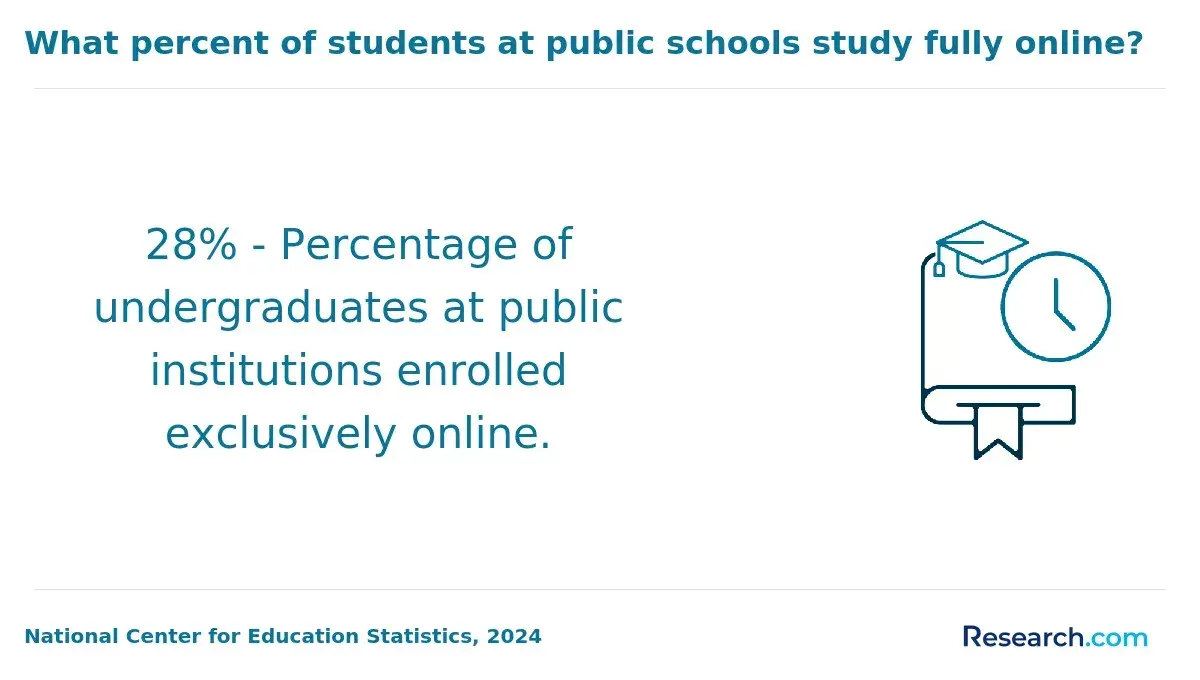
Online forensic science degree programs crucially extend educational reach into states where brick-and-mortar offerings are sparse or absent. This shift allows students, particularly in rural or underserved regions, to pursue specialized forensic science credentials without relocating or facing limited local options. According to a 2024 report by the National Center for Education Statistics, over 40% of students in forensic science-related fields enroll in online programs when their state lacks sufficient in-person pathways. Thus, these programs effectively dismantle geographical barriers that have historically constrained access to forensic science education.
The expansion of access is driven by several interrelated mechanisms. Asynchronous course delivery enables learners to balance education with employment or family obligations, removing the need for synchronous, campus-based attendance. Cross-state enrollment facilitated by online formats allows institutions to scale their reach beyond traditional jurisdictional boundaries, often through consortium arrangements pooling resources from multiple universities.
This reduces reliance on locally available universities while diversifying faculty expertise and curricular options for students. Ultimately, these structural shifts generate more flexible, scalable academic ecosystems and broaden participation in forensic science education across varied regions.
Beyond direct student impact, online forensic science programs influence workforce development and regional education equity by accommodating rising labor market demand in law enforcement and criminal justice fields. The U.S. Bureau of Labor Statistics projects a 14% employment growth for forensic science technicians through 2032, underscoring the urgency of accessible training pipelines.
Moreover, digital program delivery fosters inter-institutional competition that can enhance program quality and diversity, while also encouraging student mobility and expanding institutional networks across state lines, reshaping regional educational landscapes.
How Much Does Forensic Science Program Tuition Vary by State?
Forensic science program tuition demonstrates significant variation across U.S. states, primarily driven by disparate public funding levels, institutional types, and residency-based pricing structures. States with robust public university systems typically offer lower in-state tuition due to state subsidies, while out-of-state students often encounter prices two to three times higher, reflecting funding models that prioritize local residents. Private institutions generally set higher tuition rates regardless of location, as they rely more on tuition revenue than state appropriations. These regional forensic science program tuition differences illustrate how education financing frameworks shape pricing rather than arbitrary institutional decisions.
Current forensic science degree cost comparison by state reveals that in-state tuition at large public universities often ranges between $6,000 and $15,000 per year for undergraduate programs, depending on local economic conditions and state budget allocations. Out-of-state tuition at these institutions frequently doubles or triples these amounts, significantly affecting access for nonresident students.
Private colleges commonly charge upwards of $30,000 annually, justified partly by specialized facilities and smaller class sizes. States with limited public forensic science offerings tend to see average tuition levels skew higher, as students enroll in private or out-of-state programs to secure specialized training within this field.
These tuition disparities have strong implications for affordability and student mobility, influencing program choice and geographic access. Prospective students must weigh the long-term value of tuition costs against program quality, regional job markets, and experiential learning opportunities in forensic science. The complex interplay between funding structures and tuition impacts not only enrollment decisions but also workforce trends, as students often prioritize costs aligned with realistic employment prospects.
Understanding these dynamics offers a more nuanced perspective than simple price comparison, emphasizing how state and institutional financial policies directly affect forensic science education pathways and practical student outcomes related to labor market alignment and even broader considerations such as comparable nurse practitioner salary variations by region.
How Does Forensic Science Program Demand Affect Admissions Decisions?
Rising demand for forensic science programs intensifies admissions competitiveness, prompting schools to tighten acceptance criteria and refine candidate evaluation. As application volumes swell-often exceeding program capacity-admissions committees elevate standards beyond general academic metrics, placing greater emphasis on relevant laboratory experience, extracurricular engagement, and demonstrated commitment to the field. This shift reflects an effort to manage limited resources while ensuring incoming cohorts are equipped to succeed in rigorous, hands-on curricula. Greater selectivity also aligns with programs' goals to maintain quality outcomes, distinguishing their graduates in a crowded job market.
This dynamic is shaped by several core factors, including constrained faculty availability and finite laboratory capacity, which cap scalable enrollment expansions despite growing interest. Accreditation requirements further restrict rapid program growth to safeguard instructional quality and reliable skill acquisition.
Additionally, forensic science labor market demands influence admissions, as programs prioritize applicants whose profiles suggest strong employability and alignment with employer expectations for practical competencies and theoretical foundations. Geographic variations, such as urban centers hosting multiple programs and crime labs, create localized differences in applicant pressure and specialization breadth, influencing admissions rigor accordingly.
Consequently, heightened demand reshapes applicant strategies and long-term access to forensic science education. Prospective students face the challenge of positioning themselves amid rising standards, often balancing the pursuit of top-tier programs against alternatives where admission likelihood is higher. This environment fosters a more strategic approach to application timing, credential building, and program selection, with implications for diversity and geographic equity in forensic science workforce pipelines.
How Do Forensic Science Specialization Options Vary by Region?
Specialization offerings within forensic science degree programs are closely shaped by the unique economic priorities and industry landscapes of their regions. Areas with dense concentrations of government labs and pharmaceutical companies, such as the East Coast, often emphasize forensic toxicology and chemistry to align coursework with local employer needs.
Conversely, Midwestern programs frequently concentrate on forensic biology and DNA analysis, reflecting a regional emphasis on agricultural biotech and biodefense research. On the West Coast, where technology and urban centers dominate, curricula expand into digital forensics and forensic psychology, addressing the rising demand for professionals skilled in cyber investigations and behavioral analysis.
These variations are driven by the interplay of dominant industries, institutional research strengths, and active collaborations between universities and employers. Programs near burgeoning tech hubs prioritize digital skills due to workforce demand, while states with established medical-forensic partnerships integrate clinical training critical for roles such as forensic pathology.
A recent 2024 National Institute of Justice report found that 62% of forensic science programs offer traditional lab-centered tracks, but only 28% include digital forensic specializations-largely concentrated in Western and Southern states-highlighting how regional labor markets influence educational design.
Smaller states may sacrifice breadth for enhanced practical training through close ties with local agencies, whereas larger states often provide more specialization options but face higher competition and resource demands.
How Does Regional Employer Demand Affect Career Outcomes?
Regional employer demand strongly shapes job availability and early career opportunities for forensic science graduates, as local hiring ecosystems differ substantially in size and specialization. Areas with concentrations of law enforcement agencies, forensic laboratories, and government crime research centers typically offer a denser network of relevant employers, translating into more immediate openings and practical experience placements.
These regional differences mean that forensic science career outcomes by state employer needs are not uniform; graduates in less concentrated markets face intensified competition and often slower entry into their chosen fields. Students and researchers evaluating degree programs must consider how local demand profiles influence starting salaries, which in high-demand states such as California and New York tend to exceed national medians significantly.
The mechanisms driving these disparities include the clustering of forensic service providers and strategic partnerships between regional employers and academic institutions, which reinforce pipeline effectiveness. Wage competition varies regionally according to economic conditions and living costs, with states hosting robust forensic science clusters offering higher compensation to attract specialized talent.
This ecosystem dynamic further extends to access to ongoing professional networks and training, essential for sustained workforce relevance. Given these complex factors, regional forensic science employer demand impact on career outcomes reflects both supply-side education availability and demand-side employer concentration, emphasizing the need for alignment between student location choices and labor market realities.
Geographic mobility becomes a critical consideration as relocating to areas with strong forensic science industry clusters can accelerate employment timelines and improve long-term career progression. While remote work options have expanded in some sectors, forensic science remains largely location-dependent due to lab and fieldwork demands. Therefore, graduating with a forensic science degree in isolation from these regional ecosystems may limit career growth.
Prospective students might also explore related fields through resources on the best BCBA programs to diversify qualifications and increase employment resilience.
What Factors Matter Most When Comparing Forensic Science Programs Across States?
Comparing forensic science degree programs by state involves looking beyond availability to factors that influence educational value and career outcomes. State-level differences impact cost structures, diversity of specialization options, and alignment with local industry needs. Prospective students must evaluate how variations in these elements affect both short-term affordability and long-term employment prospects in forensic science.
Understanding these dynamics is key to pinpointing programs that offer the most practical advantages relative to regional job markets and educational resources.
- Accreditation and Program Quality: Accreditation from recognized bodies such as FEPAC ensures that programs meet national standards critical for professional credibility. States with more accredited programs tend to offer curricula aligned with employer expectations, enhancing graduate employability and confidence in standardized training quality.
- Specialization and Curriculum Breadth: Availability of specialized forensic subfields like toxicology or digital forensics varies across states, affecting the ability to tailor education to specific career goals. Broader specialization options correlate with higher job placement rates, underscoring the practical value of diverse academic offerings in emerging forensic areas.
- Hands-On Training and Industry Connections: States with concentrated forensic industries provide greater access to internships, lab work, and partnerships with law enforcement, essential for bridging theory and field application. Programs embedded in robust forensic ecosystems better prepare students for immediate workforce integration and skill demands.
- Tuition Costs and Financial Support: Regional disparities in tuition can significantly affect total education costs. Evaluating financial aid availability alongside sticker price is necessary to understand true affordability. Cost considerations must be balanced against program quality and employment outcomes to avoid short-term savings that compromise career readiness.
- Regional Job Demand and Employment Rates: The geographic distribution of forensic science employment opportunities shapes graduates' career prospects. States with higher forensic job market demand improve likelihood of timely placement, emphasizing the importance of local labor market data in program selection decisions.
For those navigating these complex variables, careful integration of tuition variation, program availability by state, and specialization choices defines effective decision-making for forensic science education. Notably, research from the National Center for Education Statistics in 2024 highlights a 15% increase in placement among graduates of programs offering extensive specialization.
Students should also consider post-graduate pathways aligned with their training, including fields intersecting with psychology; those interested may explore online APA-accredited PsyD programs as complementary or alternative routes within forensic and behavioral disciplines.
Which Regions May See the Fastest Growth in Forensic Science Education?
Growth in forensic science education predominantly occurs in regions where employer demand, population increases, and higher education investments align. This convergence drives program expansion, as universities respond to workforce needs and economic development strategies. Regions with growing law enforcement agencies and strong STEM funding typically see the most robust expansion of forensic science degree offerings.
These factors ensure that program availability, specialization variety, and graduate employment prospects improve in tandem.
- South: The South benefits from rapid population growth and expanding urban centers, increasing demand for forensic professionals. State and local investments in public safety, along with growing university systems adding forensic science credentials, create fertile ground for program growth. Specialized tracks in crime scene investigation and digital forensics are increasingly common to meet employer expectations in diverse jurisdictions.
- West: Economic expansion, especially in technology-focused hubs, fuels demand for forensic scientists with digital and biological expertise. States in this region deploy significant resources for STEM education, supporting the addition of new forensic programs. This region also attracts students interested in innovative interdisciplinary concentrations linked to law enforcement and cybersecurity.
- Mountain West: Though smaller in population, this area experiences notable workforce shortages in forensic science roles. Regional universities leverage this gap by expanding offerings, especially at the graduate level, to supply needed professionals. Growth here is supported by state-level STEM initiatives and partnerships with regional criminal justice agencies.
- Midwest: While slower in overall growth, established strongholds of forensic education align with manufacturing and healthcare industry needs. Selective program growth depends on state funding priorities and local employer demand, often focusing on forensic biology and toxicology specializations.
- Northeast: Established forensic science programs face saturation, with limited capacity for rapid expansion. However, high employer density sustains steady enrollment in accredited programs, prioritizing practical skill development and forensic software competencies to maintain graduate employability.
References:
- Forensic Science Programs in Washington State (WA) https://www.forensicscolleges.com/usa/washington
- 13 Reasons To Become A Forensic Scientist https://www.openstudycollege.com/blog/3-reasons-become-forensic-scientist
- How to Get Admission in Forensic Science After 12th (Complete Guide) https://lifs.co.in/blog/forensic-science-admission-after-12th-guide.html
- 15 Best Bachelor's In Forensic Science Degrees https://www.criminaljusticedegreeschools.com/rankings/best-bachelors-forensic-science/
- Forensic Science | Glendale Community College https://www.gccaz.edu/degrees-certificates/behavioral-science-and-human-services/forensic-science-3183-aas
- Online Forensic Science Degree https://www.aiuniv.edu/degrees/criminal-justice/bachelors-forensic-science
- Study Forensic Science Abroad: Top Colleges, Costs, Careers https://www.aeccglobal.com/study-abroad/courses/forensics
- Forensic Science https://www.paradisevalley.edu/degrees-certificates/behavioral-science-and-human-services/forensic-science-3183-aas
- Forensic Chemistry https://www.alasu.edu/academics/programs-majors/programs/BS-ForensicScience.php
- Universities Investing in More Degrees to Keep Up with Growing Forensics Industry https://www.forensicmag.com/3594-All-News/617933-Universities-Investing-in-More-Degrees-to-Keep-Up-with-Growing-Forensics-Industry/
Other Things You Should Know About Forensic Science
While states and schools with numerous forensic science programs offer a broad selection of courses and specializations, this variety does not always translate into comprehensive practical training. Students should prioritize programs that integrate substantial lab work, internships, or partnerships with local crime labs over simply those with more degree options. The real-world forensic science field demands technical proficiency and applied experience, so a program's volume of options is less valuable if it lacks robust experiential learning components.
States boasting numerous forensic science degree programs do not necessarily align with strong local job markets. Graduates from such areas may face increased competition and limited entry-level positions unless they are willing to relocate. Those prioritizing immediate employability should assess not only program availability but also regional forensic labs' size and hiring trends, potentially favoring states with fewer programs but stronger employer connections and higher local demand.
Interdisciplinary programs that combine forensic science with fields like chemistry, biology, or criminal justice can enhance analytical versatility. In states with numerous programs, such offerings allow students to customize their expertise aligning with evolving employer expectations. However, students should ensure these programs maintain rigorous forensic science foundations rather than diluting focus, as employers often seek graduates with clear proficiency in forensic methodologies over purely multidisciplinary knowledge.