2027 Forensic Science Degree Completion Time Report: How Long Students Actually Take to Graduate

Co-Founder and Chief Data Scientist
Students pursuing a forensic science degree often navigate unpredictable timelines shaped by factors beyond credit requirements. Work commitments, laboratory availability, and internship scheduling can extend completion periods significantly. In 2024, data from the National Center for Education Statistics reveals that STEM-related degrees, including forensic science, show a growing trend of extended time-to-degree due to increasing course complexity and practicum demands. Additionally, transfer students frequently face credit transfer challenges that alter progression rates. These realities impact how students balance educational, financial, and professional objectives, influencing when graduation occurs. This article explores actual completion times, key influences on timelines, and patterns relevant to informed academic planning.
Key Things You Should Know About Forensic Science Degree Completion Time
- Most forensic science degree programs take four to six years to complete. Full-time students often graduate in about four years, while part-time enrollment, laboratory requirements, internships, and work or family responsibilities can extend completion to five or six years.
- Graduation speed depends on both program structure and personal circumstances. Enrollment status, transfer credits, laboratory and practicum requirements, course sequencing, capstone projects, and online versus campus-based study all influence how quickly students complete their degree.
- Graduating faster isn't always the best path to career success. Although accelerated and online programs may shorten completion time, employers generally place greater value on laboratory experience, internship performance, technical competencies, and professional readiness than on how quickly a degree was earned.
- What Is the Average Graduation Time for Forensic Science Students? Average Graduation Timeline
- What Factors Have the Biggest Impact on Graduation Speed? Graduation Timeline Factors
- How Does Full-Time Versus Part-Time Enrollment Affect Graduation Timelines? Full-Time vs. Part-Time Graduation Timeline
- Do Online Forensic Science Students Graduate Faster Than Campus-Based Students? Online vs. On-Campus Graduation Time
- How Many Months or Years Can Transfer Credits Save? Transfer Credits
- Do Accelerated Forensic Science Programs Significantly Reduce Completion Time? Accelerated Program Timeline
- Which Forensic Science Program Requirements Most Often Extend Graduation Timelines? Factors Extending Graduation Timeline
- Does Taking Longer to Graduate Increase the Cost of a Forensic Science Degree? Impact on Program Cost
- Does Graduating Faster Improve Career Prospects? Impact on Career Prospects
- Which Scheduling Mistakes Commonly Delay Graduation? Mistakes to Avoid
What Is the Average Graduation Time for Forensic Science Students?
The average forensic science degree completion time typically centers on four years of full-time study, mirroring the conventional undergraduate timeline in the U.S. However, data from the National Center for Education Statistics indicates many students extend this to between four and six years.
This extended timeline often reflects part-time enrollment, interruptions, or balancing academic responsibilities with employment and personal commitments. Forensic science students frequently face demanding course sequences that incorporate biology, chemistry, and criminal justice, requiring strategic academic planning to maintain steady progress toward graduation.
Variations in forensic science degree average completion time result largely from program design and student circumstances. Rigorous curricula frequently include limited-access or sequential courses, internships, and hands-on lab requirements, all of which can prolong time to degree. Transfer students may need extra semesters to satisfy requisites, while students opting for part-time or online study formats often face longer durations due to modular scheduling.
The need to gain practical skills and certifications demanded by employers frequently influences students to pace their studies more deliberately, highlighting the tradeoff between quicker graduation and enhanced career preparation. For working adults, especially, academic flexibility and external obligations further shape these timelines.
Understanding graduation timing holds critical implications for academic advising, financial planning, and workforce entry strategies within forensic science education. Extended degree durations may increase educational costs and delay job market participation, yet they can also allow students to integrate valuable internship experiences and certifications that improve employability prospects. Prospective students should weigh these factors carefully and seek guidance early to streamline their paths, potentially consulting resources related to specialized pathways such as RN to BSN without clinicals that offer alternative models of balancing academic progress with work demands.
What Factors Have the Biggest Impact on Graduation Speed?
Graduation speed for a forensic science master's degree emerges from a complex interplay among academic planning, program design, and individual circumstances rather than any single determinant. Factors such as enrollment status and course sequencing directly influence how swiftly students can progress, while personal commitments and institutional policies can either accelerate or impede timelines. Understanding these dynamics enables students to make informed choices about their course load, program format, and pacing strategy to align with their personal and professional realities.
- Enrollment Status: Full-time enrollment significantly reduces time to degree, with data from the National Center for Education Statistics showing that full-time students graduate roughly 40% faster than part-time peers. For working adults balancing employment, part-time status often doubles completion time because prolonged degree timelines reflect reduced course loads and extended engagement with sequential requirements.
- Transfer Credit Policies: Students entering with eligible credits from prior institutions or related STEM fields can shorten their pathways by up to a year, but inconsistent transfer evaluations and prerequisite gaps often delay this benefit. Institutional variations in credit acceptance mean that some students face redundant coursework, which adds semesters and prolongs graduation.
- Curriculum Structure and Course Availability: Forensic science programs typically require tightly scheduled laboratory classes and internships that are offered only during certain semesters or limited cohort sizes. Missing these limited enrollment windows creates bottlenecks, often pushing graduation back by a full term or more due to the necessity of waiting for course availability on a fixed rotation.
- External Responsibilities and Financial Constraints: Many students juggle family obligations and financial pressures that reduce their available study hours, as highlighted by a 2024 CUFSP survey where 65% of respondents reported financial barriers forcing reduced course loads. Such constraints extend timelines by slowing progression through essential courses and delaying internship opportunities.
- Academic Advising and Support Services: Proactive and thorough advising helps students navigate degree requirements efficiently, avoiding unnecessary credit accumulation and course repetition. Programs with clear degree maps and personalized guidance reduce excess semesters, whereas students without access to these supports often encounter delays driven by unclear paths and misplaced course selections.
These factors do not operate in isolation but interact to impact the forensic science master's degree graduation timeline factors substantially. For example, part-time students facing limited course availability and financial pressures encounter compounded delays. Recognizing these systemic influences can aid prospective and current students, especially transfer students and working adults, in setting expectations that reconcile educational goals with personal and professional constraints.
For those planning their educational journey in forensic science, weighing enrollment strategies against real-world tradeoffs remains essential. For an analytical perspective on flexible graduate pathways, some students explore the cheapest RN to BSN online programs as comparative case studies in balancing affordability and accelerated completion timelines.
How Does Full-Time Versus Part-Time Enrollment Affect Graduation Timelines?
Graduation timelines for forensic science degrees vary notably between full-time and part-time students, reflecting differences in academic pacing and credit accumulation. Recent data from 2024 by the National Center for Education Statistics shows that full-time undergraduates generally complete their degree within four to five years, consistent with traditional bachelor's programs. Part-time students, however, often extend their studies to six years or longer, a trend influenced by their reduced course loads and extended program duration. This divergence highlights how enrollment status directly affects academic momentum and time-to-degree outcomes in forensic science education.
Several factors shape these timelines beyond mere enrollment intensity. Part-time students typically take fewer credits per semester, slowing credit completion and lengthening degree progression. The sequential nature of many forensic science courses-especially labs and internships with prerequisite requirements-can complicate scheduling, disproportionately impacting those with limited semester availability. Additionally, balancing external commitments such as employment and family often causes enrollment interruptions or reduced course loads, further extending timeframes. Institutional flexibility in course offerings and program delivery also plays a role, as limited availability of required courses can delay advancement for part-time students more than for full-time peers.
These enrollment-related timing differences carry significant practical implications. Extended part-time pathways may increase overall educational costs and risk losing curricular relevance if programs update content during prolonged study. Conversely, full-time enrollment tends to align better with timely workforce entry and credentialing within forensic fields that value up-to-date technical skills and practical experience. Understanding the complex interplay of course sequencing, workload management, and personal circumstances is therefore crucial for students and planners aiming to optimize both educational efficiency and career readiness in forensic science.
Do Online Forensic Science Students Graduate Faster Than Campus-Based Students?
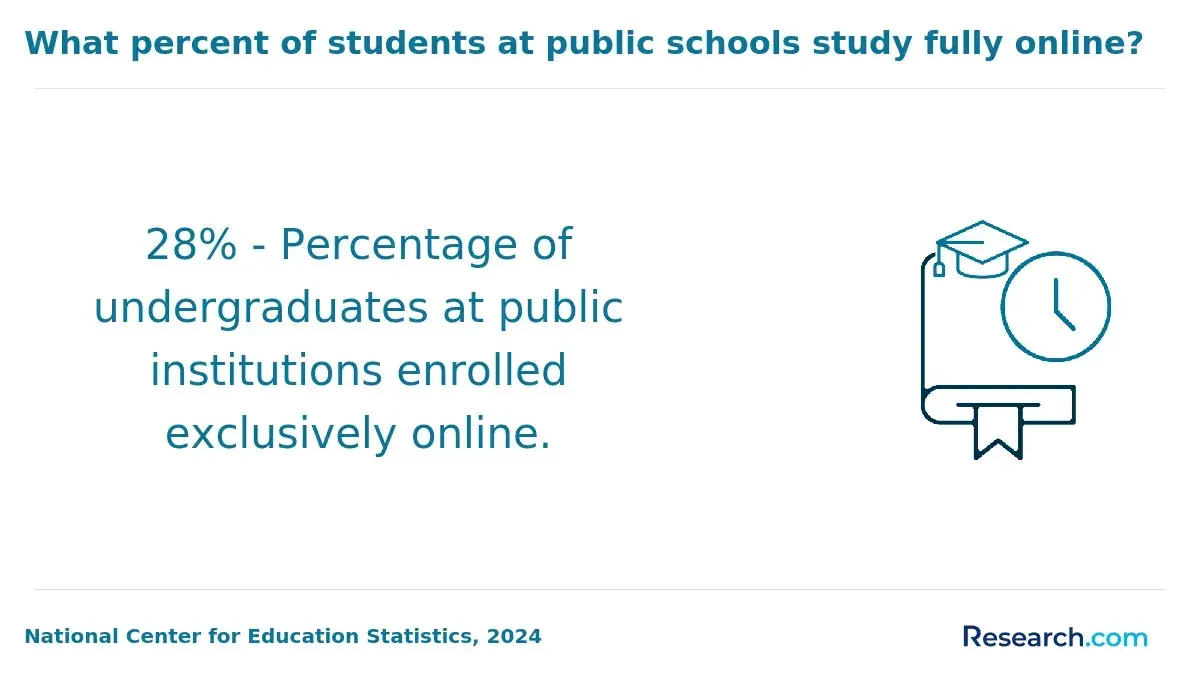
Common perceptions suggest that online forensic science students might graduate faster than their campus-based counterparts due to greater scheduling flexibility and the option to take courses year-round. Data from the National Center for Education Statistics in 2024 indicates that some fully online full-time students complete their degrees up to 15% sooner by leveraging asynchronous coursework and eliminating traditional campus breaks. However, this advantage is not universal; completion times fluctuate significantly depending on enrollment intensity, access to required labs, and balancing obligations outside school.
Graduation speed hinges on various structural and personal factors within each modality. Online programs often provide multiple start dates and self-paced formats, allowing students to tailor their progression, though this can also demand strong time management and discipline. Conversely, campus students benefit from more regimented schedules and in-person lab work critical to forensic science, which may extend program length but enhances hands-on competency valued by employers. Transfer credit policies, internship or practicum requirements, and whether students study full-time or part-time further complicate how quickly a degree can be completed in either setting.
The choice between online and campus programs also influences how students navigate academic rigor alongside practical experience and career timing. While online formats may suit working adults seeking to expedite their studies, the need for direct lab exposure and faculty interaction on campus can shape readiness for certain forensic roles. Ultimately, program design and student circumstances interact to determine the real-world pace of degree completion rather than the education mode alone.
A graduate recalled facing uncertainty during the forensic science program's rolling admissions. Initially hesitant, they delayed applying to the online program until finalizing employment plans, worried about juggling work and study. When they finally enrolled, the program's multiple start dates allowed a quick entry, but transferring credits and waiting on lab placement scheduling introduced unforeseen pauses. This experience highlighted that flexible admissions can accelerate access, yet other institutional timelines still affect when graduation becomes achievable.
How Many Months or Years Can Transfer Credits Save?
Transfer credits can shorten the overall duration of a forensic science degree by several months to over a year, contingent on the quantity and relevance of credits accepted by the receiving institution. National Center for Education Statistics data indicates that students often save between 25% and 40% of their program's typical length, equating to roughly 6 to 18 months on a standard four-year forensic science bachelor's timeline.
However, the actual effect on graduation timing varies significantly since the transfer credit time savings depend heavily on how well prior coursework aligns with degree requirements and institutional policies governing credit acceptance. Forensic science degree transfer credit time savings are thus highly individualized, reflecting each student's academic history and the specificity of forensic concentration courses completed before transfer.
The amount of time saved by transferring credits hinges on several institutional and programmatic factors. First, accreditation compatibility is critical: credits earned from non-accredited or misaligned programs often fail to fulfill core forensic science requirements set by bodies like the Forensic Science Education Programs Accreditation Commission (FEPAC), limiting their utility toward graduation. Additionally, strict course equivalency evaluations by registrars assess whether prior courses sufficiently match the content and rigor of required forensic science and laboratory classes.
Residency requirements further restrict the proportion of coursework completed externally, with many programs capping transferable credits to preserve essential in-house training. Together, these policies can reduce the apparent time savings, compelling students to take additional courses or repeat content despite transferred credits.
Beyond immediate timeline effects, transfer credits influence academic planning, financial costs, and the sequencing of remaining coursework, all of which shape student progression. Careful assessment is necessary, since maximizing credit transfer solely to accelerate degree completion without ensuring mastery of forensic methodologies risks gaps in competency valued by employers. For working adults and transfer students balancing professional obligations, strategic use of transfer credits can alleviate financial strain and shorten workforce re-entry time, though they must also navigate institutional evaluations carefully.
Pragmatic academic advisement that considers these variables ensures that students optimizing transfer credits maintain alignment with graduation criteria and post-degree employability demands. Prospective students might also compare programs by considering options such as online DNP programs without clinicals to evaluate how credit transfer policies impact completion time in allied fields.
Do Accelerated Forensic Science Programs Significantly Reduce Completion Time?
Accelerated forensic science programs aim to shorten the traditional degree timeline by condensing coursework that typically spans four years into about three or fewer. These programs reorganize curriculum pacing and credit requirements to promote faster term-to-term progression. By increasing the number of credits per semester or allowing year-round enrollment without extended breaks, accelerated tracks focus on reducing idle time between classes. The intention is to enable students to complete core academic and technical requirements more efficiently while maintaining a baseline of program content and quality.
Whether accelerated forensic science formats significantly reduce overall completion time depends heavily on several structural elements. Intensity of coursework and the credit load per term must be balanced against prerequisite sequencing and institutional registration policies. Some programs maintain unchanged internship, practicum, or capstone benchmarks, which can bottleneck acceleration due to fixed scheduling or agency partnerships. Furthermore, the ability to enroll continuously without forced pauses or limited course availability is critical; if courses are offered only in specific terms or require prerequisite chains that cannot be fast-tracked, the anticipated time savings diminish. Hence, degree compression is meaningful only when curricular design, course sequencing flexibility, and administrative policies align to allow denser, uninterrupted academic progression.
These compressed formats often come with trade-offs, especially regarding student workload and learning depth. Accelerated pacing can create a more intense semester rhythm, reducing opportunities for part-time work, extended research, or deeper practical skill development typically valued in forensic science careers. Scheduling flexibility lessens as students face narrower windows to complete assignments and gain experiential learning. Consequently, while accelerated programs can facilitate earlier degree completion for highly disciplined or strategically prepared students, they may also constrain engagement with crucial applied components that shape professional readiness.
One accelerated forensic science graduate recalls a challenging admissions period marked by rolling deadlines and shifting start dates. Despite qualifying for early entry, uncertainty over prerequisite clearance delayed enrollment decisions. The student hesitated, weighing whether to push for a faster track or wait for a regular pace offering to better accommodate internship timing. Ultimately, the compressed program did reduce total time by nearly a year, but navigating institutional timing constraints and balancing workload with preparation proved more complex than initially expected.
Which Forensic Science Program Requirements Most Often Extend Graduation Timelines?
Graduation timelines in forensic science programs often extend not simply due to the total credit hours required but because of specific embedded academic and practical components. These mandatory elements aim to safeguard program rigor and align outcomes with professional standards, yet they frequently impose scheduling constraints and pacing challenges. Understanding how these curricular features affect student progression can better prepare prospective and current students for realistic completion expectations.
- Intensive Laboratory and Practicum Requirements: Hands-on lab coursework and field internships are fundamental for skill acquisition but often require multiple semesters to fulfill. Such components necessitate flexible scheduling and can delay progression, especially when placements or lab resources are limited. According to a 2024 Lightcast report, approximately 42% of forensic science students extend their studies by at least one semester due to these practical skill demands.
- Interdisciplinary Coursework Load: Forensic science programs integrate substantial credits in biology, chemistry, and criminal justice, which can create bottlenecks when courses have strict prerequisites or limited availability. Particularly for part-time students or those transferring credits, balancing these concurrent demanding courses often fragments their study plan, lengthening time to degree.
- Capstone Projects and Thesis Requirements: Culminating research or comprehensive projects require significant time investments for data collection and analysis, often dependent on faculty supervision schedules. Delays in securing mentorship or aligning project timelines with work and life commitments commonly push back graduation dates.
- Transfer Credit Policies: Variability in accepting community college or related field credits can force students to retake courses or complete additional credits. O*NET data from 2024 indicates nearly one-third of forensic science transfers report lengthened completion times due to partial credit transfer, complicating the typical four-year trajectory.
- Balancing Full-Time Employment with Program Demands: Many students work while enrolled and face employer expectations prioritizing practical competence, increasing the need for extended internships or lab experience. This intensifies scheduling complexity and often results in longer program durations to meet both academic and workplace demands effectively.
Does Taking Longer to Graduate Increase the Cost of a Forensic Science Degree?
Extending the time required to complete a forensic science degree often results in increased total tuition and associated costs, especially at institutions charging on a per-term or per-credit basis. Tuition structures that impose fees each semester or quarter can accumulate rapidly if students exceed the traditional four-year timeframe, which is reflected in data showing that those graduating after six years typically pay about 40% more for their degree.
Additionally, prolonged enrollment may affect students' eligibility for certain financial aid programs or scholarships that have duration limits, thereby increasing out-of-pocket expenses. Living costs, textbooks, and course supplies further compound the financial burden, as students must maintain housing and other expenses for longer periods. Understanding the average time to graduate forensic science degree programs and associated expenses is essential for managing these escalating costs realistically.
However, longer completion times do not uniformly drive up costs in all scenarios. Flat-rate tuition models that charge a fixed amount for full-time enrollment regardless of credits taken can mitigate additional tuition fees, even if graduation is delayed. Students enrolling part-time or those receiving employer tuition assistance may also face different cost dynamics, as reduced course loads often lower per-semester expenses but extend overall duration, influencing total costs in complex ways. Some programs allow flexible pacing, enabling students to spread coursework without financial penalties, which can help balance work commitments and study.
Enrollment decisions and course load adjustments, therefore, directly shape the interplay between academic progress and total educational expenses. This nuanced understanding is critical given the financial implications and employer expectations tied to timely graduation, particularly in fields experiencing increasing demand like forensic science. For those interested in related healthcare fields, exploring functional medicine nurse practitioner programs may provide additional insights into program structures and cost management.
Does Graduating Faster Improve Career Prospects?
Graduating faster from a forensic science degree program can shorten the time-to-employment, positioning candidates to enter job markets earlier than their peers. However, employers rarely assess hiring competitiveness based solely on degree completion speed. The forensic science degree completion time impact on employment is nuanced, as initial job search success often depends on how well graduation timing aligns with labor market cycles and employer hiring needs rather than the mere fact of early graduation.
Whether completing a degree early translates into better career outcomes hinges largely on supplementary factors such as internship quality, portfolio robustness, mastery of laboratory techniques, and professional networking within forensic and criminal justice circles. Candidates who accelerate their studies but forgo deep practical experiences or specialized electives may find limited advantages. The benefits of graduating early with forensic science degree credentials emerge predominantly when accelerated timelines do not compromise hands-on skill development or industry-specific exposure that hiring managers value heavily.
Trade-offs inherent in faster degree completion often include reduced opportunities for experiential learning and fewer chances to engage in advanced certifications or graduate studies, which are critical components of sustained employability in forensic fields. Students balancing education with external responsibilities might experience longer completion times that nevertheless signify resilience and time management skills recognized by employers.
Prospective forensic science students should therefore carefully evaluate whether an accelerated path complements their ability to gain meaningful, comprehensive competencies rather than assuming speed alone guarantees improved career prospects. For additional context on related educational pathways, exploring different types of therapy degrees can provide insight into the broader landscape of degree completion impacts.
Which Scheduling Mistakes Commonly Delay Graduation?
Graduation delays in forensic science programs are frequently driven not by academic difficulty but by avoidable scheduling and planning mistakes made during enrollment and course selection. These challenges affect students across various program levels and formats, undermining steady academic progress. Recognizing common pitfalls related to course sequencing, credit transfer, and enrollment patterns helps maintain timely degree completion amid complex institutional requirements.
- Misaligned Prerequisite Sequencing: Many forensic science programs require foundational courses before advanced ones. Underestimating prerequisite order often causes students to pause enrollment until the next offering, typically extending completion by a semester or more due to strict curriculum sequencing.
- Inconsistent Enrollment Status: Switching unpredictably between full- and part-time can prolong study duration. According to the National Student Clearinghouse 2024 data, part-time forensic science students take on average 1.5 times longer to graduate than full-time peers, reflecting the burden of balancing work and study.
- Transfer Credit Misalignment: Varying institutional acceptance of forensic science-related transfer credits can force students to repeat courses or add semesters. Without thorough academic advising, credit gaps disrupt progression and inflate time to degree.
- Delayed Lab and Capstone Enrollment: Lab-intensive courses and capstone projects often have limited availability. Postponing registration can bottleneck progression, as these components are essential for degree completion and usually offered once per academic year.
- Ignoring Registration Deadlines: Missing critical enrollment windows or ignoring course availability cycles can cause students to miss required classes, adding unavoidable delays in sequential program structures.
Other Things You Should Know About Forensic Science
Programs with a heavy emphasis on hands-on laboratory components typically require more time or a more intensive schedule to complete, as these experiences take longer to coordinate and evaluate than classroom-based learning. Students should expect that balancing lab requirements with lecture credits can slow progress if labs are offered only in specific semesters or times. Prioritizing programs with flexible lab scheduling or additional summer sessions can help reduce delays without sacrificing critical skill development.
Internships and practicum experiences are often mandatory and can add several months to degree completion, depending on program structure and placement availability. While these experiences enhance employability by providing real-world exposure, selecting a program that integrates these requirements early and offers multiple placement options can minimize added time. Students should weigh the benefits of practical experience against the potential extension to their graduation date and plan accordingly.
Forensic science internships or practicum requirements can extend graduation timelines. The 2027 Forensic Science Degree Completion Time Report notes that students often take additional semesters to fulfill hands-on experience obligations, which are essential for career readiness but may delay graduation.
Students aiming to graduate within a standard timeframe should prioritize completing core forensic science courses over electives, as foundational knowledge is typically prerequisite for advanced study and meets employer expectations. Delaying core classes may cascade into longer paths due to course sequencing limitations. If time is tight, consider postponing electives that, while enriching, do not directly impact qualification or licensing requirements.