2027 Forensic Science Degree Growth by State: Where Interest Is Rising the Fastest

Co-Founder and Chief Data Scientist
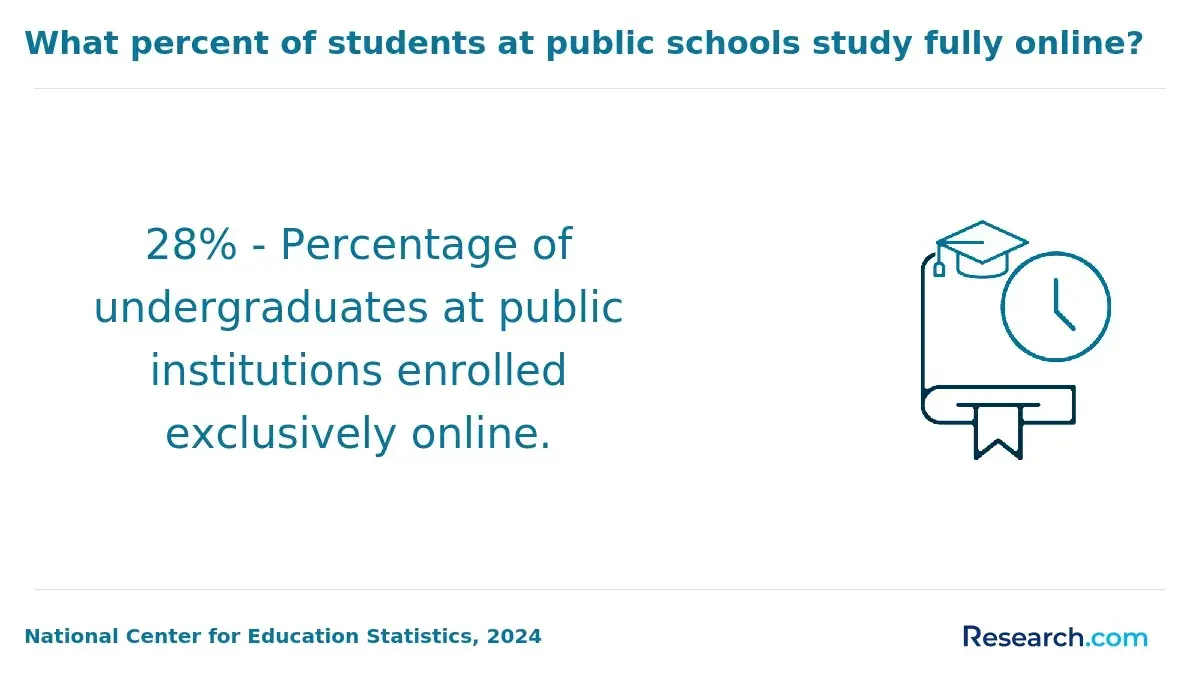
States experiencing rapid growth in forensic science degree enrollment often face unique economic shifts or regulatory changes that expand workforce demand. For example, regions with growing crime labs and expanded licensing requirements stimulate interest by creating clearer career pathways, while demographic trends such as rising adult learner populations drive enrollment flexibility. Recent data from the National Center for Education Statistics highlights a 15% uptick in graduate enrollment in online forensic science programs since 2023, reflecting a broader shift toward accessible, career-focused education.
Understanding these state-specific dynamics enables prospective students to align their educational choices with evolving market opportunities and institutional capacity.
Key Things to Know About the State Where Forensic Science Degree Interest Is Rising the Fastest
- States with expanding forensic science programs often reflect workforce demand tied to regional crime analysis hubs; this intensifies employer expectations for practical experience, narrowing acceptable candidate profiles in local job markets.
- Regulatory complexity in licensure across states forces students to weigh interstate credential portability, creating a strategic tradeoff between local program accessibility and broader geographic employment flexibility.
- Growth in adult enrollment correlates with increased availability of online forensic science courses, but extended part-time timelines can inflate total educational costs, challenging professionals balancing return-to-school timing and finances.
- Which States Are Seeing the Fastest Growth in Forensic Science Degree Enrollment? States with Fastest Growth
- What Does Enrollment Growth in Forensic Science Programs Actually Tell Prospective Students? Interpreting Enrollment Growth
- How Do Regional Job Market Conditions Drive Forensic Science Degree Demand by State? Regional Job Market Conditions
- Which States Have Added the Most New Forensic Science Degree Programs in the Last Five Years? States with New Programs
- How Has the Rise of Online Education Changed Which States Lead in Forensic Science Program Interest? Role of Online Education
- What Demographic Trends Are Fueling Forensic Science Degree Growth in Specific States? Demographic Trends Fueling Growth
- How Do State Funding Levels for Forensic Science Services Influence Degree Program Growth? Role of State Funding Levels
- Which States Are Emerging as Unexpected Leaders in Forensic Science Degree Interest? Unexpected Leaders in Growth
- How Does State Population Size Affect the Interpretation of Forensic Science Degree Growth Data? Role of State Population Size
- What Role Do State Licensing Requirements Play in Driving or Suppressing Forensic Science Enrollment? Role of State Licensing Requirements
Which States Are Seeing the Fastest Growth in Forensic Science Degree Enrollment?
- North Carolina: Enrollment acceleration here reflects active state investment in forensic education, partly funded through initiatives designed to supply law enforcement agencies with specialized graduates. For students, this creates a tradeoff: programs may be more competitive and technically advanced but also tightly aligned with regional job markets, potentially limiting flexibility if relocating.
- Arizona: The state's rapid population increases and infrastructure upgrades in forensic biology and digital forensics programs mirror emerging workforce requirements. However, the emphasis on graduate-level specialization means candidates with more advanced credentials are preferred, posing a challenge for those entering with only undergraduate experience.
- Florida: As a long-standing hub for forensic science education, Florida benefits from a large criminal justice sector and multiple institutions offering varied forensic technology courses. This diversity supports wide-ranging student interests but can also mean uneven program quality, requiring careful program selection to balance practical skills and academic rigor.
- Ohio: Growth here is notably supported by inter-institutional partnerships with state crime labs, providing crucial hands-on training. This practical integration attracts students focused on direct workforce entry but may be less beneficial for those seeking research-intensive graduate experiences or geographic mobility.
- Washington: Advancements in forensic research facilities and investment in specialties such as toxicology and DNA analysis characterize enrollment growth. Prospective students face a choice between programs emphasizing cutting-edge lab research and those geared toward applied forensic roles within public safety agencies, shaping differing professional trajectories.
This distribution of growth is neither isolated to a single region nor uniformly propelled by identical factors but instead reflects complex local economies and regulatory environments influencing forensic science degree enrollment growth by state. Subsequent sections will analyze how demographic trends, legislative changes, and evolving credentialing requirements drive this uneven expansion. For anyone evaluating graduate programs, actively weighing the momentum of enrollment trends informs not only academic quality and internship access but also the strategic positioning within state labor markets.
Students exploring nursing programs easy to get into may find useful parallels in how program accessibility and market demand interplay in similarly competitive professional fields.
What Does Enrollment Growth in Forensic Science Programs Actually Tell Prospective Students?
Rising enrollment in forensic science programs can signal expanding career pathways but also risks masking program weaknesses that impact student success. For example, a recent graduate relocating to a state with rigorous licensure standards may find their degree less valuable if their program's growth came from eased admission criteria rather than demonstrated academic quality.
Raw enrollment figures highlight interest but do not fully capture program effectiveness or market alignment. Students need to scrutinize additional data points to interpret growth critically, distinguishing programs rooted in genuine labor demand and educational rigor from those driven primarily by marketing efforts or relaxed entry requirements.
- Retention Rates: Sustained enrollment only benefits students if retention remains strong; high attrition often reflects academic or curricular challenges.
- Graduation Rates: Completion success indicates student support structures and curriculum relevance that better prepare graduates for workforce demands.
- Job Placement Outcomes: Placement in forensic roles or related fields confirms alignment between program training and employer expectations.
- Licensure Pass Rates: High pass rates for state certification exams are essential for validating program adequacy in professional readiness.
- Recruitment Versus Demand: Enrollment spikes from aggressive outreach or admission flexibility may inflate numbers without ensuring graduate employability.
- Critical Evaluation: Prospective students should combine enrollment data with direct insight from current students and alumni to assess real-world program value.
This nuanced approach is crucial for recent graduates, career changers, and mobile students aiming for successful forensic science careers that withstand regional regulatory and economic variation.
How Do Regional Job Market Conditions Drive Forensic Science Degree Demand by State?
Regional job market conditions exert a decisive influence on demand for forensic science degrees, with state-specific economic and institutional factors shaping both hiring patterns and graduate program enrollment. Forensic Science degree seekers who overlook local workforce outlooks risk encountering limited practicum opportunities or constrained salary growth, underscoring how geographic labor dynamics directly affect career trajectories. State-driven investments in public safety, healthcare, and education expand forensic science roles in some areas, incentivizing prospective students to obtain advanced credentials aligned with employer expectations and job availability.
- California: A diverse and expanding public sector, including police departments and medical examiner offices, fuels strong demand for forensic science professionals, driven by infrastructure growth in criminal justice and healthcare systems.
- Texas: Significant hiring in school districts for forensic science educators combined with healthcare expansion supports rising forensic science job openings, bolstered by state STEM workforce initiatives.
- Florida: Upgrades in forensic technology across law enforcement agencies and growth in public safety employment create robust opportunities that encourage graduate enrollment.
- New York: Expansion in public sector roles and employer incentive programs for credential retention in crime labs and medical examiner offices sustain steady increases in demand.
- Illinois: Healthcare sector growth and the extension of educational institutions, alongside tuition reimbursement and job placement programs, underpin rising forensic science workforce needs.
For students and professionals pursuing graduate degrees in forensic science, scrutinizing workforce trends in their intended state of practice is essential. A robust job market not only improves the availability and quality of practical training placements but also strengthens negotiating power for salaries post-graduation. Conversely, regions with stagnant forensic science employment may yield fewer applied learning experiences and slower wage growth, factors critical to evaluating long-term educational investments.
Those balancing the choice between immediate employment and further education can also explore complementary paths such as accelerated LPN programs if aligned with their career goals and market demands.
Which States Have Added the Most New Forensic Science Degree Programs in the Last Five Years?
States leading growth in accredited forensic science programs tend to align closely with regional workforce needs and economic incentives, shaping not only availability but also the relevance of curricula to local employment markets. Expansion occurs through new degree launches, online program introductions, and enrollment increases at established schools, each pathway reflecting distinct strategic responses to varying student demographics and labor demands.
- California: High demand for forensic professionals amid widespread workforce shortages has driven multiple new program launches and the creation of online tracks. Strong state support through targeted grants makes California's programs financially accessible and abundant, appealing to a diverse student pool drawn by extensive metropolitan crime lab networks.
- Texas: Public universities have aggressively expanded and introduced new offerings under pressure from state economic programs promoting STEM fields. This competitive environment encourages students to consider Texas for programs aligned with metropolitan job growth, though this surge may create variability in program quality and specialization depth.
- Florida: Growth primarily stems from established universities adding online options to serve geographically dispersed learners and professionals seeking nontraditional schedules. This emphasis on flexibility responds to a workforce increasingly reliant on remote education, though it may affect the consistency of hands-on forensic training across programs.
- Virginia: New programs paired with enhanced state scholarships reflect a strategic alignment of education with public forensic lab employment needs. Virginia's focus on workforce development grants incentivizes programs that demonstrate direct pathways into state and local agencies, an important consideration for job-seeking graduates.
- New York: Academic competition fosters the development of specialized forensic concentrations and hybrid delivery models, targeting both recent graduates and adult learners attracted by urban career opportunities. Prospective students face a dense array of program variants necessitating careful comparison to match concentrations with career goals.
- Accreditation Incentives: States that prioritize accreditation enable programs to better meet employment standards, improving graduates' marketability in public-sector roles but requiring institutions to maintain rigorous curriculum updates.
- State Grant Funding: Dedicated financial support lowers student cost barriers and encourages program innovation, though varying grant levels across states produce uneven availability of scholarships and tuition competition.
- Workforce Shortage Designations: Official recognition of forensic science as a critical shortage area drives rapid program growth, aligning degree output with aggressive hiring needs in public safety and laboratory settings.
- Competitive Peer Pressure: Expansion often reflects institutions' responses to peer offerings-adding programs or online tracks to remain attractive to prospective students-potentially inflating program counts without commensurate growth in quality or graduate support.
- Student Implications: A larger number of state programs means more tuition competition and scholarship opportunities, but also demands thorough evaluation of specialization tracks, instructional delivery, and alignment with targeted forensic careers before enrollment decisions.
One graduate recalls applying during a period of rapid program expansion in their state, facing uncertainty as admissions offices staggered notifications due to surging applicant pools and evolving online options. The candidate hesitated before accepting an offer from a program that had only recently added an online track, weighing concerns about hands-on experience against the flexibility needed to balance part-time work. Ultimately, the ability to start on a flexible schedule while accessing specialized faculty guidance proved decisive, illustrating how expansion dynamics influence not only where but also when and how students commit to forensic science programs.
How Has the Rise of Online Education Changed Which States Lead in Forensic Science Program Interest?
The expansion of fully online forensic science graduate programs has fundamentally shifted the geographic dynamics of student enrollment. No longer constrained by proximity, students can now select programs nationally, often prioritizing institutional reputation, cost-effectiveness, and accreditation over location. This transformation means states with established, high-quality online offerings attract significant out-of-state enrollments, redefining traditional regional strongholds in forensic science education.
- Geographic Decoupling: Distance is no longer a barrier; programs based in a few states have become national hubs, drawing students far beyond local or regional borders due to perceived quality and flexibility.
- Program Reputation: Institutions with rigorous curricula and proven graduate outcomes have increased their appeal nationwide, reshaping enrollment patterns that were once territorially confined.
- Tuition and Accessibility: Competitive pricing and scheduling accommodate working professionals and career changers, making some online programs more accessible than localized, campus-bound alternatives.
- Licensure Considerations: Despite wider access, prospective students must navigate state-specific licensure or certification rules that may complicate credential recognition when practicing outside the program's state.
- Implications for Students and States: Students gain greater program choices and potential cost savings, while states hosting these online programs emerge as influential education providers affecting forensic science workforce distribution nationwide.
What Demographic Trends Are Fueling Forensic Science Degree Growth in Specific States?
Enrollment growth in forensic science degree programs is intimately tied to regional demographic shifts that shape demand for specialized services and workforce supply. States where populations are aging rapidly, experiencing immigration influxes, or undergoing urban expansion tend to see more robust, stable increases in program interest. For example, Florida's aging demographic generates higher case volumes related to elder abuse and medical examiner work, compelling programs to expand capacity.
- Population Aging: Areas with increasing elderly populations, such as parts of the Midwest and Florida, confront rising forensic caseloads tied to age-related crimes and medical investigations, boosting demand for trained professionals.
- Immigration Patterns: States like Texas and California, with significant recent immigration, require forensic science expertise adept in multicultural contexts, reflecting law enforcement's need for language skills and cultural competency when handling cases.
- Urbanization: Rapid growth in metropolitan centers in Arizona and Nevada concentrates crime incidents and forensic needs, directly influencing enrollment surges as workforce demand intensifies.
- K-12 Enrollment Growth: Expanding school-age populations in southern states enlarge the future higher education pipeline, underpinning sustained expansion in forensic science program enrollments aligned with this demographic trajectory.
- Rising Mental Health Diagnoses: Elevated mental health condition rates, notably in the Northeast, add complexity to forensic investigations involving competency and criminal responsibility, requiring specialized training and increasing program demand.
These patterns explain why growth in forensic science degree enrollment is highly state-specific rather than uniform nationwide. Students and professionals analyzing educational options should weigh the demographic forecast of target states as an indicator of labor market resilience rather than transient spikes. This approach helps to mitigate risks associated with cyclical hiring linked to policy or economic shifts. Midwestern population trends driving forensic science program interest reveal how regional workforce dynamics may differ markedly from southern states, where younger populations and different social conditions apply.
In parallel, prospective students exploring interdisciplinary options might examine related fields where demographic impacts echo -- such as considering radiology tech online programs that also show correlations with healthcare workforce demand. Embedding program choice within deep understanding of these demographic and workforce realities provides a more strategic, data-informed foundation for long-term career planning.
How Do State Funding Levels for Forensic Science Services Influence Degree Program Growth?
State-level funding for forensic science services profoundly shapes the availability and expansion of forensic science degree programs by signaling employment market health to both institutions and students. States channeling significant public dollars-spanning Medicaid reimbursements, block grants, school-based mental health, and community health centers-tend to cultivate steady hiring pipelines that boost local educational development.
In contrast, persistent underfunding often triggers graduate outmigration to better-funded states, constraining program growth and undermining local workforce sustainability. Prospective students should scrutinize legislative trends on forensic science funding within their chosen state as an early indicator of job market consistency. Additionally, verifying the percentage of graduates employed in-state after five years provides critical insight into program-market alignment.
- Funding Stability: States maintaining robust, predictable investment offer a reliable employment landscape, motivating universities to expand programs responsive to workforce demand.
- Employment Pipeline: Well-resourced forensic agencies support hiring and retention, strengthening education-employer partnerships that refine curricula and ensure graduates' skills match real-world needs.
- Graduate Retention: Limited local funding frequently leads to a brain drain as graduates relocate to regions with more competitive salaries and resources, dampening program enrollment and growth.
- Legislative Indicators: Tracking recent public funding legislation provides prospective students with a proxy for the longevity and vitality of forensic science careers in that state.
- Program Transparency: Inquiry into long-term in-state employment rates reveals how effectively a program connects graduates to sustainable local positions.
A forensic science graduate from a midwestern state recalls applying to multiple programs during a year when state funding debates caused delays in admissions decisions. Knowing the state's funding outlook might restrict local job prospects, they hesitated to commit too quickly. Eventually, they accepted an offer after a months-long churning period where program leadership transparently communicated funding uncertainties and potential impacts on class size and clinical placements. This cautious timeline influenced their preparation and early networking efforts, underscoring how funding fluctuations in a state can ripple through admissions and graduate readiness.
Which States Are Emerging as Unexpected Leaders in Forensic Science Degree Interest?
The fastest rising forensic science enrollment by state highlights unexpected shifts where traditionally minor players now show significant growth due to targeted local strategies. For prospective students considering graduate forensic science programs, these emerging states present practical advantages such as lower competition and attractive tuition costs. However, the sustainability of this growth varies considerably, often hinging on whether temporary funding or legislative actions translate into durable workforce demand and program expansion.
- North Carolina: The state has capitalized on newly accredited forensic science graduate programs at institutions like East Carolina University, combined with expanding biotech sectors and criminal justice reforms. These factors create tangible career pathways for graduates, marking North Carolina as a more stable emerging market with ongoing workforce development incentives that are likely to endure.
- Idaho: Enrollment growth stems from legislative appropriations addressing rural forensic workforce shortages and new program tracks at regional colleges. Despite positive trends, this expansion appears reliant on continuous funding and has yet to establish a broad employer base, posing risks for students considering long-term regional employment prospects.
- Arkansas: Partnerships with local crime labs and interstate compacts have made Arkansas attractive, especially given its lower tuition and less competitive admissions. Yet, much of the recent spike is driven by short-term grants, meaning future policy support and employer engagement will be key for maintaining momentum.
- South Dakota: The state's growth is fueled by new forensic science certificate paths and training centers emphasizing practical skills aligned with regional labor needs. The market remains small and partially buoyed by temporary COVID-era funds, presenting caution for those weighing program durability.
- Ohio: Integrating forensic science into workforce development and legal reforms enhancing analyst roles has created a diverse industrial job base for graduates. Ohio's rising enrollment reflects a more robust, long-term market aligned with established STEM strengths.
While emerging forensic science degree growth in these states can offer real opportunities, students must weigh tradeoffs between immediate accessibility and future labor market stability. Enrollment trends from 2024 data show many programs experience peak application cycles aligned with employer hiring seasons, reinforcing the need for strategic timing in admissions decisions. For those balancing graduate education with career transitions, especially from unrelated fields, understanding these market nuances is crucial.
In related healthcare education pathways, certain nurse practitioner courses reflect similar dynamics in workforce-responsive program growth, underscoring the importance of aligning educational choices with sector-specific labor demand and funding realities.
How Does State Population Size Affect the Interpretation of Forensic Science Degree Growth Data?
Interpreting forensic science degree growth without considering state population size can distort perceptions of market expansion and hiring potential. For example, a large state producing 2,000 new forensic science graduates annually might seem to offer stronger demand than a small state adding 300. However, raw enrollment growth overlooks how those graduates relate to the population served and the existing workforce density. In states with large populations, even substantial absolute growth may reflect slower per-capita increases, signaling a more saturated job market compared to smaller states where per-capita growth outpaces workforce expansion.
Per-capita measures-graduates per 100,000 residents-provide a clearer indication of genuine labor market demand and help identify regions where the ratio of licensed forensic science professionals to population is below the national average. Such areas typically suggest lower competition and enhanced early-career opportunities. Those evaluating different states for graduate programs should also integrate state-specific licensure requirements and demographic impacts, considering the broader workforce and hiring climate. Recognizing these nuances in forensic science degree growth relative to state population size is critical to informed decision-making and realistic career planning.
- Licensure Complexity: States with restrictive or multi-tiered licensing tend to experience slower workforce growth despite rising degree production.
- Population Density: Urbanized states may saturate their forensic science workforce faster, altering career dynamics relative to less dense states.
- Economic Factors: Budgetary constraints on forensic labs influence hiring independent of enrollment trends.
- Data Limitations: Variability in reporting practices requires careful validation to avoid overstating growth trends.
Those interested in intersecting fields such as addiction counseling might explore complementary programs; for instance, an addiction counseling degree online counseling offers pathways aligned with forensic science analytics and evidence-based support services.
What Role Do State Licensing Requirements Play in Driving or Suppressing Forensic Science Enrollment?
State licensing requirements often serve as a decisive factor influencing enrollment trends in forensic science graduate programs by directly shaping career viability and employer demand within specific regions. Prospective students typically assess not just the academic quality of programs but critically weigh how navigable and predictable the path to professional licensure is in their state of interest. For example, a candidate considering programs in two states might opt for one where licensing protocols are transparent and renewal cycles are clearly outlined, reducing the risk of unexpected regulatory changes that could delay employment or complicate mobility. Conversely, states with opaque or frequently revised licensing rules often see suppressed enrollment, as students factor in potential hurdles that constrain timely entry into the workforce.
- Transparency: States offering comprehensive, easily accessible documentation on licensure requirements-including tests and renewals-instill greater applicant confidence, which correlates with increased enrollment rates.
- Stringency: Excessively rigorous or inconsistent requirements, such as high-stakes exams or shifting standards, discourage candidates who evaluate the risk/reward balance, particularly when post-grad licensure barriers outweigh perceived salary advantages.
- Employer Expectations: Licensing boards shape hiring norms by signaling to employers which credentials are mandatory or preferred, thereby indirectly driving student decisions to pursue licensure-compliant programs within those states.
- Feedback Loop: Robust licensing frameworks enable program expansion and graduate advocacy, which actively influence policy refinement, fostering a virtuous cycle of regulatory clarity and enrollment growth.
- Practical Considerations: Candidates should scrutinize the entire licensure pathway-beyond degree prerequisites-to assess whether post-graduate processes align with their geographic mobility and career timeline goals, a factor critical in states where forensic science salaries range widely depending on licensure status and market demand.
References
- 13 Reasons To Become A Forensic Scientist https://www.openstudycollege.com/blog/3-reasons-become-forensic-scientist
- Universities Investing in More Degrees to Keep Up with Growing Forensics Industry https://www.forensicmag.com/3594-All-News/617933-Universities-Investing-in-More-Degrees-to-Keep-Up-with-Growing-Forensics-Industry/
- How To Become a Forensic Scientist: Requirements & Steps https://www.forensicscolleges.com/blog/htb/how-to-become-forensic-scientist
- Forensic Chemistry https://www.alasu.edu/academics/programs-majors/programs/BS-ForensicScience.php
- TJB | FSC | Licensing https://www.txcourts.gov/fsc/licensing/
- New Alliance Program Bridges Gap Between Forensic Science Laboratories and University Researchers https://forensicstats.org/news-posts/new-alliance-program-bridges-gap-between-forensic-science-laboratories-and-university-researchers
- Disclaimer https://www.aaaspolicyfellowships.org/blog/past-present-and-future-forensic-science-united-states
- Investigating the future of forensics | American Association for the Advancement of Science (AAAS) https://www.aaas.org/membership/depth/investigating-future-forensics
- Forensic Science and How Statistics Can Help It Evidence, Hypothesis Testing, and Graphical Models https://arxiv.org/html/2312.17735v1
- Advancing forensic science: Addressing challenges and embracing emerging technologies https://www.biolscigroup.us/articles/FST-8-123.php
Other Things You Should Know About Forensic Science
In 2027, rural and underserved states are focusing on expanding forensic science degree programs to address workforce shortages by increasing funding for education and establishing partnerships with local law enforcement agencies. This strategy aims to enhance enrollment rates and develop specialized programs that directly address the unique needs of their communities.
States with lower tuition and affordable living costs often see faster enrollment growth as prospective forensic science students weigh postgrad debt and living expenses against career earnings. However, cheaper programs might lack access to mature forensic labs or cutting-edge technology, potentially limiting skill development. Students must balance affordability with program quality, considering that higher upfront costs in states with established forensic infrastructure may enhance practical training and improve job placement outcomes.
Enrollment growth signals rising local interest but doesn't automatically equate to strong job markets or quality education. High enrollment can sometimes indicate less selective programs or emerging states still building employer demand. Students should interpret these trends alongside employment statistics, program accreditation, and industry connections to avoid the pitfall of enrolling solely based on popularity or perceived trends, which may not guarantee employability after graduation.