2027 How Fast Can You Get an Analytics Degree Online?

Co-Founder and Chief Data Scientist
An online analytics degree can be the right move if you need a recognized credential but cannot step away from work, relocate, or spend several years in a traditional campus program. The key question is not simply whether an online program is “faster.” It is whether the pace, credit policies, workload, and employer value match your career goals.
Analytics programs teach students how to collect, clean, interpret, and communicate data for business, technology, healthcare, finance, public policy, and other fields. Online formats often emphasize applied tools such as Python, R, SQL, data visualization platforms, statistical modeling, and business intelligence workflows. That makes them especially useful for working adults who want to apply new skills immediately.
This guide explains how long online analytics degrees usually take, how accelerated and competency-based programs work, when transfer credit or prior learning can shorten your timeline, and what to check before choosing a fast-track option. The goal is to help you finish sooner without choosing a program that is too rushed, poorly supported, or weak in the job market.
What are the benefits of pursuing a degree in Analytics online?
- Fast-track online analytics degrees often allow completion in 12 to 18 months, enabling quicker entry into the growing data science job market, projected to grow 25% by 2030.
- Flexible schedules and asynchronous classes help working professionals and parents balance education with careers and personal responsibilities without commuting or relocating.
- Practical, project-based curricula equip students with real-world skills in data analysis tools, enhancing employability and meeting industry demand for data-savvy professionals.
How long does it typically take to earn a degree in Analytics?
The timeline for an online analytics degree depends on the credential level, the number of credits required, whether you study full time or part time, and how many credits you can transfer. A short certificate may take only months, while a full degree usually requires a larger commitment because it includes technical coursework, projects, and broader academic requirements.
A master’s degree in analytics typically requires between 30 and 36 credits and can often be completed in about 15 to 24 months by full-time students. Some accelerated tracks allow completion in as little as 15 to 18 months. These programs are usually intensive because students move through advanced topics such as statistical analysis, database systems, predictive modeling, data visualization, and machine learning on a compressed schedule.
Part-time students, especially working professionals, should expect a longer timeline. Many finish in 2 to 3 years because they take fewer courses each term and may need to pause or slow down during demanding work periods. Asynchronous online classes can make scheduling easier, but they do not reduce the amount of reading, coding, analysis, group work, or project time required.
Shorter credentials are also available. Professional certificates, including the Google Data Analytics Certificate, can be completed in under six months. These programs can be useful for building entry-level skills or testing interest in the field, but they are not equivalent to a bachelor’s or master’s degree. Degrees usually provide broader training, more advanced analysis, and a stronger academic credential for roles that require or prefer formal education.
| Credential type | Typical timeline | Best fit |
| Professional certificate | Under six months | Beginners, career changers testing the field, or professionals adding targeted skills |
| Accelerated master’s degree | About 15 to 24 months, with some tracks as short as 15 to 18 months | Students who can manage a heavier course load and want a graduate credential quickly |
| Part-time master’s degree | 2 to 3 years | Working professionals who need a more manageable pace |
Are there accelerated Analytics online programs?
Yes. Accelerated online analytics programs are designed to shorten the path to a credential by using condensed terms, year-round schedules, competency-based pacing, transfer-friendly policies, or heavier course loads. They can be a strong option for students who already have quantitative, technical, or business experience and can dedicate consistent weekly time to coursework.
Acceleration does not mean the work is easier. In analytics, fast-track programs still require technical practice, project work, and mastery of tools used for data mining, machine learning, business intelligence, statistical analysis, and visualization. Students should review the curriculum carefully to make sure the shorter timeline does not come at the expense of hands-on learning.
- University of North Texas: Offers an accelerated online Master of Science in Advanced Data Analytics that requires 30 credits and is designed to be completed in under two years. Coursework includes big data analytics, statistical learning, and data visualization, with options to specialize or customize studies based on student goals. UNT is fully accredited and emphasizes real-world application.
- Walsh University: Provides a Bachelor of Science in Data Analytics online that can be completed in as few as 12 months depending on transfer credits and course load. The curriculum focuses on practical analytics applications in business and technology, and Walsh is accredited by the Higher Learning Commission.
- Western Governors University (WGU): Offers a fully competency-based online Master of Science in Data Analytics that lets students move at their own pace by demonstrating mastery of required topics. The program covers data science, engineering, and decision process engineering, and WGU is regionally accredited.
Accelerated options work best when the program’s structure matches your starting point. A student with prior programming, statistics, or database experience may move faster than a student learning those skills for the first time. If you are still building foundational college credits, an associate degree in 6 months online may also help you explore shorter credential pathways before committing to an advanced analytics program.
How do accelerated Analytics online programs compare with traditional ones?
Accelerated and traditional analytics programs can lead to similar academic credentials, but the student experience is different. The main trade-off is time versus pace: accelerated programs help you finish sooner, while traditional formats usually provide more breathing room between major assignments, exams, projects, and technical concepts.
| Factor | Accelerated online analytics programs | Traditional analytics programs |
| Program length | Often compress master’s coursework into 12 to 20 months | Commonly follow a steadier timeline closer to the typical two-year model |
| Course pacing | Condensed terms, shorter deadlines, and fewer long breaks | Semester-based structure with more time to absorb material |
| Delivery format | Frequently uses asynchronous lectures, online projects, and occasional live sessions | May include more fixed meeting times, campus expectations, or traditional weekly schedules |
| Flexibility | Strong scheduling flexibility, but limited room for falling behind | More predictable pacing, but may be less flexible for working adults |
| Workload intensity | Higher weekly workload because courses move quickly | More evenly distributed workload across the academic term |
| Credential value | Can be comparable when the school is accredited and the curriculum is rigorous | Can be comparable when the program has strong faculty, projects, and employer recognition |
Accelerated programs are most useful when you have a clear career timeline, enough weekly study time, and the discipline to keep up without frequent deadline extensions. Traditional programs may be better if you are new to analytics, need more faculty interaction, or want more time to build a portfolio of substantial projects.
If you are comparing a one-year online analytics master’s program with a longer option, focus on learning outcomes rather than speed alone. Look for applied projects, tool coverage, statistical depth, data ethics, career support, and whether the program helps you build work samples. Students asking what is the easiest degree to get online? should understand that analytics is rarely the easiest path because it requires quantitative reasoning, technical practice, and sustained problem-solving.
Will competency-based online programs in Analytics affect completion time?
Competency-based education can affect completion time significantly because progress is based on demonstrated mastery rather than seat time. Instead of moving through a fixed weekly schedule, students complete assessments, projects, or exams that show they have mastered defined skills. If you already know SQL, Python, statistics, data cleaning, or visualization, you may be able to finish familiar material faster.
This model is especially appealing to working professionals who have learned analytics on the job but need a degree to document their skills. It can also benefit self-directed learners who prefer to move quickly through known topics and spend more time on unfamiliar ones.
The trade-off is that competency-based programs require strong independence. You may have fewer live lectures, less peer interaction, and more responsibility for planning your study schedule. Students who need regular deadlines, instructor-led discussion, or a highly structured classroom experience may find the format difficult.
| Competency-based programs may help you finish faster if you... | They may not be ideal if you... |
| Have prior analytics, programming, statistics, or database experience | Are learning technical concepts from the beginning |
| Can study independently without frequent reminders | Need frequent live instruction and scheduled class meetings |
| Prefer proving skills through assessments and projects | Prefer a traditional semester rhythm and peer discussion |
| Can maintain momentum while working through modules at your own pace | Are likely to delay work without external deadlines |
Before enrolling, ask how competencies are assessed, whether there are limits on how quickly you can progress, how faculty support works, and whether the program includes portfolio-ready analytics projects. The fastest option is only valuable if you graduate with skills you can demonstrate to employers.
Can you work full-time while completing fast-track Analytics online programs?
You can work full-time while completing a fast-track online analytics program, but the workload can be demanding. Many accelerated programs are built for adults with jobs, using online delivery, evening flexibility, and asynchronous coursework. Still, analytics courses often require long blocks of focused time for coding, data cleaning, statistical interpretation, dashboards, case analyses, and capstone projects.
The most realistic plan is to treat the degree like a second major commitment rather than a casual evening activity. Certificate courses may require around 10 weekly study hours, while accelerated degree programs can require significantly more, especially during technical courses or project-heavy terms.
How to make full-time work and accelerated study more manageable
- Map your weekly schedule before enrolling: Identify when you will complete lectures, readings, labs, and assignments. If there is no protected study time, the program will feel unmanageable quickly.
- Ask about weekly workload by course: Admissions pages may give a program timeline, but faculty or advisors can often explain which courses are most time-intensive.
- Use work projects carefully: If permitted, applying course methods to workplace data problems can save time and strengthen learning. Make sure you follow employer privacy and data-use rules.
- Warn your employer before peak periods: Some terms may include exams, group deliverables, or capstone deadlines. Advance communication can help you avoid conflicts.
- Avoid overloading early: Start with a manageable course load if you are unsure how quickly you can handle technical assignments.
Students with unpredictable work schedules, heavy travel, caregiving responsibilities, or limited technical background may still succeed, but they should be cautious about the fastest available track. A slightly longer timeline may lead to stronger learning, less burnout, and better final projects.
Can prior learning assessments (PLAs) shorten Analytics degree timelines?
Yes. Prior learning assessments, often called PLAs, can shorten an online analytics degree by awarding credit for college-level learning gained outside a traditional classroom. Schools may evaluate prior college coursework, professional certifications, military training, employer training, portfolios, or documented work experience in areas such as data management, reporting, statistics, programming, or business analysis.
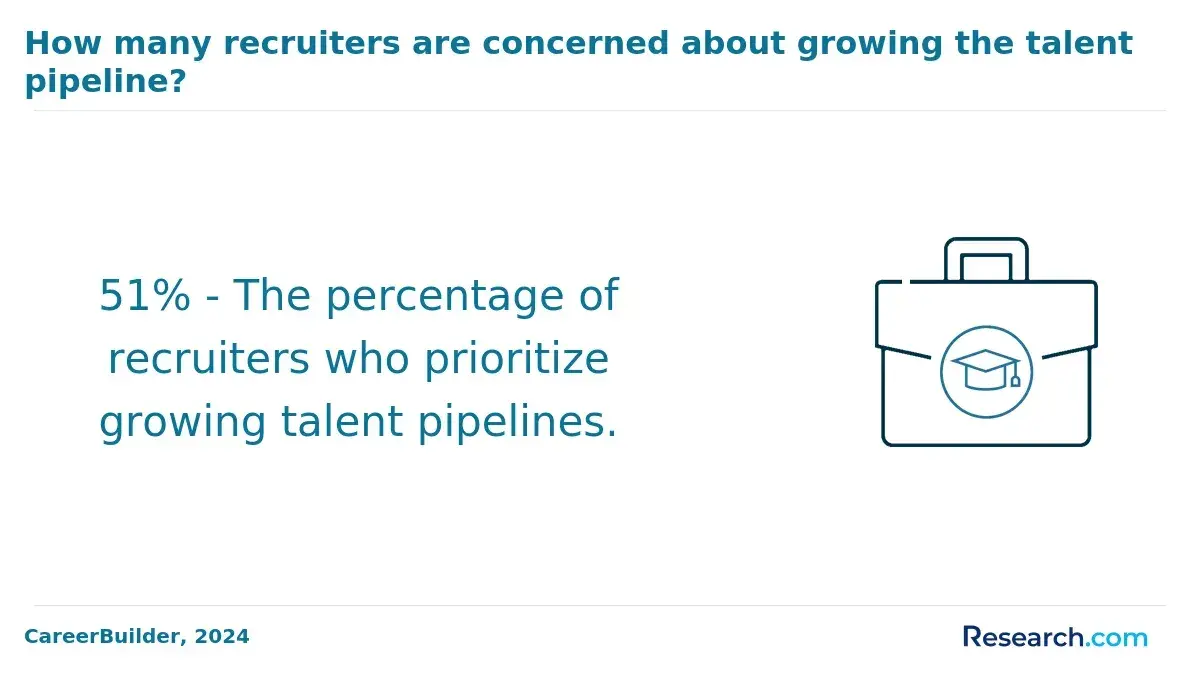
Students may receive credit for 25-50% of their degree requirements through these assessments, depending on the institution and program. However, schools usually limit PLA credit because they still require students to complete a substantial portion of the degree through the institution awarding the credential.
PLA credit is not automatic. Applicants may need to submit official transcripts, certification records, training documentation, work samples, supervisor letters, or a portfolio explaining how their experience meets specific course outcomes. Some schools charge an assessment fee, and some credits may apply only to electives rather than core analytics courses.
Questions to ask before relying on PLA credit
- Which certifications, training programs, or work experiences are eligible for review?
- Can PLA credit replace core analytics courses, or only general education and electives?
- What documentation is required?
- Is there a maximum number of credits that can be awarded?
- Will PLA credits affect financial aid eligibility, residency requirements, or graduation timelines?
PLAs are most valuable when you have verifiable, college-level experience that directly overlaps with degree requirements. They are less useful when your experience is informal, undocumented, or unrelated to the courses in the analytics curriculum.
Can prior college credits help you get a degree in Analytics sooner?
Prior college credits can be one of the fastest ways to shorten an online analytics degree. If a school accepts your previous coursework, you may be able to skip general education courses, electives, prerequisites, or introductory classes and move more quickly into analytics-specific requirements.
Transfer credit policies vary widely. Some schools are generous with previously earned credits, while others apply strict limits based on course age, grade earned, accreditation status, subject match, or degree residency rules. Because of this, you should request a formal transfer evaluation before assuming how long the program will take.
- Review transfer credit policies: Check the online analytics program’s rules for maximum transferable credits, course age limits, required grades, and whether credits must come from accredited institutions.
- Gather official transcripts: Request transcripts from every college you attended, even if you completed only a few courses.
- Compare prior courses with degree requirements: Identify which classes may match general education, statistics, programming, database, business, or elective requirements.
- Verify grade thresholds: Many schools require a minimum grade, often a C or better, before accepting credits toward a degree.
- Request a transfer credit evaluation: Ask the school to review your transcripts, course descriptions, and accreditation status so you can see exactly what will count.
Schools like Capella, Western Governors University, and Thomas Edison State University offer generous acceptance, showing how valuable prior credits can be for adult learners. Even so, the best choice is not always the school that accepts the most credits. You should also compare program quality, support, cost, accreditation, analytics curriculum, and employer recognition.
If your goal is to use analytics as a pathway to strong earnings, it may also be helpful to compare online analytics degrees with programs connected to some of the highest earning bachelor degrees.
Can work or military experience count toward credits in a degree in Analytics?
Work or military experience may count toward credits in an online analytics degree, but the amount and type of credit depend on the school. Institutions may review military transcripts, professional training, certifications, employer-sponsored learning, portfolios, or credit-by-examination results to determine whether your experience matches college-level outcomes.
Military training is often evaluated through organizations such as the American Council on Education (ACE), which translates certain military courses and roles into academic credit recommendations. These recommendations may appear on military transcripts and can be submitted during the admissions or transfer evaluation process.
However, credit for experience is usually limited. Schools commonly cap the amount, often at no more than half the total credits required. Experience-based credits also tend to apply more often to general education or electives than to specialized analytics courses. Advanced analytics classes usually require specific technical training in statistics, data systems, programming, modeling, and applied projects, so schools may require students to complete those courses directly.
Some colleges also accept credit-by-examination options such as CLEP or DSST. These exams can help validate knowledge in general subjects and may reduce the number of non-major courses you need to complete. Before enrolling, ask the school exactly how it evaluates military or professional experience, where those credits apply, and whether they will actually shorten your graduation date.
What criteria should you consider when choosing accelerated Analytics online programs?
Choosing an accelerated online analytics program requires more than finding the shortest timeline. A fast program is only worthwhile if it is accredited, rigorous, affordable, and aligned with the type of analytics work you want to do. Review both admission requirements and graduation requirements before committing, because some programs move quickly only for students who already have the right prerequisites or transferable credits.
- Accreditation: Confirm that the institution is properly accredited. For business-focused analytics degrees, respected accreditation such as AACSB can be an additional quality signal. Accreditation can affect credit transfer, graduate school options, financial aid eligibility, and employer confidence.
- Curriculum depth: Look for meaningful coverage of statistics, databases, programming, data visualization, predictive analytics, machine learning, business intelligence, and ethical data use. A short program should still build practical, job-relevant skills.
- Hands-on projects: Prioritize programs with capstones, case studies, portfolio assignments, or applied projects. Employers in analytics often want evidence that you can turn messy data into useful decisions.
- Faculty qualifications: Review whether instructors have industry experience, advanced research backgrounds, or current expertise in analytics tools and methods.
- Course delivery format: Check whether courses are fully asynchronous, require live sessions, follow fixed deadlines, or include campus visits. The fastest online analytics master’s program criteria should include schedule fit, not just total months to completion.
- Student support: Strong technical support, tutoring, advising, career counseling, and networking can make a major difference in accelerated programs where falling behind is costly.
- Credit transfer and PLA policies: Schools that recognize transfer credit or prior learning, such as Purdue Global’s ExcelTrack, may help qualified students avoid repeating material and finish sooner.
- Admissions requirements: Check whether the program expects prior coursework in statistics, programming, mathematics, business, or information systems. Missing prerequisites can extend your timeline.
- Cost and financial aid: Review tuition, fees, technology costs, books, and financial aid availability. An accelerated program may save time, but it is not automatically the cheapest option.
- Employer reputation: Consider institutions with strong recognition, such as the University of North Carolina at Chapel Hill or Auburn University, if their programs match your needs and career goals.
A good accelerated program should clearly explain who succeeds in the format, how much time students should expect to spend each week, and what career outcomes the curriculum supports. Be cautious if a program emphasizes speed but provides little detail about projects, faculty, accreditation, or student support.
Are accelerated online Analytics degrees respected by employers?
Accelerated online analytics degrees can be respected by employers when they come from accredited institutions and produce graduates with strong technical and applied skills. In most analytics hiring decisions, the program format matters less than whether you can use data to solve real problems.
Employers often look for evidence that a graduate can work with data tools, explain methods clearly, build reliable analyses, and connect findings to business or organizational decisions. Capstone projects, dashboards, SQL work, statistical modeling, machine learning assignments, and real-world case studies can help demonstrate that ability.
The degree’s speed can raise questions only if the program appears too thin, lacks rigor, or does not include practical work. A 12 to 16 months program with substantial projects may be more persuasive than a longer program with limited applied experience. The strongest candidates combine the degree with a portfolio, internships or work-based projects, certifications where relevant, and clear examples of measurable impact.
When evaluating employer value, ask these questions:
- Is the institution accredited?
- Does the curriculum teach current analytics tools and methods?
- Will you graduate with portfolio-ready projects?
- Are faculty and career services connected to analytics employers?
- Can alumni outcomes or employer partnerships be verified?
Overall, online business analytics degrees are valued by employers when they are rigorous, accredited, and skills-focused. Students exploring broader credential combinations can also review which universities offer double degrees.
What Analytics Graduates Say About Their Online Degree
- Ferdinand: "Completing my accelerated online Analytics degree opened doors I never thought possible. The fast pace was challenging, but it helped me enter the workforce sooner while saving on tuition since the average cost was quite reasonable. I am now in a role that values the skills I built through the program."
- Miguel: "The online Analytics program gave me flexibility without removing the rigor. I could apply what I learned directly to my current job, which improved how I approached data-driven decisions. The condensed timeline and cost-effectiveness made it a practical investment in my career."
- Ruy: "I appreciated that the accelerated format did not feel shallow. The curriculum was comprehensive, the projects were immediately useful, and finishing faster than a traditional route helped me advance professionally without delay. Considering the average cost, it was an efficient way to gain analytics expertise."
Other Things to Know About Accelerating Your Online Degree in Analytics
To enroll in a 2027 online Analytics degree program, applicants typically need a high school diploma or GED. Some programs may require previous coursework in mathematics or statistics. Check specific program requirements as they can vary by institution.
In 2027, many online Analytics degree programs offer flexibility with self-paced options. However, the extent to which a program is self-paced may vary by institution. Students should check with specific universities to confirm if completely self-paced schedules are available for their desired program.
References
- Online B.S. in Data Analytics https://www.walsh.edu/data-analytics-accelerated.html
- Master of Science in Business Analytics and Artificial Intelligence https://www.utrgv.edu/accelerated/programs/master-of-science-business-analytics/index.htm
- Accelerated Artificial Intelligence (AI) Master's Degree Programs - AI Degrees Online https://aidegreesonline.com/degrees/masters/accelerated-ai-programs/
- Master of Science in Business Analytics https://business.uic.edu/graduate/degrees/master-science-business-analytics/
- A 10-Year Look at Education Returns: Traditional vs Accelerated Pathways https://www.codingtemple.com/blog/traditional-vs-accelerated-higher-education/
- Data Science & Analytics (MS) Military Concentration Pathway https://online.odu.edu/military/pathways/data-science-analytics-ms
- Master studies Advanced Analytics – Big Data https://www.sgh.waw.pl/en/second-cycle-studies/master-studies-advanced-analytics-big-data
- How to choose a bachelor's in data analytics | edX https://www.edx.org/resources/how-to-choose-a-bachelors-in-data-analytics
- On the same topic... https://www.blobr.io/how-to-guides/how-long-does-it-take-to-complete-the-google-data-analytics-certification
- Data Analytics Certificate & Training - Grow with Google https://grow.google/certificates/data-analytics/