2027 Animal Science Degree Popularity by Gender, Region, and Degree Level

Co-Founder and Chief Data Scientist
A prospective animal science student researching programs may find enrollment patterns that differ widely by gender, region, and degree level, complicating judgments about program quality and career prospects. For example, 2024 data indicates women comprise nearly 65% of bachelor's degree earners in animal science but only about 40% at the doctoral level. This disparity signals distinct pipeline strengths and potential challenges in leadership diversity.
Regional enrollment shifts, such as increased demand in the Midwest versus stagnant growth in coastal states, reflect local industry needs and influence peer networks and educational access. Understanding these nuances helps align educational choices with realistic workforce trajectories. This article analyzes animal science degree popularity by gender, region, and degree level to enable better-informed educational and career decisions.
Key Things to Know About Animal Science Degree Popularity by Gender, Region, and Degree Level
- Women represent over 60% of animal science undergraduates nationally in 2024, indicating a gendered preference that shapes workforce diversity but may also channel men toward alternative agri-fields with differing practical demands.
- Midwestern U.S. institutions show 40% higher enrollment in animal science degrees than coastal regions, reflecting regional agricultural economies that prioritize hands-on expertise, influencing localized employer hiring patterns.
- Graduate degree enrollment grows slower due to higher costs and longer completion times, posing access challenges that limit advanced specialization, which employers increasingly seek for research and leadership roles.
- Key Things to Know About Animal Science Degree Popularity by Gender, Region, and Degree Level Key Things to Know About Animal Science Degree Popularity by Gender, Region, and Degree Level
- How Does Job Market Demand Influence Animal Science Degree Popularity? Market Demand and Degree Popularity
- How Does Online Animal Science Degree Enrollment Compare to Traditional Campus Programs? Online vs. Campus Enrollment
- What Degree Level Is Most Common Among Animal Science Students? Most Common Degree Levels
- How Do Enrollment Trends Differ Between Associate, Bachelor's, Master's, and Doctoral Animal Science Degrees? Enrollment Trends by Degree Level
- How Popular Is the Animal Science Degree Compared to Other College Majors? Degree Popularity vs. Other Majors
- Why Is the Animal Science Degree More Popular in Certain States and Regions? Regional Popularity Drivers
- What Demographic Groups Are Driving Growth in Animal Science Degree Programs? Growth by Demographic Groups
- What Is the Future Outlook for Animal Science Degree Enrollment by Gender, Region, and Degree Level? Future Outlook
- How Have Animal Science Degree Enrollment Trends Changed Over the Past Decade? Enrollment Trends
- Where Is the Animal Science Degree Most Popular Across the United States? Geographic Popularity Analysis
How Does Job Market Demand Influence Animal Science Degree Popularity?
Job market demand influences enrollment in animal science degree programs unevenly across gender, region, and degree level due to distinct local industry concentrations and employer expectations. For example, states like Iowa and Texas, with well-established agricultural sectors, see higher enrollment correlating with demand for expertise in livestock management and veterinary services. However, gender participation may diverge as roles requiring advanced research credentials often attract a different demographic profile, reflecting both workforce specialization and varying educational ambitions. The regional job growth impact on animal science degree enrollment is thus a product of complex economic ecosystems rather than a simple supply-demand alignment.
A practical consequence of evolving labor market standards is the increasing value placed on graduate-level educations to secure specialized roles, as many employers expect certifications or advanced degrees for emerging occupations within biotechnology or sustainability-focused agriculture. This dynamic drives enrollment upward in graduate programs despite stable or only moderate growth in undergraduate interest. Students must weigh these realities against factors such as tuition costs and alternative pathways, including broader biological sciences or interdisciplinary fields. For those navigating these choices, resources like BCBA online programs illustrate the expanding landscape of credential options that can intersect with animal science career trajectories.
How Does Online Animal Science Degree Enrollment Compare to Traditional Campus Programs?
The enrollment surge in online animal science degree programs reflects a distinct shift from traditional campus attendance, largely driven by differences in student demographics and geographic access. Online programs have expanded enrollment notably among adult learners, with nearly 40% of online students aged 25 or older, a stark contrast to about 12% in campus settings, according to the 2024 National Center for Education Statistics data. This modality particularly benefits those in rural or underserved areas where physical campus options are scarce, effectively broadening participation but also creating a divergence in experiential learning opportunities that typically require in-person engagement. Consequently, while online formats increase access and flexibility, they may not equally support hands-on skill development essential in many animal science careers, influencing student choice based on learning preferences and employment goals.
Regional factors further shape these patterns, with traditional campus programs maintaining steadier enrollment in population centers where institutional presence and farm-based research facilities remain concentrated. The appeal of online degrees grows where distance or work commitments limit campus attendance, particularly for non-traditional students balancing education with other responsibilities. However, employers in agriculture and related sectors often express preference for graduates with verifiable practical experience, which is more readily acquired through hybrid or campus-based routes. These tradeoffs influence not just who enrolls but also impact completion rates and downstream workforce readiness, underscoring the importance of matching program format with individual circumstances and career strategies.
A recent graduate recounted weighing the decision between an online and a traditional animal science program while living several hours from the nearest agricultural college. Despite initial skepticism about the online program's rigor and lack of campus life, the flexibility allowed continuation of a part-time farm job and family support obligations. Though concerned about missing lab sessions and peer interaction, the student found ways to supplement practical experience locally, demonstrating the nuanced choices students face when balancing access, learning quality, and personal commitments in this field.
What Degree Level Is Most Common Among Animal Science Students?
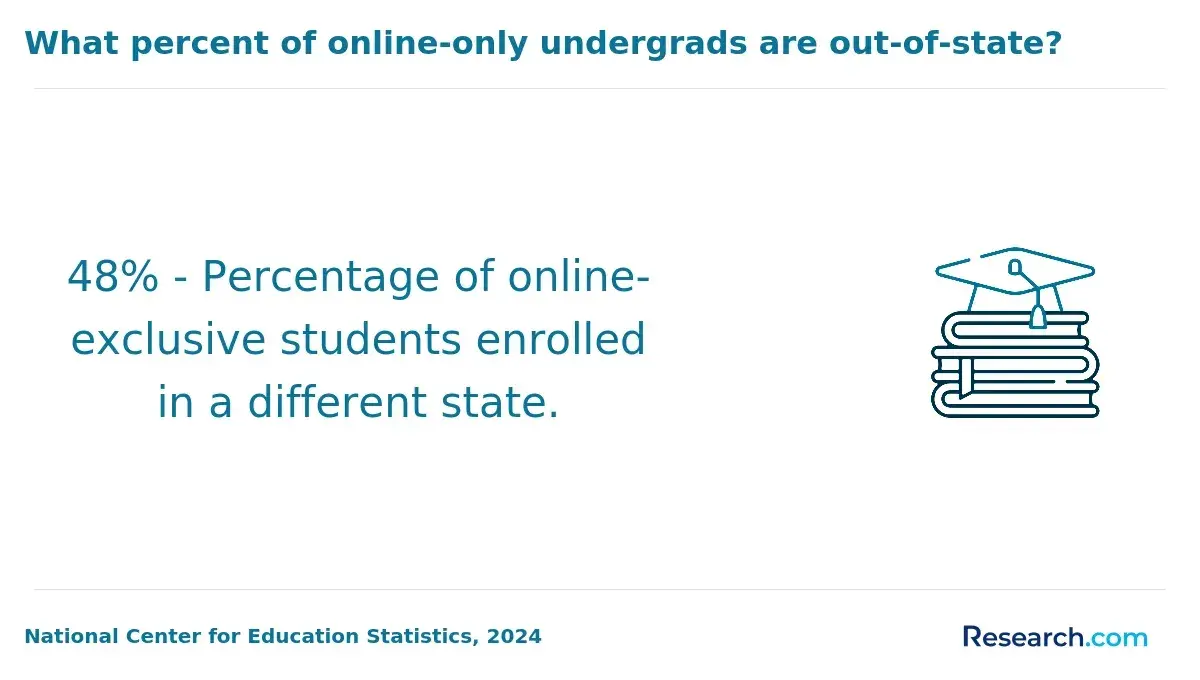
Bachelor's degrees dominate animal science education, representing about 70% to 75% of enrollment and completions according to data from the National Center for Education Statistics in 2024. This prevalence reflects the degree's role as the fundamental credential expected by most employers for entry-level positions in agriculture, veterinary technology, and research support. Students pursuing bachelor's programs typically prioritize a balance between theoretical knowledge and practical skills, positioning themselves for a wider range of career options than those with associate degrees, which tend to funnel graduates into more technical or support roles with limited upward mobility.
Associate degrees, while shorter and often more affordable, are less common and usually geared toward immediate workforce entry or credit transfer pathways. Graduate options such as master's and doctoral degrees attract fewer students but cater to those targeting specialized expertise or leadership roles involving research, teaching, or policy influence. The growth in online master's programs and increased research funding has slightly expanded this segment, yet high costs and narrower career applications contribute to their comparatively lower enrollment. Doctoral studies remain the most selective pathway, enrolling under 5% of students, reflecting the significant investment and focus required for academic or scientific careers within the field.
This distribution underscores important tradeoffs in educational planning: while bachelor's degrees offer the broadest access to employment and further study, graduate programs provide depth and specialization necessary for advancement in research or management. Understanding these patterns is crucial for students aligning their educational commitments with realistic labor market demands and long-term career strategies in animal science.
How Do Enrollment Trends Differ Between Associate, Bachelor's, Master's, and Doctoral Animal Science Degrees?
Enrollment patterns across associate, bachelor's, master's, and doctoral animal science degrees reveal distinct student motivations and workforce demands that affect educational planning. Associate degrees tend to attract individuals aiming for technically focused roles in agriculture, with steady growth concentrated in rural areas where farming industries dominate. In contrast, bachelor's programs enroll the largest and predominantly female population, though recent trends show plateauing or slight declines possibly due to rising costs and shifting preferences toward STEM fields with more defined job prospects. This divergence in associate versus bachelor's animal science degree enrollment trends reflects a tradeoff between immediate employment opportunities and broader scientific training required for research or management roles.
Master's enrollment growth remains steady but slower, emphasizing specialization relevant to employer demand in biotechnology and animal welfare sectors, often appealing to working professionals upgrading skills rather than recent graduates. The distribution of master's and doctoral animal science program participation also exposes regional differences, with advanced degrees more concentrated in urban and research-intensive institutions. Doctoral programs, maintaining a stable yet small cohort, continue to prioritize academic and research careers and experience tighter gender balance than lower-level degrees. These dynamics influence prospective students' decisions, highlighting the need to match degree level with career trajectory realities, cost considerations, and the competitive nature of advanced research pathways.
Prospective students exploring options should carefully weigh these enrollment trends alongside their long-term goals, especially given how workforce demands shape the value and accessibility of each degree tier. For those seeking flexibility or career shifts, options like pursuing an online degree in psychology may offer alternative pathways. Understanding these nuanced enrollment and demographic shifts helps clarify the practical implications of committing to specific animal science academic tracks.
How Popular Is the Animal Science Degree Compared to Other College Majors?
The animal science degree's relatively low enrollment compared to mainstream majors like business or health sciences reflects both its specialized focus and regional concentration rather than a lack of value. According to 2024 data from the National Center for Education Statistics, animal science accounts for less than 0.5% of bachelor's degrees awarded nationwide, underscoring its niche appeal primarily tied to agricultural economies. This limited scale influences program visibility, student peer networks, and the scope of specialization opportunities, which may affect prospective students' decisions depending on their career alignment and geographic location.
Gender trends also distinguish animal science from many STEM fields, with female students frequently comprising over 60% of enrollment at various institutions, hinting at shifting demographics within life sciences. Graduate-level engagement remains modest, reflecting targeted research roles often linked to veterinary or environmental science programs. These dynamics suggest that those considering this degree should weigh the tradeoffs between its focused applicability and broader market exposure, particularly given the concentration of job prospects in agriculture-rich states and the evolving but still limited impact of biotechnology and sustainability trends on enrollment.
One former animal science student recalled being surprised by the small class sizes and fewer peers compared to friends in psychology or business, which shaped their academic experience significantly. They described conversations with academic advisors emphasizing that lower enrollment meant less competition for hands-on research and internships but also fewer elective course options. This clarity helped them appreciate the tradeoff between the personalized attention animal science programs can offer and the narrower peer community, influencing their confidence in choosing a less common major aligned with their career goals.
Why Is the Animal Science Degree More Popular in Certain States and Regions?
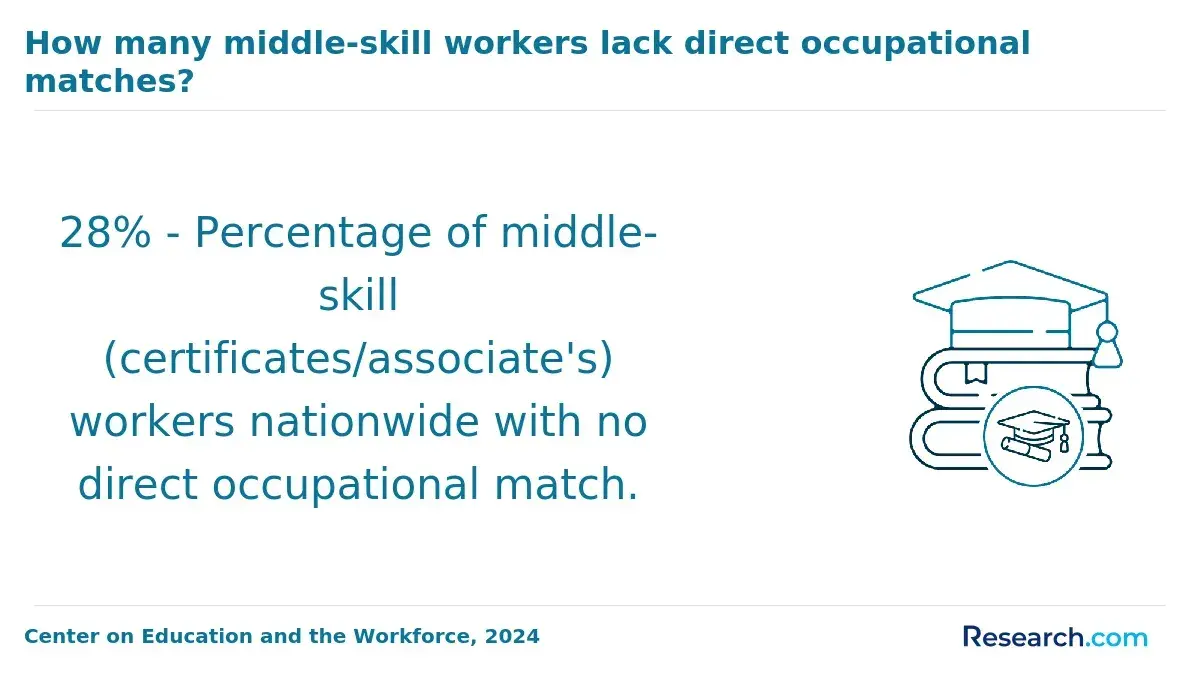
Regional demand for animal science programs heavily influences the concentration of students pursuing these degrees, particularly in southern states where agriculture remains economically dominant. States like Iowa and Texas demonstrate how local industry presence shapes enrollment as these regions offer more extensive job opportunities in veterinary services, animal husbandry, and food production, creating strong workforce incentives for degree completion. Nebraska, for example, consistently ranks within the top five for animal science graduates, reflecting the direct link between regional industry scale and educational choices. Such pockets of demand also influence networking environments and program reputations, which in turn affect perceptions of degree value and student decisions on where to study or seek employment.
Access to specialized university programs and state policies promoting agricultural education further drive these geographic disparities, complementing demographic factors like rural family ties to farming. Land-grant universities with embedded agricultural missions in these regions not only boost degree availability but also enhance practical training-though reliance on local agricultural ecosystems means online education can only partially bridge geographic gaps. For students outside traditional agricultural hubs, limited local employment prospects may lead to choosing alternative majors despite interest in animal science. This dynamic reflects how enrollment patterns intertwine with real-world employment conditions and policy support, shaping both the popularity and practical utility of animal science degrees across regions.
Prospective students evaluating program options would benefit from understanding these layered influences on animal science degree popularity in southern states, since regional industry scale, workforce demand, and program accessibility critically affect long-term career outcomes. Considering these factors alongside alternatives, such as masters in art therapy, helps to contextualize educational decisions within broader labor market realities and personal goals.
What Demographic Groups Are Driving Growth in Animal Science Degree Programs?
The rising enrollment of women in animal science degree programs-now approaching 60% according to the National Center for Education Statistics-reflects shifting labor market dynamics and evolving industry expectations where gender diversification is increasingly seen as beneficial for a traditionally male-dominated field. This demographic shift not only affects classroom composition but also influences mentoring structures and peer networks, which can reshape educational experiences and long-term career engagement in areas like veterinary medicine, sustainability, and research. For prospective students, understanding this change highlights both expanding inclusion and the need to assess how program cultures and opportunities may evolve alongside these shifts.
Regionally, enrollment growth concentrates in the Southern and Western United States, particularly in states with robust agricultural sectors such as Texas and California, driven by local investments in livestock technology and sustainable farming practices. These geographic trends underscore the importance of aligning educational pathways with regional labor markets, as well as the practical value of gaining experience or internships in these growth areas. Additionally, postgraduate animal science programs are expanding at twice the rate of undergraduate ones due to rising employer demand for expertise in genetics, nutrition, and biotechnology, presenting a tradeoff for students considering advanced specialization versus broader foundational studies.
Adult learners and online students represent a significant growth segment, underscoring how program flexibility addresses workforce needs for mid-career transitions and skill upgrades. This rise in remote enrollment, which increased 15% since 2021, introduces both accessibility and potential challenges related to hands-on experience essential in animal science disciplines. For educators and industry stakeholders, these demographic and delivery shifts necessitate thoughtful curriculum design to balance theoretical rigor with applied skills, ensuring graduates remain competitive in an evolving job market.
What Is the Future Outlook for Animal Science Degree Enrollment by Gender, Region, and Degree Level?
Enrollment in animal science degree programs is set to reflect nuanced demographic and regional shifts that will influence program accessibility and student composition. Female undergraduates currently make up about 58% of enrollment and are projected to increase to around 60% by 2030, signaling a gradual but meaningful shift in gender representation that aligns with expanding roles in research, sustainable agriculture, and veterinary sciences. At the graduate level, despite overall growth-expected to be roughly 8% in the next decade-male students still dominate, though the narrowing gender gap suggests evolving professional pathways may encourage more women into advanced study and leadership positions.
Regionally, expansion will concentrate in southern and western states like Texas, California, and Florida, driven by population increases and the agricultural sector's evolving needs. These areas are seeing wider adoption of flexible delivery models such as online and hybrid courses, which mitigate geographic barriers and accommodate working students. Conversely, Midwestern programs may hold steady but grow more slowly, reflecting the region's stable but mature agricultural economies. For prospective students and workforce stakeholders, these patterns imply that regional choices and degree level will significantly impact educational opportunities and labor market alignment, with sustainability and biotechnology increasingly shaping curricula and employer expectations.
How Have Animal Science Degree Enrollment Trends Changed Over the Past Decade?
Long-term enrollment changes in animal science degree programs reflect significant shifts in workforce needs and student demographics, with practical consequences for program relevance and accessibility. Data over the past decade reveals an 8% overall growth in undergraduate enrollment, driven largely by increased female participation-women now make up nearly 55% of students-signaling a fundamental change in gender dynamics traditionally associated with these fields. This shift has implications for curricula and support services, as institutions in agricultural regions like the Midwest and Southeast adapt to attract and retain a more diverse student body amid evolving industry demands.
Regional disparities continue to influence changes in animal science degree popularity by gender and region, with coastal states showing comparatively slower enrollment growth than agricultural heartlands. This divergence reflects economic concentration and targeted educational offerings aligned with local labor markets. Meanwhile, degree completions indicate a strategic move toward higher qualifications: bachelor's graduates increased by 10%, and master's degree conferrals have doubled, highlighting a growing emphasis on advanced expertise in research and biotechnology. These trends suggest students and employers increasingly value depth of knowledge alongside practical experience, affecting program availability and the prioritization of advanced credentials.
Prospective students should weigh these enrollment trends alongside considerations like hands-on training and online access, which expand options for non-traditional learners and isolated populations. Programs that combine rigorous academics with industry connections better position graduates for sustainability roles and veterinary support careers. For those seeking cost-effective pathways, understanding what are the cheapest online colleges offering relevant programs can be a critical part of decision-making in this evolving educational landscape focused on animal science degree enrollment trends in the United States.
Where Is the Animal Science Degree Most Popular Across the United States?
Animal science degree popularity tends to cluster in regions with significant agricultural economies and established educational institutions that offer specialized programs aligned with local industry needs. The Midwest stands out as a prime example, where states with strong livestock farming and dairy production maintain a high concentration of graduates due to practical connections between campus programs and agribusiness sectors. These geographic patterns affect student decisions, offering richer internship opportunities and better network access near production hubs, which ultimately influence employability and career pathways in this field.
Regions like the South demonstrate emerging but less dense enrollment, reflecting a shifting landscape where expanding animal science education supports growing workforce demands in traditional and biotech-related agriculture. The prominence of urban areas is limited as hands-on learning and field experience vital to this discipline often require rural or semi-rural settings, influencing perceptions of program value and suitability based on location. Evaluating top states for animal science degree enrollment requires understanding how these local industry alliances and academic infrastructures shape access to relevant skills and applied science roles.
Prospective students balancing these factors may also consider broader educational investment choices, such as exploring options like a cheapest online marketing degree for complementary skills in communication or business, enhancing their competitiveness in agribusiness sectors. The trends in animal science degree popularity by region in the United States indicate that practical outcomes and workforce integration are pivotal considerations, especially where specialized programs and employer demand intersect most strongly.
References:
- Animal Science Degree https://universitycompare.com/guides/subject/animal-science-degree
- BSAS https://www.bisas.org.uk/blog/the-future-of-animal-science-in-higher-education/
- Bachelor of Animal Science – BAnSci https://www.massey.ac.nz/study/all-qualifications-and-degrees/bachelor-of-animal-science-UBANS/
- Study Animal Science in the USA | Study in the USA https://www.studyusa.com/en/field-of-study/341/animal-science
- Animal Science | NMBU | NMBU https://www.nmbu.no/en/studies/master-2-year/animal-science
Other Things You Should Know About Animal Science
Gender disparities in animal science programs often correlate with different learning environments and peer networks. Female students frequently dominate enrollment in many regions, which may impact classroom dynamics and mentorship opportunities. Prospective students should consider how these social compositions affect their educational experience, especially regarding collaboration and support. Choosing a program that aligns with your preference for diversity or community style can influence both engagement and career networking.
Regional variations in animal science degree popularity reflect local industry demands and research specialization, which directly shape curriculum focus and internship availability. Programs in agricultural hubs typically offer stronger hands-on opportunities, while those in urban or non-agricultural regions may emphasize policy or biotech aspects. Prioritizing programs with clear regional employer connections can improve practical training and job placement, even if those regions have smaller or less diverse student bodies.
Higher degree levels in animal science involve deeper specialization but also greater research and technical skill demands, which can mean more intense study and project commitments. Bachelor's programs tend to balance theory with practical skills suitable for entry-level roles, while graduate studies expect students to manage independent research and advanced analytical challenges. Students should realistically assess their readiness and career goals before pursuing advanced degrees, as increased academic rigor doesn't always correlate to direct industry advantage without relevant experience.
Programs with a balanced gender mix and a range of degree levels often provide more comprehensive peer learning and mentorship opportunities. This diversity can foster broader perspectives and better prepare students for varied workplace environments. While some students may thrive in more homogenous groups, those aiming for versatile career paths should consider institutions reflecting diverse cohorts to enhance adaptability and professional networking in gender-diverse and multi-level contexts.