2027 Top Industries Hiring Animal Science Graduates: Demand, Pay, and Growth Trends

Co-Founder and Chief Data Scientist
Imagine a recent animal science graduate weighing options across multiple industries, uncertain which path offers the best long-term prospects. The challenge lies in identifying sectors with solid demand for their expertise, understanding how compensation varies, and recognizing where career growth is most dynamic. Making decisions without this insight risks misaligned career trajectories and underutilized skills.
Insight into which industries hire the most animal science graduates, the salary ranges they can expect, and emerging growth trends provides a strategic advantage. Additionally, recognizing how employer expectations are evolving helps graduates tailor their education and experience to meet market needs. This article examines these factors in depth, guiding readers through the industries leading in hiring animal science talent, highlighting where salaries peak, identifying fastest-growing sectors, and outlining approaches for aligning skills with high-potential career paths.
Key Things to Know About the Top Industries Hiring Animal Science Graduates
- The livestock production and biotechnology sectors employ over 55% of animal science graduates, highlighting where immediate job access is strongest despite varied specialization requirements.
- Pharmaceutical and veterinary services report 8% annual salary growth, reflecting sector-driven demand for advanced skills, shaping career trajectories beyond traditional farm roles.
- Recent 2024 labor market analysis shows increasing employer preference for candidates with interdisciplinary expertise, signaling shifts toward integrative roles combining animal science with data analytics and sustainability.
- Key Things to Know About the Top Industries Hiring Animal Science Graduates Key Things to Know About the Top Industries Hiring Animal Science Graduates
- Which Industries Hire the Most Animal Science Graduates? Top Industries
- Which Industries Offer the Highest Salaries for Animal Science Graduates? Highest Salaries
- Which Industries Have the Fastest Growth for Animal Science Careers? Growth Trends
- Which Employers Commonly Recruit Animal Science Graduates? Top Employers
- Which Skills Are Most In Demand Across Animal Science Industries? In-Demand Skills
- How Do Career Paths Differ Across Industries for Animal Science Graduates? Career Paths
- How Do Industry Trends Affect Future Opportunities for Animal Science Graduates? Industry Trends
- How Can Students Prepare for High-Demand Animal Science Industries? Career Preparation
- How Do Different Animal Science Degree Programs Prepare Students for Industry Careers? How Do Different Animal Science Degree Programs Prepare Students for Industry Careers?
- Which Industry Is the Best Fit for Your Animal Science Career Goals? Which Industry Is the Best Fit for Your Animal Science Career Goals?
Which Industries Hire the Most Animal Science Graduates?
The employment landscape for animal science graduates spans a range of sectors, each offering distinct opportunities tied to the evolving demands of agriculture, research, and animal welfare. Data from the U.S. Bureau of Labor Statistics indicates that nearly 40% of graduates find work in traditional sectors like agriculture, but emerging fields are reshaping overall hiring patterns. The accelerated psychology degree online market also reflects how specialized education paths influence related sciences. Understanding the top industries hiring animal science graduates helps clarify where demand remains steady and why these sectors attract talent. Highlighted below are the primary fields driving employment for animal science professionals.
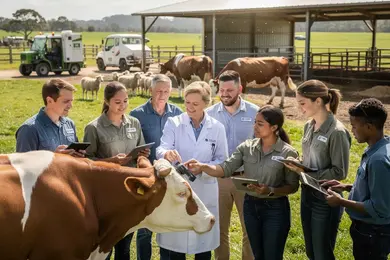
- Agriculture and Livestock Production: This sector hires the largest share of animal science graduates, capitalizing on expertise in animal nutrition, breeding, and sustainable farming techniques. Roles such as livestock manager or breeding specialist are prevalent here, with employers prioritizing productivity and efficiency to meet food supply demands. Despite mechanization gains, human expertise remains critical for animal health and genetic improvements, ensuring ongoing recruitment in diverse geographic regions.
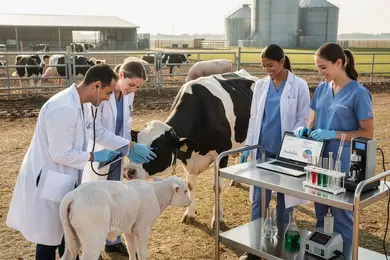
- Biotechnology and Pharmaceutical Firms: Accounting for about 20% of employment, these companies increasingly seek graduates skilled in genetic research and vaccine development. Advances in molecular biology and animal models for human and veterinary medicine have expanded opportunities, especially for those with technical training. The sector's dynamic nature offers growth potential but often requires adaptability to shifting research priorities and regulatory environments.
- Academia and Research Institutions: Representing roughly 15% of placements, this path attracts graduates interested in animal physiology, welfare, and genetics research. While academically oriented roles may offer lower initial salaries, they provide avenues for long-term contributions to scientific knowledge and policy influence. Employment density often concentrates around universities and specialized research centers.
- Government and Regulatory Agencies: Employing about 10% of graduates, government roles focus on public health, food safety, and agricultural policy enforcement. These positions provide stability and the chance to impact large-scale animal health protocols, although they can be subject to budgetary constraints and political changes.
- Private Animal Care Sector: This segment includes veterinary services, zoos, and nutrition companies, hiring approximately 15% of graduates. Professionals apply animal science expertise to enhance companion and exotic animal health and product innovation. The sector tends to have more direct client interaction and growing demand in urban and suburban markets.
Which Industries Offer the Highest Salaries for Animal Science Graduates?
Salary differences across industries employing animal science graduates largely stem from variations in specialized skills required, funding availability, and market demand. Sectors with cutting-edge research and stringent regulatory environments tend to offer higher compensation to attract talent with advanced knowledge. Conversely, industries that prioritize broader employment accessibility and diverse roles might present lower median wages but compensate with job stability or work-life balance. Understanding these tradeoffs helps graduates align their earning expectations with personal and professional goals.
Below are key industries where animal science degree holders typically find the highest paying animal science careers.
- Pharmaceutical and Biotechnology: These companies generally top the list for salaries, often exceeding $85,000 annually according to recent U.S. Bureau of Labor Statistics data. Roles include veterinary drug developers, vaccine researchers, and specialists using animal models for human health research, demanding both advanced degrees and technical expertise. The sector's well-funded, innovation-driven environment explains its premium compensation structure.
- Agricultural Corporations: Offering median wages between $60,000 and $75,000, this industry appeals to graduates focused on livestock nutrition, breeding, and production management. It provides a wide array of positions from field research to consultancy, emphasizing practical impact on food systems. While salaries are lower than biotech, the sector commands sustained employment demand and opportunities shaped by evolving agricultural technologies.
- Government and Public Research Institutions: With median salaries near $65,000, these employers balance competitive pay with benefits like job security and pensions. Positions include wildlife biologists, regulatory scientists, and animal health advisors where public safety and conservation drive priorities. Though top-tier salaries are less common, these roles attract graduates valuing stability and long-term public service careers.
- Food Production Firms: Similar to agricultural corporations, this sector focuses on optimizing meat, dairy, and egg production through animal science expertise. Salaries tend to fall in the mid-range but reflect strong demand for specialists who can improve efficiency and product quality in large-scale operations.
For students weighing salary against job characteristics, these variations highlight critical considerations. A biotech researcher earning a premium salary may face intense deadlines and a need for higher education, whereas a government regulatory specialist might accept lower pay for steadier hours. Those interested in maximizing earning potential can also explore supplemental training or certifications, which might be explored through reputable online eMBA programs that build leadership skills applicable across sectors.

Which Industries Have the Fastest Growth for Animal Science Careers?
Evaluating industry growth is crucial for animal science graduates aiming to secure long-term employment and competitive salaries. Job availability often hinges on sector expansion driven by technological advancements, regulatory changes, and shifting consumer demands. Recognizing which fields are growing fastest helps prioritize skills and positions likely to offer resilience in fluctuating economies. The following list highlights industries where animal science expertise will be in rising demand through the next decade.
- Biotechnology and Pharmaceuticals: This sector is rapidly expanding due to breakthroughs in veterinary biologics, genetic editing, and translational medicine. Animal science professionals with molecular biology and genetics backgrounds find growing roles in vaccine development and diagnostic research. The U.S. Bureau of Labor Statistics projects an 8% employment increase by 2032, outpacing many other fields.
- Sustainable Agriculture Systems: Driven by consumer preferences for ethically produced and environmentally sustainable products, this industry emphasizes animal welfare, nutrition, and breeding programs optimized for resilience. Farm animal health research positions are expected to grow 6-7%, supported by government initiatives to reduce livestock emissions and improve resource use efficiency.
- Animal Nutrition and Feed Manufacturing: Innovations in alternative feed sources and precision nutrition technologies fuel growth in this area. Advances targeting feed efficiency and sustainability create diverse jobs, with growth estimated at 5-6%, reflecting industry shifts toward eco-friendly livestock management.
- Veterinary Services and Regulatory Agencies: Although growth here is slower and often influenced by broader public health trends, these sectors provide stable roles vital to animal health oversight and disease prevention.
One animal science graduate recalled choosing between a traditional veterinary technician pathway and an emerging role in pharmaceutical research. Initially hesitant about entering a highly specialized biotech lab, the graduate later found the opportunity aligned well with their genetics expertise and desire for impactful, innovative work. The decision ultimately provided a stronger career trajectory, highlighting how targeted industry growth patterns can shape personal career outcomes beyond routine job availability.
Which Employers Commonly Recruit Animal Science Graduates?
Recognizing which types of employers most frequently hire animal science graduates allows students and career changers to tailor their academic focus, practical experiences, and job searches more strategically. Hiring demand is influenced by factors such as industry specialization, regional economic conditions, and evolving market needs, meaning that the best employment prospects vary widely. By understanding these patterns, individuals can better position themselves for roles that align with their skills and interests.
Below is a concise overview of organizations that reliably recruit animal science graduates across diverse sectors.
- Agricultural and Livestock Companies: These firms remain the backbone for employment opportunities, employing graduates to optimize animal breeding, nutrition, and herd health. Roles here often involve genetic research, production management, and sustainability initiatives, making these companies ideal for those targeting hands-on agricultural practices in rural or semi-rural regions.
- Veterinary Clinics and Hospitals: Animal science professionals fill crucial positions supporting clinical care, laboratory diagnostics, and research within veterinary settings. Such employers seek candidates with a strong foundation in animal biology and health sciences, offering roles that bridge direct animal care with technical support in increasingly sophisticated healthcare environments.
- Pharmaceutical and Biotechnology Firms: With the growth of animal health-focused biotech, these companies hire graduates to aid in developing vaccines, therapeutics, and diagnostic tools for both domestic and wildlife populations. These employers demand expertise in molecular biology, immunology, and regulatory compliance, appealing to those interested in research and development roles.
- Environmental and Government Agencies: Federal and state bodies recruit animal science graduates for responsibilities including wildlife management, zoonotic disease control, and enforcement of agricultural and environmental regulations. Government employment often provides stability and opportunities to impact public health and conservation on a broad scale.
According to the 2024 data from the U.S. Bureau of Labor Statistics, agricultural and veterinary sectors collectively account for over 60% of job placements for animal science graduates, underscoring their role as primary hiring sources. For example, in regions with concentrated livestock farming, graduates working with agricultural firms contribute directly to improving herd genetics and feed efficiency, driving both productivity and environmental sustainability. This alignment between employer demand and practical application highlights the importance of targeted experience within the relevant industry context.
Which Skills Are Most In Demand Across Animal Science Industries?
Certain core skills retain high value across the diverse sectors employing animal science graduates because they combine specialized knowledge with adaptable professional competencies. Although demand varies somewhat between industries such as veterinary services, livestock production, conservation, and biotechnology, a consistent set of technical and soft skills enhances employability and career longevity.
For example, a graduate working in pharmaceutical animal health development must understand genetics and biotechnologies while navigating regulatory documentation and cross-disciplinary communication. Recognizing these priorities helps students and career changers tailor their learning and practical experiences to meet broad market needs. Below is a focused list of the most in-demand skills across animal science industries.
- Genetics and Breeding Expertise: Mastery of animal genetics and breeding principles is fundamental for roles in livestock productivity and biotechnology. Employers seek candidates skilled in applying this knowledge to enhance health and efficiency, typically developed through coursework combined with hands-on lab or farm experiences.
- Data Analysis Proficiency: Ability to interpret complex datasets using statistical software and geographic information systems (GIS) is increasingly critical as animal health and production integrate data-driven decision-making. Familiarity with these tools can be acquired through specialized classes and internships focused on research or production analytics.
- Molecular Biology Techniques: Practical laboratory skills in molecular biology, including emerging technologies such as CRISPR gene editing, underpin many advances in pharmaceutical and conservation sectors. These are commonly developed within advanced animal science programs emphasizing biotechnology applications.
- Communication Skills: Effective written and verbal communication facilitates collaboration across interdisciplinary teams and supports client education and regulatory compliance. These transferable skills strengthen adaptability and are honed through presentations, report writing, and teamwork projects.
- Problem-Solving and Critical Thinking: Navigating unpredictable challenges in animal health and production requires strong analytical and adaptive reasoning. These skills support innovation and informed decision-making, cultivated via case studies and real-world problem-solving assignments.
- Project Management and Organizational Ability: Managing multiple tasks and adhering to regulatory standards is essential in roles ranging from conservation to pharmaceuticals. Students can enhance these skills by leading group projects, internships, or fieldwork requiring coordinated efforts.
- Digital Literacy and Adaptability: With automation and smart technologies increasingly prevalent, proficiency in digital tools and flexibility in adopting new methods are non-negotiable. Integrating these competencies early promotes resilience in a shifting industry landscape.
According to recent data from the U.S. Bureau of Labor Statistics and 2024 studies by agricultural and veterinary research organizations, more than 70% of animal science-related job postings explicitly list technical competencies such as genetics and data analysis alongside transferable skills like communication and problem-solving, underscoring their collective importance.
Students considering a social media marketing major, for example, might explore how digital literacy in animal science contexts parallels their field, revealing cross-disciplinary opportunities. For those pursuing animal science, aligning skill development with these market demands helps ensure access to the strongest employment demand, higher salary potential, and durable career growth.
More insights on related fields can be found in social media marketing major resources, offering perspectives on complimentary skill sets and strategies.
How Do Career Paths Differ Across Industries for Animal Science Graduates?
Choosing an industry after earning an animal science degree can shape career growth as much as the degree itself, since each sector values different skills, experiences, and career ambitions. Some industries reward practical expertise and steady advancement, while others prioritize specialized knowledge and offer wider mobility but require ongoing education. Understanding these distinctions helps graduates align their personal goals with realistic expectations about compensation, responsibility, and professional development.
The following points highlight key contrasts across industries to guide informed decision-making.
- Career Advancement Pace: Traditional sectors like agriculture and food production typically emphasize gradual, experience-based promotions focused on operations or management. In contrast, biotechnology and pharmaceutical fields often provide faster upward mobility linked to advanced degrees and technical expertise, rewarding innovation and research.
- Skill Specialization: Veterinary and animal health roles depend heavily on clinical credentials and specialized certifications, which can yield salary increases but require continuous training. Conversely, roles in conservation biology prioritize leadership skills and impact-driven work, with less formal credentialing but limited financial reward.
- Workplace Environment: Livestock management jobs often involve hands-on physical work in rural settings, appealing to those who prefer routine and outdoor tasks. Lab-based research or corporate roles demand adaptability, interdisciplinary collaboration, and often a more structured office environment.
- Salary Growth and Stability: Data from the U.S. Bureau of Labor Statistics (2024) demonstrate that biotechnology professionals experience higher wage growth compared to traditional agriculture workers, who generally see modest, steady increases. Job security can be stronger in established sectors, though income potential may plateau sooner.
- Long-term Career Flexibility: Careers in biotech and pharmaceuticals typically require ongoing education but offer diverse paths, from product development to regulatory affairs. In contrast, agricultural roles may offer stability but limited lateral movement, making it important for graduates to consider whether they value breadth or depth over time.
- Impact and Fulfillment: Emerging fields like animal welfare emphasize influence on policy and community outcomes rather than financial gain, suiting individuals motivated by social impact over monetary rewards.
- Geographic Mobility Constraints: Jobs in agriculture and veterinary services are often regionally bound by farm locations or clinic availability, which may restrict relocation options, unlike biotech or corporate roles which may offer greater geographic flexibility.
How Do Industry Trends Affect Future Opportunities for Animal Science Graduates?
Industry trends play a crucial role in shaping the job landscape for animal science graduates by shifting employer needs, required skills, and salary potential. Market forces, technological innovation, and public policy reforms interact in complex ways, meaning career paths that thrive today may evolve significantly over the next decade. For example, graduates who focus solely on traditional agriculture may face stiffer competition compared to peers who develop expertise in emerging biotechnologies or sustainability practices. Recognizing these dynamics helps prospective students and recent graduates strategically position themselves for sectors with durable growth.
Key industry trends influencing future opportunities include:
- Alternative protein markets: Expanding interest in lab-grown meat and plant-based alternatives is creating demand for graduates who understand both animal biology and innovative food production technology. Employers in this space seek candidates who can bridge biological systems knowledge with research in cellular agriculture, signaling a need to acquire interdisciplinary competencies beyond classical animal husbandry.
- Sustainability and climate impact: Climate-driven changes in agriculture require new livestock management strategies that reduce greenhouse gas emissions and resource consumption. Career opportunities are growing in roles focused on environmental stewardship, precision farming, and sustainable feed development, offering prospects for graduates prepared to engage with ecological science and regulatory frameworks.
- Biotechnology and pharmaceuticals: The pharmaceutical industry increasingly relies on animal science expertise for vaccine development, genetic research, and therapeutic innovation. Graduates enter roles demanding familiarity with laboratory animal models, molecular biology, and bioinformatics, often accompanied by higher salary potential than conventional agricultural positions.
- Animal welfare and regulatory compliance: Elevating societal concerns about ethical farming prompt job growth in policy, certification, and compliance sectors. Graduates with capabilities in animal ethics, legal standards, and quality assurance are positioned to influence industry practices and supply chain transparency.
According to the U.S. Bureau of Labor Statistics' 2024 projections, occupations related to animal science, such as veterinary technologists and animal scientists, are expected to grow by approximately 11% over the next decade, outpacing many other sectors. This growth reflects both increased investment in sustainable agriculture and rising demand for advanced biotechnology applications.
A recent graduate shared how industry trends shaped her early career decisions: Initially hesitant about leaving traditional farming paths, she found that specializing in sustainable livestock systems opened unexpected doors. During a critical internship, exposure to cutting-edge feed efficiency research convinced her to pursue a master's in animal nutrition focusing on environmental impacts. This shift felt urgent at the time, given mounting climate concerns and evolving employer expectations. Her decision to adapt rather than cling to conventional roles provided access to innovative projects with competitive compensation, highlighting how responsiveness to industry signals can directly influence career trajectory.
How Can Students Prepare for High-Demand Animal Science Industries?
Practical preparation is essential for students targeting high-demand animal science industries, which continue to evolve with advances in biotechnology and sustainable agriculture. According to the U.S. Bureau of Labor Statistics, internships and cooperative education placements significantly increase graduate employability, with hands-on experience cited as a top factor by 68% of employers. Focusing on industry-relevant skills and targeted credentials helps students avoid training gaps that can hinder entry into competitive fields. Below are key strategies to align education and experience with growth sectors such as animal biotechnology, livestock management, and pharmaceuticals.
- Focused Internships: Engaging in internships within high-growth sectors like biotechnology and animal nutrition provides direct exposure to current industry practices. This practical experience hones technical skills, improves professional networks, and often sets the stage for job offers after graduation.
- Data Analysis Proficiency: Developing strong abilities in data interpretation and bioinformatics is critical as the animal science industry integrates precision livestock farming and genomic technologies. Students should seek coursework and lab work emphasizing these competencies to enhance their analytical skill set.
- Interdisciplinary Study: Combining animal science with environmental science or veterinary health broadens career flexibility and equips students to address complex challenges like sustainable food production and animal welfare regulations.
- Professional Certification: Obtaining certifications such as from the American Registry of Professional Animal Scientists validates expertise, particularly for roles involving regulatory compliance and animal care, making candidates more competitive.
- Networking and Volunteering: Active participation in professional organizations and community service develops critical soft skills and industry connections, supporting longer-term career mobility and job placements.
- Continuous Industry Awareness: Staying current with industry journals and conferences ensures students anticipate evolving demands, aligning their skill development with emerging trends and high-paying opportunities.
- Targeted Coursework: Prioritizing classes in genetics, biotechnology, and laboratory techniques strengthens foundational knowledge essential for innovative sectors of animal science.
Given the variety in animal science career paths, integrating these strategies thoughtfully helps students position themselves as adaptable, skilled candidates attractive to employers. For those considering a broader career change post-graduation, understanding salary ranges - including options such as becoming a speech language pathologist salary - can provide insight into navigating related or interdisciplinary fields.
How Do Different Animal Science Degree Programs Prepare Students for Industry Careers?
Different animal science degree programs prepare students for careers across diverse industries by blending theoretical knowledge with practical skills. The 2024 data from the United States Department of Agriculture (USDA) emphasizes that programs incorporating hands-on laboratory work and internships most strongly correlate with higher career readiness across animal science degree career preparation paths. For example, a graduate seeking roles in veterinary pharmaceuticals might prioritize programs featuring applied research opportunities and regulatory coursework. When evaluating programs, prospective students should consider several key factors:
- Practical Experience: Programs differ widely in offering real-world internships, lab work, or industry placements. Since experiential learning enhances soft skills like communication and problem-solving, students should choose programs with strong ties to relevant industries.
- Specialized Tracks: Degree programs may focus on livestock management, companion animal care, or animal research. A specialized curriculum aligned with a student's intended sector improves employability in niche fields such as animal genomics or wildlife conservation.
- Interdisciplinary Coursework: Incorporating genetics, nutrition, and biotechnology courses prepares graduates for emerging roles in precision farming and biopharmaceuticals. Programs with interdisciplinary integration tend to support adaptability across sectors.
- Industry Collaboration: Strong employer partnerships can provide mentorship and placement opportunities. Programs with active collaboration usually have better job placement and knowledge of evolving industry standards.
- Data Analytics Skills: Given the rise of digital tools in animal science, degrees including data analysis and biotechnology components equip graduates for cutting-edge fields such as animal genomics.
- Scientific Foundation Versus Applied Focus: Some programs emphasize foundational science, while others prioritize applied learning. Students must balance their career goals with their preferred learning styles and willingness to pursue supplemental practical experiences.
Overall, choosing an animal science degree that aligns with personal career goals and offers experiential growth opportunities is critical. Recent educational assessments underline that graduates from programs with integrated scientific and experiential training enjoy better long-term career trajectories and salary potential. Those interested in exploring credentials beyond animal science might also review degrees for paralegals as a point of comparison within degree career preparation frameworks.
Which Industry Is the Best Fit for Your Animal Science Career Goals?
The best industry fit for animal science graduates hinges on individual priorities rather than a universal ranking. Factors such as preferred work environment, specialization interests, earning goals, lifestyle, and the type of impact one hopes to make shape this decision. For example, a student focused on direct animal care and welfare may pursue veterinary services despite lower initial pay because of the meaningful interaction with animals.
Conversely, another graduate interested in innovation and higher salaries might choose biotech research roles, reflecting distinct but equally valid objectives from the same degree background. The 2024 National Career Development Association report highlights job security, competitive pay, and advancement paths as top priorities for recent graduates, underscoring the importance of aligning these with personal goals.
Informed industry choices require researching employer expectations, projected sector growth, skill demands, and internship opportunities while honestly assessing one's strengths and interests. Livestock production, biotech, veterinary care, and conservation each have different growth trajectories and work cultures, so understanding these nuances helps in selecting a sustainable career path.
Rather than chasing the highest-paying or fastest-growing industries alone, aligning personal aspirations with realistic sector opportunities creates stronger long-term outcomes. Data from the 2024 Animal Health Institute and government labor statistics confirm that successful animal science careers emerge across diverse industries when preparation and goals are carefully matched.
References
- Animal Science Degree: Job Market Boom? (Hot!) https://degreefromanywhere.com/animal-science-degree-job-market-boom/
- 30 Jobs For Animal Science Majors (Taming the Job Jungle) https://interviewguy.com/jobs-for-animal-science-majors/
- Animal Science Degree- Best Schools, Major & Programs https://www.onlinedegree.com/bachelors/animal-science/
- How to Stand Out as a Candidate in Animal Science? - The Aicila Group https://aicila.com/how-to-stand-out-as-a-candidate-in-animal-science/
- Animal sciences | Proclinical https://www.proclinical.com/animal-sciences-recruitment
- Animal Encyclopedia With Facts, Pictures, Stories, and More! https://a-z-animals.com/
- Careers in Animal Science https://www.angelo.edu/career/career-exploration/majors/animal-science.php
- Jobs Working with Animals: Career Growth for Professionals https://www.mackinnon-bruce.com/insights-hub/blog/jobs-working-with-animals--career-growth-for-professionals/
- In-demand and Emerging Careers in Animal Science https://www.berry.edu/articles/blog/2026/animal-science-careers
- Animal Names A – Z: List of Animals with their Pictures https://www.vocabineer.com/animal-names/
Other Things You Should Know About Animal Science
Some industries employing animal science graduates, like government research or regulatory agencies, tend to offer more stable employment but usually lower starting salaries. Conversely, private sectors such as pharmaceuticals or biotech may provide higher pay but come with greater job volatility and performance pressures. Graduates should prioritize stability if they value long-term security and benefits, whereas those seeking rapid financial growth might accept higher risk roles but should prepare for competitive environments and variable workloads.
Demand and salary levels for animal science graduates vary significantly by region, often reflecting local industry presence, cost of living, and regulatory environments. Rural areas with strong agricultural economies might have more openings but offer lower pay compared to urban centers hosting biotech firms or research institutions. Graduates must balance willingness to relocate against personal and financial considerations, recognizing that target industries might require flexibility to maximize career growth and compensation.
Given the shifting landscape favoring technological innovation, internships in biotech or pharmaceutical companies offer exposure to cutting-edge tools and possibly better long-term prospects than traditional farm-based roles. However, traditional agriculture remains essential and provides foundational skills valued across industries. Graduates might benefit most by seeking diverse experiences but should prioritize biotech internships if aiming for higher salaries and involvement in growing market segments.
Workload intensity varies, with research and laboratory roles often entailing strict project deadlines and irregular hours, while roles in regulatory agencies or extension services may offer more predictable schedules. Animal science graduates should assess their tolerance for high-pressure environments and prioritize industries matching their lifestyle preferences. A deliberate choice here impacts long-term job satisfaction and health, making work-life balance a crucial factor beyond pay and demand.