2027 Animal Science Degree Oversupply or Undersupply? Student Volume vs Employer Demand

Co-Founder and Chief Data Scientist
A prospective student considering an animal science degree faces the challenge of evaluating whether entering this field offers viable career prospects amid fluctuating employer demand. In 2024, the USDA reports a 5% decline in agricultural science job openings nationally, while graduates in related programs have increased by 8% over the past three years.
This divergence suggests potential oversupply in some regions, raising concerns about increased competition and underemployment risks for new degree holders. Variations in regional hiring and evolving farm management skill requirements further complicate decision-making. This article examines student volume relative to employer demand, job growth, industry needs, regional factors, and skill gaps to clarify if the field provides sustainable opportunities or heightened competition.
Key Things to Know About Animal Science Graduate Supply and Employer Demand
- Annual degree completions in animal science have increased by 12% since 2022, outpacing entry-level job openings by nearly 40%, signaling a tradeoff that intensifies graduate competition and lowers first-job accessibility.
- Employer surveys from early 2024 highlight a growing preference for specialized skills like biotechnology applications, creating workforce segmentation that favors graduates with niche expertise over generalists.
- Geographic clustering of livestock industries in the Midwest generates regional hiring surpluses, disadvantaging graduates from other areas who face elevated relocation costs and delayed workforce entry.
- Key Things to Know About Animal Science Graduate Supply and Employer Demand Key Things to Know
- Is There an Oversupply or Undersupply of Animal Science Graduates? Graduate Oversupply or Shortage
- How is Animal Science Degree Enrollment Changing? Degree Enrollment Trends
- How Many Animal Science Graduates Enter the Workforce Each Year? Annual Graduate Workforce Entry
- Does Job Growth Support the Rising Supply of Animal Science Graduates? Job Growth Versus Supply
- How Competitive is the Entry-Level Market for Animal Science Graduates? Entry-Level Market Competition
- Which Industries Have the Greatest Demand for Animal Science Graduates? Top Hiring Industries
- Where are Animal Science Graduates Most in Demand? Top Geographic Demand
- Which Animal Science Specializations and Degree Levels Face the Strongest Demand? Specializations
- Are Employer Skill Gaps Affecting Demand for Animal Science Graduates? Skill Gaps
- What is the Future Supply-and-Demand Outlook for Animal Science Graduates? Future Supply-Demand Outlook
Is There an Oversupply or Undersupply of Animal Science Graduates?
The relationship between the number of animal science graduates and employer demand is nuanced, reflecting a tension between oversupply at the bachelor's level and localized shortages in specialized fields. Nationally, the volume of graduates often exceeds entry-level job openings for roles like animal care technicians and laboratory animal caretakers, intensifying competition and extending job search periods for many new graduates.
However, this apparent oversupply masks sector-specific deficits, particularly in biotechnology and veterinary pharmaceuticals, where employers struggle to fill positions requiring advanced degrees or technical certifications. These disparities reveal how blanket assumptions about graduate oversupply overlook critical supply-demand imbalances shaped by job complexity and credential requirements.
Geographic differences further complicate the picture, as states with significant agricultural industries such as Iowa, Texas, and California show stronger demand that absorbs a larger share of graduates, resulting in more favorable applicant-to-job ratios than in less agriculture-centric regions. For employers, this uneven distribution means that graduates' location choices can significantly impact their employment prospects, with some areas experiencing saturated job markets that push candidates to compete against biology or environmental science graduates as well.
Distinguishing by degree level uncovers additional challenges: those holding master's or doctoral degrees in animal science face fewer obstacles in securing roles linked to research, policy, and innovation, supported by findings from LinkedIn Workforce Insights. For students evaluating enrollment decisions, aligning specialization with evolving labor market needs and considering opportunities for credentials like BCBA certification programs online in related fields may improve long-term employability and mitigate the risks of credential mismatch common in the current animal science graduate job market demand trends.
How is Animal Science Degree Enrollment Changing?
The shifting enrollment landscape in animal science degree programs presents a mixed picture that neither clearly signals oversupply nor acute shortage of graduates. Undergraduate enrollment has slightly declined over recent years, reflecting broader trends in agricultural and life sciences, yet this has not proportionally reduced degree completions, indicating stronger retention or more selective admissions.
Meanwhile, graduate-level programs, particularly master's, are growing modestly, fueled by expanded online and hybrid formats that attract working professionals aiming for advanced specialization in fields like animal genetics and welfare. This growth in graduate enrollment suggests increasing employer demand for higher expertise, but also raises the potential for intensified competition among advanced degree holders in certain niches.
Regional and credential-specific variations complicate national interpretations; certificate and associate-level enrollments fluctuate with immediate local labor needs rather than long-term career trajectories, meaning that national totals may mask significant subnational mismatches between supply and demand. The demographic diversification of students, including increased female participation, also hints at evolving workforce dynamics that may expand talent pools but require attention to inclusive hiring practices.
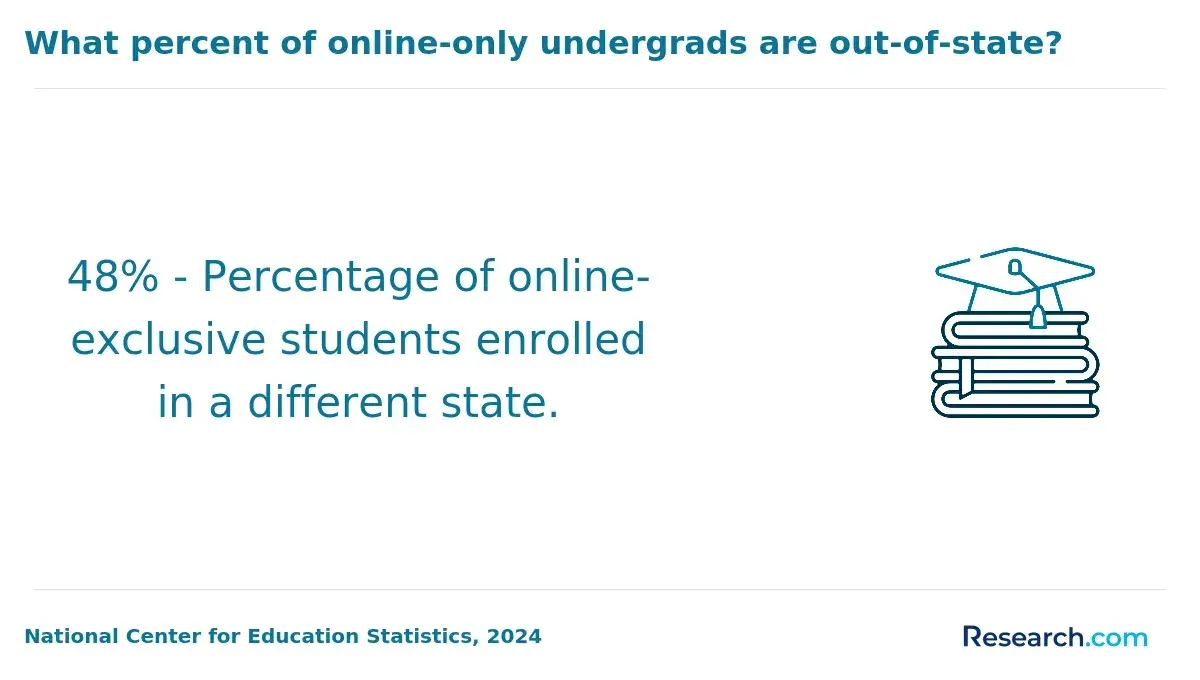
Misreading these nuanced shifts risks either overproducing graduates in saturated specialties or underpreparing students for competitive markets that increasingly favor graduate credentials and flexible learning options. According to the National Center for Education Statistics 2024 update, even a modest reduction in undergraduate enrollment paired with steady graduate growth could help balance supply against employer expectations without triggering a sharp oversupply in entry-level roles.
How Many Animal Science Graduates Enter the Workforce Each Year?
Annual graduation figures alone do not capture the complexity of supply and demand dynamics in the animal science labor market. Data from the National Center for Education Statistics and the Integrated Postsecondary Education Data System indicate roughly 4,000 to 5,000 bachelor's degree completions per year, but this total includes graduates from various specializations, online programs, and those who may delay or avoid entry into related occupations. Employers' workforce needs fluctuate by region, specialization, and certification requirements, meaning not all graduates pursue or qualify for the same roles simultaneously. For instance, many graduates compete against candidates holding related degrees or advanced credentials, which narrows direct employment avenues in traditional animal science sectors.
Comparing graduate output to job openings also involves considering replacement hiring and geographic concentrations of animal science industries, which vary widely. For example, urban-based graduates often face limited local opportunities, prompting relocation or career shifts into broader agricultural or life sciences fields. Skill mismatches present another dimension: specialized roles like veterinary technician or research assistant typically demand additional certifications or graduate study beyond the bachelor's degree, limiting immediate workforce absorption. Therefore, interpreting the graduate supply as oversupply disregards the nuanced interplay of employer expectations, candidate readiness, and labor market segmentation within animal science-related professions.
While around 60% to 70% of recent animal science graduates enter directly into the field, a significant minority pursue alternative pathways or further education, underscoring the importance of internships, certifications, and mobility for improving employment prospects. Emerging subfields such as animal biotechnology and sustainable livestock management show growing demand but require specialized competencies often not covered in general curricula. This gap highlights a tradeoff for students and advisors: navigating between immediate job market entry and investing in further qualifications to access niche roles that may better match long-term workforce trends.
Does Job Growth Support the Rising Supply of Animal Science Graduates?
Projected job growth for animal science-related occupations is moderate, generally ranging between 5-8% through 2032, but this pace does not fully accommodate the increasing number of graduates entering the labor market. Many entry-level positions demand hands-on experience, specialized certifications, or geographic flexibility, creating barriers for recent graduates who often compete across broader agricultural and food sectors.
For instance, a graduate focusing on traditional animal breeding may struggle to find relevant roles locally and might need to pivot toward adjacent fields like food safety or environmental compliance, highlighting the importance of strategic skill development and regional considerations. Regional hiring demand for entry level animal science professionals varies widely, with stronger prospects in areas dense in agriculture or biotech industries, while less concentrated regions may encounter oversaturation and stiffer competition.
Replacement-driven openings from retirements offer some relief but rarely offset the yearly influx of degree completers reported by the National Center for Education Statistics and IPEDS, which show a 10-15% rise over recent years. Those who overlook these dynamics risk underemployment or prolonged job search periods, emphasizing the value of internships, interdisciplinary skills, and staying attuned to evolving labor market signals rather than relying solely on headline growth rates.
Decoding labor market alignment requires more than acknowledging occupational expansion; it demands understanding the nuanced tradeoffs between graduate supply, employer demand, and employability thresholds. Prospective students should approach programs-whether animal science or more technically focused tracks like engineering degrees-with awareness of how industry expectations, credentialing, and mobility influence real opportunities. Ultimately, job growth alone does not guarantee absorptive capacity for rising graduate volumes without matching skills and strategic positioning within the market.
How Competitive is the Entry-Level Market for Animal Science Graduates?
The 2024 entry-level landscape for animal science graduates reveals a nuanced tension between increasing graduate numbers and relatively stagnant employer demand. Labor statistics and market reports highlight that job creation in specialized fields linked to this discipline has not kept pace with the growth in degree holders, leading to a moderately competitive environment.
Employers often expect candidates to demonstrate practical experience and interdisciplinary skills beyond academic credentials, which many new graduates lack. Geographic clusters with strong agricultural or biomedical industries offer localized hiring advantages but do not offset broader market constraints. The following key factors clarify what shapes this competitive dynamic.
- Applicant Volume Pressure: The steady rise in animal science graduates has outstripped entry-level role availability, intensifying competition. Graduates should assess local versus national employer demand to tailor job searches effectively.
- Experience Over Credentials: Internships and cooperative education increasingly weigh more than degree completion alone. This practical experience gap often determines which applicants progress to interviews.
- Industry Specialization: Demand concentrates in niches like livestock production, feed formulation, and research, limiting opportunities for generalist graduates. Specialization can improve employability but narrows the job pool.
- Geographic Demand Clusters: Employment chances improve in agricultural or biomedical hubs, suggesting regional willingness to invest in animal science roles despite national supply pressures.
- Soft and Technical Skills: Communication, adaptability, and biotechnology competencies complement hard science knowledge and influence hiring decisions.
- Underemployment Trends: Many graduates pivot to related fields such as sales or quality control, reflecting a mismatch between degree focus and available roles.
- Advanced Credential Preference: Employers favor candidates with combined expertise or graduate education, creating barriers for those with only undergraduate degrees.
Which Industries Have the Greatest Demand for Animal Science Graduates?
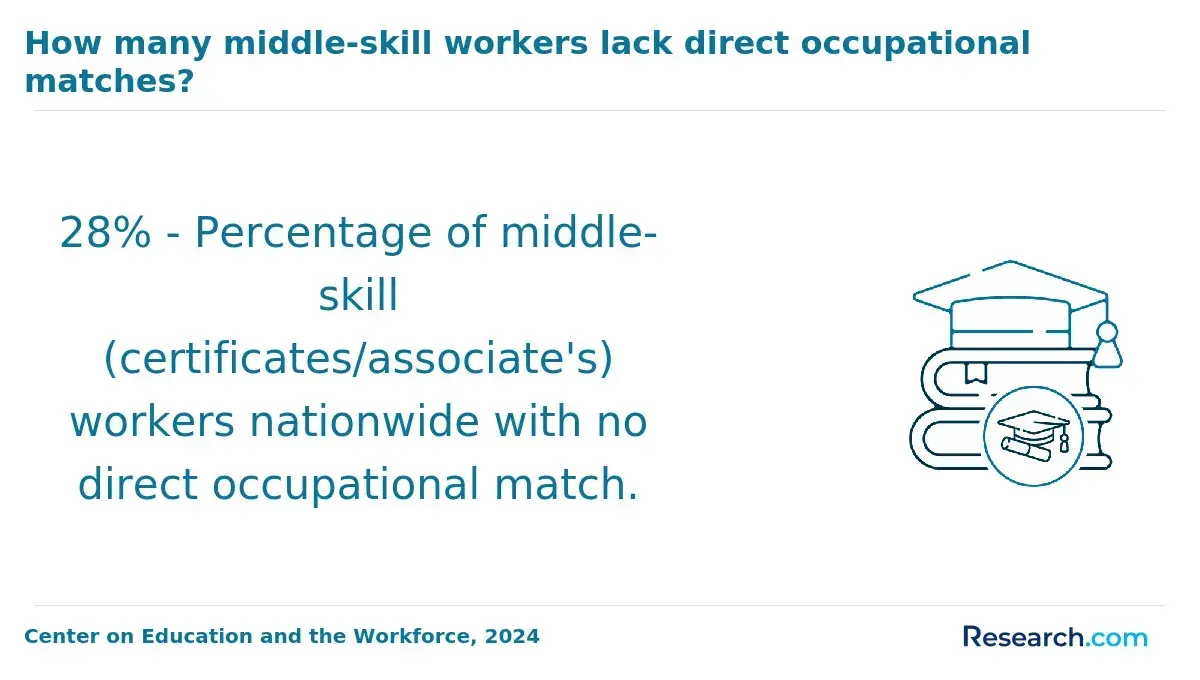
Demand for animal science graduates is not uniformly spread across all sectors but is significantly concentrated where economic and technological pressures converge on animal biology applications. Industries with high volumes of job openings often exhibit fierce competition, requiring candidates to balance practical experience with specialized certifications or advanced degrees.
For instance, a typical graduate assessing employment prospects might weigh agriculture's broad entry points against the higher barriers but potentially greater innovation-driven rewards in biotechnology. Understanding these dynamics is essential for aligning educational investment with realistic workforce opportunities, particularly in regions where demand fluctuates by industry.
Industries generating the strongest employer demand for animal science graduates include the following:
- Agricultural Sector: Dominates in hiring volume due to ongoing global needs for food security and sustainable farming. Entry roles focus on livestock management and breeding, while advanced positions emphasize production efficiency and environmental compliance. Employers prioritize hands-on experience and familiarity with regulatory frameworks.
- Biotechnology and Pharmaceuticals: Growth here is fueled by advances in genetics and immunology applied to drug development and research. Positions range from veterinary biotechnologists to lab animal specialists, strongly favoring candidates with technical research skills and often advanced degrees.
- Animal Health Services: This includes veterinary clinics, hospitals, and public health agencies addressing zoonotic diseases. Practical certifications combined with knowledge in diagnostics and epidemiology enhance employability amid moderate competition.
- Environmental Consulting and Wildlife Management: Niche but expanding areas aligned with conservation and ecological policy. Graduates engage in habitat restoration and species monitoring, where interdisciplinary skills and field experience weigh heavily.
- Research Institutions: Despite fewer openings, these roles require advanced degrees and technical expertise. Competition is intense, and candidates typically must demonstrate published research or specialized laboratory skills.
Regional demand for animal science professionals by industry varies, so students should assess local labor markets carefully. Combining academic credentials with practical experience, such as internships, often differentiates candidates in these competitive environments. Considering options like bookkeeping certification online can complement career readiness by strengthening business and administrative competencies relevant to managing animal science projects or small enterprises.
Where are Animal Science Graduates Most in Demand?
National employment data for animal science graduates tends to obscure significant regional disparities driven by local industry concentration and workforce needs. For instance, states like Iowa and Nebraska offer more robust opportunities closely tied to pork and cattle production, but competition intensifies in these traditional agricultural hubs due to well-established education pipelines and a steady influx of graduates.
Conversely, graduates targeting markets such as California or Texas must weigh higher living costs and infrastructure density against the advantage of diversified employer types, including biotech firms and veterinary services, which often demand specialized skills that can mitigate applicant volume pressures.
Interpreting job availability purely by volume can mislead, as metropolitan areas with many postings may also feature saturated applicant pools and elevated cost of living, reducing net opportunity for early-career graduates without niche expertise. Remote work remains limited in most animal science roles, particularly those requiring hands-on animal management or lab work, which restricts geographic flexibility and emphasizes the value of local industry demand alignment.
For graduates in oversupplied regions, relocation to less conventional markets with emerging biotech clusters or government animal health agencies could offer a better balance of hiring demand and manageable competition, albeit sometimes at the expense of urban amenities or higher pay. Industry sectors such as biotechnology and veterinary research show persistent shortages despite general graduate surpluses in farm management roles, signaling that candidates who develop targeted skills in genetics, pharmaceuticals, or regulatory compliance can differentiate themselves effectively.
According to the U.S. Bureau of Labor Statistics and corroborated by Lightcast, animal science-related roles remain regionally segmented, requiring graduates and educators alike to assess labor market conditions beyond headline job counts. This nuanced approach aids in choosing between saturated agricultural states and emerging job markets, aligning career plans with realistic opportunities and evolving employer expectations in 2024.
Which Animal Science Specializations and Degree Levels Face the Strongest Demand?
Employer demand within animal science specializations and degree levels is uneven, focusing sharply on areas that combine technical skills with practical experience. Hiring tends to favor bachelor's degree holders equipped with applied know-how, especially when paired with certifications or hands-on experience in operations such as livestock management or feed formulation.
Meanwhile, the postgraduate market exhibits selective shortages, notably in advanced research fields where candidate supply struggles to meet specialized needs. This divergence illustrates how two graduates with different focuses may face distinct hiring conditions: a bachelor's graduate skilled in sustainable livestock production may find more entry-level openings than a doctoral graduate specializing in animal biotechnology, which remains highly competitive but undersupplied.
Labor statistics and workforce data from 2024 confirm these trends, showing sustained employer preference for practical credentials at the undergraduate level alongside targeted demand for interdisciplinary competencies at advanced levels. Key areas of opportunity include veterinary technology, animal nutrition, and roles integrating biotechnology with environmental science. Below are crucial specializations and degree levels demonstrating the strongest employer demand:
- Veterinary Technology: Consistently high employer demand arises from the need for certified veterinary technicians in clinical and diagnostic roles. Practical certification and hands-on experience drive hiring in veterinary hospitals, laboratories, and animal health facilities.
- Animal Nutrition: Specialized knowledge in feed formulation and metabolic health is vital for livestock management and food production sectors. Bachelor's degree holders with technical expertise find sustained opportunities here.
- Sustainable Livestock Production: Growing regulatory focus on environmental sustainability and welfare standards fuels demand. Graduates with applied skills in sustainable practices and compliance support are preferred.
- Animal Welfare: Increasing public and regulatory emphasis on welfare standards heightens need for professionals knowledgeable in ethics, policy, and humane care, often requiring specialized training beyond general degree programs.
- Biotechnology and Data-Driven Management: Advanced degrees are favored in this expanding niche combining genetics, immunology, and bioinformatics. Although competitive, this sector lacks sufficient qualified candidates to meet employer needs in pharmaceutical development and precision agriculture.
- Bachelor's Degree with Applied Skills: Employers prioritize candidates holding a bachelor's degree supplemented by certifications or experience aligned with operational roles such as animal husbandry and feed formulation.
Are Employer Skill Gaps Affecting Demand for Animal Science Graduates?
Employer skill gaps are more accurately framed as a deficiency in candidates possessing the specific blend of technical, professional, and industry-relevant competencies that animal science employers require rather than a pure shortage of graduates. For example, a mid-sized agribusiness seeking candidates with proficiency in data-driven livestock management and regulatory compliance may leave positions unfilled despite a steady supply of recent graduates, because many applicants lack practical experience with emerging digital farming technologies or interdisciplinary skills.
This mismatch distorts perceptions of undersupply or oversupply, as hiring challenges stem less from the volume of candidates and more from credential and skill alignment. Navigating these dynamics requires careful differentiation between general degree holders and candidates who demonstrate applied expertise, industry certifications, and strong communication abilities. Analysis of the impact of credential mismatches on animal science graduate employment opportunities highlights that high graduate volume alone does not ensure seamless employer demand fulfillment.
Positions demanding hands-on experience, cross-disciplinary knowledge, and adaptive problem-solving often remain vacant or experience lengthy recruitment cycles, especially in regions where technology integration is rapidly evolving. Competition intensifies for graduates who supplement traditional curricula with internships or cooperative work placements that offer real-world application of core competencies. For those without such preparation, employment opportunities may be limited or skewed toward roles with less specialization.
Prospective students and current degree holders can improve alignment with employer demand by targeting programs that emphasize applied learning and industry-relevant skills, including such pathways as the SLP bridge program model that integrates foundational and applied competencies in related fields. Recognizing the nuanced hiring criteria across agribusiness, biotechnology, and environmental sectors enables informed decisions on program selection, certifications, and experiential opportunities to maximize employability. Understanding these pragmatic tradeoffs is essential to accurately gauge actual demand within the animal science labor market in the United States.
What is the Future Supply-and-Demand Outlook for Animal Science Graduates?
Targeted job searches typically yield better results than broad, high-volume applications, especially in fields like animal science where supply often exceeds demand. Graduates benefit from identifying specific entry-level job titles such as agricultural research assistants or livestock management coordinators and focusing applications on industries and regions with stronger employer demand. For example, a graduate targeting positions in states with significant agricultural sectors while tailoring resumes to reflect employer language and required practical skills improves interview prospects. In contrast, generic applications to a wide array of unrelated roles dilute effort and often lower callback rates, as hiring managers seek precise matches between candidate qualifications and the job description.
Allocating time to demonstrate relevant skills through internships, technical projects, or biotechnology experience addresses a key employer preference for multidisciplinary expertise and enhances perceived job readiness. Application timing and informed market research, combined with evidence of proficiency in areas like sustainable farming or data analytics in livestock management, can influence interview conversion rates but do not guarantee employment. Graduates mindful of regional employment trends for animal science degree holders who invest in continuous skills development are better positioned in this competitive market dominated by steady graduate volumes but limited openings.
Prospective students exploring complementary credentials may consider a data science doctorate online to expand technical competence and adaptability. Understanding the future supply and demand outlook for animal science graduates requires balancing these tradeoffs between specialization, geographical flexibility, and evolving employer expectations to enhance long-term workforce opportunities.
References:
- In-demand and Emerging Careers in Animal Science https://www.berry.edu/articles/blog/2026/animal-science-careers
- Skills Taught vs Skills Sought: Using Skills Analytics to Identify the Gaps between Curriculum and Job Markets https://educationaldatamining.org/edm2022/proceedings/2022.EDM-posters.56/index.html
- BSAS https://www.bisas.org.uk/blog/the-future-of-animal-science-in-higher-education/
- Jobs Working with Animals: Career Growth for Professionals https://www.mackinnon-bruce.com/insights-hub/blog/jobs-working-with-animals--career-growth-for-professionals/
- Animal Science - Warsaw University of Life Sciences https://www.sggw.edu.pl/en/kierunki-sggw/animal-science/
Other Things You Should Know About Animal Science
Students must carefully evaluate whether a program emphasizes laboratory research or practical, field-based learning, as employer demand often favors candidates with applied skills directly relevant to animal husbandry, nutrition, or veterinary assistance. Programs heavily focused on research may limit immediate job readiness in production or regulatory roles, so prioritizing those with robust internships, cooperative education, or industry partnerships can enhance employability.
While some sectors within animal science value master's or doctoral degrees for roles in research or policy, many entry-level positions prioritize practical experience over advanced credentials. Students should consider the additional time and financial burden of graduate education against jobs typically available after a bachelor's degree, reserving advanced study for clearly defined career paths that require it.
Larger programs with high enrollment may lead to less individualized attention, which can hinder development of critical skills and networking opportunities that employers value. Prospective students should prioritize programs that balance enrollment with accessible faculty mentorship and industry connections to improve practical learning and placement success, even if it means attending a smaller or less highly ranked school.
Choosing a program with a broad curriculum provides flexibility and exposure to multiple subfields if career goals are uncertain. However, students certain about careers in niche areas-such as animal genetics or farm management-may benefit from specialized tracks that align better with employer needs in those segments. Balancing depth against versatility is crucial and should be informed by knowledge of target job markets and long-term adaptability.