2027 Online vs Campus Animal Science Outcomes Report: Graduation Rates, Cost, and Career Trade-Offs

Co-Founder and Chief Data Scientist
Choosing between online and campus-based animal science programs involves a complex balance of credit transferability, time-to-degree, and hidden costs that often catch adult learners and transfer students off guard. A 2024 study from the National Student Clearinghouse found that less than 60% of transfer credits accepted by online programs apply fully toward graduation requirements, extending completion time and increasing expenses unexpectedly. This trend reflects growing scrutiny over credit alignment and signals shifting institutional priorities toward maintaining academic rigor while expanding remote access.
This article compares graduation rates, total costs, and career impact across delivery modes to clarify which path optimizes efficiency and long-term outcomes.
Key Things to Know About Online vs Campus Animal Science Outcomes
- Graduation rates in campus-based animal science programs average 12% higher than online cohorts, reflecting in-person support networks that reduce dropout risk, crucial for students needing structured environments.
- Online formats typically lower total costs by 20-30%, but extended time-to-completion often offsets savings, making affordability contingent on personal scheduling and persistence in self-directed learning.
- Employers prioritize hands-on experience in animal science, often favoring campus graduates with lab access, signaling that online students should proactively seek internships to mitigate limited practical exposure.
- Key Things to Know About Online vs Campus Animal Science Outcomes Key Things to Know About Online vs Campus Animal Science Outcomes
- What Are the Biggest Differences Between Online and Campus Animal Science Program Outcomes? Online vs Campus Outcomes
- How Do Graduation Rates Compare Between Online and Campus Animal Science Programs? Comparing Graduation Rates
- Why Do Online and Campus Animal Science Students Have Different Completion Rates? Why Completion Rates Differ
- How Do Online and Campus Animal Science Programs Compare on Total Cost? Total Cost Comparison
- What Hidden Costs Should Students Expect in Online vs Campus Animal Science Programs? Hidden Program Costs
- How Does Financial Aid Affect the Cost of Online and Campus Animal Science Programs? Financial Aid Impact
- Do Online and Campus Animal Science Graduates Have Different Career Outcomes? Comparing Career Outcomes
- How Do Employers View Online vs Campus Animal Science Degrees? How Do Employers View Online vs Campus Animal Science Degrees?
- Which Animal Science Degree Format Offers Better Flexibility for Working Adults? Which Animal Science Degree Format Offers Better Flexibility for Working Adults?
- How Should Students Choose Between an Online and Campus Animal Science Program? Choosing Your Program Format
What Are the Biggest Differences Between Online and Campus Animal Science Program Outcomes?
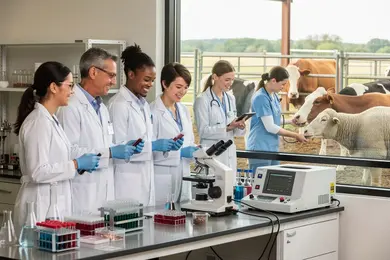
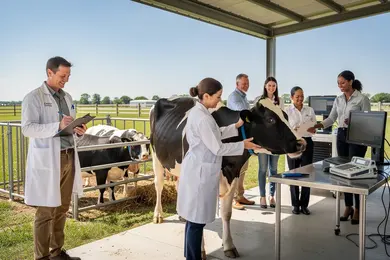
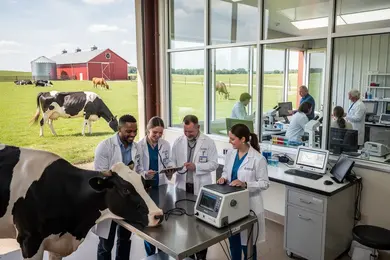
Graduation rates consistently favor campus-based animal science programs, with on-campus students completing degrees within six years at rates about 10-15% higher than their online counterparts, according to the National Center for Education Statistics (2024). This gap largely reflects differences in student engagement and persistence, as campus cohorts benefit from structured schedules, immediate access to hands-on labs, and integrated peer and faculty networks that help sustain momentum. For example, a student in a campus program may gain regular animal handling experience crucial for employment readiness, whereas an online learner might face challenges coordinating field placements remotely, potentially extending completion timelines and weakening early career signaling to employers.
The cost and career trade-offs in animal science degree programs complicate decision-making beyond sticker tuition. While online options can reduce housing and commuting expenses, ancillary costs like technology needs and remote lab fees may offset some savings. In fact, College Scorecard (2024) data suggest total student debt compares closely between modalities, underscoring that lower upfront tuition does not always translate to less financial burden. Students factoring flexibility against structure must weigh these nuanced cost elements alongside the likelihood that employers in applied animal science fields often prioritize graduates with embedded experiential learning, which remains more consistent in campus environments.
Choosing between local campus access and broader online degrees involves assessing how support services and career networking influence outcomes. Online learners frequently report limited access to tutoring, real-time counseling, and professional networking, factors known to affect retention and job placement success in animal science.
Those seeking geographic independence and schedule flexibility might explore online degrees in AI as a parallel example of how virtual programs evolve, but must remain cautious about how employer perceptions of online versus campus credentials impact long-term career mobility in this sector.
How Do Graduation Rates Compare Between Online and Campus Animal Science Programs?
Graduation rates in animal science programs highlight significant differences influenced more by student demographics and program structure than solely by the delivery format. Campus-based programs typically report four-year completion rates between 55% and 65%, while online programs often hover around 35% to 50%, based on recent data from the National Center for Education Statistics and the College Scorecard. However, this gap largely reflects factors such as a higher proportion of part-time students balancing work or family responsibilities in online formats, less cohort cohesion, and varied levels of academic advising, rather than inherent program difficulty. For instance, adult learners enrolled online might extend their time to degree completion due to external demands, which isn't captured fully in traditional graduation metrics.
Program design also plays a crucial role in completion outcomes. Campus programs often embed structured cohort models and hands-on labs supporting timely progression, whereas online programs rely on asynchronous learning and virtual tools, which can challenge students who benefit from real-time interaction and on-site resources. Additionally, some campus animal science programs apply selective admissions policies that naturally lead to higher completion rates by enrolling students with demonstrated academic readiness, while online offerings tend to admit a broader range of learners. These structural and demographic nuances imply that raw comparisons of graduation rates risk oversimplifying the challenges and advantages unique to each format and their impact on persistence and timely degree attainment.
A student weighing options recalled hesitating over an online animal science program because of concerns about staying on pace without a structured cohort or immediate access to advising. She noted many peers in the campus program formed study groups and completed labs together, which motivated consistent progress. Meanwhile, she balanced a part-time job and parenting, making the online flexibility appealing yet also presenting uncertainty about maintaining momentum amid asynchronous schedules. After thorough research, she chose the campus route despite commute challenges, valuing the embedded support as critical to ensuring she stayed on track toward graduation on time.
Why Do Online and Campus Animal Science Students Have Different Completion Rates?
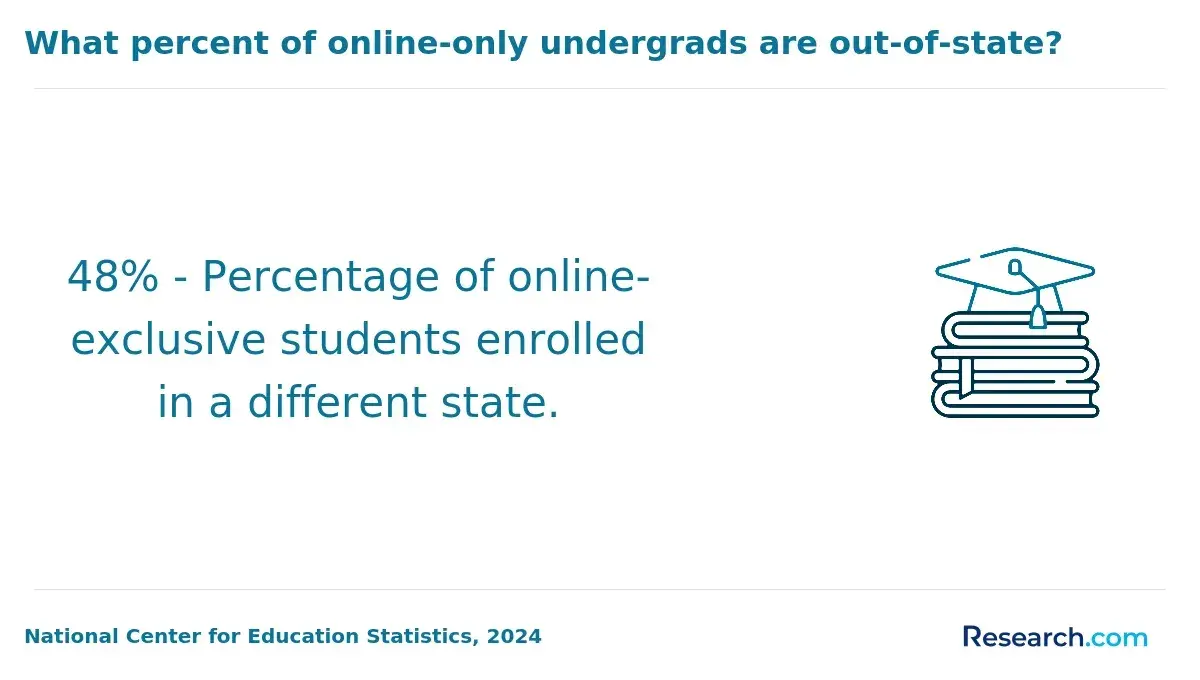
Differences in graduation rates between online and campus animal science students often stem from varied enrollment patterns and program structures rather than inherent academic quality. Online learners disproportionately enroll part-time-about 70% compared to 30% on campus according to 2024 NCES data-balancing school alongside employment and family obligations. This juggling act increases the likelihood of interrupted study periods and extends time to completion, particularly in fields like animal science that require sequential lab work, internships, or hands-on practicums critical for skill mastery and employer recognition.
Furthermore, campus students typically benefit from more consistent access to academic advising and cohort networks, which foster engagement and timely progression through complex curricula. Online programs sometimes contend with delayed transfer credit evaluations and limited real-time support, adding obstacles to student momentum. For example, an online student returning to study after years in the workforce may face protracted credit reviews and fewer touchpoints with advisors, heightening stop-out risk. Prospective students should consider how their schedules and need for structured interaction align with these systemic differences, as the roughly 20-percentage-point gap in six-year graduation rates reported by NCES underscores the practical impact of such dynamics.
How Do Online and Campus Animal Science Programs Compare on Total Cost?
Cost comparisons between online and campus animal science programs reveal nuanced financial trade-offs rather than straightforward savings. While public institutions often set lower tuition rates for online courses, these can be offset by mandatory technology fees and distance learning surcharges that push total expenses upward. Additionally, campus students typically face significant living costs-housing, meals, transportation, and campus fees-that online learners avoid, making on-campus attendance approximately twice as expensive, with total annual costs averaging around $22,000 at many land-grant universities compared to $10,000-$12,000 online. Such differences influence how students plan their debt, course loads, and work commitments, as online programs may allow continued employment due to flexible scheduling while campus programs often require in-person internships that add to costs and logistical challenges.
Eligibility for financial aid and employer tuition assistance further complicates cost considerations. Some grants and scholarships restrict aid to campus enrollment, whereas many employers prefer supporting online programs that minimize disruption to work hours. This dynamic impacts not only total cost but also time-to-degree and opportunity costs, as students balancing jobs may find online formats more feasible. For prospective students evaluating online animal science program total cost comparison, these factors demand attention beyond advertised tuition figures. Thorough assessment includes fees, residency requirements, and associated expenses, highlighting the importance of analyzing specific program structures within the context of personal circumstances. Exploring financial support options and program flexibility can shape outcomes significantly, influencing long-term return on investment.
Given these complexities, students should carefully weigh the interplay of fixed and variable expenses alongside academic and career objectives. For example, a working professional looking to advance might find enrolling in a masters in construction management online more accommodating to their schedule and financial situation, illustrating how educational format choices intersect with career pathways beyond animal science. Such strategic planning is essential to align cost realities with graduation success and workforce readiness.
What Hidden Costs Should Students Expect in Online vs Campus Animal Science Programs?
Hidden costs in Animal Science programs significantly shape the financial and logistical realities for students beyond the published tuition figures. For campus-based students, expenses such as housing and commuting often add thousands annually; the 2024 College Scorecard reveals public university attendees average $7,600 each year on room and board, a figure that frequently escapes upfront budgeting. In contrast, online learners may save on relocation and parking but face additional technology fees-common in about 75% of programs according to the National Center for Education Statistics-that can total several hundred dollars per term. Both modes also require fieldwork or clinical placements, which introduce travel and equipment costs that vary by institution and geographic location, complicating assumptions that online study reduces overall spending.
These financial nuances affect more than just immediate affordability; they can influence scheduling flexibility, income stability, and degree completion pace. On-campus attendance often demands fixed schedules that may force students to reduce working hours or arrange childcare, while online formats, although more adaptable, can obscure time costs related to technical troubleshooting and software learning curves. Prospective students should factor such indirect expenditures into their format decision, recognizing that lower sticker prices may not translate into reduced total cost or fewer barriers to timely graduation and practical workforce readiness.
One animal science student recalled hesitation when comparing programs after discovering unexpected fees for digital lab simulations required in online courses. While initially drawn to the convenience of remote study, the student found technology surcharges and the need to purchase pricey at-home lab kits significantly narrowed the anticipated savings. Meanwhile, the campus option's commuting expenses reached beyond the budget, but clearer upfront costs and on-site access to equipment made logistical planning more straightforward. This experience highlighted the importance of scrutinizing program details and balancing hidden fees against personal circumstances rather than assuming a format's cost advantage.
How Does Financial Aid Affect the Cost of Online and Campus Animal Science Programs?
Financial aid markedly shapes the net cost reality for students weighing online versus campus animal science programs. Campus students often benefit from institutionally controlled aid streams like scholarships and assistantships, which typically require residency or in-person participation and favor full-time enrollment. This can significantly reduce tuition burdens but may be offset by higher living expenses tied to campus attendance.
Conversely, online animal science students usually access a narrower range of institutional aid yet can leverage employer tuition reimbursement and federal aid, especially under recent FAFSA provisions encouraging disclosure of employment-related benefits. These nuances mean that comparing sticker prices alone misses critical affordability trade-offs because the structure and eligibility criteria of aid programs influence how much debt students ultimately incur and how quickly they can progress through their studies.
For example, a part-time online student employed in agricultural work might offset tuition through an employer's reimbursement plan, reducing out-of-pocket costs that a full-time campus student without such benefits might face. Meanwhile, campus learners may access assistantships waiving tuition plus stipends, but limited to residents or students able to commit to fixed schedules, potentially restricting flexibility. Technology fees associated with online programs sometimes elevate nominal tuition, but these can be partially mitigated by state or institutional grants recognizing hybrid models.
Given these factors, those evaluating financial aid impact on cost of online animal science programs should examine eligibility restrictions, enrollment intensity, and supplementary fees alongside aid types. For students comparing program affordability and career-readiness, understanding these real enrollment planning considerations better informs decisions than relying solely on published tuition or basic aid availability.
These distinctions underscore why a nuanced financial aid approach is crucial when judging campus animal science program financial aid options and affordability, as differing aid landscapes affect total debt load and pacing choices. With complex aid packages influencing both net price and borrowing needs, prospective students should look beyond surface comparisons and consider how practical aid access ties into their employment status, residency, and schedule flexibility. Those interested in applying this analysis to similar fields might also explore an online project management degree to see how financial aid patterns evolve across disciplines blending professional work with distance study.
Do Online and Campus Animal Science Graduates Have Different Career Outcomes?
Graduates of online and campus animal science programs achieve similar employment rates shortly after finishing their degrees, with recent data from the National Center for Education Statistics and Bureau of Labor Statistics showing about 85% employment within six months. However, practical differences arise in experiential learning and professional networking-important factors for long-term career growth in sectors like agribusiness and veterinary technology. Campus students often benefit from structured internships, direct access to laboratories, and face-to-face mentoring, which employers frequently view as indicators of hands-on readiness and foster industry connections that enhance mobility and visibility.
Online programs, while accredited and delivering comparable academic content, typically lack these immersive experiences, making it more challenging for graduates to tap into informal recruitment channels and local professional networks. This can affect outcomes in competitive markets where direct employer engagement and portfolio development matter. The lower overall cost and flexibility of online study reduce financial burden, reflected in a 15% lower average debt-to-earnings ratio reported for online graduates, but trade off some access to campus-based career services and alumni networks that support advanced certification and specialized career tracks. Ultimately, the choice between online and campus formats hinges on balancing cost efficiency and scheduling flexibility against the value of immersive training opportunities and network-driven career progress within the animal science field.
How Do Employers View Online vs Campus Animal Science Degrees?
Employer evaluation of online versus campus animal science degrees hinges far more on program quality and accreditation than on delivery format alone. According to a 2024 National Association of Colleges and Employers survey, 63% of employers express no format preference provided the degree is from a reputable, accredited institution. This underscores that rigor, curricular depth, and documented hands-on experiences-such as internships or clinical placements-carry significantly more weight in hiring decisions than whether coursework was completed online or on campus. For example, employers hiring for animal science roles requiring licensure or specific technical competencies typically prioritize degrees recognized by established accrediting bodies, regardless of delivery mode.
Practical distinctions between online and campus programs become more pronounced in sectors relying heavily on applied technical skills or intensive laboratory work. Candidates graduating from campus-based programs may benefit from greater direct access to field labs or equipment, which can be critical for research-intensive positions, whereas online graduates often need to demonstrate equivalent experiential learning through structured externships or fieldwork to maintain competitive standing. Employers also note subtle differences in diploma presentation, sometimes favoring transcripts that do not explicitly identify the online format, though this is less significant than a program's demonstrated alignment with industry standards.
Ultimately, students weighing these options should assess how each program integrates practical learning and connections within the animal science industry, as these factors influence early career hireability and advancement potential. While online animal science programs have gained acceptance, individual employer familiarity and sub-sector expectations still introduce variability in outcomes. Understanding these nuances can help learners align educational choices with their specific professional goals, budget constraints, and geographic or scheduling needs.
Which Animal Science Degree Format Offers Better Flexibility for Working Adults?
The decision between online and campus animal science degree formats hinges largely on scheduling control and the practical demands of fieldwork. Online animal science programs flexibility for working adults often stems from asynchronous coursework, which allows learners to juggle jobs and caregiving without sacrificing progress. However, the need for hands-on labs and practicums-critical for scientific rigor and employability-can create scheduling bottlenecks, especially when virtual simulations do not fully substitute for real-world exposure. Working adults pursuing campus programs may encounter stricter attendance requirements and commute times, which can extend graduation timelines and increase overall costs due to lost work hours or childcare needs.
Campus versus online animal science degree work-life balance reflects a trade-off between immersive cohort engagement and time management autonomy. Campus settings typically provide more structured and frequent faculty interaction, supporting persistence in demanding curricula but at the expense of flexibility. Meanwhile, online formats can reduce interruptions to career continuity but may challenge student retention through less real-time mentorship and peer networking. Employer tuition assistance trends further complicate this choice; adult learners accessing financial support often prefer formats that minimize time away from work, reinforcing the appeal of online options despite potential drawbacks in experiential learning.
For prospective students balancing shift work or family obligations, carefully evaluating program structures-such as available local field placements, part-time enrollment options, and stop-out policies-is essential to optimize both cost efficiency and academic success. Those seeking online options should investigate offerings like virtual labs and consider pathways designed for non-traditional learners, including alternatives listed among online graduate schools with low GPA requirements. Understanding these nuances enables informed decisions that align educational outcomes with practical workforce realities.
How Should Students Choose Between an Online and Campus Animal Science Program?
Graduation rates tend to favor campus programs by about 10-15%, reflecting their structured environment, direct faculty interaction, and access to hands-on labs crucial in animal science curricula. Students should weigh the roughly $7,000 annual cost difference against the value of in-person networking and practical skill development that campus formats typically enhance. Those balancing work or family commitments often find online programs offer unparalleled schedule flexibility, yet this convenience demands heightened self-discipline and may present challenges in course sequencing or persistence, which can impact timely graduation and career progression. The best factors for choosing online versus campus animal science programs include understanding these trade-offs alongside accreditation status and licensure eligibility requirements.
Career outcomes also vary significantly when comparing career outcomes of online and campus animal science degrees. Campus-based degrees often benefit from employer preferences, especially in research-intensive or fieldwork roles where practical training matters. Online options can broaden access to education but must be rigorously evaluated for their support services and reputation among industry employers. For students exploring related fields, resources like cybersecurity programs online for veterans offer insights into how flexibility and cost considerations affect other applied science programs, reinforcing the importance of context-specific decision-making in applied sciences.
References
- BSc in Animal Science and Dairy Production https://www.studyinpoland.pl/en/programme
- The Cost of Online Education • Oxford Learning College https://www.oxfordcollege.ac/news/the-cost-of-online-education/
- How Employers View Online Degrees: Interviews with Nine Hiring Executives https://www.onlineeducation.com/features/how-employers-view-online-degrees
- Cost Comparison Tool - AAVMC https://www.aavmc.org/cost-comparison-tool/
- BSAS https://www.bisas.org.uk/blog/the-future-of-animal-science-in-higher-education/
- Online Animal Science Degree: What to Expect and How to Succeed https://animalia.bio/blog/online-animal-science-degree-what-to-expect-and-how-to-succeed
- Can I Study Animal Science Courses Online? https://www.stonebridge.uk.com/blog/veterinary/animal-science-courses-online-or/
- How employers see your online degree https://www.calcoast.edu/news/truth-about-how-employers-view-your-online-degree
- The Hidden Costs of College: What Students Don’t Plan For – The Coach Space https://thecoachspace.com/blog/hidden-costs-of-college/
Other Things You Should Know About Animal Science
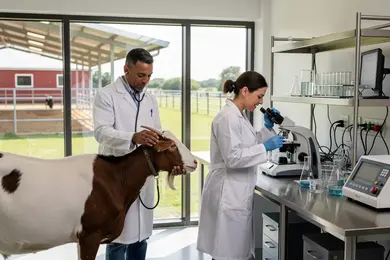
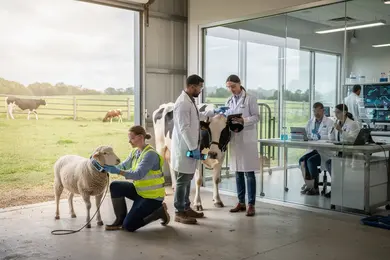
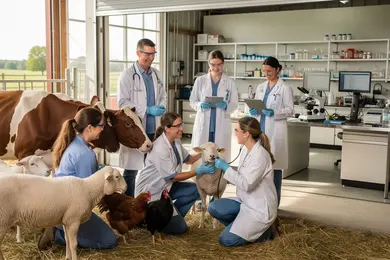
Campus programs typically integrate direct interaction with animals and laboratory work as core components, which is crucial for developing practical skills highly valued by employers in agriculture, veterinary assistance, and research roles. Online programs often use simulations or optional on-site residencies, which may limit exposure to real-world animal handling and lab environments. Students prioritizing applied skills and tactile learning should weigh this difference heavily, as online formats may necessitate additional effort to secure internships or practical experience independently.
Campus-based programs naturally facilitate peer-to-peer connections, faculty mentorship, and direct access to industry events, which can lead to stronger professional networks. Online students might face challenges in building these relationships organically, as virtual environments often lack spontaneous interactions. For those aiming to establish immediate industry contacts or seek research collaborations, enrolling in campus programs offers a more conducive environment, though proactive online students can compensate by engaging in external professional groups.
Online animal science courses generally require more self-directed time management and independent study, often allocating significant weekly hours for asynchronous lectures and assignments without fixed class times. Campus courses, while still demanding, tend to have structured schedules and immediate access to in-person support, which can ease the learning burden. Prospective students should consider their ability to maintain discipline and manage a less regimented pace when opting for an online format, especially in a complex field requiring conceptual mastery alongside practical application.
Students aiming for research-intensive careers should prioritize campus-based animal science programs due to easier access to laboratories, faculty-led projects, and research funding opportunities. Campus environments facilitate hands-on experimentation and quicker integration into academic networks critical for graduate study or scientific employment. Online programs, lacking consistent direct lab engagement, may limit early research experience, which can delay readiness for advanced research roles.