2027 Animal Science Admissions Trends Report: Acceptance Rates, GPA Expectations, and Test Policy Changes

Co-Founder and Chief Data Scientist
Changing labor market needs and evolving regulatory frameworks are reshaping admissions criteria within animal science programs. Workforce demands for graduates with specialized skills in sustainable livestock management and biotechnology influence enrollment capacities and prerequisite coursework standards.
Recent policy shifts, such as adjustments in standardized testing requirements, reflect broader institutional efforts to balance accessibility with program rigor amid faculty resource constraints. Accreditation bodies increasingly emphasize competencies aligned with licensing pathways, prompting nuanced GPA expectations.
The persistence of a wide age range among admitted students highlights the field's adaptation to diverse educational backgrounds and mid-career transitions, signaling continued professional diversification and evolving workforce development priorities.
Key Things to Know About Animal Science Admissions Trends
- Acceptance rates for animal science programs have tightened, dropping by 5% since 2023, reflecting higher competition and prompting applicants to strengthen specialized experience over broad academic performance.
- Average admitted GPA now centers around 3.6, emphasizing rigorous coursework in biology and chemistry, which aligns with employers' preference for candidates possessing a strong foundational scientific skill set.
- Test-optional policies have expanded, increasing accessibility but shifting evaluation toward comprehensive portfolios, which may delay admissions decisions and increase short-term applicant resource demands.
- Key Things to Know About Animal Science Admissions Trends Key Things to Know About Animal Science Admissions Trends
- What Are the Current Acceptance Rates for Animal Science Degree Programs? Current Acceptance Rates
- What Is the Average GPA of Accepted Animal Science Students? GPA Requirement
- Are SAT or ACT Scores Still Required for Animal Science Degree Programs? SAT/ACT Requirement
- How Many Animal Science Programs Have Adopted Test-Optional Admissions Policies? Test-Optional Programs
- What Non-Academic Factors Do Animal Science Admissions Committees Consider? What Non-Academic Factors Do Animal Science Admissions Committees Consider?
- Which Types of Schools Are the Most Selective for Animal Science Applicants? Which Types of Schools Are the Most Selective for Animal Science Applicants?
- How Do Admissions Standards Differ Across States and Regions? Admission Standards by State
- How Do Admissions Requirements Compare Between Online and Campus Programs? Online vs On-Campus Admissions
- Is There a Relationship Between Admissions Standards and Student Success? Admission Standards & Student Success
- How Can Students Strengthen a Animal Science Program Application? Program Application Preparation
Key Things to Know About Animal Science Admissions Trends
- Acceptance rates for animal science programs have tightened, dropping by 5% since 2023, reflecting higher competition and prompting applicants to strengthen specialized experience over broad academic performance.
- Average admitted GPA now centers around 3.6, emphasizing rigorous coursework in biology and chemistry, which aligns with employers' preference for candidates possessing a strong foundational scientific skill set.
- Test-optional policies have expanded, increasing accessibility but shifting evaluation toward comprehensive portfolios, which may delay admissions decisions and increase short-term applicant resource demands.
What Are the Current Acceptance Rates for Animal Science Degree Programs?
Recent data from the U.S. Department of Education College Scorecard and university admissions reports reveal that acceptance rates for animal science degree programs fluctuate notably by institution type and prestige. Public universities offering these programs generally show acceptance rates between 40% and 70%, with land-grant and research-intensive schools often narrowing to 30%-50% due to stronger demand and selective criteria.
According to nationwide figures, meeting an average GPA requirement near 3.0 is a baseline, while more competitive institutions look for averages closer to 3.5, reflecting heightened academic expectations within these STEM-focused curricula. These figures illustrate the variability across public and private settings, underscoring the role of institutional mission and resources in shaping admissions outcomes for prospective animal science students.
The divergence in acceptance rates largely stems from program capacity limits, applicant volumes, and regional demand, which shape institutional selectivity. Private institutions tend to maintain slightly lower admission rates, often restricted by smaller cohorts and prioritized screening aligned with their distinctive missions.
Geographic location and the presence of established agricultural or life sciences colleges also influence competitiveness, affecting how applicant pools are evaluated. This dynamic is further complicated by recent adoption of test-optional admissions policies, which have had minimal effect on animal science-specific acceptance figures, as academic records and relevant coursework in biology and chemistry remain critical screening tools.
Transfer applicants and academic advisors should consider how these nuances impact access when comparing program options.
Understanding current acceptance rates offers more than access metrics; it signals shifting enrollment demands and the value placed on practical training components critical for employability within animal science fields. Applicants stand to benefit by aligning their preparation with both GPA benchmarks and hands-on experience, which often distinguishes successful candidates beyond raw statistics.
The growing necessity to contextualize acceptance rates alongside program quality and internship opportunities is vital. For those exploring alternative or complementary pathways, resources like psychology degree online programs exemplify how interdisciplinary skills might broaden employability beyond traditional animal science trajectories.
What Is the Average GPA of Accepted Animal Science Students?
Recent admissions data show that the average GPA for accepted animal science students generally falls between 3.3 and 3.7 on a 4.0 scale, based on institutional admissions reports and university fact books from 2023 and early 2024. This range reflects a balance between maintaining academic rigor and recognizing diverse applicant backgrounds, with many programs seeking students who demonstrate consistent scholastic performance without demanding near-perfect grades.
Transfer applicants often present slightly higher GPAs, given the competitive nature of credit evaluations and the necessity to confirm sustained academic ability across institutions.
Key factors shaping typical GPA requirements for animal science programs include institutional selectivity, program focus, and regional variations in grading standards. More selective research universities and pre-professional tracks, such as veterinary medicine preparatory routes, tend to expect GPAs closer to the upper end of the scale, signaling a competitive applicant pool with strong academic preparation.
In contrast, many state and regional programs admit students with GPAs nearer 3.3 to 3.5, emphasizing a broader assessment framework that values practical experience and personal statements alongside grades. Additionally, grading variability across public, private, and online institutions further complicates direct GPA comparisons but informs holistic admissions decisions.
These GPA thresholds influence how prospective students prioritize preparation and school selection, often steering high-achieving candidates toward institutions with greater academic demands, while others may focus on programs valuing hands-on skills and experiential learning. Such dynamics reveal how the average GPA functions as an admissions signal that implicitly ranks program competitiveness and academic expectations.
For students weighing options, this underscores the importance of aligning academic records with program profiles rather than viewing GPA as a rigid cutoff. Those interested in affordability might consider alternatives like the cheapest online university programs, which offer varied standards and can impact GPA expectations within admissions processes.
Are SAT or ACT Scores Still Required for Animal Science Degree Programs?
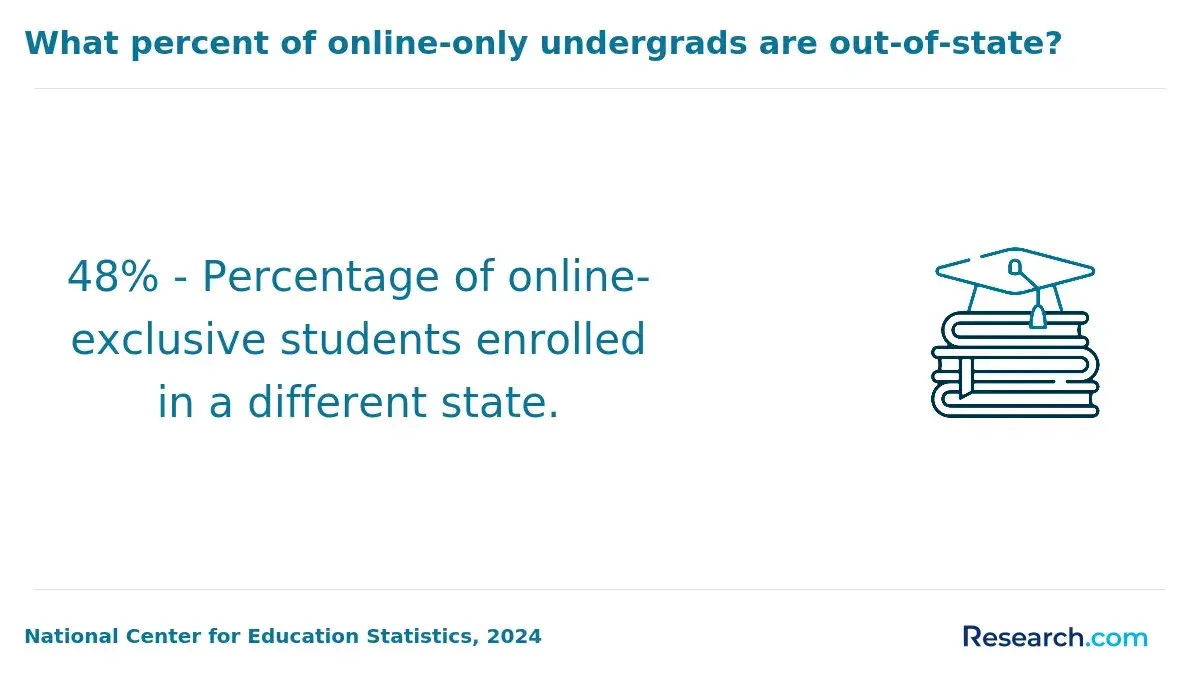
As of 2024, many animal science degree programs have moved away from requiring SAT or ACT scores, reflecting broader shifts in admissions standards. Data from university admissions offices and national sources like the National Center for Education Statistics show a significant decline in standardized test submissions for agriculture and life sciences, aligning with test-optional and test-blind policies increasingly adopted by institutions.
Instead, programs tend to weigh high school GPA, course rigor, and relevant hands-on experiences more heavily to evaluate applicant readiness. Yet, some selective or state-regulated schools maintain testing requirements to help differentiate applicants or meet compliance benchmarks, indicating that the role of standardized testing is now more variable than ever across the animal science landscape.
Changes in test policies stem from a blend of equity goals, institutional strategy, and evolving pedagogical priorities. Removing standardized tests can lessen access barriers for underrepresented and lower-income students lacking resources for exam prep, supporting a more inclusive admissions process.
At the same time, highly selective universities or those with mandated state guidelines may still rely on SAT/ACT results to uphold traditional ranking and assessment practices.
Public, private, and land-grant schools demonstrate contrasting approaches based on their differing missions and applicant pools, with many institutions putting increasing emphasis on continuous academic achievement and experiential indicators rather than single exam scores. These dynamics reflect a sustained reassessment of standardized testing's utility in forecasting success within the specialized, applied context of animal science degrees.
One animal science student shared that during their application cycle, the uncertainty around submitting ACT scores created a strategic dilemma. They hesitated to take the test late since some programs listed it as optional while others hinted it might influence scholarship decisions.
Balancing preparation time against rolling deadlines, they ultimately prioritized strengthening their GPA and internships, relying on programs' holistic review policies, which eased anxiety but introduced some unpredictability in final admissions outcomes. This experience highlighted the growing complexity applicants face in navigating test policies that no longer offer clear, uniform guidance.
How Many Animal Science Programs Have Adopted Test-Optional Admissions Policies?
Recent data from the National Center for Education Statistics and FairTest indicate that about two-thirds of institutions offering animal science programs have adopted test-optional admissions policies as of 2024. This shift marks a significant departure from previous standardized testing norms, with roughly 65-70% of these programs no longer requiring SAT or ACT scores for admission.
However, some schools still weigh test scores for scholarship eligibility or employ hybrid admissions models that consider submitted scores supplemental rather than mandatory. These patterns reflect a nuanced approach to standardized testing rather than outright elimination.
The move toward test-optional policies is driven partly by efforts to address equity gaps that standardized tests often perpetuate, especially for underrepresented and transfer students. The pandemic accelerated the reevaluation of testing's predictive validity and accessibility, prompting many animal science departments to reconsider rigid requirements.
Competition among institutions and evolving applicant priorities also influence this trend, as schools aim to broaden their pools while emphasizing holistic criteria like GPA and curriculum rigor. Nevertheless, test-optional does not guarantee an easier path; students must navigate varied requirements and recognize that testing may remain a factor in certain scholarship or program-specific decisions.
Adopting test-optional policies has implications beyond application numbers, influencing admissions selectivity and applicant strategies. Programs embracing this model often experience increased volume and diversity of candidates, requiring greater emphasis on qualitative review components.
This shift challenges applicants to present strengths through transcripts, recommendations, and personal statements rather than relying solely on test performance. For advisors and prospective students, understanding these operational changes is critical to aligning application efforts with each program's particular admissions architecture and long-term career considerations in animal science fields.
What Non-Academic Factors Do Animal Science Admissions Committees Consider?
Admissions committees for animal science programs increasingly rely on a holistic review process, integrating both academic achievements and a range of non-academic factors to evaluate applicants. This approach aims to identify candidates who not only meet quantitative standards such as GPA and test scores but also demonstrate the interpersonal skills, practical experience, and resilience essential for success in these science-intensive, hands-on disciplines.
Such evaluations recognize that academic metrics alone insufficiently capture an applicant's full potential or fit for demanding animal science curricula and career paths.
Many programs employ a structured review framework to assess qualities and experiences that indicate a student's readiness for collaborative fieldwork, problem-solving challenges, and ethical dilemmas common in animal care and agricultural environments. Analysis of these non-academic admissions factors for animal science programs reveals several key criteria admissions officers prioritize:
- Relevant Experiential Exposure: Participation in internships, volunteer work, or employment related to animal care or biological research is weighted heavily. According to the National Association of Colleges and Employers (NACE) 2024 Student Survey, 67% of such programs place moderate to significant emphasis here, reflecting how practical experience signals familiarity with real-world contexts and immediate workforce readiness.
- Personal Qualities and Interpersonal Skills: Admissions committees assess resilience, communication, and teamwork abilities through interviews or evaluative essays. Over 60% of top-tier departments use these tools to gauge ethical decision-making and collaborative potential, which are critical given the unpredictable nature of working with animals and agriculture technologies.
- Recommendations Highlighting Leadership and Problem-Solving: Letters from faculty or supervisors serve as qualitative evidence of non-academic strengths. The 2024 Higher Education Research Institute (HERI) data shows that endorsements emphasizing adaptability and leadership correlate with higher program completion rates and employment success in animal science careers.
- Community Engagement and Advocacy: Active involvement in clubs or service projects related to animal welfare or sustainability signals long-term dedication beyond academics. Nearly half of surveyed programs give additional consideration to applicants with such commitments, aligning admissions priorities with broader societal expectations for graduates.
- Contextual Background and Extracurricular Depth: Admissions evaluations consider the socioeconomic and geographic contexts that shape an applicant's opportunities and motivations. Understanding this background helps admissions officers interpret activities and achievements more accurately, balancing against traditional academic indicators.
Effectively navigating how animal science admissions evaluate extracurricular activities and related non-academic criteria requires applicants to present these experiences within the framework of demonstrated skill development and alignment with program demands. This balanced portrayal enhances the holistic review and increases the likelihood of admission outcomes favorable to those with diverse but relevant profiles.
Prospective students and advisors should note that this comprehensive approach resonates with employment trends demanding graduates who combine technical knowledge with practical problem-solving and ethical awareness. For those exploring advanced academic options in related fields, investigating alternatives such as master's urban planning online programs may offer complementary pathways in sustainable resource management that intersect with broader agricultural and environmental concerns.
Which Types of Schools Are the Most Selective for Animal Science Applicants?
Admissions competitiveness for animal science programs varies considerably across types of institutions due to differences in applicant volume, program size, funding priorities, and institutional mission. Selectivity is often tied less to general prestige and more to enrollment demand driven by program reputation, research capacity, and industry connections.
Understanding these factors provides clearer insight into how acceptance rates and GPA expectations shift across the spectrum of higher education options in animal science.
- Research-Intensive Land-Grant Universities: These institutions typically experience intense applicant competition driven by their established animal science reputations, significant research funding, and strong ties to the agricultural industry. With limited program capacity and high demand, acceptance rates commonly fall below 30%, alongside average admitted GPAs exceeding 3.6, reflecting rigorous academic standards and holistic admissions processes.
- Regional Public and Private Colleges: Often serving more localized student populations, these schools see moderate selectivity with acceptance rates between 50% and 70%. While academic standards remain important, these programs balance enrollment by emphasizing practical skills and demonstrated passion, resulting in slightly lower GPA expectations-around 3.0 to 3.5-and broader access.
- Community Colleges and Two-Year Institutions: With open-admission policies focused on workforce readiness and foundational competencies, these colleges maintain minimal selectivity for animal science pathways. Their primary role is providing accessible entry points for transfer students or career changers, prioritizing practical experience over high GPAs or testing metrics.
- Smaller Private Colleges with Specialized Programs: These schools may exhibit variable selectivity depending on niche program strengths and funding. Limited seats and targeted curricula can create modest competition, though acceptance rates often exceed those at large research universities due to smaller applicant pools and more flexible admissions criteria.
How Do Admissions Standards Differ Across States and Regions?
Admissions standards for animal science programs show considerable variation depending on state and regional factors, as reflected in 2024 data from sources such as the National Center for Education Statistics and state university systems. Northeastern programs typically maintain higher GPA requirements, often near or above 3.5, coupled with lower acceptance rates that frequently dip below 40%, indicating more competitive entry environments.
Southern states generally present more accessible admission criteria, with GPA expectations closer to 3.0 and acceptance rates above 60%, reflecting less selectivity tied to local workforce needs. Midwestern programs tend to balance these extremes, with moderate GPA cutoffs and acceptance percentages ranging from roughly 40% to 55%, while western states display a patchwork of standards influenced by institutional diversity and coastal-inland distinctions.
The factors driving these disparities include differences in public funding allocations and institutional missions, which affect program capacity and selectivity thresholds. Regional labor demand, especially where livestock and agricultural industries dominate, often encourages broader access to meet workforce needs, whereas regions with strong research universities emphasize selective admissions to cultivate advanced competencies.
Population density and urban-rural divides also shape enrollment pressures, with more densely populated areas sustaining higher competition due to applicant volume. Additionally, evolving admissions policies such as test-optional approaches reflect broader efforts to increase accessibility while maintaining academic rigor, particularly in midwestern institutions balancing equity with preparedness.
An animal science graduate recalls applying amid rolling admissions in a state with moderately selective standards. Initial hesitation arose from uncertainty over whether to submit applications early or wait for updated GPA recalculations after final semester grades.
The delay in receiving admissions decisions from programs in different regions complicated choices about whether to commit or keep options open. Ultimately, the applicant valued the flexibility provided by less rigid deadlines in one southern state and the more stringent timelines of northeastern schools, which reinforced the importance of strategic timing in navigating variable admissions landscapes across the country.
How Do Admissions Requirements Compare Between Online and Campus Programs?
Admissions requirements for online and campus animal science programs in 2024 reveal distinct patterns shaped by delivery models and institutional priorities. Generally, minimum GPA standards range from 2.5 to 3.5, with campus programs often imposing slightly higher thresholds, reflecting their emphasis on academic rigor and research involvement.
Standardized testing policies diverge notably; many campus programs continue to require or recommend SAT/ACT scores, sometimes employing super-scoring, while online programs increasingly adopt test-optional approaches to broaden accessibility.
Practical experience remains a shared admission factor, yet campus programs prioritize hands-on lab components and internships, whereas online alternatives more frequently accept professional work documentation, adapting to constraints linked to remote delivery and facility access. This dynamic exemplifies key variations in online animal science program admissions differences.
These disparities stem from fundamental differences in student demographics, program scalability, and institutional missions. Online animal science programs often target working adults and non-traditional students, necessitating greater flexibility through relaxed testing or remote experiential options.
Conversely, campus-based programs frequently face competitive seat limitations and maintain traditional evaluation criteria to ensure strong institutional fit and academic preparedness, particularly for transfer applicants.
Holistic admissions approaches-including personal statements and recommendations-are increasingly common across both modes, yet faculty involvement tends to be closer in campus settings, influencing selectivity. Understanding these policy frameworks clarifies how enrollment accessibility and academic support structures differ markedly between program formats.
Such differences influence student choice and employer perceptions, where campus graduates may be viewed as having benefited from direct mentorship and integrated research opportunities, potentially enhancing early-career readiness. In contrast, online graduates often bring adaptability and self-directed learning prized in evolving agricultural and veterinary sectors.
Awareness of these nuances can guide applicants assessing campus versus online animal science acceptance rates. For a broader educational context, prospective students might also explore a library science degree, where affordability and accessibility trends offer valuable comparative insights.
Is There a Relationship Between Admissions Standards and Student Success?
Recent data from the National Center for Education Statistics in 2024 indicates that more selective admissions standards in animal science programs, such as minimum incoming GPAs above 3.5, correlate with roughly 12% higher retention and graduation rates. This suggests a tangible link between admissions criteria and student success, reflecting how baseline academic preparedness contributes to persistence.
However, evaluating the impact of selective admissions on student outcomes in animal science degrees is more complex than attributing success solely to GPA thresholds or test scores, especially given evolving policies such as test-optional admissions. These changes have introduced variability but also increased access without diminishing academic or career performance among admitted students.
The relationship between admissions standards and student success is complicated further by demographic variability, institutional resources, and programmatic differences. Holistic admissions that consider motivation, relevant experience, and recommendations alongside traditional metrics often maintain strong outcomes while enhancing diversity and inclusion.
Academic support services and funding levels influence persistence and graduation independently of selectivity, as do curricular design and experiential learning opportunities. Thus, selectivity alone does not capture the full picture of institutional effectiveness or student achievement in animal science programs.
Prospective students should note that admissions selectivity is not a definitive predictor of educational quality or long-term career outcomes. Employers in agriculture and animal health increasingly value practical skills, adaptability, and critical thinking over strict numeric cutoffs. Therefore, admissions policies emphasizing experiential backgrounds alongside academic standards can align better with workforce demands.
For those evaluating options, understanding how admissions standards interact with employability measures-such as those highlighted in the forensic science degree salary data and related analyses-can provide more actionable insights than selectivity metrics alone.
How Can Students Strengthen a Animal Science Program Application?
Successful animal science applications are shaped by more than just academic metrics; they require demonstrating practical readiness, clear alignment with program goals, and sustained commitment to the field. Admissions committees increasingly seek evidence that applicants understand both scientific concepts and the real-world challenges of animal health and management.
Rather than settling for minimum qualifications, competitive candidates strategically position themselves to reflect holistic preparation and long-term potential. This approach addresses growing expectations that students will translate classroom learning into workforce-relevant skills upon graduation.
- Maintain a Strong GPA in Relevant Courses: A GPA above 3.5, especially in core science and math classes, signals academic rigor and foundational knowledge essential for advanced animal science studies. Admissions officers interpret this as readiness for demanding coursework and complex problem-solving, which differentiates candidates in selective programs.
- Gain Relevant Practical Experience: Internships, research, or volunteer activities on farms or veterinary settings provide tangible proof of engagement and field familiarity. Committees value this experiential learning as it indicates candidate maturity and minimizes orientation needs post-admission.
- Develop Technical Skills: Proficiency in laboratory techniques, data analysis, and understanding animal welfare regulations demonstrates an applicant's ability to handle core aspects of animal science. This strengthens applications by showcasing both theoretical knowledge and applicable competencies.
- Articulate Clear Career Objectives: Applicants who coherently link experiences to specific animal science fields exhibit thoughtful career planning. Admissions staff see this as a sign of genuine motivation, increasing confidence in the candidate's persistence and success.
- Adapt to Test-Optional Policies with Holistic Application Components: With many programs de-emphasizing standardized tests, strong letters of recommendation and detailed personal statements become crucial. These elements help address any gaps and offer insight into personal qualities beyond grades and scores.
References
- Colorado State University-Fort Collins Animal Sciences Major | 91% Acceptance Rate, ROI 64/100 https://www.gradgpt.com/colorado-state-university-fort-collins/bachelors/animal-sciences
- Cal Poly SLO Animal Sciences https://talk.collegeconfidential.com/t/cal-poly-slo-animal-sciences/1939909
- How to Stand Out as a Candidate in Animal Science? - The Aicila Group https://aicila.com/how-to-stand-out-as-a-candidate-in-animal-science/
- Can I Study Animal Science Courses Online? https://www.stonebridge.uk.com/blog/veterinary/animal-science-courses-online-or/
- BSAS https://www.bisas.org.uk/blog/the-future-of-animal-science-in-higher-education/
- BSc in Animal Science and Dairy Production https://www.studyinpoland.pl/en/programme
- Student Debt Center - VIN Foundation https://vinfoundation.org/resources/student-debt-center/
- How to get into vet school? - Online Preparatory Program https://univet.hu/online-preparatory-program/2025/07/07/how-to-get-into-vet-school/
- An Examination of Factors that Interact to Shape Academic Outcomes in an Animal Nutrition Course | Journal of Agricultural Education https://jae-online.org/index.php/jae/article/view/3052
- Which Colleges Require ACT Science in 2026 â and Should You Take It? https://www.applerouth.com/blog/which-colleges-require-act-science
Other Things You Should Know About Animal Science
Rising GPA requirements often signal intense academic rigor but don't always correlate directly with practical skill development, which is crucial in animal science. Students should consider programs that balance strong academic standards with opportunities for real-world, applied learning such as internships or lab work. Prioritizing programs that emphasize experiential learning can better prepare graduates for employer expectations, even if their GPA thresholds are slightly less competitive.
Test-optional policies can broaden access but may reduce objective comparability across applicants, shifting emphasis to GPA and other criteria that vary in consistency. Programs that still require testing may offer admissions committees clearer data to assess quantitative reasoning and science fundamentals vital in animal science.
Applicants with strong test scores might gain advantage at these schools, but those weaker in standardized testing could benefit from test-optional programs that focus more on coursework and experiences.
Highly selective programs often offer stronger research opportunities and connections to industry but demand higher academic preparation and competitiveness, potentially increasing stress and workload. Broader-access programs may provide more flexibility and diverse practical experiences, which can be valuable depending on career goals. Applicants should align choices with their readiness to manage academic intensity versus their need for access to hands-on training and network development.
Increasing GPA expectations and changes in test policies suggest that employers may soon expect graduates to have learned robust theoretical and practical competencies. However, not all employers weigh admissions selectivity equally; many prioritize relevant experience and certifications obtained during study over raw academic statistics.
Students should aim for programs that maintain rigorous curriculum content and provide strong career support rather than focusing solely on narrow admissions metrics, as real-world skills and professional networks carry more lasting weight.